

ASTM G74-13(2021)
(Test Method)Standard Test Method for Ignition Sensitivity of Nonmetallic Materials and Components by Gaseous Fluid Impact
General Information
- Abstract
SIGNIFICANCE AND USE
4.1 This test standard describes how to evaluate the relative sensitivity of materials and components to dynamic pressure impacts by various gaseous fluid media (can include gas mixtures).
4.2 Changes or variations in test specimen configurations, thickness, preparation, and cleanliness can cause a significant change in their impact ignition sensitivity/reaction. For material tests, the test specimen configuration shall be specified on the test report.
4.3 Changes or variation in the test system configuration from that specified herein may cause a significant change in the severity produced by a dynamic pressure surge of the gaseous media.
4.4 A reaction is indicated by an abrupt increase in test specimen temperature, by obvious changes in odor, color, or material appearance, or a combination thereof, as observed during post-test examinations. Odor alone is not considered positive evidence that a reaction has occurred. When an increase in test specimen temperature is observed, a test specimen reaction must be confirmed by visual inspection. To aid with visual inspection, magnification less than 10× can be used.
4.5 When testing components, the test article must be disassembled and the nonmetallic materials examined for evidence of ignition after completion of the specified pressure surge cycles.
4.6 Ignition or precursors to ignition for any test sample shall be considered a failure and are indicated by burning, material loss, scorching, or melting of a test material detected through direct visual means. Ignition is often indicated by consumption of the non-metallic material under test, whether as an individual material or within a component. Partial ignition can also occur, as shown in Fig. 3a, b, and c, and shall also be considered an ignition (failure) for the purpose of this test standard.
FIG. 3 a Untested PCTFE (10X Magnification) (Polychlorotrifluoroethylene) Sample.
FIG. 3 b Untested Nylon (PA, polyamide) Valve Seat (10X magnification) (c...
SCOPE
1.1 This test method describes a method to determine the relative sensitivity of nonmetallic materials (including plastics, elastomers, coatings, etc.) and components (including valves, regulators flexible hoses, etc.) to dynamic pressure impacts by gases such as oxygen, air, or blends of gases containing oxygen.
1.2 This test method describes the test apparatus and test procedures employed in the evaluation of materials and components for use in gases under dynamic pressure operating conditions up to gauge pressures of 69 MPa and at elevated temperatures.
1.3 This test method is primarily a test method for ranking of materials and qualifying components for use in gaseous oxygen. The material test method is not necessarily valid for determination of the sensitivity of the materials in an “as-used” configuration since the material sensitivity can be altered because of changes in material configuration, usage, and service conditions/interactions. However, the component testing method outlined herein can be valid for determination of the sensitivity of components under service conditions. The current provisions of this method were based on the testing of components having an inlet diameter (ID bore) less than or equal to 14 mm (see Note 1).
1.4 A 5 mm Gaseous Fluid Impact Sensitivity (GFIS) test system and a 14 mm GFIS test system are described in this standard. The 5 mm GFIS system is utilized for materials and components that are directly attached to a high-pressure source and have minimal volume between the material/component and the pressure source. The 14 mm GFIS system is utilized for materials and components that are attached to a high pressure source through a manifold or other higher volume or larger sized connection. Other sizes than these may be utilized but no attempt has been made to characterize the thermal profiles of other volumes and geometries (see Note 1).
Note 1: The energy delivered by this t...
- Status
- Published
- Publication Date
- 14-Oct-2021
- Drafting Committee
- G04.01 - Test Methods
Overview
ASTM G74-13(2021), Standard Test Method for Ignition Sensitivity of Nonmetallic Materials and Components by Gaseous Fluid Impact, provides a definitive approach to evaluating the ignition sensitivity of nonmetallic materials-including plastics, elastomers, and coatings-and components such as valves, regulators, and hoses, when subjected to dynamic pressure impacts from gaseous fluids like oxygen and air. Developed by ASTM International, this standard defines consistent methods to assess materials and finished components for potential ignition reaction in oxygen-enriched or high-pressure gas environments, supporting safety and reliability in various industries.
Key Topics
- Ignition Sensitivity Assessment: The standard establishes procedures to test materials and components for their likelihood to ignite when rapidly pressurized by gases. It aims to rank materials by ignition risk and qualify components for service use in oxygen and similar gases under dynamic pressure.
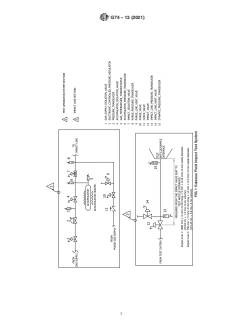
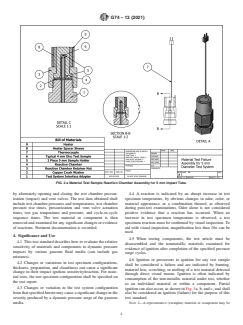
- Test Apparatus and Procedures: G74 describes the required test system, which consists of pressure accumulators, high-speed valves, reaction chambers, and monitoring instruments. The standard specifies configurations for 5 mm and 14 mm gaseous fluid impact sensitivity (GFIS) systems, suitable for different component sizes and system volumes.
- Sample Preparation and Cleanliness: Specimen configuration (thickness, preparation, cleanliness) is crucial, as deviations can significantly affect test outcomes. All test specimen setups and cleaning processes must be thoroughly documented and reported.
- Reaction Identification: Criteria for identifying ignition include abrupt temperature increases, visible material changes (burning, melting, scorching), material loss, or discoloration after the test cycles, confirmed through magnification and visual inspection.
- Component vs. Material Testing: Material tests provide a basis for batch ranking but may not represent “as-used” configurations, whereas component tests are potentially valid for assessing in-service behavior.
Applications
The ASTM G74 standard is vital for industries where nonmetallic materials or components are exposed to dynamic pressurization by oxygen or oxidizing gas mixtures, such as:
- Medical Gas Equipment: Testing valve seats, regulators, and oxygen delivery components to ensure resistance to ignition in high-pressure oxygen service.
- Aerospace and Aviation: Verifying ignition resistance of seals, hoses, and fittings used in aircraft oxygen and breathing gas systems.
- Industrial Gas Handling: Assessing safety of elastomeric and plastic parts in regulators, flexible hoses, and coatings subjected to gas surges.
- Safety and Compliance Testing: Supporting qualification processes for new materials and components in regulated environments requiring oxygen compatibility testing and risk management.
By facilitating batch-to-batch comparisons and qualification of materials and components, ASTM G74 helps improve safety, reduce fire hazards, and ensure compliance with industry requirements for dynamic oxygen service conditions.
Related Standards
ASTM G74 references and is often used in conjunction with several other national and international standards, including:
- ASTM G63: Guide for Evaluating Nonmetallic Materials for Oxygen Service
- ASTM G88: Guide for Designing Systems for Oxygen Service
- ASTM G93: Guide for Cleanliness Levels and Cleaning Methods for Materials and Equipment Used in Oxygen-Enriched Environments
- ASTM D618, D3182, D3183: Practices for specimen preparation and conditioning of plastics and rubber
- CGA V-9: Standard for Compressed Gas Cylinder Valves (Compressed Gas Association)
- ISO 291, ISO 10524, ISO 14113, ISO 15001: Various ISO standards related to plastics conditioning, pressure regulators, hoses, and oxygen compatibility
For safe operation and accurate testing, users should also consult industry guidelines such as MNL 36 Safe Use of Oxygen and Oxygen Systems and IEST-STD-CC1246 Cleanliness Levels and Contamination Control.
Keywords: ignition sensitivity, nonmetallic materials, dynamic pressure, gaseous fluid impact, oxygen compatibility, ASTM G74, test method, oxygen service, material qualification, safety standard.
Relations
- Effective Date
- 01-May-2019
- Effective Date
- 01-May-2015
- Effective Date
- 01-Apr-2012
- Effective Date
- 01-Apr-2011
- Effective Date
- 01-Apr-2011
- Effective Date
- 01-Dec-2010
- Effective Date
- 01-Aug-2010
- Effective Date
- 15-May-2010
- Effective Date
- 01-Feb-2010
- Effective Date
- 01-Nov-2008
- Refers
ASTM G128-02(2008) - Standard Guide for Control of Hazards and Risks in Oxygen Enriched Systems - Effective Date
- 01-Sep-2008
- Effective Date
- 01-Sep-2007
- Effective Date
- 15-Mar-2007
- Effective Date
- 01-Nov-2005
- Effective Date
- 01-Sep-2005
Get Certified
Connect with accredited certification bodies for this standard

CIS Institut d.o.o.
Personal Protective Equipment (PPE) certification body. Notified Body NB-2890 for EU Regulation 2016/425 PPE.

Kiwa BDA Testing
Building and construction product certification.
Kmetijski inštitut Slovenije
Agricultural Institute of Slovenia. Soil testing, plant health, agricultural product analysis.
Sponsored listings
Frequently Asked Questions
ASTM G74-13(2021) is a standard published by ASTM International. Its full title is "Standard Test Method for Ignition Sensitivity of Nonmetallic Materials and Components by Gaseous Fluid Impact". This standard covers: SIGNIFICANCE AND USE 4.1 This test standard describes how to evaluate the relative sensitivity of materials and components to dynamic pressure impacts by various gaseous fluid media (can include gas mixtures). 4.2 Changes or variations in test specimen configurations, thickness, preparation, and cleanliness can cause a significant change in their impact ignition sensitivity/reaction. For material tests, the test specimen configuration shall be specified on the test report. 4.3 Changes or variation in the test system configuration from that specified herein may cause a significant change in the severity produced by a dynamic pressure surge of the gaseous media. 4.4 A reaction is indicated by an abrupt increase in test specimen temperature, by obvious changes in odor, color, or material appearance, or a combination thereof, as observed during post-test examinations. Odor alone is not considered positive evidence that a reaction has occurred. When an increase in test specimen temperature is observed, a test specimen reaction must be confirmed by visual inspection. To aid with visual inspection, magnification less than 10× can be used. 4.5 When testing components, the test article must be disassembled and the nonmetallic materials examined for evidence of ignition after completion of the specified pressure surge cycles. 4.6 Ignition or precursors to ignition for any test sample shall be considered a failure and are indicated by burning, material loss, scorching, or melting of a test material detected through direct visual means. Ignition is often indicated by consumption of the non-metallic material under test, whether as an individual material or within a component. Partial ignition can also occur, as shown in Fig. 3a, b, and c, and shall also be considered an ignition (failure) for the purpose of this test standard. FIG. 3 a Untested PCTFE (10X Magnification) (Polychlorotrifluoroethylene) Sample. FIG. 3 b Untested Nylon (PA, polyamide) Valve Seat (10X magnification) (c... SCOPE 1.1 This test method describes a method to determine the relative sensitivity of nonmetallic materials (including plastics, elastomers, coatings, etc.) and components (including valves, regulators flexible hoses, etc.) to dynamic pressure impacts by gases such as oxygen, air, or blends of gases containing oxygen. 1.2 This test method describes the test apparatus and test procedures employed in the evaluation of materials and components for use in gases under dynamic pressure operating conditions up to gauge pressures of 69 MPa and at elevated temperatures. 1.3 This test method is primarily a test method for ranking of materials and qualifying components for use in gaseous oxygen. The material test method is not necessarily valid for determination of the sensitivity of the materials in an “as-used” configuration since the material sensitivity can be altered because of changes in material configuration, usage, and service conditions/interactions. However, the component testing method outlined herein can be valid for determination of the sensitivity of components under service conditions. The current provisions of this method were based on the testing of components having an inlet diameter (ID bore) less than or equal to 14 mm (see Note 1). 1.4 A 5 mm Gaseous Fluid Impact Sensitivity (GFIS) test system and a 14 mm GFIS test system are described in this standard. The 5 mm GFIS system is utilized for materials and components that are directly attached to a high-pressure source and have minimal volume between the material/component and the pressure source. The 14 mm GFIS system is utilized for materials and components that are attached to a high pressure source through a manifold or other higher volume or larger sized connection. Other sizes than these may be utilized but no attempt has been made to characterize the thermal profiles of other volumes and geometries (see Note 1). Note 1: The energy delivered by this t...
SIGNIFICANCE AND USE 4.1 This test standard describes how to evaluate the relative sensitivity of materials and components to dynamic pressure impacts by various gaseous fluid media (can include gas mixtures). 4.2 Changes or variations in test specimen configurations, thickness, preparation, and cleanliness can cause a significant change in their impact ignition sensitivity/reaction. For material tests, the test specimen configuration shall be specified on the test report. 4.3 Changes or variation in the test system configuration from that specified herein may cause a significant change in the severity produced by a dynamic pressure surge of the gaseous media. 4.4 A reaction is indicated by an abrupt increase in test specimen temperature, by obvious changes in odor, color, or material appearance, or a combination thereof, as observed during post-test examinations. Odor alone is not considered positive evidence that a reaction has occurred. When an increase in test specimen temperature is observed, a test specimen reaction must be confirmed by visual inspection. To aid with visual inspection, magnification less than 10× can be used. 4.5 When testing components, the test article must be disassembled and the nonmetallic materials examined for evidence of ignition after completion of the specified pressure surge cycles. 4.6 Ignition or precursors to ignition for any test sample shall be considered a failure and are indicated by burning, material loss, scorching, or melting of a test material detected through direct visual means. Ignition is often indicated by consumption of the non-metallic material under test, whether as an individual material or within a component. Partial ignition can also occur, as shown in Fig. 3a, b, and c, and shall also be considered an ignition (failure) for the purpose of this test standard. FIG. 3 a Untested PCTFE (10X Magnification) (Polychlorotrifluoroethylene) Sample. FIG. 3 b Untested Nylon (PA, polyamide) Valve Seat (10X magnification) (c... SCOPE 1.1 This test method describes a method to determine the relative sensitivity of nonmetallic materials (including plastics, elastomers, coatings, etc.) and components (including valves, regulators flexible hoses, etc.) to dynamic pressure impacts by gases such as oxygen, air, or blends of gases containing oxygen. 1.2 This test method describes the test apparatus and test procedures employed in the evaluation of materials and components for use in gases under dynamic pressure operating conditions up to gauge pressures of 69 MPa and at elevated temperatures. 1.3 This test method is primarily a test method for ranking of materials and qualifying components for use in gaseous oxygen. The material test method is not necessarily valid for determination of the sensitivity of the materials in an “as-used” configuration since the material sensitivity can be altered because of changes in material configuration, usage, and service conditions/interactions. However, the component testing method outlined herein can be valid for determination of the sensitivity of components under service conditions. The current provisions of this method were based on the testing of components having an inlet diameter (ID bore) less than or equal to 14 mm (see Note 1). 1.4 A 5 mm Gaseous Fluid Impact Sensitivity (GFIS) test system and a 14 mm GFIS test system are described in this standard. The 5 mm GFIS system is utilized for materials and components that are directly attached to a high-pressure source and have minimal volume between the material/component and the pressure source. The 14 mm GFIS system is utilized for materials and components that are attached to a high pressure source through a manifold or other higher volume or larger sized connection. Other sizes than these may be utilized but no attempt has been made to characterize the thermal profiles of other volumes and geometries (see Note 1). Note 1: The energy delivered by this t...
ASTM G74-13(2021) is classified under the following ICS (International Classification for Standards) categories: 13.220.40 - Ignitability and burning behaviour of materials and products; 13.230 - Explosion protection. The ICS classification helps identify the subject area and facilitates finding related standards.
ASTM G74-13(2021) has the following relationships with other standards: It is inter standard links to ASTM D4894-19, ASTM D4894-15, ASTM D4894-07(2012), ASTM G175-03(2011), ASTM G93-03(2011), ASTM G14-04(2010), ASTM D2463-10b, ASTM D2463-10a, ASTM D2463-10, ASTM D618-08, ASTM G128-02(2008), ASTM D4894-07, ASTM G63-99(2007), ASTM D618-05, ASTM G94-05. Understanding these relationships helps ensure you are using the most current and applicable version of the standard.
ASTM G74-13(2021) is available in PDF format for immediate download after purchase. The document can be added to your cart and obtained through the secure checkout process. Digital delivery ensures instant access to the complete standard document.
Standards Content (Sample)
This international standard was developed in accordance with internationally recognized principles on standardization established in the Decision on Principles for the
Development of International Standards, Guides and Recommendations issued by the World Trade Organization Technical Barriers to Trade (TBT) Committee.
Designation: G74 − 13 (Reapproved 2021)
Standard Test Method for
Ignition Sensitivity of Nonmetallic Materials and
Components by Gaseous Fluid Impact
ThisstandardisissuedunderthefixeddesignationG74;thenumberimmediatelyfollowingthedesignationindicatestheyearoforiginal
adoptionor,inthecaseofrevision,theyearoflastrevision.Anumberinparenthesesindicatestheyearoflastreapproval.Asuperscript
epsilon (´) indicates an editorial change since the last revision or reapproval.
1. Scope attempt has been made to characterize the thermal profiles of
other volumes and geometries (see Note 1).
1.1 This test method describes a method to determine the
NOTE 1—The energy delivered by this test method is dependent on the
relativesensitivityofnonmetallicmaterials(includingplastics,
gas volume being rapidly compressed at the inlet to the test specimen or
elastomers, coatings, etc.) and components (including valves,
testarticle.Thereforethegeometryoftheupstreamvolume(diameterand
regulators flexible hoses, etc.) to dynamic pressure impacts by
length) is crucial to the test and crucial to the application of the results to
actual service conditions. It is therefore recommended that caution be
gases such as oxygen, air, or blends of gases containing
exercised in applying the results of this testing to rapid pressurization of
oxygen.
volumes larger than those standardized by this test method. This energy
1.2 This test method describes the test apparatus and test
deliveredbythisstandardisbasedontherapidcompressionofthevolume
in eithera5mmIDby 1000 mm long impact tube or a 14 mm ID by 750
procedures employed in the evaluation of materials and com-
mm long impact tube. These two upstream volumes are specified in this
ponents for use in gases under dynamic pressure operating
standard based on historic application within the industry.
conditions up to gauge pressures of 69 MPa and at elevated
1.5 This test method can be utilized to provide batch-to-
temperatures.
batch comparison screening of materials when the data is
1.3 This test method is primarily a test method for ranking
analyzed according to the methods described herein. Accept-
of materials and qualifying components for use in gaseous
ability of any material by this test method may be based on its
oxygen. The material test method is not necessarily valid for
50% reaction pressure or its probability of ignition based on a
determinationofthesensitivityofthematerialsinan“as-used”
logistic regression analysis of the data (described herein).
configuration since the material sensitivity can be altered
1.6 Many ASTM, CGA, and ISO test standards require
because of changes in material configuration, usage, and
ignition testing of materials and components by gaseous fluid
service conditions/interactions. However, the component test-
impact, also referred to as adiabatic compression testing. This
ing method outlined herein can be valid for determination of
test method provides the test system requirements consistent
the sensitivity of components under service conditions. The
with the requirements of these other various standards. The
current provisions of this method were based on the testing of
pass/fail acceptance criteria may be provided within other
components having an inlet diameter (ID bore) less than or
standards and users should refer to those standards. Pass/fail
equal to 14 mm (see Note 1).
guidance is provided in this standard such as that noted in
1.4 A 5 mm Gaseous Fluid Impact Sensitivity (GFIS) test
section 4.6. This test method is designed to ensure that
system and a 14 mm GFIS test system are described in this
consistent gaseous fluid impact tests are conducted in different
standard. The 5 mm GFIS system is utilized for materials and
laboratories.
componentsthataredirectlyattachedtoahigh-pressuresource
1.7 The criteria used for the acceptance, retest, and
andhaveminimalvolumebetweenthematerial/componentand
rejection, or any combination thereof of materials and compo-
the pressure source. The 14 mm GFIS system is utilized for
nentsforanygivenapplicationshallbedeterminedbytheuser
materials and components that are attached to a high pressure
and are not fixed by this method. However, it is recommended
source through a manifold or other higher volume or larger
that at a minimum the 95% confidence interval be established
sizedconnection.Othersizesthanthesemaybeutilizedbutno
for all test results since ignition by this method is inherently
probabilistic and should be treated by appropriate statistical
This test method is under the jurisdiction of ASTM Committee G04 on
methods.
Compatibility and Sensitivity of Materials in Oxygen EnrichedAtmospheres and is
the direct responsibility of Subcommittee G04.01 on Test Methods.
1.8 The values stated in SI units are to be regarded as
Current edition approved Oct. 15, 2021. Published November 2021. Originally
standard. No other units of measurement are included in this
approved in 1982. Last previous edition approved in 2013 as G74–13. DOI:
10.1520/G0074-13R21. standard.
Copyright © ASTM International, 100 Barr Harbor Drive, PO Box C700, West Conshohocken, PA 19428-2959. United States
G74 − 13 (2021)
1.9 This standard does not purport to address all of the Breathing, Liquid and Gas
safety concerns, if any, associated with its use. It is the
2.3 CGA Standards:
responsibility of the user of this standard to establish appro-
CGA V-9Compressed Gas Association Standard for Com-
priate safety, health, and environmental practices and deter-
pressed Gas Cylinder Valves
mine the applicability of regulatory limitations prior to use.
2.4 ISO Standards:
For specific precautions see Section 7.
ISO 291Plastics—Standard Atmospheres for Conditioning
1.10 This international standard was developed in accor-
and Testing
dance with internationally recognized principles on standard-
ISO 10297Transportable gas cylinders—Cylinder valves—
ization established in the Decision on Principles for the
Specification and type testing
Development of International Standards, Guides and Recom-
ISO 10524-1Pressure regulators for use with medical
mendations issued by the World Trade Organization Technical
gases—Part 1: Pressure regulators and pressure regulators
Barriers to Trade (TBT) Committee.
with flow-metering devices
ISO 10524-2Pressure regulators for use with medical
2. Referenced Documents
gases—Part 2: Manifold and line pressure regulators
2.1 ASTM Standards:
ISO 10524-3Pressure regulators for use with medical
D618Practice for Conditioning Plastics for Testing
gases—Part 3: Pressure regulators integrated with cylin-
D2463Test Method for Drop Impact Resistance of Blow-
der valves
Molded Thermoplastic Containers
ISO 14113Gas welding equipment—Rubber and plastics
D3182PracticeforRubber—Materials,Equipment,andPro-
hose and hose assemblies for use with industrial gases up
cedures for Mixing Standard Compounds and Preparing
to 450 bar (45 MPa)
Standard Vulcanized Sheets
ISO 15001 Anesthetic and Respiratory Equipment—
D3183Practice for Rubber—Preparation of Pieces for Test
Compatibility with Oxygen
Purposes from Products
ISO 23529Rubber—General procedures for preparing and
D4894 Specification for Polytetrafluoroethylene (PTFE)
conditioning test pieces for physical test methods refer-
Granular Molding and Ram Extrusion Materials
ence
G14TestMethodforImpactResistanceofPipelineCoatings
2.5 IEST Standards:
(Falling Weight Test)
IEST-STD-CC1246D“Product Cleanliness Levels and Con-
G63Guide for Evaluating Nonmetallic Materials for Oxy-
tamination Control Program,” Clean Rooms,August 2005
gen Service
G88Guide for Designing Systems for Oxygen Service
3. Summary of Method
G93GuideforCleanlinessLevelsandCleaningMethodsfor
3.1 The gaseous impact test system exposes material speci-
Materials and Equipment Used in Oxygen-Enriched En-
mens or components/elements to high-velocity (dynamic) gas-
vironments
eous impact environments. The basic configuration consists of
G94Guide for Evaluating Metals for Oxygen Service
a high-pressure accumulator, a high-speed pressurization (im-
G128Guide for Control of Hazards and Risks in Oxygen
pact) valve, test system pressurization lines, test reaction
Enriched Systems
chamber/fixture (for materials tests), test chamber purge and
G175Test Method for Evaluating the Ignition Sensitivity
vent systems, and a valve sequencer/control device for auto-
and Fault Tolerance of Oxygen Pressure Regulators Used
maticcontrol.Fig.1depictsaschematicofatypical5mmand
for Medical and Emergency Applications
14mmGFIStestsystem.Fig.2aandbdepictschematicsofthe
MNL 36Safe Use of Oxygen and Oxygen Systems: Guide-
typical reaction chambers used for material screening for this
lines for Oxygen System Design, Materials Selection,
testing. Once a material test sample is installed in the reaction
Operations, Storage, and Transportation
chamber, the assembly is attached to the test article interface.
2.2 Military Standards:
Components to be qualified are attached directly to the test
MIL-STD-1330DStandard Practice for precision Cleaning
article interface.
and Testing of Shipboard Oxygen, Helium, Helium-
3.2 Thegeneraltestprocedureistopreparethetestmaterial
Oxygen, Nitrogen, and Hydrogen Systems
or component, record significant pretest data, pressurize the
MIL-STD-1622Cleaning Shipboard Compressed Air Sys-
system accumulators to the test pressure, calibrate the pressure
tems
risetime,andplacethetestmaterialinthereactionchamberor
MIL-D-16791GDetergents, General Purpose (Liquid, Non-
installthecomponentonthesysteminterface.Thetestmaterial
ionic) (26 Jan 1990)
or component is then subjected to sequential gaseous impacts
MIL-O-27210E Amendment 1—Oxygen, Aviator’s
2 4
For referenced ASTM standards, visit the ASTM website, www.astm.org, or Available from Compressed Gas Association (CGA), 4221 Walney Rd., 5th
contact ASTM Customer Service at service@astm.org. For Annual Book of ASTM Floor, Chantilly, VA 20151-2923, http://www.cganet.com.
Standards volume information, refer to the standard’s Document Summary page on Available from International Organization for Standardization (ISO), 1, ch. de
the ASTM website. la Voie-Creuse, CP 56, CH-1211 Geneva 20, Switzerland, http://www.iso.org.
3 6
Available from Standardization Documents Order Desk, DODSSP, Bldg. 4, Available from Institute of Environmental Sciences and Technology (IEST),
Section D, 700 Robbins Ave., Philadelphia, PA 19111-5098, http:// Arlington Place One, 2340 S.Arlington Heights Rd., Suite 100,Arlington Heights,
dodssp.daps.dla.mil. IL 60005-4516, http://www.iest.org.
G74 − 13 (2021)
FIG. 1 Gaseous Fluid Impact Test System
G74 − 13 (2021)
FIG. 2 a Material Test Sample Reaction Chamber Assembly for 5 mm Impact Tube.
by alternately opening and closing the test chamber pressur- 4.4 A reaction is indicated by an abrupt increase in test
ization (impact) and vent valves. The test data obtained shall specimen temperature, by obvious changes in odor, color, or
include test chamber pressures and temperatures, test chamber material appearance, or a combination thereof, as observed
pressure rise times, pressurization and vent valve actuation during post-test examinations. Odor alone is not considered
times, test gas temperature and pressure, and cycle-to-cycle positive evidence that a reaction has occurred. When an
sequence times. The test material or component is then increase in test specimen temperature is observed, a test
removedandexaminedforanysignificantchangesorevidence specimen reaction must be confirmed by visual inspection. To
of reactions. Pertinent documentation is recorded. aid with visual inspection, magnification less than 10× can be
used.
4. Significance and Use
4.5 When testing components, the test article must be
4.1 This test standard describes how to evaluate the relative
disassembled and the nonmetallic materials examined for
sensitivity of materials and components to dynamic pressure
evidence of ignition after completion of the specified pressure
impacts by various gaseous fluid media (can include gas
surge cycles.
mixtures).
4.6 Ignition or precursors to ignition for any test sample
4.2 Changes or variations in test specimen configurations,
shall be considered a failure and are indicated by burning,
thickness, preparation, and cleanliness can cause a significant
material loss, scorching, or melting of a test material detected
change in their impact ignition sensitivity/reaction. For mate-
through direct visual means. Ignition is often indicated by
rial tests, the test specimen configuration shall be specified on
consumption of the non-metallic material under test, whether
the test report.
as an individual material or within a component. Partial
4.3 Changes or variation in the test system configuration ignition can also occur, as shown in Fig. 3a, b, and c, and shall
fromthatspecifiedhereinmaycauseasignificantchangeinthe also be considered an ignition (failure) for the purpose of this
severity produced by a dynamic pressure surge of the gaseous test standard.
media. NOTE 2—A representative (exemplar) material or component may be
G74 − 13 (2021)
NOTE 1—Detailed drawings for Fig. 2 can be found in Appendix X1.
FIG. 2 b Material Test Sample Reaction Chamber Assembly for 14 mm Impact Tube. (continued)
requested by the test laboratory personnel for visual comparison with the
4.8 For component testing, a specified number of pressure
post-test condition of the test samples.
surge cycles are conducted at a defined test pressure, usually
4.7 For material testing, the prescribed procedure is con- specified by a particular industry test standard. Usually, this
ducted on multiple samples until a statistically significant pressureis1.2timesthemaximumallowableworkingpressure
number of ignitions or no-ignitions, or both, are achieved at of the component. The initial test gas temperature may be
varioustestpressures.Thedataisthenanalyzedbyaprocedure varied depending on the requirements of the test; however,
that calculates the median failure pressure (i.e., the 50% most commonly the initial test gas temperature is 60 6 3 °C.
reaction pressure) or the functional form of the ignition
5. Apparatus
probability versus pressure by logistic regression analysis.
Materials tested in a similar configuration can be ranked 5.1 Atypical gaseous impact test system used for determin-
againsteachotherbyeitherofthesetwocriteria.Theinitialtest ing the sensitivity of materials to gaseous fluid impact is
gas temperature may be varied as required depending on the schematically depicted in Fig. 1. The major test system
requirements of the test. components are described as follows:
G74 − 13 (2021)
FIG. 3 a Untested PCTFE (10X Magnification) (Polychlorotrifluoroethylene) Sample.
FIG. 3 b Untested Nylon (PA, polyamide) Valve Seat (10X magnification) (continued)
5.1.1 The accumulator provides gaseous storage and is either a material or component test by the initial pressure
precharged to the desired test pressure (potential energy head). within the accumulator.
The capacity requirement is dependent on the test chamber 5.1.2 The pressurization rate shall be established based on
volume and line size and the number of impacts required per thetimedifferencebetween10%and90%ofthefirstpressure
testsequence.Itissizedtolimitstaticheadlosstolessthan3% peak on the rising pressure profile, as indicated in Fig. 4. The
of initial pressure during any single cycle or series of test 10% to 90% pressurization rate shall be within 15 to 20 ms
cycles. The accumulator is also heated such that the test gas is (see 9.2.7 and Note 6).
initially at the required gas temperature, usually 60 6 3 °C, 5.1.3 The high-speed pressurization (impact) valve shall be
measured inside the accumulator. The accumulator may be of a suitable design to achieve the pressurization rate specified
recharged between test cycles by an appropriate compressor as in 5.1.2 and satisfy the test severity requirements specified in
long as the gas temperature does not exceed the required the precision and bias section of this standard. Experience
starting gas temperature. The test pressure is established for indicates that more repeatable results are achieved when the
G74 − 13 (2021)
NOTE 1—For the purpose of this standard, test samples that visually appear in these conditions, or similar, are considered to be representative of
ignition.
FIG. 3 c Untested Pin-Index Sealing Washer (10X magnification) (continued)
FIG. 3 Photographs Representing Partial Reactions Including Scorching, Discoloration, Melting and Material Loss or
Material Consumption. For the purpose of this standard, test samples that visually appear in these conditions, or
similar, are considered to be representative of ignition.
immediate outlet of the high-speed valve is equipped with an line contain an isolation valve to provide a safety factor for
orifice to control the pressurization rate for tests on the 5 mm systemoperation.Theisolationvalveandinterconnectinglines
test system (Fig. 1). The 14 mm test system is not usually shall have a flow factor at least equal to the pressurization
equipped with an orifice. (impact)valve.Theisolationvalveshallbelocatedupstreamof
thepressurization(impact)valveorshallnotrestricttheflowto
NOTE 3—Typical orifices are designed with a sharp-edge profile and
the test material or test article.
varyininsidediameterbasedontheflowdynamicsoftheupstreamimpact
5.1.7 The test system vent valve shall be sized to allow the
valve. However, typical sizes for the 5 mm ID impact tube usually range
between 2 mm and 4 mm, depending on the valve used.
test chamber pressure to decay to atmospheric pressure be-
tween impacts so that the required 3 s minimum time at
5.1.4 The inside diameter and the length of the pressuriza-
ambient pressure is achieved between successive pressure
tionlinetothetestchamberarecriticaltothistestmethod.The
surge cycles, as shown in Fig. 4. This ambient pressure hold
lines and fittings between the outlet of the high-speed (impact)
time between cycles is intended to allow the test material or
valve and the test material or test article interface fitting shall
component to cool between successive pressure surge cycles.
maintainaconstantdiameterandlengthaccordingtoFig.1and
thetolerancesspecified.Thefittingsthataccommodatethevent
NOTE 4—A given gaseous impact test system screens materials and
valve and pressure transducers shall not restrict flow and shall components based on at least four basic parameters: the test article
pressurization rate, the accumulator pressure, the fluid dynamics in the
not affect the pressure rise in the impact tube.
system, and the heat transfer in the connecting tube. Variations in the test
5.1.5 The connecting tube shall comply with the geometric
article pressurization rate of different test systems at a given test
requirementsof5.1.4andbefabricatedofacopper-nickelalloy
(accumulator) pressure are believed to have the greatest influence and
material,suchasMonel400™,MonelK-500™,orequivalent,
therefore must comply with 5.1.2 and 5.1.3. The surface area to volume
ratiooftheimpacttubeanditsheattransfercharacteristicsarebelievedto
to ensure that the heat transfer characteristics are the same in
have the next greatest influence due to heat transfer effects and must
the connecting tube from one laboratory to another. Heat
thereforecomplywith5.1.4–5.1.7.Thedrivingpressureandtemperature
transfer losses will change if different material types are used
of the gas in the accumulator are believed to have the next greatest
for this connecting tube.
influence and therefore must be maintained according to 5.1.1. If these
5.1.6 The fluid lines between the accumulator and high- requirements are maintained, the data produced by the test system should
enable the screening and ranking of materials and components consis-
speed(impact)valveshallbesizedtominimizeflowlossesand
tently with other test systems. For example, a properly functioning test
enable pressurization of test materials or components in
system should rank most batches of chloroprene rubbers below most
accordance with 5.1.2. These fluid lines shall also be sized to
batches of vinylidene fluoride hexafluoropropylene elastomers, which
preclude a pressure drop upstream of the high-speed (impact)
shouldrankbelowmostbatchesofpolytetrafluoroethylenepolymers.This
valve during the pressure surge. It is recommended that this ranking cannot, however, be considered absolute due to material batch
G74 − 13 (2021)
NOTE 1—Two pressurization cycles showing the 10% to 90% rise time profile for each cycle illustrated in the detail to the left.
NOTE 2—The baseline pressure is sea level ambient pressure (1 atm). For a given final pressure, initial baseline pressures below 1 atm (sub-ambient,
other than vacuum) will increase the final temperature of the compressed gas since this increases the pressure ratio. Further, initial baseline pressures
above 1 atm will decrease the final temperature since this decreases the pressure ratio. Therefore, in this standard, the “Test Pressure” is defined herein
as the starting pressure in the test system accumulators and 1 atm is required as the initial test article pressure. Users are also cautioned that dynamic
overshootmaycauseamomentarypressurehigherthanthedesign/testpressuredesired.Effortstominimizedynamicovershoot,suchastheincorporation
of a suitably sized orifice, shall be exercised.
FIG. 4 Example Pressure Surge Cycles and Pressure Rise Rate Illustration
differencesimposedbycontamination,differencesintypesandamountsof
5.2.2 Test material or component instrumentation and data
mold release agents, differences in cures, new formulations, etc.
requirements include test fluid and test article temperatures,
5.1.8 For material testing, the reaction chamber subassem- systemstaticpressure,systemchamberpressure,pressurization
bly is configured to hold and position the test sample. Details (impact) rate or pressure rise time and valve actuation/timing.
of typical reaction chambers for the 5 mm and 14 mm systems All instrumentation and controls should have appropriate
are shown in Fig. 2 a and b. The reaction chamber contains a response times.
thermocouple to monitor the test sample temperature and to
6. Reagents and Materials
detect an ignition. The reaction chamber is configured with a
sample cup to facilitate installation of a test sample and a
6.1 Alkaline Cleaner, as required for test chambers,
heating collar to allow for material screening at elevated
plumbing, and specimen substrates, such as sodium hydroxide
temperatures(ifdesired).Otherrequisitesincludetheabilityto
(NaOH) or trisodium phosphate (Na PO ) diluted with an
3 4
readily install and remove the test specimen.
appropriate amount of distilled or deionized water.
5.2 The test specimen instrumentation and control require-
6.2 Deionized or Distilled Water, for test material or system
ments include the following equipment:
component-part rinsing.
5.2.1 An automatic, remote valve sequencer which controls
6.3 Detergent—Anoncorrosive, oxygen-compatible cleaner
the opening and closing of the test chamber pressurization
in the concentration used, conforming to MIL-D-16791G.
(impact) and vent valves during the test so that each impact/
vent cycle will be completed in identical, prescribed time 6.4 Gaseous Oxygen, conforming to MIL-O-27210E,
periods. It is preset to perform a prescribed number of Amendment 1, Federal Specification BB-O-925, Type 1, or
impact/vent cycles typically at 30 s intervals as shown in Fig. oxygenof99.5%purityorbetter.Oxygenofhigherpuritymay
4. be used if desired. The oxygen purity used in this test shall be
G74 − 13 (2021)
controlled to an accuracy level at least as high as the oxygen 8.2.1 Nonmetallicmaterialtestsmaybeconductedoneither
concentration of the intended gas service. The oxygen purity the 5-mm system or 14-mm system depending on the require-
shall be recorded on the test data sheet. ments of the user or the applicable industry standard. The
material test report, however, shall specify which system was
6.5 Gases used to dilute oxygen for testing in atmospheres
used for the material tests.
otherthanpureoxygenshallhaveapurityatleastequaltothat
8.2.2 Since nonmetallic materials can vary significantly in
specified for the material service condition or oxygen compo-
their geometry, use configuration, and viscosity, no specific
nent under test. Some research indicates that ultra-high purity
material preparation requirement is specified herein; however,
oxygen may influence the reactivity of some materials.
materials shall be tested in their end-use condition. Physical
properties such as ignition of nonmetallic materials are influ-
7. Safety Precautions
enced by temperature and relative humidity in a manner that
7.1 Thisisahazardoustest.Thetestareashallbecapableof
materially affects test results. In order to make reliable com-
withstanding short-term energetic fires, pressure releases, and
parisons between different materials and between different
shrapnel ejections from the effects of test system or test article
laboratories, it is necessary to standardize the humidity
reactionswithhigh-pressureoxygenoroxidizinggasmixtures.
conditions, as well as the temperature, to which specimens of
these materials are subjected prior to and during testing.
7.2 Itisrecommendedthatanappropriatepressureisolation
valve be installed in the line between the accumulator and the 8.2.2.1 Plastic Materials—Preparation and conditioning of
pressurization (impact) valve. This valve may be either manu- plastic test specimens shall be accomplished according to
ally or remotely operated, but if present, must provide for Practice D618, ISO 291 or equivalent.
personnel protection during test article loading and unloading
8.2.2.2 Rubber Materials—Preparation and conditioning of
operations.
rubber test specimen from sheet and products shall be accom-
plished according to Practice D3182, Practice D3183, ISO
7.3 Caution—Approvedeyeprotectionshallbeworninthe
23529 or equivalent.
testareaatalltimes.Otherprotectiveequipmentsuchasgloves
8.2.3 The samples may be prepared in disc geometries or
and ear protection shall be required if the system vent is
into divided segments (multiple pieces). The material test
adjacent to the test system.
sample configuration, mass and preparation procedure shall be
7.4 No personnel shall be permitted in the test cell when
recorded in the test report. Several preparation options are
remotely controlled valves are operated or when testing is in
provided below.
progress.
8.2.4 The following material preparation steps are provided
7.5 The housekeeping and maintenance characteristics of
asoptionsforpreparationoftestmaterialspecimensfortest,as
thetestareashallbeconsideredforbothsafetyandcleanliness
desired by the user.The material test sample configuration and
aspects.
mass shall be recorded in the test report.
8.2.4.1 Test the nonmetallic material samples in a thickness
7.6 See “Safe Use of Oxygen and Oxygen Systems: Hand-
of 1.5 6 0.13 mm (standard thickness), or in the end-use
book for Design, Operation, and Maintenance” (MNL 36),
thickness if less than 1.40 mm. If specimens are tested in a
“Guide for Control of Hazards and Risks in Oxygen Enriched
thickness other than 1.5 6 0.13 mm, the deviation shall be
Systems” (Guide G128), “Guide for Designing Systems for
recorded in the test report. The samples should be representa-
Oxygen Service” (Guide G88), “Guide for Evaluating Non-
tive of the as-used condition where possible. The as-used
Metallic Materials for Oxygen Service (Guide G63), and
condition may be either the installed condition, or where
“Guide for Evaluating Metals for Oxygen Service” (Guide
preferable, the condition that exists at any time in the service
G94) for details of safe practices related to the use of oxygen.
life.
7.7 Itmustbeunderstoodthatthisstandarddoesnotprovide
8.2.4.2 The nonmetallic test materials shall be prepared to a
for all safety requirements that may be deemed mandatory by
diameterthatfitslooselyinthesamplecupandshallgeometri-
local, regional, and national regulations. Users of this standard
cally be disk-shaped. The standard diameter range for the
shall comply with all such regulations.
5-mm system shall be 3.75 to 4.0 mm to fit loosely. The
standard diameter range for the 14-mm system shall be 11.5 to
8. Test Specimens
12.0 mm to fit loosely. Once an appropriate punch or equiva-
8.1 Component Tests—Components (i.e., valves, regulators,
lent preparation method is selected, all samples should be
etc.) shall be tested in their “as-received” condition or as
prepared to the same nominal diameter (6 0.1 mm nominal).
specifiedbythetestrequirements.Theinitialcleanlinessofthe
8.2.4.3 Analternatepreparationmethodistosubdivideeach
component is crucial to the outcome of the test. Therefore,
nonmetallic test sample into 4 to 8 nominally equal pieces by
handlingofthecomponentafteritsarrivalatthetestlaboratory
subdividing the initially prepared sample after step 8.2.4.2 in
shall maintain the “as-received” cleanliness without potential
ordertoensurethatsamplesarelooselyheldinthesamplecup.
contamination before test. If required, an interface fitting of
8.2.4.4 Applycoatingsandpaintinend-usethicknessontoa
minimumvolume,cleanedforoxygenservice,maybeinstalled
brass or 316 stainless steel (or other suitable metal) substrate.
between the system’s test article interface and the component
The substrate surface should be clean for oxygen use and
to allow for the tests to be conducted.
prepared according to the coating manufacturer’s recom-
8.2 Nonmetallic Material Tests: mended procedures. Prepare applied material in accordance
G74 − 13 (2021)
with the manufacturer’s recommendations. Record the final good as the level provided by the above process or achieve a
coating thickness (or mass), application steps, and preparation level 100A as specified by Pracitce G93 or MNL 36.
procedure for test reporting purposes.
8.5 It may be desired to evaluate the reactivity of materials
8.2.4.5 PreparespecimensofO-ringsassubdividedsamples
already in use. In this case, specimens shall be prepared in the
in their as-used diameter and approximately the same surface-
appropriate configuration (see 8.2), but cleaning in accordance
area-to-volume ratio as for subdivided samples prepared from
with 8.4 may be omitted to permit fu
...