

Agriculture
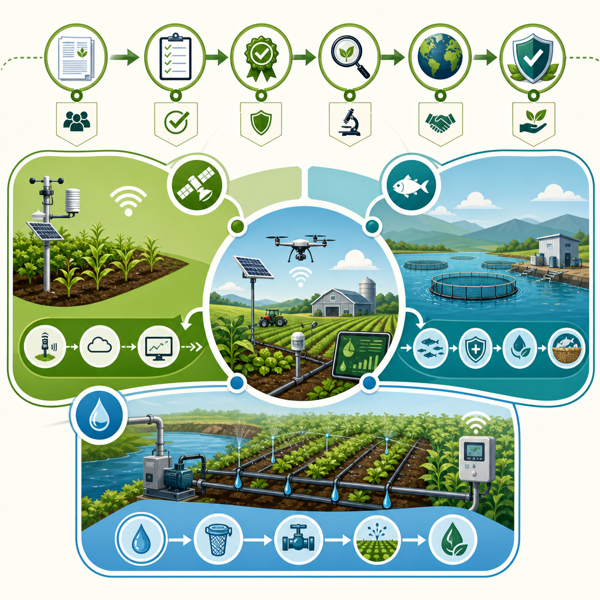
Discover how modern agriculture businesses can benefit from adopting three leading international standards: ISO 11783-3 for tractor and machinery data communication, ISO 24120-3 for pressurized sprinkler irrigation, and ISO 25247 for aquaculture effluent management. This essential overview explains how these standards increase productivity, optimize resource use, and minimize environmental impact. Learn about the operational requirements, implementation strategies, and tangible benefits that make these agriculture standards a must for farms and agribusinesses aiming for scalable, sustainable, and secure operations. Whether you are a farmer, agronomist, planner, or technology integrator, this guide will help you understand, comply, and thrive in today’s regulated agriculture sector.
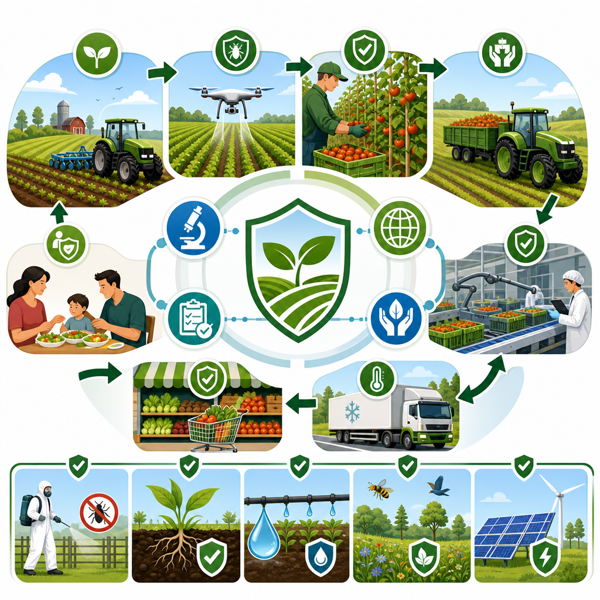
Explore the critical updates in agriculture standards published in June 2026. Covering five newly released CEN and ISO standards, this in-depth article highlights important advancements in soil and growing media safety, aquaculture effluent management, and tobacco product emissions testing. Gain insight into methods for detecting Salmonella, enterococci, and E. coli in soil improvers, as well as advanced guidance on aquaculture effluent treatment and CO measurement in heated tobacco products. Essential reading for agriculture professionals, compliance officers, and researchers seeking to bolster quality, safety, and sustainability within the industry. Discover how these standards impact compliance strategies and drive innovation for a safer, more resilient agricultural sector.
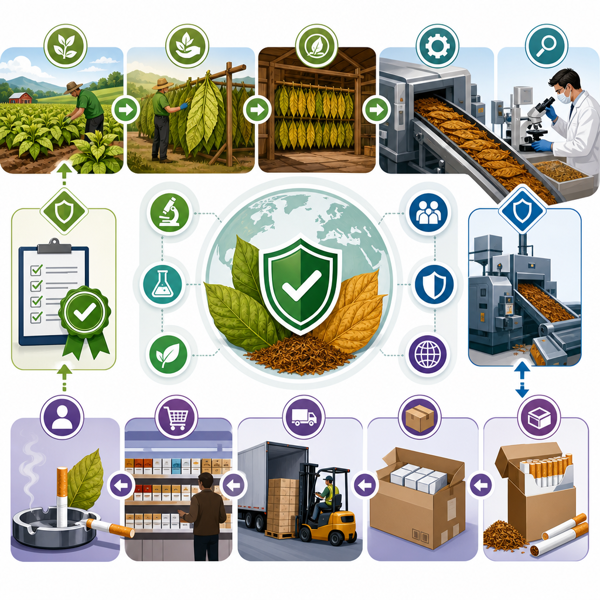
Explore a comprehensive overview of four crucial international ISO standards for tobacco and tobacco products, including methods for the determination of menthol and tobacco-specific nitrosamines, as well as carbon monoxide measurement in electrically heated tobacco products. This article reveals why these standards are indispensable for businesses today, how they help increase productivity, security, and enable scalable operations, plus the significant benefits of implementation. Whether you’re an industry professional or an interested consumer, discover how compliance with these standards ensures quality, regulatory adherence, and positions organizations for sustainable growth. All standards are accessible with direct links to iTeh Standards, the authoritative source for tobacco industry guidelines.
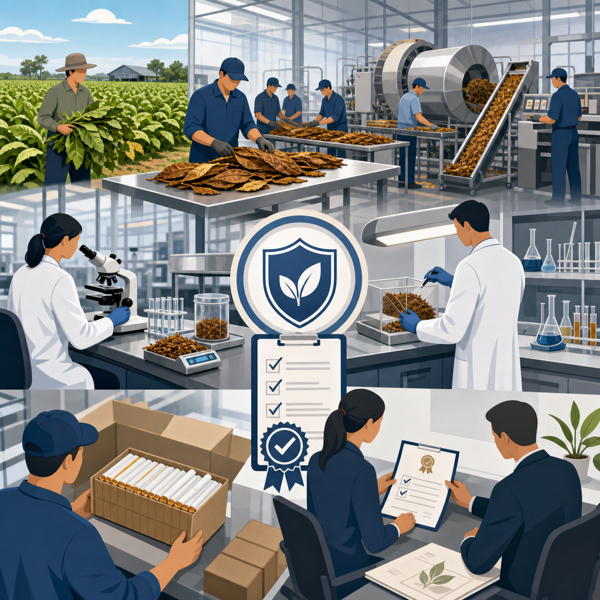
Tobacco and Tobacco Products Standards: Ensuring Quality, Safety, and Compliance Across the Industry
Discover how ISO tobacco and tobacco products standards shape modern industry practices, ensuring product quality, safety, and regulatory compliance. Covering four key international standards—menthol content analysis, nitrosamine quantification, and carbon monoxide measurement—this detailed guide explains each standard’s purpose, requirements, and practical benefits. Essential reading for professionals in tobacco manufacturing, quality control, and regulatory affairs, this overview reveals how implementing these standards enhances productivity, security, and scalability while minimizing risks. Explore why adopting these standards from iTeh Standards is crucial for future-ready business operations.
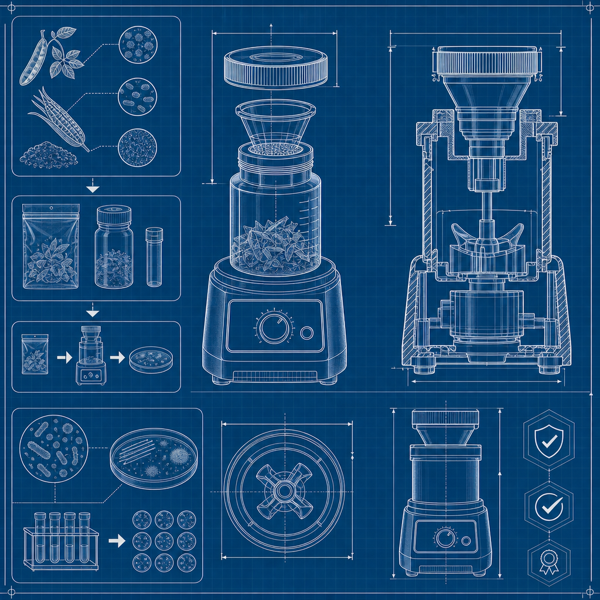
Explore the latest developments in agricultural standards with the new prEN 13040-2, published in May 2026. This standard outlines best practices for preparing samples of soil improvers and growing media before microbiological examination, addressing key agricultural safety concerns. From robust guidelines on dilution and suspension to detailed instructions for handling different material types, prEN 13040-2 ensures reproducibility and reliability in detecting pathogens such as E. coli, Salmonella spp., and enterococci. Discover why compliance with this CEN standard benefits laboratories, quality managers, and the broader agriculture sector, and learn how to access authoritative insights for safer and more effective agricultural analysis.
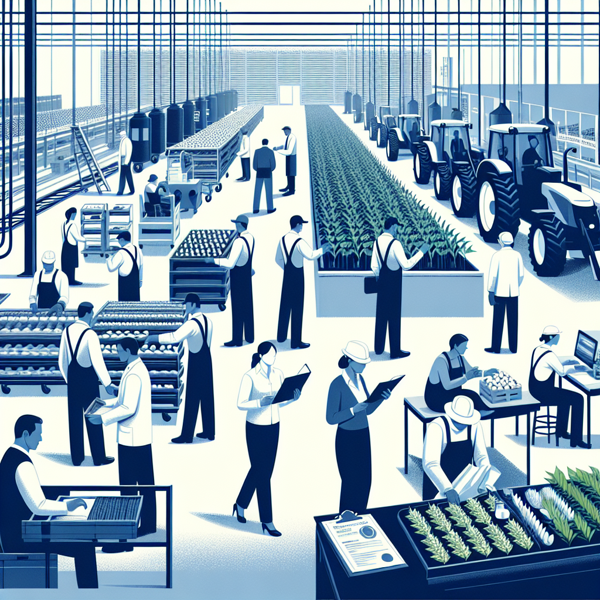
Explore the essential international standards for agricultural tractors and trailed vehicles in this comprehensive article. Covering four critical standards, we break down safety requirements for front loaders and tipping trailers, operator protection against hazardous substances, and modern compliance strategies. Discover how adopting these guidelines can elevate productivity, ensure safety, support business scalability, and future-proof agricultural operations. Whether you are a farmer, machinery manufacturer, or agri-business manager, this guide simplifies technical details and clarifies the business value of staying aligned with globally recognized agricultural machinery standards. Perfect for professionals and the concerned public alike.
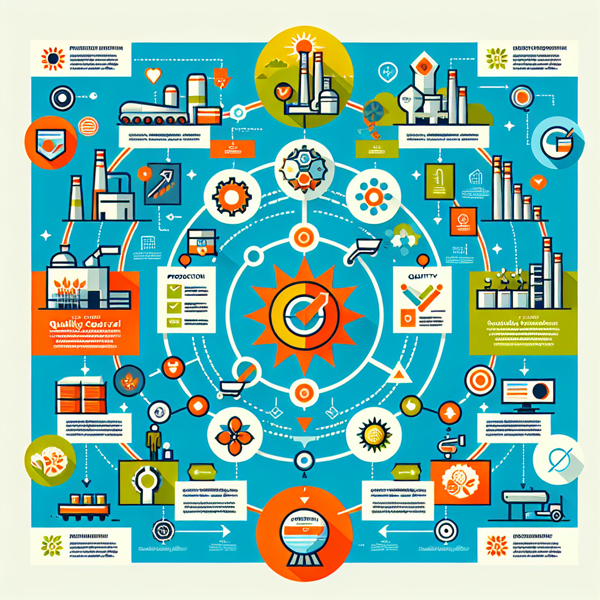
Explore a comprehensive overview of four essential fertilizer standards for the agriculture sector. This detailed guide explains standards on vocabulary for liming materials, analytical methods for calcium and magnesium content, quantity determination by mass or volume, and best-practice sampling of static heaps. Learn how implementing these standards enhances productivity, ensures product security, supports business scaling, and guarantees compliance with modern regulations—crucial for any agricultural enterprise, fertilizer producer, or agribusiness seeking a competitive edge. Stay informed, productive, and secure with these authoritative international fertilizer standards.
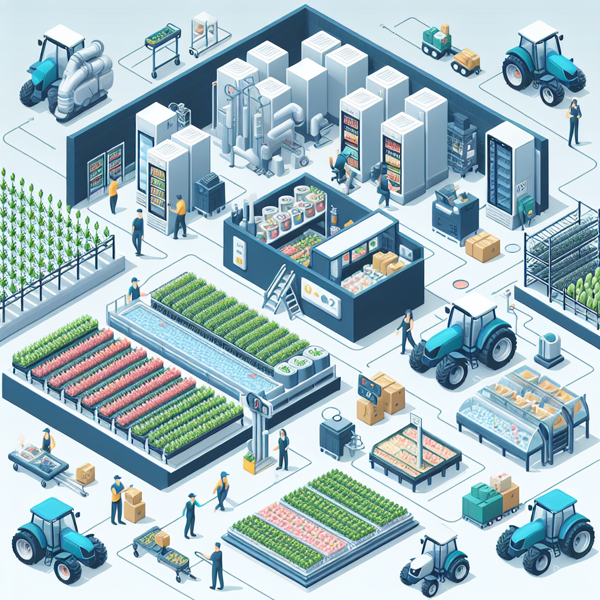
Explore the latest update in agriculture standards with the new ISO 21622-1:2026 for irrigation. Published in April 2026, this standard benchmarks remote monitoring and control systems (RMCS) for irrigation, detailing design parameters, communications, hardware, and safety requirements. The article covers the scope, application, and critical highlights of the new ISO specification, making it essential reading for industry professionals, engineers, compliance managers, and technology providers in the agriculture sector. Stay informed on how this update sets the framework for smarter, more efficient irrigation and learn why compliance and best-practice adoption can drive operational excellence in your organization.
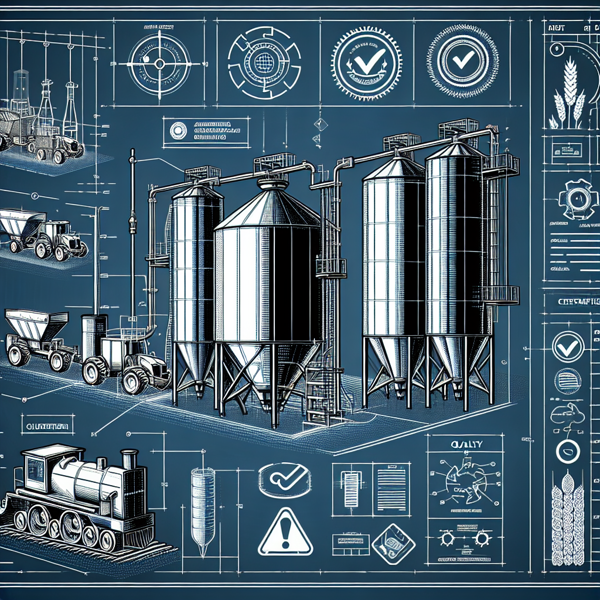
Explore the latest updates in agricultural standards published in March 2026, covering advanced data networks for farm machinery (ISO 11783-3:2026), robust requirements for animal radio-frequency identification (ISO 11785:2026), and the revised Eurocode for steel silo design (EN 1993-4-1:2026). Learn how these three standards are set to improve efficiency, traceability, and safety across agricultural operations, with practical guidance tailored for industry professionals, engineers, compliance officers, and researchers. Stay ahead with insights on compliance, technical detail, and the benefits of adopting these internationally recognized specifications.

Explore four essential international standards shaping the future of agricultural tractors and trailed vehicles. This comprehensive guide covers lighting and signalling device installation, hydraulic coupler requirements, rear and front linkage systems, and power take-off compatibility. Discover how these standards boost productivity, safety, and scaling opportunities—especially vital for businesses implementing new agricultural technologies. Whether you’re a farmer, equipment manufacturer, or agri-business leader, understanding and adopting these standards is crucial to ensuring compliance, operational efficiency, and secure investment in today's evolving agri-tech landscape. Visit iTeh Standards for full details and authoritative guidance.
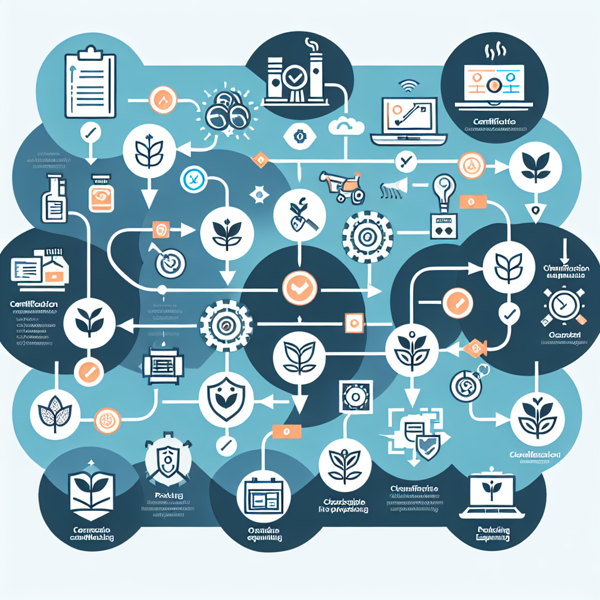
Discover the importance of modern standards in the agriculture sector for certification processes related to tobacco, tobacco products, and associated equipment. This in-depth guide explores four essential ISO standards, covering methods for analyzing menthol and benzo[a]pyrene in cigarette smoke, measuring particulate matter in fine-cut tobacco, and determining aerosol mass in vapour products. Learn how compliance with these standards safeguards quality, ensures regulatory adherence, and drives business competitiveness by enhancing productivity, security, and scalability. Suitable for professionals, manufacturers, and regulatory bodies looking to stay ahead in a rapidly evolving marketplace.
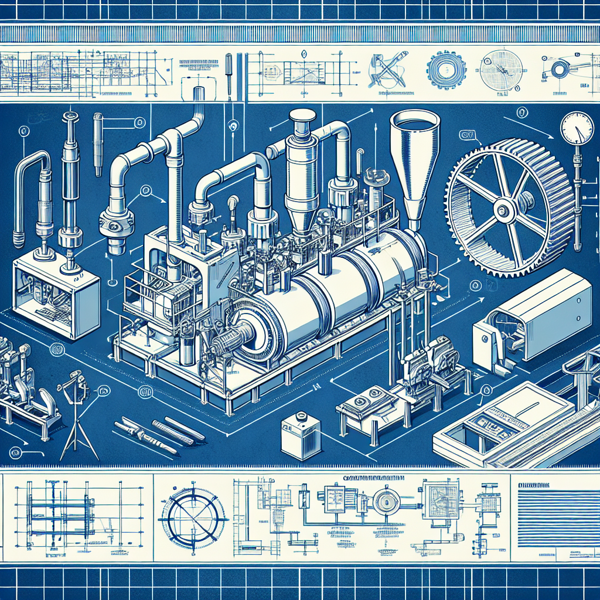
Explore the essential ISO standards that define the certification process for tobacco, tobacco products, and vapour equipment. This in-depth guide covers 4 key international standards focusing on analytical methods for cigarettes, fine-cut tobacco, and vapour products. Discover how these standards support accurate measurement of menthol, benzo[a]pyrene, particulate matter, and e-liquid vaporization—critical for regulatory compliance, product consistency, and quality assurance. Learn why adopting these standards increases productivity, safety, and business scalability, equipping manufacturers and labs to meet global market expectations. Perfect for industry professionals and businesses aiming for higher quality, security, and sustainable growth.
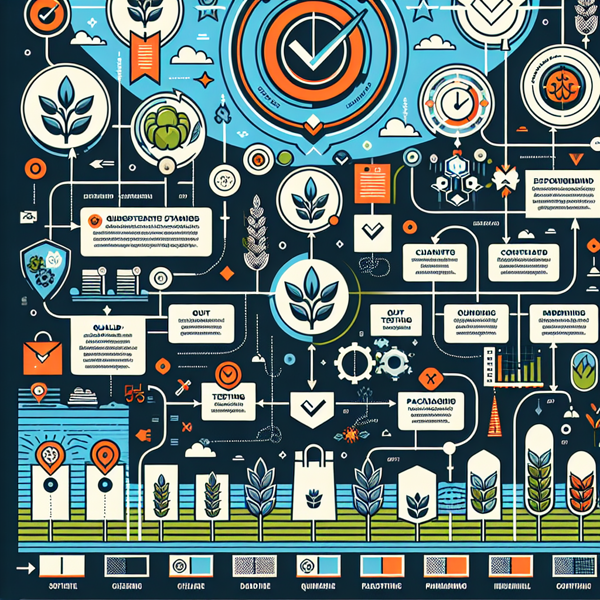
Discover the latest agriculture standards introduced in February 2026, covering essential updates for the fertilizer industry. This in-depth article reviews three newly published international standards from ISO, focusing on visual examination and sampling of fluid fertilizers, as well as precise determination of bulk density for solid fertilizers. With practical guidance and technical insights, industry professionals—including quality managers, compliance officers, engineers, and researchers—will learn how these standards improve testing consistency, boost product reliability, and support regulatory compliance. Stay ahead in agriculture by understanding the implications and adoption strategies of ISO 10249:2026, ISO 3944:2026, and ISO 5311:2026.
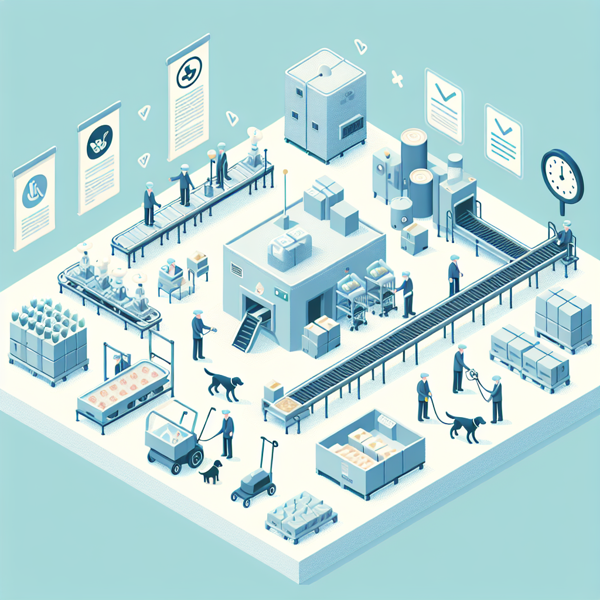
Explore how accessibility standards for assistance dogs revolutionize the agriculture and agri-business environment. This article provides a comprehensive overview of SIST EN 17984-6:2025, including its requirements for universal access in public, private, and agricultural settings. Gain insights into key compliance areas, practical business benefits, and best practices for seamless and productive integration. Discover why implementing these standards boosts inclusion, productivity, and growth potential—making them indispensable for today's agri-businesses and agricultural facilities focused on diversity and operational excellence.

Explore the latest agricultural standards published in January 2026, covering advanced testing methods for fertilizers and pre-shaped growing media. This article analyzes two key international standards: ISO 5313:2026, which introduces procedures for determining oil retention in high nitrogen ammonium nitrate fertilizers, and EN 15761:2026, focusing on measuring dimensions and bulk density in stable growing media. Learn about their technical requirements, practical implications, and the benefits of compliance for agricultural professionals, quality managers, and researchers. Stay up-to-date with these essential updates to ensure best practices, safety, and regulatory compliance in agriculture.

Explore two pivotal ISO standards published in December 2025 that shape the future of agriculture: ISO 8347:2025, addressing chain of custody measurement in native tropical forest management, and ISO 24120-3:2025, providing comprehensive guidelines for the implementation of pressurized sprinkler irrigation systems. This article breaks down their key requirements, implementation strategies, and compliance considerations, helping industry professionals, quality managers, and agricultural engineers enhance traceability, sustainability, and efficiency. Stay informed on the most critical updates that ensure responsible forestry, traceable timber, and optimal irrigation practices across diverse agricultural settings.
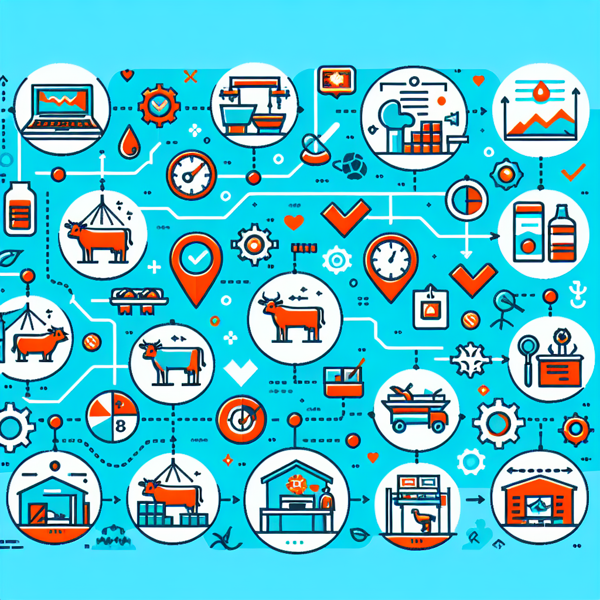
Discover the major November 2025 update in agriculture equipment standards: EN 17657:2025. This article provides a detailed breakdown of the new CEN standard for bovine animal slaughtering traps, focusing on essential safety and hygiene requirements. Learn how these changes impact abattoirs, compliance needs for industry professionals, and best practices for implementing the updated guidelines. If you manage, purchase, or operate slaughterhouse equipment, this comprehensive analysis is essential reading to safeguard both animal welfare and operational safety, while ensuring regulatory compliance. Stay ahead with iTeh Standards’ authoritative coverage and in-depth insights into the latest agricultural equipment standards.

Explore the November 2025 release of five pivotal international standards for agriculture, from robotic feed systems to crop protection equipment and poultry processing procedures. This comprehensive summary highlights key compliance requirements, technical updates, and best practices for safer, more efficient operations. Whether you manage agricultural machinery, oversee livestock feeding, or ensure food processing quality, these standards provide crucial guidance for compliance, safety, and innovation. Stay informed on the latest in agricultural standards with actionable insights for industry professionals, engineers, quality managers, and compliance officers. Read on to secure your organization’s leadership in agricultural excellence and regulatory compliance.
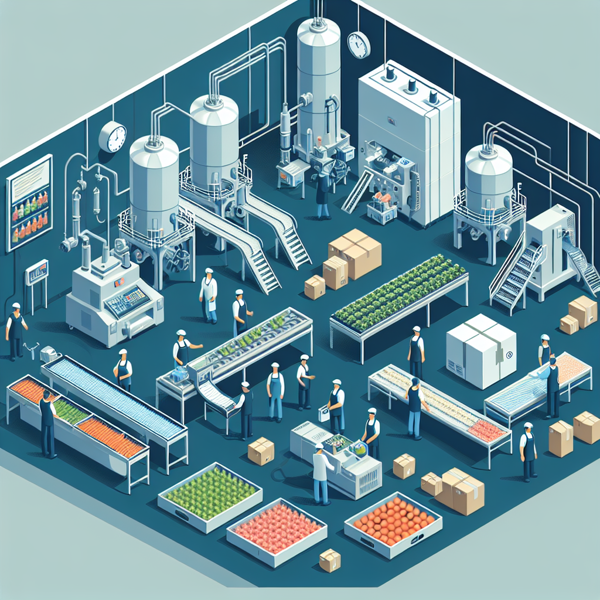
This monthly overview examines the standards published in October 2025 for the Agriculture sector, focusing on five pivotal documents that shaped this period. Covering areas from animal welfare in cashmere supply chains and electromagnetic compatibility in machinery to safe towing practices, sprayer inspections, and speed identification for field equipment, this recap delivers actionable insights for quality managers, engineers, compliance officers, and industry decision-makers. Discover the key requirements, compliance obligations, and emerging trends that informed agricultural practices in October 2025—and understand how these standards support safety, sustainability, traceability, and interoperability across the sector. Stay informed and maintain your organization’s edge in Agriculture standardization.
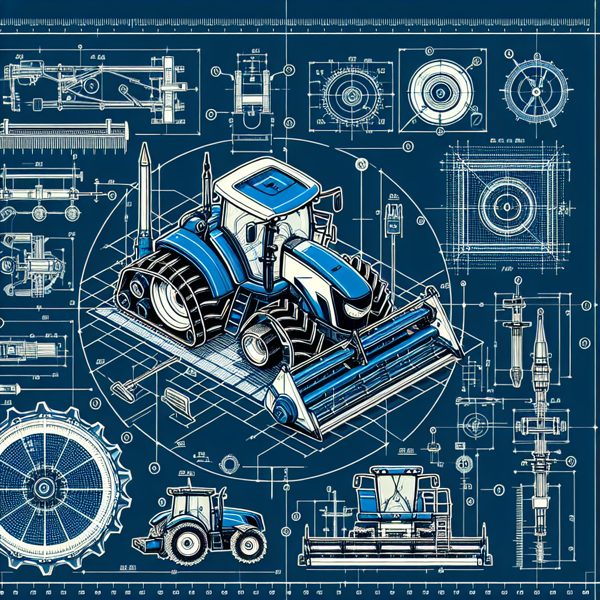
This monthly overview examines three key Agriculture standards published in October 2025, all centering around the inspection of agricultural and forestry sprayers in use. Covering horizontal boom sprayers, sprayers for bush and tree crops, and fixed and semi-mobile sprayers, this retrospective summary highlights updated requirements for environmental protection, equipment performance, and operator safety. The article helps industry professionals understand important revisions, emerging trends in sustainable application, and compliance actions needed. With resource links to the full standards, this comprehensive recap is essential reading for engineers, compliance officers, quality managers, and researchers keen to ensure their plant protection equipment and operational practices meet current international expectations and regulatory demands. Stay current and explore the standards shaping sustainable crop production and machinery inspections.
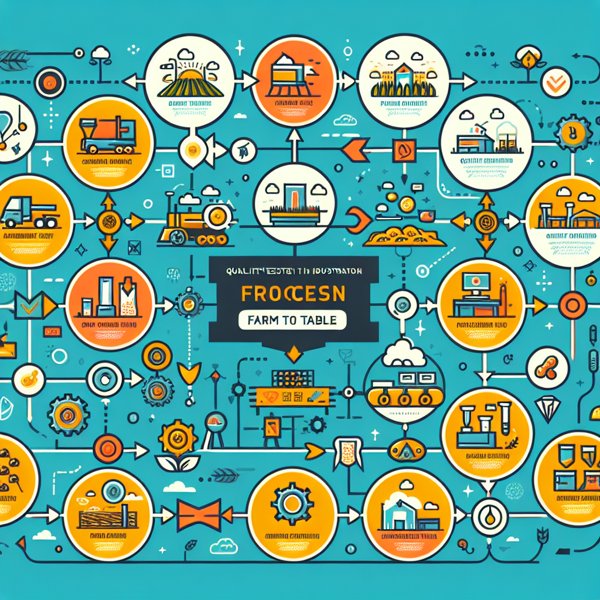
This monthly overview examines the key standards published in September 2025 for the Agriculture sector. Covering five influential documents, the summary offers industry professionals, compliance officers, and quality managers a retrospective analysis of important developments in soil management, fertilizer analysis, safety in forestry machinery, sustainable application of plant protection products, and tobacco product testing. Major themes include harmonization with updated EU regulations, enhanced production safety, environmental performance, and quality control. Read this in-depth overview to keep abreast of evolving compliance requirements and best practices shaping the direction of agriculture and its adjacent industries.
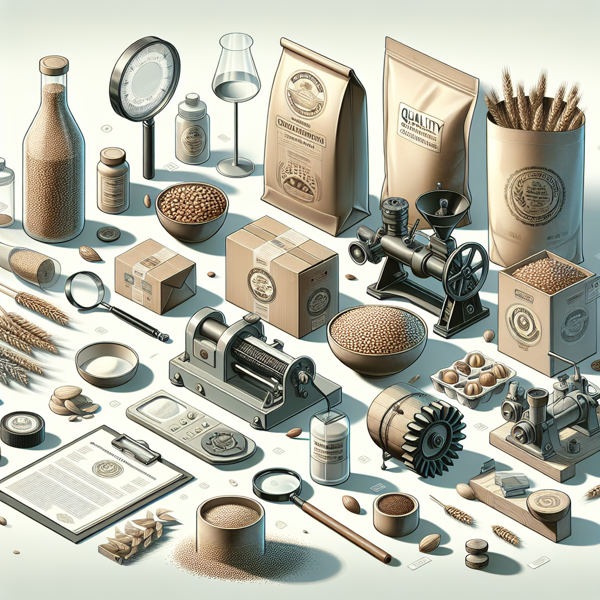
This monthly overview examines the single agriculture sector standard published in May 2025, focusing on electronic cigarettes and e-liquids with child safety requirements. The article analyzes the significance of CEN’s prEN 18165, its alignment with EU regulatory efforts, and the practical implications for manufacturers, quality managers, and compliance professionals. Learn how this standard strengthens safety protocols against child access to nicotine products and discover key compliance considerations for the agriculture supply chain. Stay informed about important regulatory shifts and industry trends from May 2025 to better anticipate and manage your organization’s compliance obligations.
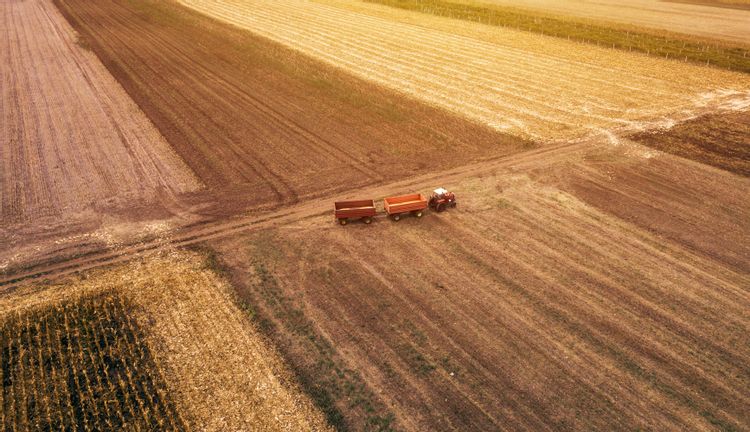
The agricultural sector of the economy is an important element of food security in the world. That is why companies working in it must follow general international standards that will help provide the consumer with a quality product. Agribusiness is a very promising and profitable direction among entrepreneurs, therefore it implies a high level of competition. All products must be subject to a multi-stage inspection, which will allow you to make sure of their safety. For our part, we are ready to help you simplify the process of finding the necessary information that will help you improve the quality of the product you produce. We are talking about international standards, which you can familiarize yourself with on our website. All documents contain those provisions that determine the requirements for production processes, as well as for the inspection of finished products. This step will help you increase your company's competitiveness and significantly increase your advantage over your opponents. Today, we have collected for you the most relevant documents that you should familiarize yourself with if you want to improve the efficiency of your work and increase profits. You can also use them to audit your current situation. You can familiarize yourself with all the standards by following the links at the end of this article.
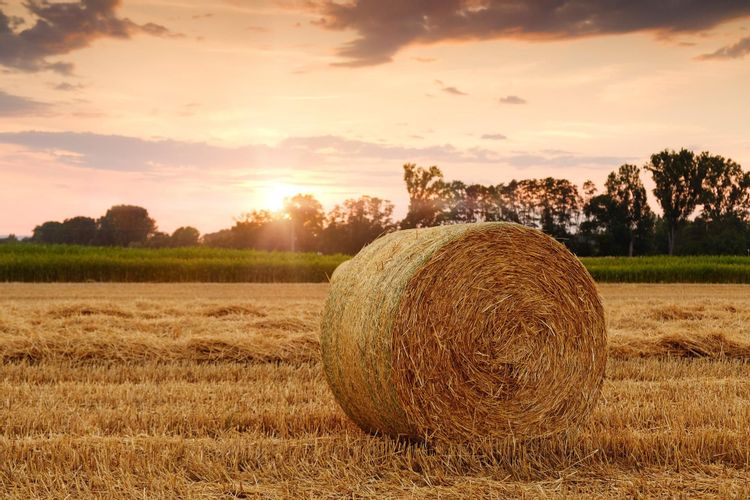
Agriculture plays a crucial role in the global system of division of labor, as this segment of the economy generates a large number of jobs. If you look at it from the other side, it is rural. The economy also plays an important role in the world food system and the results of its activities help to solve the problem of hunger. Agriculture is a classic area of human activity, but it is not surprising that in recent years, technology has changed greatly and now they give entrepreneurs much more opportunities than before. International regulation in the field of agriculture is an important step towards ensuring safe consumption of its results. Given this fact, we can conclude that companies should pay attention to the international standards that exist in this area, if they want to be competitive. As the level of competition increases every year, agricultural owners need to keep a close eye on emerging updates. In order to help you better understand which issues are governed by international standards, we have grouped them for you into thematic categories, each of which relates to a specific area of agricultural activity. However, if after reading this article, you have doubts about choosing the document that best suits the needs of your company; you can always seek the advice of our specialists who will help you with this.

The issue of food security is very acute in society, because hunger as a major problem still exists as a phenomenon. It follows that agriculture, as a branch of the world economy, must develop rapidly in order to enable the world to solve this problem. When we talk about the agricultural sector, we understand that there is a high level of competition between companies. However, it should be noted that competitiveness could be influenced by both objective and subjective factors. In particular, among the latter we can include the natural conditions and climate of the area where companies concentrate their production capacity, if we talk about crop production. However, such cases should not be relied on, as most progressive entrepreneurs invest a lot of money in the development of technologies that can improve production processes and, consequently, increase profits. One of the ways to improve the profitability of your business is to implement the rules described in international standards, which are designed to regulate agricultural activities. Today we have prepared an article in which we want to introduce you to the five main categories of international standards that exist in this segment of the economy. You can get acquainted with them on our website, following the links we left below.

A large abundance of elements and materials used in different organizations and in different types of production, has a large number of relevant standards and requirements for operation. Since interaction with temperatures affects a particular element in completely different ways, it is necessary to take into account all possible risks - not only financial, but also physical. Today, the scientific and technological process is developing at an accelerated pace, and in order to prevent such errors with the use of incorrect equipment or incorrect material by an incorrect method, such international recommendations and documents are created that prescribe norms and requirements at the local or global level. These documents are international standards. International institutions for standardization create a number of norms and rules that are prescribed for certain areas of human activity, thus making it possible to unify the requirements for the implementation of activities in a particular industry. The availability of these international documents allows an enterprise or organization to stay abreast of the latest requirements, which greatly simplifies the scaling and development of the company at the international level. Today we will introduce you to some of the most recent international standards.
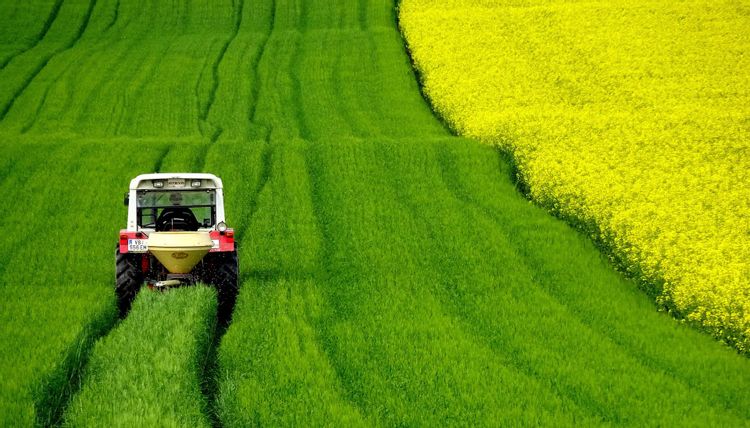
The sphere of agro-industry has always played an important role in the economy of each state. Moreover, the development of technology and the agricultural industry has always proceeded simultaneously and synthesized. Since the global understanding of this topic has long gone away from the context of farming and households, it is necessary to note the importance of the correct establishment of a system of interaction between countries, which became possible thanks to the emergence of international standards. Since the significance of these regulatory legal acts is difficult to overestimate, we would like to present you some of the most popular and latest documents regulating various levels of the agricultural industry.
Categories
- Latest News
- New Arrivals
- Generalities
- Services and Management
- Natural Sciences
- Health Care
- Environment
- Metrology and Measurement
- Testing
- Mechanical Systems
- Fluid Systems
- Manufacturing
- Energy and Heat
- Electrical Engineering
- Electronics
- Telecommunications
- Information Technology
- Image Technology
- Precision Mechanics
- Road Vehicles
- Railway Engineering
- Shipbuilding
- Aircraft and Space
- Materials Handling
- Packaging
- Textile and Leather
- Clothing
- Agriculture
- Food technology
- Chemical Technology
- Mining and Minerals
- Petroleum
- Metallurgy
- Wood technology
- Glass and Ceramics
- Rubber and Plastics
- Paper Technology
- Paint Industries
- Construction
- Civil Engineering
- Military Engineering
- Entertainment