

Natural Sciences

Explore the latest advancements in biotechnology standards with ISO/TS 21085:2026, published in August 2026. This international specification defines requirements for accurately measuring ultra-low concentration samples of target nucleic acid sequences—crucial for research, diagnostics, and quality control in the life sciences. This article uncovers the standard’s detailed requirements across equipment, personnel training, lab environments, and validation protocols, highlighting its impact for laboratories, manufacturers, and regulatory compliance teams. Learn how adopting ISO/TS 21085:2026 enhances measurement reliability, supports global trade, and safeguards data integrity. Perfect for laboratory managers, quality professionals, biotech engineers, and compliance officers seeking to align with the latest international best practices.
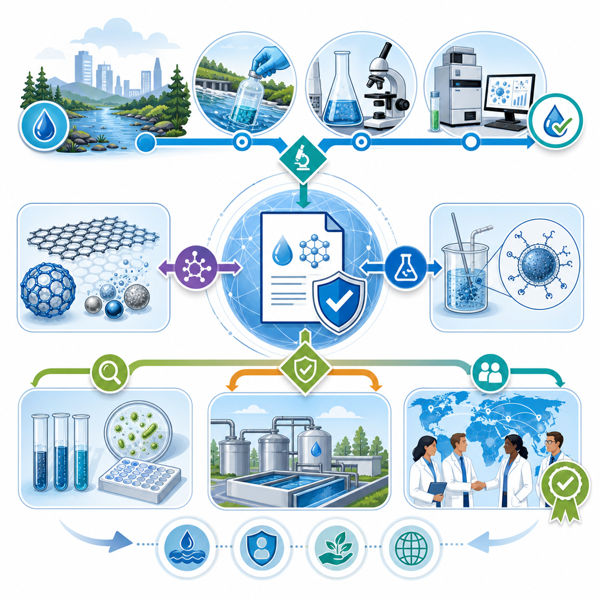
Discover the latest international standards in natural and applied sciences released in August 2026, covering advancements in water quality assessment, fine bubble technologies, and nanomanufacturing. This article explores five important standards, providing detailed technical insights and highlighting compliance benefits for quality managers, researchers, engineers, and industry specialists. Stay informed about requirements for antifouling membrane evaluation, quantum dot-enabled nanophotonics, microbial enumeration in water, and the measurement of shear viscosity in ultrafine bubble dispersions. Ensure your organization remains at the forefront of technological best practices and global compliance.
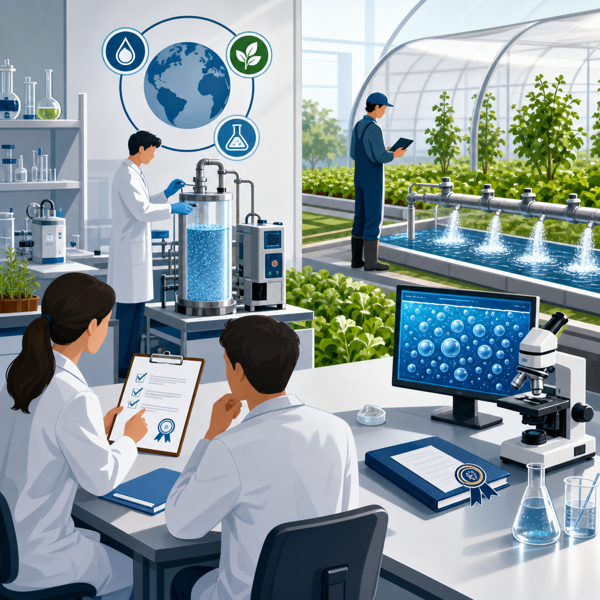
Discover the latest in agricultural innovation with ISO 23016-2:2026, published in July 2026, which introduces a standardized method for evaluating the effect of ultrafine bubble water on barley seed germination. This essential update for the natural and applied sciences sector details precise test procedures and requirements, enabling researchers and agricultural professionals to improve reproducibility, optimize crop yields, and ensure regulatory alignment. Learn how these new guidelines can benefit your organization, support compliance, and drive adoption of cutting-edge fine bubble technology in agriculture.
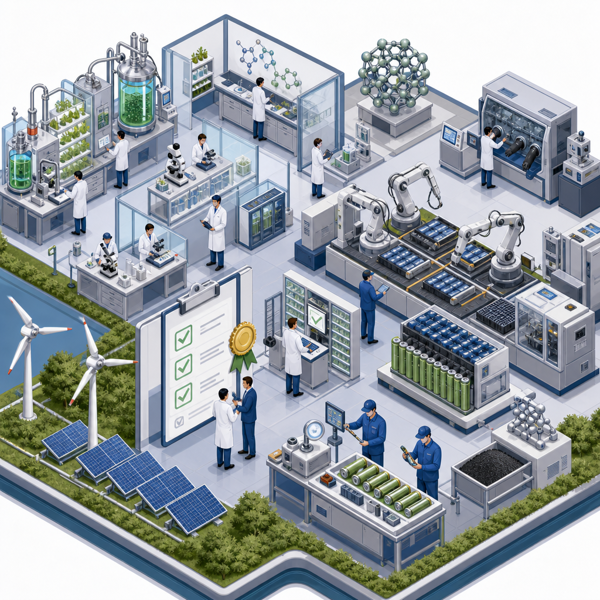
Explore the latest advancements in Natural and Applied Sciences with five essential standards published in July 2026. Covering key areas such as biotechnology, nanomanufacturing, and fine bubble technology, these new ISO and IEC standards address critical requirements for cell counting, cell line authentication, coin cell assembly, energy storage, and ozone measurement in water dispersions. This comprehensive article highlights updated methodologies, improved quality control, and practical implementation guidance, offering industry professionals, quality managers, and researchers valuable insights to ensure compliance, drive innovation, and enhance operational efficiency. Stay ahead of the curve by understanding the implications and best practices for embracing the newest international specifications.

Explore the latest breakthrough in nanomanufacturing standards for the natural and applied sciences sector with the publication of IEC TS 62607-6-24:2026 in June 2026. This article details the new international method for measuring graphene layer distribution using optical contrast, crucial for industries developing advanced electronics, optoelectronics, and sensors. Learn about key specifications, implementation requirements, and how this standard supports high-throughput, non-destructive analysis for quality control. Professionals involved in graphene research, manufacturing, and quality assurance will benefit from insights into compliance, best practices, and the impact of this new standard on innovation and commercialization.

Discover the latest developments in materials science with two new nanotechnology standards released in June 2026. Covering critical protocols for 2D material-based transistors and standardized methods for silica nanomaterials in chromatography, these standards ensure greater precision and reproducibility for research and manufacturing. Learn how IEC TS 62607-12-3:2026 and ISO/TS 4966:2026 provide detailed requirements for measurement, device preparation, and product specification. Industry professionals, quality managers, and R&D leaders will benefit from expert insights on technical requirements, compliance strategies, and implementation best practices. Stay ahead with authoritative updates and find out how adopting these standards can boost efficiency and global competitiveness.
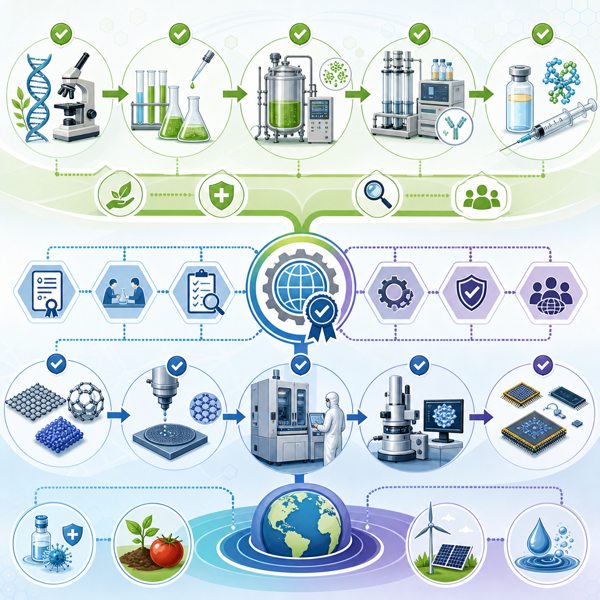
Explore the most significant updates in biotechnology and nanomanufacturing standards published in June 2026. This article covers five newly released international standards in the natural and applied sciences, focusing on provenance models for biological data, predictive computational models for personalized medicine, quantum dot enabled LEDs, and graphene material characterization. Discover how these standards enhance traceability, reproducibility, and product specification for professionals across life sciences, nanotechnology, and related industries. Stay informed about new compliance guidelines and industry best practices to ensure quality, regulatory alignment, and innovation leadership. Essential reading for researchers, engineers, quality managers, and compliance officers aiming to stay compliant and competitive with the latest developments.
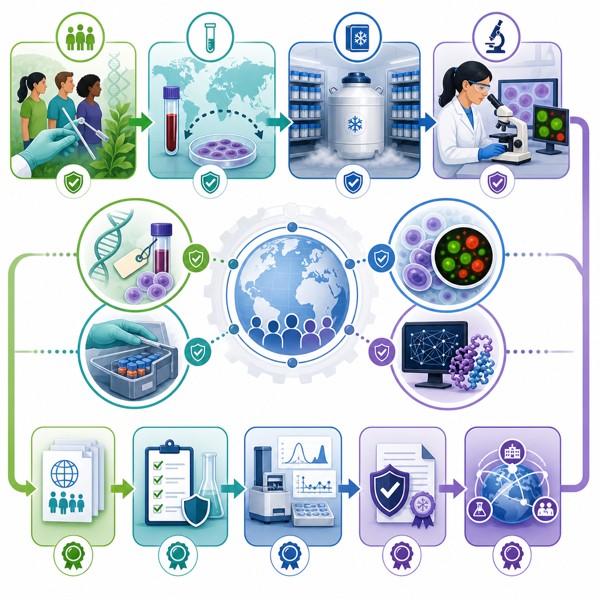
Explore the essential biotechnology standards for modern organizations, including ISO 23494-1:2026 on provenance information, ISO 24651:2022 for biobanking human mesenchymal stromal cells, ISO 8934-1:2026 on cell viability methods, and ISO 9491-1:2026 for predictive computational models. Covering traceability, quality control, analytical procedures, and data-driven research, this article provides businesses and professionals with practical insights on increasing productivity, enhancing security, scaling operations, and ensuring compliance. Whether managing biological materials, developing analytical workflows, or integrating AI in personalized medicine, mastering these standards is vital for operational excellence and innovation in biotechnology.
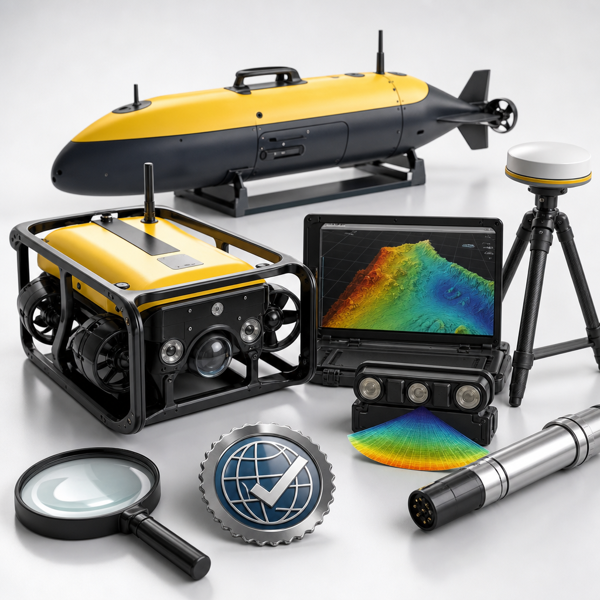
Discover the latest advancements in marine survey technology with the publication of ISO 25451:2026, a vital standard for seafloor mapping using uncrewed marine vehicles, released in May 2026 for the natural and applied sciences field. This comprehensive overview explores technical requirements for navigation, positioning, survey planning, and data processing to improve the accuracy and quality of marine surveys in estuaries, offshore, and open sea environments. Industry professionals, engineers, and compliance officers will learn how the new guidelines benefit their operations, streamline compliance, and reduce mapping risks. Explore key highlights and actionable insights, and stay ahead in marine technology by reading further.
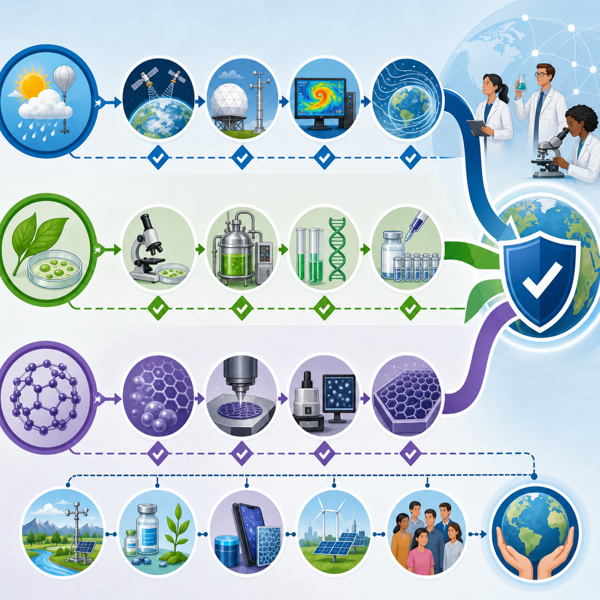
Explore the latest advancements in natural and applied sciences with four new international standards published in May 2026. Covering meteorological instrumentation, biotechnology cell viability methods, and nanomanufacturing specifications for carbon nanotubes, these standards set new benchmarks for quality, accuracy, and compliance. Essential reading for industry professionals, quality managers, engineers, and researchers, this article breaks down the key changes, technical requirements, and practical impacts of each standard. Stay informed and ensure your organization meets the latest requirements in scientific measurement, analytical methods, and nanomaterials.

Discover the latest advancement in the natural and applied sciences with the publication of ISO/TS 5341:2026 in April 2026. This standard establishes fundamental principles and conventions for nanotechnology nomenclature, enabling consistent and precise communication across research, development, and industry. Learn how the new guidance on naming conventions benefits professionals in fields like materials science, pharmaceuticals, and electronics while supporting global harmonization. This comprehensive article breaks down the key highlights, technical requirements, and practical implications, making it essential reading for anyone involved in nanotechnology or related scientific disciplines. Stay ahead in your field with in-depth insights into this pivotal update.
Explore the latest advancements in natural and applied sciences standards released in April 2026. This in-depth article covers five newly published standards—spanning nanotechnologies, nanomanufacturing, environmental monitoring, and molecular biomarker analysis. Learn how these standards set new benchmarks for sample preparation, characterization of nano-objects, reliability testing of graphene, monitoring of karst critical zones, and validated sequencing methods. Industry professionals, researchers, and compliance officers will benefit from practical insights on implementation, compliance timelines, and the broader impact on quality, safety, and scientific innovation. Stay informed and ensure your operations meet the current best practices with expert guidance and direct access to the standards on iTeh Standards.
Discover the essential updates to international standards for natural and applied sciences, published in March 2026. This article explores three new groundbreaking standards covering geospatial APIs for tiles (EN ISO 19177-1:2026), the dispersion stability of nano-carbon materials in lithium-ion capacitors (IEC TS 62607-4-11:2026), and quantification methods for viral vectors in biotechnology (ISO 16921-2:2026). Industry professionals will find actionable insights, compliance requirements, and practical implications for implementing these updates in research, engineering, manufacturing, and quality management. Stay informed and ensure your organization benefits from the latest advances in scientific standardization.
Explore the critical role that food microbiology standards play in today's food safety landscape. Covering EN ISO 16140-7:2024, EN ISO 6887-1:2017/A1:2024, and ISO 20836:2021, this guide delves into method validation, sample preparation, and the calibration of PCR equipment for detecting microorganisms. With insights on compliance, productivity, and security, this article is essential reading for food industry professionals, quality managers, and laboratories aiming to scale operations and reduce risks. Learn how implementing robust international standards can enhance your business’s reputation, streamline workflows, and support regulatory requirements—all while safeguarding public health.
Explore the latest international standards for Nanotechnology and Biotechnology, published in February 2026 and essential for professionals in applied sciences. This update covers two critical standards: ISO 21362:2026 for advanced nano-object analysis using field-flow fractionation, and ISO 8472-2:2026 focusing on stem cell data interoperability. Discover how these standards set new benchmarks for measurement accuracy, data exchange, and regulatory compliance. Learn what is required for implementation, key technical changes, and how your organization can benefit from adopting these cutting-edge specifications. Stay current on the evolving landscape of standards in the natural and applied sciences sector.

Explore the latest February 2026 releases of international standards in biotechnology, nanotechnology, and food microbiology, vital to the advancement of natural and applied sciences. This comprehensive article covers five major standards—including ISO biobanking requirements for natural killer cells, IEC graphene oxide product specifications, and methodologies for analyzing nano-objects. Learn about new requirements for food chain microbiology and best practices for therapeutic bacteriophage preparations. Discover how these standards impact compliance, advance quality assurance, and shape innovation in research and industry applications. Essential insights for professionals in life sciences, R&D, quality management, and procurement.
Explore the latest international standards from January 2026 in the natural and applied sciences sector, featuring essential updates in food microbiology and nanotechnologies. This article covers five newly published standards, providing insights into loop-mediated isothermal amplification (LAMP) methods, microbial growth modeling, yoghurt quality control, and testing for nano-object release in mask media. Readers will discover practical guidance for laboratories, quality managers, and industry professionals on compliance, implementation, and the broader impact of these standards on food safety, public health, and emerging technologies. Ideal for professionals seeking to stay updated and ensure best practices in quality management and regulatory compliance.

Explore the latest international standards driving innovation in the natural and applied sciences sector, published in December 2025. This article covers three essential standards: advanced mechanical testing for graphene-related nanomaterials, robust biobanking protocols for deep-sea biology, and stringent requirements for primary biobank storage containers. Professionals in biotechnology, materials science, and scientific research will gain key insights into compliance requirements, technical advancements, practical implementation, and industry impact—essential reading for engineers, quality managers, researchers, and procurement specialists aiming to maintain excellence and compliance in cutting-edge scientific domains.

Explore the December 2025 release of five essential international standards impacting natural and applied sciences, including meteorological instrumentation, nanomanufacturing, fine bubble technology, and bioinformatics metadata interoperability. This comprehensive review helps professionals in hydrology, nanotechnology, wastewater treatment, and life science data handling understand new requirements, testing methods, and implementation impacts. Whether you’re a quality manager, engineer, researcher, or compliance officer, discover how these standards strengthen reliability, safety, data integrity, and operational efficiency, and get direct access to full specifications through iTeh Standards. Stay ahead with detailed analysis and actionable insights for adopting the latest global benchmarks.
Explore the significant updates to laboratory and nanomaterial standards in the natural and applied sciences sector with four crucial international standards published in November 2025. This comprehensive article covers three new EN standards for biological safety cabinets—detailing classes, requirements, installation, and testing—plus a vital IEC technical specification for testing graphene properties via the Hall bar method. Industry professionals, compliance managers, and researchers will discover the latest requirements for biological safety, product protection, routine testing, and the standardized assessment of graphene film quality. Stay ahead in laboratory safety, nanomanufacturing, and regulatory compliance with our expert breakdown, implementation insights, and practical compliance guidance.

This monthly overview examines the standards published in October 2025 for the Natural and Applied Sciences sector, providing clarity for industry professionals, researchers, and compliance officers. Covering three significant standards, the article explores advancements in nanomanufacturing with IEC TS 62607-6-33:2025, innovation in environmental monitoring via ISO 24758-2:2025, and rigorous calibration methodology for meteorological equipment detailed in ISO 8932-1:2025. Readers will gain valuable context on industry trends, compliance implications, and the role each standard plays in shaping best practices. This insight-rich retrospective is essential for those aiming to keep current with evolving requirements and technologies in laboratory and industrial applications. Discover key themes, practical recommendations, and direct links to each standard for deeper exploration.

This monthly overview analyzes the Natural Sciences standards published in September 2025, focusing on nanotechnologies and food microbiology. Covering four pivotal standards, the summary explores new methods for graphene characterization and advanced microbiological procedures for detecting Shiga toxin-producing Escherichia coli (STEC) in the food chain. Key themes include enhanced safety in the food sector, quality assurance in advanced nanomaterials, and the emergence of precision techniques for industrial and research applications. This retrospective is invaluable for professionals seeking insights into regulatory trends, compliance strategies, and practical implementation guidance. Stay up to date with developments shaping the direction of quality, safety, and innovation in natural and applied sciences by reviewing the standards highlighted in this comprehensive summary.

This monthly overview examines the standards published in July 2025 for the Natural and Applied Sciences sector, spotlighting three significant international ISO publications. Covering biotechnology, nanotechnologies, and water quality, these standards reflect emerging priorities in laboratory practices, analytical consistency, and environmental monitoring. Professionals in research, compliance, and quality management will benefit from detailed insights into ISO 20397-3:2025 (metagenomics requirements for massively parallel sequencing), ISO/TS 9651:2025 (classification for graphene-related 2D materials), and ISO 7899-3:2025 (MPN method for enumerating intestinal enterococci in water). This recap identifies cross-sector trends, explores implementation guidance, and clarifies why staying abreast of these advancements is pivotal for maintaining global best practices. Catch up on what you may have missed and access essential resources for compliance and innovation.
This comprehensive monthly overview examines standards published for the Natural and Applied Sciences sector in May 2025. The article focuses on ISO 21910-2:2025, which sets methodologies for characterizing microbubbles using the in-situ dynamic image analysis method. Discover the technical requirements, scope, and significance of this standard for professionals in research, environmental monitoring, and industrial process control. This roundup provides essential context for industry trends, practical guidance on implementation, and key insights to help compliance officers, engineers, and researchers stay ahead in their field. Explore how these updates reflect evolving measurement challenges and support innovation across scientific and applied domains.
This monthly overview examines the standards published in April 2025 for the Natural and Applied Sciences sector, focusing on nanomanufacturing innovations. Covering two newly released IEC Technical Specifications, the article reviews IEC TS 62565-4-4:2025 on quantum dot enabled light conversion films for advanced displays, and IEC TS 62565-5-3:2025 concerning silicon nanosized materials in lithium-ion battery electrodes. Major themes include standardized methods for key control characteristics, measurement techniques, and procurement clarity, all of which reflect the sector’s move toward precise product specification and enhanced nano-enabled product performance. This summary provides valuable insights for industry professionals, quality managers, engineers, and compliance officers committed to maintaining up-to-date knowledge of evolving standards in nanotechnology, displays, and energy storage applications.

Science occupies an important place in social life, it helps to better understand the processes taking place in the surrounding world. It is worth noting that scientific and technological progress does not stand still, and scientific discoveries move the world with constant regularity. If we consider scientific discoveries in terms of conducting business, then their role is also quite significant. Thanks to these scientific assets, companies are able to increase the efficiency of their work, as well as improve the quality of the product they manufacture. However, the article that we have prepared for you today contains information that will be useful not only to scientists, but also to managers working in this field. We have collected international standards for you today, which will also be useful for manufacturers who provide tools that will be used by researchers in the future. The main task of science is considered to be the systematization of existing and new knowledge arising in one or another sector of research. We have selected four scientific categories for you today, which we will talk about in a little more detail. Our goal today, using real examples, is to show you the possibility of practical application of this knowledge in the work of your company. You can access all the international standards that we will talk about today on our website.
Categories
- Latest News
- New Arrivals
- Generalities
- Services and Management
- Natural Sciences
- Health Care
- Environment
- Metrology and Measurement
- Testing
- Mechanical Systems
- Fluid Systems
- Manufacturing
- Energy and Heat
- Electrical Engineering
- Electronics
- Telecommunications
- Information Technology
- Image Technology
- Precision Mechanics
- Road Vehicles
- Railway Engineering
- Shipbuilding
- Aircraft and Space
- Materials Handling
- Packaging
- Textile and Leather
- Clothing
- Agriculture
- Food technology
- Chemical Technology
- Mining and Minerals
- Petroleum
- Metallurgy
- Wood technology
- Glass and Ceramics
- Rubber and Plastics
- Paper Technology
- Paint Industries
- Construction
- Civil Engineering
- Military Engineering
- Entertainment