

Materials Handling
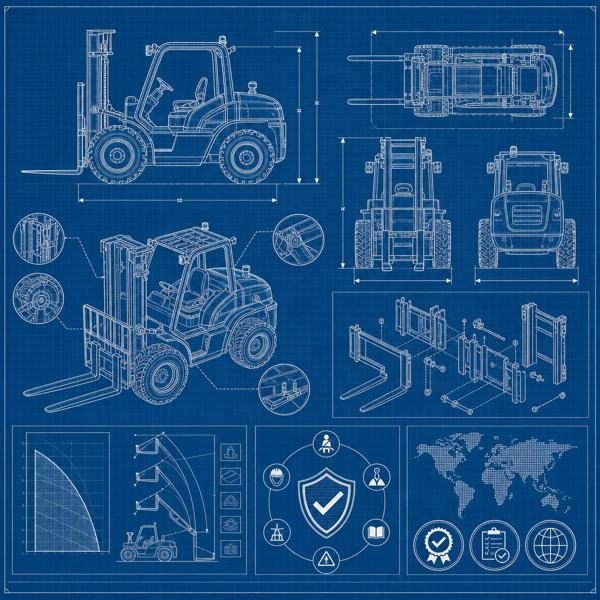
Explore four essential international standards for earth-moving machinery, including ISO 11886:2025, ISO 13649:2024, ISO 6683:2025, and ISO/TR 6750-2:2025. This comprehensive guide covers commercial specifications, fire prevention, seat-belt safety, and operator manuals—critical for businesses implementing new technologies in materials handling. Learn how these standards boost productivity, operational safety, and scalability, while helping organizations meet evolving regulatory requirements. Professionals, manufacturers, and operators alike will benefit from actionable insights, compliance considerations, and expert implementation tips for advancing earth-moving machinery processes.
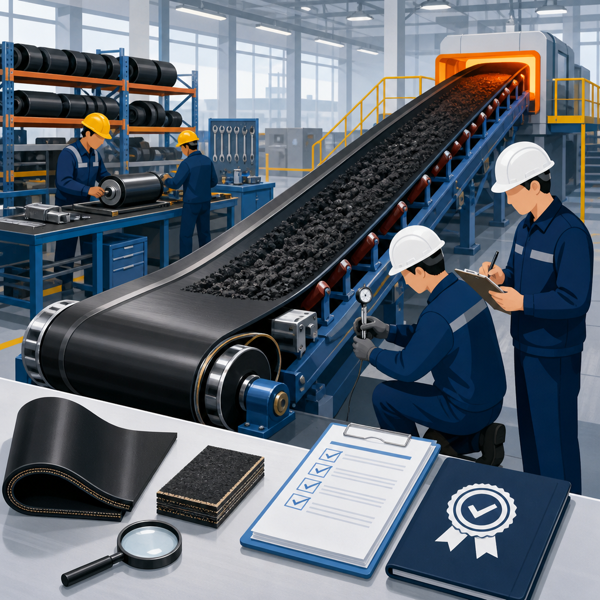
Discover the August 2026 release of ISO 4195:2026, a crucial update for the materials handling equipment sector. This international standard, focused on conveyor belts with heat-resistant rubber covers, defines rigorous requirements and test methods for evaluating durability under high temperatures. The article explores the scope, key technical updates, compliance needs, and benefits of adopting this standard for conveyor belt manufacturers, engineers, and compliance managers. If you're involved in materials handling, quality assurance, or procurement, read on to learn how ISO 4195:2026 can help ensure safer, longer-lasting, and internationally compliant conveyor belt solutions.
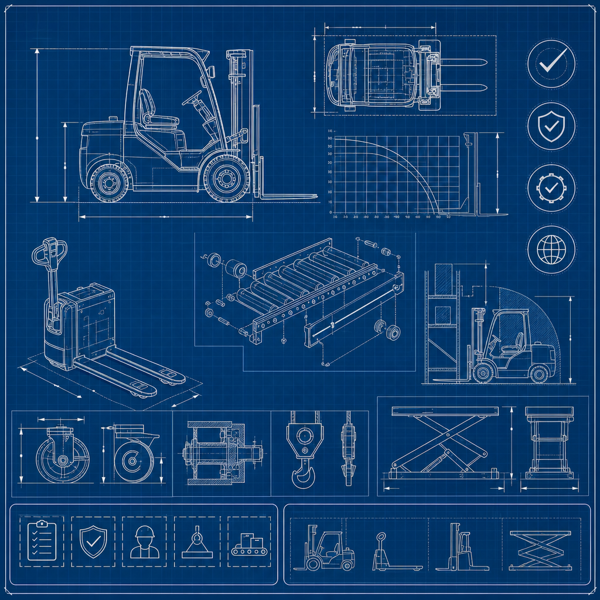
Discover comprehensive updates in the field of materials handling equipment standards released in July 2026. This article covers five critical new and revised international standards for industrial trucks and cranes, including safety, equipment design, access, visibility, and limiting devices. Learn how the latest specifications impact compliance, safety requirements, and operational efficiency for manufacturers, quality managers, engineers, and compliance professionals. Explore key highlights, practical implications, and best practices to keep your organization at the forefront of industry regulations and avoid risks associated with non-compliance.
Explore how the latest international standards for earth-moving machinery and crane equipment transform safety, efficiency, and scalability in materials handling. Covering three pivotal standards, this comprehensive overview highlights the must-have requirements for forged and cast crane hooks, container handling spreaders, and contamination protective systems in machinery operator cabins. Learn why modern businesses must adopt these standards to increase productivity, secure work environments, and support sustainable growth. Essential reading for operators, manufacturers, and safety managers seeking to stay compliant and optimize their operations.
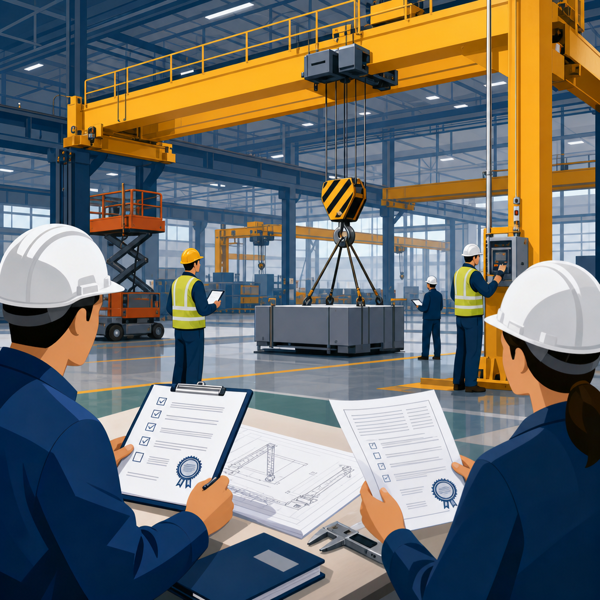
Explore the latest safety requirements for bridge and gantry cranes with the new ISO 12480-5:2026, released in June 2026. This comprehensive guide covers essential practices for crane installation, operation, maintenance, and environmental considerations, ensuring accident prevention and regulatory compliance in material handling equipment. Discover how this new standard, published by ISO, impacts industry professionals—from engineers and safety officers to compliance managers—and learn best practices for implementation and certification. Stay ahead with the newest developments shaping safe and efficient crane use in 2026.
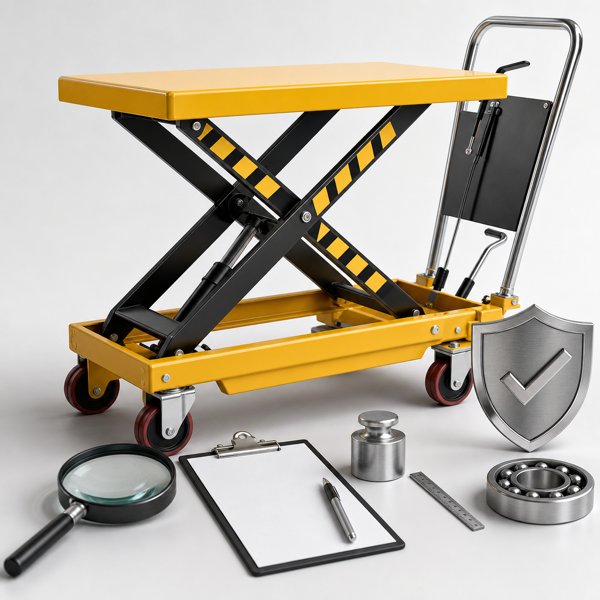
Discover the key updates introduced in May 2026 for the materials handling equipment sector with the publication of FprEN 1570-2. This comprehensive standard sets rigorous safety requirements for lifting tables serving more than two fixed landings at low speeds, directly impacting logistics, warehousing, manufacturing, and building operations. Explore the essential safety specifications, structural requirements, compliance implications, and practical benefits for engineers, safety managers, and procurement specialists. Stay informed about best practices, technical insights, and actionable steps to ensure your organization remains compliant, efficient, and future-ready with the latest European safety standards.
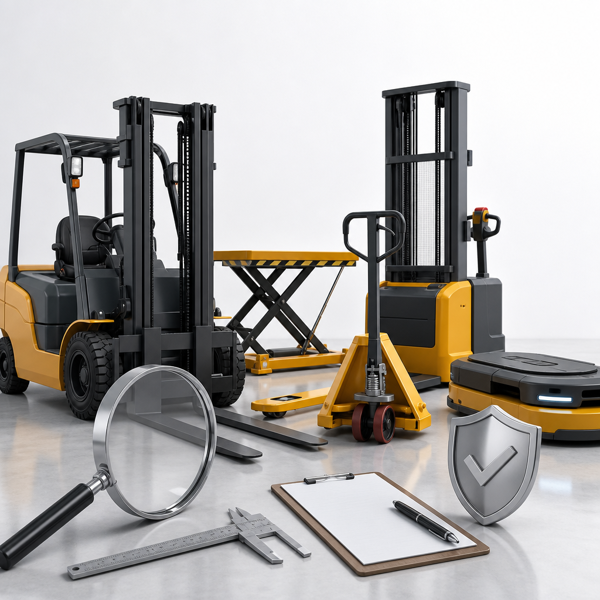
Explore the newly published ISO 22915-8:2026 standard for materials handling equipment, released in May 2026. This essential update introduces enhanced stability testing for industrial trucks operating under challenging conditions—specifically, stacking with mast tilted forward and load elevated. Discover the detailed requirements, implications for manufacturers and operators, and why compliance is critical for safety and risk mitigation. This article provides a comprehensive overview, practical implementation guidance, and compliance considerations for industry professionals, quality managers, and engineers overseeing industrial trucks and warehouse operations.
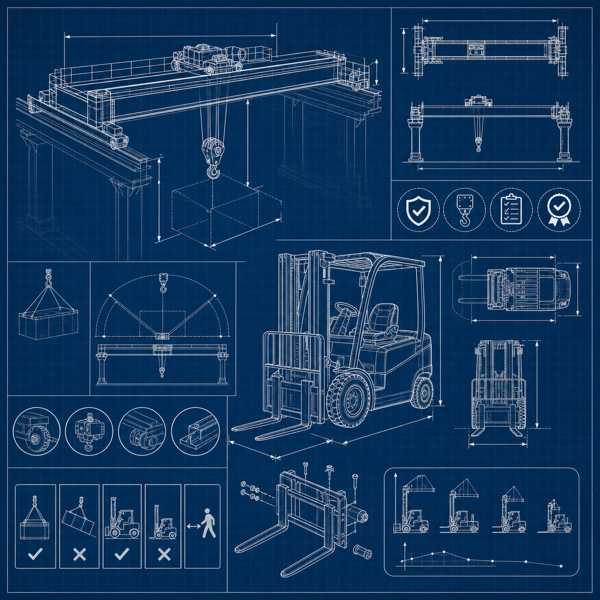
Discover the essential May 2026 updates to international standards for materials handling equipment, including cranes, earth-moving machinery, and industrial trucks. This article covers five newly published standards, highlighting crucial safety, technical, and operational requirements for container spreaders, hand-powered cranes, contamination protective systems, fork arm extensions, and rough-terrain truck stability. Learn how these standards impact industry compliance, safety management, and equipment procurement in the fast-evolving materials handling sector. Industry professionals, quality managers, engineers, and procurement specialists will benefit from clear insights into implementation challenges and business value. Stay ahead with authoritative guidance on this critical part of the supply chain.
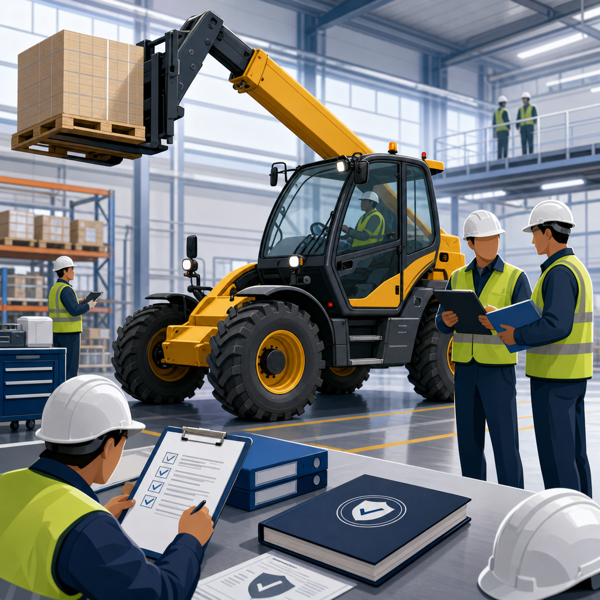
Explore the essential safety standard SIST EN 1459-1:2018 for rough-terrain variable-reach industrial trucks in materials handling. This article breaks down critical safety requirements, outlining who should comply, the practical benefits, productivity boosts, and risk mitigation. Find actionable guidance, why adoption is crucial for modern warehouses and construction firms, and how implementing this standard improves security, productivity, and scalability for businesses aiming to thrive in demanding, rugged environments. Stay informed and competitive with authoritative standards knowledge from iTeh Standards.

Explore April 2026's crucial update to safety requirements for materials handling equipment with the newly published prEN ISO 10896-2 standard. This article covers the comprehensive safety, verification, and technical demands for slewing rough-terrain variable-reach trucks—vital in modern construction and logistics operations. Discover the key changes impacting manufacturers, operators, and compliance teams, including new controls, operator protections, required tests, and harmonization with EU and global regulations. Stay ahead by understanding the industry impact and best practices for implementing these updated standards. Essential reading for safety managers, compliance officers, engineers, and procurement professionals.

Explore a comprehensive overview of four pivotal international crane standards in materials handling: EN 13557:2003/A1:2005, EN 13557:2024, EN 14439:2025/AC:2026, and EN 1991-3:2026. Learn how implementing these standards enhances workplace safety, operational efficiency, and scalability for businesses, while ensuring legal compliance and competitive advantage. This in-depth guide provides practical insights into certification, requirements, and industry impact—ideal for professionals and organizations aiming to optimize crane operations and promote a secure, productive work environment.
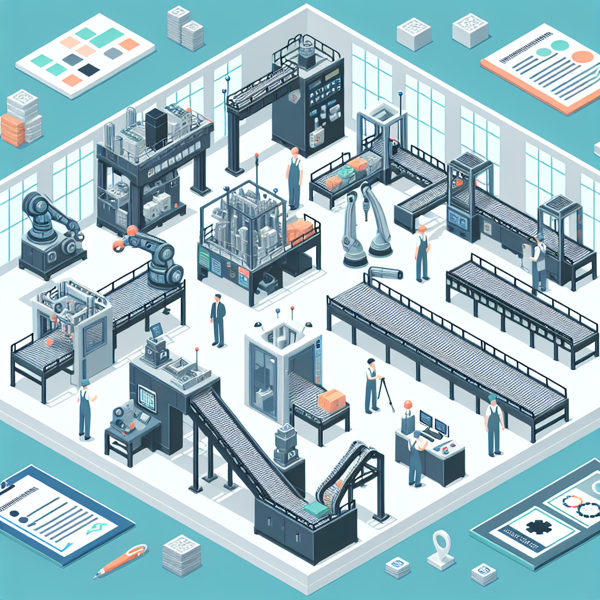
Explore the March 2026 publication of two pivotal standards for the Materials Handling Equipment industry. This expert article covers EN 1993-6:2026 (Eurocode 3 for crane supporting structures) and prEN 280-1 (Mobile Elevating Work Platforms), detailing their scopes, requirements, and major changes. Discover technical insights, compliance benefits, and practical impact for engineers, compliance officers, quality managers, and procurement specialists. Stay ahead with actionable information on structural integrity, workplace safety, and risk mitigation—directly from the latest European standards now accessible on iTeh Standards.
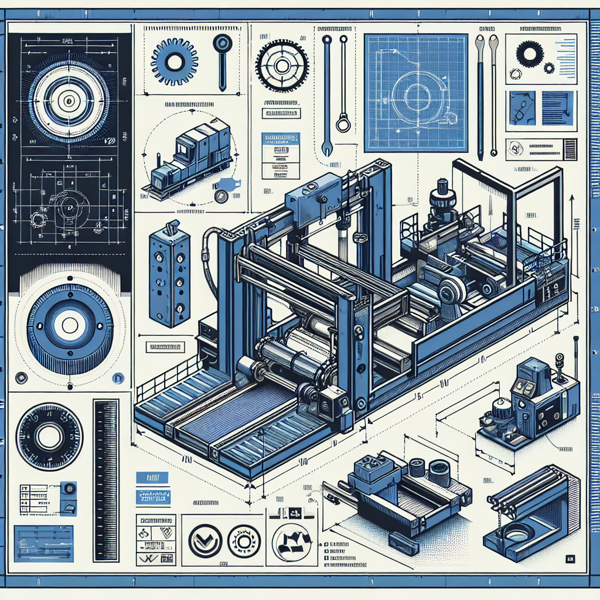
Discover the essential international standards for industrial trucks in materials handling, covering electrical safety (EN 1175:2025), rough-terrain slewing trucks (SIST EN 1459-2:2015), and operations in explosive atmospheres (SIST EN 1755:2001+A2:2013). This comprehensive guide breaks down three key standards, detailing their scopes, requirements, and practical benefits for businesses. Learn how implementing these standards not only ensures compliance but also enhances workplace safety, operational efficiency, and the ability to scale your materials handling operations. Ideal for professionals seeking to optimize productivity and maintain a secure working environment in logistics, warehousing, and manufacturing sectors.
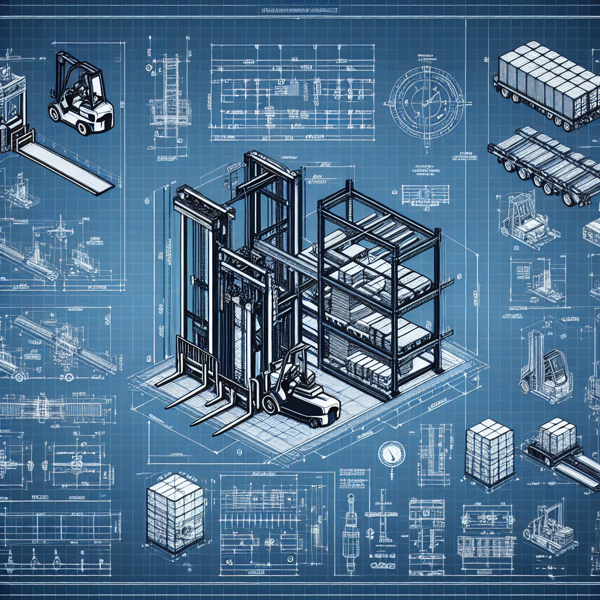
Explore the key materials handling equipment standards newly published in February 2026. This in-depth article analyzes three critical standards for conveyor belts, including design, safety, and performance updates that affect manufacturing, procurement, and underground mining operations. Learn about the latest specifications from ISO and CEN, their industry implications, and actionable compliance insights. Whether you manage quality, engineering, or safety in logistics and material transport, these updates will help you align your processes with globally recognized requirements. Stay informed about essential changes for safe, efficient, and compliant materials handling operations.

Explore the core international standards for lifting appliances and materials handling, focusing on SIST EN 1953:2025 (Application equipment for coating materials - Safety) and SIST IEC 60050-826:2023 (International Electrotechnical Vocabulary for Electrical Installations). Learn how these two key standards enhance workplace safety, drive productivity, improve staff competency, and ensure compliance in a fast-evolving industry. This comprehensive overview presents the requirements, scope, and real-world benefits of effective standard implementation for businesses seeking to scale safely and efficiently in today’s competitive global market. Expertly written and easy to digest, this guide is essential reading for professionals, managers, and safety-conscious organizations seeking to future-proof their operations.
Explore the December 2025 release of two pivotal standards for materials handling equipment: ISO 7752-2:2025 (basic control layout for mobile cranes) and EN 13001-3-5:2025 (design and proof of forged/cast hooks). This article provides a comprehensive overview of their scope, technical requirements, and impact on compliance for professionals in crane and lifting operations. Discover what’s changed, how these standards enhance safety and efficiency in handling equipment, and why staying current is critical for engineers, compliance officers, and procurement specialists. Read on for detailed analysis and direct access to the standards on iTeh Standards.
Explore the latest November 2025 updates in materials handling equipment standards. This article reviews two newly published international standards: ISO 21182:2025 for measuring the coefficient of friction in light conveyor belts, and EN ISO 6683:2025 on performance requirements and testing for seat-belt assemblies in earth-moving machinery. Discover key changes, compliance implications, and the benefits of adopting these specifications. Perfect for engineers, compliance officers, safety managers, and industry professionals who need to stay informed on the latest regulations and technical best practices in materials handling equipment. Stay ahead in safety, quality, and operational efficiency by leveraging the newest standardized requirements.
Explore the latest international standards in the materials handling equipment sector, published in November 2025. This comprehensive feature (Part 1 of 2) delves into five newly released standards from ISO and CEN, ranging from crane classification to advanced testing methods for light conveyor belts. Learn about updated safety requirements, technical specifications, and compliance benchmarks shaping the future of cranes, industrial trucks, and conveyor systems. Discover what's changed, who must comply, and how adopting these standards can drive safety, efficiency, and regulatory alignment in your operations. Stay informed and ahead – a must-read for industry leaders, compliance officers, engineers, and procurement professionals.
This monthly overview examines the Materials Handling standards published in October 2025. Covering three influential standards, the article explores critical topics: technical data for safe coupling of earth-moving machinery (CEN/TS 18195:2025), updated performance requirements and test procedures for seat-belt assemblies in earth-moving machinery (ISO 6683:2025), and rigorous stability verifications for rough-terrain variable-reach trucks handling suspended loads (ISO 22915-25:2025). Professionals in engineering, quality management, safety, and procurement will benefit from insights on compliance obligations, industry trends toward enhanced operator safety, and guidance for implementation. The recap identifies emerging priorities such as integration safety and evolving verification approaches in the sector. By reflecting on October 2025's key standards, readers can better assess implications for operational safety, compatibility, and regulatory compliance in the fast-evolving field of materials handling equipment. Explore the full article for detailed analysis and implementation tips.
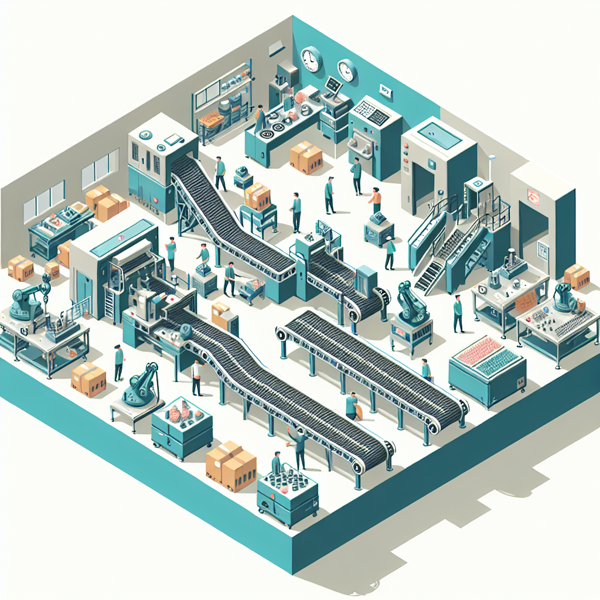
This monthly overview examines the standards published in September 2025 for the Materials Handling Equipment sector, covering two international ISO standards relevant to conveyor belt fastening strength and commercial specifications for drilling and foundation machinery. Industry professionals—including engineers, procurement specialists, and compliance officers—will benefit from a detailed analysis of ISO 1120:2025 and ISO 11886:2025. The article highlights the latest methodologies for static strength testing of textile conveyor belt fastenings and the unified approach to specifying drilling and foundation machines for civil and geotechnical engineering. Explore key themes such as safety, harmonization, and technical specification updates, as well as practical recommendations for compliance and implementation. Perfect for anyone seeking to catch up on recent standards activity, understand evolving industry best practices, and prepare for audits or procurement planning in materials handling.

The jewelry industry has its origins many centuries ago. The production of jewelry has become not just an art and the heritage of many eras and people, but has also grown into a global and profitable industry, which, unlike other categories of activity, is distinguished by its stability and low volatility. Today, the production of jewelry has a global scale and is closely intertwined with export-import activities. Due to the fact that each country has its own separate policy for regulating the supply of precious metals, then in the implementation of international trade in jewelry, there is a need for its international regulation to unify technological parameters and quality standards. One such regulation option is international standardization.
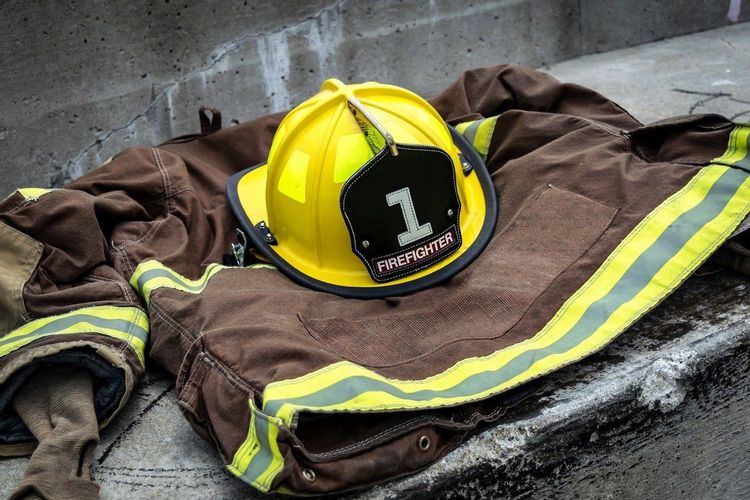
Protective clothing is a significant help for many professions that have a high risk of damage to human health. That is why manufacturers of protective equipment, such as, for example, goggles masks and even specialized clothing, should understand that the better the product is created, the more demanded it will be due to its qualities and indicators of resistance to the conditions in which it will be used. Today, in connection with the development of the pandemic and its global spread, the need for the creation of protective ammunition for doctors has greatly increased. Primarily in order to protect their health and prevent the spread of this infection. In this regard, competition in the market for the production of protective clothing has increased and the requirements for quality indicators have increased accordingly. We would like to acquaint you with the international standards that prescribe the norms for the operation and production of protective clothing and protective elements. These international documents will allow your organization to remain at the level corresponding to the requirements of the modern market and, as a result, to occupy a leading position in the category of activities that you carry out.

A wide variety of materials are used in any production process. Since each material has its own specifics of application, compliance with the norms and technological structure is responsible not only for the quality of the expected result, but also for safety in production processes. As more and more companies operate at the international level and interact at almost every stage of product development, international standards are being created to determine a single technology and resolve possible inconsistencies. In this article we will acquaint you with some of the most essential standards for companies and organizations involved in production processes and in the operation of certain types of materials and substances.
Categories
- Latest News
- New Arrivals
- Generalities
- Services and Management
- Natural Sciences
- Health Care
- Environment
- Metrology and Measurement
- Testing
- Mechanical Systems
- Fluid Systems
- Manufacturing
- Energy and Heat
- Electrical Engineering
- Electronics
- Telecommunications
- Information Technology
- Image Technology
- Precision Mechanics
- Road Vehicles
- Railway Engineering
- Shipbuilding
- Aircraft and Space
- Materials Handling
- Packaging
- Textile and Leather
- Clothing
- Agriculture
- Food technology
- Chemical Technology
- Mining and Minerals
- Petroleum
- Metallurgy
- Wood technology
- Glass and Ceramics
- Rubber and Plastics
- Paper Technology
- Paint Industries
- Construction
- Civil Engineering
- Military Engineering
- Entertainment