

Railway Engineering
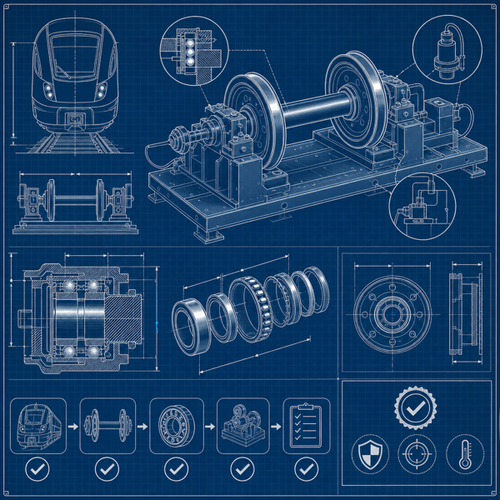
Discover how the newly published CEN/TS 18323:2026 standard for railway engineering is revolutionizing wheel bearing performance testing. Released in September 2026, this guidance details comprehensive test setups for wheel bearings with rotating outer rings, focusing on thermal performance, robust acceptance criteria, and practical compliance considerations. Find out who needs to comply, key highlights, and how this standard impacts safety and reliability in the railway sector. Essential reading for engineering professionals, quality managers, and compliance officers aiming to stay updated with the latest performance and safety requirements.
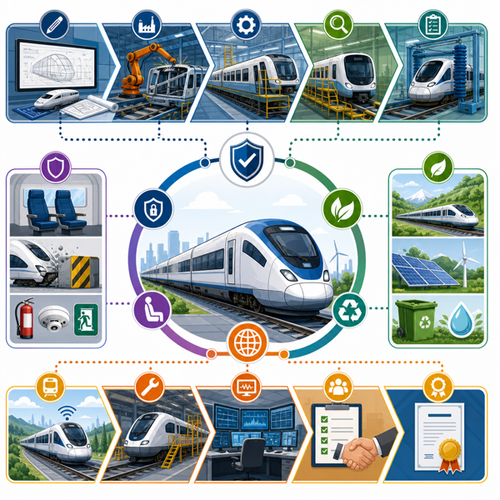
Explore the comprehensive guide to four critical international standards shaping modern railway rolling stock: IEC 60310:2026, IEC 61375-1:2026, IEC 62590-2-1:2025, and IEC 63341-2:2025. Covering transformers, communication networks, power converters, and hydrogen fuel systems, this article highlights how these standards drive innovations in safety, security, efficiency, and sustainability. Learn why compliance is a must for rail businesses introducing new technologies, how standardized practices help scale operations, and the practical steps to implement these guidelines for maximum commercial advantage. Essential reading for industry professionals, engineers, and public stakeholders seeking to understand the evolving landscape of railway engineering.
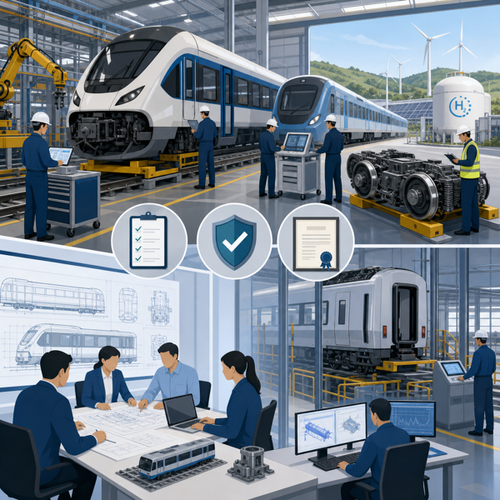
Explore the four most essential international standards for railway rolling stock, covering on-board transformers and inductors, digital train communication networks, DC traction rectifiers, and hydrogen fuel systems. This comprehensive guide demystifies IEC 60310:2026, IEC 61375-1:2026, IEC 62590-2-1:2025, and IEC 63341-2:2025, with practical insights on implementation and business benefits. Learn how adopting these standards enables railway businesses to enhance safety, drive productivity, increase scalability, and lead the integration of cutting-edge technologies such as wireless networks and hydrogen propulsion. Ideal for industry professionals, engineers, and managers seeking effective compliance and future-ready solutions.
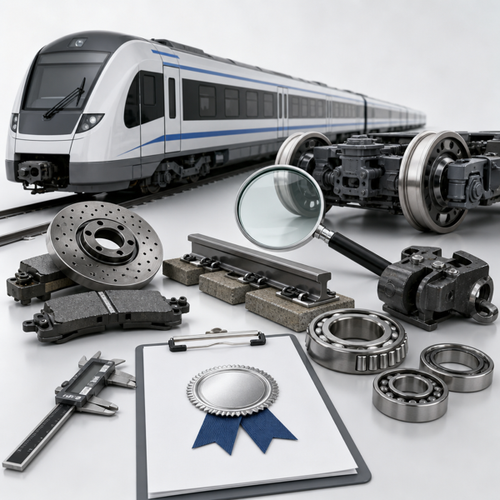
Discover the four essential international standards shaping the future of railway rolling stock: traction transformers, inductors, electromagnetic compatibility, and on-board CCTV services. This in-depth guide explores IEC 60310:2004, IEC 60310:2016, IEC 62236-4:2008, and IEC TS 62580-2:2016, providing an easy-to-understand overview for businesses and professionals alike. Learn how implementing these standards can boost productivity, ensure security, facilitate scaling, and drive compliance in the dynamic railway engineering sector. Ideal for professionals seeking to enhance safety, reliability, and operational efficiency in rolling stock design and operation.
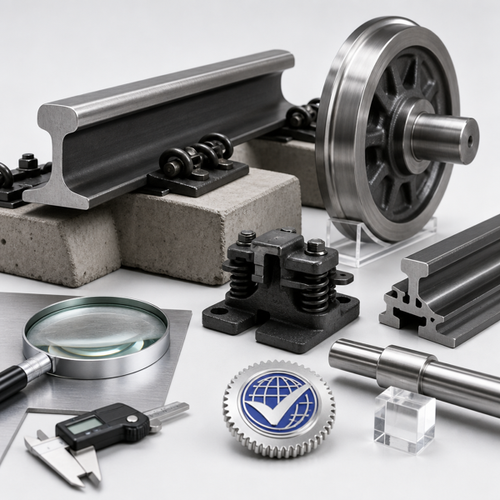
Explore the July 2026 publication of two essential standards for the railway engineering sector: EN 18128-1:2026, introducing robust guidelines for new material validation, and IEC 61373:2026, the key global reference for shock and vibration tests on rolling stock equipment. These standards introduce process methodologies and updated testing criteria to promote safety, material innovation, and compliance across the railway supply chain. Find out why engineers, procurement specialists, and quality professionals should be aware of these updates and how they will impact rolling stock design, performance, and certification.
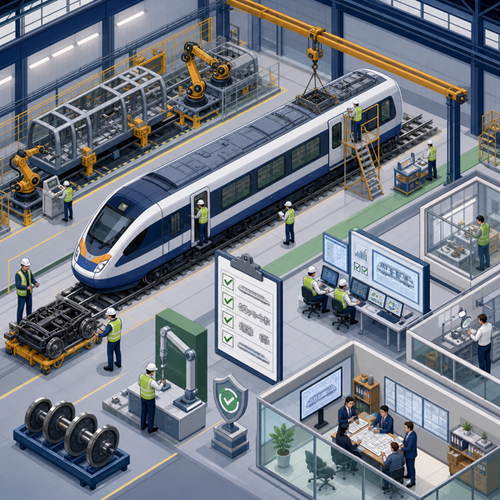
Explore the key June 2026 update in railway engineering standards with the newly published FprEN 15877-2. This comprehensive standard introduces advanced requirements for external markings on coaches, traction units, and railbound machines, enhancing clarity, safety, and compliance for operators and manufacturers. Learn about the latest specifications on marking design, positioning, durability, and safety communication—crucial for railway professionals, quality managers, engineers, and compliance officers. Stay ahead with insights into how this standard impacts your operations, implementation best practices, and where to access the full document for detailed guidance.
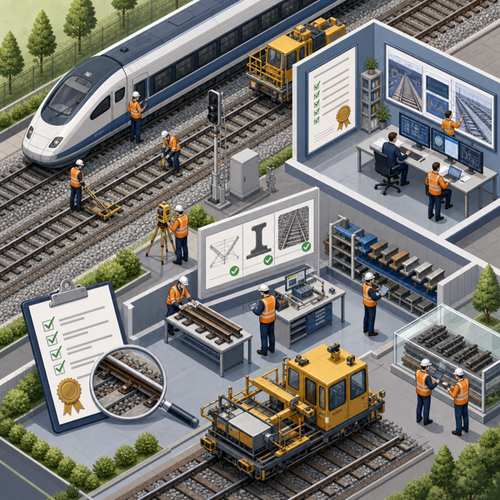
Explore the essential EN 13848-6:2026 standard for railway engineering, which defines critical methods for characterizing and classifying track geometry quality. Learn how this standard supports safety, efficiency, and scalability in railway operations and why it is crucial for modern businesses. The article offers practical implementation insights and highlights the benefits of compliance, making it an indispensable resource for professionals and decision-makers in the railway sector.
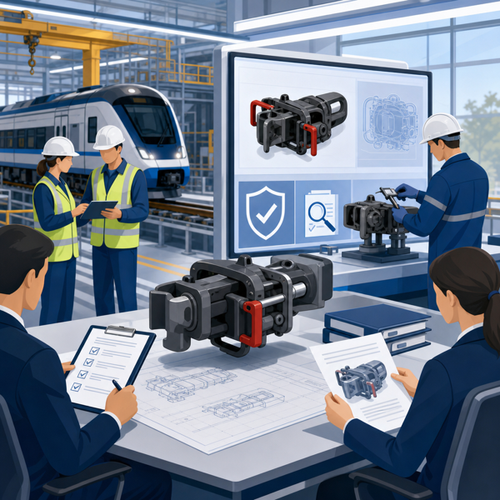
Explore the latest May 2026 update to Railway Engineering standards with EN 15020:2022+A1:2026, focusing on rescue couplers for interoperable train sets. This comprehensive guide delves into the upgraded performance requirements, interface geometry, and rigorous testing protocols that professionals in railway operations, engineering, and compliance need to know. Stay informed about key technical enhancements, compliance expectations, and practical steps for effective implementation to ensure safer, more reliable railway rescue operations. Essential reading for engineers, quality managers, and railway industry stakeholders seeking the latest in interoperability and safety requirements.

Explore the latest updates in railway engineering standards for May 2026, covering five newly published specifications. This comprehensive overview highlights essential safety and operational guidelines for cableway installations, train control systems, emergency braking, and electronic equipment on rolling stock. Key changes address accident prevention, worker protection, technical requirements for electronic devices, and updated best practices for cableway carriers and drive systems. Industry professionals, quality managers, engineers, and compliance officers will gain critical insights into regulatory compliance, implementation strategies, and the practical benefits of adopting these new railway standards. Stay ahead with expert coverage on standards evolution in railway technology.
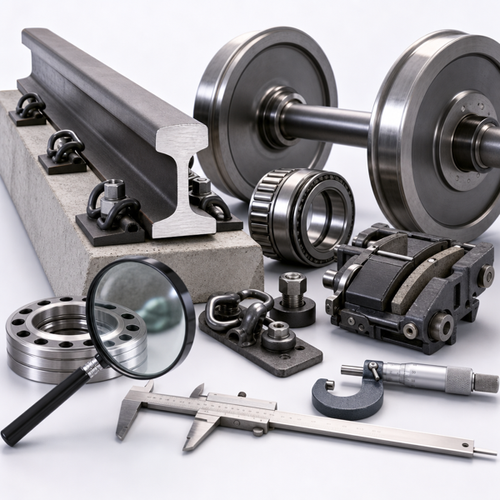
Explore two critical railway engineering standards—SIST EN 16839:2022/kFprA1:2025 for head stock layouts and SIST-TS CEN/TS 15427-1-3:2021 for wheel/rail friction management and adhesion materials. This comprehensive overview details how these internationally recognized requirements optimize rolling stock safety, reliability, and interface performance, supporting productivity and operational scaling. Learn why implementation is crucial for compliance, risk reduction, and future-proofing your business in a competitive rail sector, and gain actionable insights into best practices for institutional adoption. Whether you are a railway manufacturer, operator, or infrastructure manager, understanding and applying these standards is essential for modern railway success.

Explore the latest April 2026 updates in railway engineering standards, covering critical specifications for HVAC units, running time calculation, and on-board transformers and inductors. This article highlights three newly published standards—ISO 19659-4:2026, ISO 24675-2:2026, and IEC 60310:2026—offering comprehensive guidance for manufacturers, operators, compliance officers, and engineers. Learn about key requirements, design and testing methodologies, and the practical impact of these standards on safety, efficiency, and reliability across the railway sector. Stay informed and ensure compliance with the newest international best practices in railway engineering by reading this in-depth overview.

Discover the vital March 2026 updates to international railway engineering standards, including new guidance on HVAC design, rolling stock transformers and inductors, as well as major advancements in train communication networks. Covering four newly published standards, this article breaks down the latest specifications, technical requirements, and compliance impacts for railway professionals. Learn how these standards promote safety, interoperability, and efficiency across rail operations, and get expert insights into best practices for adoption and certification. Essential reading for rail engineers, quality managers, and compliance specialists.

Explore four essential international standards for railway rolling stock—EN 14198:2026 (brake systems), EN 17530:2022 (interior glazing), EN 50155:2021 (electronic equipment), and EN 50343:2024 (cabling installation). This in-depth overview highlights critical requirements, scope, and practical business benefits, including improved safety, productivity, security, and scalability in railway operations. Discover why staying compliant with these standards is vital for all rail industry stakeholders and how adopting them futureproofs operations and enhances competitiveness. Each standard section offers a direct access link to its authoritative specification on iTeh Standards.

Stay up to date with the latest in railway engineering: February 2026 saw the publication of five significant international standards that set new benchmarks for railway system reliability, efficiency, and environmental compliance. Covering waste water discharge, pressure vessels for braking systems, environmental equipment conditions, and advanced electronic power converters, these standards impact manufacturers, operators, quality managers, engineers, and procurement specialists across the sector. This comprehensive summary highlights the key requirements, practical implications, industry benefits, and actionable insights for professionals who must navigate these new specifications. Discover how these standards can streamline your operations and ensure full compliance within the rapidly evolving railway industry.

Discover the latest advancements in railway engineering with the January 2026 publication of FprEN IEC 61373:2025, covering shock and vibration tests for rolling stock equipment. This comprehensive article highlights the key requirements, technical updates, and industry impact of this vital standard, published by the International Electrotechnical Commission (IEC) and CENELEC. Industry professionals, quality managers, engineers, and compliance officers will gain critical insights into test protocols, certification requirements, and best practices for ensuring rolling stock equipment reliability and safety. Stay ahead of compliance deadlines and strengthen your competitive edge by staying informed on the most current international railway standards.
Explore three essential standards shaping technical documentation in the railway engineering sector: SIST EN 15016-1:2023, SIST EN 15016-2:2023+A1:2026, and SIST EN 15016-4:2023. Learn how these guidelines serve equipment manufacturers, maintenance organizations, transport authorities, and railway service providers to streamline compliance, support digital transformation, and boost operational efficiency. This comprehensive overview helps professionals and stakeholders grasp the requirements for document preparation, parts lists, and data exchange, ensuring project scalability and regulatory alignment across the railway industry.

Discover how three foundational railway engineering standards—SIST EN 15016-1:2023 (General principles), SIST EN 15016-2:2023+A1:2026 (Parts lists), and SIST EN 15016-4:2023 (Data exchange)—raise efficiency, quality, and compliance for rolling stock manufacturers, railway operators, suppliers, and engineering firms. This thorough overview covers technical documentation best practices, structured parts management, and digital data exchange processes, essential for businesses aiming to scale, achieve regulatory compliance, and streamline communication in the international rail sector. Ideal for professionals, managers, and technical staff responsible for project delivery, quality management, or supply chain operations in the railway industry.

Explore two newly published international standards for railway engineering released in January 2026. This in-depth article covers EN 13262:2025, setting forth product requirements for heavy rail wheels, and FprEN IEC 61375-1:2025, redefining the general architecture for electronic train communication networks. Discover updated technical requirements, compliance considerations, and practical implementation advice for engineers, quality managers, and compliance officers. Learn why these standards are crucial for safety, reliability, and interoperability across the modern rail sector. Stay ahead of developments with authoritative insights and direct links to each standard on iTeh Standards.

Explore the December 2025 updates in international railway engineering standards, featuring five newly published standards. Covering topics from electronic power converters to axlebox rolling bearings and essential system engineering for bogies and running gear, this comprehensive overview is tailored for industry professionals, engineers, quality managers, and compliance officers. Understand key requirements, technical insights, and practical implications to ensure safety, efficiency, and compliance within the railway sector. Discover what's new, how these standards affect your operations, and why staying informed is crucial for robust railway infrastructure and legal conformity. Read on for in-depth analysis and direct access to each standard.
Explore the latest railway engineering standards published in December 2025, crucial for industry professionals seeking compliance and optimal operational performance. This part 2 review covers three new standards: deployment procedures for axleboxes (EN 12082-2:2025), strict test requirements for signalling and telecommunication equipment (EN 50736:2025), and comprehensive product requirements for wheelsets (EN 13260:2025). Learn about key changes, technical highlights, and compliance strategies. Perfect for engineers, quality managers, procurement officers, and all involved in railway technology, this in-depth article delivers actionable insights for adopting and implementing new specifications across European and global networks.

Explore the five latest international standards shaping the future of railway engineering, published in November 2025. This comprehensive news article details groundbreaking updates—including hydrogen fuel cell systems, driver's cab display design, and critical platform barrier system requirements—impacting high-speed trains, trams, metros, and mainline services. Learn about technical requirements, compliance strategies, safety innovations, and implementation best practices key for industry professionals, engineers, and quality managers. Stay ahead of regulatory changes and ensure your operations are aligned with the newest industry benchmarks. All standards are fully referenced and accessible via iTeh Standards.

This monthly overview examines the Railway Engineering standards published in October 2025, offering a professional summary of five major documents. Covering both ISO and EN standards, the article highlights advances in suspension technology (ISO 18955:2025) and significant updates to the four-part EN 15273 series, the foundational system for rolling stock and infrastructure gauges in mainline rail. Key themes include harmonized gauging practices, interoperability, and a focus on both rolling stock and infrastructure safety. This comprehensive review is essential reading for railway engineers, compliance managers, and technical specialists who need to maintain regulatory compliance and stay ahead of sector trends. Explore main requirements, new methodologies, and discover actionable implementation insights in this curated recap from iTeh Standards.
This monthly overview examines the standards published in October 2025 for the Railway Engineering sector, focusing on accessibility and PRM (persons with reduced mobility) requirements for both rolling stock and infrastructure. Covering five key European standards, this summary provides essential insights for industry professionals, quality managers, engineers, and compliance officers intent on tracking developments in accessible railway design. Key themes include universal accessibility, step-free and obstacle-free design, inclusive seating and toilet facilities, and harmonized compliance methodologies. Explore this comprehensive recap to understand how these standards are shaping accessibility, operational safety, and compliance strategies in modern railway systems. Stay informed and ensure your organization is on track with the latest requirements in railway accessibility and inclusive design.

This monthly overview examines the Railway Engineering standards published during October 2025, focusing on major developments affecting braking systems, hydrogen fuel cell adoption aboard rolling stock, rail welding techniques, and improved accessibility for passengers with reduced mobility. Covering five key standards from CEN, ISO, and IEC, this retrospective analysis highlights evolving safety, interoperability, sustainability, and inclusion trends in the sector. The article is essential reading for engineers, compliance officers, procurement specialists, and anyone seeking to understand the regulatory direction and technical best practices shaping railways in Europe and globally. Discover how these October 2025 publications may impact your operations, compliance efforts, and projects—and access all standards directly via iTeh Standards links.

This monthly overview examines the standards published in October 2025 for the Railway Engineering sector, with a detailed analysis of EN 16839:2022+A1:2025 addressing rolling stock head stock layouts. The article provides context on its significance for interoperability, safety, and compliance, highlighting changes introduced through its amendment and how it supports evolving operational and regulatory requirements. Whether you are a rolling stock engineer, quality manager, or compliance officer, this recap distills the most important points from this month’s railway standards activity, outlines common themes, and provides practical guidance on implementation and compliance so you can efficiently stay current and prepare for what’s next in the industry.

This monthly overview examines the Railway Engineering standards published in September 2025, focusing on the significant update of ISO 3095:2025—Acoustics: Measurement of Noise Emitted by Railbound Vehicles. The article analyzes the standard’s new and revised provisions for exterior noise measurement, key testing methodologies, and updates addressing hybrid vehicles and urban rail guidance. Discover how September’s publications reflect the sector’s ongoing drive toward environmental sustainability, regulatory compliance, and harmonized international practices in railway acoustics. This summary is essential reading for engineers, compliance specialists, quality managers, and procurement professionals keen to stay current with the latest Railway Engineering best practices and standardization trends.

This monthly overview examines the key standards published in May 2025 for the Railway Engineering sector, summarizing five critical documents relevant to urban guided transport management, demountable machines, infrastructure safety, and cableway installations. Professionals in engineering, compliance, and infrastructure maintenance will find insights into new specifications, revisions, and evolving safety requirements. The article highlights major themes, changes, and practical implications—helping industry stakeholders stay current, ensure compliance, and plan effective implementations. Whether you oversee system upgrades, equipment procurement, or operational safety, this retrospective will clarify developments and direct you to in-depth resources for each standard.

This monthly overview examines the major standards published in May 2025 for the Railway Engineering sector, covering three influential documents: EN IEC 62290-3:2025 for urban guided transport management, IEC 62590-1:2025 on general requirements for power converters in fixed installations, and IEC 62425:2025 focusing on safety-related electronic systems for signalling. With a focus on system architecture, electrical safety, and the integrity of signalling communications, these publications highlight ongoing industry priorities: digitalization, interoperability, functional safety, and energy efficiency. The article analyzes each standard’s scope, key requirements, and practical implications, identifies cross-cutting themes, and provides actionable compliance guidance. Essential reading for engineers, quality managers, procurement specialists, and rail industry professionals looking to stay up-to-date with technical and regulatory developments in railway system integration, signalling, and infrastructure.

Despite the active development of air transport, especially in recent years, the railway is still one of the most important ways to connect between long distances. The main advantage of this type of land transport is its carrying capacity, which in turn makes it possible to transport large volumes of heavy cargo between countries. Therefore, companies that are engaged in the construction of railways, or the production of the necessary equipment, must have an understanding of which international documents regulate their field of activity. However, it is worth noting that the importance of international regulation in this matter is of increased importance, since the unification of the requirements for railway transport gives us the opportunity to use it on the territory of different countries, thereby fulfilling our main purpose. In order to ensure the safety of movement, all rolling stock as well as connection paths must undergo regular checks to ensure they are fit for use. As we mentioned earlier, rail transport is regulated by a large number of regulations that are aimed at guaranteeing their safety, the main ones of which we have collected for you in this article.

In the 21st century, the use of air transport seems to be the most popular and demanded. Nevertheless, against the background of this popularity, the importance of railway transport should not be neglected. Today, this industry is also developing and is used not only for passenger transportation, but also for the transportation of large volumes of goods at the international level. In order for this process to be carried out with the highest quality and in accordance with the latest technical recommendations of international institutions, international standards are being created that allow keeping pace with the times in adapting to new technologies, as well as creating a single system that functions synchronously at the international level. Next, we introduce you to the latest updates in the field of international standardization for the railway industry.
Categories
- Latest News
- New Arrivals
- Generalities
- Services and Management
- Natural Sciences
- Health Care
- Environment
- Metrology and Measurement
- Testing
- Mechanical Systems
- Fluid Systems
- Manufacturing
- Energy and Heat
- Electrical Engineering
- Electronics
- Telecommunications
- Information Technology
- Image Technology
- Precision Mechanics
- Road Vehicles
- Railway Engineering
- Shipbuilding
- Aircraft and Space
- Materials Handling
- Packaging
- Textile and Leather
- Clothing
- Agriculture
- Food technology
- Chemical Technology
- Mining and Minerals
- Petroleum
- Metallurgy
- Wood technology
- Glass and Ceramics
- Rubber and Plastics
- Paper Technology
- Paint Industries
- Construction
- Civil Engineering
- Military Engineering
- Entertainment