

Aircraft and Space

Explore the vital new standards released in September 2026 for the aircraft and space engineering sector. This article thoroughly reviews EN ISO 20785-4:2026, focused on validating software codes for cosmic radiation dosimetry in civilian aviation, and ISO 21886:2026, a comprehensive framework for configuration management in space projects. Discover key requirements, compliance strategies, and implementation best practices relevant to engineers, quality managers, and space industry professionals. Stay ahead of regulatory shifts and gain insight into how these new standards will shape safety, quality, and mission-critical operations in the months and years ahead.
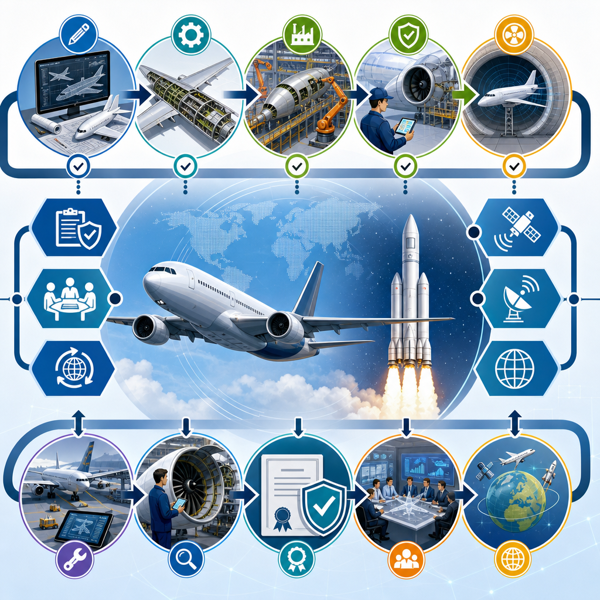
Explore the major September 2026 updates in Aircraft and Space Vehicle Engineering standards. This comprehensive overview (Part 1 of 2) summarizes 5 newly published or revised international standards, with practical insight into key requirements for electrical cables, ground support equipment, spherical plain bearings, and civil uncrewed aircraft systems. Discover benefits for quality managers, engineers, compliance officers, and industry professionals, and get essential guidance on implementation, compliance timelines, and risk reduction. Stay ahead of the curve in aviation and aerospace engineering with authoritative coverage from iTeh Standards. Read now for a detailed understanding of the latest regulatory changes impacting your business.
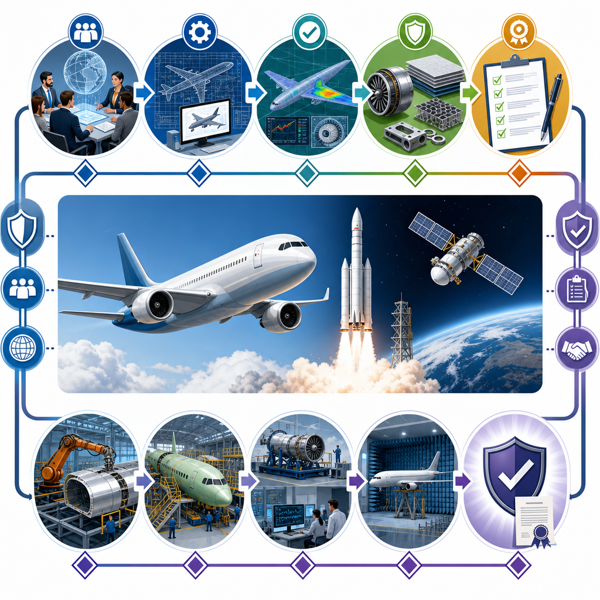
Explore the latest advancements in Aircraft and Space Vehicle Engineering with five newly published international standards released in August 2026. This comprehensive article details essential requirements for system safety in space projects, interfaces for launch vehicles, advanced fiber optic cable testing methods, operational procedures, and personnel training for uncrewed aircraft systems. Discover key changes, compliance insights, and technical best practices that directly impact safety, quality, and global interoperability. A must-read for engineers, quality managers, compliance officers, and anyone invested in aerospace excellence. Stay informed with authoritative guidance from iTeh Standards, your trusted platform for up-to-date global standards.
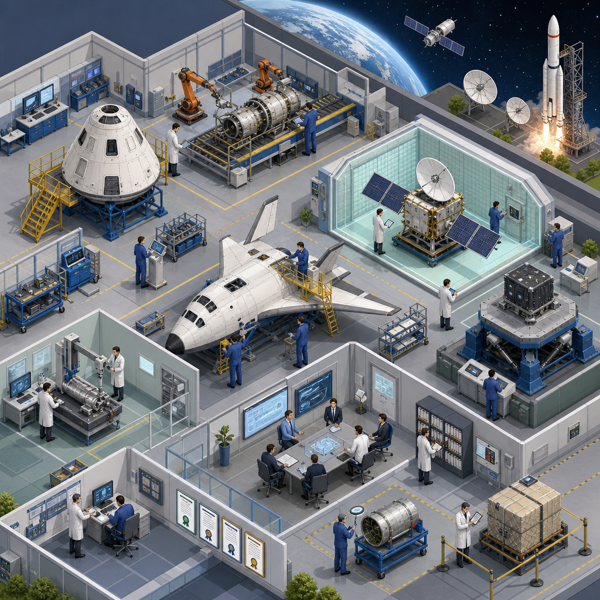
Explore four essential international standards for space systems and operations that are reshaping the aerospace and space industry. This in-depth guide covers EN 16603-20-40, EN 16604-10, EN 9227-1, and EN 9227-2—addressing advanced ASIC/FPGA engineering, space debris mitigation, RAMS (reliability, availability, maintainability, safety), and reliability control. Learn how these standards drive productivity, risk mitigation, security, scalability, and regulatory compliance in the development and deployment of cutting-edge space technologies. A must-read for aerospace professionals seeking to optimize operations, ensure sustainability, and implement state-of-the-art solutions in an era defined by rapid technological advancement.

Space Systems and Operations Standards: Boosting Innovation, Safety, and Sustainability in Aerospace
Explore the crucial international standards shaping space systems and operations. This in-depth guide reviews four essential aerospace standards: EN 16603-20-40 (ASIC, FPGA, and IP core engineering), EN 16604-10 (space debris mitigation), EN 9227-1 (dependability and safety guide), and EN 9227-2 (reliability control guide). Learn how these standards support technological advancement, increase productivity, ensure sustainability, and strengthen safety and risk management for both established and emerging organizations in the space sector. An essential overview for aerospace professionals, engineers, and anyone interested in the future of safe and scalable space exploration.
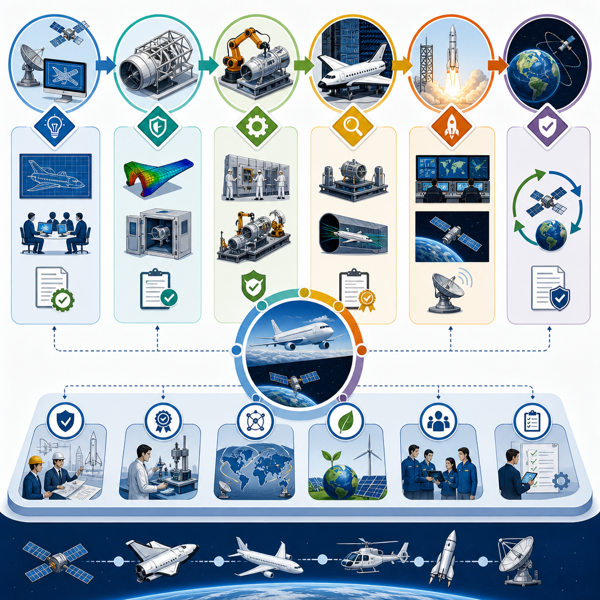
Explore the essential international standards guiding the safe and efficient operation of space systems and missions. This comprehensive article covers four key ISO standards for space systems and operations, including failure analysis at launch pads, qualification and acceptance testing for small spacecraft, solar cell calibration, and methods for collision avoidance in orbit. Learn how these globally recognized standards can enhance productivity, security, and scalability for organizations adopting new technologies in the dynamic aerospace industry. Discover why compliance is not only a competitive advantage but a necessity for risk management, sustainable growth, and operational excellence.
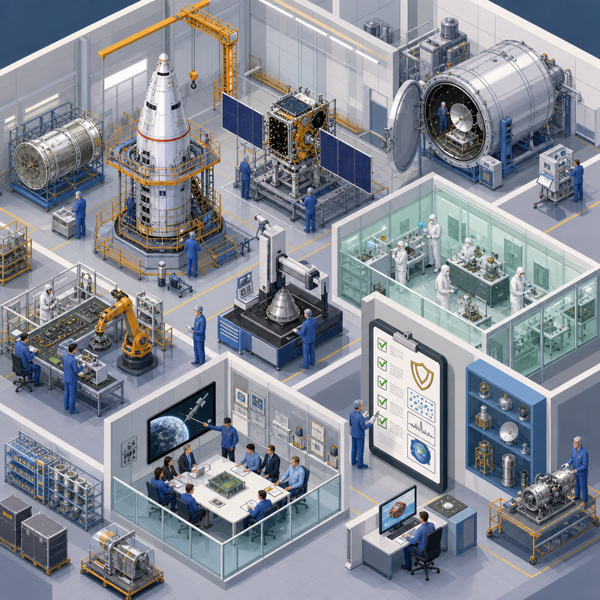
Explore four essential international standards shaping space systems and operations. This detailed guide covers EN 16602-40:2018 (Safety), EN 16603-20-01:2020 (Multipactor Design and Test), EN 16603-35-06:2022 (Cleanliness Requirements for Propulsion Hardware), and EN 16603-70-32:2014 (Test and Operations Procedure Language). Learn why these standards are vital for organizations in the aerospace sector, boosting productivity, security, and scalability while ensuring compliance and operational excellence. Ideal for industry professionals and anyone interested in how standardization drives safe, reliable, and innovative space missions.
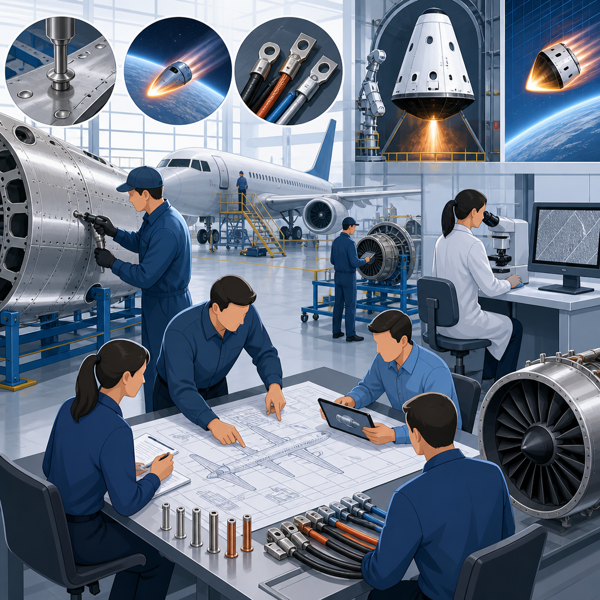
Discover the latest international standards updates for Aerospace Engineering published in July 2026. Covering solid aluminium rivets (EN 6104:2026), re-entry risk management for uncrewed spacecraft (ISO 27875:2026), and aircraft electrical cable crimping (ISO 1966:2026), this article equips aerospace professionals, quality managers, and compliance officers with actionable insights into technical requirements, compliance expectations, and industry impact. Stay informed on key changes, implementation tips, and best practices with comprehensive analysis and direct access to the full standards on iTeh Standards.

Explore the significance of international standards for space systems and operations with our comprehensive overview of four essential ISO standards: ISO 11227:2012, ISO 15887:2013, ISO 17770:2017, and ISO 18382:2013. Learn how these standards address spacecraft material safety, lossless data compression, CubeSat development, and RFID-based inventory management. Find out why adopting these space standards is vital for today’s organizations to boost productivity, minimize risk, ensure mission security, and scale their operations efficiently in the rapidly advancing space sector.
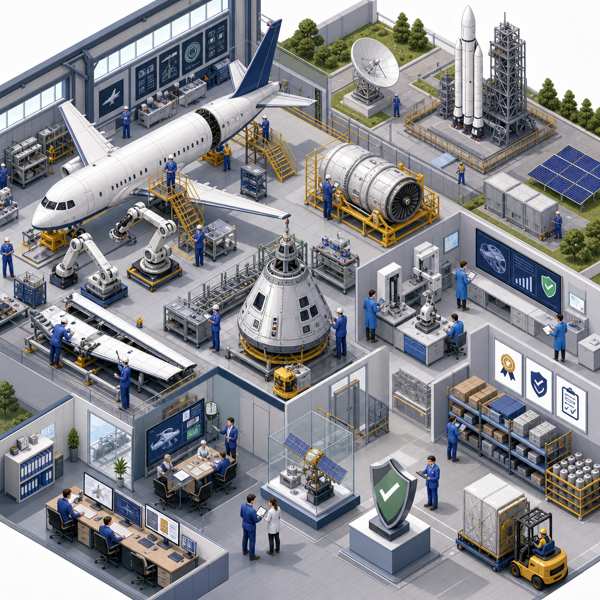
Discover four foundational international standards shaping modern space systems and operations, including spacecraft materials, data compression, CubeSat requirements, and RFID-based inventory management. This comprehensive guide explores how these standards enable organizations to enhance productivity, bolster security, streamline scaling, and drive innovation in the rapidly evolving satellite, aerospace, and space mission sectors. Whether you are a professional in aerospace, a student, or simply curious about today’s space technology, learn how compliance with these standards is transforming industries, enabling safer missions and efficient processes. Stay ahead with iTeh Standards’ expert insights on space systems essentials.
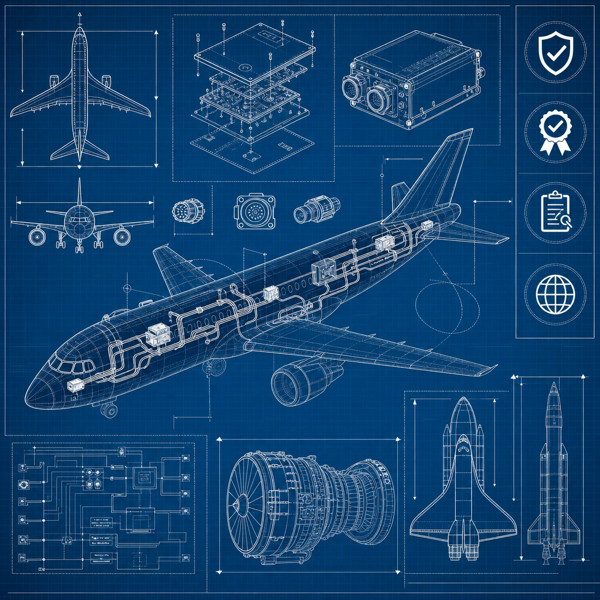
Explore three essential standards shaping the aerospace electric equipment and systems sector: SIST EN 3155-044:2026 for advanced electrical contacts, SIST EN 3160:2026 for high-performance steel bars, and SIST EN 3687:2026 covering specialized high-strength bolts. This in-depth guide discusses each standard’s scope, key requirements, and benefits—highlighting how compliance can ensure increased safety, operational security, and efficiency in aerospace applications. Whether you’re a manufacturer, engineer, or quality manager, understanding and implementing these standards is now critical for improving productivity, maintaining international competitiveness, and scaling for future demands. Read on to learn how your organization can gain from adopting these high-impact aerospace standards.
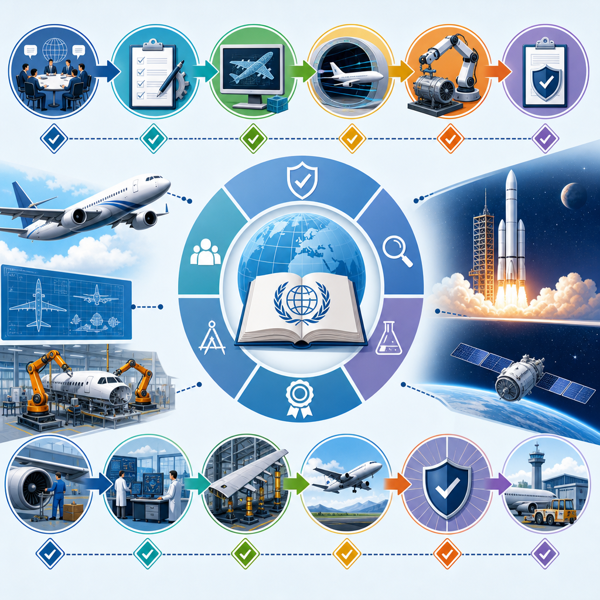
Explore the latest June 2026 international standards release for Aircraft and Space Vehicle Engineering. This article covers three crucial new and revised standards addressing aerospace connectors, vibration reduction for ground support equipment, and collision avoidance in space systems. Learn what’s new, how these standards enhance safety and reliability, and why aerospace engineers, quality managers, and compliance professionals should stay updated with these requirements for continued industry excellence.
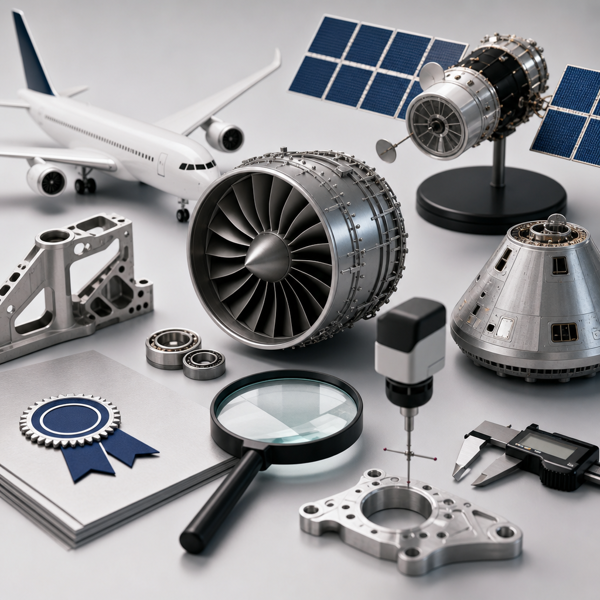
Explore the world of space systems and operations standards in this comprehensive overview covering four essential ISO standards: ISO 16363:2025, ISO 19683:2026, ISO 23507:2025, and ISO 23705:2026. Perfect for both aerospace professionals and the curious public, this article explains how these standards underpin trustworthy digital repositories, the design and testing of small spacecraft, long-term information management, and collision avoidance in orbit. Learn why compliance is critical for productivity, security, business scaling, and risk minimization, and how adopting these international standards drives innovation, safer missions, and sustainable growth in the ever-evolving space sector.
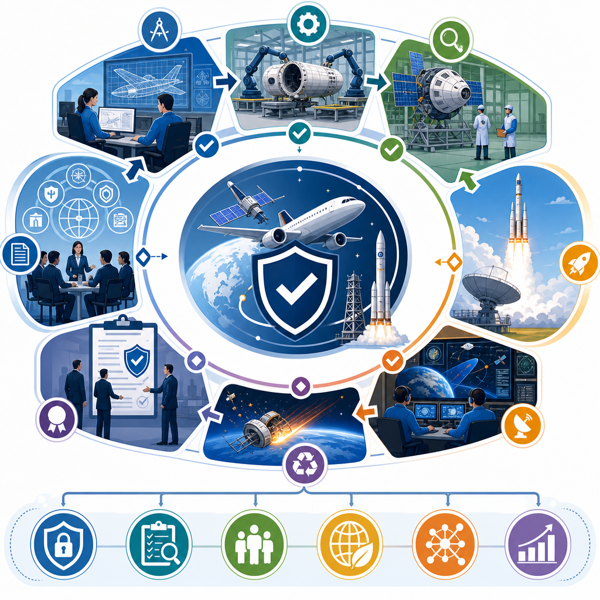
Explore four essential international standards shaping space systems and operations: ISO 16363:2025 for trustworthy digital repositories, ISO 19683:2026 for small spacecraft testing, ISO 23507:2025 for long-term information use, and ISO 23705:2026 addressing collision avoidance in orbit. This in-depth guide summarizes technical requirements, practical implications, and industry benefits for agencies, businesses, and researchers. Learn why adopting these standards increases productivity, security, and long-term scaling in the dynamic space sector. Ideal for professionals aiming to future-proof their missions and data with globally recognized best practices.
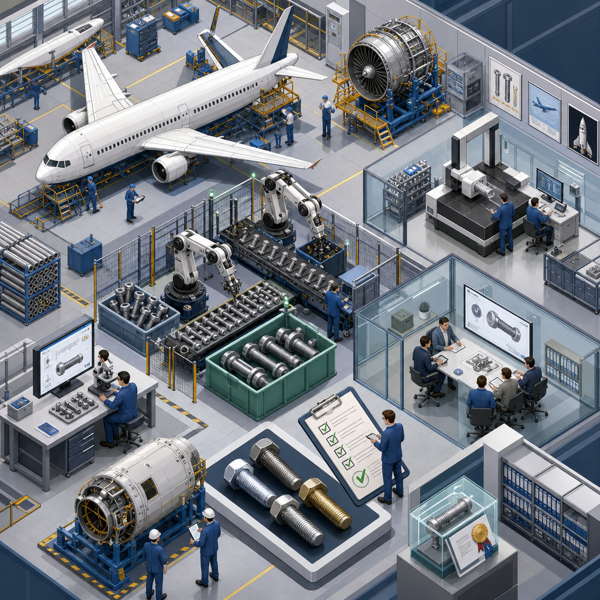
Explore the latest developments in aerospace engineering standards published in May 2026. This article covers the newly released technical specification prEN 2583 from CEN, setting stringent requirements for bolts with MJ threads made from NI-PH2601 (Inconel 718), classified at 1 275 MPa (ambient) and 650°C. Professionals in aircraft and space vehicle engineering will discover critical updates for material selection, quality assurance, mechanical properties, and compliance best practices. Learn why understanding this standard is essential for engineers, quality managers, and procurement teams focused on safety and reliability in high-stress aerospace environments. Stay informed with in-depth coverage and direct access to authoritative standards.

Discover the latest developments in Aircraft and Space Vehicle Engineering standards, published in May 2026. This article (Part 1 of 2) reviews five critical updates, including advanced specifications for ground support equipment, aerospace fasteners, fluid system testing, and qualification of small spacecraft. Learn how these standards enhance safety, reliability, and compliance for engineers, quality managers, and aerospace organizations worldwide. Stay informed on essential technical requirements and practical insights for successful implementation. Explore detailed overviews, industry impact analysis, and direct links to the full standards on iTeh Standards.

Explore a comprehensive overview of four key international standards for aircraft and space vehicles, covering digital product documentation archiving (LOTAR), qualification of nondestructive testing personnel, eco-efficiency in aircraft trash compactors, and program development planning. This article highlights how adhering to these standards is essential for leveraging new technologies, boosting productivity, safety, scaling, and regulatory compliance in the rapidly evolving aerospace sector. Ideal for aerospace manufacturers, suppliers, and service professionals aiming to stay at the forefront of industry best practices.

Discover the essential international standards for aircraft and space vehicles, covering digital data archiving, nondestructive testing personnel qualification, eco-efficient catering equipment, and program management development plans. This comprehensive overview addresses four pivotal standards and explains their importance for productivity, safety, security, scalability, and regulatory compliance in aerospace. Ideal for businesses implementing new technologies or seeking competitive advantage through standards adoption. Learn why these standards are vital for organizations involved in aerospace design, operations, and supply chains.

Discover the significant update in aerospace engineering standards released in April 2026. This article covers EN 2002-002:2026, the latest CEN standard specifying advanced methods for tensile testing of metallic materials at elevated temperatures. Ideal for engineers, quality managers, compliance officers, and procurement professionals in aircraft and space vehicle sectors, this guide details the scope, technical requirements, and compliance implications of the new standard. Learn why these updated guidelines are essential for ensuring material reliability and performance in demanding aerospace environments, and how your organization can benefit from compliance.
Discover the latest international standards released in April 2026 for the aircraft and space engineering sector. This article covers five crucial updates, including new requirements for unmanned aircraft systems (UAS), advanced test methods for aircraft electrical cables, and standardized calibration procedures for solar cells in space systems. Each standard aims to boost safety, reliability, and compliance and is essential reading for engineers, quality managers, compliance officers, and industry professionals. Learn about the technical specifications, implications for implementation, and best practices to ensure regulatory adherence in a fast-evolving field. Stay ahead with vital insights from iTeh Standards.

Explore the latest advancements in Aircraft and Space Vehicle Engineering standards published in March 2026, focusing on the newly released FprEN 6046 standard. This article details the updated specifications for spherical plain bearings in corrosion-resistant steel, designed for critical aerospace applications. Learn about the scope, key requirements, compliance benefits, and practical implementation insights for engineering professionals, quality managers, and procurement specialists. Stay ahead in aerospace compliance and component reliability by understanding the important highlights and industry impact of this essential new standard.
Explore the fundamental standards shaping certification and compliance across the aircraft and space vehicle sector. This comprehensive guide covers three vital ISO standards—ISO 21384-2:2021 on UAS components, ISO 23629-8:2023 covering remote identification in UAS traffic management, and ISO/FDIS 23665 for UAS personnel training. Understand how adherence to these guidelines boosts operational safety, legal compliance, and scalable productivity. Learn why businesses today must implement such standards to ensure quality, enhance security, and stay competitive in a rapidly evolving industry. With accessible explanations and actionable insights, this article is vital reading for aviation professionals, operators, manufacturers, and anyone interested in unmanned aircraft systems certification and best practices.
Explore three pivotal international standards for certification in the aircraft and space sector: ISO 21384-2:2021 (UAS components quality and safety), ISO 23629-8:2023 (UAS remote identification), and ISO/FDIS 23665 (UAS personnel training). This comprehensive guide unpacks the requirements, applications, and business benefits for each standard, highlighting how certification can boost productivity, enhance operational security, drive international compliance, and support scalable, accountable growth in unmanned aviation. Ideal for businesses, operators, and professionals seeking to future-proof their operations, improve regulatory alignment, and ensure robust risk management within the rapidly evolving aerospace and UAS industries.
Explore the February 2026 updates to international standards for Aircraft and Space Vehicle Engineering. This article covers two major new standards: a comprehensive handbook for fibre optic termination (FprEN 4533-001) and the specification for high-strength blind bolts with a 130° flush head (prEN 6122). Get a detailed analysis of requirements, implementation best practices, and the impact these standards will have on aerospace manufacturing, compliance, and maintenance. Stay ahead of regulatory changes, enhance safety and performance, and ensure your organization’s designs, procurement, and engineering processes are aligned with the latest expectations in the aerospace field.
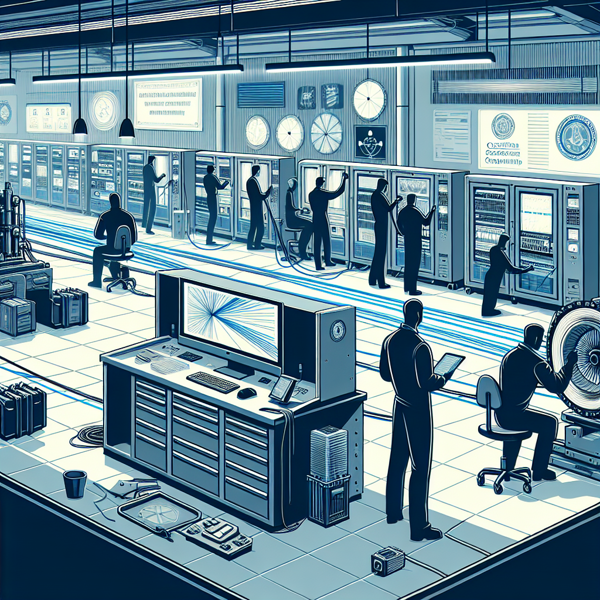
This comprehensive guide explores key standards for aerospace electrical equipment, focusing on the reliability and performance of optical cables and fibres used in aircraft systems. Covering SIST EN 3745-306:2025, SIST EN 3745-510:2026, and SIST EN 4641-102:2025, the article details test methods, quality assurance, and product specifications crucial for modern aviation. Discover how compliance with these aerospace standards enhances productivity, boosts safety, improves scaling, and ensures the rigorous demands of the aerospace industry are met. Ideal for businesses, engineers, and decision-makers who seek to maintain a competitive edge and ensure the highest standards in aircraft optical cabling.
Explore the latest development in aircraft and space vehicle engineering standards with January 2026's release of EN 2002-001:2026. This new CEN standard provides detailed requirements for tensile testing of metallic materials at ambient temperature, crucial for quality assurance and reliability in aerospace manufacturing. Industry professionals—including engineers, quality managers, and compliance officers—will benefit from insights into updated strain rate provisions, personnel qualifications, and comprehensive testing protocols. Learn how adopting this key specification enhances safety, performance, and regulatory compliance in the competitive aerospace sector. Discover practical implementation advice and access the full standard through iTeh Standards.

Explore the latest updates in Aerospace Engineering Standards published in January 2026, covering five new specifications for aerospace cables and high-strength blind bolts. This in-depth article highlights essential requirements for advanced signal transmission cables and mechanical fasteners vital to aircraft and space vehicle safety, performance, and compliance. Whether you are an engineer, quality manager, or procurement expert, learn how these new standards support cutting-edge design, lightweighting, high-frequency operations, and robust assembly in aerospace applications. Stay informed about implementation implications, compliance timelines, and industry best practices with authoritative analysis and direct access to every standard from iTeh Standards.

Discover the latest innovation in aircraft and space engineering: a newly published international standard, FprEN 3646-002, unveiled in January 2026. This crucial document sets out performance and contact arrangement specifications for electrical circular connectors with bayonet coupling, designed for high-reliability operation at temperatures up to 175 °C and 200 °C. Industry professionals—including quality managers, engineers, and procurement teams—will find in-depth coverage of technical requirements, compliance implications, and actionable insights for implementation. This comprehensive analysis is essential reading for anyone committed to safety, reliability, and future-proofing electrical systems in aerospace applications. See how this standard shapes quality, performance, and global compatibility in the evolving field of aircraft and space vehicle engineering.
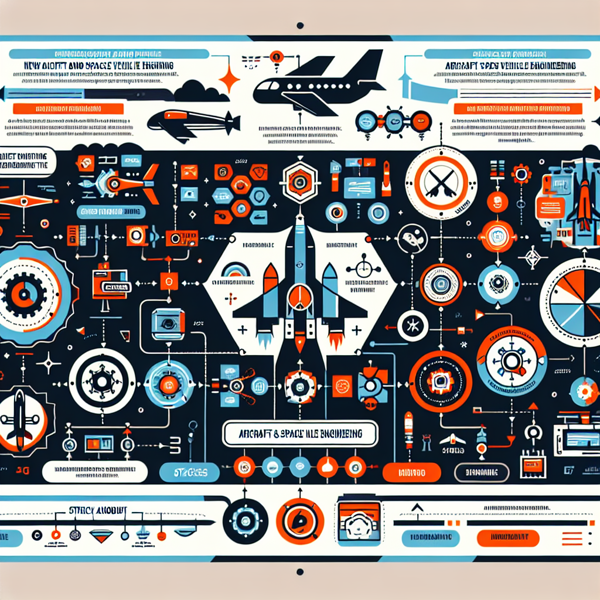
Explore the critical December 2025 updates in aircraft and space engineering standards, with five newly published specifications shaping quality, safety, program management, and fiber optic systems. This comprehensive article covers new and revised standards for fasteners, electrical cables’ fire resistance, program execution logic, and advanced fiber optic handling techniques. Learn how these standards enhance reliability, compliance, and operational excellence for aerospace manufacturers, engineers, and quality managers. Essential reading for professionals seeking the latest technical and compliance insights in the fast-evolving aerospace and space sector.
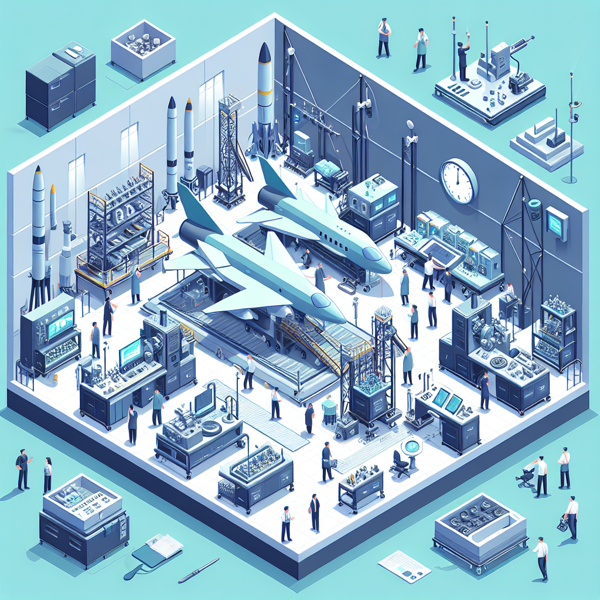
Explore the essential new standards published for aircraft and space vehicle engineering in December 2025. This article (Part 3 of 5) covers five pivotal specifications for steel forgings, alloy remelting stocks, uncrewed aircraft traffic management, and aerospace electrical contacts. Key updates address manufacturing quality, safety, interoperability, and compliance for aerospace professionals. Discover technical insights, implementation strategies, compliance deadlines, and the practical impacts on organizations in the aviation and aerospace sectors. Industry professionals—including engineers, quality managers, and procurement specialists—will gain actionable knowledge for staying ahead with the latest industry guidelines. Dive in to maintain a competitive edge and ensure compliance with global standards through iTeh Standards.
Discover the latest December 2025 updates in aerospace and space vehicle engineering with the publication of five new standards for electrical contacts. This article provides a deep dive into the specific requirements, technical improvements, and testing protocols established by the new CEN standards (including FprEN 3155-044, 045, 070, 074, and 071). Industry professionals, engineers, and compliance managers will learn how these standards impact design, safety, manufacturing, and regulatory compliance for aerospace connectors and wiring systems. Explore key highlights, best practices for implementation, and practical insights on maintaining quality and reliability in critical aircraft and spacecraft systems. Stay informed of crucial changes to ensure your organization remains at the forefront of international compliance and technical innovation.

Discover the latest December 2025 updates in aircraft and space engineering standards, featuring two new releases: FprEN 3155-075 addressing quadrax electrical contacts, and FprEN 4641-001 covering technical specifications for 125 µm fiber optic cables. This article breaks down their technical requirements, compliance impacts, and practical implementation strategies. Essential reading for aerospace engineers, quality managers, compliance officers, and procurement professionals looking to stay ahead in safety, reliability, and quality assurance. Stay informed on the newest standardization in aircraft connectivity and optical networks with actionable insights from iTeh Standards.
Explore the latest December 2025 updates in aerospace material standards with this in-depth article from iTeh Standards. Covering five essential new standards for steel and heat-resisting alloys in the aircraft and space vehicle engineering sector, this resource details requirements for plates, bars, tubes, wires, and forging stocks. Industry professionals, engineers, compliance managers, and procurement specialists will benefit from a clear breakdown of specifications, compliance considerations, technical insights, and best practices to maintain safety, performance, and regulatory alignment. Stay ahead of evolving global requirements, understand the practical impacts, and access direct links to full standards for advanced material selection and supply chain assurance.

Explore the latest advancements in aircraft and space engineering with two new standards published in November 2025: EN 9242:2025 and EN 4709-001:2025. Discover comprehensive guidelines for aerospace programme management and the essential requirements for unmanned aircraft systems (UAS) operating in the open category. This article highlights critical compliance points, industry benefits, and practical guidance for implementation. Stay ahead in aerospace program execution and UAS product development by understanding these updated international specifications. Industry professionals, engineers, and compliance managers will benefit from actionable insights and authoritative guidance provided for the evolving landscape of aircraft and space vehicle engineering standards.
Looking back at October 2025, the Aircraft and Space sector saw the publication of three pivotal standards focusing on launch site failure analysis, requirements for small spacecraft, and electrical arc resistance in aerospace cabling. This monthly overview offers industry professionals, quality managers, compliance officers, and engineers an in-depth analysis of these standards, summarizing their core requirements, significance to the industry, and practical implementation considerations. Key themes include risk management in launch operations, the standardization of small spacecraft, and enhanced safety for aerospace electrical systems. Explore this comprehensive recap to stay informed, identify trends, and ensure your organization’s continued compliance in a rapidly evolving aerospace landscape.
This monthly overview explores the key standards published in October 2025 for the Aircraft and Space Vehicle Engineering sector (ICS 49). Part 1 of the recap examines five critical documents addressing eco-efficiency in aerospace catering equipment, specialized electrical contacts, and core vocabulary for liquid rocket engines. From efficiency benchmarks for galley appliances to robust electrical connector specifications and a comprehensive terminology update for space propulsion, the review highlights the sector’s focus on sustainability, safety, and harmonized practices. Essential reading for engineers, quality managers, compliance officers, and researchers aiming to stay informed and enhance operational excellence through the latest standards developments.

This monthly overview examines the standards published in September 2025 for the Aircraft and Space Vehicle Engineering sector (ICS 49), providing industry professionals a comprehensive summary of three pivotal standards. The review covers EN 4727:2025 on standardized passenger seat weight information, ISO 10786:2025 addressing structural requirements for space systems, and prEN 4709-008 on C5 accessory kits for unmanned aircraft. Key themes include weight transparency, safety, compliance, and modularity in aircraft and space system design. This resource is tailored for engineers, compliance officers, quality managers, and procurement specialists needing to stay abreast of regulatory developments, offering critical analysis of sector trends, implementation guidance, and practical significance to support informed decision-making and operational excellence.

This monthly overview explores the five standards published in May 2025 for the Aircraft and Space Vehicle Engineering sector. Covering advances in electrical and optical cabling, rigorous change management protocols, and technical reviews of electrical wire derating, these standards shape quality, safety, and innovation in aerospace and space systems. Perfect for engineers, compliance officers, and quality managers, this analytical recap highlights key themes, notable revisions, and practical compliance guidance. Stay informed on the latest industry direction and critical requirements to ensure your organization meets evolving engineering best practices. Explore detailed backlinks to access each standard on iTeh Standards.
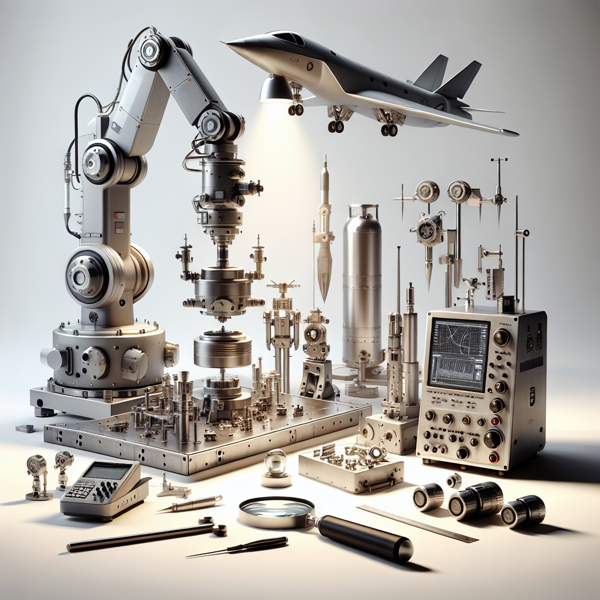
This comprehensive monthly overview examines key standards published in May 2025 for the Aircraft and Space Vehicle Engineering sector. Part 2 of our three-part series explores five essential standards, including guides for dependability, safety, and reliability control, updated FRACA process requirements, modernization processes for launch complexes, and testing methods for connections subject to vibration. The analysis highlights common themes of safety assurance, lifecycle reliability, modernization, and quality management—providing context on industry direction and implementation guidance. Professionals in engineering, compliance, and procurement will find essential insights to inform best practices and ensure compliance with the latest technical and program management requirements. Catch up on the month’s most significant standardization activity and understand what these publications mean for your organization and the broader sector.
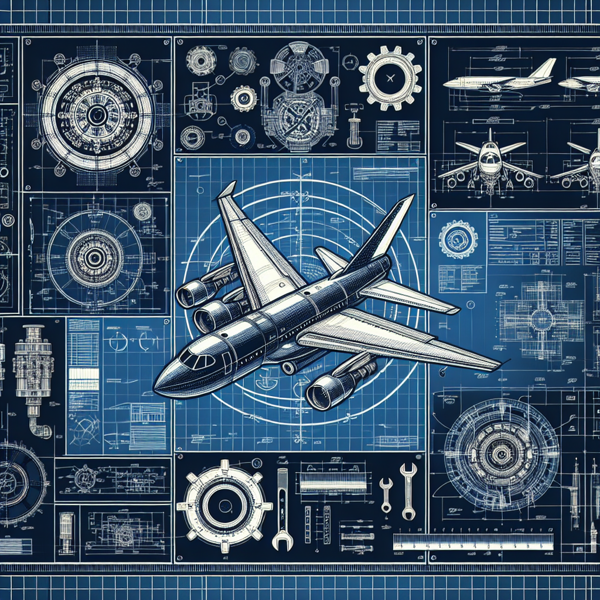
This monthly overview examines the most significant standards published in May 2025 for Aircraft and Space Vehicle Engineering. Covering five new or revised ISO standards—from procurement specifications for high-strength bolts to crucial procedures for the surface treatment and anodizing of aerospace alloys—this analytical recap offers industry professionals, engineers, quality managers, and compliance officers an essential resource to catch up on critical regulations and best practices. Discover the technical requirements, emerging trends, and compliance insights that defined May 2025’s standardization activity in this sector. Stay informed and ensure your operations align with the latest international expectations by reading this detailed, retrospective summary.
The space industry is one of the most promising sectors of the world economy, especially given all the potential for international cooperation. At the same time, you need to understand that the competition in this industry is very high, as a rule, success here can only be achieved if you produce high-quality space equipment that meets international standards. Another distinguishing feature of this segment is the constant invention of new technologies that are important to immediately apply in their work. The competitiveness of spacecraft companies is directly proportional to the speed with which they respond to updates. One of the options that we can advise you if you are interested in being a leader in your market, as well as increasing the profitability of your company, is to focus your work on international standards, as they are constantly updated taking into account current changes in market. The norms, which are described in international standards, regulate the necessary studies and the methodology of checks, both of the components of space systems and of finished ships. This information will be useful to those companies that want to understand the needs of the market and maintain a leading position. We have collected some of these standards for you in this article so that you can familiarize yourself with them in advance.

Modern technologies have long given a person the opportunity to get closer to such, at first glance, an unattainable value as space. Scientific achievements in this area every year more and more prove to us that nothing is impossible in the world, in particular, space flights are becoming more accessible than it was several decades ago. However, do not neglect the fact that all this became possible, in many aspects, thanks to properly designed spacecraft. Therefore, we believe that it is necessary to emphasize separately how important it is to use in our work the international standards that govern space engineering. Of particular importance is ensuring the safety of the spacecraft crew, which can only be achieved if the norms specified in international standards are followed. These documents regulate the processes of verification and testing of spacecraft, taking into account all possible scenarios for the development of events after their launch. Moreover, thanks to the information that is collected in these documents, the manufacturer will be able to produce high quality products that will also be competitive in their segment. The international standards that we have compiled for you in this article will be useful for those entrepreneurs who seek to take and maintain leadership in their market segment.

Over the past few decades, space engineering has made a huge breakthrough and space, which previously seemed unattainable, is getting closer to us every year. Given these positive developments in space exploration, it is worth noting the importance of international cooperation in this area. As we can see, many spacecraft companies are trying to outperform their competitors in order to be at the forefront of their industry. Naturally, those manufacturers who make a quality product that meets international requirements can maintain leadership. It is quite natural that the field of space engineering is regulated by a huge number of regulatory documents, since this industry is rightfully one of the most complex. On the one hand, in order to ensure the safety of employees who will continue to operate the spacecraft, it must be subject to a greater number of tests and checks, some of which will have to take into account all possible external and internal threats. On the other hand, the unified requirements for the creation of spacecraft make it possible to expand international cooperation between companies, since their activities are strictly regulated. Manufacturers who want to expand their market share as well as maintain their competitive position must constantly monitor the updates that appear in international standards in the field of space engineering. Some of these documents we have collected for you in today's article. This text will help you partially form your understanding of what standards you need to implement in the work of your company.

International cooperation in the field of space development is possible provided that all companies that take part in it regulate their activities by the same legal documents. Therefore, if we are talking about companies that are engaged in developments in the field of space engineering, then all their production processes must be strictly regulated in accordance with international requirements. The development of space systems is a multilevel process, where each stage has its own technical features. A very important point that concerns space systems is the issue of their safety, since the life of the crew that will operate these systems directly depends on it. Verification of finished systems involves several stages of the procedure, which in turn makes it possible to conduct tests in different conditions, taking into account the most negative of them. In order to ensure the reliability of space systems, it is worth simulating a critical situation, taking into account all possible consequences. Such a step will provide an opportunity to assess the system's resistance to the influence of external factors. We have prepared an article for you in which we have collected certain articles that discuss the requirements for the production of components of space systems. This text will be especially useful for companies that operate in this segment and want to be competitive in the market, as well as take a leading position among their competitors.

At the beginning of the 21st century, technologies quickly burst into our lives, which continuously continue their improvement to this day. Fantastic films of the past are becoming more and more similar to our today's reality, because humanity even conquers space. Despite the fact that today this industry, namely space engineering, has a huge potential for the development and scaling of research. It should not be forgotten that the building of any successful system depends to a large extent on how well the regulation was carried out at the initial stages and how much the launch of a particular project was carried out in accordance with the rules and regulations of the relevant jurisdiction. To date, there are a large number of international standards for various types of equipment and for absolutely every field of activity. Space engineering is no exception, with the main and most relevant standards for which we will acquaint you today.
Categories
- Latest News
- New Arrivals
- Generalities
- Services and Management
- Natural Sciences
- Health Care
- Environment
- Metrology and Measurement
- Testing
- Mechanical Systems
- Fluid Systems
- Manufacturing
- Energy and Heat
- Electrical Engineering
- Electronics
- Telecommunications
- Information Technology
- Image Technology
- Precision Mechanics
- Road Vehicles
- Railway Engineering
- Shipbuilding
- Aircraft and Space
- Materials Handling
- Packaging
- Textile and Leather
- Clothing
- Agriculture
- Food technology
- Chemical Technology
- Mining and Minerals
- Petroleum
- Metallurgy
- Wood technology
- Glass and Ceramics
- Rubber and Plastics
- Paper Technology
- Paint Industries
- Construction
- Civil Engineering
- Military Engineering
- Entertainment