


Chemical Technology

Explore the latest updates in Chemical Technology standards published in August 2026, featuring two essential CEN standards for wood preservative sampling and laboratory exhaust systems. This article covers EN 212:2026 for the analysis of wood preservatives and treated timber, and EN 16589-2:2026 on the commissioning and testing of articulated extraction arms in laboratories. Learn about critical compliance requirements, technical highlights, and the practical impact on industries ranging from timber processing to laboratory safety. Industry professionals, quality managers, and compliance officers will gain actionable insights for improved safety, regulatory alignment, and process optimization.

Explore essential oil quality standards in the chemical technology industry with this comprehensive guide covering ISO 21099:2026, ISO 24600:2025, ISO 24609:2025, and ISO 8902:2025. Uncover key requirements for rockrose labdanum, roman chamomile, carrot seed, and lavandin Grosso oils. Learn why adherence to these international standards is crucial for businesses seeking enhanced productivity, safety, scalability, and meeting modern technological demands. This article clarifies how standardization supports product integrity, global trade, and compliance, making it an indispensable resource for professionals and organizations involved in the essential oils sector.

Explore the crucial role of international standards for essential oils in today’s chemical technology landscape. Covering four key ISO standards—ISO 21099:2026, ISO 24600:2025, ISO 24609:2025, and ISO 8902:2025—this in-depth guide details quality assessment, safety, and best practices in essential oil production and trade. Discover how compliance with these guidelines boosts productivity, ensures global market access, and safeguards consumers and businesses alike. Ideal for manufacturers, importers, laboratories, and industry leaders seeking to implement new technologies and scale operations with confidence, this article offers practical insights and actionable steps for mastering essential oil standards.

Explore the critical role of international standards in the essential oils industry with this in-depth overview of four key ISO standards for star anise, lemongrass, tea tree, and rose oils. Learn how these standards define quality, purity, labeling, and testing requirements, enabling producers, distributors, and users to ensure safety, authenticity, and consistent performance. Discover why adopting these standards can boost business productivity, market access, and brand trust, and why regulatory compliance is vital in today's rapidly evolving essential oils market. This article is indispensable for professionals and businesses aiming for sustainable, scalable growth in the chemical technology and natural products sectors.

Discover the latest advancements in chemical technology with the July 2026 release of EN 15721:2026, a crucial European standard for ethanol as a blending component in petrol. This update specifies a modernized gas chromatographic method for detecting higher alcohols, methanol, and impurities in ethanol, ensuring enhanced fuel quality and regulatory compliance. Dive into the technical requirements, new testing approaches, and critical implications for petrol producers and chemical analysts. Essential reading for professionals in liquid fuels, lab managers, compliance teams, and anyone invested in upholding industry standards and ensuring safer, more efficient blending processes.

Explore the June 2026 release of ISO 10873:2026, a key new standard in Chemical Technology for dentistry. This article covers everything professionals need to know about the updated specifications and requirements for denture adhesives. Understand the comprehensive classifications, biocompatibility measures, and the latest testing and labeling protocols. Ideal for dental product manufacturers, quality managers, compliance officers, and procurement specialists, this coverage explains practical implementation considerations and compliance benefits, helping your organization stay ahead in product safety and regulatory requirements.
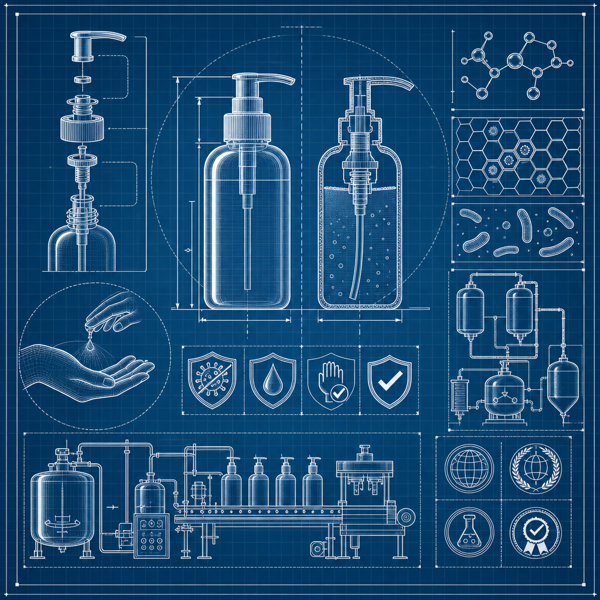
Discover the essential standards shaping the effectiveness and safety of industrial and domestic chemical disinfectants for hand hygiene. This comprehensive guide covers ASTM E2755-22 and ASTM E2897-22, two internationally recognized standards that define testing and evaluation protocols for bacteria elimination by hand rubs and topical antimicrobial products. Learn how these standards ensure product efficacy, facilitate market access, increase productivity, and reduce health risks. Ideal for professionals in healthcare, manufacturing, and product development seeking to enhance compliance, security, and operational scale. Stay ahead with practical insights and actionable advice on implementing these critical chemical technology standards.

Explore two essential chemical technology standards—ASTM E2755-22 and ASTM E2897-22—that define the science and best practices for evaluating the effectiveness of hand hygiene and disinfection products. Covering both real-world clinical testing and advanced laboratory models using ex vivo pigskin, these standards form the backbone for regulatory compliance, safety assurance, and innovation in industrial and domestic environments. Discover how implementation not only increases productivity and security but also enables quality scaling and global competitiveness for businesses in healthcare and other sectors.

Discover the latest advances in chemical technology standards published in May 2026, covering critical updates for water treatment chemicals and essential oils. This article explores EN 12485:2026, which details test methods for water treatment chemicals such as calcium carbonate and dolomitic lime, and ISO 21099:2026, the quality standard for rockrose labdanum essential oil. Learn about key specifications, compliance impacts, and best practices for implementation. Industry professionals, including engineers, quality managers, and researchers, will gain valuable insights into achieving regulatory compliance, improving product quality, and staying ahead in the fast-evolving chemical technology sector.
Discover the crucial updates introduced in April 2026 to the water treatment sector of chemical technology. This article spotlights the significant revision of EN 1018:2026, a standard essential for professionals handling calcium carbonate in drinking water treatment. Learn about new purity requirements, updated labelling and transportation guidelines, and how these changes strengthen compliance and safety. Tailored for quality managers, engineers, and compliance officers, this deep dive helps organizations understand what’s new, why it matters, and how to stay compliant with the latest international best practices.

Explore the latest advancements in chemical technology standards published in March 2026, covering water treatment chemicals for pools and spas, as well as high-precision measurement protocols for industrial propylene oxide. This comprehensive article examines four newly released standards, detailing their key requirements, safety protocols, and testing methodologies. Learn how these updates impact compliance for manufacturers, facility managers, and industry professionals, supporting optimal water quality, worker safety, and product integrity. Discover practical guidance on implementation, compliance benefits, and where to access each standard on iTeh Standards.
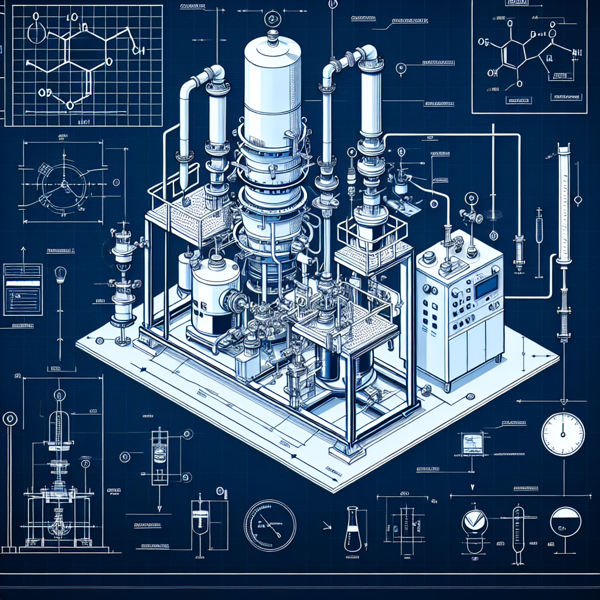
Explore the must-know analytical chemistry standards shaping the future of laboratories and chemical businesses. This comprehensive guide reviews four key international specifications—including ASTM E1378-99(2005), EN ISO 8655-9:2022, ISO 33401:2024, and SIST ISO 835-4:1995—covering laboratory glassware, volumetric apparatus, reference materials, and pipette standards. Discover how these standards boost operational excellence, data reliability, productivity, and regulatory compliance, and why they are essential for scaling and securing new technology-driven business models. Whether you are implementing advanced lab automation or seeking robust quality control, this article will help you make the right decisions for safe, consistent, and efficient chemical analysis.

Discover four critical certification standards in analytical chemistry, covering laboratory glassware, volumetric devices, reference material documentation, and pipette specifications. This in-depth guide explains how standards such as ASTM E1378-99(2005), EN ISO 8655-9:2022, ISO 33401:2024, and SIST ISO 835-4:1995 ensure precision, quality, reliability, and traceability in chemical technology laboratories. Learn how compliance boosts productivity, fosters security, and enables business scaling, making these standards essential for modern organizations seeking high accuracy in measurements and certifications. Ideal for laboratory managers, quality assurance teams, and anyone aiming to enhance analytical performance and secure competitive advantage.
Explore the foundational certification standards that drive accuracy and reliability in analytical chemistry laboratories. This comprehensive overview covers four essential international standards, including specifications for laboratory glassware, precision syringes, and documentation of reference materials. Discover why compliance with standards like ASTM E1378-99(2005), EN ISO 8655-9:2022, ISO 33401:2024, and SIST ISO 835-4:1995 is crucial for business productivity, scalability, quality assurance, and legal compliance in today’s chemical technology landscape. Whether you're a laboratory professional or a business seeking certification, this guide provides actionable insights, practical implementation tips, and direct access to each standard.

Explore January 2026’s essential updates in chemical technology standards, including ISO/TR 4550:2026 for advanced surface chemical analysis of bacteria and biofilms, and EN 18087:2026, which sets robust safety and performance criteria for in-situ chlorine dioxide biocide systems in water treatment. This article provides an in-depth review of both new standards, their technical requirements, critical changes, and practical impact for professionals in chemical analysis, water treatment, compliance, and related sectors. Stay informed about implementation timelines, compliance benefits, and best practices to maintain quality, safety, and regulatory alignment in the chemical technology field.

Explore the significant December 2025 updates in Chemical Technology standards, including comprehensive specifications for laboratory emergency safety showers (EN 15154-1:2025), dental hygiene products (FprEN ISO 11609), and essential oils (ISO 24609:2025). This article covers three newly published international standards, detailing performance requirements, implementation guidance, and compliance implications. Discover why these standards are critical for laboratories, oral care manufacturers, and essential oil producers, and gain insights into best practices for technical compliance. Industry professionals, engineers, compliance officers, and procurement specialists will find actionable guidance to enhance safety, product quality, and regulatory alignment across laboratories, personal care, and natural products sectors.

Explore five newly published international standards for chemical technology from November 2025, covering particulate matter X-ray fluorescence analysis, on-site explosives manufacturing assessment, TXRF principles, laboratory furniture design, and recirculatory filtration fume cabinets. This comprehensive guide highlights the key requirements, implementation strategies, and industry impact of each standard, providing crucial insights for chemical industry professionals, compliance officers, engineers, and researchers. Stay informed about best practices, compliance deadlines, and practical steps for deploying these standards in your organization. Read on to understand why these updates are vital for safety, efficiency, and regulatory conformity in the fast-evolving field of chemical technology.

This monthly overview examines the standards published in October 2025 for the Chemical Technology sector (ICS 71), offering insights into five major documents focused on surface chemical analysis and requirements for explosives for civil uses. Key themes include updates to mass spectrometry calibration, comprehensive revisions to safety protocols for detonating cords and fuses, and stringent requirements for explosives and blasting materials. Industry professionals, engineers, compliance officers, and quality managers will find analysis on common trends like the harmonization of safety procedures, improved calibration methodologies, and enhanced focus on civil explosives regulation. This comprehensive review helps organizations understand implications for compliance, safety, and quality control, and why keeping up with these evolving standards is crucial. Explore this essential roundup to stay current and ensure regulatory alignment in chemical technology operations.

This in-depth monthly overview examines five essential standards published in October 2025 for the Chemical Technology sector, specifically covering explosives and propellants for civil uses. Key topics include updated testing methodologies for electronic initiation systems, robust verification protocols for detonators and relays, resistance testing for abrasion and bending, and foundational requirements for a range of propellants. The article identifies major industry trends such as increased focus on electronic safety, harmonized verification processes, and enhanced product reliability. This resource is vital for engineers, compliance officers, quality managers, and anyone responsible for safety and regulatory adherence in the handling or procurement of chemical explosives, providing both context and actionable compliance guidance. Explore what these standards mean for operational practices, implementation timelines, and future industry directions in explosives and propellants.

This detailed monthly overview examines five key standards published in October 2025 for the Chemical Technology sector, with a particular focus on civil explosives and detonators. Covering EN 13763-13, EN 13763-15, EN 13763-16, EN 13763-17, and EN 13763-19, this third part of a comprehensive five-part series dives into new and revised European test methods for ESD resistance, initiating capability, delay time accuracy, no-fire current, and firing impulses. Industry professionals in explosives, safety compliance, and product development will benefit from an in-depth look at technical requirements, inter-standard relationships, implementation tips, and emerging industry trends. Explore how these standards shape regulatory compliance, quality control, and the safe use of detonators and related pyrotechnic devices. Stay current in the Chemical Technology field and ensure your organization is well-equipped for modern civil explosives operations.

This monthly overview examines two notable standards published in October 2025 for the Chemical Technology sector. Covering propellants safety and analytical methods for soaps, the recap highlights EN 13938-2:2025, which addresses electrostatic discharge resistance in solid gun propellants, and ISO 4323:2025, which specifies a potentiometric method for determining chloride content in soaps. These standards serve as key updates for professionals managing safety, compliance, and product quality in explosives and surfactants domains. Analysis explores their implications for regulatory alignment, laboratory practices, and operational safety. The article synthesizes these updates to help industry professionals, quality managers, and compliance officers grasp core changes, emerging themes, and practical guidance for implementation. Read on to ensure your organization is aligned with the latest in chemical technology standards from October 2025.

This monthly overview examines key Chemical Technology standards published in October 2025, focusing on explosives for civil uses. Covering five critical standards, the article provides in-depth analysis and retrospective context on themes such as detonation velocity, impact insensitiveness, resistance to water and hydrostatic pressure, and requirements for detonators. Professionals in civil engineering, mining, safety management, and compliance will find this summary essential for understanding recent regulatory changes affecting the handling and use of explosives. Catch up on pivotal developments, implementation considerations, and best practices for aligning with updated European requirements in the management of chemical explosives. Explore the connections between these new standards and broader industry trends, and ensure your organization’s procedures remain current and effective.

This monthly overview examines the standards published in September 2025 for the Chemical Technology sector. Four influential standards were released, covering quality specifications for essential oils (roman chamomile, lavandin Grosso, and lavandin Abrial) and safety and performance for dental fluoride varnishes. Key themes included continued focus on natural product quality, harmonization with international best practices, and the intersection of chemistry with healthcare. This comprehensive review provides insights into market trends, compliance priorities, and industry directions. Essential reading for quality managers, engineers, procurement specialists, and industry professionals looking to stay abreast of regulatory expectations and evolving best practices in chemical technology.

This monthly overview examines the standards published in May 2025 for the Chemical Technology sector, providing in-depth analysis of five key standards. The recap delves into topics such as electrical resistivity testing for aluminium production, rigorous gas mixture data conversions, advanced microbeam analysis, and sophisticated antimicrobial surface testing relevant to chemical disinfectants used in veterinary applications. Highlighting industry trends such as increasing scrutiny on analytical precision, harmonized testing protocols, and evolving requirements for veterinary disinfection, this summary supports quality managers, engineers, and compliance professionals in staying current with critical updates and ensuring ongoing compliance. Discover what shaped the field in May 2025 and why these standards matter for the future of Chemical Technology.
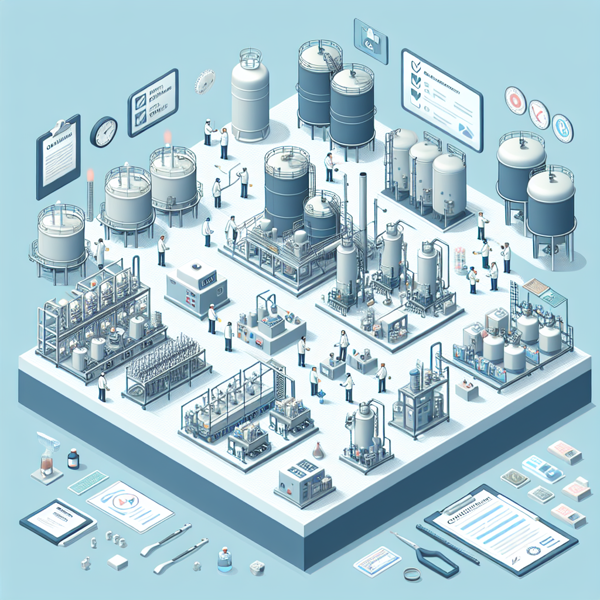
This monthly overview examines the Chemical Technology standards published in May 2025, focusing on two key ISO developments: ISO 14912:2025 for gas analysis conversion and ISO 22863-16:2025 on fireworks chemical testing. Designed for professionals in process engineering, quality management, compliance, and procurement, this retrospective review offers insights into methodological advancements for gas mixture composition data and enhanced safety and testing protocols in pyrotechnics. Explore the evolving focus on analytical accuracy and chemical safety, and learn how these standards shape sector best practices, address regulatory needs, and support robust, globalized implementation. Read on for actionable compliance guidance, implementation tips, and detailed analysis of trends underpinning this month's Chemical Technology standards activity.

The chemical industry is constantly developing and making new discoveries, which are further used in various industries. It should be noticed that this market segment is characterized by a huge selection of chemicals, each of which has its own unique properties and characteristics. In order to use these chemicals correctly, and most importantly safely, in the work of your company, you need to have information about what exactly is needed for a particular substance. Given the wide range of available chemicals that are actively used by manufacturing companies, a large number of international standards are being created that regulate the requirements for these substances. The fields of application of chemicals are very diverse. In this article, we have focused on two areas, namely medical and cosmetic. Medical staff use chemical products such as antiseptics and disinfectants in their practice every day, so manufacturing companies should pay enough attention to the regulation of the production of these products, since it is about the safety of both doctors and patients. The second area that requires regulation for the presence of unsafe elements is cosmetic products. As we mentioned earlier, there are many standards in these segments, however, in this article we have analyzed the most basic ones.

Human interaction with chemical and electronic elements has a number of consequences. In order for any production to function smoothly and also bring the most productive results, first of all, you should focus on safety issues. When it comes to activities related to large-sized equipment or the introduction of chemical elements and preparations consisting of them, a clearly structured regulatory framework comes to the rescue, which regulates the phased implementation of activities, thereby minimizing physical risks in the first place. As the world is globalizing and markets are increasingly subject to mergers, the need to create a single documentary base is increasing every day. After all, the inconsistency of norms and requirements can entail problems in the establishment of international economic relations, as well as in the exchange of scientific and technological progress and its achievements today, both for commercial and non-commercial spheres. One of the most popular and demanded international regulatory acts is the international standard. With the latest and most relevant of which we will introduce you today in this article.
Categories
- Latest News
- New Arrivals
- Generalities
- Services and Management
- Natural Sciences
- Health Care
- Environment
- Metrology and Measurement
- Testing
- Mechanical Systems
- Fluid Systems
- Manufacturing
- Energy and Heat
- Electrical Engineering
- Electronics
- Telecommunications
- Information Technology
- Image Technology
- Precision Mechanics
- Road Vehicles
- Railway Engineering
- Shipbuilding
- Aircraft and Space
- Materials Handling
- Packaging
- Textile and Leather
- Clothing
- Agriculture
- Food technology
- Chemical Technology
- Mining and Minerals
- Petroleum
- Metallurgy
- Wood technology
- Glass and Ceramics
- Rubber and Plastics
- Paper Technology
- Paint Industries
- Construction
- Civil Engineering
- Military Engineering
- Entertainment