

Shipbuilding
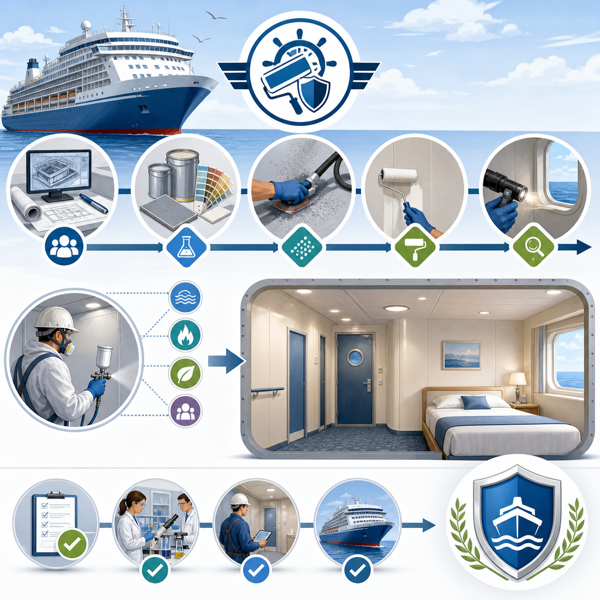
Discover the latest international standard published in August 2026 for shipbuilding and marine structures. This article explores ISO 22627:2026, the new benchmark for painting the accommodation interiors of passenger ships, covering technical requirements for surface preparation, protective coatings, inspection, and compliance. Industry professionals, engineers, quality managers, and procurement specialists will benefit from an in-depth look at the standard’s scope, implementation strategies, and the significant impact on safety, durability, and regulatory compliance in the marine sector. Stay ahead with detailed insights and practical guidance for your organization.

Explore the latest published standard for shipbuilding and marine structures: ISO 22120:2026, released in August 2026. This comprehensive article covers key requirements for methanol bunkering operations, including transfer systems, operational procedures, safety protections, risk assessments, and personnel training. Discover how this international standard brings uniform, safer practices to methanol-fuelled vessels, and why compliance is critical for maritime industry professionals, engineers, and quality managers. Don't miss essential insights for ensuring operational safety and sustainability in methanol marine fuel adoption.
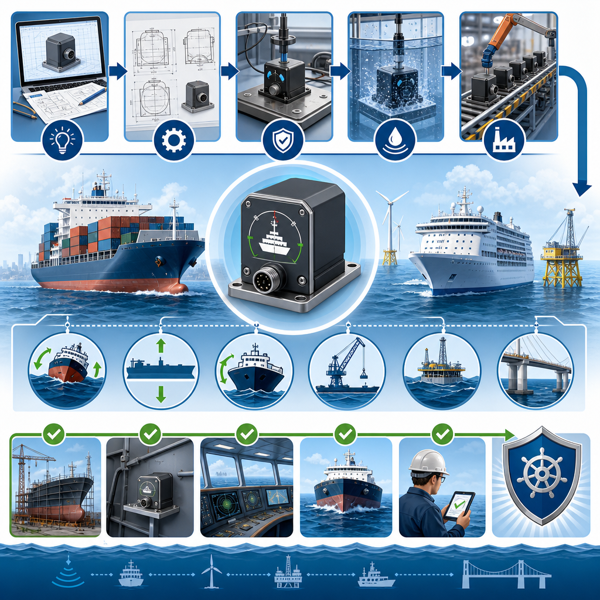
Explore the July 2026 release of ISO 19697:2026, a pivotal update shaping electronic inclinometer standards for ships and marine navigation. This in-depth article examines the scope, robust performance requirements, and testing methods outlined in the new standard. Key highlights include enhanced alert management, stricter accuracy benchmarks, and refined display specifications aligned with IMO resolutions. Professionals in shipbuilding and marine operations will gain insights into compliance measures, industry impacts, and practical implementation—essential reading for anyone focused on maritime safety and regulatory adherence in navigation technologies.
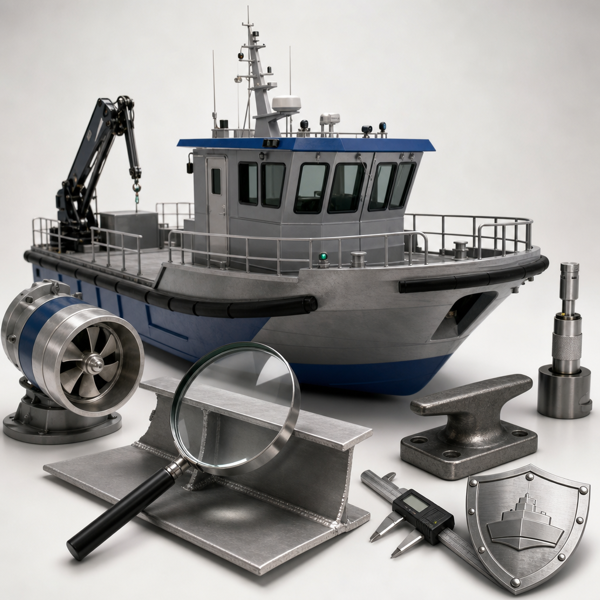
Discover EN ISO 20650:2026, the latest international standard for small floating working machines on inland waterways, published in June 2026. This comprehensive article breaks down safety requirements, test methods, and practical compliance steps for engineers, project managers, compliance officers, and marine operations professionals. Learn how this new standard impacts equipment design, stability, fire protection, and operational best practices—helping organizations in shipbuilding and marine structures ensure regulatory compliance, reduce risk, and operate efficiently. Stay informed with actionable insights and direct access to the full standard on iTeh Standards.
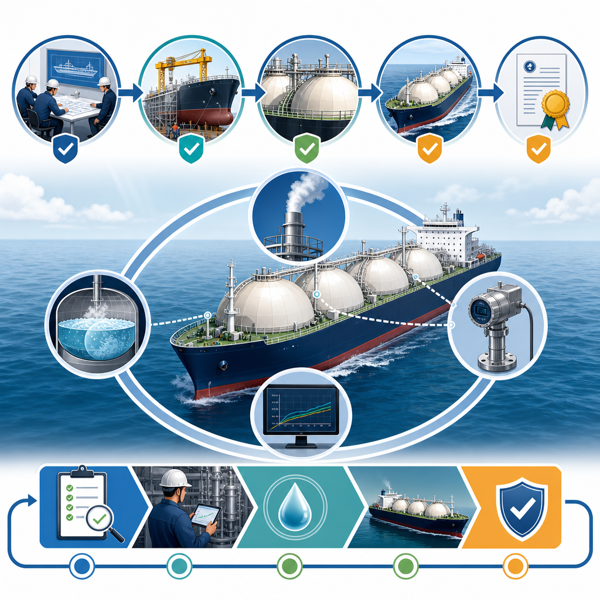
In May 2026, the maritime sector saw the release of ISO 21154:2026, a groundbreaking standard focused on the accurate measurement of boil-off rates (BOR) in cargo containment systems (CCS) of liquefied natural gas (LNG) ships. This article delves into the scope, technical requirements, and practical applications of this new standard, which is pivotal for shipbuilders, LNG operators, and compliance professionals. Learn how ISO 21154:2026 supports sustainable fuel transport, enhances operational efficiency, and strengthens global regulatory compliance for LNG carriers, floating storage regasification units, and bunkering vessels. Industry experts, quality managers, and engineers will find actionable insights into adopting the standard and improving LNG management practices.
Explore a comprehensive guide to four international standards shaping deck equipment and installations for shipbuilding. Covering safety, technical requirements, and maintenance for devices such as push towing couplings, dog-step ladder rungs, marine combined mooring lines, and pilot ladder management. Learn how EN ISO 6218:2005, EN ISO 9519:2023, ISO 18821:2025, and ISO 799-2:2021 improve productivity, security, and scalability in the maritime industry, and why compliance is an operational must-have. Recommended reading for shipbuilders, fleet managers, and anyone ensuring marine safety.

Discover the latest April 2026 updates in shipbuilding and marine structures standards. This comprehensive article examines three newly published international standards—ISO 21319:2026 for submersible toolings, ISO 21321:2026 covering manoeuvring tests for human-occupied submersibles, and IEC 60092-504:2026 on electrical automation and control installations in ships. Industry professionals, from engineers and compliance officers to researchers and procurement managers, will gain crucial insights into requirements, compliance implications, and best practices for implementation. Stay ahead in marine technology by understanding these significant advancements in safety, performance, and regulatory alignment.
Explore March 2026’s newly published standards in shipbuilding and marine structures, covering electric propulsion systems for small craft and advanced high-manganese austenitic steel materials for cryogenic applications. This comprehensive article details requirements and benefits from three key international standards, offering valuable insights for engineers, compliance officers, ship designers, and marine industry professionals seeking to maintain safety, compliance, and technological leadership. Read on to understand the latest guidelines for electric systems and steel products, and access links to the authoritative standard documents on iTeh Standards.
Explore the latest advancements in shipbuilding and marine structures standards published in February 2026. This comprehensive news article covers five new ISO standards, highlighting essential updates in risk management for autonomous underwater vehicles, high-manganese austenitic steel materials for cryogenic use, and electrical systems for small craft propulsion. Industry professionals, engineers, quality managers, and compliance officers will discover key requirements, technical innovations, and the practical impact of these standards on safety, reliability, and compliance within marine technology projects. Stay informed for better decision-making and streamlined maritime operations.

Explore a comprehensive overview of four key international standards governing electrical equipment on ships and marine structures. This article covers essential requirements for low-voltage shore connection systems, insulation monitoring devices, and operational guidelines for swappable batteries on board. Learn how these standards improve safety, efficiency, and compliance in shipbuilding and marine operations. Whether you’re a marine engineer, ship operator, or industry stakeholder, discover actionable insights for adopting and implementing these requirements, and understand the critical role they play in modern shipbuilding and maritime technology.
Discover the latest updates in shipbuilding and marine structures standards published in January 2026. This article covers three crucial international standards: installation and operational requirements for swappable batteries on ships (ISO 18962:2026), insulation monitoring device guidelines for marine AC applications (IEC TR 63436:2026), and CNG/LNG propulsion systems for small craft (ISO 18581:2026). Learn about the scope, key requirements, compliance implications, and how these standards enhance safety, sustainability, and operational efficiency. Essential reading for shipbuilders, marine engineers, compliance officers, and industry stakeholders aiming to stay at the forefront of maritime technology and safety. Explore actionable insights and access each full standard via iTeh Standards.

Explore the foundational standards shaping today’s shipbuilding and marine structures sector. This guide reviews four key ISO standards—covering anti-fouling paint testing, adjustable roller-type chain stoppers, pilot ladder winch reels, and the maintenance and inspection of pilot ladders—offering insights into each. Discover how these standards are pivotal to safety, operational efficiency, and compliance, especially as industries pursue digitalization and AI-driven innovation. For ship owners, operators, and those implementing advanced maritime technologies, adopting these global standards enhances safety, boosts productivity, and supports regulatory alignment. Perfect for professionals and decision-makers seeking authoritative, accessible guidance on raising their marine operations to world-class levels.
Explore four essential international shipbuilding and marine structures standards, including ISO 21716-2:2020 for anti-fouling paint screening, ISO 24045:2021 for adjustable chain stoppers, ISO 24136:2021 for pilot ladder winch reels, and ISO 799-2:2021 for pilot ladder maintenance. This comprehensive guide details requirements, benefits, and practical implications for businesses adopting these standards, helping professionals improve safety, productivity, and scalability—especially vital in an era driven by digital technologies and AI. Understand why compliance is a must for shipbuilders, operators, and maritime stakeholders seeking operational excellence and regulatory confidence.

Explore the essential international standards for electrical equipment used on ships and marine structures in this comprehensive guide. Covering four pivotal standards, including provisions for low-voltage shore connections, insulation monitoring, and swappable battery installations, this article demystifies technical requirements and implementation best practices. Learn why compliance with these guidelines is crucial for marine safety, operational efficiency, and environmental performance. Whether you are a ship operator, port authority, marine engineer, or simply interested in marine technology, discover actionable insights, compliance strategies, and direct links to the latest standards available on iTeh Standards.

Explore three major new standards published in December 2025 for the shipbuilding and marine structures sector. Covering low-voltage shore connections, ignition protection for small craft, and construction requirements for sailing craft appendages, these updates are crucial for industry professionals. Learn about technical requirements, compliance strategies, and the operational benefits for ship operators, designers, and quality experts. Stay informed on maritime standards with in-depth analysis, practical implications, and direct access to source documents on iTeh Standards.

Explore the November 2025 updates to Shipbuilding and Marine Structures standards, featuring four significant new publications. This in-depth article covers comprehensive guidelines for maritime navigation systems, high-voltage shore connections, inland vessel methanol bunkering, and ship-shore data communication. Industry professionals, engineers, compliance officers, and procurement specialists will gain practical insights into new technical requirements, implementation best practices, and compliance implications. Stay informed on the latest developments enhancing safety, efficiency, and digital integration in the marine sector, and ensure your organization meets international best practices with direct links to each standard available on iTeh Standards.
This monthly overview examines the standards published in October 2025 for the Shipbuilding and Marine Structures sector (ICS 47). In Part 1 of our two-part recap, we analyze five pivotal standards integral to small craft safety, stability, electrical installations, and protection against flammable atmospheres. Key topics include the updated EN ISO 12217 series for stability and buoyancy (addressing both sailing and non-sailing vessels across different hull lengths), advances in ignition protection for electrical components (FprEN ISO 8846), and comprehensive guidance on shipboard cable installations (IEC 60092-352:2025). This article synthesizes trends, industry implications, and implementation guidance, making it essential reading for engineers, compliance officers, ship designers, quality managers, and all stakeholders striving to stay current and maintain best practices in marine safety and technology. Discover patterns, practical insights, and direct links to the full standards, ensuring you’re equipped for compliance and operational excellence.

This detailed monthly overview examines Shipbuilding standards published in October 2025, providing insights into four key international documents. Learn how recent updates in navigation and radiocommunication, mooring line classification, and marine electrical switchgear assemblies reflect evolving safety, reliability, and technology trends in marine engineering. This article delivers an in-depth analysis of technical requirements, compliance implications, and industry impact, making it essential reading for maritime professionals, engineers, quality managers, and compliance specialists aiming to stay current. Catch up on crucial standards activity, identify implementation priorities, and harness sector trends to enhance operational safety, efficiency, and regulatory alignment in shipbuilding and offshore structures.

This monthly overview examines significant standards published in September 2025 for the Shipbuilding sector. Covering two recently released ISO standards, the article explores ISO 16681:2025 (focusing on pilot transfer arrangements and ship hull securing equipment) and ISO 16259:2025 (detailing LNG boil-off gas re-liquefaction system performance tests). By analyzing the technical requirements, compliance implications, and broader industry trends these publications signify, this retrospective summary helps shipbuilding professionals, safety officers, and engineers stay informed and prepared to meet evolving safety, efficiency, and environmental compliance needs. Learn what shaped the regulatory landscape last month and how to prioritize implementation in your operations.

This monthly overview examines the standard published in May 2025 for the Shipbuilding and Marine Structures sector. The article highlights and analyzes ISO 20650:2025, which sets comprehensive safety, performance, and test method requirements for small floating working machines on inland waterways. Readers will gain insight into the standard's scope, technical specifications, compliance demands, and the broader implications for maritime engineering, operational safety, and equipment procurement. This retrospective is essential for compliance managers, engineers, and marine industry stakeholders seeking to stay current on regulatory changes and evolving best practices within the shipbuilding sector.

River transport is a rather important component of the international logistics system. This type of cargo transportation gained its supporters, mainly due to the convenience and accessibility of these routes. Sea routes have long been very popular among travelers, as it has many advantages. In particular, it is worth noting the fact that this way you can get to any point on the globe. Given the high popularity of this transport, there is a high demand for vessels of various categories on the market. Given this, there is a high level of competition on the market, which only those companies that create a high-quality product, according to all international canons, can cope with. International standards, which contain requirements that meet current market needs, will help you do this. For our part, we strive to make our site as convenient as possible for our users, so all international standards are in thematic categories, which greatly simplify site navigation. Today we have prepared for you an introductory article in which we have described the main categories related to shipbuilding issues. These documents will help you create a product that will be competitive. Because, the modern client focuses primarily on quality. To familiarize yourself with all international standards, we advise you to follow the links that we have left at the end of this article.
Categories
- Latest News
- New Arrivals
- Generalities
- Services and Management
- Natural Sciences
- Health Care
- Environment
- Metrology and Measurement
- Testing
- Mechanical Systems
- Fluid Systems
- Manufacturing
- Energy and Heat
- Electrical Engineering
- Electronics
- Telecommunications
- Information Technology
- Image Technology
- Precision Mechanics
- Road Vehicles
- Railway Engineering
- Shipbuilding
- Aircraft and Space
- Materials Handling
- Packaging
- Textile and Leather
- Clothing
- Agriculture
- Food technology
- Chemical Technology
- Mining and Minerals
- Petroleum
- Metallurgy
- Wood technology
- Glass and Ceramics
- Rubber and Plastics
- Paper Technology
- Paint Industries
- Construction
- Civil Engineering
- Military Engineering
- Entertainment