


Mechanical Systems

Discover the impactful updates in mechanical systems and components for general use with the publication of ISO/TR 23509-2:2026 this August. This highly anticipated technical report provides practical sample calculations for bevel and hypoid gear geometry, supplementing the foundational ISO 23509-1:2025. Professionals in gear design, mechanical engineering, and quality assurance will find detailed guidance for straight, spiral, zerol, and hypoid gears. Learn about the key requirements, calculation examples, and benefits of adopting this standard to enhance gear reliability, streamline design processes, and ensure regulatory compliance. Stay ahead in the mechanical components sector—explore how this latest ISO publication sets new benchmarks for precision and capability.
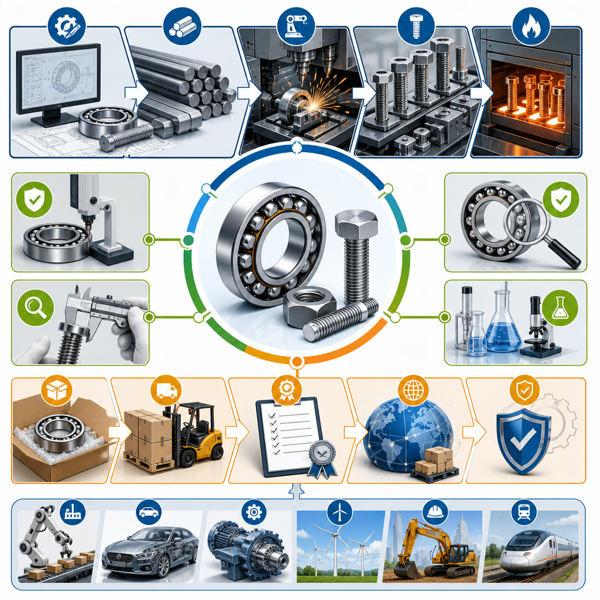
Explore the latest international standards for mechanical systems and components, published in July 2026. This comprehensive article covers two new ISO standards: ISO 16224:2026 for fastener bolt/nut assembly calculations and ISO 19457:2026 on rolling bearing roller block subassemblies. Discover essential updates in calculation methods, tolerance values, design considerations, and compliance guidelines. Mechanical engineers, quality managers, and procurement specialists will find actionable insights for ensuring safety, reliability, and adherence to global best practices across industries. Stay informed about what’s new and why these advancements are crucial for competitive, compliant operations.
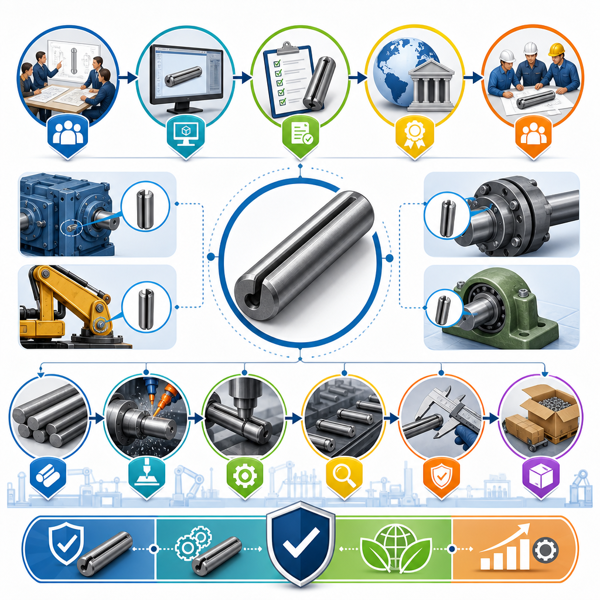
Explore the latest developments in mechanical systems and components with the publication of EN ISO 8743:2026 in June 2026. This comprehensive, SEO-optimized article covers the newly updated European and International Standard for grooved pins with half-length centre grooves. Understand its scope, new technical requirements, compliance implications, and practical benefits for industries involved in fastener applications—including manufacturing, machinery, and assembly operations. Professionals in mechanical engineering, quality assurance, and procurement will find valuable insights for implementation, risk mitigation, and competitive advantage in adopting the latest industry standard.
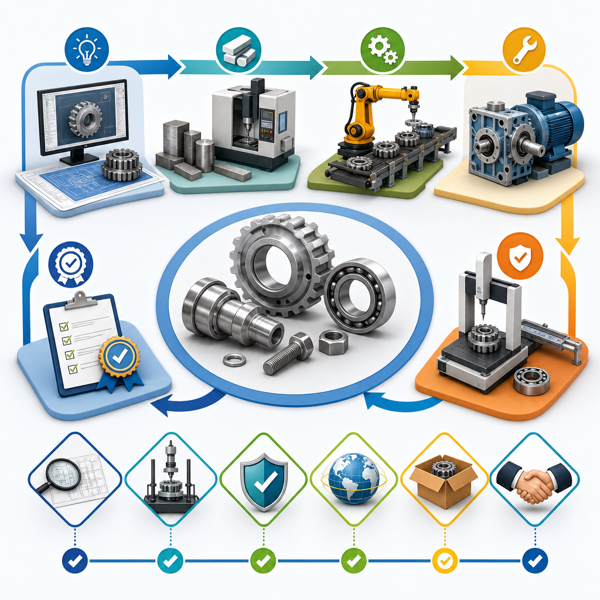
Discover the latest ISO standards for Mechanical Systems and Components for General Use, published in May 2026. This comprehensive article reviews five newly released standards, covering grooved pins, rolling bearing reliability, hydrodynamic plain journal bearings, and hexalobular socket set screws. Industry professionals will find key requirements, implementation advice, and compliance insights to stay ahead in quality management and product design. Learn how these updates can impact your organization, improve mechanical performance, and streamline procurement and certification processes. Essential reading for engineers, compliance officers, and specialists in mechanical components.
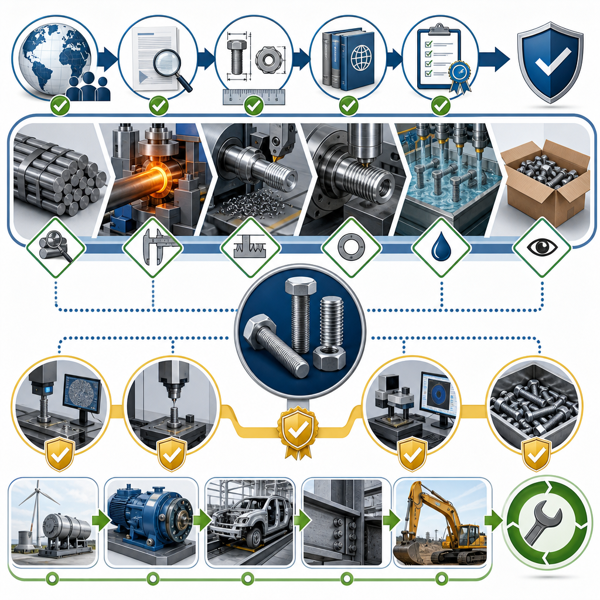
Explore two essential international standards for bolts, screws, and studs in mechanical systems. This comprehensive guide covers SIST EN ISO 7380-1:2011 (hexagon socket button head screws) and SIST ISO 8992:1996 (general requirements for fasteners), highlighting their scope, key specifications, and practical implementation tips. Discover how adhering to these standards enhances productivity, safety, quality, and supply chain efficiency. Read this article to understand technical requirements, compliance strategies, and why these standards are critical for businesses seeking to scale and excel in today’s global market.

Discover the latest update in mechanical systems and components: EN ISO 8742:2026, published in April 2026. This pivotal international standard defines requirements for grooved pins with one-third-length center grooves, providing increased reliability for assembly, positioning, and guiding of mechanical parts. Covering steel and stainless steel pins with diameters from 1 mm to 25 mm, the new edition introduces clarified specifications, updated tolerances, and broader material options. Get practical insights, compliance guidance, and learn why adopting EN ISO 8742:2026 helps businesses and engineers ensure seamless integration, improved performance, and regulatory alignment in mechanical engineering projects. Read this in-depth overview to stay current with best practices in fastener selection and secure your competitive edge.

Explore the latest developments in Mechanical Systems and Components for General Use from April 2026, covering two key ISO standards. This article reviews ISO 965-1:2026 on metric screw thread tolerances and ISO 8742:2026 on grooved pins, focusing on scope, requirements, and industry impact. Learn about major changes, compliance tips, and practical insights to keep your engineering, manufacturing, or procurement operations up to date. A must-read for engineers, quality managers, and compliance professionals aiming for precision, reliability, and standardization in mechanical assembly.

Explore the latest updates in mechanical fastener standards published in March 2026, covering four essential documents for general-purpose mechanical systems and components. This article breaks down key changes in hexagon socket countersunk head screws and hexalobular socket button head screws, providing critical insights for engineers, quality managers, and procurement professionals. Learn how these new standards affect compliance, design, and manufacturing, and why staying current is essential for risk mitigation and operational efficiency.

Explore a comprehensive overview of 3 essential international standards for cylindrical involute gears and gear pairs in mechanical systems, including ISO 21771-1:2024, ISO 21771-2:2025, and SIST ISO 6336-2:2020. Learn the key requirements for gear geometry, measurement of tooth thickness, backlash, and calculation of load capacity. Discover why these standards are crucial for businesses seeking certification, increased productivity, security, and scalable gear manufacturing in today's competitive landscape. This guide is perfect for professionals in engineering, manufacturing, and quality assurance committed to best practices and compliance in gear systems.
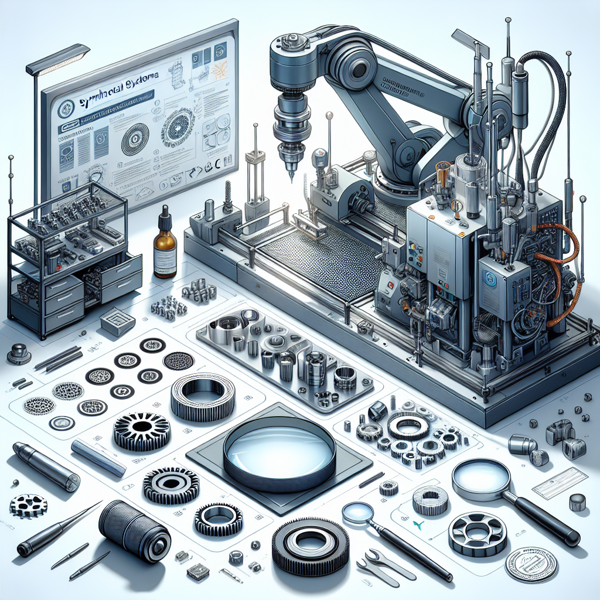
Explore a comprehensive guide to three essential gear certification standards in mechanical systems: ISO 21771-1:2024 (concepts and geometry of cylindrical involute gears), ISO 21771-2:2025 (calculation and measurement of tooth thickness and backlash), and SIST ISO 6336-2:2020 (calculation of surface durability for spur and helical gears). Understand key requirements, practical implementation steps, and the critical role these standards play in ensuring precision, reliability, productivity, and safety for modern businesses. Perfect for industry leaders, engineers, and quality managers, this in-depth overview reveals how compliance with these standards enhances gear performance, scalability, and organizational credibility in global markets.
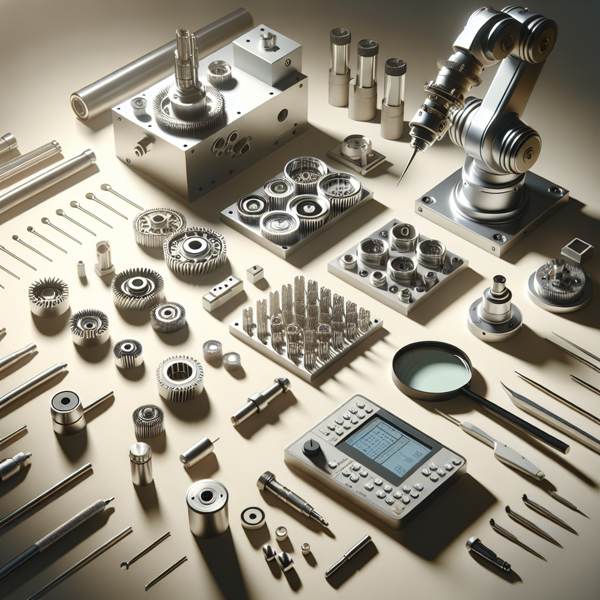
Explore the latest update in mechanical systems and components for general use, released in February 2026. This article examines the newly revised ISO 7148-2:2026 standard, focusing on tribological testing of polymer-based plain bearing materials. Learn about state-of-the-art test methods, technical requirements, and practical implications for industry professionals and engineers. Discover what’s changed, why compliance matters, and how your organization can stay ahead with reliable testing, improved wear measurements, and enhanced product quality. Essential reading for quality managers, compliance officers, and anyone seeking to understand advancements in the mechanical components sector this month.
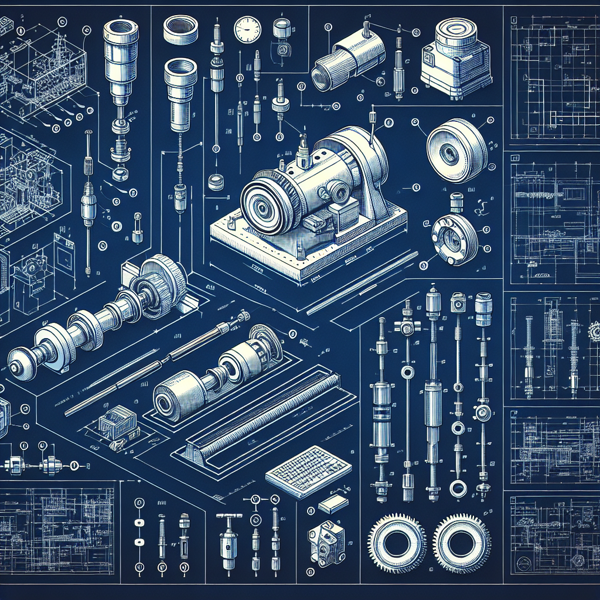
Discover the pivotal February 2026 updates to international standards in the mechanical components and systems sector. This in-depth article covers five newly published ISO standards focused on rolling bearings and fasteners, providing insights on chamfer dimensions, hexagon socket set screws, and practical implementation guidance. Industry professionals, engineers, and quality managers will benefit from detailed breakdowns, compliance tips, and direct links to full standards resources. Stay ahead on mechanical specifications and enhance your organization’s compliance, reliability, and product interoperability with these essential updates.
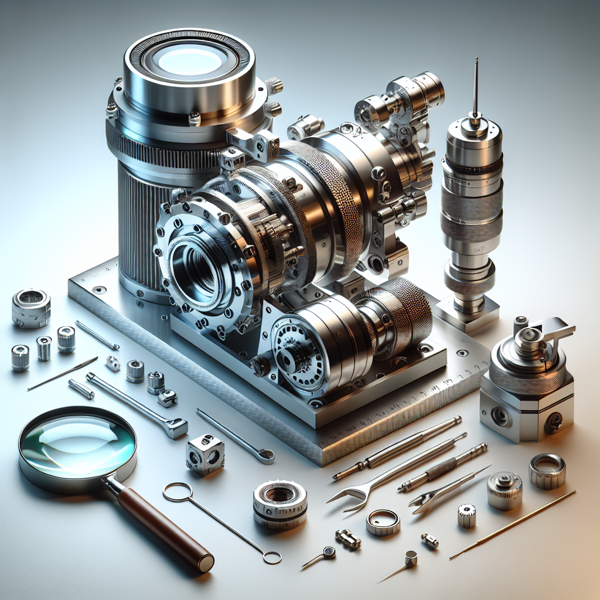
Discover the latest January 2026 update in standards for mechanical systems and components with ISO 4183:2026, addressing principal dimensions and technical requirements for grooved pulleys used with both classical and narrow V-belts. This article breaks down the new specifications, implementation impacts, compliance needs, and technical highlights that every professional in mechanical engineering, quality management, procurement, and manufacturing should understand. Stay informed on the revised requirements—essential reading for engineers, compliance officers, and industry specialists aiming to ensure continued safety, efficiency, and interoperability in power transmission assemblies.

Explore the December 2025 update on international standards for mechanical systems and components. This article covers two crucial new ISO standards: ISO 21771-2:2025 for the calculation and measurement of tooth thickness and backlash in gears, and ISO 7148-1:2025 for testing tribological behavior in bearing metals. Discover the scope, technical requirements, compliance strategies, and industry impact for manufacturers, engineers, and quality professionals in the field of mechanical systems and components for general use. Stay ahead with actionable insights, best practices, and direct access to the full standards on the iTeh Standards platform.

Discover the latest standard for corrosion-resistant stainless steel flat washers published in November 2025 for mechanical systems and components. This comprehensive article covers EN ISO 3506-7:2025, outlining updated requirements for mechanical and physical properties, grade designations, and compliance needs for fastener manufacturers, engineers, and quality professionals. Learn how the new guidelines enhance performance, ensure compatibility in bolted joints, and ease procurement. Explore implementation tips and industry benefits, making this essential reading for anyone in mechanical engineering or quality assurance. Stay up-to-date with authoritative insights from iTeh Standards.

This monthly overview examines the standards published in October 2025 for the Mechanical Systems and Components for General Use sector. Focusing on two pivotal documents from the EN ISO 22705 series, this summary highlights measurement and test frameworks for cold formed cylindrical helical extension and torsion springs. Industry professionals, engineers, and compliance managers will gain insight into the evolving standardization landscape, key technical requirements, and strategic directions within the mechanical components domain. By exploring trends and offering practical compliance considerations, this article enables readers to understand the broader implications of the standards, ensure effective implementation, and remain up-to-date in a rapidly evolving industry. Dive in to capture the essential highlights and actionable takeaways from October 2025’s standards activity in this critical sector.
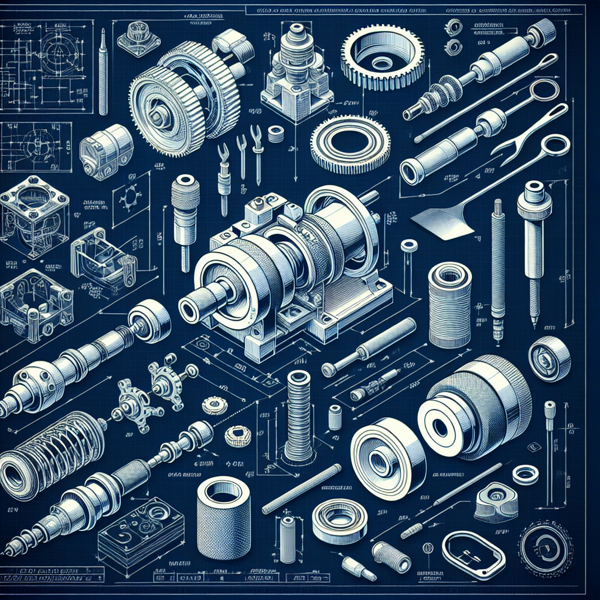
This monthly overview explores the standards published in October 2025 for the Mechanical Systems and Components for General Use sector (ICS 21). Covering five critical ISO standards, this retrospective analysis highlights updates in V-belt dimensions, antistatic belt electrical safety, and cutting-edge advancements in plain bearing calculation. Key themes include improved safety, consistency in mechanical design, and enhanced calculation methods for hydrodynamic bearings. Tailored for engineers, compliance professionals, and industry specialists, this article distills the essential details and practical implications of each standard, offering readers context for implementation and insights on industry trends. Catch up on pivotal changes shaping mechanical engineering and standards compliance.
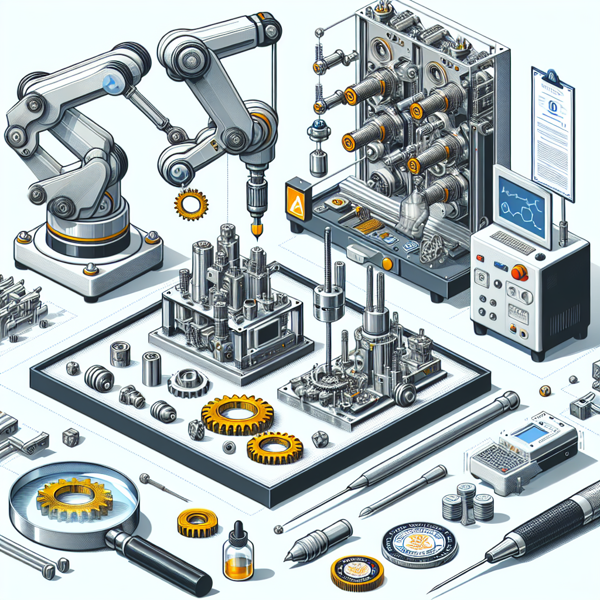
This in-depth monthly overview examines the standards published in October 2025 for the Mechanical Systems and Components for General Use sector (ICS 21). Covering five newly published or revised international and European standards, this article synthesizes their key requirements, industry implications, and implementation priorities. Professionals will find analysis on hydrodynamic plain bearing parameters, fastener specifications for grooved pins, plain bearing handling guidance, and spring measurement/testing requirements. Whether you're a quality manager, engineer, compliance officer, or procurement specialist, this retrospective summary provides valuable insight into evolving best practices, regulatory trends, and actionable compliance guidance in the mechanical components field. Stay informed on the standards that could impact your operations and competitive advantage.

This monthly overview explores the significant standards published in September 2025 for the Mechanical Systems and Components for General Use sector. In this retrospective analysis, we review two closely linked international and European standards focusing on reverse-taper grooved pins—vital fasteners in mechanical assembly and manufacturing. The overview highlights key themes from the month, such as continued alignment between ISO and European norms, advancements in fastener design, and implications for engineering quality and interoperability. This comprehensive summary is tailored for engineers, compliance professionals, and quality managers seeking to stay current with essential developments affecting pins, fastening elements, and assembly standardization. Discover the requirements, context, and implementation guidance you need to maintain compliance and improve operational excellence.

This in-depth July 2025 monthly overview reviews four pivotal standards published for the Mechanical Systems and Components for General Use sector. Covering ISO metric screw threads, grooved pins, and bevel/hypoid gear geometry, the recap identifies key requirements, compliance impacts, and industry trends that shaped standardization efforts this month. Whether you are an engineer, quality manager, or procurement specialist, this analytical summary highlights not only the technical content—but also the practical significance and market direction—of the latest ISO and EN publications. A must-read for professionals aiming to stay current, ensure compliance, and anticipate shifts in best practice throughout the mechanical components landscape.

Refrigeration systems form the backbone of various industries, such as food processing, pharmaceuticals, and cold chain logistics. To ensure seamless communication, safety, and operational efficiency, international standards have been developed for companies engaged in activities connected to refrigeration systems. In this article, we explore the paramount importance of international standards for companies operating in the field of refrigeration. These standards foster consistent practices, enhance safety protocols, and promote global compatibility, ultimately driving excellence in the industry.
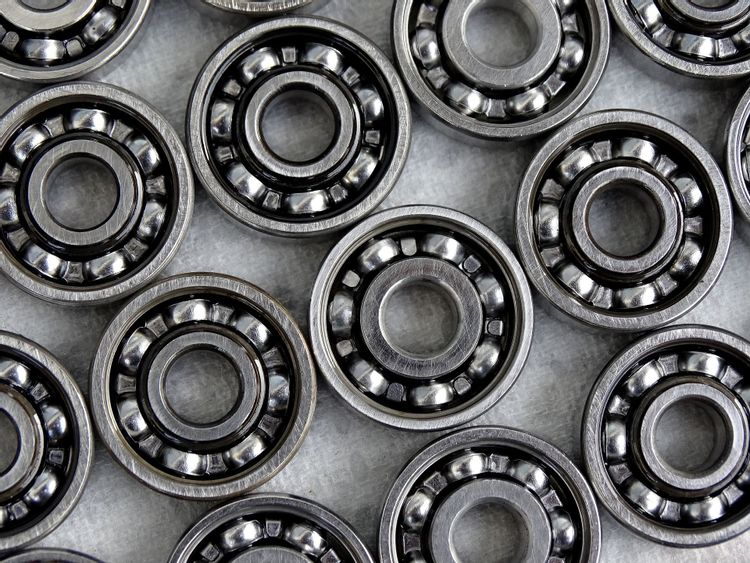
A sliding bearing seems at first glance to be a fairly simple mechanism governed by the laws of physics. But in today's world, even small parts are governed by international standards. Since every detail of the global system is responsible for its functioning, the regulation is strictly and structured. If your business involves the use of plain bearings, we recommend that you pay attention to the following standards.

Manufacturing processes and product testing are complex concepts and require a structured approach and planning. Since the scale of production of various goods and products is expanding every day, both in quantity and in scale on world markets, a significant part of the organization of these processes is occupied by international standards. The bottom line is that the creation of regulatory legal acts is primarily necessary to regulate the minimum permissible boundaries of product quality. Compliance with these rules will not only protect production and the company from risks, fines and unsuitability of products for international trade, but can also significantly optimize existing processes. Today we will introduce you to some of the most key technical standards.
Categories
- Latest News
- New Arrivals
- Generalities
- Services and Management
- Natural Sciences
- Health Care
- Environment
- Metrology and Measurement
- Testing
- Mechanical Systems
- Fluid Systems
- Manufacturing
- Energy and Heat
- Electrical Engineering
- Electronics
- Telecommunications
- Information Technology
- Image Technology
- Precision Mechanics
- Road Vehicles
- Railway Engineering
- Shipbuilding
- Aircraft and Space
- Materials Handling
- Packaging
- Textile and Leather
- Clothing
- Agriculture
- Food technology
- Chemical Technology
- Mining and Minerals
- Petroleum
- Metallurgy
- Wood technology
- Glass and Ceramics
- Rubber and Plastics
- Paper Technology
- Paint Industries
- Construction
- Civil Engineering
- Military Engineering
- Entertainment