

Rubber and Plastics

Explore the latest standards updates for the rubber and plastics industries published in September 2026. This comprehensive article covers three newly released international standards focusing on biodegradability testing methods and the structural requirements for cellular plastics sandwich panels. Industry professionals will gain valuable insights into compliance obligations, technical requirements, and implementation best practices. Learn how these new guidelines advance environmental sustainability and product quality in manufacturing, building, and material science. Whether you’re a quality manager, engineer, or compliance officer, this in-depth coverage ensures you’re up to date with the key regulatory changes shaping the industry.
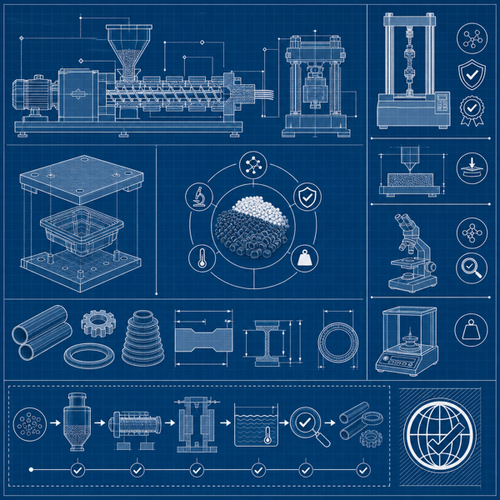
Explore the four essential ISO standards for thermoplastic materials, covering chlorine content analysis, thermal stability, aldehyde and ketone determination, and anisotropy in injection moulded specimens. This comprehensive guide details the scope, requirements, and practical impact of each standard, emphasizing their critical role in modern plastics manufacturing, quality control, and compliance. Implementing these standards not only ensures safety and regulatory alignment but also enhances productivity, security, and scalability, making them indispensable for organizations looking to innovate with new technologies and optimize their polymer processes.
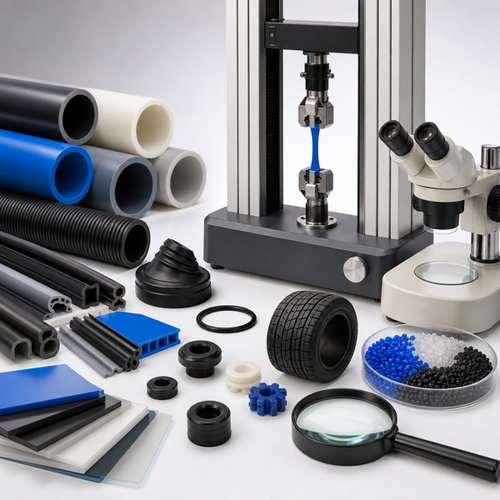
Explore the latest ISO standard for the Rubber and Plastics Industries released in August 2026. This article covers ISO 22785-4:2026, focusing on abrasion and scratch testing for coatings on plastics and composites. Learn about critical requirements, methods, and industry impact. Discover why quality managers, engineers, and compliance professionals should stay informed about these advancements to maintain manufacturing excellence and meet rising durability expectations.
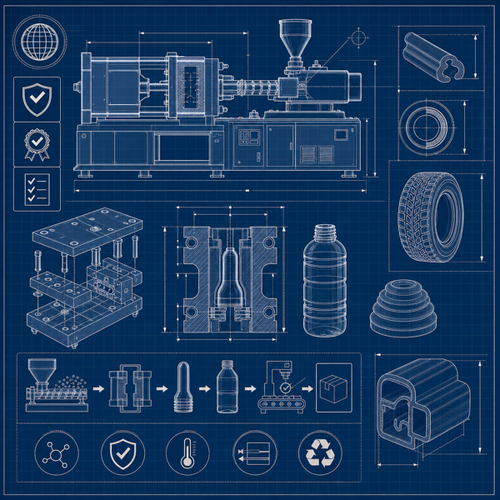
Explore the latest standard releases for the rubber and plastics industries published in August 2026, featuring in-depth analysis of five essential new or revised international standards. Highlights include new methods for measuring tyre snow grip, updated requirements for diesel fuel hoses, plastics moulded part tolerances, and standards guiding the quality of PVC profiles for windows and doors. Industry professionals, engineers, and compliance specialists will gain actionable insights for quality control, regulatory alignment, and competitive improvement. Don’t miss this detailed guide to advancing technical competence and maintaining compliance in the evolving rubber and plastics sector.

Discover five newly published ISO standards for the rubber and plastics industries, released in August 2026. This comprehensive overview (Part 1 of 3) highlights updates ranging from water meter cabinet specifications to advanced testing methods for motorcycle tyres, rubber compounding ingredients, and the effects of liquids on rubber materials. Industry professionals, engineers, and quality managers will find key benefits, practical compliance tips, and actionable insights for adopting these standards. Learn why staying current with these global specifications is essential for manufacturing excellence, risk mitigation, and product reliability in modern rubber and plastics applications.

Explore the vital international standards that shape the modern rubber industry. This comprehensive guide covers four crucial ISO standards for rubber and rubber products, including biobased content assessment, proper storage guidelines, and measurement of vulcanization characteristics. Learn how ISO 19984-2:2025, ISO 2230:2026, ISO 6502-1:2025, and ISO 6502-2:2025 help businesses implement sustainable materials, boost productivity, ensure material security, and scale operations in a rapidly evolving market. Professionals in manufacturing, quality assurance, and technology adoption will discover actionable insights for compliance, innovation, and best practices. Stay ahead with the latest in rubber standards and transform your business with globally trusted benchmarks.
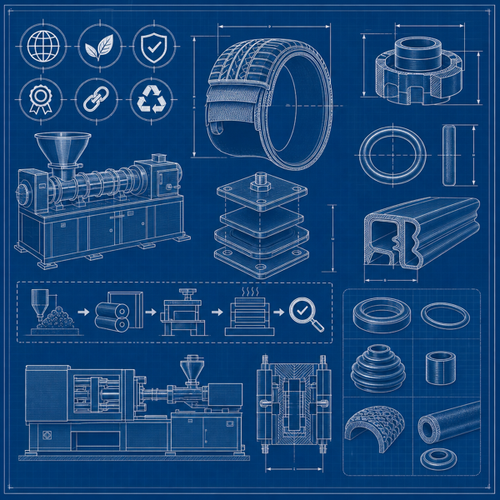
Explore a comprehensive guide to four essential international ISO standards for rubber and rubber products. This article covers standards for biobased content determination, rubber product storage, and the measurement of vulcanization characteristics. Learn how applying these standards boosts sustainability, quality, technological integration, security, and business scalability in today’s rapidly advancing manufacturing landscape. Ideal for professionals and organizations seeking to enhance compliance, productivity, and product reliability in the global rubber and plastics industry.
Explore the critical international standards shaping quality, durability, and environmental assessment of plastics and plastic coatings. This comprehensive overview covers four leading ISO standards—ISO 19935-2:2026, ISO 22785-3:2026, ISO 22785-6:2026, and ISO/TR 19032:2026—offering insight into modern test methods for specific heat capacity, climate testing, stone-chip resistance, and weathering monitoring. Learn why these plastics standards are essential for organizations adopting new technologies, improving productivity, ensuring compliance, and scaling operations. Whether you’re in manufacturing, automotive, or R&D, this guide translates complex requirements into actionable knowledge, giving your business a competitive edge.
Thermoplastic Materials Standards: Boosting Quality, Safety, and Productivity in Rubber and Plastics
Explore four essential international standards in thermoplastic materials, crucial for the modern rubber and plastics industry. This comprehensive overview covers ISO 14446:1999, ISO 16365-2:2014, ISO 182-2:1990, and ISO 21301-1:2019, highlighting their impact on product quality, process efficiency, safety, and compliance. Learn how implementing these standards can drive productivity, improve product consistency, reduce risks, and enable business scaling. Perfect for professionals and businesses looking to deepen their understanding of best practices in thermoplastic materials manufacturing, testing, and designation.
Explore three essential international standards for the rubber industry, covering thermal endurance, electrical resistivity, and safe dissolution practices. This comprehensive guide introduces ISO 11346:2023, ISO 1853:2018, and ISO 9028:2006, explaining their relevance for rubber and plastics production, product performance, and safety assurance. Learn how implementing these standards drives productivity, scaling, security, and regulatory compliance, while reducing business risks. Perfect for professionals and the public wanting to understand why rubber standards are vital in today's technology-driven economy.

Discover the key changes in the rubber and plastics industries with five new international standards published in July 2026. Covering topics from rubber identification by infrared spectrometry to the latest test methods for rigid cellular plastics, reinforced plastics, coatings, and advanced composite bending analysis, these updates are vital for industry professionals, compliance officers, and engineers. Learn about ISO 4650:2026, EN ISO 844:2026, ISO 9782:2026, ISO 22785-6:2026, and ISO/TR 24813:2026—what they mean, how they affect your operations, and practical insights for implementation and regulatory compliance. Stay ahead with expert coverage from iTeh Standards.

Explore an in-depth overview of four essential international plastics standards—ISO 5677:2023, ISO 6186:2023, ISO 6721-6:2019, and ISO/TS 28660:2022—crafted for the rubber and plastics industry. Discover how these guidelines for testing recycled polypropylene and polyethylene, pourability measurements, dynamic mechanical property determination, and advanced fracture toughness support modern plastics processing, enhance safety, ensure quality, and power productivity. Learn why implementing plastics standards is now a must for businesses aiming to improve efficiency, product consistency, security, and scalability in a circular economy. Ideal for plastics professionals, manufacturers, and sustainability leaders.

Explore a comprehensive overview of three vital ISO standards shaping modern plastics industries: ISO 19717:2026 for kinetic analysis, ISO 24829:2026 for chemical purity in polyols, and ISO 844:2026 for mechanical testing of rigid cellular plastics. Learn how adopting these globally recognized standards can maximize productivity, safety, and product performance in plastics manufacturing and supply. Understand practical requirements, implementation best practices, and compliance advantages that drive growth, security, and scaling for businesses. Essential reading for professionals and organizations seeking to stay ahead in the competitive plastics sector.
Explore five newly published standards for the rubber and plastics industries released in June 2026. This in-depth article (Part 2 of 2) covers key developments, including adhesives for load-bearing timber, high-pressure laminates, plastics ash determination, and tire classification for agricultural, forestry, and construction machines. Industry professionals, quality managers, engineers, and compliance officers will gain essential insights into updated requirements, improved testing methods, compliance strategies, and practical benefits that empower organizations to stay ahead in quality assurance, product safety, and global market access. Read to ensure your business is aligned with the latest international standards in rubber and plastics.
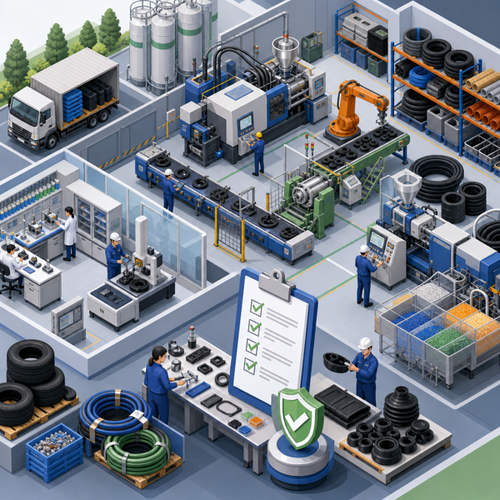
Explore the latest international standards published in June 2026 for the rubber and plastics industries. This article (Part 1 of 2) reviews five new or revised standards covering compressive properties, product testing, weathering reference films, chemical analyses in polyols, and adhesives for timber. Learn about updated compliance requirements, quality benefits, and technical best practices. Industry professionals, engineers, quality managers, and compliance specialists will find practical guidance for implementation and stay ahead with insights into evolving global specifications.
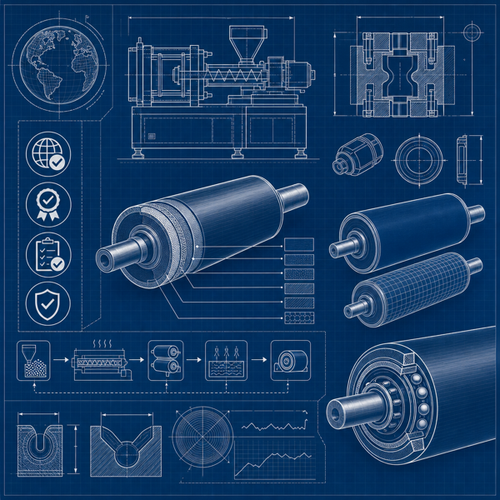
Explore the latest updates in the Rubber and Plastics Industries with two impactful standards published in May 2026: ISO 19717:2026 introduces a cutting-edge model-free approach for kinetic analysis in plastics using DSC and TGA, enabling more accurate predictions across a variety of chemical reactions. ISO 6123-3:2026 delivers revised dimensional and geometrical tolerances for rubber or plastics covered rollers, streamlining compliance and quality control for manufacturers. This in-depth article covers key requirements, compliance tips, and industry implications—essential reading for quality managers, engineers, and procurement professionals seeking to stay at the forefront of industry best practices and regulatory compliance.

Discover the major developments in rubber and plastics industry standards published in May 2026. This in-depth article covers five newly released standards, including key specifications on heat capacity measurement, ash determination, residual peroxide analysis, and advanced weathering tests for plastics. Explore the critical technical requirements, compliance implications, and practical guidance for ISO 19935-2:2026, EN ISO 877-3:2026, ISO 3451-1:2026, ISO 8810:2026, and ISO 877-3:2026. Whether you're an engineer, quality manager, or procurement professional, this update will help you stay ahead in regulatory compliance and product quality.

Explore the essentials of thermosetting materials standards with a focus on two critical international specifications: SIST EN ISO 14530-3:2000 for unsaturated-polyester powder moulding compounds, and SIST EN ISO 3673-1:2000 covering the designation of epoxy resins. This guide demystifies these standards for manufacturers, suppliers, and professionals in the rubber and plastics industry—outlining requirements, practical implications, and compliance benefits. Discover how implementing these standards boosts productivity, enhances quality assurance, improves safety, and enables business scaling in today's competitive environment.

Explore the latest April 2026 update in the rubber and plastics industries with the publication of ISO 17223:2026. This comprehensive article details the new international standard specifying methods for determining the yellowness index and its changes in plastics. Industry professionals, quality managers, and compliance officers will gain valuable insights into scope, technical requirements, and implementation best practices. Learn about how this standard strengthens quality assurance, meets modern compliance demands, and supports color stability in a wide variety of plastic products. Stay current with regulatory developments by examining this authoritative update for the rubber and plastics sector.

Explore the fresh wave of standards released in April 2026 for the rubber and plastics industries. This article (Part 1 of 2) covers five newly published international standards, including methods for combined UV and creep testing, guidelines for PET rigid packaging recycling, aromatic isocyanate chlorine determination, density evaluation for plastics, and TMA penetration temperature procedures. Discover key technical updates, compliance impacts, and how these changes drive product quality and sustainable industry practices. Ideal for professionals seeking actionable insights on regulatory advances and process optimization in plastics manufacturing.

Explore a comprehensive overview of four essential international standards governing films and sheets in the rubber and plastics industry. This article covers EN 15354:2022 (PVC-P characterization), EN ISO 15527:2022 (PE compression-moulded sheets), EN ISO 7823-3:2021 (PMMA continuous cast sheets), and SIST EN ISO 527-3:2000 (tensile testing for films & sheets). Understand key requirements, testing methods, and compliance guidance, as well as why implementing these standards is critical for increased productivity, quality, technological scaling, and supply chain trust. Ideal for manufacturers, quality engineers, and industry decision-makers looking to embrace new technologies and stay competitive. Dive into technical highlights and practical tips for boosting operational excellence and ensuring safety, security, and market access.

Discover the latest advancements in the rubber and plastics industries with the release of EN ISO 1158:2026 in March 2026. This new international standard sets out updated methods for determining chlorine content in vinyl chloride homopolymers and copolymers, essential in ensuring product safety, compliance, and quality control. Our detailed article covers its technical requirements, comparison with previous editions, and practical compliance advice for manufacturers, quality managers, and researchers. Stay competitive and compliant by understanding the implications of this pivotal update in plastics industry standards.

Explore the latest updates in the rubber and plastics industries with the March 2026 publication of two new international standards: ISO 2230:2026 for storage guidelines of rubber products, and ISO 1158:2026 for determining chlorine content in vinyl chloride plastics. This article covers detailed requirements, industry impact, and practical steps for compliance and implementation. Rubber and plastics professionals, compliance leads, and quality managers will find actionable insights and links to full standards for a robust approach to quality, safety, and regulatory conformity in the evolving materials sector.

Discover the five latest international standards released for the plastics and rubber industry in March 2026. This comprehensive Part 1 update covers essential advancements in density measurement, Charpy impact testing, RFID-enabled tyre testing, and adhesive joint separation for improved repair and recycling. Essential reading for engineers, quality managers, compliance officers, and procurement specialists, this article breaks down changes to ISO 1183-2, EN ISO 179-1, ISO 21037, ISO/PAS 25091, and ISO 179-1. Stay ahead in compliance, process efficiency, and product quality—explore what these updates mean for your organization.

Explore a comprehensive, user-friendly overview of four essential international standards in the plastics industry. Covering biodegradability (ISO 14852:2021), compostability (ISO 17088:2021), laboratory weathering simulation (ISO 4892-3:2024), and residual peroxide safety (ISO/FDIS 8810), this article explains what these standards require, why they are crucial for modern businesses, and how compliance boosts productivity, security, sustainability, and scalability. Readers will find actionable insights, clear explanations, and direct links to the full standards on iTeh Standards, making it easy for both industry professionals and the general public to understand and apply best practices in plastics production and innovation.

Explore the latest standards updates for the Rubber and Plastics Industries in February 2026, including three newly published ISO standards. This article covers crucial changes to aircraft fuelling hose specifications and new test methods for assessing the quality of natural rubber latex concentrates. Learn the key requirements, compliance implications, and technical insights to help manufacturers, quality managers, and procurement specialists maintain excellence and safety. Stay updated on industry best practices by reviewing these comprehensive guidelines and discover how they impact your processes and competitiveness.
Discover the January 2026 update for the rubber and plastics industries with the release of EN ISO 294-5:2026. This standard, focused on the preparation of test specimens for evaluating anisotropy in thermoplastic materials, brings revised mould specifications and procedures, supporting improved material performance assessments. Industry professionals, engineers, and compliance managers will find detailed insights on practical implications, compliance considerations, and best practices. Learn how this standard impacts quality assurance and product design, and access all the latest guidance to ensure alignment with evolving international requirements.

Explore the essentials of plastics testing through a comprehensive overview of two key international standards: EN ISO 60:2023 for apparent density and prEN ISO 179-1 for Charpy impact strength. This article demystifies how these plastics standards can help businesses improve product quality, productivity, and scalability, and explains why accurate testing and compliance are critical in today’s industry. Gain insights into best practices, implementation strategies, and the broader impact of standardizing fundamental material properties. Perfect for manufacturers, suppliers, quality professionals, and anyone interested in plastics industry excellence.

Explore the critical updates released in January 2026 for the rubber and plastics industries, featuring three new ISO standards. This article highlights advancements in ceramic tile adhesion testing, anisotropy investigation of thermoplastics, and updated specifications for wire-braid-reinforced hydraulic rubber hoses. Industry professionals, engineers, quality managers, and compliance officers will benefit from comprehensive breakdowns, key requirements, and implementation insights. Stay informed on the latest international standards shaping safety, performance, and quality in the manufacturing and application of rubber, plastics, and composite materials.

Explore the December 2025 release of four crucial international standards for the rubber and plastics industries, covering innovative methodologies for PVC-U and PVC-UE profile designation in building applications, as well as updated laboratory test procedures for truck and bus tyres. This article provides an in-depth breakdown of EN 13245-1:2025, EN 13245-3:2025, ISO 10454:2025, and ISO 15222:2025, highlighting key requirements, compliance strategies, and industry impacts. Professionals in construction materials, automotive safety, product engineering, and quality management will find actionable insights and direct access to each standard. Stay compliant, competitive, and informed with the latest guidelines in plastics and elastomer technologies.

Explore the latest updates for the rubber and plastics industry with four newly published international standards in November 2025. This comprehensive article covers new requirements and testing methods for impact-modified acrylonitrile-styrene copolymer sheets (ABS, AEPDS/AES, ASA), advanced guidelines for O-ring housing dimensions in fluid power systems, and updated procedures for determining gas-transmission rates in plastics film and sheeting. See how these standards affect compliance, product quality, and innovation for manufacturers, engineers, and quality managers. Discover practical implementation insights, compliance strategies, and key changes from previous editions—all designed to help your organization stay at the forefront of quality and regulatory excellence. Read on for links to each standard and recommendations for industry compliance and best practices.

This monthly overview examines three pivotal standards published in October 2025 for the Rubber and Plastics Industries sector, focusing on adhesives for load bearing timber structures. Covering EN 15416-1:2025, EN 15416-3:2025, and EN 15416-5:2025, this detailed retrospective explores advances in test methodologies, performance classifications, and compliance requirements. Key themes include durability assessment under variable climates, deformation testing, and optimized pressing time—essential for professionals in quality management, engineering, and compliance. This roundup helps organizations catch up on critical updates, analyze trends, and plan for practical implementation, making it indispensable reading for those committed to operational excellence and regulatory alignment in the rubber and plastics industry.

This monthly overview analyzes five pivotal standards published for the Rubber and Plastics Industries sector in October 2025, including updates on PVC stability, thermosetting resin brittleness, tyre curing machinery, and steel cord adhesion. Each standard is examined for scope, key requirements, technical impact, and compliance relevance, with dedicated sections highlighting safety and performance advances, improved testing for quality assurance, and emergent industry themes. This article is part 1 of a 2-part retrospective on the month’s standards, making it a must-read for industry professionals, engineers, compliance officers, and procurement specialists seeking to align operations with the latest international best practices in material science and machinery for rubber and plastics. Explore the detailed roundup with direct links to each standard on iTeh Standards.
This monthly overview examines standards published in September 2025 for the Rubber and Plastics Industries sector, focusing on two significant ISO documents: ISO 8203-4:2025, which establishes advanced non-destructive testing via laser shearography for fibre-reinforced plastic composites, and ISO 4582:2025, a key revision guiding the assessment of colour and property changes in plastics after environmental exposure. These publications reflect ongoing industry trends toward quality assurance, reliability, and sustainability in material performance. This in-depth summary offers analytical context, practical highlights, and essential insights to help professionals, compliance officers, quality engineers, and researchers remain current and effectively implement these standards. Explore the major advancements, compliance considerations, and industry directions that emerged from September 2025’s standardization activity.
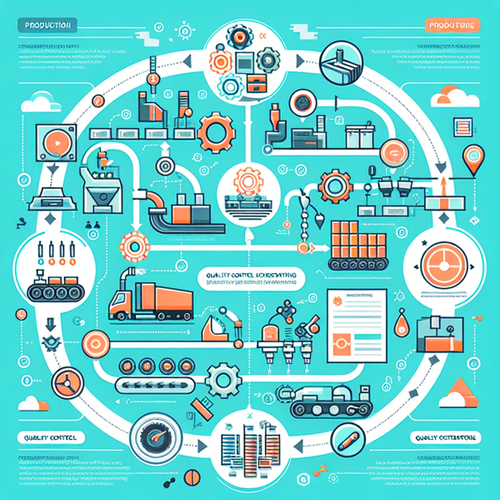
This monthly overview examines five key standards published in May 2025 for the Rubber and Plastics Industries sector, offering industry professionals a retrospective and analytical look at vital updates. Highlighting standards on differential scanning calorimetry, scratch properties, impact resistance, specific volume measurement, and reaction-curve determination, this article synthesizes essential requirements, industry trends, and noteworthy advancements. Readers will discover how May 2025’s publications strengthen testing methods, enable more precise material characterization, and guide compliance with evolving industry expectations. Whether you are a quality manager or a technical specialist, this comprehensive review helps you stay current, compare methodologies, and prioritize compliance for critical standards affecting plastics manufacturing and R&D environments.

Explore this in-depth May 2025 overview of Rubber and Plastics Industries standards (Part 2 of 3). This roundup covers five international publications, including motorcycle tyre testing, rapid-plastimeter plasticity for unvulcanized rubber, PVC corner weld strength, and advanced analytical methods for polyethylene and ethylene copolymers. The article highlights technical updates, ongoing trends in quality assurance, and key compliance takeaways for professionals, quality managers, and engineers. Whether you're seeking to understand new analytical protocols or practical testing innovations, this summary offers rich context and clear guidance. Stay current with the evolving regulatory landscape for Rubber and Plastics Industries—review the month's most impactful standards and access detailed backlinks for each document via iTeh Standards.

This monthly overview explores the three significant standards published in May 2025 for the Rubber and Plastics Industries. Covering updates in plastics analytical methods, poly(vinyl chloride) ash content determination, and hydraulic rubber hose specifications, the article provides critical insights into the evolving requirements shaping material quality, product safety, and process control. Professionals will discover how these standards align with industry trends, address complex compliance challenges, and impact day-to-day engineering and procurement decisions. If you manage quality, compliance, operations, or R&D in the Rubber and Plastics sector, this examination offers a concise yet in-depth guide to what was published, why it mattered, and how your organization can keep pace. Access essential context, requirements, and practical guidance—all with direct links to the full standards on iTeh Standards.
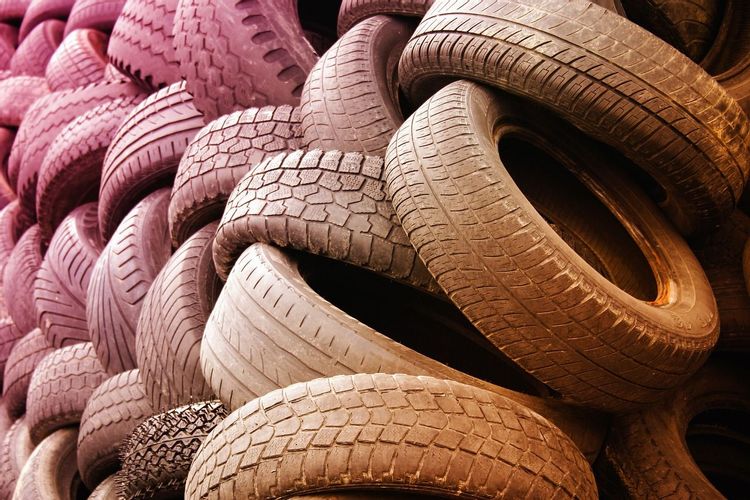
To date, a large number of chemical elements are used in production processes. Despite the fact that each new technology replaces the previous one and seems to be the most optimal in terms of optimizing costs and safety issues, nevertheless, during practical operation, certain points are revealed that may have a negative impact on both human health and environmental aspects in the future. in the process of final processing. Since, unfortunately, the environment suffers more and more with the improvement of technology, a large number of regulatory acts have been created for working with plastic materials for both small and large-scale production. Different scales require a different number of regulatory documents, however, technologies and devices are often identical, which is why even if your organization today has a relatively small scale of operations, you should not level the importance of international standards in any case. Today we will present you with a list of standards that will greatly help you in the productive operation of your equipment.
Categories
- Latest News
- New Arrivals
- Generalities
- Services and Management
- Natural Sciences
- Health Care
- Environment
- Metrology and Measurement
- Testing
- Mechanical Systems
- Fluid Systems
- Manufacturing
- Energy and Heat
- Electrical Engineering
- Electronics
- Telecommunications
- Information Technology
- Image Technology
- Precision Mechanics
- Road Vehicles
- Railway Engineering
- Shipbuilding
- Aircraft and Space
- Materials Handling
- Packaging
- Textile and Leather
- Clothing
- Agriculture
- Food technology
- Chemical Technology
- Mining and Minerals
- Petroleum
- Metallurgy
- Wood technology
- Glass and Ceramics
- Rubber and Plastics
- Paper Technology
- Paint Industries
- Construction
- Civil Engineering
- Military Engineering
- Entertainment