

ASTM C1577-20e1
(Specification)Standard Specification for Precast Reinforced Concrete Monolithic Box Sections for Culverts, Storm Drains, and Sewers Designed According to AASHTO LRFD
General Information
- Abstract
ABSTRACT
This specification covers single-cell precast reinforced concrete box sections cast monolithically and intended to be used for the construction of culverts and for the conveyance of storm water, industrial wastes and sewage. The reinforced concrete shall consist of cementitious materials, mineral aggregates and water, in which steel has been embedded in such a manner that the steel and concrete act together. The precast reinforced concrete box sections shall be produced with tongue and groove ends. The box section shall be cured using any of the following methods or combinations thereof: steam curing; water curing; and membrane curing. Compression tests for determining concrete compressive strength shall be allowed to be made on either standard rodded concrete cylinders or concrete cylinders compacted and cured in like manner as the box sections, or on cores drilled from the box section.
SCOPE
1.1 This specification covers single-cell precast reinforced concrete box sections cast monolithically and intended to be used for the construction of culverts and for the conveyance of storm water, industrial wastes and sewage.
Note 1: This specification is primarily a manufacturing and purchasing specification. However, standard designs per the AASHTO LRFD Bridge Design Specifications are included and the criteria used to develop these designs are given in Appendix X1. The successful performance of this product depends upon the proper selection of the box section, bedding, backfill, and care that the installation conforms to the construction specifications. The purchaser of the precast reinforced concrete box sections specified herein is cautioned that proper correlation of the loading conditions and the field requirements with the box section specified, and provision for inspection at the construction site, are required.
1.2 The values stated in inch-pound units are to be regarded as standard. No other units of measurement are included in this standard.
1.3 This international standard was developed in accordance with internationally recognized principles on standardization established in the Decision on Principles for the Development of International Standards, Guides and Recommendations issued by the World Trade Organization Technical Barriers to Trade (TBT) Committee.
- Status
- Published
- Publication Date
- 14-Nov-2020
- Technical Committee
- C13 - Concrete Pipe
- Drafting Committee
- C13.07 - Acceptance Specifications and Precast Concrete Box Sections
Overview
ASTM C1577-20e1 establishes the standard specification for precast reinforced concrete monolithic box sections that are used in the construction of culverts, storm drains, and sewers. These box sections are cast as single-cell units and are intended for the conveyance of stormwater, industrial wastes, and sewage. This standard aligns with the design principles outlined in the AASHTO LRFD Bridge Design Specifications, which are widely implemented in infrastructure projects.
This ASTM standard provides the essential criteria for material selection, manufacturing, and design, ensuring that precast concrete box sections perform reliably under varied load and environmental conditions. Emphasis is placed on proper selection, installation, and inspection to ensure long-term performance in the field.
Key Topics
- Material Requirements: Specifies the use of cementitious materials, mineral aggregates, and appropriate admixtures. Reinforcement must consist of steel embedded in a way that ensures composite action with the concrete.
- Manufacturing Specifications: Addresses the production of box sections with tongue and groove ends suitable for jointing and ensures monolithic casting for improved durability.
- Curing Methods: Permits steam curing, water curing, or membrane curing for concrete box sections, enabling flexibility in manufacturing based on project needs.
- Compressive Strength Testing: Allows concrete strength verification through standard rodded cylinders, cylinders cured similarly to the box section, or cores extracted from the sections.
- Design Compliance: Requires box sections to adhere to AASHTO LRFD design standards, with clear criteria for dimensions, reinforcement, and earth load handling.
Applications
Precast reinforced concrete monolithic box sections are fundamental components in civil infrastructure, providing robust, long-lasting solutions for:
- Culverts: Facilitating the safe passage of water under roads, embankments, and railways.
- Storm Drains: Conveying surface water efficiently to prevent flooding and manage runoff in urban environments.
- Sewers: Transporting municipal or industrial wastewater, meeting the structural needs for underground systems.
These sections are designed to sustain a variety of loads, including earth pressure, dead loads, and live loads from traffic, as defined by the AASHTO LRFD standards. The specification also advises on bedding, backfill, and loading conditions, making it valuable for both manufacturers and purchasers seeking compliance and quality assurance.
Related Standards
ASTM C1577-20e1 references several pertinent standards, underscoring its integration within the broader ecosystem of concrete and infrastructure material specifications:
- ASTM C150/C150M: Standard Specification for Portland Cement
- ASTM C33/C33M: Standard Specification for Concrete Aggregates
- ASTM A1064/A1064M: Standard Specification for Steel Reinforcement
- ASTM C990: Specification for Joints with Preformed Flexible Joint Sealants
- AASHTO LRFD Bridge Design Specifications: Governing design principles for load and resistance factor design
- ASCE 26-97: Standard Practice for Direct Design of Buried Precast Concrete Box Sections
For full compliance and optimal performance, these referenced standards should be consulted during the manufacturing and selection process.
Summary:
ASTM C1577-20e1 ensures that precast reinforced concrete monolithic box sections meet consistent quality and design standards for use in culverts, storm drains, and sewers. By strictly adhering to these guidelines, project stakeholders can achieve durable, reliable infrastructure solutions that meet both industry best practices and regulatory requirements. For enhanced project success, always ensure installation and inspection follow the outlined specifications.
Relations
- Effective Date
- 15-Apr-2024
- Effective Date
- 01-Feb-2024
- Refers
ASTM C1677-11a(2024) - Standard Specification for Joints for Concrete Box, Using Rubber Gaskets - Effective Date
- 01-Jan-2024
- Effective Date
- 01-Oct-2023
- Effective Date
- 01-Oct-2019
- Effective Date
- 01-Sep-2019
- Refers
ASTM C309-19 - Standard Specification for Liquid Membrane-Forming Compounds for Curing Concrete - Effective Date
- 15-Jun-2019
- Effective Date
- 01-Apr-2019
- Effective Date
- 01-Jan-2019
- Effective Date
- 01-Nov-2018
- Effective Date
- 01-Jun-2018
- Effective Date
- 01-May-2018
- Effective Date
- 01-Feb-2018
- Effective Date
- 01-Jan-2018
- Effective Date
- 01-Jan-2018
Get Certified
Connect with accredited certification bodies for this standard

DIBt (Deutsches Institut für Bautechnik)
German Institute for Building Technology.
DIN CERTCO
DIN Group product certification.
Zavod za gradbeništvo Slovenije (ZAG) - Inšpekcija
ZAG inspection body for construction products, structures, and materials.
Sponsored listings
Frequently Asked Questions
ASTM C1577-20e1 is a technical specification published by ASTM International. Its full title is "Standard Specification for Precast Reinforced Concrete Monolithic Box Sections for Culverts, Storm Drains, and Sewers Designed According to AASHTO LRFD". This standard covers: ABSTRACT This specification covers single-cell precast reinforced concrete box sections cast monolithically and intended to be used for the construction of culverts and for the conveyance of storm water, industrial wastes and sewage. The reinforced concrete shall consist of cementitious materials, mineral aggregates and water, in which steel has been embedded in such a manner that the steel and concrete act together. The precast reinforced concrete box sections shall be produced with tongue and groove ends. The box section shall be cured using any of the following methods or combinations thereof: steam curing; water curing; and membrane curing. Compression tests for determining concrete compressive strength shall be allowed to be made on either standard rodded concrete cylinders or concrete cylinders compacted and cured in like manner as the box sections, or on cores drilled from the box section. SCOPE 1.1 This specification covers single-cell precast reinforced concrete box sections cast monolithically and intended to be used for the construction of culverts and for the conveyance of storm water, industrial wastes and sewage. Note 1: This specification is primarily a manufacturing and purchasing specification. However, standard designs per the AASHTO LRFD Bridge Design Specifications are included and the criteria used to develop these designs are given in Appendix X1. The successful performance of this product depends upon the proper selection of the box section, bedding, backfill, and care that the installation conforms to the construction specifications. The purchaser of the precast reinforced concrete box sections specified herein is cautioned that proper correlation of the loading conditions and the field requirements with the box section specified, and provision for inspection at the construction site, are required. 1.2 The values stated in inch-pound units are to be regarded as standard. No other units of measurement are included in this standard. 1.3 This international standard was developed in accordance with internationally recognized principles on standardization established in the Decision on Principles for the Development of International Standards, Guides and Recommendations issued by the World Trade Organization Technical Barriers to Trade (TBT) Committee.
ABSTRACT This specification covers single-cell precast reinforced concrete box sections cast monolithically and intended to be used for the construction of culverts and for the conveyance of storm water, industrial wastes and sewage. The reinforced concrete shall consist of cementitious materials, mineral aggregates and water, in which steel has been embedded in such a manner that the steel and concrete act together. The precast reinforced concrete box sections shall be produced with tongue and groove ends. The box section shall be cured using any of the following methods or combinations thereof: steam curing; water curing; and membrane curing. Compression tests for determining concrete compressive strength shall be allowed to be made on either standard rodded concrete cylinders or concrete cylinders compacted and cured in like manner as the box sections, or on cores drilled from the box section. SCOPE 1.1 This specification covers single-cell precast reinforced concrete box sections cast monolithically and intended to be used for the construction of culverts and for the conveyance of storm water, industrial wastes and sewage. Note 1: This specification is primarily a manufacturing and purchasing specification. However, standard designs per the AASHTO LRFD Bridge Design Specifications are included and the criteria used to develop these designs are given in Appendix X1. The successful performance of this product depends upon the proper selection of the box section, bedding, backfill, and care that the installation conforms to the construction specifications. The purchaser of the precast reinforced concrete box sections specified herein is cautioned that proper correlation of the loading conditions and the field requirements with the box section specified, and provision for inspection at the construction site, are required. 1.2 The values stated in inch-pound units are to be regarded as standard. No other units of measurement are included in this standard. 1.3 This international standard was developed in accordance with internationally recognized principles on standardization established in the Decision on Principles for the Development of International Standards, Guides and Recommendations issued by the World Trade Organization Technical Barriers to Trade (TBT) Committee.
ASTM C1577-20e1 is classified under the following ICS (International Classification for Standards) categories: 91.100.30 - Concrete and concrete products; 93.030 - External sewage systems. The ICS classification helps identify the subject area and facilitates finding related standards.
ASTM C1577-20e1 has the following relationships with other standards: It is inter standard links to ASTM A1064/A1064M-24, ASTM C989/C989M-24, ASTM C1677-11a(2024), ASTM C1619-23, ASTM C497-19a, ASTM C990-09(2019), ASTM C309-19, ASTM C150/C150M-19, ASTM C497-19, ASTM A1064/A1064M-18, ASTM C497-18b, ASTM C497-18a, ASTM C1675-18, ASTM C822-18, ASTM C497-18. Understanding these relationships helps ensure you are using the most current and applicable version of the standard.
ASTM C1577-20e1 is available in PDF format for immediate download after purchase. The document can be added to your cart and obtained through the secure checkout process. Digital delivery ensures instant access to the complete standard document.
Standards Content (Sample)
This international standard was developed in accordance with internationally recognized principles on standardization established in the Decision on Principles for the
Development of International Standards, Guides and Recommendations issued by the World Trade Organization Technical Barriers to Trade (TBT) Committee.
´1
Designation:C1577 −20
Standard Specification for
Precast Reinforced Concrete Monolithic Box Sections for
Culverts, Storm Drains, and Sewers Designed According to
AASHTO LRFD
This standard is issued under the fixed designation C1577; the number immediately following the designation indicates the year of
original adoption or, in the case of revision, the year of last revision. A number in parentheses indicates the year of last reapproval. A
superscript epsilon (´) indicates an editorial change since the last revision or reapproval.
ε NOTE—Editorially corrected references in 7.3 in July 2022.
1. Scope* A615/A615M SpecificationforDeformedandPlainCarbon-
Steel Bars for Concrete Reinforcement
1.1 This specification covers single-cell precast reinforced
A706/A706M Specification for Deformed and Plain Low-
concrete box sections cast monolithically and intended to be
Alloy Steel Bars for Concrete Reinforcement
used for the construction of culverts and for the conveyance of
C33/C33M Specification for Concrete Aggregates
storm water, industrial wastes and sewage.
C150/C150M Specification for Portland Cement
NOTE 1—This specification is primarily a manufacturing and purchas-
C260/C260M Specification for Air-Entraining Admixtures
ing specification. However, standard designs per the AASHTO LRFD
for Concrete
Bridge Design Specifications are included and the criteria used to develop
C309 Specification for Liquid Membrane-Forming Com-
these designs are given in Appendix X1. The successful performance of
pounds for Curing Concrete
this product depends upon the proper selection of the box section,
bedding, backfill, and care that the installation conforms to the construc-
C494/C494M Specification for Chemical Admixtures for
tion specifications. The purchaser of the precast reinforced concrete box
Concrete
sectionsspecifiedhereiniscautionedthatpropercorrelationoftheloading
C497 Test Methods for Concrete Pipe, Concrete Box
conditions and the field requirements with the box section specified, and
Sections, Manhole Sections, or Tile
provision for inspection at the construction site, are required.
C595/C595M Specification for Blended Hydraulic Cements
1.2 The values stated in inch-pound units are to be regarded
C618 Specification for Coal Fly Ash and Raw or Calcined
as standard. No other units of measurement are included in this
Natural Pozzolan for Use in Concrete
standard.
C822 Terminology Relating to Concrete Pipe and Related
1.3 This international standard was developed in accor-
Products
dance with internationally recognized principles on standard-
C989/C989M Specification for Slag Cement for Use in
ization established in the Decision on Principles for the
Concrete and Mortars
Development of International Standards, Guides and Recom-
C990 Specification for Joints for Concrete Pipe, Manholes,
mendations issued by the World Trade Organization Technical
and Precast Box Sections Using Preformed Flexible Joint
Barriers to Trade (TBT) Committee.
Sealants
C1017/C1017M Specification for Chemical Admixtures for
2. Referenced Documents
Use in Producing Flowing Concrete (Withdrawn 2022)
2.1 ASTM Standards: C1116/C1116M Specification for Fiber-Reinforced Concrete
A1064/A1064M Specification for Carbon-Steel Wire and
C1602/C1602M Specification for Mixing Water Used in the
Welded Wire Reinforcement, Plain and Deformed, for Production of Hydraulic Cement Concrete
Concrete
C1619 Specification for Elastomeric Seals for Joining Con-
crete Structures
C1675 Practice for Installation of Precast Reinforced Con-
This specification is under the jurisdiction of ASTM Committee C13 on
crete Monolithic Box Sections for Culverts, Storm Drains,
Concrete Pipe and is the direct responsibility of Subcommittee C13.07 on
and Sewers
Acceptance Specifications and Precast Concrete Box Sections.
C1677 Specification for Joints for Concrete Box, Using
Current edition approved Nov. 15, 2020. Published November 2020. Originally
approved in 2005. Last previous edition approved in 2019 as C1577 – 19b. DOI:
Rubber Gaskets
10.1520/C1577-20E01.
For referenced ASTM standards, visit the ASTM website, www.astm.org, or
contact ASTM Customer Service at service@astm.org. For Annual Book of ASTM
Standards volume information, refer to the standard’s Document Summary page on The last approved version of this historical standard is referenced on
the ASTM website. www.astm.org.
*A Summary of Changes section appears at the end of this standard
Copyright © ASTM International, 100 Barr Harbor Drive, PO Box C700, West Conshohocken, PA 19428-2959. United States
´1
C1577−20
2.2 AASHTO Standards: 3. Terminology
AASHTO LRFD Bridge Design Specifications
3.1 Definitions—Fordefinitionsoftermsrelatingtoconcrete
AASHTO LRFD Bridge Construction Specifications
pipe, see Terminology C822.
2.3 ASCE Standard:
ASCE 26–97 Standard Practice for Direct Design of Buried
4. Designation
Precast Concrete Box Sections
4.1 Precast reinforced concrete box sections manufactured
in accordance with this specification shall be legibly marked
Available from American Association of State Highway and Transportation
Officials (AASHTO), 444 N. Capitol St., NW, Suite 249, Washington, DC 20001,
with the specification designation, span, rise, and design earth
http://www.transportation.org.
cover.
Available from American Society of Civil Engineers (ASCE), 1801 Alexander
Bell Dr., Reston, VA 20191, http://www.asce.org.
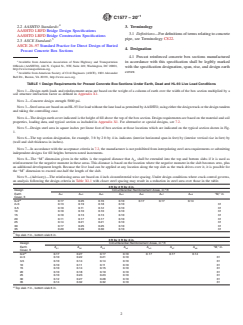
TABLE 1 Design Requirements for Precast Concrete Box Sections Under Earth, Dead and HL-93 Live Load Conditions
NOTE 1—Design earth loads and reinforcement areas are based on the weight of a column of earth over the width of the box section multiplied by a
soil structure interaction factor as defined in Appendix X1.
NOTE 2—Concrete design strength 5000 psi.
NOTE3—SteelareasarebasedonanHL-93liveloadwithoutthelaneloadaspermittedbyAASHTO,usingeitherthedesigntruckorthedesigntandem
and taking the controlling case.
NOTE 4—The design earth cover indicated is the height of fill above the top of the box section. Design requirements are based on the material and soil
properties, loading data, and typical section as included in Appendix X1. For alternative or special designs, see 7.2.
NOTE 5—Design steel area in square inches per linear foot of box section at those locations which are indicated on the typical section shown in Fig.
1.
NOTE 6—The top section designation, for example, 3 ft by 2 ft by 4 in. indicates (interior horizontal span in feet) by (interior vertical rise in feet) by
(wall and slab thickness in inches).
NOTE 7—In accordance with the acceptance criteria in 7.2, the manufacturer is not prohibited from interpolating steel area requirements or submitting
independent designs for fill heights between noted increments.
NOTE 8—The “M” dimension given in the tables is the required distance that A shall be extended into the top and bottom slabs if it is used as
s1
reinforcement for the negative moment in these areas. This distance is based on the location where the negative moment in the slab becomes zero, plus
an additional development length. Because the live load can be applied at any location along the top slab as the truck drives over it, it is possible for
the “M” dimension to exceed one-half the length of the slab.
NOTE 9—(Advisory)—The reinforcing areas are based on 4 inch circumferential wire spacing. Under design conditions where crack control governs,
an analysis following the design criteria in Table X1.1 with closer steel spacing may result in a reduction in steel area over those in the table.
3ftby2ftby4in.
Design Circumferential Reinforcement Areas, in. /ft
Earth A A A A A A A “M,” in.
s1 s2 s3 s4 s5 s7 s8
Cover, ft
A
0<2 0.17 0.25 0.16 0.10 0.17 0.17 0.14
2<3 0.13 0.19 0.18 0.10 31
3-5 0.10 0.11 0.12 0.10 31
10 0.10 0.10 0.10 0.10 31
15 0.10 0.13 0.13 0.10 31
20 0.11 0.17 0.17 0.10 31
25 0.14 0.21 0.21 0.10 31
30 0.17 0.25 0.25 0.10 31
35 0.20 0.29 0.30 0.10 31
A
Topslab7in.,bottomslab6in.
3ftby3ftby4in.
Design Circumferential Reinforcement Areas, in. /ft
Earth A A A A A A A “M,” in.
s1 s2 s3 s4 s5 s7 s8
Cover, ft
A
0<2 0.17 0.27 0.17 0.10 0.17 0.17 0.14
2<3 0.10 0.22 0.21 0.10 31
3-5 0.10 0.14 0.14 0.10 31
10 0.10 0.11 0.11 0.10 31
15 0.10 0.14 0.15 0.10 31
20 0.10 0.18 0.19 0.10 31
25 0.10 0.23 0.23 0.10 31
30 0.12 0.27 0.28 0.10 31
35 0.14 0.32 0.32 0.10 31
A
Topslab7in.,bottomslab6in.
´1
C1577−20
4ftby2ftby5in.
Design Circumferential Reinforcement Areas, in. /ft
Earth A A A A A A A “M,” in.
s1 s2 s3 s4 s5 s7 s8
Cover, ft
A
0<2 0.18 0.27 0.15 0.12 0.18 0.18 0.14
2<3 0.18 0.19 0.17 0.12 38
3-5 0.13 0.13 0.13 0.12 38
10 0.12 0.12 0.12 0.12 38
15 0.14 0.16 0.16 0.12 38
20 0.18 0.20 0.21 0.12 38
25 0.23 0.25 0.25 0.12 38
30 0.28 0.30 0.30 0.12 38
A
Top slab 7.5 in., bottom slab 6 in.
4ftby3ftby5in.
Design Circumferential Reinforcement Areas, in. /ft
Earth A A A A A A A “M,” in.
s1 s2 s3 s4 s5 s7 s8
Cover, ft
A
0<2 0.18 0.31 0.18 0.12 0.18 0.18 0.14
2<3 0.15 0.23 0.20 0.12 38
3-5 0.12 0.16 0.16 0.12 38
10 0.12 0.14 0.14 0.12 38
15 0.12 0.18 0.18 0.12 38
20 0.14 0.23 0.24 0.12 38
25 0.17 0.29 0.29 0.12 38
30 0.21 0.35 0.35 0.12 38
A
Top slab 7.5 in., bottom slab 6 in.
4ftby4ftby5in.
Design Circumferential Reinforcement Areas, in. /ft
Earth A A A A A A A “M,” in.
s1 s2 s3 s4 s5 s7 s8
Cover, ft
A
0<2 0.18 0.33 0.20 0.12 0.18 0.18 0.14
2<3 0.12 0.26 0.23 0.12 38
3-5 0.12 0.18 0.18 0.12 38
10 0.12 0.15 0.15 0.12 38
15 0.12 0.19 0.20 0.12 38
20 0.12 0.25 0.25 0.12 38
25 0.14 0.31 0.31 0.12 38
30 0.17 0.37 0.37 0.12 38
A
Top slab 7.5 in., bottom slab 6 in.
5ftby2ftby6in.
Design Circumferential Reinforcement Areas, in. /ft
Earth A A A A A A A “M,” in.
s1 s2 s3 s4 s5 s7 s8
Cover, ft
A
0<2 0.19 0.27 0.18 0.14 0.19 0.19 0.17
2<3 0.22 0.20 0.16 0.14 44
3-5 0.16 0.14 0.14 0.14 44
10 0.15 0.14 0.14 0.14 36
15 0.20 0.18 0.18 0.14 36
20 0.26 0.23 0.24 0.14 36
25 0.33 0.29 0.29 0.14 36
30 0.39 0.34 0.35 0.14 36
A
Topslab8in.,bottomslab7in.
5ftby3ftby6in.
Design Circumferential Reinforcement Areas, in. /ft
Earth A A A A A A A “M,” in.
s1 s2 s3 s4 s5 s7 s8
Cover, ft
A
0<2 0.19 0.31 0.21 0.14 0.19 0.19 0.17
2<3 0.18 0.24 0.19 0.14 45
3-5 0.14 0.17 0.16 0.14 36
10 0.14 0.16 0.17 0.14 36
15 0.16 0.21 0.22 0.14 35
20 0.21 0.27 0.28 0.14 35
25 0.26 0.34 0.34 0.14 35
30 0.31 0.41 0.41 0.14 35
A
Topslab8in.,bottomslab7in.
´1
C1577−20
5ftby4ftby6in.
Design Circumferential Reinforcement Areas, in. /ft
Earth A A A A A A A “M,” in.
s1 s2 s3 s4 s5 s7 s8
Cover, ft
A
0<2 0.19 0.33 0.24 0.14 0.19 0.19 0.17
2<3 0.16 0.27 0.22 0.14 45
3-5 0.14 0.19 0.18 0.14 45
10 0.14 0.18 0.18 0.14 36
15 0.14 0.23 0.24 0.14 35
20 0.17 0.30 0.31 0.14 35
25 0.21 0.37 0.38 0.14 35
30 0.25 0.44 0.45 0.14 35
A
Topslab8in.,bottomslab7in.
5ftby5ftby6in.
Design Circumferential Reinforcement Areas, in. /ft
Earth A A A A A A A “M,” in.
s1 s2 s3 s4 s5 s7 s8
Cover, ft
A
0<2 0.19 0.35 0.26 0.14 0.19 0.19 0.17
2<3 0.14 0.29 0.24 0.14 45
3-5 0.14 0.21 0.20 0.14 45
10 0.14 0.19 0.20 0.14 45
15 0.14 0.24 0.25 0.14 36
20 0.15 0.31 0.32 0.14 35
25 0.18 0.38 0.39 0.14 35
30 0.21 0.46 0.47 0.14 35
A
Topslab8in.,bottomslab7in.
6ftby2ftby7in.
Design Circumferential Reinforcement Areas, in. /ft
Earth A A A A A A A “M,” in.
s1 s2 s3 s4 s5 s7 s8
Cover, ft
A
0<2 0.23 0.27 0.19 0.17 0.19 0.19 0.17
2<3 0.25 0.21 0.17 0.17 43
3-5 0.20 0.17 0.17 0.17 43
10 0.20 0.17 0.17 0.17 39
15 0.26 0.20 0.20 0.17 39
20 0.34 0.26 0.26 0.17 39
25 0.43 0.32 0.32 0.17 39
30 0.52 0.38 0.39 0.17 39
A
Topslab8in.
6ftby3ftby7in.
Design Circumferential Reinforcement Areas, in. /ft
Earth A A A A A A A “M,” in.
s1 s2 s3 s4 s5 s7 s8
Cover, ft
A
0<2 0.20 0.31 0.22 0.17 0.19 0.19 0.17
2<3 0.21 0.24 0.19 0.17 43
3-5 0.17 0.18 0.17 0.17 39
10 0.17 0.18 0.19 0.17 39
15 0.22 0.24 0.24 0.17 38
20 0.28 0.31 0.31 0.17 38
25 0.35 0.38 0.39 0.17 38
30 0.42 0.46 0.46 0.17 38
A
Topslab8in.
6ftby4ftby7in.
Design Circumferential Reinforcement Areas, in. /ft
Earth A A A A A A A “M,” in.
s1 s2 s3 s4 s5 s7 s8
Cover, ft
A
0<2 0.19 0.34 0.25 0.17 0.19 0.19 0.17
2<3 0.19 0.27 0.21 0.17 43
3-5 0.17 0.21 0.19 0.17 39
10 0.17 0.20 0.21 0.17 39
15 0.18 0.27 0.27 0.17 38
20 0.24 0.34 0.35 0.17 38
25 0.29 0.43 0.42 0.17 38
30 0.35 0.51 0.52 0.17 38
A
Topslab8in.
6ftby5ftby7in.
Design Circumferential Reinforcement Areas, in. /ft
Earth A A A A A A A “M,” in.
s1 s2 s3 s4 s5 s7 s8
Cover, ft
A
0<2 0.19 0.37 0.28 0.17 0.19 0.19 0.17
2<3 0.17 0.30 0.24 0.17 43
3-5 0.17 0.23 0.21 0.17 43
10 0.17 0.22 0.23 0.17 39
´1
C1577−20
15 0.17 0.28 0.29 0.17 38
20 0.20 0.37 0.38 0.17 38
25 0.25 0.45 0.46 0.17 38
30 0.30 0.54 0.55 0.17 38
A
Topslab8in.
6ftby6ftby7in.
Design Circumferential Reinforcement Areas, in. /ft
Earth A A A A A A A “M,” in.
s1 s2 s3 s4 s5 s7 s8
Cover, ft
A
0<2 0.19 0.38 0.30 0.17 0.19 0.19 0.17
2<3 0.17 0.32 0.26 0.17 52
3-5 0.17 0.24 0.22 0.17 52
10 0.17 0.23 0.24 0.17 43
15 0.17 0.29 0.31 0.17 39
20 0.18 0.38 0.39 0.17 39
25 0.23 0.46 0.48 0.17 38
30 0.27 0.55 0.57 0.17 38
A
Topslab8in.
7ftby2ftby8in.
Design Circumferential Reinforcement Areas, in. /ft
Earth
A A A A A A A “M,” in.
s1 s2 s3 s4 s5 s7 s8
Cover, ft
0<2 0.27 0.28 0.19 0.19 0.19 0.19 0.19
2<3 0.31 0.21 0.20 0.19 58
3-5 0.23 0.19 0.19 0.19 47
10 0.25 0.19 0.19 0.19 47
15 0.33 0.22 0.22 0.19 43
20 0.43 0.28 0.29 0.19 43
25 0.54 0.35 0.35 0.19 43
30 0.65 0.42 0.42 0.19 43
7ftby3ftby8in.
Design Circumferential Reinforcement Areas, in. /ft
Earth A A A A A A A “M,” in.
s1 s2 s3 s4 s5 s7 s8
Cover, ft
0<2 0.23 0.31 0.22 0.19 0.19 0.19 0.19
2<3 0.27 0.25 0.24 0.19 47
3-5 0.19 0.19 0.19 0.19 43
10 0.21 0.20 0.21 0.19 43
15 0.28 0.26 0.27 0.19 43
20 0.36 0.34 0.35 0.19 43
25 0.45 0.42 0.43 0.19 43
30 0.54 0.50 0.51 0.19 43
7ftby4ftby8in.
Design Circumferential Reinforcement Areas, in. /ft
Earth A A A A A A A “M,” in.
s1 s2 s3 s4 s5 s7 s8
Cover, ft
0<2 0.21 0.34 0.25 0.19 0.19 0.19 0.19
2<3 0.23 0.28 0.28 0.19 43
3-5 0.19 0.22 0.19 0.19 43
10 0.19 0.23 0.23 0.19 43
15 0.24 0.30 0.30 0.19 41
20 0.31 0.38 0.39 0.19 41
25 0.38 0.47 0.48 0.19 41
30 0.46 0.57 0.57 0.19 41
7ftby5ftby8in.
Design Circumferential Reinforcement Areas, in. /ft
Earth A A A A A A A “M,” in.
s1 s2 s3 s4 s5 s7 s8
Cover, ft
0<2 0.19 0.36 0.27 0.19 0.19 0.19 0.19
2<3 0.21 0.31 0.31 0.19 47
3-5 0.19 0.24 0.21 0.19 43
10 0.19 0.25 0.26 0.19 43
15 0.21 0.32 0.33 0.19 41
20 0.27 0.41 0.42 0.19 41
25 0.33 0.51 0.52 0.19 41
30 0.40 0.61 0.62 0.19 41
7ftby6ftby8in.
Design Circumferential Reinforcement Areas, in. /ft
Earth A A A A A A A “M,” in.
s1 s2 s3 s4 s5 s7 s8
Cover, ft
0<2 0.19 0.38 0.30 0.19 0.19 0.19 0.19
2<3 0.19 0.33 0.34 0.19 59
3-5 0.19 0.25 0.23 0.19 47
10 0.19 0.26 0.27 0.19 43
´1
C1577−20
15 0.19 0.34 0.35 0.19 41
20 0.24 0.43 0.45 0.19 41
25 0.29 0.53 0.55 0.19 41
30 0.35 0.64 0.65 0.19 41
7ftby7ftby8in.
Design Circumferential Reinforcement Areas, in. /ft
Earth A A A A A A A “M,” in.
s1 s2 s3 s4 s5 s7 s8
Cover, ft
0<2 0.19 0.40 0.33 0.19 0.19 0.19 0.19
2<3 0.19 0.36 0.37 0.19 59
3-5 0.19 0.27 0.25 0.19 59
10 0.19 0.27 0.29 0.19 47
15 0.19 0.35 0.37 0.19 43
20 0.22 0.44 0.46 0.19 43
25 0.27 0.54 0.57 0.19 43
30 0.32 0.65 0.67 0.19 41
8ftby2ftby8in.
Design Circumferential Reinforcement Areas, in. /ft
Earth A A A A A A A “M,” in.
s1 s2 s3 s4 s5 s7 s8
Cover, ft
0<2 0.35 0.31 0.21 0.19 0.19 0.19 0.19
2<3 0.40 0.25 0.23 0.19 64
3-5 0.32 0.20 0.20 0.19 55
10 0.34 0.21 0.22 0.19 50
15 0.45 0.28 0.28 0.19 50
20 0.59 0.36 0.37 0.19 50
25 0.74 0.45 0.45 0.19 50
8ftby3ftby8in.
Design Circumferential Reinforcement Areas, in. /ft
Earth A A A A A A A “M,” in.
s1 s2 s3 s4 s5 s7 s8
Cover, ft
0<2 0.31 0.35 0.25 0.19 0.19 0.19 0.19
2<3 0.35 0.29 0.28 0.19 55
3-5 0.28 0.23 0.24 0.19 50
10 0.29 0.25 0.26 0.19 45
15 0.39 0.33 0.34 0.19 45
20 0.51 0.43 0.44 0.19 45
25 0.63 0.53 0.54 0.19 45
8ftby4ftby8in.
Design Circumferential Reinforcement Areas, in. /ft
Earth A A A A A A A “M,” in.
s1 s2 s3 s4 s5 s7 s8
Cover, ft
0<2 0.27 0.38 0.29 0.19 0.19 0.19 0.19
2<3 0.31 0.34 0.32 0.19 50
3-5 0.25 0.27 0.27 0.19 50
10 0.26 0.28 0.29 0.19 45
15 0.34 0.37 0.38 0.19 41
20 0.44 0.48 0.49 0.19 41
8ftby5ftby8in.
Design Circumferential Reinforcement Areas, in. /ft
Earth
A A A A A A A “M,” in.
s1 s2 s3 s4 s5 s7 s8
Cover, ft
0<2 0.24 0.40 0.32 0.19 0.19 0.19 0.19
2<3 0.28 0.37 0.35 0.19 50
3-5 0.23 0.29 0.30 0.19 45
10 0.23 0.31 0.32 0.19 45
15 0.30 0.41 0.42 0.19 41
20 0.39 0.52 0.54 0.19 41
8ftby6ftby8in.
Design Circumferential Reinforcement Areas, in. /ft
Earth A A A A A A A “M,” in.
s1 s2 s3 s4 s5 s7 s8
Cover, ft
0<2 0.22 0.42 0.35 0.19 0.19 0.19 0.19
2<3 0.25 0.40 0.38 0.19 50
3-5 0.21 0.32 0.33 0.19 50
10 0.22 0.33 0.34 0.19 45
15 0.28 0.43 0.45 0.19 41
20 0.36 0.55 0.57 0.19 41
´1
C1577−20
8ftby7ftby8in.
Design Circumferential Reinforcement Areas, in. /ft
Earth A A A A A A A “M,” in.
s1 s2 s3 s4 s5 s7 s8
Cover, ft
0<2 0.20 0.44 0.37 0.19 0.19 0.19 0.19
2<3 0.23 0.43 0.41 0.19 55
3-5 0.19 0.34 0.35 0.19 55
10 0.20 0.34 0.36 0.19 50
15 0.26 0.45 0.47 0.19 41
20 0.33 0.57 0.60 0.19 41
8ftby8ftby8in.
Design Circumferential Reinforcement Areas, in. /ft
Earth A A A A A A A “M,” in.
s1 s2 s3 s4 s5 s7 s8
Cover, ft
0<2 0.20 0.45 0.40 0.19 0.19 0.19 0.19
2<3 0.21 0.45 0.44 0.19 65
3-5 0.19 0.36 0.38 0.19 65
10 0.19 0.35 0.38 0.19 55
15 0.24 0.46 0.49 0.19 45
20 0.31 0.59 0.62 0.19 45
9ftby2ftby9in.
Design Circumferential Reinforcement Areas, in. /ft
Earth A A A A A A A “M,” in.
s1 s2 s3 s4 s5 s7 s8
Cover, ft
0<2 0.38 0.30 0.22 0.22 0.22 0.22 0.22
2<3 0.44 0.26 0.22 0.22 71
3-5 0.35 0.22 0.22 0.22 59
10 0.39 0.22 0.23 0.22 54
15 0.52 0.30 0.30 0.22 54
20 0.68 0.38 0.39 0.22 54
25 0.86 0.47 0.48 0.22 54
9ftby3ftby9in.
Design Circumferential Reinforcement Areas, in. /ft
Earth A A A A A A A “M,” in.
s1 s2 s3 s4 s5 s7 s8
Cover, ft
0<2 0.34 0.33 0.24 0.22 0.22 0.22 0.22
2<3 0.39 0.30 0.27 0.22 59
3-5 0.31 0.24 0.23 0.22 54
10 0.34 0.27 0.27 0.22 49
15 0.45 0.35 0.36 0.22 49
20 0.59 0.46 0.46 0.22 49
25 0.74 0.56 0.57 0.22 49
9ftby4ftby9in.
Design Circumferential Reinforcement Areas, in. /ft
Earth A A A A A A A “M,” in.
s1 s2 s3 s4 s5 s7 s8
Cover, ft
0<2 0.30 0.36 0.28 0.22 0.22 0.22 0.22
2<3 0.35 0.34 0.31 0.22 54
3-5 0.28 0.27 0.27 0.22 50
10 0.31 0.30 0.31 0.22 49
15 0.40 0.40 0.41 0.22 49
20 0.52 0.51 0.52 0.22 44
25 0.65 0.64 0.65 0.22 44
9ftby5ftby9in.
Design Circumferential Reinforcement Areas, in. /ft
Earth A A A A A A A “M,” in.
s1 s2 s3 s4 s5 s7 s8
Cover, ft
0<2 0.28 0.38 0.31 0.22 0.22 0.22 0.22
2<3 0.32 0.38 0.34 0.22 54
3-5 0.25 0.30 0.30 0.22 49
10 0.28 0.33 0.34 0.22 49
15 0.36 0.43 0.45 0.22 44
20 0.47 0.56 0.57 0.22 44
25 0.58 0.69 0.71 0.22 44
9ftby6ftby9in.
Design Circumferential Reinforcement Areas, in. /ft
Earth A A A A A A A “M,” in.
s1 s2 s3 s4 s5 s7 s8
Cover, ft
0<2 0.25 0.40 0.34 0.22 0.22 0.22 0.22
2<3 0.29 0.41 0.38 0.22 54
3-5 0.23 0.33 0.33 0.22 49
10 0.26 0.35 0.37 0.22 49
15 0.33 0.46 0.48 0.22 44
20 0.42 0.60 0.61 0.22 44
25 0.52 0.74 0.75 0.22 44
´1
C1577−20
9ftby7ftby9in.
Design Circumferential Reinforcement Areas, in. /ft
Earth A A A A A A A “M,” in.
s1 s2 s3 s4 s5 s7 s8
Cover, ft
0<2 0.23 0.42 0.36 0.22 0.22 0.22 0.22
2<3 0.26 0.44 0.41 0.22 59
3-5 0.22 0.35 0.35 0.22 54
10 0.24 0.37 0.39 0.22 49
15 0.31 0.48 0.51 0.22 44
20 0.39 0.62 0.65 0.22 44
9ftby8ftby9in.
Design Circumferential Reinforcement Areas, in. /ft
Earth A A A A A A A “M,” in.
s1 s2 s3 s4 s5 s7 s8
Cover, ft
0<2 0.22 0.43 0.39 0.22 0.22 0.22 0.22
2<3 0.24 0.46 0.43 0.22 59
3-5 0.22 0.37 0.38 0.22 59
10 0.22 0.39 0.41 0.22 54
15 0.29 0.50 0.53 0.22 44
20 0.36 0.64 0.67 0.22 44
9ftby9ftby9in.
Design Circumferential Reinforcement Areas, in. /ft
Earth A A A A A A A “M,” in.
s1 s2 s3 s4 s5 s7 s8
Cover, ft
0<2 0.22 0.44 0.42 0.22 0.22 0.22 0.22
2<3 0.23 0.49 0.46 0.22 72
3-5 0.22 0.39 0.40 0.22 72
10 0.22 0.40 0.43 0.22 59
15 0.27 0.51 0.55 0.22 49
20 0.34 0.66 0.69 0.22 49
10ftby2ftby10in.
Design Circumferential Reinforcement Areas, in. /ft
Earth A A A A A A A “M,” in.
s1 s2 s3 s4 s5 s7 s8
Cover, ft
0<2 0.42 0.28 0.24 0.24 0.24 0.24 0.24
2<3 0.48 0.26 0.24 0.24 70
3-5 0.39 0.24 0.24 0.24 64
10 0.44 0.24 0.24 0.24 64
15 0.59 0.31 0.32 0.24 58
20 0.77 0.40 0.41 0.24 58
25 0.97 0.50 0.50 0.24 58
10ftby3ftby10in.
Design Circumferential Reinforcement Areas, in. /ft
Earth A A A A A A A “M,” in.
s1 s2 s3 s4 s5 s7 s8
Cover, ft
0<2 0.37 0.31 0.24 0.24 0.24 0.24 0.24
2<3 0.42 0.31 0.27 0.24 64
3-5 0.35 0.25 0.24 0.24 58
10 0.39 0.28 0.29 0.24 58
15 0.52 0.37 0.38 0.24 52
20 0.68 0.48 0.49 0.24 52
25 0.85 0.59 0.60 0.24 52
10ftby4ftby10in.
Design Circumferential Reinforcement Areas, in. /ft
Earth A A A A A A A “M,” in.
s1 s2 s3 s4 s5 s7 s8
Cover, ft
0<2 0.33 0.34 0.27 0.24 0.24 0.24 0.24
2<3 0.38 0.35 0.30 0.24 58
3-5 0.31 0.28 0.27 0.24 53
10 0.36 0.32 0.33 0.24 52
15 0.47 0.42 0.43 0.24 52
20 0.61 0.54 0.55 0.24 52
25 0.75 0.67 0.68 0.24 52
10ftby5ftby10in.
Design Circumferential Reinforcement Areas, in. /ft
Earth A A A A A A A “M,” in.
s1 s2 s3 s4 s5 s7 s8
Cover, ft
0<2 0.30 0.36 0.30 0.24 0.24 0.24 0.24
2<3 0.35 0.39 0.34 0.24 58
3-5 0.28 0.31 0.30 0.24 53
10 0.33 0.35 0.36 0.24 52
15 0.42 0.46 0.47 0.24 47
20 0.55 0.59 0.61 0.24 47
25 0.68 0.73 0.75 0.24 47
10ftby6ftby10in.
´1
C1577−20
Design Circumferential Reinforcement Areas, in. /ft
Earth A A A A A A A “M,” in.
s1 s2 s3 s4 s5 s7 s8
Cover, ft
0<2 0.28 0.38 0.33 0.24 0.24 0.24 0.24
2<3 0.32 0.42 0.37 0.24 58
3-5 0.26 0.34 0.33 0.24 52
10 0.30 0.38 0.39 0.24 52
15 0.39 0.49 0.51 0.24 47
20 0.50 0.63 0.65 0.24 47
25 0.61 0.78 0.80 0.24 47
10ftby7ftby10in.
Design Circumferential Reinforcement Areas, in. /ft
Earth A A A A A A A “M,” in.
s1 s2 s3 s4 s5 s7 s8
Cover, ft
0<2 0.25 0.40 0.36 0.24 0.24 0.24 0.24
2<3 0.30 0.45 0.40 0.24 58
3-5 0.24 0.36 0.35 0.24 58
10 0.28 0.40 0.42 0.24 52
15 0.36 0.52 0.54 0.24 47
20 0.46 0.67 0.69 0.24 47
25 0.56 0.82 0.85 0.24 47
10ftby8ftby10in.
Design Circumferential Reinforcement Areas, in. /ft
Earth A A A A A A A “M,” in.
s1 s2 s3 s4 s5 s7 s8
Cover, ft
0<2 0.24 0.41 0.38 0.24 0.24 0.24 0.24
2<3 0.27 0.47 0.43 0.24 64
3-5 0.24 0.38 0.38 0.24 58
10 0.26 0.42 0.44 0.24 52
15 0.34 0.54 0.57 0.24 47
20 0.43 0.69 0.72 0.24 47
10ftby9ftby10in.
Design Circumferential Reinforcement Areas, in. /ft
Earth A A A A A A A “M,” in.
s1 s2 s3 s4 s5 s7 s8
Cover, ft
0<2 0.24 0.42 0.41 0.24 0.24 0.24 0.24
2<3 0.26 0.50 0.46 0.24 70
3-5 0.24 0.40 0.40 0.24 64
10 0.25 0.43 0.46 0.24 58
15 0.32 0.56 0.59 0.24 52
20 0.40 0.71 0.75 0.24 47
10 ft by 10 ft by 10 in.
Design Circumferential Reinforcement Areas, in. /ft
Earth A A A A A A A “M,” in.
s1 s2 s3 s4 s5 s7 s8
Cover, ft
0<2 0.24 0.44 0.44 0.24 0.24 0.24 0.24
2<3 0.25 0.52 0.48 0.24 79
3-5 0.24 0.42 0.43 0.24 70
10 0.24 0.44 0.48 0.24 64
15 0.30 0.57 0.61 0.24 52
20 0.38 0.73 0.77 0.24 52
11ftby2ftby11in.
Design Circumferential Reinforcement Areas, in. /ft
Earth A A A A A A A “M,” in.
s1 s2 s3 s4 s5 s7 s8
Cover, ft
0<2 0.45 0.27 0.26 0.26 0.26 0.26 0.26
2<3 0.52 0.27 0.26 0.26 75
3-5 0.43 0.26 0.26 0.26 69
10 0.50 0.26 0.26 0.26 69
15 0.66 0.33 0.33 0.26 62
20 0.86 0.42 0.43 0.26 62
25 1.09 0.52 0.53 0.26 62
11ftby3ftby11in.
Design Circumferential Reinforcement Areas, in. /ft
Earth A A A A A A A “M,” in.
s1 s2 s3 s4 s5 s7 s8
Cover, ft
0<2 0.39 0.30 0.26 0.26 0.26 0.26 0.26
2<3 0.45 0.32 0.26 0.26 69
3-5 0.38 0.26 0.26 0.26 62
10 0.45 0.30 0.30 0.26 62
15 0.59 0.39 0.40 0.26 55
20 0.77 0.50 0.51 0.26 55
25 0.96 0.62 0.63 0.26 55
11ftby4ftby11in.
´1
C1577−20
Design Circumferential Reinforcement Areas, in. /ft
Earth A A A A A A A “M,” in.
s1 s2 s3 s4 s5 s7 s8
Cover, ft
0<2 0.36 0.33 0.27 0.26 0.26 0.26 0.26
2<3 0.41 0.36 0.30 0.26 62
3-5 0.34 0.29 0.27 0.26 62
10 0.41 0.34 0.35 0.26 55
15 0.53 0.44 0.45 0.26 55
20 0.69 0.57 0.58 0.26 55
25 0.86 0.70 0.72 0.26 55
11ftby5ftby11in.
Design Circumferential Reinforcement Areas, in. /ft
Earth A A A A A A A “M,” in.
s1 s2 s3 s4 s5 s7 s8
Cover, ft
0<2 0.32 0.35 0.29 0.26 0.26 0.26 0.26
2<3 0.38 0.39 0.33 0.26 62
3-5 0.31 0.32 0.30 0.26 57
10 0.37 0.37 0.38 0.26 55
15 0.49 0.49 0.50 0.26 55
20 0.63 0.63 0.64 0.26 50
25 0.78 0.77 0.79 0.26 50
11ftby6ftby11in.
Design Circumferential Reinforcement Areas, in. /ft
Earth A A A A A A A “M,” in.
s1 s2 s3 s4 s5 s7 s8
Cover, ft
0<2 0.30 0.36 0.33 0.26 0.26 0.26 0.26
2<3 0.35 0.43 0.37 0.26 62
3-5 0.29 0.35 0.33 0.26 55
10 0.35 0.40 0.42 0.26 55
15 0.45 0.52 0.54 0.26 50
20 0.57 0.67 0.69 0.26 50
25 0.71 0.83 0.85 0.26 50
11ftby7ftby11in.
Design Circumferential Reinforcement Areas, in. /ft
Earth A A A A A A A “M,” in.
s1 s2 s3 s4 s5 s7 s8
Cover, ft
0<2 0.27 0.38 0.35 0.26 0.26 0.26 0.26
2<3 0.32 0.45 0.40 0.26 62
3-5 0.27 0.37 0.35 0.26 55
10 0.32 0.42 0.44 0.26 55
15 0.41 0.55 0.57 0.26 50
20 0.53 0.71 0.73 0.26 50
25 0.65 0.87 0.90 0.26 50
11ftby8ftby11in.
Design Circumferential Reinforcement Areas, in. /ft
Earth A A A A A A A “M,” in.
s1 s2 s3 s4 s5 s7 s8
Cover, ft
0<2 0.26 0.40 0.38 0.26 0.26 0.26 0.26
2<3 0.30 0.48 0.42 0.26 62
3-5 0.26 0.40 0.38 0.26 62
10 0.30 0.44 0.47 0.26 55
15 0.39 0.58 0.60 0.26 50
20 0.49 0.74 0.77 0.26 50
25 0.61 0.91 0.94 0.26 50
11ftby9ftby11in.
Design Circumferential Reinforcement Areas, in. /ft
Earth A A A A A A A “M,” in.
s1 s2 s3 s4 s5 s7 s8
Cover, ft
0<2 0.26 0.42 0.40 0.26 0.26 0.26 0.26
2<3 0.28 0.51 0.45 0.26 69
3-5 0.26 0.42 0.40 0.26 62
10 0.29 0.46 0.49 0.26 55
15 0.37 0.60 0.63 0.26 50
20 0.47 0.76 0.80 0.26 50
25 0.57 0.94 0.98 0.26 50
11 ft by 10 ft by 11 in.
Design Circumferential Reinforcement Areas, in. /ft
Earth A A A A A A A “M,” in.
s1 s2 s3 s4 s5 s7 s8
Cover, ft
0<2 0.26 0.45 0.43 0.26 0.26 0.26 0.26
2<3 0.27 0.53 0.48 0.26 75
3-5 0.26 0.44 0.43 0.26 69
10 0.28 0.48 0.52 0.26 62
15 0.35 0.61 0.65 0.26 55
20 0.44 0.78 0.83 0.26 50
´1
C1577−20
11 ft by 11 ft by 11 in.
Design Circumferential Reinforcement Areas, in. /ft
Earth A A A A A A A “M,” in.
s1 s2 s3 s4 s5 s7 s8
Cover, ft
0<2 0.26 0.47 0.46 0.26 0.26 0.26 0.26
2<3 0.26 0.55 0.51 0.26 86
3-5 0.26 0.46 0.45 0.26 75
10 0.27 0.49 0.54 0.26 69
15 0.34 0.63 0.68 0.26 55
20 0.42 0.80 0.85 0.26 55
12ftby2ftby12in.
Design Circumferential Reinforcement Areas, in. /ft
Earth A A A A A A A “M,” in.
s1 s2 s3 s4 s5 s7 s8
Cover, ft
0<2 0.47 0.29 0.29 0.29 0.29 0.29 0.29
2<3 0.55 0.29 0.29 0.29 80
3-5 0.46 0.29 0.29 0.29 73
10 0.54 0.29 0.29 0.29 73
15 0.73 0.34 0.35 0.29 73
20 0.96 0.44 0.45 0.29 73
25 1.20 0.54 0.55 0.29 66
12ftby3ftby12in.
Design Circumferential Reinforcement Areas, in. /ft
Earth A A A A A A A “M,” in.
s1 s2 s3 s4 s5 s7 s8
Cover, ft
0<2 0.42 0.29 0.29 0.29 0.29 0.29 0.29
2<3 0.49 0.33 0.29 0.29 73
3-5 0.41 0.29 0.29 0.29 73
10 0.49 0.30 0.31 0.29 66
15 0.66 0.41 0.42 0.29 66
20 0.86 0.53 0.54 0.29 66
25 1.07 0.65 0.66 0.29 66
12ftby4ftby12in.
Design Circumferential Reinforcement Areas, in. /ft
Earth A A A A A A A “M,” in.
s1 s2 s3 s4 s5 s7 s8
Cover, ft
0<2 0.38 0.31 0.29 0.29 0.29 0.29 0.29
2<3 0.44 0.37 0.30 0.29 73
3–5 0.37 0.30 0.29 0.29 66
10 0.44 0.34 0.35 0.29 66
15 0.60 0.46 0.48 0.29 59
20 0.78 0.60 0.61 0.29 59
25 0.97 0.74 0.75 0.29 59
12ftby5ftby12in.
Design Circumferential Reinforcement Areas, in. /ft
Earth
A A A A A A A “M,” in.
s1 s2 s3 s4 s5 s7 s8
Cover, ft
0<2 0.34 0.33 0.29 0.29 0.29 0.29 0.29
2<3 0.41 0.40 0.33 0.29 66
3-5 0.34 0.33 0.30 0.29 61
10 0.41 0.38 0.39 0.29 59
15 0.55 0.51 0.52 0.29 59
20 0.71 0.66 0.67 0.29 59
25 0.88 0.81 0.82 0.29 59
12ftby6ftby12in.
Design Circumferential Reinforcement Areas, in. /ft
Earth A A A A A A A “M,” in.
s1 s2 s3 s4 s5 s7 s8
Cover, ft
0<2 0.32 0.36 0.32 0.29 0.29 0.29 0.29
2<3 0.38 0.43 0.36 0.29 66
3-5 0.32 0.36 0.33 0.29 59
10 0.38 0.41 0.42 0.29 59
15 0.51 0.55 0.57 0.29 53
20 0.65 0.71 0.72 0.29 53
25 0.81 0.87 0.89 0.29 53
12ftby7ftby12in.
Design Circumferential Reinforcement Areas, in. /ft
Earth A A A A A A A “M,” in.
s1 s2 s3 s4 s5 s7 s8
Cover, ft
0<2 0.30 0.39 0.35 0.29 0.29 0.29 0.29
2<3 0.35 0.46 0.39 0.29 66
3-5 0.29 0.38 0.36 0.29 59
10 0.36 0.43 0.45 0.29 59
15 0.47 0.58 0.61 0.29 53
20 0.61 0.75 0.77 0.29 53
´1
C1577−20
25 0.75 0.92 0.95 0.29 53
12ftby8ftby12in.
Design Circumferential Reinforcement Areas, in. /ft
Earth A A A A A A A “M,” in.
s1 s2 s3 s4 s5 s7 s8
Cover, ft
0<2 0.29 0.41 0.38 0.29 0.29 0.29 0.29
2<3 0.33 0.49 0.42 0.29 66
3-5 0.29 0.41 0.38 0.29 59
10 0.34 0.46 0.48 0.29 59
15 0.44 0.61 0.64 0.29 53
20 0.57 0.78 0.81 0.29 53
25 0.69 0.96 0.99 0.29 53
12ftby9ftby12in.
Design Circumferential Reinforcement Areas, in. /ft
Earth A A A A A A A “M,” in.
s1 s2 s3 s4 s5 s7 s8
Cover, ft
0<2 0.29 0.43 0.40 0.29 0.29 0.29 0.29
2<3 0.30 0.51 0.45 0.29 66
3-5 0.29 0.43 0.41 0.29 66
10 0.32 0.47 0.51 0.29 59
15 0.42 0.63 0.67 0.29 53
20 0.53 0.81 0.85 0.29 53
25 0.69 0.96 0.99 0.29 53
12 ft by 10 ft by 12 in.
Design Circumferential Reinforcement Areas, in. /ft
Earth
A A A A A A A “M,” in.
s1 s2 s3 s4 s5 s7 s8
Cover, ft
0<2 0.29 0.45 0.43 0.29 0.29 0.29 0.29
2<3 0.29 0.54 0.48 0.29 73
3-5 0.29 0.45 0.43 0.29 66
10 0.31 0.49 0.53 0.29 59
15 0.40 0.65 0.70 0.29 53
20 0.51 0.84 0.88 0.29 53
25 0.62 1.03 1.07 0.29 53
12 ft by 11 ft by 12 in.
Design Circumferential Reinforcement Areas, in. /ft
Earth A A A A A A A “M,” in.
s1 s2 s3 s4 s5 s7 s8
Cover, ft
0<2 0.29 0.47 0.45 0.29 0.29 0.29 0.29
2<3 0.29 0.56 0.51 0.29 80
3-5 0.29 0.47 0.46 0.29 73
10 0.29 0.51 0.55 0.29 66
15 0.38 0.67 0.72 0.29 59
20 0.48 0.85 0.91 0.29 53
25 0.59 1.05 1.10 0.29 53
12 ft by 12 ft by 12 in.
Design Circumferential Reinforcement Areas, in. /ft
Earth A A A A A A A “M,” in.
s1 s2 s3 s4 s5 s7 s8
Cover, ft
0<2 0.29 0.49 0.48 0.33 0.29 0.29 0.29
2<3 0.29 0.59 0.53 0.29 93
3-5 0.29 0.49 0.48 0.29 80
10 0.29 0.52 0.58 0.29 73
15 0.37 0.69 0.74 0.29 59
20 0.46 0.87 0.93 0.29 59
5. Basis of Acceptance 6.2 Cementitious Materials:
6.2.1 Cement—Cement shall conform to the requirements
5.1 Acceptability of the box sections produced in accor-
for portland cement of Specification C150/C150M or shall be
dance with Section 7 shall be determined by the results of the
concrete compressive strength tests described in Section 11,by portland blast-furnace slag cement, portland-limestone cement,
the material requirements described in Section 6, and by or portland-pozzolan cement conforming to the requirements
inspection of the finished box sections.
of Specification C595/C595M, except that the pozzolan con-
stituent in the Type IP portland-pozzolan cement shall be fly
5.2 Box sections shall be considered ready for acceptance
ash.
when they conform to the requirements of this specification.
6.2.2 Fly Ash—Fly ash shall conform to the requirements of
6. Material
Specification C618, Class F or Class C.
6.1 Reinforced Concrete—The reinforced concrete shall
6.2.3 Slag Cement—Slag Cement shall conform to the
consist of cementitious materials, mineral aggregates, admix-
requirements of Grade 100 or 120 of Specification C989/
tures if used, and water, in which steel has been embedded in
C989M.
such a manner that the steel and concrete act together.
´1
C1577−20
6.2.4 Allowable Combinations of Cementitious Materials— ofreinforcingotherthanSpecificationA1064/A1064Misused,
The combination of cementitious materials used in concrete the producer must ensure that the minimum amount of longi-
shall be one of the following: tudinal reinforcement is provided. Refer to 12.6 if alternate
6.2.4.1 Portland cement only, steel designs utilizing steel bars, Grade 60, in conjunction with
6.2.4.2 Portland blast-furnace slag cement only, or in lieu of welded wire reinforcement are to be submitted for
6.2.4.3 Portland-pozzolan cement only, the owner’s approval. Longitudinal distribution reinforcement
6.2.4.4 Portland-limestone cement only, shall consist of welded wire reinforcement or deformed billet-
6.2.4.5 A combination of portland cement or portland- steel bars conforming to either Specification A615/A615M,
limestone cement and fly ash, Grade 60, or Specification A706/A706M, Grade 60.
6.2.4.6 A combination of portland cement or portland-
6.6 Fibers—Syntheticfibersandnonsyntheticfibersshallbe
limestone cement and slag cement, or
allowed to be used, at the manufacturer’s option, in concrete
6.2.4.7 A combination of portland cement or portland-
box culverts as a nonstructural manufacturing material. Syn-
limestone cement, slag cement, and fly ash, or
theticfibers(TypeIIandTypeIII)andnonsyntheticfiber(Type
6.2.4.8 A combination of portland-pozzolan cement and fly
I) designed and manufactured specifically for use in concrete
ash.
and conforming to the requirements of Specification C1116/
6.3 Aggregates—Aggregates shall conform to Specification
C1116M shall be accepted.
C33/C33M,exceptthattherequirementsforgradationshallnot
6.7 Water—Water used in the production of concrete shall
apply.
be potable or non-potable water that meets the requirements of
6.4 Admixtures—The following admixtures and blends are
Specification C1602/C1602M.
allowable:
6.4.1 Air-entraining admixture conforming to Specification
7. Design
C260/C260M;
7.1 Design Tables—The box section dimensions, compres-
6.4.2 Chemical admixture conforming to Specification
sive strength of the concrete, and reinforcement details shall be
C494/C494M;
as prescribed in Table 1,TableA, and Figs. 1-14, subject to the
6.4.3 Chemical admixture for use in producing flowing
provisions of Section 12. Table 1 sections are designed for
concrete conforming to Specification C1017/C1017M; and
combined earth dead load and AASHTO HL-93 live load
6.4.4 Chemical admixture or blend approved by the owner.
without the lane load, as permitted byAASHTO. Criteria used
6.5 Steel Reinforcement—Reinforcement shall consist of
to develop Table 1 is given in Appendix X1.
welded wire reinforcement conforming to Specification
NOTE 2—The tabular designs in this specification were prepared
A1064/A1064M. Circumferential reinforcement areas in Table
according to the AASHTO LRFD Bridge Design Specifications.
1 are based solely on the use of welded wire reinforcement
NOTE 3—(Advisory)—The reinforcing areas shown in Table 1 are
with4 in.spacingofthecircumferentialwiresand8 in.spacing
based on the design earth covering and live load conditions described
of longitudinal wires. Although not shown in the table, within this standard. Depending on the means and methods used, handling
and installation loads by either the manufacturer or contractor can induce
AASHTO has a minimum longitudinal reinforcement require-
stresses not considered within the development of the tables. These loads
ment of 0.03 in. /ft for the faces of all walls and slabs that do
could require additional steel reinforcement beyond the minimums shown
not already require the use of distribution reinforcement. The
within the standard. These handling and installation loads should be
use of welded wire reinforcement in conformance with Speci-
consideredinthefinaldesignofthefurnishedprecastconcreteboxsection
fication A1064/A1064M satisfies this criteria. If another form prior to fabrication.
FIG. 1Typical Box Sections
´1
C1577−20
FIG. 2Section A-A Top and Bottom Slab Joint Reinforcement
FIG. 3Detail Inner Reinforcement
Table A—Minimum Dimensions of Bends
Bar Size and Use Minimum Radius Minimum Diameter
Welded Wire Reinforcement—Less than W/D 6 2.0d 4.0d
b b
Welded Wire Reinforcement—W/D 6 and Larger Wire 4.0d 8.0d
b b
No. 3 Through No. 5—General 3.0d 6.0d
b b
No. 3 Through No. 5—Stirrups and Ties 2.0d 4.0d
b b
No. 6 Through No. 8—General 3.0d 6.0d
b b
mining the final design of the box structure.
7.2 Modified and Special Designs for Monolithic
Structures—The manufacturer shall request approval by the
7.3 Placement of Reinforcement—The cover of concrete
purchaserformodifieddesignswhichdifferfromthedesignsin
over the circumferential reinforcement shall be 1 in. except for
Section 7; or special designs for sizes and loads other than
when the box culvert has less than 2 ft of earth cover, then the
those shown in Table 1. When spans are required that exceed
concrete cover over the top slab reinforcement A shall be
s7
those prescribed in Table 1, the design shall be based on the
2 in. Concrete cover shall be subject to the provisions of
criteria given in Appendix X1. In addition, the span shall be
Section 12. The inside circumferential reinforcement shall
designed to have adequate stiffness to limit deflection as given
extend into the tongue portion of the joint and the outside
in Article 2.5.2.6.3 of AASHTO LRFD Bridge Design Speci-
circumferential reinforcement shall extend into the groove
fications.
portion of the joint. The clear distance of the end circumfer-
NOTE 4—(Advisory)—Construction procedures, such as heavy equip-
ential wires shall be not less than ⁄2 in. nor more than 2 in.
ment movement or stockpiling of material over or adjacent to a box
from the ends of the box section. Reinforcement shall be
structure can induce higher loads than those used for the structure’s final
assembled utilizing any combination of single or multiple
design. These construction and surcharge loads are allowable as long as
layers of welded-wire reinforcement. Multiple layers shall not
the final steel areas in the box are larger than those required for the
be separated by more than the thickness of one longitudinal
constructionphase.Thedesignengineershouldtakeintoconsiderationthe
potential for higher loads induced by construction procedures in deter- wire plus ⁄4 in. The multiple layers shall be fastened together
´1
C1577−20
FIG. 6Detail Option
FIG. 4Detail Option (see Fig. 3)
FIG. 5Detailed Reinforcement Arrangement
FIG. 7Alternate Detail
to form a single cage.All other specification requirements such
as laps, welds, and tolerances of placement in the wall of the over the face of the haunches shall be 1 in. It is permissible to
box section shall apply to this method of fabricating a just shape, remove and replace the section of cage that
reinforcement cage. It is not prohibited for a common rein- interferes with the shape of the joint or miter the wire bars in
forcement unit to be utilized for bothA (orA ) andA , and the joints if necessary, to conform to the shape of the joint
s2 s3 s4
also for both A (or A ) and A , with the largest area formers provided proper laps and radius requirements are
s7 s8 s1
requirement governing, bending the reinforcement at the cor- adhered to. In no case shall the maximum cover of the
ners and waiving the extension requirements of Fig. 3 and Fig. reinforcing across the face of the haunches be more than 3 in.
5 (see Fig. 4). When a single cage of multiple circumferential The welded wire reinforcement shall be composed of circum-
steel areas is used for A (or A ) and A reinforcement, the ferential and longitudinal wires meeting the spacing require-
s2 s3 s4
slab or wall requiring the larger steel area shall have this ments of 7.4 and shall contain sufficient longitudinal wires
additional circumferential steel extending for the full span of extending through the box section to maintain the shape and
the slab or rise of the wall. If the joint configuration requires or position of reinforcement. Longitudinal distribution reinforce-
at the option of the manufacturer, Figs. 11-14 provide a ment shall be welded-wire reinforcement or deformed billet-
permissible mitered INNER cage detail. When selecting this steel bars and shall meet the spacing requirements of 7.4.Ifthe
option, the minimum clear cover for the welded wire fabric longitudinal wires will be in a bend and if the welded wire
´1
C1577−20
FIG. 10Alternate Detail
FIG. 8Alternate Detail (see Fig. 5)
FIG. 11Alternate Detail
ends of longitudinals, stirrups, and spacers used to position the
reinforcement shall not be a cause for rejection.
7.4 Laps, Welds, and Spacing—Splices in the circumferen-
tial reinforcement shall be made by lapping. The overlap
FIG. 9Alternate Detail
measured between the outermost longitudinal wires of each
reinforcement sheet shall not be less than the space containing
twolongitudinalwiresofeachmeshplus2 in.,butnotlessthan
reinforcement cannot be bent with the longitudinal wires to the 10 in. If A is extended to the middle of either slab and
s1
outside of the bend, bends with inside diameters less than connected, welded splices or lapped splices shall be used in the
8.0 d shall not be located less than 4.0 d from the nearest connection.Whenused,A andA shallbelappedwithA as
b b s7 s8 s1
welded intersection. When bending welded-wire shown in Fig. 5, Fig. 6, Fig. 8, Fig. 10,or Fig. 12 and are not
reinforcement, longitudinal wires do not need to follow the prohibitedfrombeingconnectedbywelding.Ifweldsaremade
maximum spacing requirements of 7.4 within the bend radius. to circumferential reinforcement, they shall be made only to
Amaximum space of 16 in. is permitted at the bend location to selected circumferential wires that are not less than 18 in. apart
prevent localized fractures at weld intersections. The ends of along the longitudinal axis of the box section as shown in Fig.
the longitudinal distribution reinforcement shall not be more 15. Also, when spacers are welded to circumferential wires,
than 2 in. from the ends of the box section.The exposure of the they shall be welded only to these selected circumferential
´1
C1577−20
FIG. 12Alternate Detail
FIG. 14Alternate Detail
tions should be consulted for weld requirements not directly addressed in
this standard.
7.5 Extension of A Reinforcing at the Haunch—A and
s2/3 s2
A reinforcing shall meet the following requirements in the
s3
region of the haunch:
(1) Starting point for extension length for A /A to be
s2 s3
defined as the tip of the haunch.
(2) The distance from the starting point to the last cross-
wire of a mesh sheet excluding ends of wires beyond the last
crosswire, shall be a minimum of one crosswire space plus
2 in.
(3) Wirelengthbeyondthelastcrosswiremustbesufficient
for the A and A layer to at a minimum cross the A layer
s2 s3 s4
if provided as separate sheets.
FIG. 13Alternate Detail
(4) When A or A sheets are provided in combination
s2 s3
withA as a nested sheet, the sheet may be bent in one of the
s4
following configurations or as approved by the owner:
wires.Thereshallbenoweldingtoothercircumferentialwires,
(a) Single 90 degree bend meeting the minimum bend
except A is not prohibited from being lapped and welded at
s4
diameter requirements of Table A with appropriate overlap
any location or connected by welding at the corners toA and
s2
provided with A sheets in the wall.
s4
A .IfA orA are provided as separate sheets and crossA
s3 s2 s3 s4
(b) Double 45 degree bend meeting minimum bend di-
in the region of the haunch, to facilitate cage construction the
ameter requirements of Table A to allow the reinforcement to
circumferential wires of each cage must be in contact as shown
follow the angle haunch with appropriate clear cover. For this
in Fig. 3, Fig. 5, Fig. 9, Fig. 10, Fig. 11, and Fig. 12.WhenA
s4
option, nested wires providing A steel area shall extend
s2
is bent at one or both ends, clear distance shall be maintained
beyond the midpoint of the haunch.
at the tip of the haunch as shown in Fig. 9 or Fig. 10. No welds
(c) Single or multiple radius bend meeting minimum
shall be made toA orA circumferential wires in the middle
s2 s3
bend diameter requirements ofTableAand bent to follow joint
third of the span as shown in Fig. 15. When distribution
and or haunch dimensions with appropriate clear cover.
reinforcement is to be fastened to a cage by welding, it shall be
(d) It is not prohibited to trim mesh cages within the
welded only to longitudinal wires and only within 18 in. of the
limits of a joint when the cage does not follow the joint.
end of the box section. If welds are made to Grade 60
Adequate replacement steel must be provided within the
reinforcing bars, weldable bars conforming to Specification
trimmed area to maintain appropriate reinforcing area and
A706/A706Mshallbeused.Thespacingcentertocenterofthe
appropri
...