

ASTM A890/A890M-18a
(Specification)Standard Specification for Castings, Iron-Chromium-Nickel-Molybdenum Corrosion-Resistant, Duplex (Austenitic/Ferritic) for General Application
General Information
- Abstract
ABSTRACT
This specification covers castings, iron-chromium-nickel-molybdenum corrosion-resistant, duplex(austenitic/ferritic) for general application. Castings shall be heat treated in accordance with the required procedure and heat-treat temperature. Proper heat treatment of these alloys is usually necessary to enhance corrosion resistance and in some cases to meet mechanical properties. Minimum heat-treat temperatures are specified; however, it is sometimes necessary to heat-treat at higher temperatures, hold for some minimum time at temperature and then rapidly cool the castings in order to enhance the corrosion resistance and meet the required mechanical properties. The steel shall conform to the required chemical composition for carbon, manganese, silicon, phosphorus, sulfur, chromium, nickel, molybdenum, copper, tungsten, and nitrogen. Castings shall be marked for material identification with the specification designation and grade.
SCOPE
1.1 This specification covers a group of cast duplex stainless steels (austenitic/ferritic).
1.2 The duplex stainless steel alloys offer a combination of enhanced mechanical properties and corrosion resistance when properly balanced in composition and properly heat treated. Ferrite levels are not specified, but these alloys will develop a range of approximately 30 to 60 % ferrite with the balance austenite. It is the responsibility of the purchaser to determine which grade shall be furnished depending on design and service conditions, mechanical properties, and corrosion-resistant characteristics.
Note 1: Because of the possibility of precipitation of embrittling phases, the grades included in this specification are not recommended for service at temperatures above 600 °F [315 °C].
1.3 The values stated in either SI units or inch-pound units are to be regarded separately as standard. The values stated in each system may not be exact equivalents; therefore, each system shall be used independently of the other. Combining values from the two systems may result in nonconformance with the standard.
1.3.1 Within the text, the SI units are shown in brackets.
1.4 This international standard was developed in accordance with internationally recognized principles on standardization established in the Decision on Principles for the Development of International Standards, Guides and Recommendations issued by the World Trade Organization Technical Barriers to Trade (TBT) Committee.
- Status
- Published
- Publication Date
- 31-Aug-2018
- Technical Committee
- A01 - Steel, Stainless Steel and Related Alloys
- Drafting Committee
- A01.18 - Castings
Buy Documents
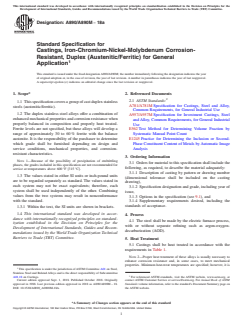
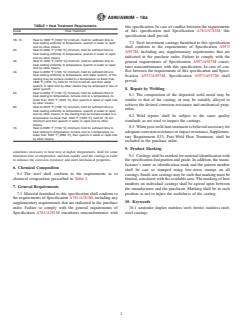
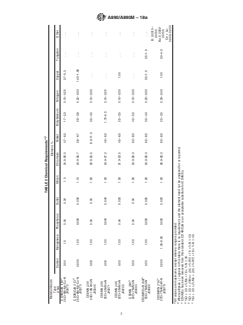
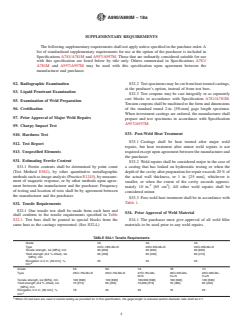
ASTM A890/A890M-18a - Standard Specification for Castings, Iron-Chromium-Nickel-Molybdenum Corrosion-Resistant, Duplex (Austenitic/Ferritic) for General Application
REDLINE ASTM A890/A890M-18a - Standard Specification for Castings, Iron-Chromium-Nickel-Molybdenum Corrosion-Resistant, Duplex (Austenitic/Ferritic) for General Application
Overview
ASTM A890/A890M-18a is the internationally recognized standard specification for castings made from iron-chromium-nickel-molybdenum corrosion-resistant duplex stainless steels, with austenitic and ferritic microstructures. Developed by ASTM International, this standard provides comprehensive requirements for the chemical composition, heat treatment, manufacture, and marking of duplex stainless steel castings intended for general use, particularly where corrosion resistance and mechanical strength are essential.
Duplex stainless steels, as specified under ASTM A890/A890M, combine the properties of both austenitic and ferritic alloys, resulting in castings with high strength, excellent toughness, and enhanced corrosion resistance. The standard is widely applied in industries such as chemical processing, petrochemical, oil and gas, and marine environments.
Key Topics
- Material Grades: ASTM A890/A890M includes a range of material grades, each with specific compositions of chromium, nickel, molybdenum, nitrogen, and other elements. Users must select the appropriate grade based on service condition, alloy requirements, and performance criteria.
- Heat Treatment: Proper heat treatment is essential to achieve optimal corrosion resistance and mechanical properties. The standard prescribes minimum heat-treating temperatures and procedures, including holding times and rapid cooling techniques.
- Chemical Composition: The standard defines strict limits for various elements including carbon, manganese, silicon, phosphorus, sulfur, chromium, nickel, molybdenum, copper, tungsten, and nitrogen, ensuring uniformity and quality across all castings.
- Mechanical Properties: Mechanical performance, such as tensile and yield strength as well as elongation, is addressed through supplementary testing requirements.
- Product Marking: All castings must be clearly marked with the specification designation, grade, manufacturer’s identification, and pattern number for traceability and quality assurance.
- Corrosion Resistance: Duplex stainless steel castings produced in accordance with this standard are designed for superior corrosion resistance in aggressive environments, provided heat treatment and composition requirements are met.
- Service Temperature: The standard advises against using the covered grades for service above 600°F [315°C] due to the risk of embrittling phase precipitation.
Applications
ASTM A890/A890M duplex stainless steel castings are utilized in a wide range of demanding applications, including:
- Chemical Processing Equipment: Components exposed to corrosive chemicals benefit from the enhanced resistance offered by these alloys.
- Petrochemical and Oil & Gas Industry: Suitable for pipelines, pumps, and valves where mechanical strength and corrosion resistance are crucial.
- Marine Environments: Ideal for seawater handling and desalination systems due to excellent chloride stress corrosion cracking resistance.
- Pulp and Paper Industry: Used in bleach plants and other corrosive process environments.
- Water Treatment Plants: Reliable for parts exposed to high chloride and other aggressive substances.
Selection of the suitable alloy grade depends on required properties such as corrosion resistance, yield strength, and toughness for the specific application.
Related Standards
For effective use and conformance, ASTM A890/A890M references several related documents:
- ASTM A781/A781M: General requirements for steel and alloy castings for industrial use.
- ASTM A957/A957M: Requirements specific to investment castings, steel and alloy.
- ASTM E562: Test method for determining volume fraction by systematic manual point count.
- ASTM E1245: Practice for determining inclusion or second-phase constituent content of metals by automatic image analysis.
These related standards provide additional specifications for testing, quality assurance, and supplementary examinations suitable for duplex stainless steel castings.
Keywords: ASTM A890, duplex stainless steel, corrosion-resistant castings, heat treatment, mechanical properties, material grades, austenitic ferritic steel, industry standards
Relations
- Effective Date
- 01-Sep-2018
- Effective Date
- 15-Aug-2019
- Effective Date
- 01-Sep-2018
- Effective Date
- 01-Sep-2018
- Effective Date
- 01-Jun-2018
- Effective Date
- 15-May-2018
- Effective Date
- 15-May-2018
- Effective Date
- 01-Jan-2018
- Effective Date
- 01-May-2017
- Effective Date
- 01-Dec-2016
- Effective Date
- 01-Nov-2015
- Effective Date
- 01-Mar-2015
- Effective Date
- 01-Oct-2014
- Effective Date
- 01-Oct-2014
- Effective Date
- 01-May-2014
Buy Documents
ASTM A890/A890M-18a - Standard Specification for Castings, Iron-Chromium-Nickel-Molybdenum Corrosion-Resistant, Duplex (Austenitic/Ferritic) for General Application
REDLINE ASTM A890/A890M-18a - Standard Specification for Castings, Iron-Chromium-Nickel-Molybdenum Corrosion-Resistant, Duplex (Austenitic/Ferritic) for General Application
Get Certified
Connect with accredited certification bodies for this standard

Element Materials Technology
Materials testing and product certification.

Inštitut za kovinske materiale in tehnologije
Institute of Metals and Technology. Materials testing, metallurgical analysis, NDT.
Sponsored listings
Frequently Asked Questions
ASTM A890/A890M-18a is a technical specification published by ASTM International. Its full title is "Standard Specification for Castings, Iron-Chromium-Nickel-Molybdenum Corrosion-Resistant, Duplex (Austenitic/Ferritic) for General Application". This standard covers: ABSTRACT This specification covers castings, iron-chromium-nickel-molybdenum corrosion-resistant, duplex(austenitic/ferritic) for general application. Castings shall be heat treated in accordance with the required procedure and heat-treat temperature. Proper heat treatment of these alloys is usually necessary to enhance corrosion resistance and in some cases to meet mechanical properties. Minimum heat-treat temperatures are specified; however, it is sometimes necessary to heat-treat at higher temperatures, hold for some minimum time at temperature and then rapidly cool the castings in order to enhance the corrosion resistance and meet the required mechanical properties. The steel shall conform to the required chemical composition for carbon, manganese, silicon, phosphorus, sulfur, chromium, nickel, molybdenum, copper, tungsten, and nitrogen. Castings shall be marked for material identification with the specification designation and grade. SCOPE 1.1 This specification covers a group of cast duplex stainless steels (austenitic/ferritic). 1.2 The duplex stainless steel alloys offer a combination of enhanced mechanical properties and corrosion resistance when properly balanced in composition and properly heat treated. Ferrite levels are not specified, but these alloys will develop a range of approximately 30 to 60 % ferrite with the balance austenite. It is the responsibility of the purchaser to determine which grade shall be furnished depending on design and service conditions, mechanical properties, and corrosion-resistant characteristics. Note 1: Because of the possibility of precipitation of embrittling phases, the grades included in this specification are not recommended for service at temperatures above 600 °F [315 °C]. 1.3 The values stated in either SI units or inch-pound units are to be regarded separately as standard. The values stated in each system may not be exact equivalents; therefore, each system shall be used independently of the other. Combining values from the two systems may result in nonconformance with the standard. 1.3.1 Within the text, the SI units are shown in brackets. 1.4 This international standard was developed in accordance with internationally recognized principles on standardization established in the Decision on Principles for the Development of International Standards, Guides and Recommendations issued by the World Trade Organization Technical Barriers to Trade (TBT) Committee.
ABSTRACT This specification covers castings, iron-chromium-nickel-molybdenum corrosion-resistant, duplex(austenitic/ferritic) for general application. Castings shall be heat treated in accordance with the required procedure and heat-treat temperature. Proper heat treatment of these alloys is usually necessary to enhance corrosion resistance and in some cases to meet mechanical properties. Minimum heat-treat temperatures are specified; however, it is sometimes necessary to heat-treat at higher temperatures, hold for some minimum time at temperature and then rapidly cool the castings in order to enhance the corrosion resistance and meet the required mechanical properties. The steel shall conform to the required chemical composition for carbon, manganese, silicon, phosphorus, sulfur, chromium, nickel, molybdenum, copper, tungsten, and nitrogen. Castings shall be marked for material identification with the specification designation and grade. SCOPE 1.1 This specification covers a group of cast duplex stainless steels (austenitic/ferritic). 1.2 The duplex stainless steel alloys offer a combination of enhanced mechanical properties and corrosion resistance when properly balanced in composition and properly heat treated. Ferrite levels are not specified, but these alloys will develop a range of approximately 30 to 60 % ferrite with the balance austenite. It is the responsibility of the purchaser to determine which grade shall be furnished depending on design and service conditions, mechanical properties, and corrosion-resistant characteristics. Note 1: Because of the possibility of precipitation of embrittling phases, the grades included in this specification are not recommended for service at temperatures above 600 °F [315 °C]. 1.3 The values stated in either SI units or inch-pound units are to be regarded separately as standard. The values stated in each system may not be exact equivalents; therefore, each system shall be used independently of the other. Combining values from the two systems may result in nonconformance with the standard. 1.3.1 Within the text, the SI units are shown in brackets. 1.4 This international standard was developed in accordance with internationally recognized principles on standardization established in the Decision on Principles for the Development of International Standards, Guides and Recommendations issued by the World Trade Organization Technical Barriers to Trade (TBT) Committee.
ASTM A890/A890M-18a is classified under the following ICS (International Classification for Standards) categories: 77.140.80 - Iron and steel castings. The ICS classification helps identify the subject area and facilitates finding related standards.
ASTM A890/A890M-18a has the following relationships with other standards: It is inter standard links to ASTM A890/A890M-18, ASTM E562-19e1, ASTM A957/A957M-18a, ASTM A781/A781M-18c, ASTM A781/A781M-18b, ASTM A781/A781M-18a, ASTM A957/A957M-18, ASTM A781/A781M-18, ASTM A781/A781M-17, ASTM A781/A781M-16, ASTM A957/A957M-15a, ASTM A957/A957M-15, ASTM A957/A957M-14, ASTM A781/A781M-14b, ASTM A781/A781M-14a. Understanding these relationships helps ensure you are using the most current and applicable version of the standard.
ASTM A890/A890M-18a is available in PDF format for immediate download after purchase. The document can be added to your cart and obtained through the secure checkout process. Digital delivery ensures instant access to the complete standard document.
Standards Content (Sample)
This international standard was developed in accordance with internationally recognized principles on standardization established in the Decision on Principles for the
Development of International Standards, Guides and Recommendations issued by the World Trade Organization Technical Barriers to Trade (TBT) Committee.
Designation: A890/A890M −18a
Standard Specification for
Castings, Iron-Chromium-Nickel-Molybdenum Corrosion-
Resistant, Duplex (Austenitic/Ferritic) for General
Application
This standard is issued under the fixed designationA890/A890M; the number immediately following the designation indicates the year
of original adoption or, in the case of revision, the year of last revision. A number in parentheses indicates the year of last reapproval.
A superscript epsilon (´) indicates an editorial change since the last revision or reapproval.
1. Scope* 2. Referenced Documents
2.1 ASTM Standards:
1.1 Thisspecificationcoversagroupofcastduplexstainless
A781/A781M Specification for Castings, Steel and Alloy,
steels (austenitic/ferritic).
Common Requirements, for General Industrial Use
1.2 The duplex stainless steel alloys offer a combination of
A957/A957M Specification for Investment Castings, Steel
enhanced mechanical properties and corrosion resistance when
and Alloy, Common Requirements, for General Industrial
properly balanced in composition and properly heat treated.
Use
Ferrite levels are not specified, but these alloys will develop a
E562 Test Method for Determining Volume Fraction by
range of approximately 30 to 60 % ferrite with the balance
Systematic Manual Point Count
austenite. It is the responsibility of the purchaser to determine E1245 Practice for Determining the Inclusion or Second-
which grade shall be furnished depending on design and Phase Constituent Content of Metals byAutomatic Image
service conditions, mechanical properties, and corrosion- Analysis
resistant characteristics.
3. Ordering Information
NOTE 1—Because of the possibility of precipitation of embrittling
3.1 Orders for material to this specification shall include the
phases, the grades included in this specification are not recommended for
following, as required, to describe the material adequately:
service at temperatures above 600 °F [315 °C].
3.1.1 Description of casting by pattern or drawing number
1.3 The values stated in either SI units or inch-pound units
(dimensional tolerance shall be included on the casting
are to be regarded separately as standard. The values stated in
drawing),
each system may not be exact equivalents; therefore, each
3.1.2 Specification designation and grade, including year of
system shall be used independently of the other. Combining
issue,
values from the two systems may result in nonconformance
3.1.3 Options in the specification (see 9.1), and
with the standard.
3.1.4 Supplementary requirements desired, including the
standards of acceptance.
1.3.1 Within the text, the SI units are shown in brackets.
1.4 This international standard was developed in accor-
4. Process
dance with internationally recognized principles on standard-
4.1 The steel shall be made by the electric furnace process,
ization established in the Decision on Principles for the
with or without separate refining such as argon-oxygen-
Development of International Standards, Guides and Recom-
decarburization (AOD).
mendations issued by the World Trade Organization Technical
Barriers to Trade (TBT) Committee.
5. Heat Treatment
5.1 Castings shall be heat treated in accordance with the
requirements in Table 1.
NOTE 2—Proper heat treatment of these alloys is usually necessary to
enhance corrosion resistance and, in some cases, to meet mechanical
properties. Minimum heat-treat temperatures are specified; however, it is
This specification is under the jurisdiction of ASTM Committee A01 on Steel,
Stainless Steel and Related Alloys and is the direct responsibility of Subcommittee
A01.18 on Castings. For referenced ASTM standards, visit the ASTM website, www.astm.org, or
Current edition approved Sept. 1, 2018. Published October 2018. Originally contact ASTM Customer Service at service@astm.org. For Annual Book of ASTM
approved in 1988. Last previous edition approved in 2018 as A890/A890M – 18. Standards volume information, refer to the standard’s Document Summary page on
DOI: 10.1520/A0890_A0890M-18A. the ASTM website.
*A Summary of Changes section appears at the end of this standard
Copyright © ASTM International, 100 Barr Harbor Drive, PO Box C700, West Conshohocken, PA 19428-2959. United States
A890/A890M − 18a
TABLE 1 Heat Treatment Requirements
this specification. In case of conflict between the requirements
Grade Heat Treatment of this specification and Specification A781/A781M, this
specification shall prevail.
1B, 1C Heat to 1900 °F [1040 °C] minimum, hold for sufficient time to
7.2 Steel investment castings furnished to this specification
heat casting uniformly to temperature, quench in water or rapid
cool by other means.
shall conform to the requirements of Specification A957/
2A Heat to 2050 °F [1120 °C] minimum, hold for sufficient time to
A957M, including any supplementary requirements that are
heat casting uniformly to temperature, quench in water or rapid
indicated in the purchase order. Failure to comply with the
cool by other means.
3A Heat to 1950 °F [1070 °C] minimum, hold for sufficient time to
general requirements of Specification A957/A957M consti-
heat casting uniformly to temperature, quench in water or rapid
tutes nonconformance with this specification. In case of con-
cool by other means.
4A Heat to 2050 °F [1120 °C] minimum, hold for sufficient time to flict between the requirements of this specification and Speci-
heat casting uniformly to temperature, and water quench, or the
fication A957/A957M, Specification A957/A957M shall
casting may be furnace cooled to a temperature no lower than
prevail.
1850 °F [1010 °C], hold for 15 min minimum and then water
quench. A rapid cool by other means may be employed in lieu of
8. Repair by Welding
water quench.
5A Heat to 2050 °F [1120 °C] minimum, hold for sufficient time to
8.1 The composition of the deposited weld metal may be
heat casting to temperature, furnace cool to a temperature no
lower than 1910 °F [1045 °C], then quench in water or rapid cool similar to that of the casting, or may be suitably alloyed to
by other means.
achieve the desired corrosion resistance and mechanical prop-
6A Heat to 2010 °F [1100 °C] minimum, hold for sufficient time to
erties.
heat casting uniformly to temperature, quench in water or rapid
cool by other means, or the casting may be furnace cooled to a
8.2 Weld repairs shall be subject to the same quality
temperature no lower than 1925 °F [1050 °C], hold for 15 min
standards as are used to inspect the castings.
minimum and then quench in water or rapid cool by other
means.
8.3 Whenpost-weldheattreatmentisbelievednecessaryfor
7A Heat to 2065 °F [1130 °C] minimum, hold for sufficient time to
heat casting to temperature, furnace cool to a temperature no adequatecorrosionresistanceorimpactresistance,Supplemen-
lower than 1940 °F [1060 °C], then quench in water or rapid cool
tary Requirement S33, Post-Weld Heat Treatment, shall be
by other means.
included in the purchase order.
9. Product Marking
sometimes necessary to heat treat at higher temperatures, hold for some
9.1 Castings shall be marked for material identification with
minimum time at temperature, and then rapidly cool the castings in order
to enhance the corrosion resistance and meet mechanical properties.
the specification designation and grade. In addition, the manu-
facturer’s name or identification mark and the pattern number
6. Chemical Composition
shall be cast or stamped using low-stress stamps on all
6.1 The steel shall conform to the requirements as to
castings.Small-sizecastingsmaybesuchthatmarkingmustbe
chemical composition prescribed in Table 2.
limited, consistent with the available area.The marking of heat
numbers on individual castings shall be agreed upon between
7. General Requirements
the manufacturer and the purchaser. Marking shall be in such
7.1 Material furnished to this
...
This document is not an ASTM standard and is intended only to provide the user of an ASTM standard an indication of what changes have been made to the previous version. Because
it may not be technically possible to adequately depict all changes accurately, ASTM recommends that users consult prior editions as appropriate. In all cases only the current version
of the standard as published by ASTM is to be considered the official document.
Designation: A890/A890M − 18 A890/A890M − 18a
Standard Specification for
Castings, Iron-Chromium-Nickel-Molybdenum Corrosion-
Resistant, Duplex (Austenitic/Ferritic) for General
Application
This standard is issued under the fixed designation A890/A890M; the number immediately following the designation indicates the year
of original adoption or, in the case of revision, the year of last revision. A number in parentheses indicates the year of last reapproval.
A superscript epsilon (´) indicates an editorial change since the last revision or reapproval.
1. Scope*
1.1 This specification covers a group of cast duplex stainless steels (austenitic/ferritic).
1.2 The duplex stainless steel alloys offer a combination of enhanced mechanical properties and corrosion resistance when
properly balanced in composition and properly heat treated. Ferrite levels are not specified, but these alloys will develop a range
of approximately 30 to 60 % ferrite with the balance austenite. It is the responsibility of the purchaser to determine which grade
shall be furnished depending on design and service conditions, mechanical properties, and corrosion-resistant characteristics.
NOTE 1—Because of the possibility of precipitation of embrittling phases, the grades included in this specification are not recommended for service
at temperatures above 600 °F [315 °C].
1.3 The values stated in either SI units or inch-pound units are to be regarded separately as standard. The values stated in each
system may not be exact equivalents; therefore, each system shall be used independently of the other. Combining values from the
two systems may result in nonconformance with the standard.
1.3.1 Within the text, the SI units are shown in brackets.
1.4 This international standard was developed in accordance with internationally recognized principles on standardization
established in the Decision on Principles for the Development of International Standards, Guides and Recommendations issued
by the World Trade Organization Technical Barriers to Trade (TBT) Committee.
2. Referenced Documents
2.1 ASTM Standards:
A781/A781M Specification for Castings, Steel and Alloy, Common Requirements, for General Industrial Use
A957/A957M Specification for Investment Castings, Steel and Alloy, Common Requirements, for General Industrial Use
E562 Test Method for Determining Volume Fraction by Systematic Manual Point Count
E1245 Practice for Determining the Inclusion or Second-Phase Constituent Content of Metals by Automatic Image Analysis
3. Ordering Information
3.1 Orders for material to this specification shall include the following, as required, to describe the material adequately:
3.1.1 Description of casting by pattern or drawing number (dimensional tolerance shall be included on the casting drawing),
3.1.2 Specification designation and grade, including year of issue,
3.1.3 Options in the specification (see 9.1), and
3.1.4 Supplementary requirements desired, including the standards of acceptance.
4. Process
4.1 The steel shall be made by the electric furnace process, with or without separate refining such as argon-oxygen-
decarburization (AOD).
This specification is under the jurisdiction of ASTM Committee A01 on Steel, Stainless Steel and Related Alloys and is the direct responsibility of Subcommittee A01.18
on Castings.
Current edition approved May 1, 2018Sept. 1, 2018. Published May 2018October 2018. Originally approved in 1988. Last previous edition approved in 20132018 as
A890/A890M – 13.A890/A890M – 18. DOI: 10.1520/A0890_A0890M-18.10.1520/A0890_A0890M-18A.
For referenced ASTM standards, visit the ASTM website, www.astm.org, or contact ASTM Customer Service at service@astm.org. For Annual Book of ASTM Standards
volume information, refer to the standard’s Document Summary page on the ASTM website.
*A Summary of Changes section appears at the end of this standard
Copyright © ASTM International, 100 Barr Harbor Drive, PO Box C700, West Conshohocken, PA 19428-2959. United States
A890/A890M − 18a
5. Heat Treatment
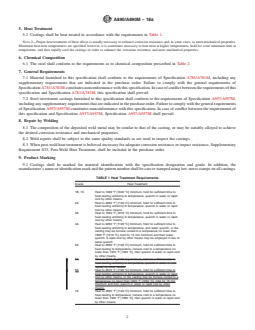
5.1 Castings shall be heat treated in accordance with the requirements in Table 1.
NOTE 2—Proper heat treatment of these alloys is usually necessary to enhance corrosion resistance and, in some cases, to meet mechanical properties.
Minimum heat-treat temperatures are specified; however, it is sometimes necessary to heat treat at higher temperatures, hold for some minimum time at
temperature, and then rapidly cool the castings in order to enhance the corrosion resistance and meet mechanical properties.
6. Chemical Composition
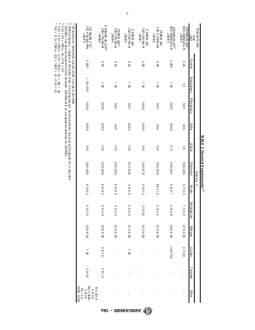
6.1 The steel shall conform to the requirements as to chemical composition prescribed in Table 2.
7. General Requirements
7.1 Material furnished to this specification shall conform to the requirements of Specification A781/A781M, including any
supplementary requirements that are indicated in the purchase order. Failure to comply with the general requirements of
Specification A781/A781M constitutes nonconformance with this specification. In case of conflict between the requirements of this
specification and Specification A781/A781M, this specification shall prevail.
7.2 Steel investment castings furnished to this specification shall conform to the requirements of Specification A957/A957M,
including any supplementary requirements that are indicated in the purchase order. Failure to comply with the general requirements
of Specification A957/A957M constitutes nonconformance with this specification. In case of conflict between the requirements of
this specification and Specification A957/A957M, Specification A957/A957M shall prevail.
8. Repair by Welding
8.1 The composition of the deposited weld metal may be similar to that of the casting, or may be suitably alloyed to achieve
the desired corrosion resistance and mechanical properties.
8.2 Weld repairs shall be subject to the same quality standards as are used to inspect the castings.
8.3 When post-weld heat treatment is believed necessary for adequate corrosion resistance or impact resistance, Supplementary
Requirement S33, Post-Weld Heat Treatment, shall be included in the purchase order.
9. Product Marking
9.1 Castings shall be marked for material identification with the specification designation and grade. In addition, the
manufacturer’s name or identification mark and the pattern number shall be cast or stamped using low-stress stamps on all castings.
TABLE 1 Heat Treatment Requirements
Grade Heat Treatment
1B, 1C Heat to 1900 °F [1040 °C] minimum, hold for sufficient time to
heat casting uniformly to temperature, quench in water or rapid
cool by other means.
2A Heat to 2050 °F [1120 °C] minimum, hold for sufficient time to
heat casting uniformly to temperature, quench in water or rapid
cool by other means.
3A Heat to 1950 °F [1070 °C] minimum, hold for sufficient time to
heat casting uniformly to temperature, quench in water or rapid
cool by other means.
4A Heat to 2050 °F [1120 °C] minimum, hold for sufficient time to
heat casting uniformly to temperature, and water quench, or the
casting may be furnace cooled to a temperature no lower than
1850 °F [1010 °C], hold for 15 min minimum and then water
quench. A rapid cool by other means may be employed in lieu of
water quench.
5A Heat to 2050 °F [1120 °C] minimum, hold for sufficient time to
heat casting to temperature, furnace cool to a temperature no
lower than 1910 °F [1045 °C], then quench in water or rapid cool
by other means.
6A Heat to 2010 °F [1100 °C] minimum, hold for sufficient time to
heat casting uniformly to temperature, quench in water or cool
rapidly by other means.
6A Heat to 2010 °F [1100 °C] minimum, hold for sufficient time to
heat casting uniformly to temperature, quench in water or rapid
cool by other means, or the casting may be furnace cooled to a
temperature no lower than 1925 °F [1050 °C], hold for 15 min
minimum and then quench in water or rapid cool by other
means.
7A Heat to 2065 °F [1130 °C] minimum, hold for sufficient time to
heat casting to temperature,
...