

ASTM F3592-23
(Guide)Standard Guide for Additive Manufacturing of Metals – Powder Bed Fusion – Guidelines for Feedstock Re-use and Sampling Strategies
General Information
- Abstract
SIGNIFICANCE AND USE
4.1 The overall aim of this guide is to support AM users with the selection of the optimum re-use strategy for their AM process and end-use application, and provide guidance on how to implement re-use strategies in their organization.
4.2 This guide suggests possible control measures that AM users can use to maintain powder quality, and factors to consider when validating selected re-use strategies, including guidance on sampling techniques.
4.3 This guide is intended for metal powders used in Powder Bed Fusion processes.
SCOPE
1.1 This guide:
1.1.1 Defines key powder re-use variables and factors affecting powder re-use strategies.
1.1.2 Outlines implications associated with implementation of powder re-use strategies based on selection of powder re-use variables and factors.
1.1.3 Provides guidance to AM users in selection of factors in powder re-use variables depending on considered material type, AM process type and end-use application.
1.1.4 Provides guidance on key process variables affecting powder properties, and considerations to mitigate their effects.
1.1.5 Identifies key powder properties that may be affected by powder re-use and provides AM users guidance on control measures that can be exploited to ensure quality of re-used powder.
1.1.6 Provides recommendations and guidance on factors to consider when implementing powder re-use strategies.
1.1.7 Provides information on how to design a powder re-use study to validate the selected re-use variables.
1.1.8 Summarizes sampling techniques and provides recommendations to AM users on sampling technique selection, and suitability of sampling techniques for powder re-use strategies.
1.1.9 Provides factors to consider when designing a powder sampling study to validate the selected sampling technique.
1.2 Units—The values stated in SI units are to be regarded as the standard units. No other units of measurement are included in this standard.
1.3 This standard does not purport to address all of the safety concerns, if any, associated with its use. It is the responsibility of the user of this standard to establish appropriate safety, health, and environmental practices and determine the applicability of regulatory limitations prior to use.
1.4 This international standard was developed in accordance with internationally recognized principles on standardization established in the Decision on Principles for the Development of International Standards, Guides and Recommendations issued by the World Trade Organization Technical Barriers to Trade (TBT) Committee.
- Status
- Published
- Publication Date
- 14-Jul-2023
- Technical Committee
- F42 - Additive Manufacturing Technologies
- Drafting Committee
- F42.05 - Materials and Processes
Overview
ASTM F3592-23: Standard Guide for Additive Manufacturing of Metals – Powder Bed Fusion – Guidelines for Feedstock Re-use and Sampling Strategies provides comprehensive guidance for the re-use of metal powder feedstock in Powder Bed Fusion (PBF) additive manufacturing (AM) processes. Developed by ASTM, this standard is designed to support users throughout the metal AM industry, helping organizations select optimum powder re-use strategies tailored to both their AM process and specific end-use applications. The guide outlines essential control measures for maintaining powder quality, considerations for powder sampling, and factors affecting the validation and implementation of powder re-use strategies.
This guide applies primarily to metal powders utilized in PBF processes, including both laser-based (PBF-LB) and electron beam-based (PBF-EB) systems. It addresses powder handling, process variables, risk mitigation, and strategies for consistent part quality, supporting the safe and effective recycling and re-use of expensive metal feedstock in modern AM environments.
Key Topics
- Powder Re-use Variables: The guide defines critical variables such as feedstock source (single/multiple lot), top-up strategies (adding virgin or different lots), blending practices, and powder handling environments (internal/controlled, external/uncontrolled). Each variable is detailed with its implications on process quality and traceability.
- Control Measures to Ensure Powder Quality: Recommendations are provided to maintain optimal powder properties, which may be affected by repeated use, such as sieving to remove oversized particles, and maintaining controlled environmental conditions to mitigate oxidation or contamination.
- Strategies for Validating Re-use: Clear steps are outlined on designing powder re-use studies, including how to validate chosen re-use variables, assess process suitability, and monitor powder properties over multiple reuse cycles.
- Sampling Techniques: The guide summarizes standard and non-standard sampling methodologies essential for quality assurance, including references to relevant ASTM practices for sampling and sub-sampling metal powders. It covers best practices for representative sampling, proper sample handling, and equipment cleanliness.
- Powder Handling Operations: Discussion includes practical workflow stages such as powder loading, build cycle, powder recovery, sieving, blending, and storage. Hazards and safety best practices are emphasized for handling combustible fine metal powders.
- Process Variables: Attention is given to variables such as build chamber environment, laser/electron beam parameters, shielding gas flow, powder humidity, and contamination risks, and their impacts on powder and final part quality.
Applications
ASTM F3592-23 is valuable across industries leveraging metal additive manufacturing, including aerospace, medical device fabrication, energy sector components, and advanced manufacturing research. Key applications include:
- Powder Bed Fusion Manufacturing: Ensuring effective, traceable, and validated powder re-use for industries requiring high part reliability and material traceability.
- Quality Control and Regulatory Compliance: Supporting manufacturing environments where maintaining consistent material and part quality is vital, including applications governed by strict end-use requirements.
- Cost Optimization: Helping organizations optimize expensive metal powder usage by providing robust guidelines for re-use without compromising quality or safety.
- Research and Development: Serving as a technical basis for developing internal procedures, material qualification programs, and further innovation in AM powder handling and recycling.
Related Standards
ASTM F3592-23 references and aligns with a number of other important standards for additive manufacturing, metal powders, and sampling procedures, including:
- ASTM B215: Practices for Sampling Metal Powders
- ASTM B243: Terminology of Powder Metallurgy
- ASTM F2924, F3001, F3055, F3184, F3318: Specifications for additive manufacturing with various alloys and PBF processes
- ASTM F3456: Guide for Powder Reuse Schema in Powder Bed Fusion Processes for Medical Applications
- ISO/ASTM 52900: Additive manufacturing - General principles - Fundamentals and vocabulary
- ISO/ASTM 52907: Additive manufacturing - Feedstock materials - Methods to characterize metal powders
These related standards provide further technical context and procedural detail for organizations looking to fully implement robust powder bed fusion and powder management systems.
By following ASTM F3592-23, organizations can standardize their approach to powder re-use in PBF additive manufacturing, reduce costs, maintain high-quality standards, and ensure safety and traceability in critical metal AM production environments.
Relations
- Effective Date
- 15-Dec-2023
- Effective Date
- 01-Oct-2018
- Effective Date
- 01-Sep-2016
- Effective Date
- 01-Jul-2016
- Effective Date
- 01-Feb-2014
- Effective Date
- 01-Feb-2014
- Effective Date
- 01-Nov-2013
- Effective Date
- 01-Apr-2013
- Effective Date
- 15-Dec-2012
- Effective Date
- 15-Jul-2012
- Effective Date
- 01-Feb-2012
- Effective Date
- 15-Nov-2011
- Effective Date
- 01-Dec-2010
- Effective Date
- 15-Jan-2010
- Effective Date
- 15-Dec-2009
Frequently Asked Questions
ASTM F3592-23 is a guide published by ASTM International. Its full title is "Standard Guide for Additive Manufacturing of Metals – Powder Bed Fusion – Guidelines for Feedstock Re-use and Sampling Strategies". This standard covers: SIGNIFICANCE AND USE 4.1 The overall aim of this guide is to support AM users with the selection of the optimum re-use strategy for their AM process and end-use application, and provide guidance on how to implement re-use strategies in their organization. 4.2 This guide suggests possible control measures that AM users can use to maintain powder quality, and factors to consider when validating selected re-use strategies, including guidance on sampling techniques. 4.3 This guide is intended for metal powders used in Powder Bed Fusion processes. SCOPE 1.1 This guide: 1.1.1 Defines key powder re-use variables and factors affecting powder re-use strategies. 1.1.2 Outlines implications associated with implementation of powder re-use strategies based on selection of powder re-use variables and factors. 1.1.3 Provides guidance to AM users in selection of factors in powder re-use variables depending on considered material type, AM process type and end-use application. 1.1.4 Provides guidance on key process variables affecting powder properties, and considerations to mitigate their effects. 1.1.5 Identifies key powder properties that may be affected by powder re-use and provides AM users guidance on control measures that can be exploited to ensure quality of re-used powder. 1.1.6 Provides recommendations and guidance on factors to consider when implementing powder re-use strategies. 1.1.7 Provides information on how to design a powder re-use study to validate the selected re-use variables. 1.1.8 Summarizes sampling techniques and provides recommendations to AM users on sampling technique selection, and suitability of sampling techniques for powder re-use strategies. 1.1.9 Provides factors to consider when designing a powder sampling study to validate the selected sampling technique. 1.2 Units—The values stated in SI units are to be regarded as the standard units. No other units of measurement are included in this standard. 1.3 This standard does not purport to address all of the safety concerns, if any, associated with its use. It is the responsibility of the user of this standard to establish appropriate safety, health, and environmental practices and determine the applicability of regulatory limitations prior to use. 1.4 This international standard was developed in accordance with internationally recognized principles on standardization established in the Decision on Principles for the Development of International Standards, Guides and Recommendations issued by the World Trade Organization Technical Barriers to Trade (TBT) Committee.
SIGNIFICANCE AND USE 4.1 The overall aim of this guide is to support AM users with the selection of the optimum re-use strategy for their AM process and end-use application, and provide guidance on how to implement re-use strategies in their organization. 4.2 This guide suggests possible control measures that AM users can use to maintain powder quality, and factors to consider when validating selected re-use strategies, including guidance on sampling techniques. 4.3 This guide is intended for metal powders used in Powder Bed Fusion processes. SCOPE 1.1 This guide: 1.1.1 Defines key powder re-use variables and factors affecting powder re-use strategies. 1.1.2 Outlines implications associated with implementation of powder re-use strategies based on selection of powder re-use variables and factors. 1.1.3 Provides guidance to AM users in selection of factors in powder re-use variables depending on considered material type, AM process type and end-use application. 1.1.4 Provides guidance on key process variables affecting powder properties, and considerations to mitigate their effects. 1.1.5 Identifies key powder properties that may be affected by powder re-use and provides AM users guidance on control measures that can be exploited to ensure quality of re-used powder. 1.1.6 Provides recommendations and guidance on factors to consider when implementing powder re-use strategies. 1.1.7 Provides information on how to design a powder re-use study to validate the selected re-use variables. 1.1.8 Summarizes sampling techniques and provides recommendations to AM users on sampling technique selection, and suitability of sampling techniques for powder re-use strategies. 1.1.9 Provides factors to consider when designing a powder sampling study to validate the selected sampling technique. 1.2 Units—The values stated in SI units are to be regarded as the standard units. No other units of measurement are included in this standard. 1.3 This standard does not purport to address all of the safety concerns, if any, associated with its use. It is the responsibility of the user of this standard to establish appropriate safety, health, and environmental practices and determine the applicability of regulatory limitations prior to use. 1.4 This international standard was developed in accordance with internationally recognized principles on standardization established in the Decision on Principles for the Development of International Standards, Guides and Recommendations issued by the World Trade Organization Technical Barriers to Trade (TBT) Committee.
ASTM F3592-23 has the following relationships with other standards: It is inter standard links to ASTM F3184-16(2023), ASTM B243-18, ASTM F3184-16, ASTM B243-16, ASTM F3055-14, ASTM F3055-14e1, ASTM B243-13, ASTM F3001-13, ASTM F2924-12a, ASTM B243-12, ASTM F2924-12, ASTM B243-11, ASTM B215-10, ASTM B243-10, ASTM B243-09a. Understanding these relationships helps ensure you are using the most current and applicable version of the standard.
ASTM F3592-23 is available in PDF format for immediate download after purchase. The document can be added to your cart and obtained through the secure checkout process. Digital delivery ensures instant access to the complete standard document.
Standards Content (Sample)
This international standard was developed in accordance with internationally recognized principles on standardization established in the Decision on Principles for the
Development of International Standards, Guides and Recommendations issued by the World Trade Organization Technical Barriers to Trade (TBT) Committee.
Designation: F3592 − 23
Standard Guide for
Additive Manufacturing of Metals – Powder Bed Fusion –
Guidelines for Feedstock Re-use and Sampling Strategies
This standard is issued under the fixed designation F3592; the number immediately following the designation indicates the year of
original adoption or, in the case of revision, the year of last revision. A number in parentheses indicates the year of last reapproval. A
superscript epsilon (´) indicates an editorial change since the last revision or reapproval.
1. Scope Development of International Standards, Guides and Recom-
mendations issued by the World Trade Organization Technical
1.1 This guide:
Barriers to Trade (TBT) Committee.
1.1.1 Defines key powder re-use variables and factors af-
fecting powder re-use strategies.
2. Referenced Documents
1.1.2 Outlines implications associated with implementation
2.1 ASTM Standards:
of powder re-use strategies based on selection of powder re-use
B215 Practices for Sampling Metal Powders
variables and factors.
B243 Terminology of Powder Metallurgy
1.1.3 Provides guidance to AM users in selection of factors
F2924 Specification for Additive Manufacturing Titanium-6
in powder re-use variables depending on considered material
Aluminum-4 Vanadium with Powder Bed Fusion
type, AM process type and end-use application.
F3001 Specification for Additive Manufacturing Titanium-6
1.1.4 Provides guidance on key process variables affecting
Aluminum-4 Vanadium ELI (Extra Low Interstitial) with
powder properties, and considerations to mitigate their effects.
Powder Bed Fusion
1.1.5 Identifies key powder properties that may be affected
F3055 Specification for Additive Manufacturing Nickel Al-
by powder re-use and provides AM users guidance on control
loy (UNS N07718) with Powder Bed Fusion
measures that can be exploited to ensure quality of re-used
F3184 Specification for Additive Manufacturing Stainless
powder.
Steel Alloy (UNS S31603) with Powder Bed Fusion
1.1.6 Provides recommendations and guidance on factors to
F3318 for Additive Manufacturing – Finished Part Proper-
consider when implementing powder re-use strategies.
ties – Specification for AlSi10Mg with Powder Bed
1.1.7 Provides information on how to design a powder
Fusion – Laser Beam
re-use study to validate the selected re-use variables.
F3456 Guide for Powder Reuse Schema in Powder Bed
1.1.8 Summarizes sampling techniques and provides recom-
Fusion Processes for Medical Applications for Additive
mendations to AM users on sampling technique selection, and
Manufacturing Feedstock Materials
suitability of sampling techniques for powder re-use strategies.
2.2 ISO/ASTM Standards:
1.1.9 Provides factors to consider when designing a powder
sampling study to validate the selected sampling technique. ISO/ASTM FDIS 52900 Additive manufacturing — General
principles — Fundamentals and vocabulary
1.2 Units—The values stated in SI units are to be regarded
ISO/ASTM PWI 52928 Additive manufacturing of metals
as the standard units. No other units of measurement are
— Feedstock materials — Powder life cycle management
included in this standard.
ISO/ASTM 52907 Additive manufacturing — Feedstock
1.3 This standard does not purport to address all of the
materials — Methods to characterize metal powders
safety concerns, if any, associated with its use. It is the
responsibility of the user of this standard to establish appro-
3. Terminology
priate safety, health, and environmental practices and deter-
3.1 Powder metallurgy terms can be found in Terminology
mine the applicability of regulatory limitations prior to use.
B243 and AM processes and terms can be found in ISO/ASTM
1.4 This international standard was developed in accor-
52900. Terms used frequently in this document are given
dance with internationally recognized principles on standard-
below.
ization established in the Decision on Principles for the
3.2 Definitions:
This guide is under the jurisdiction of ASTM Committee F42 on Additive
Manufacturing Technologies and is the direct responsibility of Subcommittee For referenced ASTM standards, visit the ASTM website, www.astm.org, or
F42.05 on Materials and Processes. contact ASTM Customer Service at service@astm.org. For Annual Book of ASTM
Current edition approved July 15, 2023. Published September 2023. DOI: Standards volume information, refer to the standard’s Document Summary page on
10.1520/F3592-23. the ASTM website.
Copyright © ASTM International, 100 Barr Harbor Drive, PO Box C700, West Conshohocken, PA 19428-2959. United States
F3592 − 23
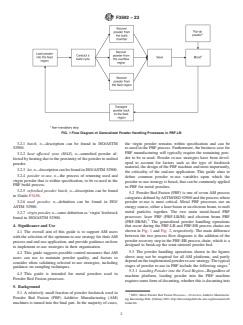
FIG. 1 Flow Diagram of Generalized Powder Handling Processes in PBF-LB
3.2.1 batch, n—description can be found in ISO/ASTM the virgin powder remains within specification and can be
52900. re-used in the PBF process. Furthermore, the business case for
PBF manufacturing will typically require the remaining pow-
3.2.2 heat affected zone (HAZ), n—unmelted powder af-
der to be re-used. Powder re-use strategies have been devel-
fected by heating due to the proximity of the powder to melted
oped to account for factors such as the type of feedstock
powder.
material, the design of the PBF machine and most importantly,
3.2.3 lot, n—description can be found in ISO/ASTM 52900.
the criticality of the end-use application. This guide aims to
3.2.4 powder re-use, n—the process of returning used and
define common powder re-use variables upon which the
virgin powder that is within specification, to be re-used in the
powder re-use strategy is based, that can be commonly applied
PBF build process.
in PBF for metal powders.
3.2.5 refreshed powder batch, n—description can be found
5.2 Powder Bed Fusion (PBF) is one of seven AM process
in Guide F3456.
categories defined by ASTM/ISO 52900 and the process where
3.2.6 used powder, n—definition can be found in ISO/
powder re-use is most critical. Metal PBF processes use an
ASTM 52900. energy source, either a laser beam or an electron beam, to melt
metal particles together. The two main metal-based PBF
3.2.7 virgin powder, n—same definition as ‘virgin’ feedstock
processes: laser PBF (PBF-LB/M) and electron beam PBF
found in ISO/ASTM 52900.
(PBF-EB/M). The generalized powder handling operations
4. Significance and Use
that occur during the PBF-LB and PBF-EB process chains are
shown in Fig. 1 and Fig. 2, respectively. The main difference
4.1 The overall aim of this guide is to support AM users
between the two process flow diagrams is the addition of the
with the selection of the optimum re-use strategy for their AM
powder recovery step in the PBF-EB process chain, which is a
process and end-use application, and provide guidance on how
designed to break-up the semi-sintered powder bed.
to implement re-use strategies in their organization.
5.3 The powder handling operations shown in the figures
4.2 This guide suggests possible control measures that AM
above may not be required for all AM platforms, and partly
users can use to maintain powder quality, and factors to
depend on the implemented powder re-use strategy. The typical
consider when validating selected re-use strategies, including
stages of powder re-use in PBF include the following stages.
guidance on sampling techniques.
5.3.1 Loading Powder into the Feed Region—Regardless of
4.3 This guide is intended for metal powders used in
machine platform, loading powder into the PBF machine
Powder Bed Fusion processes.
requires some form of decanting, whether this is decanting into
5. Background
5.1 A relatively small fraction of powder feedstock used in
MTC. Metal Powder Bed Fusion Processes – Overview. Additive Manufactur-
Powder Bed Fusion (PBF) Additive Manufacturing (AM)
ing Knowledge Hub. [Online] 2021. http://knowledgehub.the-mtc.org/documents/#/
machines is turned into the final part. In the majority of cases, folder/66.
F3592 − 23
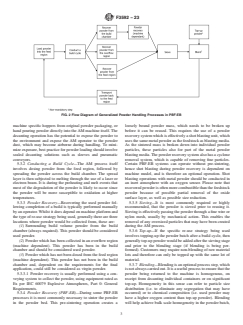
FIG. 2 Flow Diagram of Generalized Powder Handling Processes in PBF-EB
machine specific hoppers from original powder packaging, or loosely bound powder mass, which needs to be broken up
hand pouring powder directly into the AM machine itself. The before it can be reused. This requires the use of a powder
decanting operation has the potential to expose the powder to recovery system which is effectively a shot blasting unit, which
the environment and expose the AM operator to the powder uses the same metal powder as the feedstock as blasting media.
dust, which may become airborne during handling. To mini- As the sintered mass is broken down into individual powder
mize exposure, best practice for powder loading should involve particles, these particles also for part of the metal powder
sealed decanting solutions such as sleeves and pneumatic blasting media. The powder recovery system also has a cyclone
conveyors. removal system, which is capable of removing fine particles.
5.3.2 Conducting a Build Cycle—The AM process itself Certain PBF-EB systems can operate without pre-sintering,
involves dosing powder from the feed region, followed by hence shot blasting during powder recovery is dependent on
spreading the powder across the build chamber. The spread machine model, and is therefore an optional operation. Shot
layer is then subjected to melting through the use of a laser or blasting operations with metal powder should be conducted in
electron beam. It is during the preheating and melt events that an inert atmosphere with an oxygen sensor. Please note that
most of the degradation of the powder is likely to occur since recovered powder is often more combustible than the feedstock
the powder will be more susceptible to oxidation at higher powder because of possible partial removal of the oxide
temperatures. surface layer, as well as possible size reduction.
5.3.3 Powder Recovery—Recovering the used powder fol- 5.3.5 Sieving—It is most commonly required or highly
lowing completion of a build is typically performed manually recommended, that the powder is sieved prior to reusing it.
by an operator. Whilst it does depend on machine platform and Sieving is effectively passing the powder through a fine wire or
the type of re-use strategy being used, generally there are three nylon mesh, usually by mechanical action. This enables the
locations where powder would be collected from, these are: removal of any oversized particles that may have been created
(1) Surrounding build volume powder from the build during the AM process.
chamber (always required). This powder should be considered 5.3.6 Top-up—If the specific re-use strategy being used
used powder. involves topping-up the powder batch after a build cycle, then
(2) Powder which has been collected in an overflow region generally top-up powder would be added after the sieving stage
(machine dependent). This powder has been in the build and prior to the blending stage (if blending is being per-
chamber and should be considered used powder. formed). Customers may require non-blending of raw material
(3) Powder which has not been dosed from the feed region lots and therefore can only be topped up with the same lot of
(machine dependent). This powder has not been in the build material.
chamber and, dependent on the requirements for the final 5.3.7 Blending—Blending is an optional process step, which
application, could still be considered as virgin powder. is not always carried out. It is a useful process to ensure that the
5.3.3.1 Powder recovery is usually performed using a con- powder being returned to the machine is homogenous, on
veying system to collect the powder, using equipment rated as receipt from decanting individual containers or on significant
Ex per IEC 60079 Explosive Atmospheres, Part 0: General top-up. Homogeneity in this sense can refer to particle size
Requirements. distribution (i.e. to eliminate any segregation that may have
5.3.4 Powder Recovery (PBF-EB)—During some PBF-EB occurred) or to chemical composition (i.e. used powder may
processes it is most commonly necessary to sinter the powder have a higher oxygen content than top-up powder). Blending
in the powder bed. This pre-sintering operation creates a will help achieve bulk scale homogeneity in the powder batch,
F3592 − 23
although it is important to remember that inhomogeneity at the 7.2 Descriptions of key criteria considered for each powder
particle level will still remain. Customers may require non- re-use factor are outlined in Table 2. A summary of advantages
blending of raw material lots and therefore can only be blended and disadvantages associated with different powder factors is
with the same lot of material. outlined in Table 3 and key (shown below table).
5.4 There are many powder bed AM machines available
8. Classification
commercially, which have slightly different set-ups and param-
8.1 The selection of the appropriate factors in the defined
eters. Additionally, there are AM systems featuring automated
powder re-use variables depends on several considerations.
powder re-use in a fully sealed environment under an inert gas
Section 7 outlines the pros and cons of selecting the defined
atmosphere. These systems feature on-board sieving but do not
factors for given powder re-use variables, however it is also
allow for powder blending. AM systems with sufficient internal
important to consider the scenarios where the factors are most
powder handling capabilities may minimize the risk of powder
applicable. Guidance on the suitability of the factors can be
cross-contamination and powder exposure to oxidizing atmo-
assessed by considering different parts of the AM process chain
spheres. Additionally, these AM systems improve health and
in turn, to help end-users to determine when the selected
safety in the workplace by mitigating operator exposure to
powder re-use factors should be applied. The recommendations
hazardous substances during powder handling.
are summarized in Table 4 (and the key shown below the
table). The AM process chain scenarios that could be consid-
6. Definitions of Re-use Variables
ered are:
6.1 This section identifies key powder re-use variables and
8.2 Material Type:
factors for each variable. A number of assumptions were made
8.2.1 Reactive Material—More easily forms oxides or ni-
when defining these variables, and these are as follows:
trides in high temperature and humidity environments (such as
6.1.1 A powder that is used in the first build cycle is sieved
aluminium and titanium alloys).
and blended before it is loaded into the feed region.
8.2.2 Non-reactive—Less easily forms oxides or nitrides in
6.1.2 A powder used in a first build cycle will be:
high temperature and humidity environments (such as stainless
6.1.2.1 A virgin powder;
steel and nickel alloys).
6.1.2.2 A used powder that is formed by loading virgin
8.3 End-Use Application:
powder into the build chamber and heating the build chamber
to the build temperature, without building any parts. This 8.3.1 Critical—Failure of the part built using the AM
process is considered a critical part by the end user.
practice is in Guide F3456.
8.3.2 Non-critical—Failure of the part built using the AM
6.1.3 Powder sieving is performed after each use in a build
process is considered a non-critical by the end user.
cycle. The powder from a part cake, an overflow region and a
build chamber is subjected to the sieving process. The sieving
9. Key Process Variables
process enables removal of any oversized particles that may
have been created during the AM process (spatter particles,
9.1 This section provides a description of key process
agglomerates, oversized particles).
variables affecting powder re-use, and considerations that
6.1.4 Powder blending is an optional process step ensuring
end-users should consider during implementation of the pow-
that the powder that is loaded back into the feed region is
der re-use strategy. End users should establish values,
homogeneous in terms of particle size distribution (for
tolerances, and measurement frequencies for all relevant key
example, to eliminate any segregation that may have occurred)
process variables. A summary of key process variables affect-
or chemical composition (for example, to ensure consistency of
ing powder re-use is given in Table 5.
the chemical composition within the powder), or both. There-
10. Key Powder Variables and Control Measures
fore blending is identified as a powder re-use variable. The
powder that is subjected to blending can come from different
10.1 This section identifies key powder properties likely to
sources such as the feed region, the overflow region, the build
be affected by powder re-use and control measures enabling
chamber, the part cake (sintered mass of powder in the build
mitigation or elimination of change of a powder property
chamber) and top-up. Blending multiple batches can compro-
induced by powder re-use. The key powder properties and
mise material traceability.
control measures are outlined in Table 6.
6.1.5 Powder recovery systems can be used to allow re-
moval of loose powder and the powder cake from parts, and
11. Recommendations on Powder Re-use
recover the powder under an inert gas atmosphere.
11.1 This section provides recommendations and guidelines
6.2 A summary of key powder re-use variables and factors
associated with key powder handling operations during the
for each variable is given in Table 1. A graphical representation
powder re-use. A summary of key powder handling operations
of re-use variables is shown in Fig. 3.
is outlined in Table 7 alongside technology options used for
particular operations and recommendations.
7. Overview of Re-use Variables
11.2 Any powder handling operations carried out during
7.1 This section provides the summary of benefits and powder re-use should account not only for the quality of
limitations associated with implementation of each re-use re-used powder and the application of the final AM
strategy based on selection of key powder re-use variables. components, but also should be carried out in such a way to
F3592 − 23
TABLE 1 Descriptions of Key Powder Re-use Variables and Factors Defining the Powder Re-use Strategies
Powder Re-use Related
Factors Description
Variable Standard
Quantity of feedstock produced under traceable ASTM/ISO
controlled conditions from a single manufacturing DIS 52900
1.1.1 Single batch process cycle. The size of the feedstock lot is
determined by the feedstock supplier. A single powder lot
is used as feedstock in build cycles.
1.1 Single lot Quantity of feedstock produced under traceable con-
1 Feedstock trolled conditions from a single manufacturing process
source cycle. The remaining feedstock of insufficient quantity to
1.1.2 Multiple batches –
complete the build cycle that has been used in multiple
AM machines is combined, blended and used to finish
the powder lot.
More than one powder lot are used as feedstock in build
1.2 Multiple lots cycles. Multiple lots are usually blended before being –
loaded into the feed region.
No addition of top-up powder to the feedstock during
2.1 No top-up –
powder re-use.
Addition of virgin powder from a single powder lot, added
to used feedstock from the same original lot as the used
powder, during powder re-use. If powder properties
change during the process (size, morphology, or
2.2.1 From the same powder lot –
chemistry), adding virgin powder to used powder may
create chemical composition differences in the powder
2 Top-up batch and resultant as-built material, depending on pow-
2.2 Top-up der blending technique efficacy.
Addition of virgin powder from a different powder lot,
added to the feedstock during powder re-use. Blending
powder from different lots may result in chemical compo-
2.2.2 From a different powder lot sition differences in the powder batch and resultant as- –
built material, depending on powder blending technique
efficacy. Blending multiple batches can compromise ma-
terial traceability.
Top-up occurs to maintain a constant feedstock mass in
the feed region. Top-up occurrence is fixed, for example
3.1 Regular –
after every build cycle or after every N number of build
cycles.
3 Top-up
Top-up occurs when a particular powder variable reaches
regularity
a specification limit or set point (such as powder mass in
3.2 Irregular the re-use process, or oxygen content). Top-up occur- –
rence is variable and depends on measurement data in
relation to pre-determined specified limits.
The blending operation does not occur between build
cycles. Any recovered powder from the overflow region
4.1 No powder blending and the build chamber are loaded directly into the feed –
region and placed on top of the virgin powder remaining
in the feed region.
The blending operation occurs between build cycles. The
blended powder comes from the feed region, the build
4.2.1.1 From all
chamber, the overflow region and includes the powder –
sources
used for the top-up if the top-up occurs during powder
re-use.
The blending operation occurs between build cycles. The
blended powder comes from the build chamber and may
include the top-up powder, if the top-up occurs during
powder re-use. The blended powder does not include the
4.2.1.2 From
powder remaining in the feed or overflow regions which
4.2.1 Powder selected –
4 Powder are considered as virgin powder. Recovered overflow
recovered from sources
blending powder is normally added to the top of the virgin powder
a single batch
remaining in the feed region. The blended build chamber/
4.2 Powder
top-up powder can be placed on top of the virgin powder
blending
remaining in the feed region or blended with it.
Powder recovered from the build chamber that is stored.
Once the entire powder batch has been through the build
chamber, all in-process stored powder is blended and
4.2.1.3 In-
re-introduced to the machine. Storing will minimize differ- –
process stored
ences (size/morphology as well as chemical composition)
in the powder batch. As such, top-up is not normally uti-
lized with storing in-process powder.
The blended powder includes the remaining feedstock of
insufficient quantity to complete a build cycle that has
4.2.2 Multiple batches been used in multiple AM machines. Mixing of multiple –
machine batches with different virgin size ranges shall
not be permitted.
F3592 − 23
TABLE 1 Continued
Powder Re-use Related
Factors Description
Variable Standard
Automated recycling or storage of used powder inside
AM machines, or both, in a fully sealed powder
5.1.1 Controlled atmosphere environment in an inert gas or vacuum atmosphere, –
limiting exposure to the external environmental
5.1 Internal
conditions.
5 Powder Automated recycling or storage of used powder inside
handling 5.1.2 Uncontrolled atmosphere AM machines, or both, in a fully sealed powder –
environment under an ambient atmosphere.
Manual handling of used powder performed in powder
handling operations external to the AM machine,
5.2 External –
increasing potential exposure of the powder to the
external environment.
F3592 − 23
FIG. 3 Graphical Representation of the Key Powder Re-use Variables and Factors Defining the Powder Re-use Strategies
eliminate the health and safety risks where possible or reduce locations and their suitability for use depending on powder
them as low as reasonably practicable. There are different re-use variables. The discussed sampling techniques include
hazards associated with each operation, therefore, it is essential the procedures in Practices B215 and ISO 3954 as well as
to identify hazards associated with all powder handling opera- non-standardized sampling techniques implemented in AM.
tions during powder re-use and comply with appropriate health
and safety legislation. This document is not intended to provide
14. Recommendations on Powder Sampling
guidance on health and safety aspects of powder re-use.
14.1 The overview of each sampling technique and recom-
11.3 Guidance and advice should be sought in relevant
mended guidelines are outlined in Table 10.
national legislation, materials safety data sheets, equipment
14.2 The general recommendations on powder sampling are
manuals and internal company policies. AM users have to
as follows:
ensure that they are aware and comply with legislation appli-
14.2.1 The powder should be sampled after it is sieved to
cable to them. Risk assessments must be carried out by AM
remove coarse material;
users prior to all powder handling operations during powder
14.2.2 The sampling procedure should not alter the mate-
re-use to identify additional safety measures mitigating the
rial;
risks associated with powder handling operations.
14.2.3 The obtained increments are combined into the
composite sample and blended by rotating for 15 revolutions at
12. Powder Re-use Study Design
relatively low rotational speed.
12.1 This section provides suggestions on how to conduct a
14.2.4 The powder should not be shaken during blending.
powder re-use study in order to validate the effectiveness of the
The composite sample can be blended manually or using the
selected re-use strategy. Top-level considerations for AM
blender.
end-users when validating the re-use strategy selected, are
14.2.5 Sufficient powder should be sampled from each
outlined in Table 8.
powder batch or lot to perform all required tests at least twice.
13. Sampling Techniques 14.3 Usually, the obtained powder sample requires further
sub-dividing into smaller test specimens. It is recommended to
13.1 This section provides guidance to AM users on sam-
follow the splitting procedures in Practices B215.
pling techniques suitable for AM metal powders. Powder
sampling is required to collect a powder test specimens for 14.4 A spinning riffler is the preferred method for splitting
powder qualification. Powder sampling in the powder re-use fine AM powders into small test portions and should be used if
process is critical to ensure that measured properties of the available. A chute splitter does not provide as representative
obtained sample are representative of the entire powder batch test portions as the spinning riffler and is manually intensive
used in the PBF process. The list of sampling techniques used and, therefore, is not the preferred method of splitting AM
in AM is given in Table 9 alongside definitions, sampling powders.
F3592 − 23
TABLE 2 Descriptions of Criteria Considered in Assessing
15.2 It is critical to ensure that the sampling technique
Powder Re-use Variables and Factors
results in a representative powder sample for the test ensuring
Criteria Criteria Description
obtained results are not affected by the sampling technique.
Powder feedstock The remaining amount of powder feedstock
utilization after the build process is completed.
15.3 The following recommendations are provided on the
effectiveness of the powder sampling method:
Storage space required A designated storage space required for
storing virgin and used powder feedstock in
15.3.1 The sample should always be taken from a homoge-
accordance with specified requirements.
neous powder batch. It is assumed that the analysed powder
batch exhibits uniform distribution of powder properties in
Up-front investment The up-front cost of feedstock or AM machine
procurement.
terms of size and chemistry.
Ease of implementation This factor accounts for the number and 15.3.2 Multiple increments are taken using a particular
complexity of powder handling operations
sampling technique. The number of increments depends on
occurring during powder re-use.
statistics selected. Three increments sampled from the same
Labor requirements Labor requirements determine the amount of
location are the minimum recommended number.
manual handling carried out by an operator.
15.3.3 Selection of the data quality indicators evaluating the
High labor requirements can increase
operational costs and potential health and
sampling effectiveness should account for the variability of the
safety risk to operators.
particular powder characterisation technique. It is recom-
Inherent safety The potential for explosive atmospheres to
mended to use powder characterisation techniques exhibiting
occur during powder handling operations
high repeatability in order to validate the effectiveness of the
sampling technique. An indication of the levels of variability
Risk of deterioration of The potential for deterioration of powder and
powder (and part part properties due to powder degradation
that can be obtained from different powder characterisation
properties) because of powder re-use.
techniques can be found in ISO/ASTM 52907.
Risk of powder Powder contamination that may occur due to
15.3.4 The quantity/volume of each increment should be
contamination powder exposure to external environments
equal.
and contamination during powder handling.
15.3.5 Table 11 provides the recommended minimum quan-
In-batch powder history Maintaining in-batch powder traceability
tities of powder sample required for full powder characteriza-
traceability enables tracking of a powder lot and the
number of its reuses in build cycles, for all
tion (for one measurement repetition). The minimum quantities
parts made in a specific build cycle.
required for the full powder characterisation can be found in
ISO/ASTM 52907.
Variability of powder Similar powder properties within a build cycle
properties within the build is a factor that will contribute to greater
15.3.6 It is recommended that sampling is conducted in
cycle consistency of properties of parts produced in
the same build cycle, and therefore greater humidity and temperature controlled environment if possible.
predictability of build cycle outcomes.
15.3.7 Ensure the sampling equipment is clean and fully
dried before use.
14.5 Larger amounts of powders can be split multiple times
16. Keywords
using the spinning riffler, then recombined and split further,
however, this approach is more laborious and less representa-
16.1 additive manufacturing; AM; metal powder; metal
tive.
powder recycling; PBF; PBF-EB; PBF-LB; powder bed fusion;
powder re-use variables; powder variables; process variables;
15. Powder Sampling Study Design
re-use; re-use schema; re-use strategies; sampling schema;
15.1 This section provides guidance on how to conduct a
sampling techniques
powder sampling study in order to validate the effectiveness of
the selected powder sampling strategy.
F3592 − 23
TABLE 3 The Summary of Advantages and Disadvantages of Key Powder Re-use Variables and Factors
Criteria
Powder
re-use Factors
variable
1 1.1 Single 1.1.1 Single batch L H H H L N/A N/A L H L
Feedstock lot 1.1.2 Multiple batches M M H M M N/A N/A M M M
source 1.2 Multiple lots H L L L M N/A N/A H L H
2.1 No top-up L H H H L N/A H L H L
2.2.1 Top-up from the
M M M M M N/A L M M M
2 Top-up same lot
2.2 Top-up
2.2.2 Top-up from
H L L L M N/A L M L H
different lots
3 Top-up 3.1 Regular N/A N/A N/A M H N/A L H M M
regularity 3.2 Irregular N/A N/A N/A L M N/A M M L H
4.1 No powder blending N/A N/A N/A H L N/A H L N/A H
4.2.1.1
From all N/A N/A N/A M H N/A M H N/A M
4.2.1 sources
Powder 4.2.1.2
4 Powder 4.2 Powder recovered From
N/A N/A N/A M M N/A M M N/A M
blending blending from a selected
single sources
batch 4.2.1.3 In-
process H H H M H N/A L L N/A L
stored
4.2.2 Multiple batches N/A N/A N/A L H N/A L H N/A M
5.1.1 Controlled
N/A N/A H M L H L L N/A H
5 Powder atmosphere
5.1 Internal
handling 5.1.2 Uncontrolled
N/A N/A H M L M M L N/A H
(machine) atmosphere
5.2 External N/A N/A L L H L L H N/A L
Key:
L = Low
M = Medium
H = High
N/A = Not relevant – does not have an impact on powder re-use
Powder feedstock utilization
Storage space required
Up-front investment
Ease of implementation
Labor requirements
Inherent safety
Risk of deterioration of powder properties (and parts)
Risk of cross-contamination of powder
In-batch powder history traceability
Variability of powder properties within the build cycle
F3592 − 23
TABLE 4 Recommendations on Selection of Factors in the Powder Re-use Variables Accounting for the AM Process Chain Scenarios
Material Type End-use Application
Powder Re-use
Factors
Non-
Variable
Reactive Critical Non-critical
reactive
1.1.1 Single batch R – R –
1 Feedstock 1.1 Single lot
1.1.2 Multiple batches – – R –
source
1.2 Multiple lots – – N –
A A
2.1 No top-up N – R –
2 Top-up 2.2.1 From the same powder lot R R R –
2.2 Top-up
2.2.2 From a different powder lot – – N –
3 Top-up 3.1 Regular R – – –
regularity 3.2 Irregular - – – –
4.1 No powder blending N – – –
4.2.1.1 From all
- – – –
sources
4.2.1 Powder
4 Powder 4.2.1.2 From
4.2 Powder recovered from a R R R R
blending selected sources
blending single batch
4.2.1.3 In-process
R – R –
stored
4.2.2 Multiple batches – – R –
5 Powder 5.1.1 Controlled atmosphere R – R –
5.1 Internal
handling 5.1.2 Uncontrolled atmosphere – – – –
(machine) 5.2 External – – – –
A
For the case of ‘reactive’ material types and ‘critical’ end-use applications, ‘no top-up’ are both recommended and not recommended for different reasons. Reactive
materials tend to degrade more readily; hence top-up will allow the overall chemical composition content of the powder to be controlled. Critical components will benefit
from the improved traceability offered by not topping up. It is for the user to decide which aspect takes precedent.
Key:
R = Recommended for consideration
– = No recommendation (user to decide)
N = Not recommended for consideration
F3592 − 23
TABLE 5 Summary of Key Process Variables
Key Process Variables Effect on Powder Properties Considerations
Build Chamber Environment
Humidity Increased humidity can result in moisture pick-up which • Humidity control in powder handling operations;
may affect powder flowability and powder spreading • Appropriate powder storage practices, such as using
behavior, as well as increasing the potential for powder fully sealed and impervious storage containers;
oxidation. May result in increased hydrogen porosity in • Internal powder handling solutions minimizing powder
certain alloys. exposure to atmosphere.
Nitrogen level in atmosphere Metallic materials can form nitrides at elevated • Maintaining a low nitrogen level in the build chamber;
temperature, and can increase the strength and • Internal powder handling solutions minimizing powder
decrease elongation of titanium alloys. exposure to atmosphere.
Oxygen level in atmosphere Metallic materials tend to oxidize at elevated • Maintaining a low oxygen level in the build chamber;
temperature, and can increase the strength and • Stopping the build cycle if the oxygen level in the build
decrease elongation of alloys, particularly titanium alloys. chamber exceeds a Limiting oxygen concentration for the
combination of powder and inert gas;
• Internal powder handling solutions minimizing powder
exposure to atmosphere.
AM Platform
Electron beam/laser power / Laser power affects the temperature in the build • Selection of the optimized scanning strategy minimizing
L-PBF temperature chamber, which may affect the energy dissipated in to the total power input;
the heat-affected zone, causing high local powder • Selecting the lowest possible energy source accounting
oxidation. Higher build temperatures increase reactivity of for the processing material, particle size range, part
the powder surfaces, increasing susceptibility of the complexity, internal cavities, and layer thickness.
powder to evaporation of elemental species and
adsorption of gases.
Interaction between the laser and powder can result in
powder contamination, which increase when the laser
power is increased, including particle agglomeration,
partial fusing, oxidation, metal vapour condensate and
spatter generation.
Shielding gas flow rate/regime Shielding gas removes the process by-products such as • Higher shielding gas velocities in the laminar flow
spatter and welding fumes from the build area. regime typically enhance the removal of process by-
Ineffective removal or inhomogeneous gas flow products and prevents redeposition of by-products;
distribution can increase interactions between the power • Homogenous gas flow directed over the entire build
source and process by-products resulting in attenuation surface and constant gas flow velocity ensures the
of the laser spot and re-deposition of process by- effective removal of process by-products;
A
products on the powder bed. • Selection of the most suitable scan strategy may
enhance removal of process by-products from the
process zone.
• Reduction of flow separation and turbulence in upward
direction decreases possibility of disturbance of the laser
A
beam path by process by-products.
Shielding gas purity Shielding gas purity may be an additional source of • Mitigation techniques include gettering to improve the
atmospheric contaminants leading to oxidation and purity of shielding gas.
nitridation. • PBF-EB processes that bleed a significant amount of
inert gas into the build chamber during the build to
maintain a ‘controlled vacuum’.
Operational
Part design The complexity of the part affects the powder exposure • Reducing overhang surfaces reduces powder partial
to the laser/electron beam in the heat affected zone sintering below the overhang;
(HAZ). • Applying supports mitigates the residual stresses in the
build, dissipates heat and reduces powder exposure to
high temperatures.
Component packing (Volume of The number of parts affects the powder exposure to the • Optimal part orientation on the build plate ensuring
metal melted) laser/electron beam in the HAZ. there is enough space between parts may reduce
powder exposure to the HAZ;
• Reducing part density by reducing the number of parts
per build must be balanced to meet the part quality and
business / cost model
Number of builds The number of builds affects the total powder exposure • Select the total number of builds for the recycling and
to the laser/electron beam and other contamination re-use strategy, to reduce the level to which the powder
sources. will degrade.
Contamination Contamination may occur due to wear of equipment • Dedicated equipment for a specific alloy type
surfaces; bad housekeeping practices; and poor powder preventing cross-contamination from one powder type to
management (storage and handling). Contamination can another. If this is not possible then, thorough and
affect the material phases and cause defects in parts documented machine cleaning process must exist.
(gas porosity, inclusions). • Dedicated areas for powder handling;
• Regular inspection and maintenance of equipment;
• Good housekeeping practices.
A
Influence of the shielding gas flow on the removal of process by-products in the selecive laser melting process. Ladewig, A., et al. s.l. : Additive Manufacturing, 2019,
Vol. 10.
F3592 − 23
TABLE 6 Summary of the Effect of Powder Re-use on Powder Properties
Powder Variable Criticality Comments Control Measures
Particle size High The particle size may be affected by the following: • Sieving process is usually used to remove oversized
• Particles can sinter within the heat-affected zone (HAZ), particles, such as “spatter” particles and agglomerates
can increase the amount of coarse particles present present within the powder;
within the powder. • Powder blending can be used eliminate any
• Too high a flow rate of shielding gas may cause segregation that may have occurred during various
particles to become entrained within the gas stream, and powder handling operations;
reduce the number of fine particles within the powder. • Powder sampling and validation enables powder quality
• “Spatter” particles can be formed from the interaction assurance by assessment of powder conformity to
between the powder and the laser, and can affect the specification.
level of coarse particles and agglomerates in the powder.
• Powder handling operations (powder removal from the
AM machine, powder transportation, sieving) may result
in particle segregation and affect the particle size
distribution.
Flowability Medium The flowability may be affected by the following: • Humidity control and reduction of the moisture content
• Moisture pick-up increases capillary forces acting within the atmospheres used for powder handling
between particles and may lead to deterioration of operations;
powder flowability. The moisture pick-up is likely to occur • Acclimatizing of the powder batch in a processing area
during powder exposure to uncontrolled environments, as prior to opening the powder container (for example, after
well as inappropriate powder storage conditions. moving the powder from an uncontrolled storage
• Powder flowability is directly affected by powder environment into a controlled processing environment);
morphology (size and shape). Spherical particles and • Good housekeeping practices (such as ensuring the
larger particles are typically more free-flowing than equipment is fully dry once cleaned);
irregular particles, agglomerates and fine particles. • Limitation of powder exposure to uncontrolled
• Handling operations during re-use may change the environment through internal powder handling solutions
amount of satellites on larger particles and decrease the and appropriate powder storage conditions;
level of fines. These changes can impact powder • Powder sampling and validation enables powder quality
flowability, packing and spreadability. assurance by assessment of powder conformity to
specification.
Apparent density Medium • Apparent density maybe affected by powder re-use,
N/A
similar to the reasons given for flowability.
Tapped density Medium • Tapped density is maybe affected by powder re-use,
N/A
similar to the reasons given for flowability.
Interstitial content High The interstitial content may be affected by the following: • Conducting a build cycle under vacuum or inert gas
• Oxide and nitride formation on metal powder surfaces atmosphere (nitrogen, argon) reduces oxygen and
following reaction with air molecules (O2, N2) in HAZ nitrogen levels; Be aware of impurity levels in build
and melt pool within the build chamber. environment, consider using gettering to further purify
• Pick-up of moisture in powder during exposure to any gas introduced to build chamber during process;
uncontrolled environments, resulting in oxide and • Shutting down the build cycle if the oxygen or nitrogen
hydroxide formation. level exceeds a critical threshold;
• Shielding gas impurities can be an additional source of • Reduction of powder exposure to uncontrolled
oxygen/nitrogen exposed to powder at elevated environments by internal powder handling;
temperatures during processing and leading to oxide and • Humidity and temperature control outside the AM
nitride formation. platform reduces moisture pick-up during powder
• In certain alloys such as titanium, hydrogen can adsorb handling operations.
into the metal at elevated temperatures and cause • Powder top-up strategies can be used to help maintain
embrittlement. the interstitial level within specified limits; Be aware that
improper blending of powder of different chemistry may
lead to heterogeneities in powder batch and resultant
as-built material; This factor should be considered in
powder re-use study design.
• Powder sampling and validation enables powder quality
assurance by assessment of powder conformity to
specification.
Particle shape High • Sintering of particles to each other within the HAZ, and • Powder sieving enables the removal of agglomerates;
creation of “Spatter” particles may lead to an increased • Powder sampling and validation enables powder quality
of level of agglomerates assurance by assessment of powder conformity to
specification.
Bulk chemical Medium • Bulk chemical composition is unlikely to be affected by
composition powder re-use. However there are situations where
elements may change, for example aluminum decrease N/A
in PBF-EB/Ti64 as it vaporizes and re-deposits inside
build chamber during each build
Key:
High = The powder property is considered a key powder re-use variable. An explicit trend was observed in R&D data, indicating that the parameter can be affected by
the powder re-use.
Medium = Data was inconclusive to assess if the powder property was affected by powder re-use; either because ther
...