

ISO/IEC 19799:2007
(Main)Information technology — Method of measuring gloss uniformity on printed pages
General Information
- Abstract
ISO/IEC 19799:2007 defines methods and processes for measuring objective print quality attributes for the assessment of gloss non-uniformity on printed pages in reflection mode, and provides transforms, when applicable, that relate the objective results to subjective responses if appropriate. The gloss uniformity attributes included in ISO/IEC 19799:2007 are differential gloss, gloss uniformity within a page, and gloss consistency within a run. ISO/IEC 19799:2007 provides a definition of gloss uniformity attributes representative of the print quality on reflection prints, a set of print files for the creation of printed pages for gloss uniformity measurement, a procedure for gloss uniformity testing and the analysis of the resulting data, a method for evaluating and grading these measurements and deriving an assessment of gloss uniformity, the appropriate method of describing the gloss uniformity of printing and copying systems in documentation supplied to the consumer by the manufacturer. The reflection prints that are to be used for measurement can be created via printers or copiers (analog and digital). ISO/IEC 19799:2007 is applicable only to electro-photographic based prints. It does not address the measurement of gloss attributes of printed pages in transmission mode.
- Status
- Published
- Publication Date
- 12-Mar-2007
- Technical Committee
- ISO/IEC JTC 1/SC 28 - Office equipment
- Drafting Committee
- ISO/IEC JTC 1/SC 28 - Office equipment
- Current Stage
- 9093 - International Standard confirmed
- Start Date
- 08-Dec-2023
- Completion Date
- 29-Aug-2026
Buy Documents
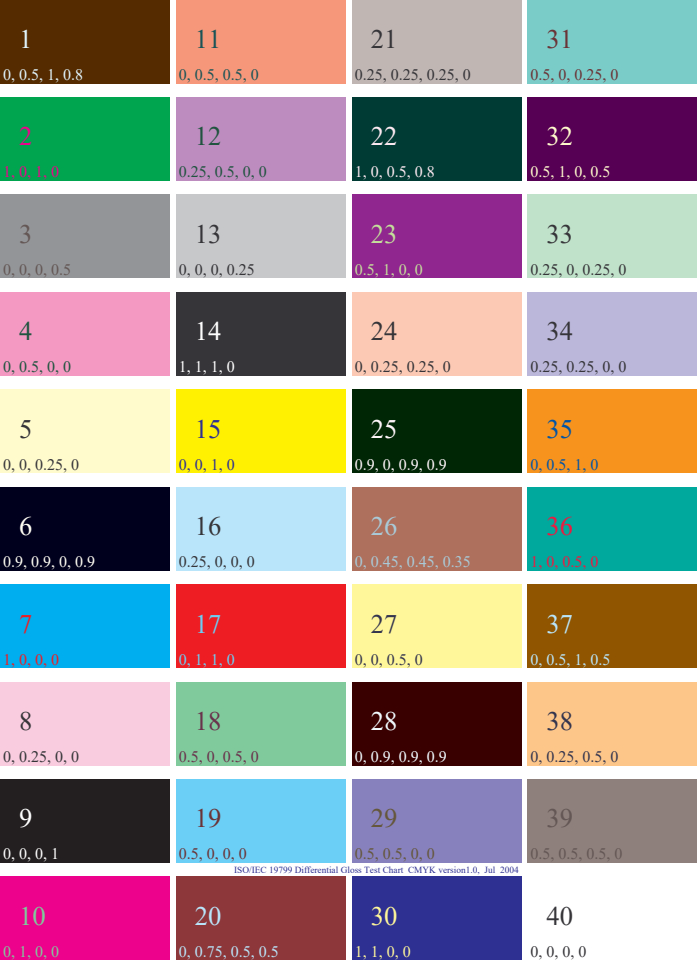


19799diffgloss_CMYK_annot - ISO/IEC 19799:2007 - Information technology — Method of measuring gloss uniformity on printed pages/13/2007
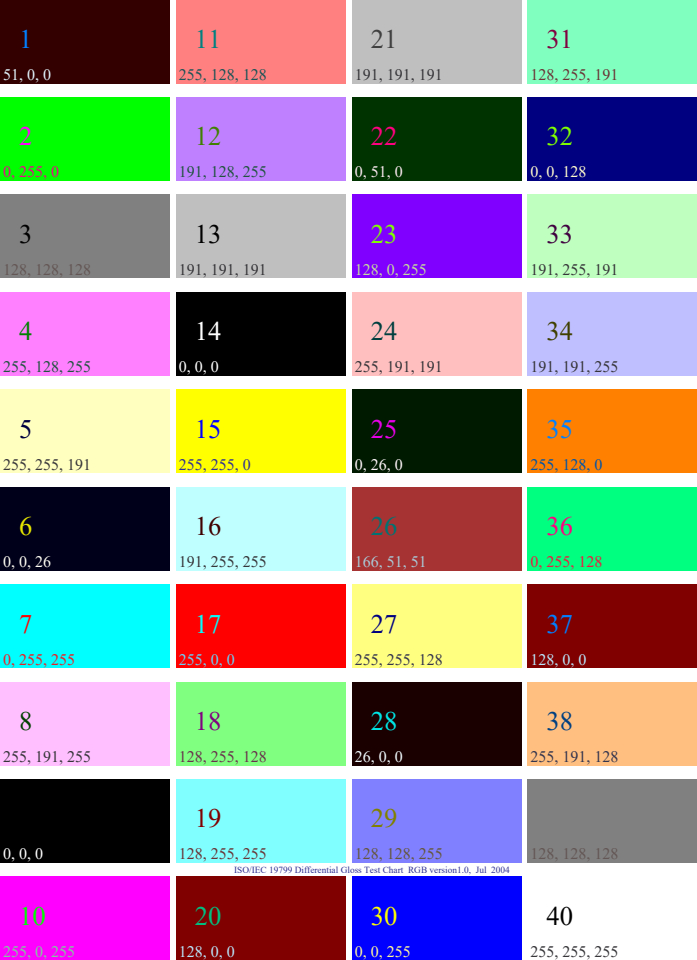


19799diffgloss_RGB_annot - ISO/IEC 19799:2007 - Information technology — Method of measuring gloss uniformity on printed pages/13/2007



19799diffgloss_testchart_CMYK - ISO/IEC 19799:2007 - Information technology — Method of measuring gloss uniformity on printed pages/13/2007



19799diffgloss_testcharts_RGB - ISO/IEC 19799:2007 - Information technology — Method of measuring gloss uniformity on printed pages/13/2007
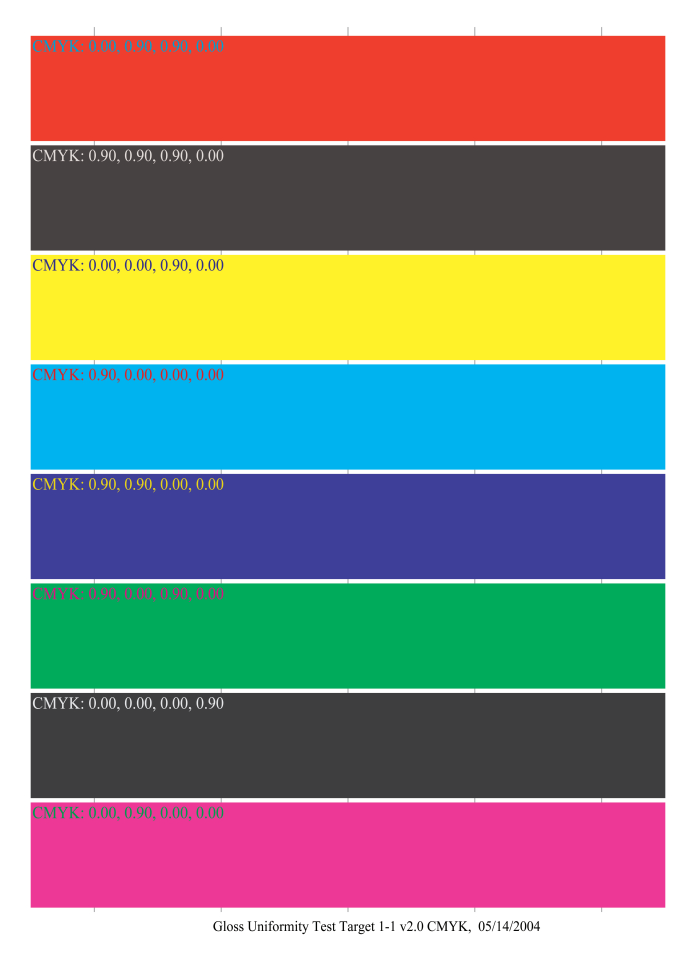


GlossUnif_1_1_v2_CMYK_annot - ISO/IEC 19799:2007 - Information technology — Method of measuring gloss uniformity on printed pages/13/2007
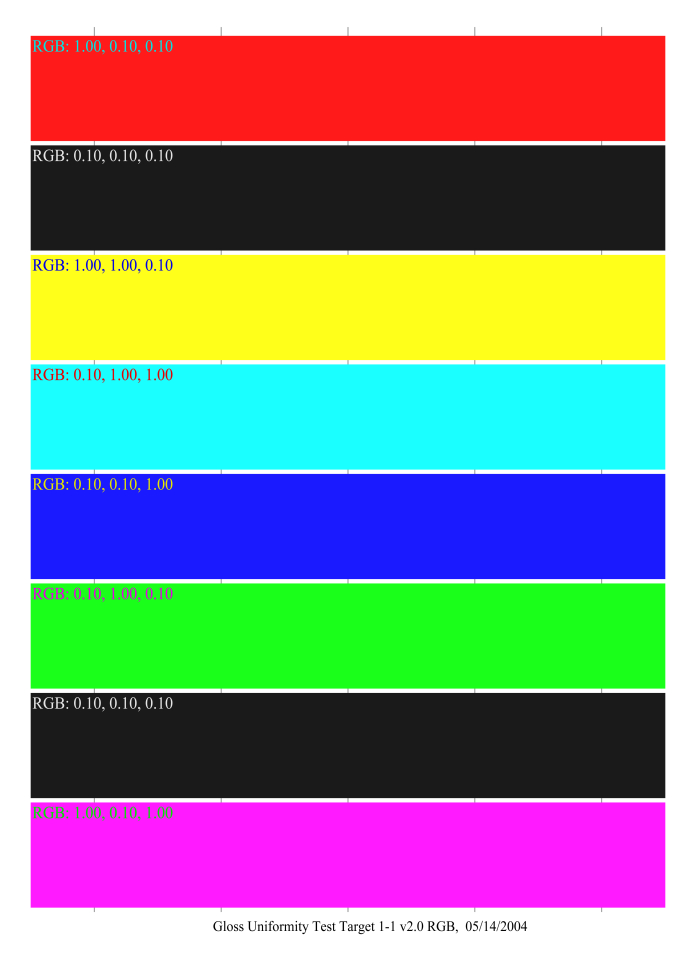


GlossUnif_1_1_v2_RGB_annot - ISO/IEC 19799:2007 - Information technology — Method of measuring gloss uniformity on printed pages/13/2007
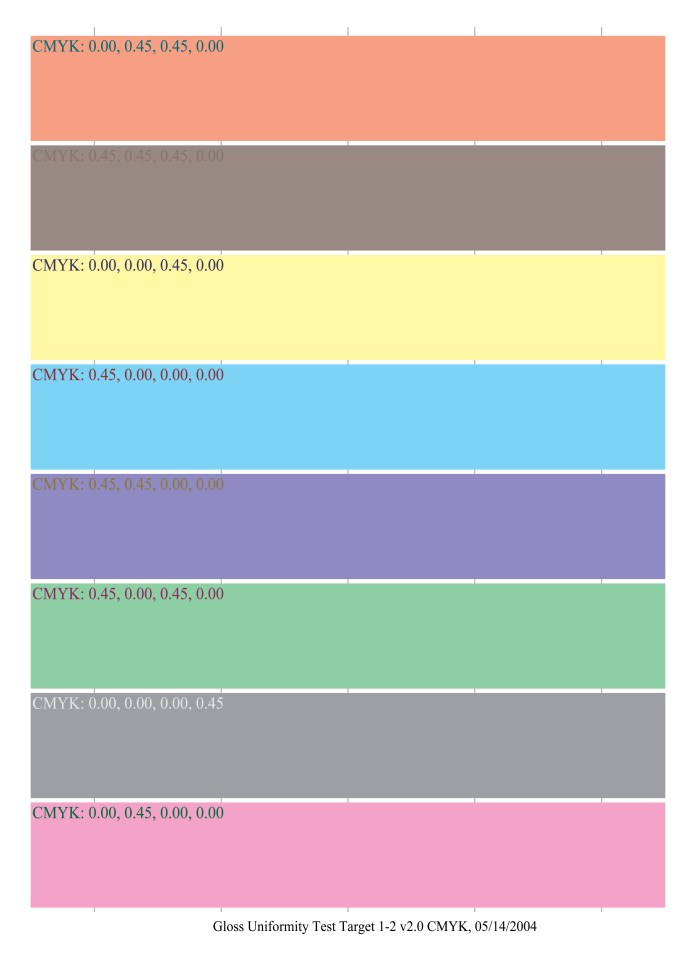


GlossUnif_1_2_v2_CMYK_annot - ISO/IEC 19799:2007 - Information technology — Method of measuring gloss uniformity on printed pages/13/2007
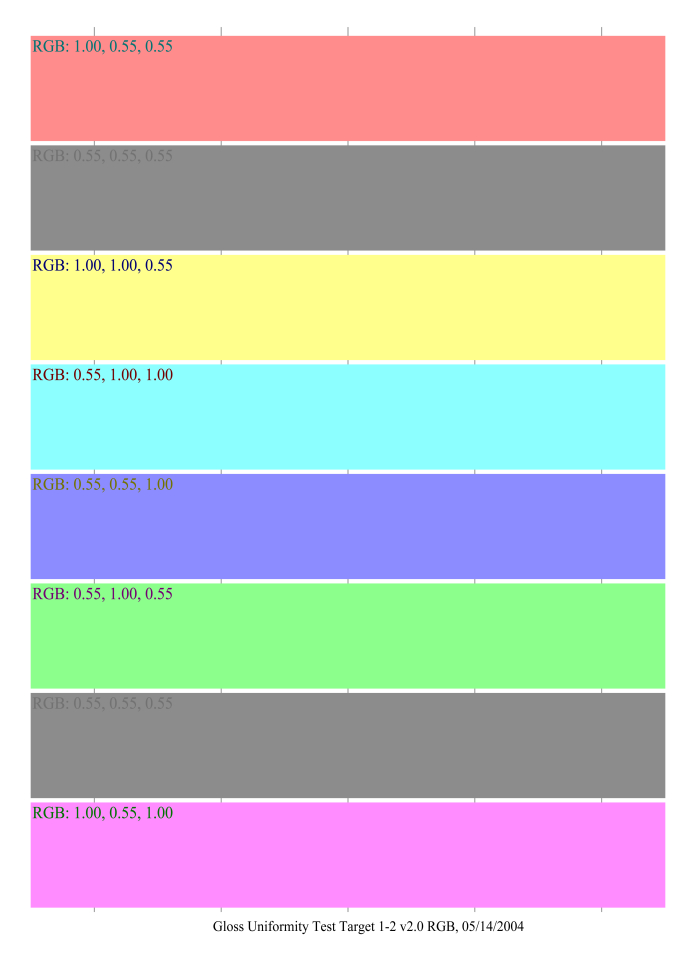


GlossUnif_1_2_v2_RGB_annot - ISO/IEC 19799:2007 - Information technology — Method of measuring gloss uniformity on printed pages/13/2007
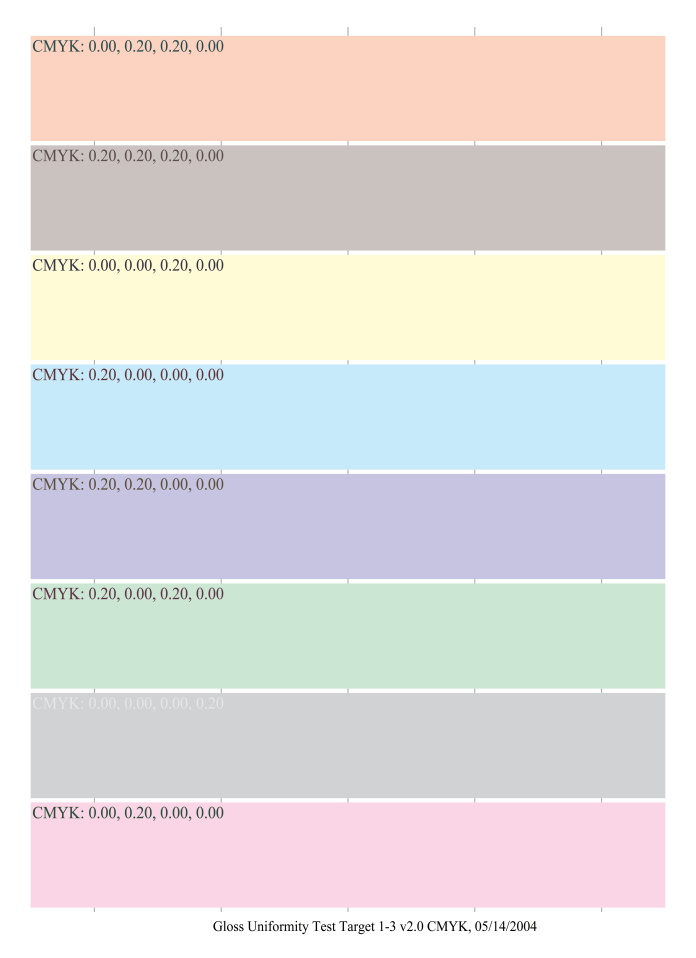


GlossUnif_1_3_v2_CMYK_annot - ISO/IEC 19799:2007 - Information technology — Method of measuring gloss uniformity on printed pages/13/2007
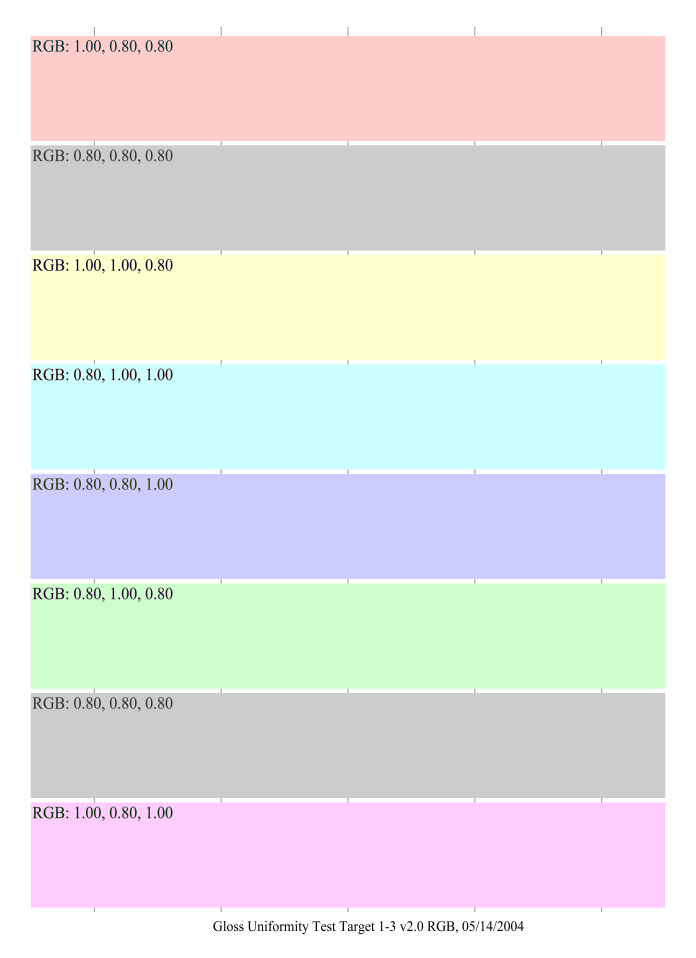


GlossUnif_1_3_v2_RGB_annot - ISO/IEC 19799:2007 - Information technology — Method of measuring gloss uniformity on printed pages/13/2007
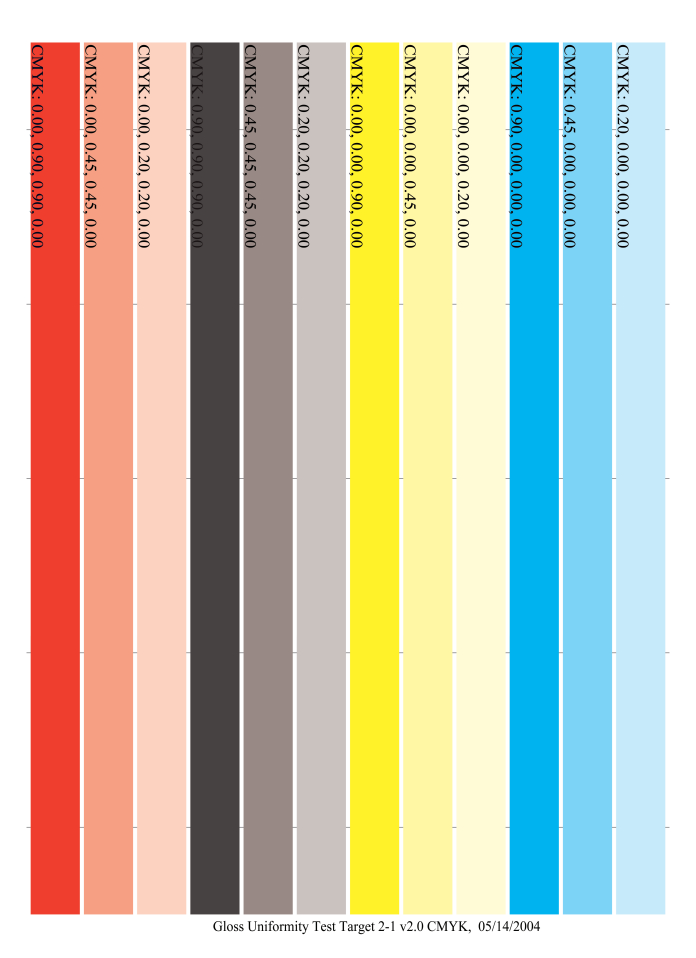


GlossUnif_2_1_v2_CMYK_annot - ISO/IEC 19799:2007 - Information technology — Method of measuring gloss uniformity on printed pages/13/2007
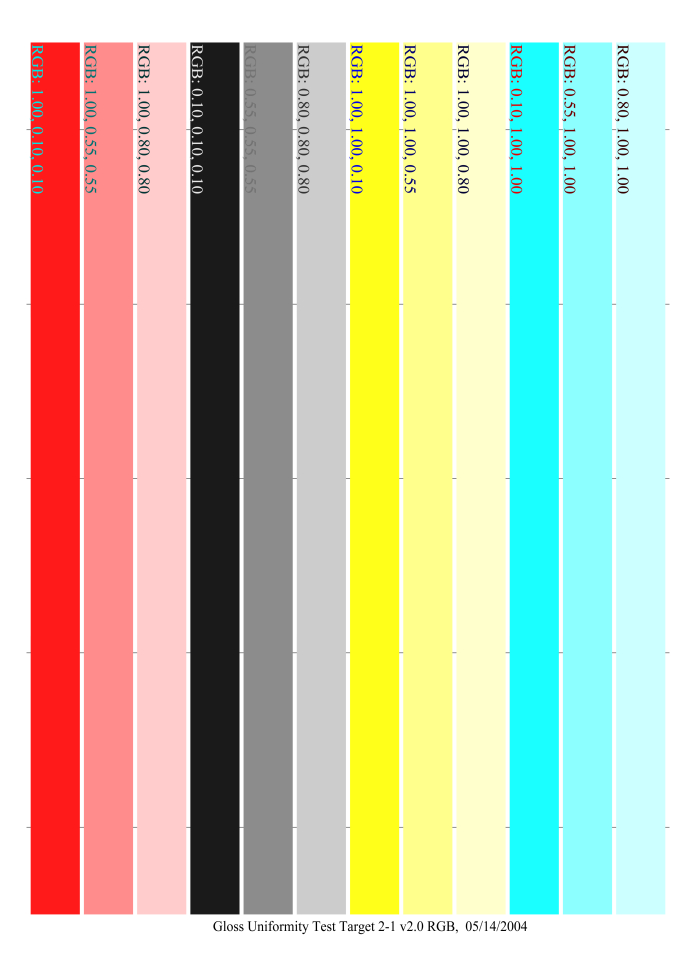


GlossUnif_2_1_v2_RGB_annot - ISO/IEC 19799:2007 - Information technology — Method of measuring gloss uniformity on printed pages/13/2007
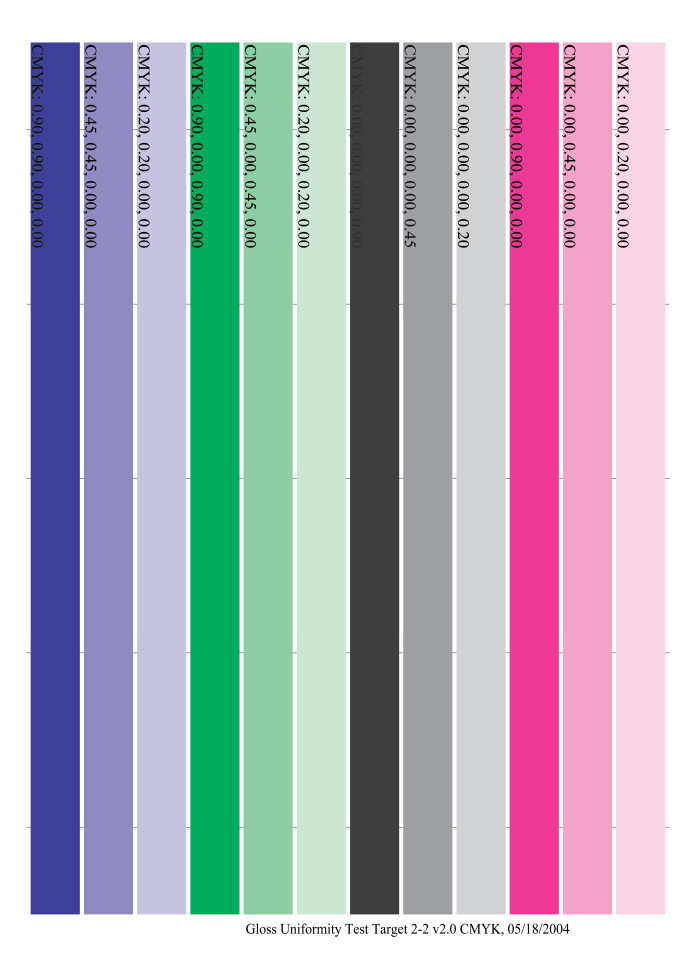


GlossUnif_2_2_v2_CMYK_annot - ISO/IEC 19799:2007 - Information technology — Method of measuring gloss uniformity on printed pages/13/2007
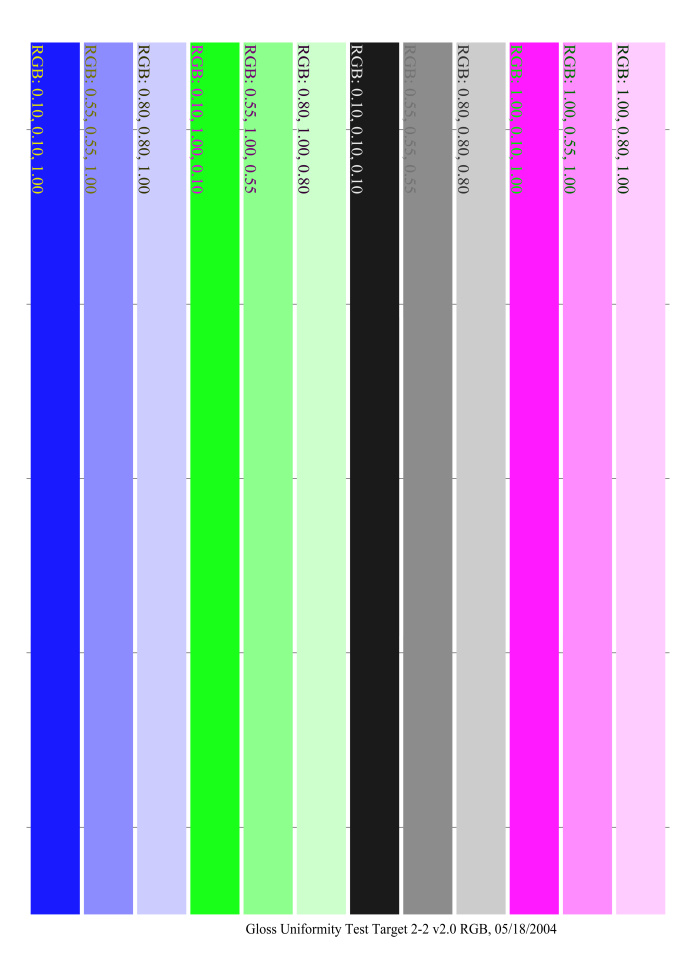


GlossUnif_2_2_v2_RGB_annot - ISO/IEC 19799:2007 - Information technology — Method of measuring gloss uniformity on printed pages/13/2007
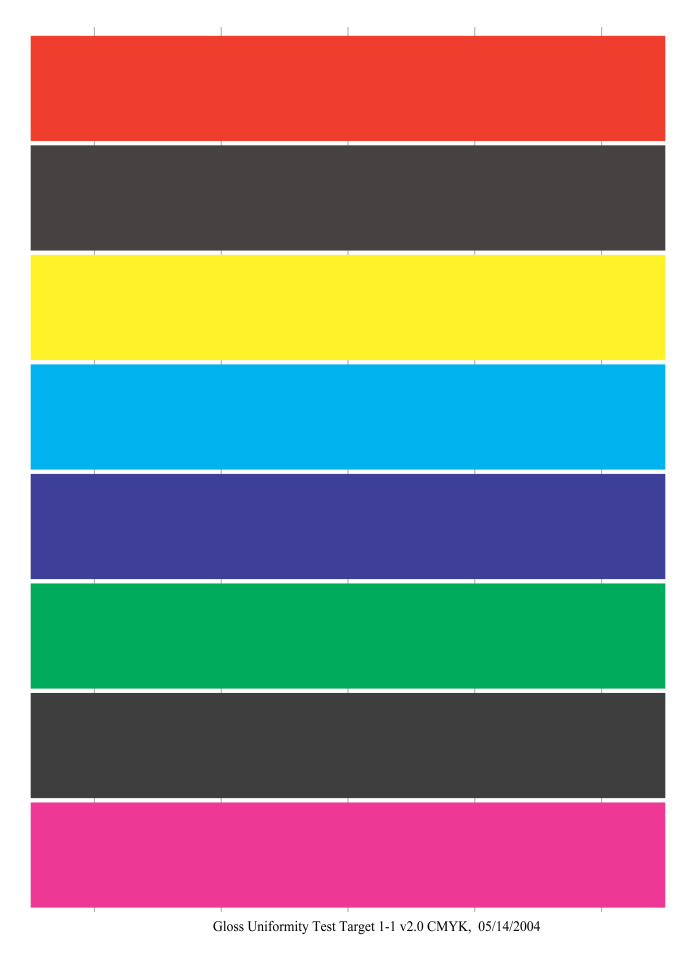


GlossUniformity_1_1_v2_CMYK - ISO/IEC 19799:2007 - Information technology — Method of measuring gloss uniformity on printed pages/13/2007
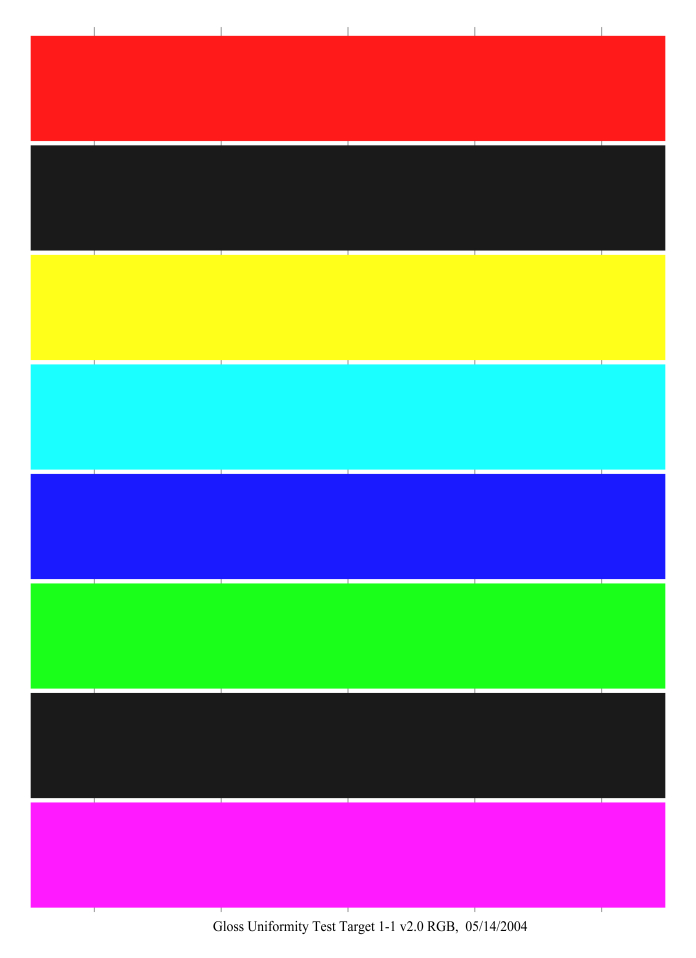


GlossUniformity_1_1_v2_RGB - ISO/IEC 19799:2007 - Information technology — Method of measuring gloss uniformity on printed pages/13/2007
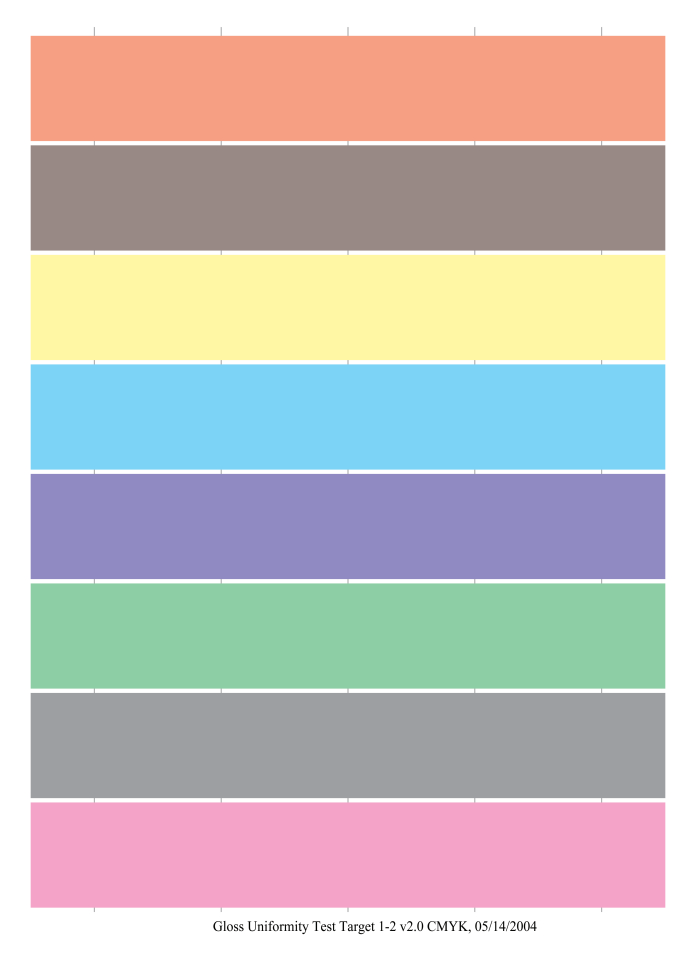


GlossUniformity_1_2_v2_CMYK - ISO/IEC 19799:2007 - Information technology — Method of measuring gloss uniformity on printed pages/13/2007
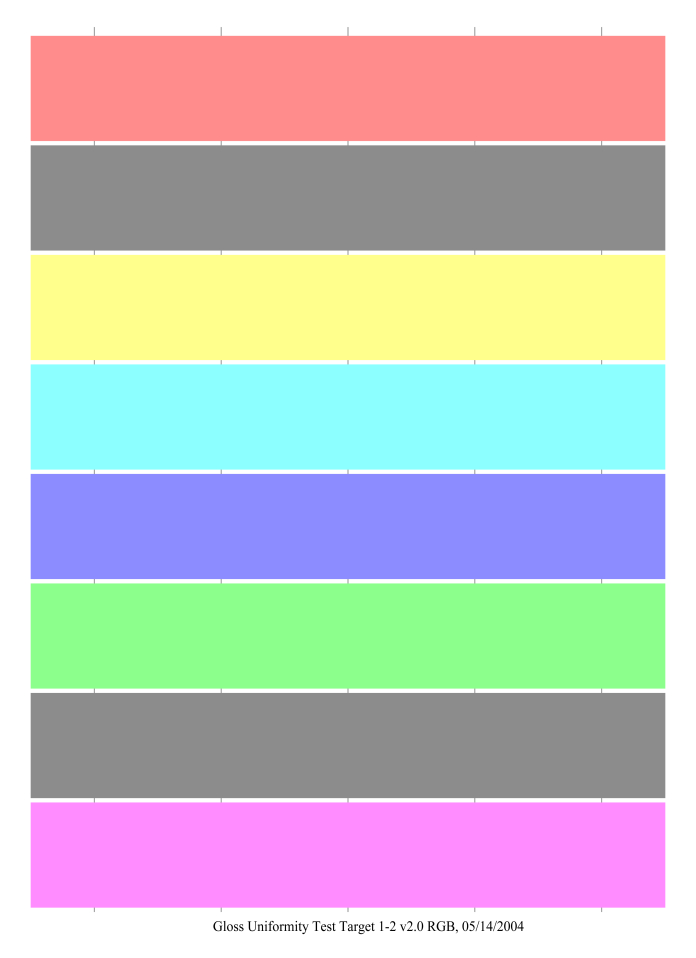


GlossUniformity_1_2_v2_RGB - ISO/IEC 19799:2007 - Information technology — Method of measuring gloss uniformity on printed pages/13/2007
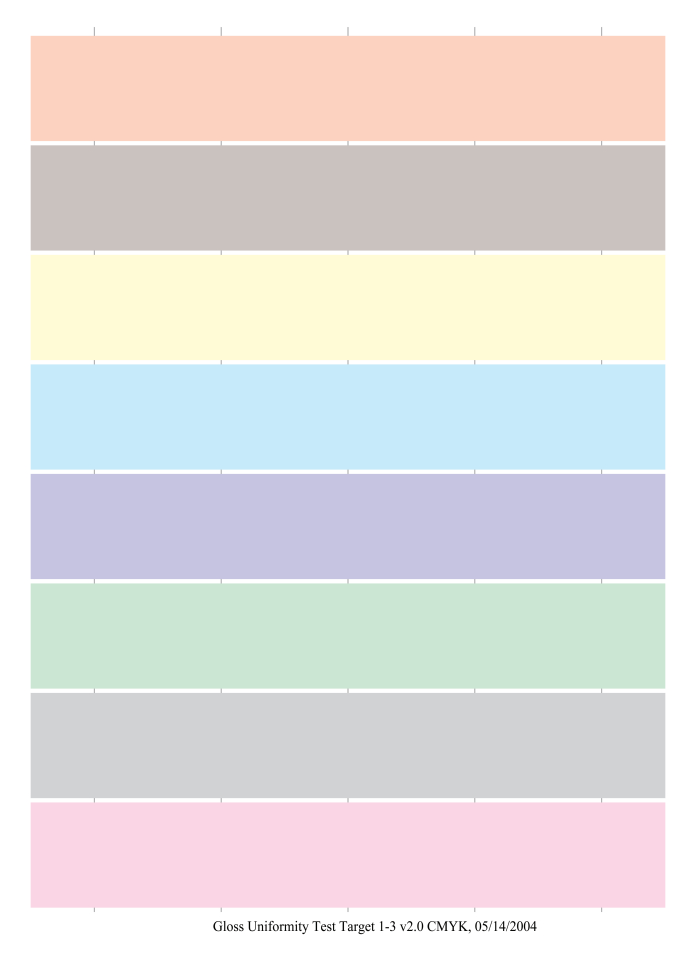


GlossUniformity_1_3_v2_CMYK - ISO/IEC 19799:2007 - Information technology — Method of measuring gloss uniformity on printed pages/13/2007
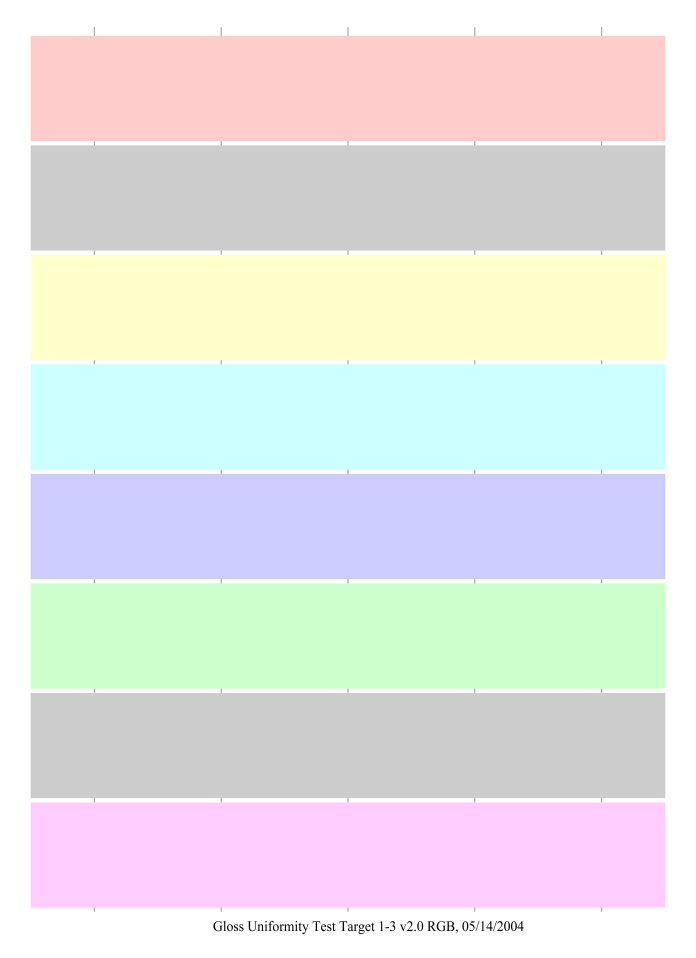


GlossUniformity_1_3_v2_RGB - ISO/IEC 19799:2007 - Information technology — Method of measuring gloss uniformity on printed pages/13/2007
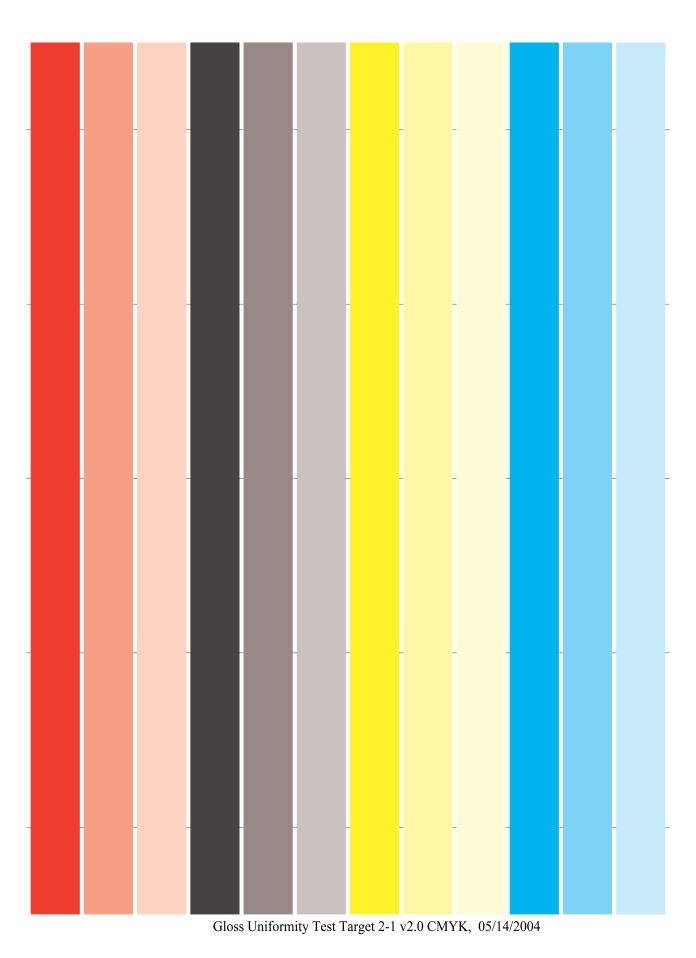


GlossUniformity_2_1_v2_CMYK - ISO/IEC 19799:2007 - Information technology — Method of measuring gloss uniformity on printed pages/13/2007
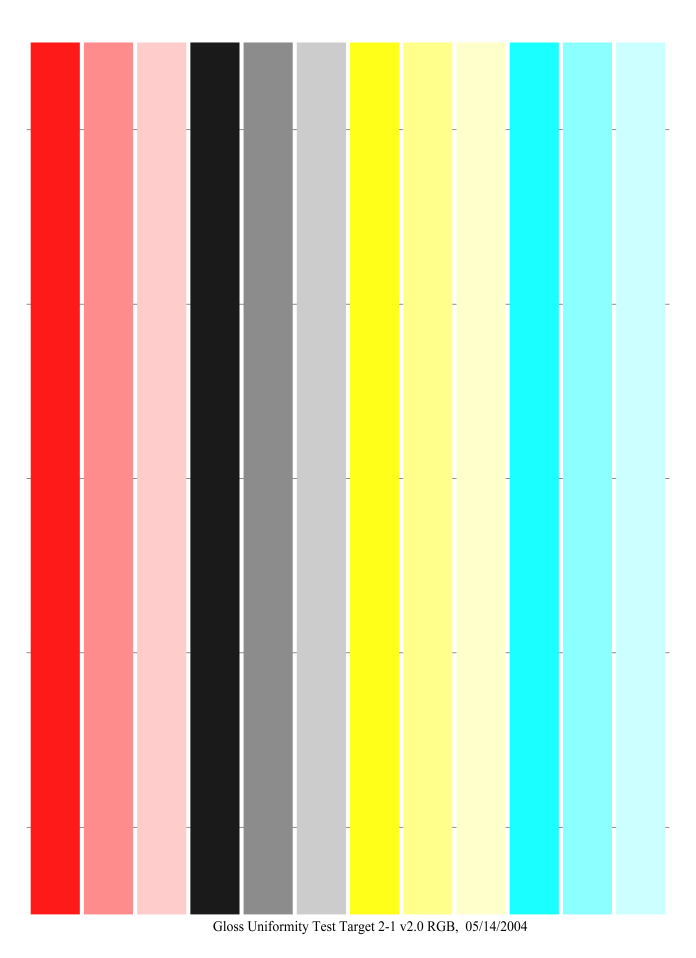


GlossUniformity_2_1_v2_RGB - ISO/IEC 19799:2007 - Information technology — Method of measuring gloss uniformity on printed pages/13/2007
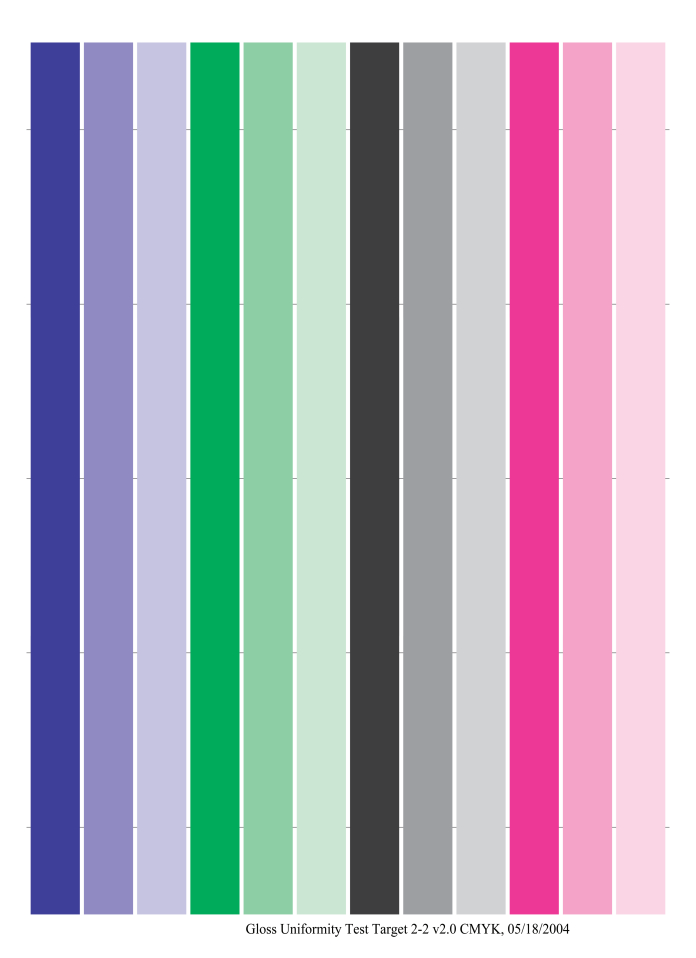


GlossUniformity_2_2_v2_CMYK - ISO/IEC 19799:2007 - Information technology — Method of measuring gloss uniformity on printed pages/13/2007
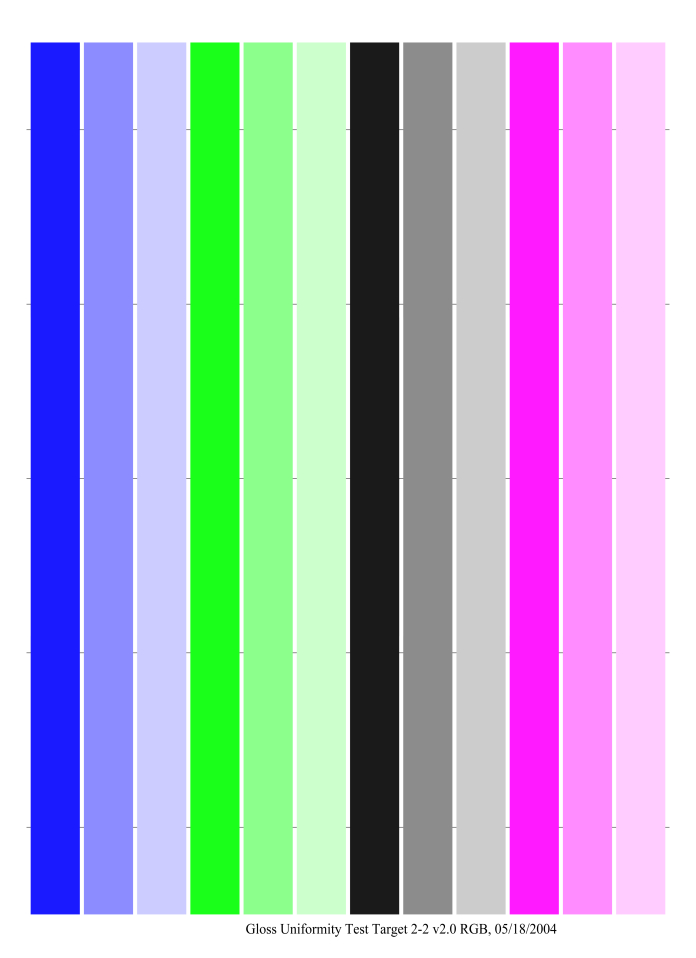


GlossUniformity_2_2_v2_RGB - ISO/IEC 19799:2007 - Information technology — Method of measuring gloss uniformity on printed pages/13/2007
ISO/IEC 19799:2007 - Information technology — Method of measuring gloss uniformity on printed pages Released:3/13/2007



ISO/IEC 19799:2007 - Information technology — Method of measuring gloss uniformity on printed pages Released:3/13/2007
Overview
ISO/IEC 19799:2007 - Information technology: Method of measuring gloss uniformity on printed pages - defines standardized, objective methods for assessing gloss non‑uniformity on reflection prints. The standard specifies test charts, measurement procedures, data analysis and grading methods for three primary gloss attributes: differential gloss, within‑page gloss uniformity, and gloss consistency within a run. It also provides guidance for linking objective instrument readings to subjective impressions where applicable.
Keywords: ISO/IEC 19799:2007, gloss uniformity, gloss measurement, differential gloss, reflection prints, electro‑photographic.
Key Topics and Requirements
- Scope and applicability
- Applies to reflection mode prints produced by electro‑photographic printers and copiers (analog and digital).
- Does not cover transmission‑mode gloss or many micro‑gloss artefacts (e.g., gloss grain, spots) due to current instrument limitations.
- Test artifacts and files
- Defines electronic test files for printers and hardcopy originals for copiers; recommended color tolerances and chart designs are provided (Annexes).
- Mean gloss for the test chart is calculated from 40 individual printed patches.
- Test conditions & set‑up
- Environmental range: 18 °C to 25 °C, relative humidity 30–70 %.
- Use manufacturer‑approved paper and default driver/engine settings; document driver version and any deviations.
- Sample sizes
- Differential gloss and within‑page tests: one representative test print/copy set.
- Gloss consistency within a run: ten sets of test prints.
- Measurement and analysis
- Leverages established gloss standards (see Related Standards) and prescribes data analysis, grading, and transforms to correlate objective measurements with subjective responses where appropriate.
- Reporting
- Specifies the contents of a test report including engine settings, substrate, and measurement results.
Applications & Who Uses It
- Printer and copier manufacturers - to characterize and document gloss uniformity in product specifications and consumer documentation.
- Quality assurance engineers - for production acceptance testing and process control of electro‑photographic devices.
- R&D teams - to evaluate imaging algorithms, fuser/paper interactions and to compare device performance.
- Third‑party test labs - for standardized benchmarking and certification of gloss uniformity.
Practical benefits include consistent, reproducible metrics for customer claims, trouble‑shooting gloss non‑uniformity, and correlating objective data with perceived print quality.
Related Standards
- ISO 2813 - Determination of specular gloss (20°, 60°, 85°)
- ISO 8254‑1:1999 - Paper and board: 75° gloss (TAPPI converging beam method)
These normative references are used as the measurement foundation adapted within ISO/IEC 19799:2007.
Buy Documents
19799diffgloss_CMYK_annot - ISO/IEC 19799:2007 - Information technology — Method of measuring gloss uniformity on printed pages/13/2007
19799diffgloss_RGB_annot - ISO/IEC 19799:2007 - Information technology — Method of measuring gloss uniformity on printed pages/13/2007
19799diffgloss_testchart_CMYK - ISO/IEC 19799:2007 - Information technology — Method of measuring gloss uniformity on printed pages/13/2007
19799diffgloss_testcharts_RGB - ISO/IEC 19799:2007 - Information technology — Method of measuring gloss uniformity on printed pages/13/2007
GlossUnif_1_1_v2_CMYK_annot - ISO/IEC 19799:2007 - Information technology — Method of measuring gloss uniformity on printed pages/13/2007
GlossUnif_1_1_v2_RGB_annot - ISO/IEC 19799:2007 - Information technology — Method of measuring gloss uniformity on printed pages/13/2007
GlossUnif_1_2_v2_CMYK_annot - ISO/IEC 19799:2007 - Information technology — Method of measuring gloss uniformity on printed pages/13/2007
GlossUnif_1_2_v2_RGB_annot - ISO/IEC 19799:2007 - Information technology — Method of measuring gloss uniformity on printed pages/13/2007
GlossUnif_1_3_v2_CMYK_annot - ISO/IEC 19799:2007 - Information technology — Method of measuring gloss uniformity on printed pages/13/2007
GlossUnif_1_3_v2_RGB_annot - ISO/IEC 19799:2007 - Information technology — Method of measuring gloss uniformity on printed pages/13/2007
GlossUnif_2_1_v2_CMYK_annot - ISO/IEC 19799:2007 - Information technology — Method of measuring gloss uniformity on printed pages/13/2007
GlossUnif_2_1_v2_RGB_annot - ISO/IEC 19799:2007 - Information technology — Method of measuring gloss uniformity on printed pages/13/2007
GlossUnif_2_2_v2_CMYK_annot - ISO/IEC 19799:2007 - Information technology — Method of measuring gloss uniformity on printed pages/13/2007
GlossUnif_2_2_v2_RGB_annot - ISO/IEC 19799:2007 - Information technology — Method of measuring gloss uniformity on printed pages/13/2007
GlossUniformity_1_1_v2_CMYK - ISO/IEC 19799:2007 - Information technology — Method of measuring gloss uniformity on printed pages/13/2007
GlossUniformity_1_1_v2_RGB - ISO/IEC 19799:2007 - Information technology — Method of measuring gloss uniformity on printed pages/13/2007
GlossUniformity_1_2_v2_CMYK - ISO/IEC 19799:2007 - Information technology — Method of measuring gloss uniformity on printed pages/13/2007
GlossUniformity_1_2_v2_RGB - ISO/IEC 19799:2007 - Information technology — Method of measuring gloss uniformity on printed pages/13/2007
GlossUniformity_1_3_v2_CMYK - ISO/IEC 19799:2007 - Information technology — Method of measuring gloss uniformity on printed pages/13/2007
GlossUniformity_1_3_v2_RGB - ISO/IEC 19799:2007 - Information technology — Method of measuring gloss uniformity on printed pages/13/2007
GlossUniformity_2_1_v2_CMYK - ISO/IEC 19799:2007 - Information technology — Method of measuring gloss uniformity on printed pages/13/2007
GlossUniformity_2_1_v2_RGB - ISO/IEC 19799:2007 - Information technology — Method of measuring gloss uniformity on printed pages/13/2007
GlossUniformity_2_2_v2_CMYK - ISO/IEC 19799:2007 - Information technology — Method of measuring gloss uniformity on printed pages/13/2007
GlossUniformity_2_2_v2_RGB - ISO/IEC 19799:2007 - Information technology — Method of measuring gloss uniformity on printed pages/13/2007
ISO/IEC 19799:2007 - Information technology — Method of measuring gloss uniformity on printed pages Released:3/13/2007
ISO/IEC 19799:2007 - Information technology — Method of measuring gloss uniformity on printed pages Released:3/13/2007
Frequently Asked Questions
ISO/IEC 19799:2007 is a standard published by the International Organization for Standardization (ISO). Its full title is "Information technology — Method of measuring gloss uniformity on printed pages". This standard covers: ISO/IEC 19799:2007 defines methods and processes for measuring objective print quality attributes for the assessment of gloss non-uniformity on printed pages in reflection mode, and provides transforms, when applicable, that relate the objective results to subjective responses if appropriate. The gloss uniformity attributes included in ISO/IEC 19799:2007 are differential gloss, gloss uniformity within a page, and gloss consistency within a run. ISO/IEC 19799:2007 provides a definition of gloss uniformity attributes representative of the print quality on reflection prints, a set of print files for the creation of printed pages for gloss uniformity measurement, a procedure for gloss uniformity testing and the analysis of the resulting data, a method for evaluating and grading these measurements and deriving an assessment of gloss uniformity, the appropriate method of describing the gloss uniformity of printing and copying systems in documentation supplied to the consumer by the manufacturer. The reflection prints that are to be used for measurement can be created via printers or copiers (analog and digital). ISO/IEC 19799:2007 is applicable only to electro-photographic based prints. It does not address the measurement of gloss attributes of printed pages in transmission mode.
ISO/IEC 19799:2007 defines methods and processes for measuring objective print quality attributes for the assessment of gloss non-uniformity on printed pages in reflection mode, and provides transforms, when applicable, that relate the objective results to subjective responses if appropriate. The gloss uniformity attributes included in ISO/IEC 19799:2007 are differential gloss, gloss uniformity within a page, and gloss consistency within a run. ISO/IEC 19799:2007 provides a definition of gloss uniformity attributes representative of the print quality on reflection prints, a set of print files for the creation of printed pages for gloss uniformity measurement, a procedure for gloss uniformity testing and the analysis of the resulting data, a method for evaluating and grading these measurements and deriving an assessment of gloss uniformity, the appropriate method of describing the gloss uniformity of printing and copying systems in documentation supplied to the consumer by the manufacturer. The reflection prints that are to be used for measurement can be created via printers or copiers (analog and digital). ISO/IEC 19799:2007 is applicable only to electro-photographic based prints. It does not address the measurement of gloss attributes of printed pages in transmission mode.
ISO/IEC 19799:2007 is classified under the following ICS (International Classification for Standards) categories: 37.100.10 - Reproduction equipment. The ICS classification helps identify the subject area and facilitates finding related standards.
ISO/IEC 19799:2007 is available in PDF format for immediate download after purchase. The document can be added to your cart and obtained through the secure checkout process. Digital delivery ensures instant access to the complete standard document.
Standards Content (Sample)
1 11 21 31
0, 0.5, 1, 0.8 0, 0.5, 0.5, 0 0.25, 0.25, 0.25, 0 0.5, 0, 0.25, 0
2 12 22 32
1, 0, 1, 0 0.25, 0.5, 0, 0 1, 0, 0.5, 0.8 0.5, 1, 0, 0.5
3 13 23 33
0, 0, 0, 0.5 0, 0, 0, 0.25 0.5, 1, 0, 0 0.25, 0, 0.25, 0
4 14 24 34
0, 0.5, 0, 0 1, 1, 1, 0 0, 0.25, 0.25, 0 0.25, 0.25, 0, 0
5 15 25 35
0, 0, 0.25, 0 0, 0, 1, 0 0.9, 0, 0.9, 0.9 0, 0.5, 1, 0
6 16 26 36
0.9, 0.9, 0, 0.9 0.25, 0, 0, 0 0, 0.45, 0.45, 0.3
...
1 11 21 31
51, 0, 0 255, 128, 128 191, 191, 191 128, 255, 191
2 12 22 32
0, 255, 0 191, 128, 255 0, 51, 0 0, 0, 128
3 13 23 33
128, 128, 128 191, 191, 191 128, 0, 255 191, 255, 191
4 14 24 34
255, 128, 255 0, 0, 0 255, 191, 191 191, 191, 255
5 15 25 35
255, 255, 191 255, 255, 0 0, 26, 0 255, 128, 0
6 16 26 36
0, 0, 26 191, 255, 255 166, 51, 51 0, 255, 128
7 17
...
ISO/IEC 19799 Differential Gloss Test Chart CMYK version1.0, J
...
ISO/IEC 19799 Differential Gloss Test Chart RGB version1.0, Ju
...
INTERNATIONAL ISO/IEC
STANDARD 19799
First edition
2007-03-15
Information technology — Method of
measuring gloss uniformity on printed
pages
Technologies de l'information — Méthode de mesure de l'uniformité de
lustre des pages imprimées
Reference number
©
ISO/IEC 2007
PDF disclaimer
This PDF file may contain embedded typefaces. In accordance with Adobe's licensing policy, this file may be printed or viewed but
shall not be edited unless the typefaces which are embedded are licensed to and installed on the computer performing the editing. In
downloading this file, parties accept therein the responsibility of not infringing Adobe's licensing policy. The ISO Central Secretariat
accepts no liability in this area.
Adobe is a trademark of Adobe Systems Incorporated.
Details of the software products used to create this PDF file can be found in the General Info relative to the file; the PDF-creation
parameters were optimized for printing. Every care has been taken to ensure that the file is suitable for use by ISO member bodies. In
the unlikely event that a problem relating to it is found, please inform the Central Secretariat at the address given below.
© ISO/IEC 2007
All rights reserved. Unless otherwise specified, no part of this publication may be reproduced or utilized in any form or by any means,
electronic or mechanical, including photocopying and microfilm, without permission in writing from either ISO at the address below or
ISO's member body in the country of the requester.
ISO copyright office
Case postale 56 • CH-1211 Geneva 20
Tel. + 41 22 749 01 11
Fax + 41 22 749 09 47
E-mail copyright@iso.org
Web www.iso.org
Published in Switzerland
ii © ISO/IEC 2007 – All rights reserved
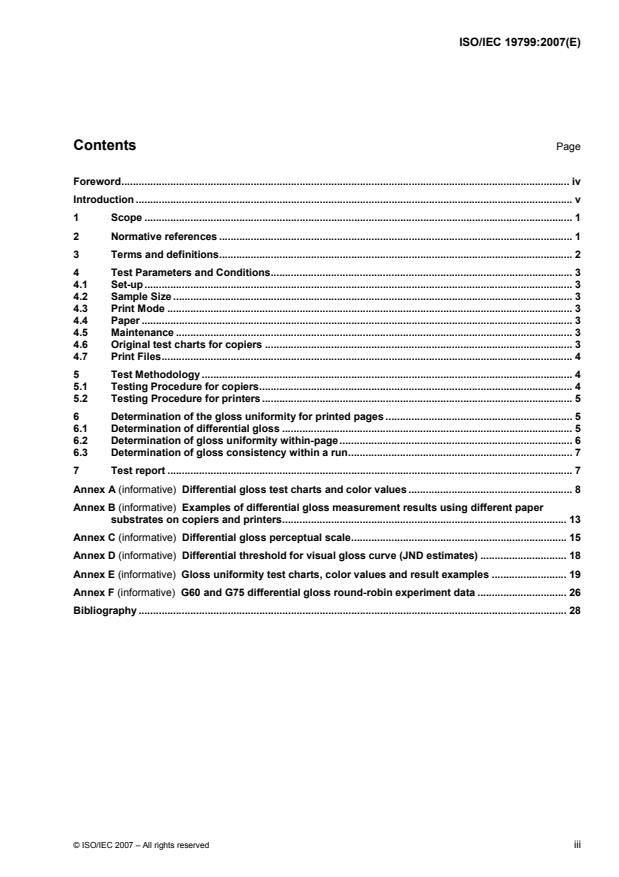
Contents Page
Foreword. iv
Introduction . v
1 Scope . 1
2 Normative references . 1
3 Terms and definitions. 2
4 Test Parameters and Conditions. 3
4.1 Set-up. 3
4.2 Sample Size . 3
4.3 Print Mode . 3
4.4 Paper . 3
4.5 Maintenance . 3
4.6 Original test charts for copiers . 3
4.7 Print Files. 4
5 Test Methodology . 4
5.1 Testing Procedure for copiers. 4
5.2 Testing Procedure for printers . 5
6 Determination of the gloss uniformity for printed pages . 5
6.1 Determination of differential gloss . 5
6.2 Determination of gloss uniformity within-page . 6
6.3 Determination of gloss consistency within a run. 7
7 Test report . 7
Annex A (informative) Differential gloss test charts and color values . 8
Annex B (informative) Examples of differential gloss measurement results using different paper
substrates on copiers and printers. 13
Annex C (informative) Differential gloss perceptual scale. 15
Annex D (informative) Differential threshold for visual gloss curve (JND estimates) . 18
Annex E (informative) Gloss uniformity test charts, color values and result examples . 19
Annex F (informative) G60 and G75 differential gloss round-robin experiment data . 26
Bibliography . 28
© ISO/IEC 2007 – All rights reserved iii
Foreword
ISO (the International Organization for Standardization) is a worldwide federation of national standards bodies
(ISO member bodies). The work of preparing International Standards is normally carried out through ISO
technical committees. Each member body interested in a subject for which a technical committee has been
established has the right to be represented on that committee. International organizations, governmental and
non-governmental, in liaison with ISO, also take part in the work. ISO collaborates closely with the
International Electrotechnical Commission (IEC) on all matters of electrotechnical standardization.
International Standards are drafted in accordance with the rules given in the ISO/IEC Directives, Part 2.
The main task of technical committees is to prepare International Standards. Draft International Standards
adopted by the technical committees are circulated to the member bodies for voting. Publication as an
International Standard requires approval by at least 75 % of the member bodies casting a vote.
Attention is drawn to the possibility that some of the elements of this document may be the subject of patent
rights. ISO shall not be held responsible for identifying any or all such patent rights.
ISO/IEC 19799 was prepared by Technical Committee ISO/IEC JTC 1, Information technology, Subcommittee
SC 28, Office equipment.
iv © ISO/IEC 2007 – All rights reserved
Introduction
The purpose of this International Standard is to provide a process for measuring objective print quality
attributes for gloss non-uniformity on printed pages in reflection mode.
This International Standard prescribes the following:
⎯ a definition of gloss uniformity attributes representative of the print quality on reflection prints;
⎯ a procedure for gloss uniformity testing and the analysis of the resulting data;
⎯ a method for evaluating and grading these measurements and deriving an assessment of gloss uniformity,
enabling a means to correlate the objective gloss uniformity measurement to subjective impression of
gloss uniformity if appropriate; and
⎯ the appropriate method of describing the gloss uniformity of printing and copying systems in
documentation supplied to the consumer by the manufacturer.
© ISO/IEC 2007 – All rights reserved v
INTERNATIONAL STANDARD ISO/IEC 19799:2007(E)
Information technology — Method of measuring gloss
uniformity on printed pages
1 Scope
The scope of this International Standard is to define methods and processes of measuring objective print-
quality attributes for the assessment of gloss non-uniformity on printed pages in reflection mode, and to
provide transforms, when applicable, that relate the objective results to subjective responses, if appropriate.
There are many existing standards (see Normative references and Bibliography for details) typically used for
gloss measurement. Our intent is to leverage the existing standards and adapt those for use on gloss
uniformity measurements where appropriate.
This International Standard is composed of a standardized test methodology, which is based on established
gloss measurement methodologies as noted in Clause 2 and in the Bibliography. The methodologies have
been modified so that, when applied to printed pages created by different marking technologies and imaging
algorithms on different substrates, the results indicate the level of the objective gloss uniformity of the printed
pages (in reflection mode). If the objective measurement can be linked to the subjective impression of gloss
uniformity, then the linkage from objective measurement to subjective impression via mathematical transforms
is provided. The reflection prints that are to be used as the subject of these tests can be created via printers or
copiers (analog and digital). This International Standard should be applied only to electro-photographic bases
prints. When more reflection prints made by other printing technologies become available for follow-up study,
one may consider including those printing technologies in this International Standard as a revision. This
International Standard does not address the measurement of gloss attributes of printed pages in transmission
mode.
Gloss uniformity attributes currently included in this International Standard are: differential gloss, gloss
uniformity within a page, and gloss consistency within a run. Due to the current level of immaturity of
commercially available objective micro-gloss measurement instruments, gloss artefact attributes (such as
gloss grain, gloss spot, gloss streak, gloss band, gloss mottle/cloud, gloss moiré) are not included in this
International Standard at the present time, since instrumented measurement procedure cannot be
recommended at present. As instrumented measurement capability becomes available, they will be
considered for adoption into this International Standard as a revision.
2 Normative references
The following referenced documents are indispensable for the application of this document. For dated
references, only the edition cited applies. For undated references, the latest edition of the referenced
document (including any amendments) applies.
ISO 2813, Paints and varnishes — Determination of specular gloss of non-metallic paint films at 20°, 60° and
85°
ISO 8254-1:1999, Paper and board — Measurement of specular gloss — Part 1: 75° gloss with a converging
beam, TAPPI method
© ISO/IEC 2007 – All rights reserved 1
3 Terms and definitions
For the purposes of this document, the following terms and definitions apply.
3.1
gloss value
pertains to front surface reflection of incident light from an image or non-image area that varies with angle
relative to the normal-to-the-receiver surface
NOTE Images whose front surface exhibits a highly specular reflection are considered to be high gloss while those
whose front surface exhibits more of a lambertian (matte) reflection characteristic are considered to be low gloss. Gloss
values can differ depending on the measurement methodology (such as measurement angle of gloss instruments and the
size of the sampled area) and the magnitude of gloss level in the area of interest.
3.2
differential gloss
spread of the gloss readings on a single test target
NOTE Differential gloss, when present, is an image content and substrate dependent effect. Colorant area coverage
ranging from 0 % to high area coverage must be considered as that coverage difference which is commonly observed in
typical images. The effective range of minimum and maximum gloss can vary dependent upon substrate gloss. Thus, an
image with variable spatial colorant laydown can exhibit variation in gloss level, and this variation may be large enough to
be observed and considered to be objectionable. Differential gloss, in this context, is most easily quantified when
observing adjacent flat-field image regions of different content (density, colour, etc.).
3.3
within page (flat-field) gloss variability
attribute that often takes the form of a large-scale gloss gradient (gloss value change), or fade, from one side
of the image (at the same colorant laydown) to the other or from top to bottom of the image
NOTE This is generally evaluated within large flat field regions, since the same level of colorant laydown is needed
over the entire region to correctly quantify this type of gloss variability.
3.4
page-to-page (flat-field) gloss variability
variability in the gloss value of the document from page to page (one-sided printing as well as two-sided
printing), or between adjacent pages (of the same image contents)
NOTE This gloss value variation can be accompanied by any of the other gloss categories defined here, such as
within page gloss variability or sundry gloss artefacts, and can probably only be meaningfully evaluated between pages
with the same image content. The magnitude of this attribute can be deduced from the measurement of gloss consistency
within a run.
3.5
gloss consistency within a run
gloss variation (flat-field) of the same colorant coverage on a similar substrate within a print run of a
pre-defined run length
3.6
gloss artefacts
such items as gloss grain, gloss spot, gloss streak, gloss band, gloss mottle/cloud and gloss moiré
NOTE More detailed descriptions of these artifacts can be found in the Normative references and the Bibliography.
Due to the current level of immaturity of objective measurement equipment for these gloss artefacts, an instrumented
measurement procedure cannot be recommended at present. As instrumented measurement capability becomes available,
this will be considered for adoption into this International Standard.
3.7
mean gloss
attribute that quantifies the overall level of glossiness of the print
NOTE The mean gloss value is calculated from the gloss values for the 40 individual printed patches (see the test
chart in Annex A) on the print under test. The mean gloss value of the 40 patches is considered to be the mean gloss of
the print. Mean gloss, for the purposes of ISO 19799, refers only to the mean gloss of the test chart provided in Annex A.
The mean gloss, which is image content dependent, will not necessarily be the same for other images.
2 © ISO/IEC 2007 – All rights reserved
4 Test Parameters and Conditions
4.1 Set-up
Place the copier or printer on a horizontal surface and set-up the copier/printer according to the installation
guide provided in the user’s manual. Use the most recent copier/printer driver available from the manufacturer.
The driver version will be specified on the test report.
All image and print quality modifiers should be at their factory pre-set configuration for the copier/printer and
default installed condition for the driver. If the printer/copier and driver differ, then the driver defaults should be
used. Deviation from the above conditions should be noted in the test report. For the printer, to assure that the
test page is rendered correctly, no page size modifiers such as “Fit to Page” should be used and font
substitution should be turned off. The file should be printed using the fonts embedded in the file and should be
rendered on the page in a size corresponding to the dimensions in the test page description. Page placement
modifiers such as page centering can be used to place the image properly on the page. The test(s) shall be
performed in the following environment.
Temperature: 18 °C to 25 °C
Relative humidity 30 % to 70 %
4.2 Sample Size
For the differential gloss and gloss uniformity within-page tests, only one set of representative test prints (for
printer) or copies (for copier) is required. For the gloss consistency within a run test, ten sets of test prints are
needed (the test set can have multiple pages).
4.3 Print Mode
For reporting gloss uniformity, the test shall be run after the engine has warmed up in ready mode. The engine
settings (simplex mode, duplex mode, paper selection, fuser setting, print speed, quality setting etc) of the
Printer/copier should be noted in the report.
4.4 Paper
The paper used in this test should represent a compatible paper for the engine, and must conform to the
manufacturer’s list of approved papers unless otherwise noted in the report. The paper manufacturer, weight,
coated/uncoated, paper gloss and size, A4 or equivalent, used in the test will be noted on the report.
4.5 Maintenance
Print engine maintenance shall be performed per the user’s manual.
4.6 Original test charts for copiers
This standard addresses the gloss uniformity of reflection prints regardless of whether the print comes from a
printer or a copier. Therefore, both an electronic test file (described in section 4.7) for the printer and a
hardcopy reflection test chart original to be used by copiers (analog and digital) shall be specified. The
originals for the copier can be produced by several methods using the test charts (in electronic form) shown in
Annex A, Annex E.1 and Annex E.2. The aim is to produce a large enough color gamut to cover a large range
of colorant coverage. The differential gloss test chart can be produced using RGB test files in Annex A.3 (an
annotation of its content is shown in Annex A.4) on Silver Halide paper (such as Kodak Edge 8, Fuji Crystal
Archive or equivalent) printed with a digital AgX imaging system (such as Durst Lambda, Fuji Frontier, Noritsu
or equivalent). The colour values (D65 illuminant, 2 degree observer, black backing) of a differential gloss
colour test chart original (with printed colour tolerance of +/− 3 deltaE) are shown in Annex A.5. In this case, it
was created with a Durst Lambda printer using Kodak Edge 8 paper. An example of differential gloss
measurement results for a copier (as compared with the results from the printer function of the same engine
© ISO/IEC 2007 – All rights reserved 3
using a Durst Lamda/Kodak Edge 8 original) is shown in Annex B). The colour values (D65 illuminant,
2 degree observer, black backing) of the gloss-uniformity within-page original test charts (Annex E.1)
produced by the same method are shown in Annex E.2. Other methods of creating the copier original are
acceptable if the colour values of the test charts are within 3 deltaE of the specified values.
4.7 Print Files
The print test files are outlined and specified in Annex A (both an RGB file {Annex A.3} and a CMYK file
{Annex A.1}, and their corresponding annotation files {Annex A.4 and Annex A.2} that define their contents are
provided). Annex E shows the file contents for the within-page test charts (the annotation files for these test
charts are defined in the INCITS W1.1 references listed in the Bibliography). The RGB file is intended for
printers requiring RGB files and the CMYK file is intended for printers requiring CMYK files. The test must be
conducted using the most recent official electronic test files as the input. The most recent official files are
available in PDF format and are located at http://www.iso.org/jtc1/sc28. Failure to use the most recent official
electronic test files will invalidate test results. In addition to the test files, the latest version of Adobe™ Acrobat
Reader or equivalent will be used with the printer driver to generate the output data. The version of the test file
and Acrobat will be included in the test report.
Currently, it is suggested that a CMYK file be used for 4 colour printers. For other printers, the default
condition is RGB files. The file format used shall be included in the test report.
5 Test Methodology
5.1 Testing Procedure for copiers
1) Install the copier following the user’s manual and put the system into ready mode.
2) Set the system parameters (such as paper weight selection, paper size and feed orientation, quality
mode) for test. Record the engine model, configuration (hardware and software version number),
default condition and variant selected.
3) For the differential gloss and gloss uniformity within-page tests put each of the six test charts (one for
the differential gloss test, five for the gloss uniformity within-page test) on the copying platen one at a
time (or in the automatic document feeder if one is available) and make one set of copies with at
least a 5-second interval between the completion of one copy and the start of the next copy.
4) For the test for gloss consistency within a run, place each of the five-page gloss uniformity
within-page test charts on the platen one at a time (or in the automatic document feeder if one is
available) and make n sequential copies of each of the test charts with at least a 5-second interval
between the completion of one n copy run and the start of the next n copy run. Specified copy count,
n and time variations could be highly dependent upon intended market target for the copier/printer
and it is therefore preferred to vary this interval as a function of copier/printer rated speed (in K ppm).
At least 10 sets of test charts should be printed. Also from a statistical analysis viewpoint, minimum
of 5 sample sets (from the collected n print sets) are needed for measurements and analysis. The
st
5 sets of data for measurement should include the 1 set, the last set and 3 other sets that are
substantially evenly distributed in the test job stream (for example, close to the ¼, ½ and ¾ mark of
the each of the test run).
n1 = Integer (K * 10),
If n1 >= 10,
n = n1, else
n = 10.
4 © ISO/IEC 2007 – All rights reserved
5.2 Testing Procedure for printers
1) Install the printer following the user’s manual and put the system into ready mode.
2) Set the system parameters (such as paper weight selection, paper size and feed orientation, quality
mode) for test. Record the engine model, configuration (hardware and software version number),
default condition and variant selected.
3) For the differential gloss and gloss uniformity within-page test, send each of the six electronic files
(one for the differential gloss test, five for the gloss uniformity within-page test) to the printer and
make one set of prints with at least a 5-second interval between the completion of one print and the
start of the next print.
4) For the gloss consistency within run tests, send each of the five pages of the gloss uniformity
within-page test charts to the printer and make n sequential prints of each of the test pages with at
least a 5-second interval between the completion of one n print run and the start of the next n print
run. Specified copy count, n and time variations could be highly dependent upon the intended
market target for the copier/printer and it is therefore preferred to vary this interval as a function of
copier/printer rated speed (in K ppm). At least 10 sets of test charts should be printed. Also for
statistical analysis, a minimum of 5 sample sets (from the collected n print sets), is needed for
st
measurements and analysis. The 5 sets of data for measurement should include the 1 set, the last
set and 3 other sets that are substantially evenly distributed in the test job stream (for example,
close to the ¼, ½ and ¾ mark of the each of the test runs).
n1 = Integer (K * 10),
If n1 >= 10,
n = n1, else
n = 10.
6 Determination of the gloss uniformity for printed pages
6.1 Determination of differential gloss
Measure the gloss value of the 40 patches on the printed Differential Gloss chart (see the test chart on
Annex A) using 60-degree gloss measurement geometry (G60) as specified by ISO 2813. The gloss
measurement should be performed with the longer dimension of the gloss meter window aligned with the long
dimension of
...
INTERNATIONAL ISO/IEC
STANDARD 19799
First edition
2007-03-15
Information technology — Method of
measuring gloss uniformity on printed
pages
Technologies de l'information — Méthode de mesure de l'uniformité de
lustre des pages imprimées
Reference number
©
ISO/IEC 2007
PDF disclaimer
PDF files may contain embedded typefaces. In accordance with Adobe's licensing policy, such files may be printed or viewed but shall
not be edited unless the typefaces which are embedded are licensed to and installed on the computer performing the editing. In
downloading a PDF file, parties accept therein the responsibility of not infringing Adobe's licensing policy. The ISO Central Secretariat
accepts no liability in this area.
Adobe is a trademark of Adobe Systems Incorporated.
Details of the software products used to create the PDF file(s) constituting this document can be found in the General Info relative to
the file(s); the PDF-creation parameters were optimized for printing. Every care has been taken to ensure that the files are suitable for
use by ISO member bodies. In the unlikely event that a problem relating to them is found, please inform the Central Secretariat at the
address given below.
This CD-ROM contains:
1) the publication ISO/IEC 19799:2007 in portable document format (PDF), which can be viewed using
Adobe® Acrobat® Reader; and
2) electronic attachments containing colour print samples.
Adobe and Acrobat are trademarks of Adobe Systems Incorporated.
© ISO/IEC 2007
All rights reserved. Unless otherwise specified, no part of this CD-ROM may be reproduced, stored in a retrieval system or transmitted in
any form or by any means without prior permission from ISO. Requests for permission to reproduce this product should be addressed to
ISO copyright office • Case postale 56 • CH-1211 Geneva 20 • Switzerland
Internet
...