

ASTM C536-83(2023)
(Test Method)Standard Test Method for Continuity of Coatings in Glassed Steel Equipment by Electrical Testing
General Information
- Abstract
SIGNIFICANCE AND USE
4.1 This test method is designed to detect existing discontinuities in the glass coating of glassed steel equipment while maintaining a voltage low enough as to be unlikely to cause breakdown of the coating. The test is adaptable for manufacturing inspection in the processing of equipment and for field use to find existing defects which can be “plugged” or repaired before serious damage is done to the equipment. As a means of positive detection, it is applicable to process studies, quality control, or specification.
SCOPE
1.1 This test method covers the detection of discontinuities in the glass coating of glassed steel equipment where such discontinuities would result in early failure due to the attack of the chemical contents of the vessel on the metal substrate. It is applicable to (1) provide a manufacturing and inspection test of glassed-steel equipment designed for relatively mild, low-temperature corrosive service, and (2) the field testing of similar equipment used in more severely corrosive environment.
Note 1: A manufacturing test method for the latter type of equipment is described in Test Method C537.
1.2 The values stated in SI units are to be regarded as standard. No other units of measurement are included in this standard.
1.3 This standard does not purport to address all of the safety concerns, if any, associated with its use. It is the responsibility of the user of this standard to establish appropriate safety, health, and environmental practices and determine the applicability of regulatory limitations prior to use.
1.4 This international standard was developed in accordance with internationally recognized principles on standardization established in the Decision on Principles for the Development of International Standards, Guides and Recommendations issued by the World Trade Organization Technical Barriers to Trade (TBT) Committee.
- Status
- Published
- Publication Date
- 30-Apr-2023
- Technical Committee
- B08 - Metallic and Inorganic Coatings
- Drafting Committee
- B08.12 - Materials for Porcelain Enamel and Ceramic-Metal Systems


Overview
ASTM C536-83(2023), Standard Test Method for Continuity of Coatings in Glassed Steel Equipment by Electrical Testing, specifies procedures for identifying discontinuities in the glass coatings of glassed (glass-lined or glass-coated) steel equipment. Detecting such defects is essential to ensure the longevity and corrosion resistance of steel vessels used for chemical processing. This method utilizes electrical testing at voltages designed to locate existing flaws without damaging the glass coating, making it suitable for both manufacturing quality control and field inspection.
Key Topics
- Purpose: The standard outlines a non-destructive test to detect discontinuities (such as pinholes or cracks) where the glass coating may fail, potentially exposing the steel to corrosive attack.
- Test Method: The procedure involves grounding the equipment and applying a high-voltage probe across its glass-coated surface. A spark indicates a break in the coating.
- Adaptability: The method is effective for both new equipment inspection in manufacturing environments and for in-service field evaluations.
- Safety: The standard emphasizes safety, noting the need for proper grounding and insulated probe handling to prevent electrical hazards.
- Reporting: Test records should include test dates, equipment descriptions, and details on the number and location of detected discontinuities.
Applications
ASTM C536-83(2023) is widely relevant across industries using glassed steel equipment, especially where chemical resistance and vessel integrity are critical. Main applications include:
- Quality Control in Manufacturing: Routine inspection of glass-lined reactors, tanks, and vessels ensures the glass coatings are continuous, preventing premature failures during service.
- Field Inspection and Maintenance: Operators can use this test method to check in-service equipment for coating defects that may develop over time, allowing preventative repairs before significant damage occurs.
- Process Studies and Specification Compliance: The method provides a reliable check for specification adherence in procurement and process validation.
- Industries Involved: This standard is particularly important in the chemical processing, pharmaceutical, and food industries where contamination or vessel failure due to coating discontinuities must be avoided.
Related Standards
For comprehensive inspection and quality assurance of glassed steel equipment, the following related ASTM standards may also be relevant:
- ASTM C537 - Test Method for Reliability of Glass Coatings on Glassed Steel Reaction Equipment by High Voltage
- ASTM B08 - Standards on metallic and inorganic coatings, including material and performance specifications for porcelain enamels and ceramic-metal systems
Practical Value
Implementing ASTM C536-83(2023) ensures:
- Enhanced Equipment Durability: Early detection of discontinuities enables timely repairs, significantly extending the life of glass-lined steel vessels.
- Improved Process Safety: Prevents uncontrolled chemical reactions and leakages caused by hidden defects in protective coatings.
- Regulatory and Specification Compliance: Assists manufacturers and operators in meeting quality and safety standards required by international chemical process industries.
- Cost Savings: Minimizes downtime and costly replacements by facilitating proactive maintenance and quality control.
Keywords: continuity of coating, glass coated steel, glass-lined equipment, electrical testing, discontinuities, high voltage test, porcelain enamel, quality control, ASTM C536-83.
Relations
- Effective Date
- 01-May-2014
- Effective Date
- 01-Aug-2004
- Effective Date
- 01-Aug-2004
- Effective Date
- 01-Jan-1998
Get Certified
Connect with accredited certification bodies for this standard

DVS-ZERT GmbH
German welding certification society.
CARES (UK Certification Authority for Reinforcing Steels)
UK certification for reinforcing steels and construction.
EWF/IIW (European/International Welding Federation)
International welding personnel certification.
Sponsored listings
Frequently Asked Questions
ASTM C536-83(2023) is a standard published by ASTM International. Its full title is "Standard Test Method for Continuity of Coatings in Glassed Steel Equipment by Electrical Testing". This standard covers: SIGNIFICANCE AND USE 4.1 This test method is designed to detect existing discontinuities in the glass coating of glassed steel equipment while maintaining a voltage low enough as to be unlikely to cause breakdown of the coating. The test is adaptable for manufacturing inspection in the processing of equipment and for field use to find existing defects which can be “plugged” or repaired before serious damage is done to the equipment. As a means of positive detection, it is applicable to process studies, quality control, or specification. SCOPE 1.1 This test method covers the detection of discontinuities in the glass coating of glassed steel equipment where such discontinuities would result in early failure due to the attack of the chemical contents of the vessel on the metal substrate. It is applicable to (1) provide a manufacturing and inspection test of glassed-steel equipment designed for relatively mild, low-temperature corrosive service, and (2) the field testing of similar equipment used in more severely corrosive environment. Note 1: A manufacturing test method for the latter type of equipment is described in Test Method C537. 1.2 The values stated in SI units are to be regarded as standard. No other units of measurement are included in this standard. 1.3 This standard does not purport to address all of the safety concerns, if any, associated with its use. It is the responsibility of the user of this standard to establish appropriate safety, health, and environmental practices and determine the applicability of regulatory limitations prior to use. 1.4 This international standard was developed in accordance with internationally recognized principles on standardization established in the Decision on Principles for the Development of International Standards, Guides and Recommendations issued by the World Trade Organization Technical Barriers to Trade (TBT) Committee.
SIGNIFICANCE AND USE 4.1 This test method is designed to detect existing discontinuities in the glass coating of glassed steel equipment while maintaining a voltage low enough as to be unlikely to cause breakdown of the coating. The test is adaptable for manufacturing inspection in the processing of equipment and for field use to find existing defects which can be “plugged” or repaired before serious damage is done to the equipment. As a means of positive detection, it is applicable to process studies, quality control, or specification. SCOPE 1.1 This test method covers the detection of discontinuities in the glass coating of glassed steel equipment where such discontinuities would result in early failure due to the attack of the chemical contents of the vessel on the metal substrate. It is applicable to (1) provide a manufacturing and inspection test of glassed-steel equipment designed for relatively mild, low-temperature corrosive service, and (2) the field testing of similar equipment used in more severely corrosive environment. Note 1: A manufacturing test method for the latter type of equipment is described in Test Method C537. 1.2 The values stated in SI units are to be regarded as standard. No other units of measurement are included in this standard. 1.3 This standard does not purport to address all of the safety concerns, if any, associated with its use. It is the responsibility of the user of this standard to establish appropriate safety, health, and environmental practices and determine the applicability of regulatory limitations prior to use. 1.4 This international standard was developed in accordance with internationally recognized principles on standardization established in the Decision on Principles for the Development of International Standards, Guides and Recommendations issued by the World Trade Organization Technical Barriers to Trade (TBT) Committee.
ASTM C536-83(2023) is classified under the following ICS (International Classification for Standards) categories: 25.220.50 - Enamels. The ICS classification helps identify the subject area and facilitates finding related standards.
ASTM C536-83(2023) has the following relationships with other standards: It is inter standard links to ASTM C537-87(2014)e1, ASTM C537-87(2004)e1, ASTM C537-87(2009), ASTM C537-87(1998). Understanding these relationships helps ensure you are using the most current and applicable version of the standard.
ASTM C536-83(2023) is available in PDF format for immediate download after purchase. The document can be added to your cart and obtained through the secure checkout process. Digital delivery ensures instant access to the complete standard document.
Standards Content (Sample)
This international standard was developed in accordance with internationally recognized principles on standardization established in the Decision on Principles for the
Development of International Standards, Guides and Recommendations issued by the World Trade Organization Technical Barriers to Trade (TBT) Committee.
Designation: C536 − 83 (Reapproved 2023)
Standard Test Method for
Continuity of Coatings in Glassed Steel Equipment by
Electrical Testing
This standard is issued under the fixed designation C536; the number immediately following the designation indicates the year of
original adoption or, in the case of revision, the year of last revision. A number in parentheses indicates the year of last reapproval. A
superscript epsilon (´) indicates an editorial change since the last revision or reapproval.
INTRODUCTION
This procedure is a high-voltage discharge test used to locate defects in glass-lined tanks by
grounding the base metal of the test specimen and brushing the test specimen with a probe connected
to the high-voltage side of the test instrument. If a discontinuity exists, a spark will discharge through
the defect to the ground provided by the metal.
1. Scope 2. Referenced Document
2.1 ASTM Standards:
1.1 This test method covers the detection of discontinuities
C537 Test Method for Reliability of Glass Coatings on
in the glass coating of glassed steel equipment where such
Glassed Steel Reaction Equipment by High Voltage
discontinuities would result in early failure due to the attack of
the chemical contents of the vessel on the metal substrate. It is
3. Summary of Test Method
applicable to (1) provide a manufacturing and inspection test of
3.1 The test method consists essentially of grounding the
glassed-steel equipment designed for relatively mild, low-
metal structure of the equipment being tested to the ground side
temperature corrosive service, and (2) the field testing of
of a voltage generator and sweeping the surface of the glass
similar equipment used in more severely corrosive environ-
with a suitable probe electrically connected to the other side of
ment.
the generator. Wherever a discontinuity exists, a discharge will
give a positive indication that such a discontinuity exists. The
NOTE 1—A manufacturing test method for the latter type of equipment
is described in Test Method C537. voltage is set at 5000 V in order to show existing discontinui-
ties without breaking through the existing glass coating. A
1.2 The values stated in SI units are to be regarded as
built-in current limiting device ensures electrical safety for the
standard. No other units of measurement are included in this
operator.
standard.
4. Significance and Use
1.3 This standard does not purport to address all of the
safety concerns, if any, associated with its use. It is the
4.1 This test method is designed to detect existing discon-
responsibility of the user of this standard to establish appro-
tinuities in the glass coating of glassed steel equipment while
priate safety, health, and environmental practices and deter- maintaining a voltage low enough as to be unlikely to cause
mine the applicability of regulatory limitations prior to use. breakdown of the coating. The test is adaptable for manufac-
turing inspection in the processing of equipment and for field
1.4 This international standard was developed in accor-
use to find existing defects which can be “plugged” or repaired
dance with internationally recognized principles on standard-
before serious damage is done to the equipment. As a means of
ization established in the Decision on Principles for the
positive detection, it is applicable to process studies, quality
Development of International Standards, Guides and Recom-
control, or specification.
mendations issued by the World Trade Organization Technical
Barriers to Trade (TBT) Committee.
5. Definition
5.1 glassed steel (glass-lined steel or glass-coated steel)—
designations generally applied to a class of porcelain enamels
This test method is under the jurisdiction of ASTM Committee B08 on Metallic
and Inorganic Coatings and is the direct responsibility of Subcommittee B08.12 on
Materials for Porcelain Enamel and Ceramic-Metal Systems. For referenced ASTM standards, visit the ASTM website, www.astm.org, or
Current edition approved May 1, 2023. Published June 2023. Originally contact ASTM Customer Service at service@astm.org. For Annual Book of ASTM
approved in 1964. Last previous edition approved in 2018 as C536 – 83 (2018). Standards volume information, refer to the standard’s Document Summary page on
DOI: 10.1520/C0536-83R23. the ASTM website.
Copyright © ASTM International, 100 Barr Harbor Drive, PO Box C700, West Conshohocken, PA 19428-2959. United States
C536 − 83 (2023)
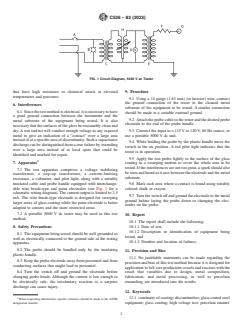
FIG. 1 Circuit Diagram, 5000 V ac Tester
that have high resistance to chemical attack at elevated 9. Procedure
temperatures and pressures.
9.1 Using a 14 gauge (1.63 mm) (or heavier) wire, connect
the ground connection of the tester to the cleaned metal
6. Interferences
substrate o
...