

ASTM E2455-22
(Guide)Standard Guide for Conducting Laboratory Toxicity Tests with Freshwater Mussels
General Information
- Abstract
SIGNIFICANCE AND USE
5.1 Protection of a species requires prevention of unacceptable effects on the number, weight, health, and uses of the individuals of that species. Toxicity tests can be used provide information about the toxicity of a test material to a specific life stage of a particular species of mussel. The primary adverse effects studied are reduced survival or growth.
5.2 Results of toxicity tests might be used to predict effects likely to occur on mussels in field situations as a result of an exposure under comparable conditions.
5.3 Results of toxicity tests might be used to compare the sensitivities of different mussel species and the toxicity of different test materials, and to study the effects of various environmental factors on results of such tests.
5.4 Results of toxicity tests conducted with mussels might be an important consideration when assessing the risks of test materials to aquatic organisms or when deriving environmental guideline values for toxicants.
5.5 An acute toxicity test is conducted to obtain information concerning the immediate effects on mussels of a short exposure to a test material under specific experimental conditions. An acute toxicity test does not provide information about whether delayed effects will occur, although a post-exposure observation period, with appropriate feeding, if necessary, might provide such information (Guide E729).
5.6 Results of chronic (at least 28 d) toxicity tests with mussels might be used to predict chronic or partial chronic effects on species in field situations as a result of exposure under comparable conditions.
5.7 Short-term chronic toxicity tests are conducted for 7 d, a complementary test duration in the USEPA shot-term methods for estimating the chronic toxicity of effluents and receiving waters to fathead minnow (Pimephales promelas; USEPA 2002) (31) and provides a more direct estimate of the safe concentrations of effluents and receiving waters than acute toxicity tests, at a slightly ...
SCOPE
1.1 This standard guide describes methods for conducting laboratory toxicity tests with early life stages of freshwater mussels including glochidia and juvenile mussels in water-only and effluent exposures (Annex A1). Future revisions to this standard may describe methods for conducting toxicity tests with endpoints of reproduction, behaviors, and biomarkers.
1.2 Freshwater mussels (order Unionida) are one of the most imperiled groups of animals in the world, and environmental contamination has been linked as a contributing factor to the decline of mussel populations (Lydeard et al. 2004 (1); Strayer et al. 2004 (2); Haag 2012 (3); Lopes-Lima et al. 2017 (4)).2 Three critical life stages (glochidia, juvenile mussels, and adults) have been used in toxicity assessments and the toxicity studies are separated according to the medium of exposure (water, sediment, and host fish (Ingersoll et al. 2007 (5)). Recent studies on early life stages of mussels have demonstrated that the mussels are among the most sensitive freshwater species to a variety of contaminants, including ammonia, some metals (for example, aluminum, copper, nickel, and zinc), and major ions (for example, chloride, nitrate, potassium, and sulfate) (Bringolf et al. 2007 (6); Newton et al. 2007 (7); Wang et al. 2007ab, 2010, 2011ab, 2016, 2017ab, 2018abc, 2020ab (8-20); Cope et al. 2008 (21); Gillis et al. 2008, 2010, 2011, 2021 (22-25); Miao et al. 2010 (26); Salerno et al. 2020 (27)). These studies indicate that environmental guideline values for individual chemicals established for the protection of aquatic organisms may not be adequately protective of sensitive stages of freshwater mussels. For example, when freshwater mussel toxicity data were included in an update to the United States Environmental Protection Agency (USEPA) ambient water quality criteria (WQC) for ammonia, the acute criterion decreased by about a 1.4 fold and the chronic crite...
- Status
- Published
- Publication Date
- 31-Mar-2022
- Technical Committee
- E50 - Environmental Assessment, Risk Management and Corrective Action
- Drafting Committee
- E50.47 - Biological Effects and Environmental Fate
Overview
ASTM E2455-22, titled Standard Guide for Conducting Laboratory Toxicity Tests with Freshwater Mussels, provides authoritative procedures for evaluating the toxicity of chemicals and environmental contaminants on early life stages of freshwater mussels. Developed by ASTM, this standard addresses a critical need in aquatic ecotoxicology, given that freshwater mussels (order Unionida) are among the most imperiled groups of animals worldwide. Environmental contamination has significantly contributed to their decline. This guide offers standardized laboratory methods for toxicity testing using early life stages, such as glochidia and juvenile mussels, in water-only and effluent exposures.
The standard is essential for regulatory agencies, environmental consultants, laboratories, and researchers aiming to protect freshwater mussel populations and assess aquatic ecosystem health effectively.
Key Topics
- Protection of Species: Emphasizes preventing unacceptable effects on the abundance, health, and utility of freshwater mussel species.
- Toxicity Assessment: Outlines approaches for determining the immediate (acute) and long-term (chronic) effects of contaminants, primarily focusing on survival and growth as endpoints.
- Laboratory Test Procedures: Describes sample collection, handling, recommended test conditions (e.g., temperature, photoperiod), and necessity of suitable substrates.
- Life Stages Covered: Focuses on glochidia (larval stage) and juvenile mussels, which are especially sensitive to pollutants like ammonia, metals, and major ions.
- Comparison and Sensitivity Analyses: Facilitates cross-species comparisons and assessment of the relative toxicity of various test materials.
- Quality Assurance: Highlights the importance of rigorous quality control, proper equipment cleaning, and detailed documentation to ensure reliable, reproducible results.
- Risk Assessment and Guideline Development: Provides data that may be used for deriving water quality criteria and informing risk assessments for aquatic resources.
Applications
- Regulatory Compliance: Used by environmental protection agencies to set and update water quality criteria-especially where mussel data influence permissible contaminant levels.
- Ecological Risk Assessment: Assists scientists and consultants in assessing the potential impact of effluents, industrial discharges, and other contaminants on sensitive species within freshwater ecosystems.
- Comparative Toxicology: Enables research on the relative sensitivity of different mussel species to a wide array of contaminants, supporting prioritization in conservation strategies.
- Guideline Development: Informs the derivation of environmental guideline values for chemicals, ensuring that regulatory limits are protective of even the most sensitive stages of aquatic life.
- Conservation and Restoration Programs: Provides sound data to support initiatives targeting the restoration and preservation of mussel populations, including habitat remediation and pollution control.
Related Standards
Professionals applying ASTM E2455-22 may also find these related ASTM standards and guides valuable:
- ASTM E1706: Guidance for sediment toxicity tests with juvenile mussels
- ASTM E2122: In-situ field bioassays with caged bivalves
- ASTM E1241: Early life-stage toxicity tests with fishes
- ASTM E729: Acute toxicity tests with aquatic organisms
- ASTM E1023: Hazard assessment for aquatic organisms
- IEEE/ASTM SI10: Standard for use of the International System of Units (SI)
- ASTM D1129: Terminology relating to water
These standards collectively support a comprehensive approach to aquatic toxicity testing, environmental risk assessment, and ecological conservation.
Keywords: ASTM E2455-22, freshwater mussels, laboratory toxicity tests, aquatic toxicity, glochidia, juvenile mussels, chronic toxicity, acute toxicity, water quality, ecological risk, environmental standards, Unionida, contaminant assessment, regulatory compliance.
Relations
- Effective Date
- 01-May-2020
- Effective Date
- 01-Apr-2019
- Effective Date
- 01-Feb-2019
- Effective Date
- 01-May-2014
- Effective Date
- 01-May-2013
- Effective Date
- 01-May-2013
- Effective Date
- 01-Dec-2012
- Effective Date
- 01-Nov-2011
- Effective Date
- 01-Oct-2010
- Effective Date
- 01-Sep-2010
- Effective Date
- 01-Mar-2010
- Effective Date
- 01-Oct-2008
- Effective Date
- 01-Oct-2008
- Effective Date
- 01-Mar-2008
- Effective Date
- 01-Feb-2008
Get Certified
Connect with accredited certification bodies for this standard

BSI Group
BSI (British Standards Institution) is the business standards company that helps organizations make excellence a habit.

Bureau Veritas
Bureau Veritas is a world leader in laboratory testing, inspection and certification services.

DNV
DNV is an independent assurance and risk management provider.
Sponsored listings
Frequently Asked Questions
ASTM E2455-22 is a guide published by ASTM International. Its full title is "Standard Guide for Conducting Laboratory Toxicity Tests with Freshwater Mussels". This standard covers: SIGNIFICANCE AND USE 5.1 Protection of a species requires prevention of unacceptable effects on the number, weight, health, and uses of the individuals of that species. Toxicity tests can be used provide information about the toxicity of a test material to a specific life stage of a particular species of mussel. The primary adverse effects studied are reduced survival or growth. 5.2 Results of toxicity tests might be used to predict effects likely to occur on mussels in field situations as a result of an exposure under comparable conditions. 5.3 Results of toxicity tests might be used to compare the sensitivities of different mussel species and the toxicity of different test materials, and to study the effects of various environmental factors on results of such tests. 5.4 Results of toxicity tests conducted with mussels might be an important consideration when assessing the risks of test materials to aquatic organisms or when deriving environmental guideline values for toxicants. 5.5 An acute toxicity test is conducted to obtain information concerning the immediate effects on mussels of a short exposure to a test material under specific experimental conditions. An acute toxicity test does not provide information about whether delayed effects will occur, although a post-exposure observation period, with appropriate feeding, if necessary, might provide such information (Guide E729). 5.6 Results of chronic (at least 28 d) toxicity tests with mussels might be used to predict chronic or partial chronic effects on species in field situations as a result of exposure under comparable conditions. 5.7 Short-term chronic toxicity tests are conducted for 7 d, a complementary test duration in the USEPA shot-term methods for estimating the chronic toxicity of effluents and receiving waters to fathead minnow (Pimephales promelas; USEPA 2002) (31) and provides a more direct estimate of the safe concentrations of effluents and receiving waters than acute toxicity tests, at a slightly ... SCOPE 1.1 This standard guide describes methods for conducting laboratory toxicity tests with early life stages of freshwater mussels including glochidia and juvenile mussels in water-only and effluent exposures (Annex A1). Future revisions to this standard may describe methods for conducting toxicity tests with endpoints of reproduction, behaviors, and biomarkers. 1.2 Freshwater mussels (order Unionida) are one of the most imperiled groups of animals in the world, and environmental contamination has been linked as a contributing factor to the decline of mussel populations (Lydeard et al. 2004 (1); Strayer et al. 2004 (2); Haag 2012 (3); Lopes-Lima et al. 2017 (4)).2 Three critical life stages (glochidia, juvenile mussels, and adults) have been used in toxicity assessments and the toxicity studies are separated according to the medium of exposure (water, sediment, and host fish (Ingersoll et al. 2007 (5)). Recent studies on early life stages of mussels have demonstrated that the mussels are among the most sensitive freshwater species to a variety of contaminants, including ammonia, some metals (for example, aluminum, copper, nickel, and zinc), and major ions (for example, chloride, nitrate, potassium, and sulfate) (Bringolf et al. 2007 (6); Newton et al. 2007 (7); Wang et al. 2007ab, 2010, 2011ab, 2016, 2017ab, 2018abc, 2020ab (8-20); Cope et al. 2008 (21); Gillis et al. 2008, 2010, 2011, 2021 (22-25); Miao et al. 2010 (26); Salerno et al. 2020 (27)). These studies indicate that environmental guideline values for individual chemicals established for the protection of aquatic organisms may not be adequately protective of sensitive stages of freshwater mussels. For example, when freshwater mussel toxicity data were included in an update to the United States Environmental Protection Agency (USEPA) ambient water quality criteria (WQC) for ammonia, the acute criterion decreased by about a 1.4 fold and the chronic crite...
SIGNIFICANCE AND USE 5.1 Protection of a species requires prevention of unacceptable effects on the number, weight, health, and uses of the individuals of that species. Toxicity tests can be used provide information about the toxicity of a test material to a specific life stage of a particular species of mussel. The primary adverse effects studied are reduced survival or growth. 5.2 Results of toxicity tests might be used to predict effects likely to occur on mussels in field situations as a result of an exposure under comparable conditions. 5.3 Results of toxicity tests might be used to compare the sensitivities of different mussel species and the toxicity of different test materials, and to study the effects of various environmental factors on results of such tests. 5.4 Results of toxicity tests conducted with mussels might be an important consideration when assessing the risks of test materials to aquatic organisms or when deriving environmental guideline values for toxicants. 5.5 An acute toxicity test is conducted to obtain information concerning the immediate effects on mussels of a short exposure to a test material under specific experimental conditions. An acute toxicity test does not provide information about whether delayed effects will occur, although a post-exposure observation period, with appropriate feeding, if necessary, might provide such information (Guide E729). 5.6 Results of chronic (at least 28 d) toxicity tests with mussels might be used to predict chronic or partial chronic effects on species in field situations as a result of exposure under comparable conditions. 5.7 Short-term chronic toxicity tests are conducted for 7 d, a complementary test duration in the USEPA shot-term methods for estimating the chronic toxicity of effluents and receiving waters to fathead minnow (Pimephales promelas; USEPA 2002) (31) and provides a more direct estimate of the safe concentrations of effluents and receiving waters than acute toxicity tests, at a slightly ... SCOPE 1.1 This standard guide describes methods for conducting laboratory toxicity tests with early life stages of freshwater mussels including glochidia and juvenile mussels in water-only and effluent exposures (Annex A1). Future revisions to this standard may describe methods for conducting toxicity tests with endpoints of reproduction, behaviors, and biomarkers. 1.2 Freshwater mussels (order Unionida) are one of the most imperiled groups of animals in the world, and environmental contamination has been linked as a contributing factor to the decline of mussel populations (Lydeard et al. 2004 (1); Strayer et al. 2004 (2); Haag 2012 (3); Lopes-Lima et al. 2017 (4)).2 Three critical life stages (glochidia, juvenile mussels, and adults) have been used in toxicity assessments and the toxicity studies are separated according to the medium of exposure (water, sediment, and host fish (Ingersoll et al. 2007 (5)). Recent studies on early life stages of mussels have demonstrated that the mussels are among the most sensitive freshwater species to a variety of contaminants, including ammonia, some metals (for example, aluminum, copper, nickel, and zinc), and major ions (for example, chloride, nitrate, potassium, and sulfate) (Bringolf et al. 2007 (6); Newton et al. 2007 (7); Wang et al. 2007ab, 2010, 2011ab, 2016, 2017ab, 2018abc, 2020ab (8-20); Cope et al. 2008 (21); Gillis et al. 2008, 2010, 2011, 2021 (22-25); Miao et al. 2010 (26); Salerno et al. 2020 (27)). These studies indicate that environmental guideline values for individual chemicals established for the protection of aquatic organisms may not be adequately protective of sensitive stages of freshwater mussels. For example, when freshwater mussel toxicity data were included in an update to the United States Environmental Protection Agency (USEPA) ambient water quality criteria (WQC) for ammonia, the acute criterion decreased by about a 1.4 fold and the chronic crite...
ASTM E2455-22 is classified under the following ICS (International Classification for Standards) categories: 67.120.30 - Fish and fishery products. The ICS classification helps identify the subject area and facilitates finding related standards.
ASTM E2455-22 has the following relationships with other standards: It is inter standard links to ASTM D1129-13(2020)e2, ASTM E1706-19, ASTM E1850-04(2019), ASTM E177-14, ASTM E691-13, ASTM E177-13, ASTM E1850-04(2012), ASTM E691-11, ASTM E177-10, ASTM E1706-05(2010), ASTM D1129-10, ASTM E177-08, ASTM E691-08, ASTM E943-08, ASTM E1733-95(2008). Understanding these relationships helps ensure you are using the most current and applicable version of the standard.
ASTM E2455-22 is available in PDF format for immediate download after purchase. The document can be added to your cart and obtained through the secure checkout process. Digital delivery ensures instant access to the complete standard document.
Standards Content (Sample)
This international standard was developed in accordance with internationally recognized principles on standardization established in the Decision on Principles for the
Development of International Standards, Guides and Recommendations issued by the World Trade Organization Technical Barriers to Trade (TBT) Committee.
Designation: E2455 − 22
Standard Guide for
Conducting Laboratory Toxicity Tests with Freshwater
Mussels
This standard is issued under the fixed designation E2455; the number immediately following the designation indicates the year of
original adoption or, in the case of revision, the year of last revision.Anumber in parentheses indicates the year of last reapproval.A
superscript epsilon (´) indicates an editorial change since the last revision or reapproval.
1. Scope 1.3 Summary of Life History of Freshwater Mussels:
1.3.1 Freshwater mussels are bivalve mollusks belonging to
1.1 This standard guide describes methods for conducting
the taxonomic Order Unionida (section 10.1). Like most
laboratory toxicity tests with early life stages of freshwater
bivalves, mussels are totally aquatic, relatively sedentary,
musselsincludingglochidiaandjuvenilemusselsinwater-only
filter-feedinganimals,andspendmostoftheirlivespartiallyor
and effluent exposures (Annex A1). Future revisions to this
standard may describe methods for conducting toxicity tests completely burrowed in the substrate of streams, rivers, or
lakes. Freshwater mussels have an unusual and complex life
with endpoints of reproduction, behaviors, and biomarkers.
cyclethatincludesalarvalstage,theglochidium,thatisbriefly
1.2 Freshwater mussels (order Unionida) are one of the
parasitic on fish (Fig. 1).
most imperiled groups of animals in the world, and environ-
1.3.2 The successful transfer of mature glochidia to a
mental contamination has been linked as a contributing factor
suitablehostconstitutesacriticaleventinthelifecycleofmost
to the decline of mussel populations (Lydeard et al. 2004 (1);
freshwater mussels (Haag 2012) (3). Once the glochidia are
Strayer et al. 2004 (2); Haag 2012 (3); Lopes-Lima et al. 2017
released from the female, the glochidia need to attach to the
(4)). Threecriticallifestages(glochidia,juvenilemussels,and
gills or the fins of an appropriate fish host and encyst to
adults) have been used in toxicity assessments and the toxicity
studies are separated according to the medium of exposure complete development. Although glochidia may survive for
months during brooding in the female mussel, glochidia
(water, sediment, and host fish (Ingersoll et al. 2007 (5)).
Recent studies on early life stages of mussels have demon- typically survive for only a few days after release unless the
strated that the mussels are among the most sensitive freshwa- glochidia reach a compatible host. Host fish specificity varies
ter species to a variety of contaminants, including ammonia, among mussels. While some mussel taxa appear to require a
some metals (for example, aluminum, copper, nickel, and single host species, others can utilize several species of host
zinc), and major ions (for example, chloride, nitrate,
fish. Encapsulation on the host occurs by overgrowth of host
potassium, and sulfate) (Bringolf et al. 2007 (6); Newton et al. tissue. Within the capsule, glochidia obtain nutrition from the
2007 (7); Wang et al. 2007ab, 2010, 2011ab, 2016, 2017ab,
host, continue their development, and metamorphose within
2018abc, 2020ab (8-20); Cope et al. 2008 (21); Gillis et al.
days to weeks. Metamorphosis is followed by excapsulation
2008,2010,2011,2021 (22-25);Miaoetal.2010 (26);Salerno
(drop-off)andtransitiontoself-sustainedexistenceasabenthic
et al. 2020 (27)). These studies indicate that environmental
organism.
guideline values for individual chemicals established for the
1.3.3 Both juvenile and adult mussels live embedded in
protection of aquatic organisms may not be adequately protec-
sediment and feed using ciliary mechanisms to capture fine
tive of sensitive stages of freshwater mussels. For example,
particles (Haag 2012) (3). However, young juvenile mussels
when freshwater mussel toxicity data were included in an
(~0.2mm –10 mm) may bury several centimeters in sediment
update to the United States Environmental Protection Agency
wheretheyfeedandrespirefrominterstitialwater,whilelarger
(USEPA) ambient water quality criteria (WQC) for ammonia,
adult mussels can access the water column. Water column and
the acute criterion decreased by about a 1.4 fold and the
substrate conditions suitable for adult life stages may not be
chronic criterion decreased by 2.4 fold (USEPA 2013) (28).
protective of juvenile life stages of freshwater mussels.
ThisguideisunderthejurisdictionofASTMCommitteeE50onEnvironmental 1.4 Summary of Toxicity Testing Conditions:
Assessment, Risk Management and CorrectiveAction and is the direct responsibil-
1.4.1 Section 4 provides a summary of conditions for
ity of Subcommittee E50.47 on Biological Effects and Environmental Fate.
conducting toxicity tests with glochidia and juvenile mussels.
Current edition approved April 1, 2022 Published June 2022. Originally
approvedin2005.Lastpreviouseditionapprovedin2013asE2455-06(2013)which
Annex A1 provides guidance for conducting water-only labo-
was withdrawn in January 2022 and reinstated inApril 2022. DOI: 10.1520/E2455-
ratory toxicity tests with glochidia and juvenile mussels.
22.
Recommended test conditions for conducting these laboratory
Theboldfacenumbersinparenthesesrefertothelistofreferencesattheendof
this standard. toxicity tests are based on various published methods and are
Copyright ©ASTM International, 100 Barr Harbor Drive, PO Box C700, West Conshohocken, PA19428-2959. United States
E2455 − 22
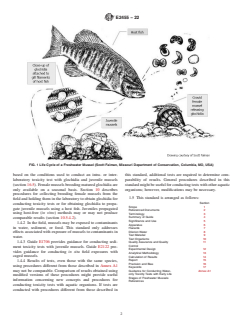
FIG. 1 Life Cycle of a Freshwater Mussel (Scott Faiman, Missouri Department of Conservation, Columbia, MO, USA)
based on the conditions used to conduct an intra- or inter- this standard, additional tests are required to determine com-
laboratory toxicity test with glochidia and juvenile mussels parability of results. General procedures described in this
(section16.5).Femalemusselsbroodingmaturedglochidiaare
standardmightbeusefulforconductingtestswithotheraquatic
only available on a seasonal basis. Section 10 describes
organisms; however, modifications may be necessary.
procedures for collecting brooding female mussels from the
1.5 This standard is arranged as follows:
field and holding them in the laboratory to obtain glochidia for
Section
conducting toxicity tests or for obtaining glochidia to propa-
Scope 1
gate juvenile mussels using a host fish. Juveniles propagated
Referenced Documents 2
using host-free (in vitro) methods may or may not produce
Terminology 3
Summary of Guide 4
comparable results (section 10.5.4.2).
Significance and Use 5
1.4.2 In the field, mussels may be exposed to contaminants
Apparatus 6
in water, sediment, or food. This standard only addresses
Hazards 7
Dilution Water 8
effects associated with exposure of mussels to contaminants in
Test Material 9
water.
Test Organisms 10
1.4.3 Guide E1706 provides guidance for conducting sedi-
QualityAssurance and Quality 11
Control
ment toxicity tests with juvenile mussels. Guide E2122 pro-
Experimental Design 12
vides guidance for conducting in situ field exposures with
Analytical Methodology 13
caged mussels.
Calculation of Results 14
Report 15
1.4.4 Results of tests, even those with the same species,
Precision and Bias 16
using procedures different from those described in Annex A1
Keywords 17
may not be comparable. Comparison of results obtained using Guidance for Conducting Water- AnnexA1
only Toxicity Tests with Early Life
modified versions of these procedures might provide useful
Stages of Freshwater Mussels
information concerning new concepts and procedures for
References
conducting toxicity tests with aquatic organisms. If tests are
conducted with procedures different from those described in
E2455 − 22
1.6 The values stated in SI units are to be regarded as the 3. Terminology
standard. The values given in parentheses are for information
3.1 Thewords“must,”“should,”“may,”“can,”and“might”
only.
haveveryspecificmeaningsinthisstandard.“Must”isusedto
1.7 This standard does not purport to address all of the
express an absolute requirement, that is, to state that a test
safety concerns, if any, associated with its use. It is the
ought to be designed to satisfy the specified conditions, unless
responsibility of the user of this standard to establish appro-
the purpose of the test requires a different design. “Must” is
priate safety, health, and environmental practices and deter-
used only in connection with the factors that relate directly to
mine the applicability of regulatory limitations prior to use.
the acceptability of a test. “Should” is used to state that the
Specific hazard statements are given in Section 7.
specified condition is recommended and ought to be met if
1.8 This international standard was developed in accor-
possible. Although the violation of one “should” is rarely a
dance with internationally recognized principles on standard-
serious matter, violation of several will often render the results
ization established in the Decision on Principles for the
questionable.Termssuchas“isdesirable,”“isoftendesirable,”
Development of International Standards, Guides and Recom-
and “might be desirable” are used in connection with less
mendations issued by the World Trade Organization Technical
importantfactors.“May”isusedtomean“is(are)allowedto,”
Barriers to Trade (TBT) Committee.
“can” is used to mean “is (are) able to,” and “might” is used to
mean “could possibly.” Thus, the classic distinction between
2. Referenced Documents
“may” and “can” is preserved, and “might” is never used as a
2.1 ASTM Standards:
synonym for either “may” or “can.”
D1129Terminology Relating to Water
3.2 Definitions—For definitions of other terms used in this
D4447Guide for Disposal of Laboratory Chemicals and
standard, refer to Guides E729 and E1241 and Terminology
Samples
E943andD1129.Alistingofthecommonandscientificnames
E177Practice for Use of the Terms Precision and Bias in
of freshwater mussels in North America can be found in AFS
ASTM Test Methods
(1998) (29). For an explanation of units and symbols, refer to
E691Practice for Conducting an Interlaboratory Study to
Standard IEEE/ASTM SI10.
Determine the Precision of a Test Method
3.3 Definitions of Terms Specific to This Standard:
E729Guide for Conducting Acute Toxicity Tests on Test
Materials with Fishes, Macroinvertebrates, and Amphib- 3.3.1 acute test, n—acomparativestudyinwhichorganisms
ians that are subjected to different treatments are observed for a
E943Terminology Relating to Biological Effects and Envi- short period usually not constituting a substantial portion of
ronmental Fate their life span (for example, 24h exposures for glochidia; 96h
E1023Guide for Assessing the Hazard of a Material to exposures for juvenile mussels).
Aquatic Organisms and Their Uses
3.3.2 chronic test, n—a comparative study in which organ-
E1241GuideforConductingEarlyLife-StageToxicityTests
isms that are subjected to different treatments are observed for
with Fishes
a relatively long period or a substantial portion of their life
E1367TestMethodforMeasuringtheToxicityofSediment-
span (for example, 28d to 84d exposures for juvenile mus-
Associated Contaminants with Estuarine and Marine In-
sels). There is no test duration that represents a distinct
vertebrates
boundary between acute and chronic test durations for any
E1391Guide for Collection, Storage, Characterization, and
species.Althoughacuteorchronictestproceduresmayspecify
Manipulation of Sediments for Toxicological Testing and
standard duration(s), these durations have not been intended to
for Selection of Samplers Used to Collect Benthic Inver-
define an acute:chronic boundary. Acute tests often utilize
tebrates
mortality as the only measure of effect; chronic tests usually
E1706TestMethodforMeasuringtheToxicityofSediment-
include additional measures of effect such as growth.
Associated Contaminants with Freshwater Invertebrates
3.3.3 short-term chronic test, n—a comparative study in
E1733Guide for Use of Lighting in Laboratory Testing
which organisms that are subjected to different treatments are
E1847Practice for Statistical Analysis of Toxicity Tests
observed for a short period (7d exposures). The short-term
Conducted Under ASTM Guidelines (Withdrawn 2022)
chronic 7d test with survival and growth endpoints provides a
E1850Guide for Selection of Resident Species as Test
more direct estimate of the safe concentrations of toxicants or
Organisms for Aquatic and Sediment Toxicity Tests
effluents than acute tests by evaluating lethal and sublethal
E2122Guide for Conducting In-situ Field Bioassays With
(that is, growth) endpoints, at a lower level of effort compared
Caged Bivalves
to chronic 28d toxicity test.
IEEE/ASTM SI10Standard for Use of the International
System of Units (SI) (the Modernized Metric System)
3.3.4 EC50/EC20,n—astatisticallyorgraphicallyestimated
concentration that is expected to cause one or more specified
effects in 50%/20% of a group of organisms under specified
For referenced ASTM standards, visit the ASTM website, www.astm.org, or
conditions.
contact ASTM Customer Service at service@astm.org. For Annual Book of ASTM
Standards volume information, refer to the standard’s Document Summary page on
3.3.5 IC50/IC20, n—a point estimate of the toxicant con-
the ASTM website.
centration that would cause a 50%⁄20% reduction in a
The last approved version of this historical standard is referenced on
www.astm.org. non-quantal measurement such as fecundity or growth.
E2455 − 22
3.3.6 LC50/LC20, n—astatisticallyorgraphicallyestimated mended test conditions for conducting these toxicity tests are
concentration that is expected to be lethal to 50%⁄20% of a based on various published methods and are based on the
group of organisms under specified conditions. conditionsusedtoconductaninter-laboratorytoxicitytestwith
glochidia and juvenile mussels (section 16.5). Female mussels
3.3.7 lowest-observed-effect concentration (LOEC), n—in a
broodingmatureglochidiaareonlyavailableforalimitedtime
toxicitytest,thetested concentration of one or morechemicals
on a seasonal basis. Section 10 describes procedures for
immediatelyabovethehighesttestedconcentrationthatdidnot
collecting brooding mussels from the field to obtain glochidia
result in a statistically significant change in the particular
for conducting toxicity tests or for obtaining glochidia to
toxicological variable compared to that value in the control.
propagate juvenile mussels using a host fish.
3.3.8 no-observed-effect concentration (NOEC), n—in a
4.1.1 Acute toxicity tests with glochidia should be con-
toxicity test, the test concentration of one or more chemicals
ducted at 20°C and acute toxicity tests with juvenile mussels
immediately below the lowest tested concentration that re-
shouldbeconductedat20°Cor23°C.Chronictestsshouldbe
sulted in a statistically significant change in a particular
conducted at 23°C and short-term chronic 7d tests should be
toxicological variable compared to the control.
conducted at 25°C. A 16L:8D photoperiod should be used at
3.3.9 reconstituted water, n—a dilution water that is pre-
an illuminance of about 100lux to 1000 lux (Guide E1733).
pared by adding appropriate amounts of selected chemicals to
4.1.2 Toxicity tests with glochidia should start within 4 h
water, which is usually prepared using deionization or reverse
afterglochidiaareisolatedfromthegillsofthefemalemussels.
osmosis,sothattheconcentrationsandratiosofthemajorions
The endpoint measured in toxicity tests with glochidia is
in the dilution water are similar to those in comparable natural
viability, as determined by the response of organisms to the
surface waters.
additionofasolutionofNaCl.Glochidiathatclosetheirvalves
3.3.10 surrogate species, n—a species that is tested to
with the addition of a salt solution are classified as alive
estimate responses of another species, for which direct testing
(viable) in a toxicity test. The duration of toxicity exposures
is impractical.
conducted with glochidia should be 24 h . Control viability
(adjustedforinitialviability;sectionA1.2.2)mustbe≥90%at
3.3.11 toxicity test, n—an experiment used to study the
the end of 24h toxicity tests. Longer duration toxicity tests
adverse effect(s) of one or more chemicals on whole
withglochidia(forexample,48h)canbeconductedaslongas
organisms, tissues, or cells.
control viability >90% is achieved. Glochidia are not fed
3.3.12 Unionoidea, n—the taxonomic order of freshwater
during the toxicity test.
mussels,comprisingsixfamilies,twoofwhich(Unionidaeand
4.1.3 Acute toxicity tests with juvenile mussels should start
Margaritiferidae) occur mainly in the northern hemisphere.
with <10d-old newly transformed juveniles. Juveniles recov-
Unionidae comprises 98% of NorthAmerican species includ-
eredfromthehostfishduring2dpeakofdrop-offperiod(ages
ing representatives of 6 taxonomic tribes: Anodontini,
within 2 d) should be pooled and shipped to laboratories for
Amblemini, Pleurobemini, Lampsilini, Quadrulini, and
culture and testing. Acute toxicity tests with juvenile mussels
Gonideini (Graf and Cummings 2007) (30).
should conduct for 96 h. Juvenile mussels are not fed during
3.3.13 unionoid, n—any mussel species in the order
acute toxicity tests. The endpoint is survival. Control survival
Unionida.
must be ≥90% at the end of an acute toxicity test.
3.3.14 unionid, n—anymusselspeciesinthefamilyUnioni-
4.1.4 Chronic toxicity tests should start with 2week-old to
dae.
6week-old juvenile mussels.All organisms in a test should be
uniforminage(ageswithin4d,preferablywithin2d)andsize.
3.3.15 margaritiferid, n—any mussel species in the family
Chronic toxicity tests should be conducted for at least 28 d.
Margaritiferidae.
Juvenile mussels are fed with algae during a chronic toxicity
3.3.16 bradytictic, adj—amusselspeciesspawningitsgam-
test.Theendpointsaresurvivalandgrowth(thatis,length,dry
etes in late summer and the female broods the glochidia over
weight), and biomass as described in Annex A1. The average
winter for release the following spring (also called long-term
survival of control mussels must be ≥80% at the end of a
brooders).
chronic test.
3.3.17 tachytictic, adj—a mussel species spawning its gam-
4.1.5 Short-term chronic 7d toxicity test should start with
etes in spring and the female releases the glochidia in late
1week-old to 3week-old juvenile mussels (ages within 2 d)
springorsummerofthatyear(alsocalledshort-termbrooders).
andconductfor7d.Juvenilemusselsarefedwithalgaeduring
3.3.18 glochidia (sing. glochidium), n—bivalve larvae of
the test.The endpoints are survival and growth (that is, length,
unionid mussels which are generally parasitic on the gills of
dry weight), and biomass as described in Annex A1). The
fish.
average survival of control mussels must be ≥80% at the end
of a short-term chronic toxicity test.
3.3.19 marsupium, n—a brood pouch for developing eggs
and glochidia in unionid mussels, formed by a restricted
5. Significance and Use
portion of the outer gill, the complete outer gill, or all gills.
5.1 Protection of a species requires prevention of unaccept-
4. Summary of Guide
able effects on the number, weight, health, and uses of the
4.1 AnnexA1 provides guidance for conducting water-only individuals of that species. Toxicity tests can be used provide
toxicity tests with glochidia and juvenile mussels. Recom- informationaboutthetoxicityofatestmaterialtoaspecificlife
E2455 − 22
stage of a particular species of mussel. The primary adverse 5.10.4 The degree of contamination and the history of
effects studied are reduced survival or growth. contamination at the collection of the adult mussels might not
be adequately known.
5.2 Results of toxicity tests might be used to predict effects
5.10.5 Inthefield,musselsmaybeexposedtocontaminants
likely to occur on mussels in field situations as a result of an
in water, sediment, or food. This standard only addresses
exposure under comparable conditions.
effects associated with exposure of mussels to contaminants in
5.3 Results of toxicity tests might be used to compare the
water. Methods for conducting sediment toxicity tests with
sensitivities of different mussel species and the toxicity of
juvenile mussels are included in Guide E1706.
different test materials, and to study the effects of various
5.10.6 There are insufficient data available to determine if
environmental factors on results of such tests.
juvenile mussels are able to avoid exposure to chemicals by
5.4 Results of toxicity tests conducted with mussels might
valve closure. If it is suspected that juvenile mussels are
be an important consideration when assessing the risks of test
avoiding exposure to a chemical in a toxicity test, it may be
materialstoaquaticorganismsorwhenderivingenvironmental
desirable to place the suspected live test organisms into
guideline values for toxicants.
dilution water that does not contain any added test material for
1dto2daftertheendofthetoxicitytesttodeterminewhether
5.5 Anacutetoxicitytestisconductedtoobtaininformation
these test organisms are alive or dead (section A1.4.7; Guide
concerning the immediate effects on mussels of a short
E729).
exposure to a test material under specific experimental condi-
tions.Anacutetoxicitytestdoesnotprovideinformationabout
6. Apparatus
whether delayed effects will occur, although a post-exposure
observation period, with appropriate feeding, if necessary,
6.1 Facilities—Although some small organisms can be held
might provide such information (Guide E729).
and acclimated in static or renewal (for example, static
5.6 Results of chronic (at least 28d) toxicity tests with
renewal) systems, most organisms are held, acclimated, and
mussels might be used to predict chronic or partial chronic cultured in flow-through systems. Test chambers should be in
effects on species in field situations as a result of exposure
a constant-temperature room, incubator, or recirculating water
under comparable conditions.
bath. For static and renewal tests a dilution-water tank, which
maybeusedtopreparereconstitutedwater,isoftenelevatedso
5.7 Short-term chronic toxicity tests are conducted for 7 d,
thatdilutionwatercanbedeliveredbygravityintoholdingand
a complementary test duration in the USEPA shot-term meth-
acclimation tanks and test chambers. For flow-through tests an
ods for estimating the chronic toxicity of effluents and receiv-
elevated head box is often desirable so that dilution water can
ing waters to fathead minnow (Pimephales promelas; USEPA
be delivered by gravity into holding and acclimation tanks and
2002) (31) and provides a more direct estimate of the safe
into the metering system (section 6.4), which prepares the test
concentrations of effluents and receiving waters than acute
solutions and delivers them to the test chambers. Strainers and
toxicity tests, at a slightly lower level of effort compared to
air traps should be included in the water-supply system. Head
chronic 28d toxicity test.
boxes and holding, acclimation, culture, and dilution-water
5.8 Resultsoftoxicitytestsmightbeusefulforstudyingthe
tanks should be equipped for temperature control and aeration.
biological availability of, and structure-activity relationships
Air used for aeration should be free of fumes, oil, and water;
between, test materials.
filters to remove oil and water are desirable. Filtration of air
5.9 Results of toxicity tests will depend on temperature, through a 0.22µm bacterial filter might be desirable (Guide
E729).Thefacilityshouldbewell-ventilatedandfreeoffumes.
composition of the dilution water, condition of the test
organisms, and other factors. To further reduce the possibility of contamination by test
materials and other substances, especially volatile ones,
5.10 Interferences—A number of factors can impede or
holding,acclimation,andculturetanksshouldnotbeinaroom
prevent selection and use of freshwater mussels for toxicity
in which toxicity tests are conducted, stock solutions or test
testing (Guide E1850). The following should be considered
solutions are prepared, or equipment is cleaned. A timing
when selecting a test species and measuring the sensitivity of
deviceshouldbeusedtoprovideacontrolledphotoperiod.A15
the test species during toxicity tests.
to 30-min transition period when the lights go on might be
5.10.1 Handling of field-collected adult mussels resulting
desirable to reduce the possibility of organisms being stressed
from collection or transport to the laboratory might cause
bylarge,suddenincreasesinlightintensity.Atransitionperiod
excessive mortality or sublethal effects.
whenthelightsgooffmightalsobedesirable(GuideE729and
5.10.2 The age, health, and physical condition of adult
Guide E1733).
mussels (for example, the presence of parasites, bacteria, and
disease) collected from a resident population might not be
6.2 Special Requirements—Some organisms may require
adequately known.
specialconditionsduringholding,acclimation,andtesting.For
5.10.3 The physical characteristics of the testing environ- example, adult mussels should be provided a substrate suitable
ment(suchaswaterquality,temperature,waterflow,light)and (for example, creek gravel of ~0.2cm to 1.5cm diameter) for
foodrequirementsmightaffecttheabilityofthetestorganisms burrowing or juvenile mussels should be provided a thin layer
to acclimate, recover from handling, or adapt to the laboratory of silica sand (~100µm to 400µm particles) in test chambers
environment conditions. during short-term chronic 7d and chronic≥28d toxicity tests.
E2455 − 22
6.3 Construction Materials—Equipment and facilities that material due to microbial degradation, hydrolysis, oxidation,
contact stock solutions, test solutions, or any water into which photolysis, reduction, sorption, or volatilization.
6.4.3 The frequency of water addition to each test chamber
test organisms will be placed should not contain substances
that can be leached or dissolved by aqueous solutions in should be based on the duration of the exposure and on the
stabilityoftheexposureconcentrations(forexample,basedon
amounts that adversely affect test organisms. In addition,
degradation, hydrolysis, oxidation, photolysis, reduction,
equipment and facilities that contact stock solutions or test
sorption, or volatilization). Ideally, preliminary tests should be
solutions should be chosen to minimize sorption of test
conducted to determine how frequently water should be added
materials from water. Glass, Type 316 stainless steel, nylon,
to maintain water quality and exposure concentrations of the
and fluorocarbon plastics should be used whenever possible to
test material. For example, in 96h exposures with ammonia
minimize dissolution or leaching of solutes from containers.
and juvenile mussels, water was renewed every two days to
Concrete and rigid plastics may be used for holding,
maintain relatively consistent exposure concentrations (Wang
acclimation, and culture tanks in the water-supply system, but
et al. 2007a) (8)). In 28d exposures with juvenile mussels,
thesematerialsshouldbesoaked,preferablyinflowingdilution
about 4 volume additions/d were delivered to each test cham-
water, for a week or more before use (Guide E729). Cast iron
ber (Wang et al. 2007b (9); 2018c (18); 2020a,b (19, 20)).
pipe should not be used for water-supply systems because
6.4.4 Speciation of some metals (for example, lead or
colloidal iron may be added to the dilution water, and strainers
copper) and perhaps other test materials is not instantaneous
will be needed to remove rust particles. Brass, copper, lead,
andmaychangeovertime(perhapshoursordays),evenintest
galvanized metal, and natural rubber should not contact dilu-
solutions that do not contain test organisms. Water-renewal
tion water, stock solutions, or test solutions before or during
systemshavebeendesignedwith“equilibrationchambers”that
the test. Items made of neoprene rubber or other materials not
provide a residence time for test solution before the test
previously mentioned should not be used unless it has been
solutionisdeliveredtotheexposurechambers(Kimetal.1999
shown that either (1) unfed individuals of a sensitive aquatic
(32); Besser et al. 2005a (33)).
species(forexample, Daphnia magna)donotshowmoresigns
of stress, unusual behavior, or death, when held for at least 48 6.5 Test Chambers:
h in static dilution water in which the item is soaking than 6.5.1 Inatoxicitytestwithaquaticorganisms,testchambers
whenheldinstaticdilutionwaterthatdoesnotcontaintheitem are defined as the smallest physical units between which no
waterconnectionsexist.However,screensorcupsmaybeused
or (2) their use will not adversely affect survival, growth, or
to create two or more compartments within each chamber.
reproductionofasensitivespecies(Section8andGuideE729).
Therefore, the test solution can flow from one compartment to
6.4 Metering System:
another within a test chamber, but, by definition, cannot flow
6.4.1 For flow-through tests, the metering system should be
from one chamber to another. Because the solution can flow
designed to accommodate the type and concentration(s) of the
fromonecompartmenttoanotherinthesametestchamber,the
test material and the necessary flow rates of test solutions.The
temperature, concentration of test material, and levels of
system should permit the mixing of test material with dilution
pathogens and extraneous contaminants are likely to be more
water immediately before entrance to the test chambers and
similar between compartments in the same test chamber than
permit the supply of the selected concentration(s) of test
between compartments in different test chambers in the same
material (section 9.3) in a reproducible fashion. Various me-
treatment.Chambersshouldbecoveredtokeepoutextraneous
tering systems, using different combinations of such as
contaminants and, especially in static and renewal tests, to
syringes, siphons, pumps, saturators, solenoids, valves have
reduce evaporation of test solution and test material. All
been used successfully to control the concentrations of test
chambers (and compartments) in a test must be identical.
material in, and the flow rates of, test solutions. Proportional 6.5.2 Testchambersmaybeconstructedbywelding,butnot
dilutersuseanintermittentflowdesignandvariousdevicesfor
soldering, stainless steel or by gluing double-strength or
metering the test material. Continuous-flow metering systems stronger window glass with clear silicone adhesive. Stoppers
are also available, as are systems that prepare the different test and silicone adhesive sorb some organic chemicals, which are
solutions independently of each other. See Guide E729, E1241 thendifficulttoremove.Therefore,asfewstoppersandaslittle
and Test Method E1706 for additional detail on metering adhesive as possible should be in contact with test solution. If
extra beads of adhesive are needed for strength, the extra
systems.
adhesive should be on the outside of chambers rather than on
6.4.2 The metering system should be calibrated before and
the inside. Especially in static and renewal tests, the size and
after the test by determining the flow rate through each test
shape of the test chamber might affect the results of tests on
chamber and by measuring either the concentration of test
materials that volatilize or sorb onto the chambers in substan-
materialineachtestchamberorthevolumeofsolutionusedin
tial quantities.
each portion of the metering system. The general operation of
6.5.3 The dimensions of test chambers and volume of water
the metering system should be visually checked daily in the
to test depends on the age and number of the organisms being
morning and afternoon throughout the test. The metering
tested (Annex A1).
system should be adjusted during the test if necessary. It is
usuallydesirabletoconstructthemeteringsystemsothatitcan 6.6 Cleaning—The metering system, test chambers, and
provide at least ten-volume additions per 24 h, if desired, in
equipment used to prepare and store dilution water, stock
case (1) the loading is high or (2) there is rapid loss of test solutions,andtestsolutionsshouldbecleanedbeforeuse.New
E2455 − 22
items should be washed with detergent and rinsed with water, 7.1.2 Many materials can affect humans adversely if pre-
a water-miscible organic solvent, water, acid (such as 10% cautions are inadequate. Therefore, skin contact with all test
concentratedhydrochloricacid(HCl)),andrinsedatleasttwice materials and solutions of them should be minimized by such
with deionized or dilution water. Reagent grade solvents are means as wearing appropriate protective gloves (especially
recommended.Iflessergradesareused,possiblecontaminants when washing equipment or putting hands in test solutions),
should be considered with respect to the purpose of the test laboratory coats, aprons, and glasses, and by using dip nets,
(some lots of some organic solvents might leave a film that is forceps, or tubes to remove organisms from test solutions.
insoluble in water). A dichromate-sulfuric acid cleaning solu- Special precautions, such as covering test chambers and
tion may be used in place of both the organic solvent and the ventilating the area surrounding the chambers, should be taken
acid, but it might attack silicone adhesive. At the end of the when conducting tests on volatile materials. Information on
test, all items that are to be used again should be immediately toxicity to humans, recommended handling procedures, and
(1) emptied, (2) rinsed with water, (3) cleaned by a procedure biological, chemical, and physical properties of the test mate-
appropriateforremovingthetestmaterial(forexample,acidto rial should be studied before a test is begun (Appendixes X2,
remove metals and bases, detergent, organic solvent, or acti- X3, and X4 in Guide E1023). Warning—Special procedures
vated carbon to remove organic chemicals), and (4) rinsed at might be necessary with radiolabeled test materials and with
least twice with deionized or dilution water.Acid can be used test materials that are, or are suspected of being, carcinogenic
to remove mineral deposits, and 200 mg of hypochlorite (Guide E729).
-
(ClO)/L can be used to remove organic matter and for
7.1.3 Collection and use of environmental samples (for
-
disinfection. A solution containing about 200 mg of ClO/L
example, sediments, effluents) may involve substantial risks to
may be prepared by adding 6 mL of plain liquid household
personal safety and health. Chemicals in field-collected
-
chlorinebleach(nominally5%-6%ClO,withoutadditives)to
samples may include carcinogens, mutagens, and other poten-
-
1 L of water. However, ClO is quite toxic to many aquatic
tially toxic compounds. Inasmuch as testing is often started
animals and is difficult to remove from some construction
before chemical analyses can be completed, worker contact
materials. It can be removed by soaking in a sodium
with field-collected samples needs to be minimized by (1)
thiosulfate, sodium sulfite, or sodium bisulfite solution, by
using personal safety gear, (2) manipulating samples under a
autoclaving in deionized water for 20 min, or by drying the
ventilated hood or in an enclosed glove box, and (3) enclosing
item and letting it sit for at least 24 h before use. An item
and ventilating the exposure system. Personnel collecting
cleaned or disinfected with hypochlorite should not be used
samplesandconductingtestsshouldtakeallsafetyprecautions
unless it has been demonstrated at least once that unfed
necessary for the prevention of bodily injury and illness which
individuals of a sensitive aquatic species do not show more
might result from ingestion or invasion of infectious agents,
signs of stress, such as discoloration, unusual behavior, or
inhalation or absorption of corrosive or toxic substances
death, when held for at least 48 h in static dilution water in
through skin contact, and asphyxiation because of lack of
which the item is soaking than when held in static dilution
oxygen or presence of noxious gases.
water containing a similar item that was not treated with
- 7.2 Safety Equipment:
ClO (Guide E729). The metering system and test chambers
7.2.1 Before beginning sample collection or laboratory
should be rinsed with dilution water just before use.
work, personnel should determine that all required safety
6.7 Acceptability—Before a toxicity test is conducted in
equipment and materials have been obtained and are in good
new test facilities, it is desirable to conduct a “non-toxicant”
condition.
test, in which all test chambers contain dilution water without
7.2.2 Personal Safety Gear—Personnel should use safety
addedtestmaterial.Determinebeforethefirsttest: (a)whether
equipment,suchasrubberaprons,laboratorycoats,respirators,
test organisms will meet test acceptability requirements out-
gloves,safetyglasses,faceshields,hardhats,andsafetyshoes.
lined in Annex A1, (b) whether the food, water, or handling
7.2.3 Laboratory Safety Equipment—Laboratories should
procedures are acceptable, (c) whether there are any location
be provided with safety equipment such as first-aid kits, fire
effects on either survival or growth of organisms, and (d) the
extinguishers, fire blankets, emergency showers, and eye wash
magnitudes of the within-chamber and between-chamber vari-
stations. Mobile laboratories should be equipped with a tele-
ances.
phone to enable personnel to summon help in case of emer-
gency.
7. Hazards
7.3 General Laboratory and Field Operations:
7.1 General Precautions:
7.3.1 Special handling and precautionary guidance in Ma-
7.1.1 Development and maintenance of an effective health
terial Safety Data Sheets (MSDS) should be followed for
and safety program in the laboratory requires an ongoing
reagents and other chemicals purchased from supply houses.
commitment by laboratory management and includes: (1) the
7.3.2 It is advisable to wash exposed parts of the body with
appointment of a laboratory health and safety officer with the
bactericidal soap and water immediately after collecting or
responsibility and authority to develop and maintain a safety
manipulating field-collected samples.
program, (2) the preparation of a formal, written health and
safetyplan,whichisprovidedtoeachlaboratorystaffmember, 7.3.3 Strong acids and volatile organic solvents should be
(3) an ongoing training program on laboratory safety, and (4) usedinafumehoodorunderanexhaustcanopyoverthework
regular safety inspections. area.
E2455 − 22
7.3.4 Warning—An acidic solution should not be mixed (c) be of uniform quality, and (d) except as stated in section
withahypochloritesolutionbecausehazardousfumesmightbe 8.1.4, not unnecessarily affect results of the test. Additional
produced.
details on dilution water for use in culture or toxicity testing
7.3.5 To prepare dilute acid solutions, concentrated acid
can be found in Guide E729.
should be added to water, not vice versa. Opening a bottle of
8.1.1 The minimal requirement for an acceptable dilution
concentratedacidandaddingconcentratedacidtowatershould
water for toxicity tests is that healthy test organisms survive in
be performed only under a fume hood.
it through acclimation and testing without showing signs of
7.3.6 Although disposal of stock solutions, test solutions,
stress, such as discoloration, unusual behavior, or death. A
and test organisms poses no special problems in most cases,
better criterion for an acceptable dilution water is that at least
healthandsafetyprecautionsandapplicableregulationsshould
one species of aquatic animal (preferably of the one being
be considered before beginning a test. Removal or degradation
tested or one taxonomically similar) will survive, grow, or
oftestmaterialmightbedesirablebeforedisposalofstockand
reproduce satisfactorily in the water. Because daphnids are
test solutions.
more sensitive to some test materials than many other aquatic
7.3.7 Use of ground-fault systems and leak detectors is
animal species, water in which daphnids (less than 24h old)
strongly recommended to help prevent electrical shocks. Elec-
will survive for 48 h without showing signs of stress is
tricalequipmentorextensioncordsnotbearingtheapprovalof
probably acceptable for toxicity tests with most freshwater
Underwriter Laboratories should not be used. Ground-fault
animal species. Water in which daphnids will survive, grow,
interrupters should be installed in all “wet” laboratories where
and reproduce satisfactorily in a life-cycle test is probably an
electrical equipment is used.
acceptabledilutionwaterfortestswithmostfreshwateranimal
7.3.8 Allcontainersshouldbeadequatelylabeledtoindicate
species.
their contents.
8.1.2 Thequalityofthedilutionwatershouldbeuniformso
7.3.9 A clean and well-organized workplace contributes to
that the test organisms are cultured or acclimated and tested in
safety and reliable results.
water of the same quality. The range of hardness should be
7.4 Disease Prevention—Personnelhandlingsampleswhich
within 10% of the average.
are known or suspected to contain human wastes should be
8.1.3 The dilution water should not unnecessarily affect the
immunized against hepatitis B, tetanus, typhoid fever, and
results of a toxicity test because of such things as sorption or
polio. Thorough washing of exposed skin with bactericidal
complexation of test material. Except as in accordance with
soap should follow handling of samples collected from the
section 8.1.4, it is desirable for the purpose of reducing
field.
inter-laboratory variability that the concentrations of both total
7.5 Safety Manuals—For further guidance on safe practices
organic carbon (TOC) and particulate matter should be less
when handling field-collected samples and conducting toxicity
than 5 mg/L.
tests, check with the permittee and consult general industrial
8.1.4 If it is desired to study the effect of an environmental
safety manuals (Test Method E1706).
factor such asTOC, particulate matter, or dissolved oxygen on
7.6 Pollution Prevention, Waste Management, and Sample
the results of a toxicity test, it will be necessary to use a water
Disposal—Work with some field-collected samples may re-
thatisnaturallyorartificiallyhighinTOCorparticulatematter
quire compliance with rules pertaining to the handling of
or low in dissolved oxygen. If such a water is used, it is
hazardous materials. Guidelines for the handling and disposal
important that adequate analyses be performed to characterize
of hazardous materials should be strictly followed (Guide
the water and that a comparable test be available or be
D4447). The Federal Government has published regulations
conducted in a more usual dilution water to facilitate interpre-
for the management of hazardous waste and has given the
tation of the results in the special water.
States the option of either adopting those regulations or
developing their own. If States develop their own regulations,
8.2 Source:
these regulations are required to be at least as stringent as the
8.2.1 Reconstituted Water:
Federal regulations. As a handler of hazardous materials, it is
8.2.1.1 Tables1 and 2 in Guide E729 provide recipes for
your responsibility to know and comply with the pertinent
preparing a variety of reconstituted waters that have been used
regulations applicable in the State in which you are operating
successfully to conduct toxicity tests. Reconstituted water is
(Test Method E1706).
prepared by adding specified amounts of reagent grade chemi-
7.7 Biosecurity—Appropriate measures and practices
calstohigh-qualitywaterwith(a)resistivitygreaterthan1MΩ
should be implemented to prevent the spread of non-target
water and (b) eitherTOC less than 2 mg/Lor chemical oxygen
species when acquiring or transferring the target test species.
demand(COD)lessthan5mg/L.Acceptablewatercanusually
Additionally, bio-secure practices should be utilized when
be prepared using properly operated deionization or reverse
working with either non-localized or non-native species to
osmosis units. Conductivity should be measured on each batch
prevent escapement into local watersheds and potentially
andTOCorCODshouldbemeasuredatleasttwiceayearand
altering or negatively influencing existing ecosystems.
whenever substantial changes might be expected. If the water
8. Dilution Water
is prepared from surface water, TOC or COD should be
measured on each batch. The reconstituted water should be
8.1 Requirements—The dilution water should (a)
...