

ASTM D2903-21
(Specification)Standard Specification for Crosslinked Chlorinated Polyolefin Heat-Shrinkable Tubing for Electrical Insulation
General Information
- Abstract
ABSTRACT
This specification covers the manufacture, testing, and property requirements of two types of flexible crosslinked chlorinated polyolefin heat-shrinkable tubing used for electrical insulating purposes. It is supplied in an expanded form and will shrink to the specified diameter when heated. Type I tubing is used for normal operating temperatures, while Type II tubing is used for extended operating temperatures. The finished compound shall be free of foreign matter other than antioxidants, flame retardants, processing aids, crosslinking agents, pigments or other additives as appropriate. The final tubing shall be extruded, crosslinked and then expanded to the required dimensions. Specimens shall be sampled and tested accordingly for the following properties: corrosion by copper mirror and copper contact test; solvent resistance by immersion in Grade JP-4 fuel, lubricating oil, hydraulic fluid, sodium chloride solution, anti-icing fluid, and aviation gasoline; flammability (time of burning and burning distance); water absorption; and tensile strength, ultimate elongation, and weight increase.
SCOPE
1.1 This specification covers flexible crosslinked chlorinated polyolefin heat-shrinkable tubing used for electrical insulating purposes. It is supplied in an expanded form and will shrink to the specified diameter when heated.
Note 1: This standard does not have a similar or equivalent IEC standard.
1.2 The values stated in inch-pound units are to be regarded as standard. The values given in parentheses are mathematical conversions to SI units that are provided for information only and are not considered standard.
1.2.1 In some cases, temperatures are described in degrees Celsius only.
1.3 This international standard was developed in accordance with internationally recognized principles on standardization established in the Decision on Principles for the Development of International Standards, Guides and Recommendations issued by the World Trade Organization Technical Barriers to Trade (TBT) Committee.
- Status
- Published
- Publication Date
- 31-Dec-2020
- Technical Committee
- D09 - Electrical and Electronic Insulating Materials
- Drafting Committee
- D09.07 - Electrical Insulating Materials
Buy Documents

ASTM D2903-21 - Standard Specification for Crosslinked Chlorinated Polyolefin Heat-Shrinkable Tubing for Electrical Insulation
REDLINE ASTM D2903-21 - Standard Specification for Crosslinked Chlorinated Polyolefin Heat-Shrinkable Tubing for Electrical Insulation
Overview
ASTM D2903-21 is the internationally recognized standard specification for flexible crosslinked chlorinated polyolefin heat-shrinkable tubing utilized in electrical insulation applications. Defined and published by ASTM International, this standard ensures that the tubing meets rigorous requirements for performance, safety, and material composition. The tubing is supplied in an expanded form and will contract to a predetermined diameter when heat is applied, providing precise and reliable electrical insulation.
ASTM D2903-21 describes two types of tubing:
- Type I for normal operating temperatures
- Type II for extended operating temperature environments
This specification establishes criteria for the manufacture, testing, certification, packaging, and labeling of crosslinked chlorinated polyolefin heat-shrinkable tubing.
Key Topics
- Material Requirements: The tubing must be manufactured from a compound based on chlorinated polyolefin, free from foreign matter other than essential additives like antioxidants, flame retardants, and pigments.
- Manufacture Process: The product is extruded, crosslinked, and expanded to the required dimensions.
- Testing Requirements: Key performance aspects are validated by:
- Corrosion resistance (copper mirror and copper contact tests)
- Chemical resistance (e.g., immersion in fuels, lubrication oils, hydraulic fluids, sodium chloride, anti-icing fluids)
- Flammability (maximum burning time and distance)
- Water absorption
- Tensile strength and elongation
- Dielectric strength (insulation capability)
- Low-temperature flexibility and heat resistance
- Dimensional Tolerances: Specific inside diameters, wall thickness, and longitudinal change after heat shrinking are outlined for a range of tubing sizes.
- Sampling and Quality Assurance: Procedures for lot-based sampling, testing, retesting, and certification are specified to ensure ongoing product quality.
Applications
Crosslinked chlorinated polyolefin heat-shrinkable tubing made to ASTM D2903-21 is widely valued across industries for its superior electrical insulation, especially in environments demanding high reliability and robust chemical and mechanical resistance. Key application areas include:
- Wiring Harnesses: Protecting and insulating wire bundles in automotive, aerospace, and marine sectors.
- Cable Repairs: Providing secure and moisture-resistant barriers for electrical cable repairs and splices.
- Component Protection: Shielding sensitive electrical and electronic components from thermal, chemical, and environmental exposure.
- Aerospace and Military: Utilized in critical systems where high-temperature and chemical resistance are crucial, thanks to compatibility with fuels, oils, and hydraulic fluids.
Type I tubing is typically used in standard industrial and commercial electrical systems, while Type II tubing is selected for environments with extended thermal demands.
Related Standards
For comprehensive insulation solutions and quality assurance, ASTM D2903-21 aligns with or references several related standards:
- ASTM D2671: Test Methods for Heat-Shrinkable Tubing for Electrical Use
- ASTM D412: Test Methods for Vulcanized Rubber and Thermoplastic Elastomers - Tension
- ASTM D3636: Practice for Sampling and Judging Quality of Solid Electrical Insulating Materials
- ASTM D1711: Terminology Relating to Electrical Insulation
- ASTM E176: Terminology of Fire Standards
- ASTM D8355: Test Methods for Flammability of Electrical Insulating Materials Used for Sleeving or Tubing
By adhering to ASTM D2903-21 and associated standards, manufacturers and end-users can ensure consistent product performance, safety, and reliability in their electrical insulation systems.
Keywords: ASTM D2903-21, crosslinked chlorinated polyolefin, heat-shrinkable tubing, electrical insulation, performance standard, chemical resistance, dielectric strength.
Relations
- Effective Date
- 01-Mar-2024
- Effective Date
- 01-Jan-2024
- Effective Date
- 01-Apr-2019
- Effective Date
- 15-Dec-2018
- Effective Date
- 01-Mar-2018
- Effective Date
- 01-Nov-2015
- Effective Date
- 01-Aug-2015
- Effective Date
- 01-Aug-2015
- Effective Date
- 01-Feb-2015
- Effective Date
- 01-Nov-2014
- Effective Date
- 01-Oct-2014
- Effective Date
- 15-Aug-2014
- Effective Date
- 01-Aug-2014
- Effective Date
- 01-Jul-2014
- Effective Date
- 01-May-2014
Buy Documents
ASTM D2903-21 - Standard Specification for Crosslinked Chlorinated Polyolefin Heat-Shrinkable Tubing for Electrical Insulation
REDLINE ASTM D2903-21 - Standard Specification for Crosslinked Chlorinated Polyolefin Heat-Shrinkable Tubing for Electrical Insulation
Get Certified
Connect with accredited certification bodies for this standard

DIN CERTCO
DIN Group product certification.

IMQ S.p.A. (Certification)
Italian electrical product certification.

SLG Prüf- und Zertifizierungs GmbH
German testing and certification body.
Sponsored listings
Frequently Asked Questions
ASTM D2903-21 is a technical specification published by ASTM International. Its full title is "Standard Specification for Crosslinked Chlorinated Polyolefin Heat-Shrinkable Tubing for Electrical Insulation". This standard covers: ABSTRACT This specification covers the manufacture, testing, and property requirements of two types of flexible crosslinked chlorinated polyolefin heat-shrinkable tubing used for electrical insulating purposes. It is supplied in an expanded form and will shrink to the specified diameter when heated. Type I tubing is used for normal operating temperatures, while Type II tubing is used for extended operating temperatures. The finished compound shall be free of foreign matter other than antioxidants, flame retardants, processing aids, crosslinking agents, pigments or other additives as appropriate. The final tubing shall be extruded, crosslinked and then expanded to the required dimensions. Specimens shall be sampled and tested accordingly for the following properties: corrosion by copper mirror and copper contact test; solvent resistance by immersion in Grade JP-4 fuel, lubricating oil, hydraulic fluid, sodium chloride solution, anti-icing fluid, and aviation gasoline; flammability (time of burning and burning distance); water absorption; and tensile strength, ultimate elongation, and weight increase. SCOPE 1.1 This specification covers flexible crosslinked chlorinated polyolefin heat-shrinkable tubing used for electrical insulating purposes. It is supplied in an expanded form and will shrink to the specified diameter when heated. Note 1: This standard does not have a similar or equivalent IEC standard. 1.2 The values stated in inch-pound units are to be regarded as standard. The values given in parentheses are mathematical conversions to SI units that are provided for information only and are not considered standard. 1.2.1 In some cases, temperatures are described in degrees Celsius only. 1.3 This international standard was developed in accordance with internationally recognized principles on standardization established in the Decision on Principles for the Development of International Standards, Guides and Recommendations issued by the World Trade Organization Technical Barriers to Trade (TBT) Committee.
ABSTRACT This specification covers the manufacture, testing, and property requirements of two types of flexible crosslinked chlorinated polyolefin heat-shrinkable tubing used for electrical insulating purposes. It is supplied in an expanded form and will shrink to the specified diameter when heated. Type I tubing is used for normal operating temperatures, while Type II tubing is used for extended operating temperatures. The finished compound shall be free of foreign matter other than antioxidants, flame retardants, processing aids, crosslinking agents, pigments or other additives as appropriate. The final tubing shall be extruded, crosslinked and then expanded to the required dimensions. Specimens shall be sampled and tested accordingly for the following properties: corrosion by copper mirror and copper contact test; solvent resistance by immersion in Grade JP-4 fuel, lubricating oil, hydraulic fluid, sodium chloride solution, anti-icing fluid, and aviation gasoline; flammability (time of burning and burning distance); water absorption; and tensile strength, ultimate elongation, and weight increase. SCOPE 1.1 This specification covers flexible crosslinked chlorinated polyolefin heat-shrinkable tubing used for electrical insulating purposes. It is supplied in an expanded form and will shrink to the specified diameter when heated. Note 1: This standard does not have a similar or equivalent IEC standard. 1.2 The values stated in inch-pound units are to be regarded as standard. The values given in parentheses are mathematical conversions to SI units that are provided for information only and are not considered standard. 1.2.1 In some cases, temperatures are described in degrees Celsius only. 1.3 This international standard was developed in accordance with internationally recognized principles on standardization established in the Decision on Principles for the Development of International Standards, Guides and Recommendations issued by the World Trade Organization Technical Barriers to Trade (TBT) Committee.
ASTM D2903-21 is classified under the following ICS (International Classification for Standards) categories: 29.035.20 - Plastics and rubber insulating materials; 83.140.10 - Films and sheets. The ICS classification helps identify the subject area and facilitates finding related standards.
ASTM D2903-21 has the following relationships with other standards: It is inter standard links to ASTM D1711-24, ASTM E176-24, ASTM D3636-19, ASTM E176-18a, ASTM E176-18, ASTM D1711-15, ASTM E176-15ae1, ASTM E176-15a, ASTM E176-15, ASTM D1711-14a, ASTM E176-14c, ASTM E176-14b, ASTM E176-14a, ASTM E176-14, ASTM D1711-14. Understanding these relationships helps ensure you are using the most current and applicable version of the standard.
ASTM D2903-21 is available in PDF format for immediate download after purchase. The document can be added to your cart and obtained through the secure checkout process. Digital delivery ensures instant access to the complete standard document.
Standards Content (Sample)
This international standard was developed in accordance with internationally recognized principles on standardization established in the Decision on Principles for the
Development of International Standards, Guides and Recommendations issued by the World Trade Organization Technical Barriers to Trade (TBT) Committee.
Designation:D2903 −21
Standard Specification for
Crosslinked Chlorinated Polyolefin Heat-Shrinkable Tubing
for Electrical Insulation
This standard is issued under the fixed designation D2903; the number immediately following the designation indicates the year of
original adoption or, in the case of revision, the year of last revision. A number in parentheses indicates the year of last reapproval. A
superscript epsilon (´) indicates an editorial change since the last revision or reapproval.
1. Scope* 2.2 Military Standards:
MIL-H-5606 HydraulicFluidPetroleumBase,Aircraft,Mis-
1.1 This specification covers flexible crosslinked chlori-
sile and Ordnance
nated polyolefin heat-shrinkable tubing used for electrical
MIL-T-5624 Turbine Fuel, Aviation, Grades JP4 and JP5
insulatingpurposes.Itissuppliedinanexpandedformandwill
MIL-L-7808 Lubrication Oil,Aircraft,Turbine Engine, Syn-
shrink to the specified diameter when heated.
thetic Base
NOTE 1—This standard does not have a similar or equivalent IEC
MIL-L-23699 Lubrication Oil, Aircraft, Turbine Engines,
standard.
Synthetic Base
1.2 The values stated in inch-pound units are to be regarded
MIL-A-8243 Anti-Icing and De-Icing Defrosting Fluid
as standard. The values given in parentheses are mathematical
MIL-G-5572 Fuel, Aviation, Grades 100 and 130
conversions to SI units that are provided for information only
2.3 Federal Standards:
and are not considered standard.
SS-S-550 Sodium Chloride, Technical, for Water Softening
1.2.1 In some cases, temperatures are described in degrees
Units
Celsius only.
1.3 This international standard was developed in accor-
3. Terminology
dance with internationally recognized principles on standard-
3.1 Definitions:
ization established in the Decision on Principles for the
3.1.1 For definitions pertaining to electrical insulation, refer
Development of International Standards, Guides and Recom-
to Terminology D1711.
mendations issued by the World Trade Organization Technical
3.1.2 For definitions pertaining to fire issues, refer to Ter-
Barriers to Trade (TBT) Committee.
minology E176.
3.2 Definitions of Terms Specific to This Standard:
2. Referenced Documents
3.2.1 chlorinated polyolefin, n—a polymer or polymer
2.1 ASTM Standards:
blend based on chlorinated polyolefin(s), chlorinated olefin
D412 Test Methods forVulcanized Rubber andThermoplas-
copolymer(s) or chlorinated polybutadiene polymer(s).
tic Elastomers—Tension
D1711 Terminology Relating to Electrical Insulation
4. Classification
D2671 Test Methods for Heat-Shrinkable Tubing for Elec-
4.1 Type I—Normal operating temperature.
trical Use
4.2 Type II—Extended operating temperature.
D3636 Practice for Sampling and Judging Quality of Solid
Electrical Insulating Materials
5. Ordering Information
E176 Terminology of Fire Standards
D8355 Test Methods for Flammability of Electrical Insulat-
5.1 When ordering to this specification the purchaser must
ing Materials Used for Sleeving or Tubing state the type, class, and size of the tubing required.
6. Materials and Manufacture
This specification is under the jurisdiction of ASTM Committee D09 on
6.1 The compound used in the manufacture of this heat-
Electrical and Electronic Insulating Materials and is the direct responsibility of
shrinkable tubing shall be based on chlorinated polyolefin as
Subcommittee D09.07 on Electrical Insulating Materials.
Current edition approved Jan. 1, 2021. Published February 2021. Originally
approved in 1970. Last previous edition approved in 2018 as D2903 – 18. DOI:
10.1520/D2903-21. Available from DLA Document Services, Building 4/D, 700 Robbins Ave.,
For referenced ASTM standards, visit the ASTM website, www.astm.org, or Philadelphia, PA 19111-5094, http://quicksearch.dla.mil.
contact ASTM Customer Service at service@astm.org. For Annual Book of ASTM Available from U.S. Government Printing Office, Superintendent of
Standards volume information, refer to the standard’s Document Summary page on Documents, 732 N. Capitol St., NW, Washington, DC 20401-0001, http://
the ASTM website. www.access.gpo.gov.
*A Summary of Changes section appears at the end of this standard
Copyright © ASTM International, 100 Barr Harbor Drive, PO Box C700, West Conshohocken, PA 19428-2959. United States
D2903−21
defined in Section 3, Terminology. The finished compound 11.2 Inspect a quantity of the end item selected at random
shall be free of foreign matter other than antioxidants, flame from each lot in accordance with Practice D3636 and Table 1.
retardants, processing aids, crosslinking agents, pigments or
12. Tests and Retests
other additives as appropriate.
12.1 If the results of any test do not conform to the
6.2 The tubing shall be extruded, crosslinked and then
requirements prescribed in this specification, make two addi-
expanded to the required dimensions.
tional tests on different specimens from the same lot.
6.3 Conditioning:
12.2 If the results of either of the two additional tests do not
6.3.1 Unless otherwise specified, all testing for this
conform to the requirements, the purchaser is entitled to reject
standard, except flammability, shall be conducted at 23 65°C
the lot of material. A notice of nonconformance of material
(73 6 9 °F) and a relative humidity of 50 610 % RH.
based on tests made according to this specification shall be
Flammability testing shall be conducted in still air at a
reported to the manufacturer promptly and in writing.
temperature of 15 to 35 °C (59 to 95 °C) and a relative
humidity of <75 %. All samples shall be preconditioned at 23
12.3 It is acceptable to replace or rework rejected tubing to
65°C(73 6 9 °F) and a relative humidity of 50 6 10 % RH.
correct the nonconformances and then resubmit for inspection.
for a minimum of 30 minutes prior to test.
Before resubmitting, furnish to the inspector full particulars
concerning previous rejection and action taken to correct the
7. Chemical Property Requirements
nonconformances.
7.1 Thematerialshallconformtothechemicalrequirements
13. Test Methods
specified in Tables 1 and 2.
13.1 Use the test methods described inTest Methods D2671
7.2 Every lot of material manufactured requires testing for
unless stated otherwise in Table 2 or Table 3.
flammability, but testing for all the other chemical property
requirements shall be conducted less frequently or at a fre-
13.2 To recover heat-shrinkable tubing in this specification,
quency agreed upon by the purchaser and seller.
use a time of 10 min and a temperature of 175 6 1 °C (347 6
2 °F).
8. Other Property Requirements
14. Inspection
8.1 The material shall conform to the mechanical, thermal,
and electrical requirements of Table 3.
14.1 The manufacturer or purchaser, or both, shall have
available all the facilities to enable the complete testing to this
8.2 Every lot of material manufactured shall be tested for
specification.
heat shock, tensile strength, and elongation, but testing for all
other requirements shall be conducted less frequently or at a
15. Certification
frequency agreed upon by the purchaser and seller.
15.1 When agreed upon in writing by the purchaser and a
9. Dimensional Requirements
seller, a certification consists of the lot number and a copy of
9.1 Both Type I and Type II tubing shall conform to the the manufacturer’s test report or a statement by the seller,
dimensional requirements of Tables 4 and 5. accompanied
...
This document is not an ASTM standard and is intended only to provide the user of an ASTM standard an indication of what changes have been made to the previous version. Because
it may not be technically possible to adequately depict all changes accurately, ASTM recommends that users consult prior editions as appropriate. In all cases only the current version
of the standard as published by ASTM is to be considered the official document.
Designation: D2903 − 18 D2903 − 21
Standard Specification for
Crosslinked Chlorinated Polyolefin Heat-Shrinkable Tubing
for Electrical Insulation
This standard is issued under the fixed designation D2903; the number immediately following the designation indicates the year of
original adoption or, in the case of revision, the year of last revision. A number in parentheses indicates the year of last reapproval. A
superscript epsilon (´) indicates an editorial change since the last revision or reapproval.
1. Scope*
1.1 This specification covers flexible crosslinked chlorinated polyolefin heat-shrinkable tubing used for electrical insulating
purposes. It is supplied in an expanded form and will shrink to the specified diameter when heated.
NOTE 1—This standard does not have a similar or equivalent IEC standard.
1.2 The values stated in inch-pound units are to be regarded as standard. The values given in parentheses are mathematical
conversions to SI units that are provided for information only and are not considered standard.
1.2.1 In some cases, temperatures are described in degrees Celsius only.
1.3 This international standard was developed in accordance with internationally recognized principles on standardization
established in the Decision on Principles for the Development of International Standards, Guides and Recommendations issued
by the World Trade Organization Technical Barriers to Trade (TBT) Committee.
2. Referenced Documents
2.1 ASTM Standards:
D412 Test Methods for Vulcanized Rubber and Thermoplastic Elastomers—Tension
D1711 Terminology Relating to Electrical Insulation
D2671 Test Methods for Heat-Shrinkable Tubing for Electrical Use
D3636 Practice for Sampling and Judging Quality of Solid Electrical Insulating Materials
E176 Terminology of Fire Standards
D8355 Test Methods for Flammability of Electrical Insulating Materials Used for Sleeving or Tubing
2.2 Military Standards:
MIL-H-5606 Hydraulic Fluid Petroleum Base, Aircraft, Missile and Ordnance
MIL-T-5624 Turbine Fuel, Aviation, Grades JP4 and JP5
MIL-L-7808 Lubrication Oil, Aircraft, Turbine Engine, Synthetic Base
MIL-L-23699 Lubrication Oil, Aircraft, Turbine Engines, Synthetic Base
MIL-A-8243 Anti-Icing and De-Icing Defrosting Fluid
This specification is under the jurisdiction of ASTM Committee D09 on Electrical and Electronic Insulating Materials and is the direct responsibility of Subcommittee
D09.07 on Electrical Insulating Materials.
Current edition approved May 1, 2018Jan. 1, 2021. Published May 2018February 2021. Originally approved in 1970. Last previous edition approved in 20112018 as
D2903 – 11.D2903 – 18. DOI: 10.1520/D2903-18.10.1520/D2903-21.
For referenced ASTM standards, visit the ASTM website, www.astm.org, or contact ASTM Customer Service at service@astm.org. For Annual Book of ASTM Standards
volume information, refer to the standard’s Document Summary page on the ASTM website.
Available from Naval Publications and Forms Center, 5801 TaborDLA Document Services, Building 4/D, 700 Robbins Ave., Philadelphia, PA 19120.19111-5094,
http://quicksearch.dla.mil.
*A Summary of Changes section appears at the end of this standard
Copyright © ASTM International, 100 Barr Harbor Drive, PO Box C700, West Conshohocken, PA 19428-2959. United States
D2903 − 21
MIL-G-5572 Fuel, Aviation, Grades 100 and 130
2.3 Federal Standards:
SS-S-550 Sodium Chloride, Technical, for Water Softening Units
3. Terminology
3.1 Definitions:
3.1.1 For definitions pertaining to electrical insulation, refer to Terminology D1711.
3.1.2 For definitions pertaining to fire issues, refer to Terminology E176.
3.2 Definitions of Terms Specific to This Standard:
3.2.1 chlorinated polyolefin, n—a polymer or polymer blend based on chlorinated polyolefin(s), chlorinated olefin copolymer(s)
or chlorinated polybutadiene polymer(s).
4. Classification
4.1 Type I—Normal operating temperature.
4.2 Type II—Extended operating temperature.
5. Ordering Information
5.1 When ordering to this specification the purchaser must state the type, class, and size of the tubing required.
6. Materials and Manufacture
6.1 The compound used in the manufacture of this heat-shrinkable tubing shall be based on chlorinated polyolefin as defined in
Section 3, Terminology. The finished compound shall be free of foreign matter other than antioxidants, flame retardants, processing
aids, crosslinking agents, pigments or other additives as appropriate.
6.2 The tubing shall be extruded, crosslinked and then expanded to the required dimensions.
6.3 Conditioning:
6.3.1 Unless otherwise specified, all testing for this standard, except flammability, shall be conducted at 23 65°C65 °C (73 6
9°F) 9 °F) and a relative humidity of 50 610 % RH. Flammability testing shall be conducted in still air at a temperature of 15
– 35°C (59 – 95°C) to 35 °C (59 to 95 °C) and a relative humidity of <75 %. All samples shall be preconditioned at 23 6 5°C
5 °C (73 6 9°F) 9 °F) and a relative humidity of 50 6 10 % RH. for a minimum of 30 minutes prior to test.
7. Chemical Property Requirements
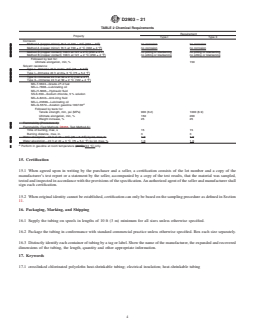
7.1 The material shall conform to the chemical requirements specified in Tables 1 and 2.
7.2 Every lot of material manufactured requires testing for flammability, but testing for all the other chemical property
requirements shall be conducted less frequently or at a frequency agreed upon by the purchaser and seller.
8. Other Property Requirements
8.1 The material shall conform to the mechanical, thermal, and electrical requirements of Table 3.
8.2 Every lot of material manufactured shall be tested for heat shock, tensile strength, and elongation, but testing for all other
requirements shall be conducted less frequently or at a frequency agreed upon by the purchaser and seller.
Available from U.S. Government Printing Office, Superintendent of Documents, 732 N. Capitol St., NW, Washington, DC 20401-0001, http://www.access.gpo.gov.
D2903 − 21
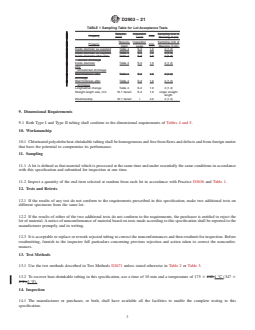
TABLE 1 Sampling Table for Lot Acceptance Tests
Require- Inspection Sampling Unit of
Property AQL
ment Level Sleeving, ft (m)
Require- Inspection Sampling Unit of
Property AQL
ment Level Sleeving, ft (m)
Inside diameter as supplied Table 4 S-3 1.0 4 (1.2)
Inside diameter as supplied Table 4 S-3 1.0 4 (1.2)
Inside diameter after unre- Table 4 S-3 1.0 4 (1.2)
stricted shrinkage
Inside diameter Table 4 S-3 1.0 4 (1.2)
after
unrestricted shrinkage
Wall thickness after Table 4 S-3 1.0 4 (1.2)
shrinkage
Wall thickness after Table 4 S-3 1.0 4 (1.2)
shrinkage
Longitudinal change Table 4 S-2 1.0 4 (1.2)
Straight length size, min 16.1 herein S-3 1.0 single straight
length
Workmanship 10.1 herein I 4.0 4 (1.2)
9. Dimensional Requirements
9.1 Both Type I and Type II tubing shall conform to the dimensional requirements of Tables 4 and 5.
10. Workmanship
10.1 Chlorinated polyolefin heat-shrinkable tubing shall be homogeneous and free from flaws and defects and from foreign matter
that have the potential to compromise its performance.
11. Sampling
11.1 A lot is defined as that material which is processed at the same time and under essentially the same conditions in accordance
with this specification and submitted for inspection at one time.
11.2 Inspect a quantity of the end item selected at random from each lot in accordance with Practice D3636 and Table 1.
12. Tests and Retests
12.1 If the results of any test do not conform to the requirements prescribed in this specification, make two additional tests on
different specimens from the same lot.
12.2 If the results of either of the two additional tests do not conform to the requirements, the purchaser is entitled to reject the
lot of material. A notice of nonconformance of material based on tests made according to this specification shall be reported to the
manufacturer promptly and in writing.
12.3 It is acceptable to replace or rework rejected tubing to correct the nonconformances and then resubmit for inspection. Before
resubmitting, furnish to the inspector full particulars concerning previous rejection and action taken to correct the nonconfor-
mances.
13. Test Methods
13.1 Use the test methods described in Test Methods D2671 unless stated otherwise in Table 2 or Table 3.
13.2 To recover heat-shrinkable tubing in this specification, use a time of 10 min and a temperature of 175 6 1°C 1 °C (347 6
2°F).2 °F).
14. Inspection
14.1 The manufacturer or purchaser, or both, shall have available all the facilities to enable the complete testing to this
specification.
D2903 − 21
TABLE 2 Chemical Requirements
Requirement
Property
Type I Type II
Corrosion
Method A (copper mirror) 16 h at 150 ± 2°C (302 ± 4°F) no corrosion no corrosion
Method A (copper mirror) 16 h at 150 ± 2 °C (3
...