

ASTM D3525-20
(Test Method)Standard Test Method for Gasoline Fuel Dilution in Used Gasoline Engine Oils by Wide-Bore Capillary Gas Chromatography
General Information
- Abstract
SIGNIFICANCE AND USE
5.1 Some fuel dilution of the engine oil may take place during normal operation. However, excessive fuel dilution is of concern in terms of possible performance problems. This method provides a means to determine the magnitude of the fuel dilution, providing the user with the ability to predict performance problems and to take appropriate action.
SCOPE
1.1 This test method describes a gas chromatographic technique for determining the amount of gasoline fuel dilution in used lubricating oils arising from their use in gasoline engines.
1.2 This test method is limited to gas chromatographs accommodating wide-bore (0.53 mm) capillary columns and that are equipped with flame ionization detectors (FIDs) and temperature programmable ovens.
1.3 There is no limitation regarding the fuel dilution concentration range that can be determined by this method, however the precision statements apply only to the concentration range of 0.5 % to 20.3 % gasoline. A reporting limit of 0.5 % gasoline fuel dilution has also been included in the method.
1.4 Lubricating fluids recovered from engine crankcases have undergone changes due to heating, volatilization, sheering, oxidation and other reactions, and, as a result, the chromatographic profiles of the gasoline diluents and engine oils often differ significantly from their original patterns. Caution is accordingly advised when comparing quantitative determinations made using new verses used or in-service materials.
1.5 The values stated in SI units are to be regarded as standard. No other units of measurement are included in this standard.
1.6 This standard does not purport to address all of the safety concerns, if any, associated with its use. It is the responsibility of the user of this standard to establish appropriate safety, health, and environmental practices and determine the applicability of regulatory requirements prior to use.
1.7 This international standard was developed in accordance with internationally recognized principles on standardization established in the Decision on Principles for the Development of International Standards, Guides and Recommendations issued by the World Trade Organization Technical Barriers to Trade (TBT) Committee.
- Status
- Published
- Publication Date
- 14-Jun-2020
- Technical Committee
- D02 - Petroleum Products, Liquid Fuels, and Lubricants
- Drafting Committee
- D02.B0 - Automotive Lubricants
Buy Documents
ASTM D3525-20 - Standard Test Method for Gasoline Fuel Dilution in Used Gasoline Engine Oils by Wide-Bore Capillary Gas Chromatography
REDLINE ASTM D3525-20 - Standard Test Method for Gasoline Fuel Dilution in Used Gasoline Engine Oils by Wide-Bore Capillary Gas Chromatography
Overview
ASTM D3525-20, titled Standard Test Method for Gasoline Fuel Dilution in Used Gasoline Engine Oils by Wide-Bore Capillary Gas Chromatography, is a standardized procedure developed by ASTM International. This method is vital for determining the percentage of gasoline diluent present in used engine oils, utilizing wide-bore (0.53 mm) capillary columns and flame ionization detection (FID) in gas chromatography.
Fuel dilution naturally occurs in engine oils during the normal operation of gasoline engines, but excessive dilution can signal or cause significant performance issues. By quantifying gasoline fuel dilution, this standard provides a reliable means to assess oil condition, predict engine performance problems, and inform maintenance decisions.
Key Topics
- Fuel Dilution Detection: This method accurately quantifies gasoline present in used lubricating oil, with a reporting threshold of 0.5% and applicable for concentrations up to 20.3%.
- Gas Chromatographic Technique: Utilizing wide-bore capillary gas chromatography with FID, the test method distinguishes and measures gasoline components in used oils.
- Sample Preparation and Calibration: Employs internal standardization using compounds such as n-tetradecane and n-hexadecane to ensure accurate, reproducible quantification.
- Instrumentation Requirements:
- Wide-bore capillary columns (0.53 mm)
- Programmable temperature ovens
- Flame ionization detectors
- Precision data acquisition systems for peak area integration
- Applicability: The method is applicable for oils that experienced changes due to engine operation, such as oxidation, shear, and volatilization. However, caution is advised when comparing unused and used oils due to alterations in their chromatographic profiles.
Applications
ASTM D3525-20 has broad utility in the automotive and lubricant industries for:
- Engine Oil Analysis: Monitoring fuel dilution in used gasoline engine oils, crucial for fleet maintenance, engine diagnostics, and oil drain interval optimization.
- Predictive Maintenance: Early detection of excessive fuel dilution can help prevent engine damage, reduce downtime, and improve equipment reliability.
- Quality Control: Used by oil blenders, additive manufacturers, and testing laboratories to ensure products maintain performance characteristics through their service life.
- Regulatory Compliance: Provides a standardized approach for laboratories required to report fuel dilution levels in the scope of emissions, operational safety, and warranty investigations.
- Research and Development: Supports investigations into engine design, fuel formulations, and lubricant technology by delivering precise engine oil condition data.
Related Standards
ASTM D3525-20 is part of a broader framework of petroleum and lubricant standards. Related and referenced ASTM standards include:
- ASTM E355 - Practice for Gas Chromatography Terms and Relationships
- ASTM E594 - Practice for Testing Flame Ionization Detectors Used in Gas or Supercritical Fluid Chromatography
- ASTM E1510 - Practice for Installing Fused Silica Open Tubular Capillary Columns in Gas Chromatographs
Other relevant test methods for used oils and engine performance include:
- ASTM D445 - Kinematic Viscosity of Transparent and Opaque Liquids
- ASTM D5185 - Multielement Determination of Used and Unused Lubricating Oils by ICP-AES
Practical Value
Implementing ASTM D3525-20 helps ensure engine oils are performing within safe, specified limits regarding fuel dilution. This enables:
- Minimization of engine wear and prolonged engine component life
- Improved oil change scheduling and cost savings
- Effective troubleshooting of engine and fuel system performance problems
The method’s robust protocol and industry acceptance make it a trusted tool for professionals seeking reliable, repeatable measurement of fuel dilution in used gasoline engine oils.
Relations
- Effective Date
- 01-Sep-2019
- Effective Date
- 01-Nov-2011
- Effective Date
- 01-Mar-2007
- Effective Date
- 01-Mar-2006
- Effective Date
- 01-Feb-2005
- Effective Date
- 01-Jan-2001
- Effective Date
- 01-Jan-2001
- Effective Date
- 01-Jan-2001
- Effective Date
- 01-Jan-2001
- Effective Date
- 01-Jan-2000
- Effective Date
- 01-Jan-2000
Buy Documents
ASTM D3525-20 - Standard Test Method for Gasoline Fuel Dilution in Used Gasoline Engine Oils by Wide-Bore Capillary Gas Chromatography
REDLINE ASTM D3525-20 - Standard Test Method for Gasoline Fuel Dilution in Used Gasoline Engine Oils by Wide-Bore Capillary Gas Chromatography
Get Certified
Connect with accredited certification bodies for this standard

Element Materials Technology
Materials testing and product certification.

ABS Group Brazil
ABS Group certification services in Brazil.

ABS Quality Evaluations Inc.
American Bureau of Shipping quality certification.
Sponsored listings
Frequently Asked Questions
ASTM D3525-20 is a standard published by ASTM International. Its full title is "Standard Test Method for Gasoline Fuel Dilution in Used Gasoline Engine Oils by Wide-Bore Capillary Gas Chromatography". This standard covers: SIGNIFICANCE AND USE 5.1 Some fuel dilution of the engine oil may take place during normal operation. However, excessive fuel dilution is of concern in terms of possible performance problems. This method provides a means to determine the magnitude of the fuel dilution, providing the user with the ability to predict performance problems and to take appropriate action. SCOPE 1.1 This test method describes a gas chromatographic technique for determining the amount of gasoline fuel dilution in used lubricating oils arising from their use in gasoline engines. 1.2 This test method is limited to gas chromatographs accommodating wide-bore (0.53 mm) capillary columns and that are equipped with flame ionization detectors (FIDs) and temperature programmable ovens. 1.3 There is no limitation regarding the fuel dilution concentration range that can be determined by this method, however the precision statements apply only to the concentration range of 0.5 % to 20.3 % gasoline. A reporting limit of 0.5 % gasoline fuel dilution has also been included in the method. 1.4 Lubricating fluids recovered from engine crankcases have undergone changes due to heating, volatilization, sheering, oxidation and other reactions, and, as a result, the chromatographic profiles of the gasoline diluents and engine oils often differ significantly from their original patterns. Caution is accordingly advised when comparing quantitative determinations made using new verses used or in-service materials. 1.5 The values stated in SI units are to be regarded as standard. No other units of measurement are included in this standard. 1.6 This standard does not purport to address all of the safety concerns, if any, associated with its use. It is the responsibility of the user of this standard to establish appropriate safety, health, and environmental practices and determine the applicability of regulatory requirements prior to use. 1.7 This international standard was developed in accordance with internationally recognized principles on standardization established in the Decision on Principles for the Development of International Standards, Guides and Recommendations issued by the World Trade Organization Technical Barriers to Trade (TBT) Committee.
SIGNIFICANCE AND USE 5.1 Some fuel dilution of the engine oil may take place during normal operation. However, excessive fuel dilution is of concern in terms of possible performance problems. This method provides a means to determine the magnitude of the fuel dilution, providing the user with the ability to predict performance problems and to take appropriate action. SCOPE 1.1 This test method describes a gas chromatographic technique for determining the amount of gasoline fuel dilution in used lubricating oils arising from their use in gasoline engines. 1.2 This test method is limited to gas chromatographs accommodating wide-bore (0.53 mm) capillary columns and that are equipped with flame ionization detectors (FIDs) and temperature programmable ovens. 1.3 There is no limitation regarding the fuel dilution concentration range that can be determined by this method, however the precision statements apply only to the concentration range of 0.5 % to 20.3 % gasoline. A reporting limit of 0.5 % gasoline fuel dilution has also been included in the method. 1.4 Lubricating fluids recovered from engine crankcases have undergone changes due to heating, volatilization, sheering, oxidation and other reactions, and, as a result, the chromatographic profiles of the gasoline diluents and engine oils often differ significantly from their original patterns. Caution is accordingly advised when comparing quantitative determinations made using new verses used or in-service materials. 1.5 The values stated in SI units are to be regarded as standard. No other units of measurement are included in this standard. 1.6 This standard does not purport to address all of the safety concerns, if any, associated with its use. It is the responsibility of the user of this standard to establish appropriate safety, health, and environmental practices and determine the applicability of regulatory requirements prior to use. 1.7 This international standard was developed in accordance with internationally recognized principles on standardization established in the Decision on Principles for the Development of International Standards, Guides and Recommendations issued by the World Trade Organization Technical Barriers to Trade (TBT) Committee.
ASTM D3525-20 is classified under the following ICS (International Classification for Standards) categories: 75.100 - Lubricants, industrial oils and related products. The ICS classification helps identify the subject area and facilitates finding related standards.
ASTM D3525-20 has the following relationships with other standards: It is inter standard links to ASTM E594-96(2019), ASTM E594-96(2011), ASTM E355-96(2007), ASTM E594-96(2006), ASTM E1510-95(2005), ASTM E355-96(2001), ASTM E594-96, ASTM E594-96(2001), ASTM E355-96, ASTM E1510-95, ASTM E1510-95(2000). Understanding these relationships helps ensure you are using the most current and applicable version of the standard.
ASTM D3525-20 is available in PDF format for immediate download after purchase. The document can be added to your cart and obtained through the secure checkout process. Digital delivery ensures instant access to the complete standard document.
Standards Content (Sample)
This international standard was developed in accordance with internationally recognized principles on standardization established in the Decision on Principles for the
Development of International Standards, Guides and Recommendations issued by the World Trade Organization Technical Barriers to Trade (TBT) Committee.
Designation: D3525 − 20
Standard Test Method for
Gasoline Fuel Dilution in Used Gasoline Engine Oils by
Wide-Bore Capillary Gas Chromatography
This standard is issued under the fixed designation D3525; the number immediately following the designation indicates the year of
original adoption or, in the case of revision, the year of last revision. A number in parentheses indicates the year of last reapproval. A
superscript epsilon (´) indicates an editorial change since the last revision or reapproval.
1. Scope* mendations issued by the World Trade Organization Technical
Barriers to Trade (TBT) Committee.
1.1 This test method describes a gas chromatographic tech-
nique for determining the amount of gasoline fuel dilution in
2. Referenced Documents
used lubricating oils arising from their use in gasoline engines.
2.1 ASTM Standards:
1.2 This test method is limited to gas chromatographs
E355 Practice for Gas ChromatographyTerms and Relation-
accommodating wide-bore (0.53 mm) capillary columns and
ships
that are equipped with flame ionization detectors (FIDs) and
E594 Practice for Testing Flame Ionization Detectors Used
temperature programmable ovens.
in Gas or Supercritical Fluid Chromatography
E1510 Practice for Installing Fused Silica Open Tubular
1.3 There is no limitation regarding the fuel dilution con-
centration range that can be determined by this method, Capillary Columns in Gas Chromatographs
however the precision statements apply only to the concentra-
3. Terminology
tion range of 0.5 % to 20.3 % gasoline. A reporting limit of
3.1 Definitions:
0.5 % gasoline fuel dilution has also been included in the
3.1.1 For definition of gas chromatography terms, refer to
method.
Practice E355.
1.4 Lubricating fluids recovered from engine crankcases
3.2 Definitions of Terms Specific to This Standard:
have undergone changes due to heating, volatilization,
3.2.1 fuel diluent, n—in used oil analysis, unburned fuel
sheering, oxidation and other reactions, and, as a result, the
components that enter the engine crankcase causing dilution of
chromatographic profiles of the gasoline diluents and engine
the oil.
oils often differ significantly from their original patterns.
3.2.1.1 Discussion—In this method, the fuel diluent compo-
Caution is accordingly advised when comparing quantitative
nents being determined originate from gasoline.
determinations made using new verses used or in-service
3.2.2 fuel dilution, n—the amount, expressed as a
materials.
percentage, of gasoline found in engine lubricating oil.
1.5 The values stated in SI units are to be regarded as
3.2.2.1 Discussion—Fuel dilution may be the result of
standard. No other units of measurement are included in this
engine wear or improper performance.
standard.
3.3 Abbreviations:
1.6 This standard does not purport to address all of the
3.3.1 Acommonabbreviationofhydrocarboncompoundsis
safety concerns, if any, associated with its use. It is the
to designate the number of carbon atoms in the compound. A
responsibility of the user of this standard to establish appro-
prefix is used to indicate the carbon chain form, while a
priate safety, health, and environmental practices and deter-
subscripted suffix denotes the number of carbon atoms.
mine the applicability of regulatory requirements prior to use.
Example:
1.7 This international standard was developed in accor-
normal hexadecane n-C
dance with internationally recognized principles on standard-
iso-tetradecane i-C
ization established in the Decision on Principles for the
Development of International Standards, Guides and Recom- 4. Summary of Test Method
4.1 A gas chromatographic technique is described for ana-
lyzing used engine oils by adding a known amount of
This test method is under the jurisdiction of ASTM Committee D02 on
Petroleum Products, Liquid Fuels, and Lubricants and is the direct responsibility of
Subcommittee D02.B0 on Automotive Lubricants. For referenced ASTM standards, visit the ASTM website, www.astm.org, or
Current edition approved June 15, 2020. Published July 2020. Originally contact ASTM Customer Service at service@astm.org. For Annual Book of ASTM
approved in 1976. Last previous edition approved in 2016 as D3525 – 04 (2016). Standards volume information, refer to the standard’s Document Summary page on
DOI: 10.1520/D3525-20. the ASTM website.
*A Summary of Changes section appears at the end of this standard
Copyright © ASTM International, 100 Barr Harbor Drive, PO Box C700, West Conshohocken, PA 19428-2959. United States
D3525 − 20
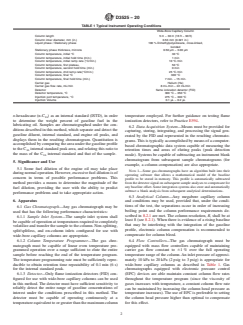
TABLE 1 Typical Instrument Operating Conditions
Wide-Bore Capillary Column
Column length 5m – 30m (16ft – 90 ft)
Column inner diameter, mm (in.) 0.53 mm (0.021 in.)
Liquid phase / Stationary phase 100 % Dimethylpolysiloxane, cross-linked,
bonded
Stationary phase thickness, microns 0.50 µm – 3.00 µm
Column temperature, initial °C 30 °C
Column temperature, initial hold time (min.) 1 min
Column temperature, initial ramp rate (°C/min.) 10 °C ⁄min
Column temperature, first plateau, 50 °C
Column temperature, second hold time (min.) 0 min
Column temperature, 2nd ramp rate(°C/min.) 25 °C ⁄min
Column temperature, final °C 300 °C
Column temperature, final hold time (min.) 7 min. – 15 min.
Carrier gas Helium (He)
Carrier gas flow rate, mL/min 8 mL ⁄min – 22 mL/min
Detector flame ionization detector (FID)
Detector temperature, °C 300 °C – 350 °C
Injection port temperature, °C 275 °C – 300 °C
Injection Volume 0.1 µL – 0.2 µL
n-hexadecane (n-C ) as an internal standard (ISTD), in order temperature employed. For further guidance on testing flame
to determine the weight percent of gasoline fuel in the ionization detectors, refer to Practice E594.
lubricating oil. Samples are chromatographed under the con-
6.2 Data Acquisition System—Means must be provided for
ditions described in this method, which separate and detect the
capturing, storing, integrating, and processing the signal gen-
gasoline diluent, internal standard, and engine oil peaks, and
erated by the FID and represented in the resulting chromato-
displays them in the resulting chromatogram. Quantitation is
grams.This is typically accomplished by means of a computer-
accomplished by comparing the area under the gasoline profile
based chromatographic data system capable of measuring the
to the C internal standard peak area, and relating this ratio to
retention times and areas of eluting peaks (peak detection
the mass of the C internal standard and that of the sample.
mode). Systems be capable of subtracting an instrument blank
chromatogram from subsequent sample chromatograms (for
5. Significance and Use
example, a column compensation) are also appropriate.
5.1 Some fuel dilution of the engine oil may take place
NOTE 1—Some gas chromatographs have an algorithm built into their
duringnormaloperation.However,excessivefueldilutionisof
operating software that allows a mathematical model of the baseline
concern in terms of possible performance problems. This
profile to be stored in memory. This profile is automatically subtracted
method provides a means to determine the magnitude of the from the detector signal on subsequent sample analyses to compensate for
any baseline offset. Some integration systems also store and automatically
fuel dilution, providing the user with the ability to predict
subtract a blank analysis from subsequent analytical determinations.
performance problems and to take appropriate action.
6.3 Analytical Column—Any megabore capillary column
6. Apparatus
and conditions may be used, provided that, under the condi-
tions of the test, the separations occur in order of increasing
6.1 Gas Chromatograph—Any gas chromatograph may be
boiling point and the column performance requirements de-
used that has the following performance characteristics:
scribed in 8.2.1 are met. The column resolution, R, shall be at
6.1.1 Sample Inlet System—The sample inlet system shall
least 8 (see 8.2.1). When there is evidence of a rising baseline
be capable of operation at temperatures required to completely
that may be interfering with the integration of the gasoline
volatilize and transfer the sample to the column. Non-splitting,
profile, electronic column compensation is recommended to
split/splitless, and on-column inlets configured for use with
compensate for column bleed.
wide-bore capillary columns are appropriate.
6.1.2 Column Temperature Programmer—The gas chro- 6.4 Flow Controllers—The gas chromatograph must be
matograph must be capable of linear oven temperature pro-
equipped with mass flow controllers capable of maintaining
grammed operation over a range sufficient to elute the entire carrier gas flow constant to 61 % over the full operating
sample before reaching the end of the temperature program. temperature range of the column.An inlet pressure of approxi-
The temperature programming rate must be sufficiently repro- mately 10 kPa to 20 kPa (2 psig to 3 psig) is appropriate for
ducible to obtain retention time repeatability of 0.1 min (6 s) wide-bore capillary columns as described in Table 1. Gas
for the internal standard peak. chromatographs equipped with electronic pressure control
6.1.3 Detector—Only flame ionization detectors (FID) con- (EPC) devices are able maintain constant column flow rates
figured for use with wide-bore capillary columns can be used throughout the temperature program (since the viscosity of
in this method. The detector must have sufficient sensitivity to gases increases with temperature, a constant column flow rate
reliably detect the entire range of gasoline concentrations of can be maintained by increasing the column head pressure as
interest under the conditions prescribed in this method. The temperature increases). The use of EPC is preferable to setting
detector must be capable of operating continuously at a the column head pressure higher than optimal to compensate
temperatureequivalenttoorgreaterthanthemaximumcolumn for this effect.
D3525 − 20
6.5 Sample Introduction Devices: 7.5 Air—Compressed air (Warning—Compressed air is a
6.5.1 Micro Syringe—A micro syringe, typically 1 µL to gas under high pressure and supports combustion),
10 µL, is used for sample introduction to capillary columns. 99.99 mole % purity or greater, is used as the oxidant for the
6.5.2 Automatic sampling devices that reproducibly inject flame ionization detector (FID).
the same volume are highly recommended. The sample intro-
7.6 n-Tetradecane (C )—Warning—(Combustible liquid;
duction devices should operate in a synchronous manner with
vapor harmful), 95 % minimum purity.
the gas chromatograph.
7.7 n-Hexadecane (C )—Warning—(Combustible liquid;
6.6 Vials, 2 mL, septum-capped, or those recommended by
vapor harmful), 95 % minimum purity.
the manufacturer of the automatic sampling device.
7.8 n-Octane (C )—(Warning—Flammable liquid; harmful
3 8
7. Reagents and Materials
if inhaled), 95 % minimum purity.
7.1 Purity of Reagents—Reagent grade chemicals shall be
7.9 Carbon Disulfide (CS )—(Warning—Carbon disulfide
used in all tests. Unless otherwise indicated, it is intended that
is extremely volatile, flammable, and toxic.)
all reagents conform to the specifications of the Committee on
7.10 Column Resolution Mixture—To test column
Analytical Reagents of the American Chemical Society where
resolution, prepare a mixture of 0.1 % (v⁄v) each of C and
such specifications are available. Other grades may be used, 14
C normal paraffins (Warning—Combu
...
This document is not an ASTM standard and is intended only to provide the user of an ASTM standard an indication of what changes have been made to the previous version. Because
it may not be technically possible to adequately depict all changes accurately, ASTM recommends that users consult prior editions as appropriate. In all cases only the current version
of the standard as published by ASTM is to be considered the official document.
Designation: D3525 − 04 (Reapproved 2016) D3525 − 20
Standard Test Method for
Gasoline Diluent Fuel Dilution in Used Gasoline Engine Oils
by Wide-Bore Capillary Gas Chromatography
This standard is issued under the fixed designation D3525; the number immediately following the designation indicates the year of
original adoption or, in the case of revision, the year of last revision. A number in parentheses indicates the year of last reapproval. A
superscript epsilon (´) indicates an editorial change since the last revision or reapproval.
1. Scope Scope*
1.1 This test method covers the use of gas chromatography to determine describes a gas chromatographic technique for
determining the amount of gasoline fuel dilution in used lubricating oils arising from their use in gasoline engines.
1.2 There is no limitation for the determination of the dilution range, provided that the amount of sample plus internal standard
is within the linear range of the gas chromatograph detector.
1.2 This test method is limited to gas chromatographs accommodating wide-bore (0.53 mm) capillary columns and that are
equipped with flame ionization detectors (FIDs) and temperature programmable ovens.
NOTE 1—The use of other detectors and instrumentation has been reported. However, the precision statement applies only when the instrumentation
specified is employed.
1.3 There is no limitation regarding the fuel dilution concentration range that can be determined by this method, however the
precision statements apply only to the concentration range of 0.5 % to 20.3 % gasoline. A reporting limit of 0.5 % gasoline fuel
dilution has also been included in the method.
1.4 The applicability of this method to gelled used engine oils has not been adequately investigated in order to ensure
compliance with the indicated repeatability and reproducibility. Gelled oils are defined as oils that develop structure on standing,
but that return to their original fluidity with light agitation.Lubricating fluids recovered from engine crankcases have undergone
changes due to heating, volatilization, sheering, oxidation and other reactions, and, as a result, the chromatographic profiles of the
gasoline diluents and engine oils often differ significantly from their original patterns. Caution is accordingly advised when
comparing quantitative determinations made using new verses used or in-service materials.
1.5 The values stated in SI units are to be regarded as standard. No other units of measurement are included in this standard.
1.6 This standard does not purport to address all of the safety concerns, if any, associated with its use. It is the responsibility
of the user of this standard to establish appropriate safety safety, health, and healthenvironmental practices and determine the
applicability of regulatory requirements prior to use.
1.7 This international standard was developed in accordance with internationally recognized principles on standardization
established in the Decision on Principles for the Development of International Standards, Guides and Recommendations issued
by the World Trade Organization Technical Barriers to Trade (TBT) Committee.
2. Referenced Documents
2.1 ASTM Standards:
E260 Practice for Packed Column Gas Chromatography
E355 Practice for Gas Chromatography Terms and Relationships
E594 Practice for Testing Flame Ionization Detectors Used in Gas or Supercritical Fluid Chromatography
E1510 Practice for Installing Fused Silica Open Tubular Capillary Columns in Gas Chromatographs
3. Terminology
3.1 Definitions:
3.1.1 For definition of gas chromatography terms, refer to Practice E355.
This test method is under the jurisdiction of ASTM Committee D02 on Petroleum Products, Liquid Fuels, and Lubricants and is the direct responsibility of Subcommittee
D02.B0 on Automotive Lubricants.
Current edition approved April 1, 2016June 15, 2020. Published May 2016July 2020. Originally approved in 1976. Last previous edition approved in 20102016 as
D3525 – 04 (2010).(2016). DOI: 10.1520/D3525-04R16.10.1520/D3525-20.
For referenced ASTM standards, visit the ASTM website, www.astm.org, or contact ASTM Customer Service at service@astm.org. For Annual Book of ASTM Standards
volume information, refer to the standard’s Document Summary page on the ASTM website.
*A Summary of Changes section appears at the end of this standard
Copyright © ASTM International, 100 Barr Harbor Drive, PO Box C700, West Conshohocken, PA 19428-2959. United States
D3525 − 20
3.2 Definitions of Terms Specific to This Standard:
3.2.1 fuel diluent, n—in used oil analysis, unburned fuel components that enter the engine crankcase causecausing dilution of
the oil.
3.2.1.1 Discussion—
In this method, the fuel diluent components being determined originate from gasoline.
3.2.2 fuel dilution, n—the amount, expressed as a percentage, of gasoline found in engine lubricating oil.
3.2.2.1 Discussion—
Fuel dilution may be the result of engine wear or improper performance.
3.3 Abbreviations:
3.3.1 A common abbreviation of hydrocarbon compounds is to designate the number of carbon atoms in the compound. A prefix
is used to indicate the carbon chain form, while a subscripted suffix denotes the number of carbon atoms.
Example:
normal decane n-C
normal hexadecane n-C
iso-tetradecane i-C
4. Summary of Test Method
4.1 A gas chromatographic technique is useddescribed for analyzing the samples, used engine oils by adding a known
percentageamount of n-tetradecane -hexadecane (n-C ) as an internal standard, standard (ISTD), in order to determine the weight
TABLE 1 Typical Operating Conditions
Packed Columns
Column length, m (ft) 0.610 (2)
Column outside diameter, mm (in.) 3.2 (1/8)
Column inner diameter, mm (in.) 2.36 ( 0.093)
Liquid phase methylsilicone gum or liquids
Percent liquid phase 10
Support material crushed fire brick or diatomaceous earth
Treatment acid wash
Support mesh size 80/100
Stationary phase thickness, microns —
Column temperature, initial °C 30
Column temperature, final °C 255
Programming rate, °C/min 6
Carrier gas helium or nitrogen
Carrier gas flow rate, mL/min 30
Detector flame ionization detector
Detector temperature, °C 300
Injection port temperature, °C 255
Sample size, μL 0.7
TABLE 1 Typical Instrument Operating Conditions
Wide-Bore Capillary Column
Column length 5 m – 30 m (16 ft – 90 ft)
Column inner diameter, mm (in.) 0.53 mm (0.021 in.)
Liquid phase / Stationary phase 100 % Dimethylpolysiloxane, cross-linked,
bonded
Stationary phase thickness, microns 0.50 μm – 3.00 μm
Column temperature, initial °C 30 °C
Column temperature, initial hold time (min.) 1 min
Column temperature, initial ramp rate (°C/min.) 10 °C ⁄min
Column temperature, first plateau, 50 °C
Column temperature, second hold time (min.) 0 min
Column temperature, 2nd ramp rate(°C/min.) 25 °C ⁄min
Column temperature, final °C 300 °C
Column temperature, final hold time (min.) 7 min. – 15 min.
Carrier gas Helium (He)
Carrier gas flow rate, mL/min 8 mL ⁄min – 22 mL/min
Detector flame ionization detector (FID)
Detector temperature, °C 300 °C – 350 °C
Injection port temperature, °C 275 °C – 300 °C
Injection Volume 0.1 μL – 0.2 μL
D3525 − 20
percent of gasoline fuel in the lubricating oil. A calibration curve is previously constructed which plots the gasoline fuel toSamples
are chromatographed under the conditions described in this method, which separate and detect the gasoline diluent, internal
nstandard,-tetradecane response ratio versus the weight percent of gasoline fuel in lubricating oil mixtures containing a constant
amount of internal standard. Mass percent of gasoline fuel and engine oil peaks, and displays them in the resulting chromatogram.
Quantitation is accomplished by comparing the area under the gasoline profile to the C in the samples is determined by
interpolation from the calibration curve.internal standard peak area, and relating this ratio to the mass of the C internal standard
and that of the sample.
5. Significance and Use
5.1 Some fuel dilution of the engine oil may take place during normal operation. However, excessive fuel dilution is of concern
in terms of possible performance problems. This method provides a means to determine the magnitude of the fuel dilution,
providing the user with the ability to predict performance problems and to take appropriate action.
6. Apparatus
6.1 Gas Chromatograph—Any gas chromatograph may be used that has the following performance characteristics:
6.1.1 Sample Inlet System—The sample inlet system shall be capable of operation at temperatures required to completely
volatilize and transfer the sample to the column. Non-splitting, split/splitless, and on-column inlets configured for use with
wide-bore capillary columns are appropriate.
6.1.2 Column Temperature Programmer—The gas chromatograph must be capable of linear oven temperature programmed
operation over a range sufficient to elute the entire sample before reaching the end of the temperature program. The temperature
programming rate must be sufficiently reproducible to obtain retention time repeatability of 0.1 min (6 s) for the internal standard
peak.
6.1.3 Detector—Only a flame ionization detector flame ionization detectors (FID) configured for use with wide-bore capillary
columns can be used in this method. The detector must have sufficient sensitivity to reliably detect 1.0 %the nentire-tetradecane
with a peak height of at least 40 % of full scale on the data acquisition devise range of gasoline concentrations of interest under
the conditions prescribed in this method. For further guidance on testing flame ionization detectors, refer to Practice E594. When
operating at this sensitivity level, detector stability must be such that a baseline drift of not more than 1 % full scale per hour is
obtained. The detector must be capable of operating continuously at a temperature equivalent to or greater than the maximum
column temperature employed. Connection of the column to the detector must be such thatFor further guidance on testing flame
ionization detectors, refer to Practice E594no temperature zones exist below the column temperature (cold spots).
6.1.2 Column Temperature Programmer—The chromatograph must be capable of temperature program operation of the oven
over a range sufficient to establish a retention time of 0.25 min (15 s) for the initial peak and to elute the internal standard totally.
A retention time repeatability of 0.3 min (18 s) must be achieved.
6.1.3 Sample Inlet System—The sample inlet system must be capable of operating continuously at a temperature equivalent to
the maximum column temperature employed. An on-column inlet with some means of programming the inlet temperature,
including the point of sample introduction, up to the maximum temperature required can also be used. Connection of the column
to the sample inlet system must be such that no temperature zones exist below the column temperature (cold spots).
6.2 Data Acquisition System—Means must be provided for measuring the accumulated area under the chromatogram. This can
be donecapturing, storing, integrating, and processing the signal generated by the FID and represented in the resulting
chromatograms. This is typically accomplished by means of an electronic integrator or computer based chromatography data
system.a computer-based chromatographic data system capable of measuring the retention times and areas of eluting peaks (peak
detection mode). Systems be capable of subtracting an instrument blank chromatogram from subsequent sample chromatograms
(for example, a column compensation) are also appropriate.
6.2.1 Integrator/Computer System—The integrator/computer system must have chromatographic software capable of measuring
the retention times and areas of eluting peaks (peak detection mode). The electronic range of the integrator/computer (for example,
1 V, 10 V) must be within the linear range of the detector/electrometer system used. It is desirable that the system be capable of
subtracting each area slice of a blank run from the corresponding area slice of a sample run.
NOTE 2—Best precision and automatic operation can be achieved with electronic integration.
NOTE 1—Some gas chromatographs have an algorithm built into their operating software that allows a mathematical model of the baseline profile to
be stored in memory. This profile is automatically subtracted from the detector signal on subsequent sample analyses to compensate for any baseline offset.
Some integration systems also store and automatically subtract a blank analysis from subsequent analytical determinations.
6.3 Analytical Column—Any megabore capillary column and conditions may be used, provided that, under the conditions of the
test, the separations occur in order of increasing boiling pointspoint and the column performance requirements described in 8.2.1
are met. The column resolution, R, shall be at least 3 and not more than 8 (see 8.2.1.18.2.1). Since a stable baseline is an essential
requirement of this method, electronic single When there is evidence of a rising baseline that may be interfering with the
integration of the gasoline profile, electronic column compensation is requiredrecommended to compensate for column bleed,
septum bleed, detector temperature control, constancy of carrier gas flow and instrument drift.bleed.
D3525 − 20
6.4 Flow Controllers—The gas chromatograph must be equipped with mass flow controllers capable of maintaining carrier gas
flow constant to 61 % over the full operating temperature range of the column. TheAn inlet pressure of the carrier gas supplied
to the gas chromatograph must be sufficiently high to compensate for theapproximately 10 kPa to 20 kPa (2 psig to 3 psig) is
appropriate for wide-bore capillary columns as described in Table 1increase in column back-pressure as the column temperature
is raised. An inlet pressure of 550 kPa (80 psig) has been found to be satisfactory with the columns described in. Gas
chromatographs equipped with electronic pressure control (EPC) devices are able maintain constant column flow rates throughout
the temperature program (since the viscosity of gases increases Table 1.with temperature, a constant column flow rate can be
maintained by increasing the column head pressure as temperature increases). The use of EPC is preferable to setting the column
head pressure higher than optimal to compensate for this effect.
6.5 Sample Introduction Devices:
6.5.1 Micro Syringe—A micro syringe, usually typically 1 μL to 10 μL, is used for sample introduction.introduction to capillary
columns.
6.5.2 Automatic sampling devices that reproducibly inject the same volume are highly recommended. The sample introduction
devices should operate in a synchronous manner with the gas chromatograph.
6.6 Vials, 1 dram (3.7 mL), 2 mL, septum-capped, or those recommended by the manufacturer of the automatic sampling
device.
7. Reagents and Materials
7.1 Purity of Reagents—Reagent grade chemicals shall be used in all tests. Unless otherwise indicated, it is intended that all
reagents conform to the specifications of the Committee on Analytical Reagents of the American Chemical Society where such
specifications are available. Other grades may be used, provided it is first ascertained that the reagent is of sufficiently high purity
to permit its use without lessening the accuracy of the determination.determination
7.2 Liquid Phase for Columns—Column Stationary Phase—Any nonpolar liquid phase suitable for column operation above
300 °C suitable nonpolar stationary phase may be used. Methylsilicone gums and liquids have 100 % dimethyl polysiloxane has
been found to provide the proper chromatographic hydrocarbon elution characteristics for this test method.
7.3 Solid Support—Usually crushed fire brick or diatomaceous earth is used in the case of packed columns. Where solid support
is used, sieve size and support loading should be such as will give optimum resolution and analysis time. In general, particle sizes
ranging from 60 to 100 sieve mesh, and support loadings of 3 % to 10 %, have been found most satisfactory.
7.3 Carrier Gas—Helium or nitrogen (Warning—Helium and nitrogen are is a compressed gases under high pressure),
99.99 mole % or greater, shall be used with the flame ionization detector. Additional purification is recommended by the use of
molecular sieves or other suitable agents to remove water, oxygen, and hydrocarbons. Available pressure must be sufficient to
ensure a constant carrier gas flow rate (see 6.4).
7.4 Hydrogen—Hydrogen (Warning—Hydrogen is an extremely flammable gas under high pressure), 99.99 mole % purity or
greater, is greater used as the fuel for the flame ionization detector (FID).
7.5 Air—Compressed air (Warning—Compressed air is a gas under high pressure and supports combustion), 99.99 mole %
purity or greater, is used as the oxidant for the flame ionization detector (FID).
7.6 n-Tetradecane—n-Tetradecane (C )—Warning—(Combustible liquid; vapor harmful), 95 % minimum purity.
7.7 n-Hexadecane—n-Hexadecane (C )—Warning—(Combustible liquid; vapor harmful), 95 % minimum purity.
7.8 n-Octane—n-Octane (C )—(Warning—Flammable liquid; harmful if inhaled), 95 % minimum purity.
7.9 Carbon Disulfide (CS )—(Warning—Carbon disulfide is extremely volatile, flammable, and toxic.)
...