

ASTM C1207-10(2018)
(Test Method)Standard Test Method for Nondestructive Assay of Plutonium in Scrap and Waste by Passive Neutron Coincidence Counting
General Information
- Abstract
SIGNIFICANCE AND USE
5.1 This test method is useful for determining the plutonium content of scrap and waste in containers ranging from small cans with volumes of the order of a mL to crates and boxes of several thousand liters in volume. A common application would be to 208-L (55-gal) drums. Total Pu content ranges from 10 mg to 6 kg (1). The upper limit may be restricted depending on specific matrix, calibration material, criticality safety, or counting equipment considerations.
5.2 This test method is applicable for U.S. Department of Energy shipper/receiver confirmatory measurements (9), nuclear material diversion detection, and International Atomic Energy Agency attributes measurements (10).
5.3 This test method should be used in conjunction with a scrap and waste management plan that segregates scrap and waste assay items into material categories according to some or all of the following criteria: bulk density, the chemical forms of the plutonium and the matrix, americium to plutonium isotopic ratio, and hydrogen content. Packaging for each category should be uniform with respect to size, shape, and composition of the container. Each material category might require calibration standards and may have different Pu mass limits.
5.4 Bias in passive neutron coincidence measurements is related to item size and density, the homogeneity and composition of the matrix, and the quantity and distribution of the nuclear material. The precision of the measurement results is related to the quantity of nuclear material, the (α,n) reaction rate, and the count time of the measurement.
5.4.1 For both benign matrix and matrix specific measurements, the method assumes the calibration reference materials match the items to be measured with respect to the homogeneity and composition of the matrix, the neutron moderator and absorber content, and the quantity of nuclear material, to the extent they affect the measurement.
5.4.2 Measurements of smaller containers containing scrap and waste a...
SCOPE
1.1 This test method describes the nondestructive assay of scrap or waste for plutonium content using passive thermal-neutron coincidence counting. This test method provides rapid results and can be applied to a variety of carefully sorted materials in containers as large as several thousand liters in volume. The test method applies to measurements of 238Pu, 240Pu, and 242Pu and has been used to assay items whose total plutonium content ranges from 10 mg to 6 kg (1) .2
1.2 This test method requires knowledge of the relative abundances of the Pu isotopes to determine the total Pu mass (Test Method C1030).
1.3 This test method may not be applicable to the assay of scrap or waste containing other spontaneously fissioning nuclides.
1.3.1 This test method may give biased results for measurements of containers that include large amounts of hydrogenous materials.
1.3.2 The techniques described in this test method have been applied to materials other than scrap and waste (2, 3).
1.4 This test method assumes the use of shift-register-based coincidence technology (4).
1.5 Several other techniques that are often encountered in association with passive neutron coincidence counting exist. These include neutron multiplicity counting (5, 6, Test Method C1500), add-a-source analysis for matrix correction (7), flux probes also for matrix compensation, cosmic-ray rejection (8) to improve precision close to the detection limit, and alternative data collection electronics such as list mode data acquisition. Passive neutron coincidence counting may also be combined with certain active interrogation schemes as in Test Methods C1316 and C1493. Discussions of these established techniques are not included in this method.
1.6 This standard does not purport to address all of the safety concerns, if any, associated with its use. It is the responsibility of the user of this standard to establish appropriate safety, health, an...
- Status
- Published
- Publication Date
- 31-Mar-2018
- Technical Committee
- C26 - Nuclear Fuel Cycle
- Drafting Committee
- C26.10 - Non Destructive Assay
Overview
ASTM C1207-10(2018), titled Standard Test Method for Nondestructive Assay of Plutonium in Scrap and Waste by Passive Neutron Coincidence Counting, provides a standardized method for analyzing the plutonium content in various types of nuclear scrap and waste materials. This method utilizes passive thermal-neutron coincidence counting, offering a nondestructive and efficient way to assess containers ranging from small cans to large drums and crates, with volumes up to several thousand liters.
By enabling rapid and reliable determination of plutonium (notably isotopes 238Pu, 240Pu, and 242Pu), this ASTM standard supports critical activities in the nuclear fuel cycle, such as material accountability, regulatory compliance, and waste management. It applies to material with total plutonium content from 10 mg up to 6 kg, though practical limits depend on matrix and equipment considerations.
Key Topics
- Nondestructive Assay (NDA): Utilizes passive neutron coincidence counting technology to determine the plutonium content without altering or opening waste containers.
- Material Scope: Applicable to a broad spectrum of containers and item sizes, from milliliters to thousands of liters, including 208-liter (55-gallon) drums-a common size in waste management.
- Isotope Measurement: Enables measurement of key plutonium isotopes provided that isotopic composition is known or can be estimated (see ASTM C1030).
- Matrix and Calibration Considerations: Best results are achieved when reference materials closely match the target scrap or waste in terms of chemical form, density, matrix composition, and hydrogen content.
- Safety and Bias Factors: Addresses potential sources of measurement error, including matrix heterogeneity, hydrogenous content, and presence of other spontaneously fissioning nuclides. Emphasizes adherence to safety, health, and regulatory practices.
- Measurement Reliability: Stresses the importance of reproducible item positioning, periodic instrument calibration, and use of quality assurance protocols to maintain accuracy and consistency.
Applications
- Nuclear Waste Management: Provides a rapid, reliable tool for quantifying plutonium in waste prior to storage, transport, or disposal, aiding compliance with regulatory requirements.
- International Safeguards: Useful for shipper/receiver confirmatory measurements, detection of nuclear material diversion, and supporting International Atomic Energy Agency (IAEA) attributes measurements.
- Waste Sorting and Segregation: Assay results can be used as part of integrated scrap and waste management plans, facilitating the categorization of items based on matrix and plutonium content, which is essential for safety, quality control, and criticality prevention.
- Facility Operations: Assists nuclear facilities in tracking and documenting plutonium inventories to meet Department of Energy (DOE) and other jurisdictional requirements.
- Quality Assurance: Supports internal quality programs by providing a standardized, documented approach to nondestructive testing and assay.
Related Standards
- ASTM C1030 – Determination of Plutonium Isotopic Composition by Gamma-Ray Spectrometry
- ASTM C1133/C1133M – Nondestructive Assay of Special Nuclear Material in Low-Density Scrap and Waste by Segmented Passive Gamma-Ray Scanning
- ASTM C1316 – Nondestructive Assay of Nuclear Material in Scrap and Waste by Passive-Active Neutron Counting
- ASTM C1458 – Nondestructive Assay of Plutonium, Tritium, and Americium-241 by Calorimetric Assay
- ASTM C1500 – Nondestructive Assay of Plutonium by Passive Neutron Multiplicity Counting
- ANSI 15.20 & 15.36 – Guidelines for Calibration and Measurement Control of NDA Systems
Practical Value
Implementing ASTM C1207-10(2018) enhances nuclear facility operations by providing:
- Rapid, accurate plutonium quantification
- Reduced handling of hazardous materials
- Support for regulatory, safety, and quality control needs
- Compatibility with international nonproliferation and safeguards protocols
- Flexibility across a wide range of waste forms and container sizes
By leveraging this nondestructive assay standard, organizations can ensure safe, efficient, and compliant management of plutonium-bearing scrap and waste within the nuclear industry.
Relations
- Effective Date
- 01-Apr-2018
- Effective Date
- 01-Apr-2018
- Effective Date
- 01-Apr-2018
- Effective Date
- 01-Apr-2018
- Effective Date
- 01-Jan-2017
- Effective Date
- 01-Mar-2016
- Effective Date
- 01-Feb-2015
- Effective Date
- 01-Jan-2013
- Effective Date
- 01-Jun-2012
- Effective Date
- 01-Jun-2011
- Effective Date
- 01-Nov-2010
- Effective Date
- 01-Nov-2010
- Effective Date
- 01-Oct-2010
- Effective Date
- 01-Jun-2010
- Effective Date
- 01-Jan-2010
Get Certified
Connect with accredited certification bodies for this standard

CIS Institut d.o.o.
Personal Protective Equipment (PPE) certification body. Notified Body NB-2890 for EU Regulation 2016/425 PPE.

Kiwa BDA Testing
Building and construction product certification.
Kmetijski inštitut Slovenije
Agricultural Institute of Slovenia. Soil testing, plant health, agricultural product analysis.
Sponsored listings
Frequently Asked Questions
ASTM C1207-10(2018) is a standard published by ASTM International. Its full title is "Standard Test Method for Nondestructive Assay of Plutonium in Scrap and Waste by Passive Neutron Coincidence Counting". This standard covers: SIGNIFICANCE AND USE 5.1 This test method is useful for determining the plutonium content of scrap and waste in containers ranging from small cans with volumes of the order of a mL to crates and boxes of several thousand liters in volume. A common application would be to 208-L (55-gal) drums. Total Pu content ranges from 10 mg to 6 kg (1). The upper limit may be restricted depending on specific matrix, calibration material, criticality safety, or counting equipment considerations. 5.2 This test method is applicable for U.S. Department of Energy shipper/receiver confirmatory measurements (9), nuclear material diversion detection, and International Atomic Energy Agency attributes measurements (10). 5.3 This test method should be used in conjunction with a scrap and waste management plan that segregates scrap and waste assay items into material categories according to some or all of the following criteria: bulk density, the chemical forms of the plutonium and the matrix, americium to plutonium isotopic ratio, and hydrogen content. Packaging for each category should be uniform with respect to size, shape, and composition of the container. Each material category might require calibration standards and may have different Pu mass limits. 5.4 Bias in passive neutron coincidence measurements is related to item size and density, the homogeneity and composition of the matrix, and the quantity and distribution of the nuclear material. The precision of the measurement results is related to the quantity of nuclear material, the (α,n) reaction rate, and the count time of the measurement. 5.4.1 For both benign matrix and matrix specific measurements, the method assumes the calibration reference materials match the items to be measured with respect to the homogeneity and composition of the matrix, the neutron moderator and absorber content, and the quantity of nuclear material, to the extent they affect the measurement. 5.4.2 Measurements of smaller containers containing scrap and waste a... SCOPE 1.1 This test method describes the nondestructive assay of scrap or waste for plutonium content using passive thermal-neutron coincidence counting. This test method provides rapid results and can be applied to a variety of carefully sorted materials in containers as large as several thousand liters in volume. The test method applies to measurements of 238Pu, 240Pu, and 242Pu and has been used to assay items whose total plutonium content ranges from 10 mg to 6 kg (1) .2 1.2 This test method requires knowledge of the relative abundances of the Pu isotopes to determine the total Pu mass (Test Method C1030). 1.3 This test method may not be applicable to the assay of scrap or waste containing other spontaneously fissioning nuclides. 1.3.1 This test method may give biased results for measurements of containers that include large amounts of hydrogenous materials. 1.3.2 The techniques described in this test method have been applied to materials other than scrap and waste (2, 3). 1.4 This test method assumes the use of shift-register-based coincidence technology (4). 1.5 Several other techniques that are often encountered in association with passive neutron coincidence counting exist. These include neutron multiplicity counting (5, 6, Test Method C1500), add-a-source analysis for matrix correction (7), flux probes also for matrix compensation, cosmic-ray rejection (8) to improve precision close to the detection limit, and alternative data collection electronics such as list mode data acquisition. Passive neutron coincidence counting may also be combined with certain active interrogation schemes as in Test Methods C1316 and C1493. Discussions of these established techniques are not included in this method. 1.6 This standard does not purport to address all of the safety concerns, if any, associated with its use. It is the responsibility of the user of this standard to establish appropriate safety, health, an...
SIGNIFICANCE AND USE 5.1 This test method is useful for determining the plutonium content of scrap and waste in containers ranging from small cans with volumes of the order of a mL to crates and boxes of several thousand liters in volume. A common application would be to 208-L (55-gal) drums. Total Pu content ranges from 10 mg to 6 kg (1). The upper limit may be restricted depending on specific matrix, calibration material, criticality safety, or counting equipment considerations. 5.2 This test method is applicable for U.S. Department of Energy shipper/receiver confirmatory measurements (9), nuclear material diversion detection, and International Atomic Energy Agency attributes measurements (10). 5.3 This test method should be used in conjunction with a scrap and waste management plan that segregates scrap and waste assay items into material categories according to some or all of the following criteria: bulk density, the chemical forms of the plutonium and the matrix, americium to plutonium isotopic ratio, and hydrogen content. Packaging for each category should be uniform with respect to size, shape, and composition of the container. Each material category might require calibration standards and may have different Pu mass limits. 5.4 Bias in passive neutron coincidence measurements is related to item size and density, the homogeneity and composition of the matrix, and the quantity and distribution of the nuclear material. The precision of the measurement results is related to the quantity of nuclear material, the (α,n) reaction rate, and the count time of the measurement. 5.4.1 For both benign matrix and matrix specific measurements, the method assumes the calibration reference materials match the items to be measured with respect to the homogeneity and composition of the matrix, the neutron moderator and absorber content, and the quantity of nuclear material, to the extent they affect the measurement. 5.4.2 Measurements of smaller containers containing scrap and waste a... SCOPE 1.1 This test method describes the nondestructive assay of scrap or waste for plutonium content using passive thermal-neutron coincidence counting. This test method provides rapid results and can be applied to a variety of carefully sorted materials in containers as large as several thousand liters in volume. The test method applies to measurements of 238Pu, 240Pu, and 242Pu and has been used to assay items whose total plutonium content ranges from 10 mg to 6 kg (1) .2 1.2 This test method requires knowledge of the relative abundances of the Pu isotopes to determine the total Pu mass (Test Method C1030). 1.3 This test method may not be applicable to the assay of scrap or waste containing other spontaneously fissioning nuclides. 1.3.1 This test method may give biased results for measurements of containers that include large amounts of hydrogenous materials. 1.3.2 The techniques described in this test method have been applied to materials other than scrap and waste (2, 3). 1.4 This test method assumes the use of shift-register-based coincidence technology (4). 1.5 Several other techniques that are often encountered in association with passive neutron coincidence counting exist. These include neutron multiplicity counting (5, 6, Test Method C1500), add-a-source analysis for matrix correction (7), flux probes also for matrix compensation, cosmic-ray rejection (8) to improve precision close to the detection limit, and alternative data collection electronics such as list mode data acquisition. Passive neutron coincidence counting may also be combined with certain active interrogation schemes as in Test Methods C1316 and C1493. Discussions of these established techniques are not included in this method. 1.6 This standard does not purport to address all of the safety concerns, if any, associated with its use. It is the responsibility of the user of this standard to establish appropriate safety, health, an...
ASTM C1207-10(2018) is classified under the following ICS (International Classification for Standards) categories: 13.030.30 - Special wastes. The ICS classification helps identify the subject area and facilitates finding related standards.
ASTM C1207-10(2018) has the following relationships with other standards: It is inter standard links to ASTM C1207-10, ASTM C1030-10(2018), ASTM C1673-10a(2018), ASTM C1133/C1133M-10(2018), ASTM C1316-08(2017), ASTM C1458-16, ASTM C1128-15, ASTM C1009-13, ASTM C1210-12, ASTM C1068-03(2011), ASTM C1673-10a, ASTM C1673-10ae1, ASTM C1490-04(2010), ASTM C1673-10, ASTM C1133/C1133M-10. Understanding these relationships helps ensure you are using the most current and applicable version of the standard.
ASTM C1207-10(2018) is available in PDF format for immediate download after purchase. The document can be added to your cart and obtained through the secure checkout process. Digital delivery ensures instant access to the complete standard document.
Standards Content (Sample)
This international standard was developed in accordance with internationally recognized principles on standardization established in the Decision on Principles for the
Development of International Standards, Guides and Recommendations issued by the World Trade Organization Technical Barriers to Trade (TBT) Committee.
Designation: C1207 − 10 (Reapproved 2018)
Standard Test Method for
Nondestructive Assay of Plutonium in Scrap and Waste by
Passive Neutron Coincidence Counting
This standard is issued under the fixed designation C1207; the number immediately following the designation indicates the year of
original adoption or, in the case of revision, the year of last revision.Anumber in parentheses indicates the year of last reapproval.A
superscript epsilon (´) indicates an editorial change since the last revision or reapproval.
1. Scope 1.6 This standard does not purport to address all of the
safety concerns, if any, associated with its use. It is the
1.1 This test method describes the nondestructive assay of
responsibility of the user of this standard to establish appro-
scrap or waste for plutonium content using passive thermal-
priate safety, health, and environmental practices and deter-
neutron coincidence counting. This test method provides rapid
mine the applicability of regulatory limitations prior to use.
results and can be applied to a variety of carefully sorted
1.7 This international standard was developed in accor-
materials in containers as large as several thousand liters in
238 dance with internationally recognized principles on standard-
volume. The test method applies to measurements of Pu,
240 242 ization established in the Decision on Principles for the
Pu, and Pu and has been used to assay items whose total
2 Development of International Standards, Guides and Recom-
plutonium content ranges from 10 mg to 6 kg (1).
mendations issued by the World Trade Organization Technical
1.2 This test method requires knowledge of the relative
Barriers to Trade (TBT) Committee.
abundances of the Pu isotopes to determine the total Pu mass
(Test Method C1030).
2. Referenced Documents
1.3 This test method may not be applicable to the assay of
2.1 ASTM Standards:
scrap or waste containing other spontaneously fissioning nu-
C986Guide for Developing Training Programs in the
clides.
Nuclear Fuel Cycle (Withdrawn 2001)
1.3.1 This test method may give biased results for measure-
C1009Guide for Establishing and Maintaining a Quality
mentsofcontainersthatincludelargeamountsofhydrogenous
AssuranceProgramforAnalyticalLaboratoriesWithinthe
materials.
Nuclear Industry
1.3.2 The techniques described in this test method have
C1030TestMethodforDeterminationofPlutoniumIsotopic
been applied to materials other than scrap and waste (2, 3).
Composition by Gamma-Ray Spectrometry
C1068Guide for Qualification of Measurement Methods by
1.4 This test method assumes the use of shift-register-based
a Laboratory Within the Nuclear Industry
coincidence technology (4).
C1128Guide for Preparation of Working Reference Materi-
1.5 Several other techniques that are often encountered in
als for Use in Analysis of Nuclear Fuel Cycle Materials
association with passive neutron coincidence counting exist.
C1133/C1133MTest Method for Nondestructive Assay of
Theseincludeneutronmultiplicitycounting(5, 6,TestMethod
SpecialNuclearMaterialinLow-DensityScrapandWaste
C1500), add-a-source analysis for matrix correction (7), flux
by Segmented Passive Gamma-Ray Scanning
probes also for matrix compensation, cosmic-ray rejection (8)
C1210Guide for Establishing a Measurement System Qual-
to improve precision close to the detection limit, and alterna-
ity Control Program for Analytical Chemistry Laborato-
tive data collection electronics such as list mode data acquisi-
ries Within the Nuclear Industry
tion. Passive neutron coincidence counting may also be com-
C1316Test Method for Nondestructive Assay of Nuclear
bined with certain active interrogation schemes as in Test
Material in Scrap and Waste by Passive-Active Neutron
Methods C1316 and C1493. Discussions of these established
Counting Using Cf Shuffler
techniques are not included in this method.
C1458Test Method for NondestructiveAssay of Plutonium,
Tritium and Am by Calorimetric Assay
This practice is under the jurisdiction of ASTM Committee C26 on Nuclear
Fuel Cycle and is the direct responsibility of Subcommittee C26.10 on Non
Destructive Assay. For referenced ASTM standards, visit the ASTM website, www.astm.org, or
Current edition approved April 1, 2018. Published April 2018. Originally contact ASTM Customer Service at service@astm.org. For Annual Book of ASTM
approved in 1991. Last previous edition approved in 2010 as C1207–10. DOI: Standards volume information, refer to the standard’s Document Summary page on
10.1520/C1207-10R18. the ASTM website.
2 4
Theboldfacenumbersinparenthesesrefertothelistofreferencesattheendof The last approved version of this historical standard is referenced on
this test method. www.astm.org.
Copyright © ASTM International, 100 Barr Harbor Drive, PO Box C700, West Conshohocken, PA 19428-2959. United States
C1207 − 10 (2018)
C1490GuidefortheSelection,TrainingandQualificationof cans with volumes of the order of a mLto crates and boxes of
Nondestructive Assay (NDA) Personnel several thousand liters in volume. A common application
C1493Test Method for Non-Destructive Assay of Nuclear would be to 208-L (55-gal) drums. Total Pu content ranges
Material in Waste by Passive and Active Neutron Count- from 10 mg to 6 kg (1). The upper limit may be restricted
ing Using a Differential Die-Away System (Withdrawn depending on specific matrix, calibration material, criticality
2018) safety, or counting equipment considerations.
C1500Test Method for Nondestructive Assay of Plutonium
5.2 This test method is applicable for U.S. Department of
by Passive Neutron Multiplicity Counting
Energy shipper/receiver confirmatory measurements (9),
C1592/C1592MGuide for Making Quality Nondestructive
nuclear material diversion detection, and InternationalAtomic
Assay Measurements (Withdrawn 2018)
Energy Agency attributes measurements (10).
C1673Terminology of C26.10 NondestructiveAssay Meth-
5.3 This test method should be used in conjunction with a
ods
scrap and waste management plan that segregates scrap and
2.2 ANSI Standards:
wasteassayitemsintomaterialcategoriesaccordingtosomeor
ANSI 15.20Guide to Calibrating Nondestructive Assay
allofthefollowingcriteria:bulkdensity,thechemicalformsof
Systems
theplutoniumandthematrix,americiumtoplutoniumisotopic
ANSI 15.36Nondestructive Assay Measurement Control
ratio, and hydrogen content. Packaging for each category
and Assurance
shouldbeuniformwithrespecttosize,shape,andcomposition
3. Terminology
of the container. Each material category might require calibra-
tion standards and may have different Pu mass limits.
3.1 Refer to Terminology C1673 for definitions used in this
test method.
5.4 Bias in passive neutron coincidence measurements is
related to item size and density, the homogeneity and compo-
4. Summary of Test Method
sition of the matrix, and the quantity and distribution of the
4.1 The even mass isotopes of Pu fission spontaneously. On
nuclear material. The precision of the measurement results is
the average, two or more prompt neutrons are emitted per
related to the quantity of nuclear material, the (α,n) reaction
fission event. The number of time correlated or coincident
rate, and the count time of the measurement.
neutrons detected by the instrument is related to the effective
5.4.1 For both benign matrix and matrix specific
240 240
mass of Pu, m , present in the time. The effective Pu
measurements, the method assumes the calibration reference
eff
mass is a weighted sum of the even mass isotopes of Pu in the
materials match the items to be measured with respect to the
assay item. The total Pu mass is determined from the known
homogeneity and composition of the matrix, the neutron
plutonium isotopic ratios and the measured quantity m .
eff moderator and absorber content, and the quantity of nuclear
material, to the extent they affect the measurement.
4.2 The shift register technology is intended to correct for
5.4.2 Measurements of smaller containers containing scrap
the effects of Accidental neutron coincidences which result
and waste are generally more accurate than measurements of
fromtheregistrationofneutronsinthecoincidencegatewhich
larger items.
are not correlated in time to the neutron which triggered the
5.4.3 It is recommended that where feasible measurements
inspection of the gate.
be made on items with homogeneous contents. Heterogeneity
4.3 Otherfactorswhichmayaffecttheassayareneutronself
inthedistributionofnuclearmaterial,neutronmoderators,and
multiplication, matrix components with large (α, n) reaction
neutron absorbers have the potential to cause biased results.
rates, neutron absorbers, or moderators. Corrections for these
5.5 The coincident neutron production rates measured by
effectsareoftennotpossiblefromthemeasurementdataalone,
this test method are related to the mass of the even number
consequently assay items are commonly sorted into material
isotopes of plutonium. If the relative abundances of these
categories or additional information is sometimes used.
isotopes are not accurately known, biases in the total Pu assay
4.4 Corrections are typically made for electronic deadtime
value will result.
and neutron background.
5.6 Typical count times are in the range of 300 to 3600 s.
4.5 Calibrations are typically based on measurements of
well documented and appropriate reference materials. Model- 5.7 Reliable results from the application of this method
require training of the personnel who package the scrap and
ing based on knowledge of the instrument design and the
physicalprinciplesofneutroninteractionsmayalsobeapplied. waste prior to measurement and of personnel who perform the
measurements. Training guidance is available from ANSI
4.6 This method includes measurement control tests to
15.20, Guides C986, C1009, C1068, and C1490.
verify reliable and stable performance of the instrument.
5. Significance and Use 6. Interferences
5.1 Thistestmethodisusefulfordeterminingtheplutonium 6.1 Conditions affecting measurement uncertainty include
content of scrap and waste in containers ranging from small
neutron background, moderators, multiplication, (α, n) rate,
absorbers,matrixandnuclearmaterialheterogeneity,andother
sources of coincident neutrons. It is usually not possible to
Available fromAmerican National Standards Institute (ANSI), 25 W. 43rd St.,
4th Floor, New York, NY 10036, http://www.ansi.org. detect these problems or to calculate corrections for these
C1207 − 10 (2018)
effects from the measurement data alone. Consequently, assay
itemsaresortedintomaterialcategoriesdefinedonthebasisof
these effects.
6.2 Neutronbackgroundlevelsfromexternalsourcesshould
be kept as low and as constant as practical. Corrections can be
made for the effects of high-neutron background levels, but
these will adversely affect measurement precision and detec-
tion limits.
6.3 Neutron moderation by low atomic mass materials will
not only increase thermal-neutron absorption effects, but will
also increase multiplication effects. Consequently, the mea-
sured neutron rates may be either smaller or larger than those
for a nonmoderating matrix. Hydrogenous matrices contribute
the most to this effect (11).
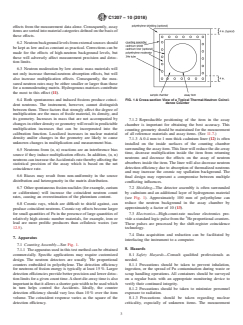
FIG. 1 A Cross-section View of a Typical Thermal-Neutron Coinci-
6.4 Both spontaneous and induced fissions produce coinci-
dence Counter
dent neutrons. The instrument, however, cannot distinguish
between them. Three factors that strongly affect the degree of
multiplication are the mass of fissile material, its density, and
its geometry. Increases in mass that are not accompanied by
7.1.2 Reproducible positioning of the item in the assay
changes in either density or geometry will result in predictable
chamber is important for obtaining the best accuracy. This
multiplication increases that can be incorporated into the
counting geometry should be maintained for the measurement
calibration function. Localized increases in nuclear material
of all reference materials and assay items. (See 11.7.)
density and/or changes in the geometry are likely to cause
7.1.3 A 0.4 mm to 1 mm thick cadmium liner (12) is often
unknown changes in multiplication and measurement bias.
installed on the inside surfaces of the counting chamber
surroundingtheassayitem.Thislinerwillreducethedie-away
6.5 Neutrons from (α, n) reactions are an interference bias
time, decrease multiplication inside the item from returning
source if they induce multiplication effects. In addition, (α,n)
neutrons and decrease the effects on the assay of neutron
neutronscanincreasetheAccidentalsratetherebyaffectingthe
absorbers inside the item. The liner will also decrease neutron
statistical precision of the assay which is based on the net
detection efficiency due to absorption of thermalized neutrons
coincidence rate.
and may increase the cosmic ray spallation background. The
6.6 Biases may result from non-uniformity in the source
final design may represent a compromise between multiple
distribution and heterogeneity in the matrix distribution.
conflicting influences.
6.7 Otherspontaneousfissionnuclides(forexample,curium
7.2 Shielding—The detector assembly is often surrounded
or californium) will increase the coincident neutron count
by cadmium and an additional layer of hydrogenous material
rates, causing an overestimation of the plutonium content.
(see Fig. 1). Approximately 100 mm of polyethylene can
reduce the neutron background in the assay chamber by
6.8 Cosmic rays, which are difficult to shield against, can
approximately a factor of 10 (13).
producecoincidentneutrons.Cosmicrayeffectsbecomelarger
for small quantities of Pu in the presence of large quantities of
7.3 Electronics—High-count-rate nuclear electronics pro-
relatively high atomic number materials, for example, iron or videastandardlogicpulsefromthe Heproportionalcounters.
lead are more prolific producers than celluloxic wastes (see
These pulses are processed by the shift-register coincidence
12.5). technology.
7.4 Data acquisition and reduction can be facilitated by
7. Apparatus
interfacing the instrument to a computer.
7.1 Counting Assembly—See Fig. 1.
8. Hazards
7.1.1 Theapparatususedinthistestmethodcanbeobtained
commercially. Specific applications may require customized 8.1 Safety Hazards—Consult qualified professionals as
design. The neutron detectors are usually He proportional needed.
counters embedded in polyethylene. The detection efficiency 8.1.1 Precautions should be taken to prevent inhalation,
for neutrons of fission energy is typically at least 15%. Larger ingestion, or the spread of Pu contamination during waste or
detection efficiencies provide better precision and lower detec- scrap handling operations. All containers should be surveyed
tionlimitsforagivencounttime.Ashortdie-awaytimeisalso on a regular basis with an appropriate monitoring device to
importantinthatitallowsashortergatewidthtobeusedwhich verify their continued integrity.
in turn helps control the Accidents. Ideally, the counter 8.1.2 Precautions should be taken to minimize personnel
detection efficiency should vary less than 10% over the item exposure to radiation.
volume. The coincident response varies as the square of the 8.1.3 Precautions should be taken regarding nuclear
detection efficiency. criticality, especially of unknown items. The measurement
C1207 − 10 (2018)
chamber approximates a reflecting geometry for fast neutrons. 9.1.6 Use a stable neutron source and refer to vendor’s
The assumption that waste is not of criticality concern is not manuals to verify that the electronics are stable and operating
recommended. properly.
9.1.6.1 Place a source of coincident neutrons, for example,
8.1.4 Counting chambers may contain a cadmium liner.
252 4 -1
Cf with an emission rate of ;5×10 n.s , in the center of
Precautions should be taken to prevent the inhalation or
thecountingchamber.DeterminetheTotals(T),Reals(R),and
ingestion of cadmium. It is a heavy metal poison. Cadmium
Accidentals (A) neutron count rates from the accumulated
shielding should be covered with nontoxic materials.
quantities divided by the count time. A necessary but not
8.1.5 Precautionsshouldbetakentoavoidcontactwithhigh
sufficient indication of proper electronics operation is agree-
voltage. The He proportional counters require low current,
ment between A and the calculated quantity (calculated from
high voltage, power supplies.
the product of the square of the Totals rate and the gate width)
8.1.6 Theweightoftheinstrumentmayexceedfacilityfloor
within counting statistics or a predefined threshold.
loading capacities. Check for adequate floor loading capacity
9.1.6.2 Leaving the Cf neutron source inside the assay
before installation.
chamber, place a source of random neutrons, for example,
4 -1
8.2 Technical Hazards:
americium-lithium with an emission rate of ;5×10 n.s , in,
or near, the counting chamber. Determine the Reals rates from
8.2.1 Locate the instrument in an area of low-neutron
the measured quantities for Cf with and without the random
background. Prohibit the movement of radioactive material in
neutron source. The Reals rates should agree to within count-
the vicinity of the instrument while a measurement is in
ing statistics for the two measurements (see 11.1).
progress.
9.1.6.3 Use these measurements as part of the measurement
8.2.2 Utilizing a measurement result outside of the calibra-
control data described in 10.1.
tion range should be carefully evaluated and, in general, is not
recommended.
9.2 Determination of Material Categories for Required
Calibrations:
8.2.3 Utilizing a measurement result based on a calibration
for a different material category should be carefully evaluated 9.2.1 Use this test method in conjunction with a scrap and
and, in general, is not recommended. waste management plan that segregates scrap and waste
materials into categories with respect to the characteristics
discussed in 5.3, and Sections 6 and 12. Packaging for each
9. Instrument Preparation and Calibration
category defined should be uniform. Each material category
NOTE 1—Instrument preparation, determination of material categories,
andcalibrationofpassiveneutroncoincidencecountersisdiscussedinthe will require a set of representative reference materials.
section below. Many details of these operations are site specific, depend
9.2.2 The material categories are normally one of three
onthematrixcategoriesandnuclearmaterialstobemeasured,andshould
classifications: oxide, metal, or salt.
be evaluated by subject matter experts.Additional sources of information
9.2.3 The effectiveness of the scrap and waste management
are Guide C1592/C1592M and ANSI 15.36.
plan and the validity of the resulting calibrations are best
9.1 Initial Preparation of Apparatus:
evaluated by the R/T ratio check described in Appendix X1.
9.1.1 Locate the instrument in an area with the lowest
9.3 Preparation and Characterization of Reference Materi-
practical neutron background. Prohibit the movement of radio-
als (Guide C1128):
active material in the vicinity of the instrument while a
9.3.1 Calibration items should be as similar as possible to
measurement is in progress.
the assay items with respect to parameters such as size, shape,
9.1.2 Perform the initial setup recommended by the system
and composition which affect the measurement (see 5.3).
manufacturer in consultation with subject matter experts.
9.3.1.1 The Pu mass loadings should ideally span the range
9.1.3 If the high-voltage plateau, die-away time, and dead-
of loadings expected in the assay items and be adequate to
time correction coefficients were not supplied by the
define the shape of the calibration curve. Three to eight mass
manufacturer, determine them. Consult an appropriate text on
loadings are deemed suitable for each material category.
radiation detectors (14) or the manufacturer if assistance is
9.3.1.2 The Reals-to-Totals ratio, (R/T), may be used as an
needed and involve subject matter experts. Repeating these
indicator to determine whether the neutron emission character-
determinations can be a powerful check on the operational
istics of the measured item matches the reference materials.
health of the instrument.
Reasonable agreement between the R/T ratios for the reference
9.1.4 Setthegatelengthifitisauseradjustablefeature.The
materials and assay items (defined by a facility-dependent
optimum gate length for a wide range of count rates is about
evaluation for each material category) suggests that the refer-
1.257 times the die-away time (15). Low count rate applica-
ence material is appropriate. See Appendix X1 for more
tions sometimes benefit from longer gate lengths changing the
information.
gate length alters all calibrations. Whenever the gate length is
9.3.2 For waste measurements of small gram quantities of
changed, the instrument must be recalibrated.
plutonium,dilutetheplutoniumusedinthereferencematerials
9.1.5 Place the necessary cadmium liners in the assay sufficiently to eliminate multiplication effects.
chamber if it is a user adjustable feature. Very low gram 9.3.3 The accuracy of the calibration items should be
quantity applications benefit from having no cadmium liner. established; ideally by a technique that has significantly
Separate calibrations are required for each cadmium liner smaller measurement uncertainty than that desired for the
configuration. coincidence counter results.
C1207 − 10 (2018)
9.3.4 Permanently record the following information for
eachcalibrationitem:packagingmaterial(s),matrix,plutonium
mass, m , plutonium isotopic composition, and americium
eff
content with the date(s) measured.
9.4 Calibration Procedure—Use the following calibration
procedure for each material category.
9.4.1 Calibration of a neutron coincidence counting instru-
ment determines the relationship between the Reals count rate
(R) and the Pu effective mass, m .
eff
9.4.2 Measure each calibration item such that the measure-
ment precision is substantially (for example, 3 to 5 times)
better than that expected for assay items of similar Pu mass.
See Section 10.2 for counting procedures and Section 11 for
required calculations.
9.4.3 Choice of calibration functions will depend on the
NOTE 1—Measured coincidence rate for two different measurement
characteristics of the material category as indicated below.
geometries (upper two curves) and multiplication corrected rate (bottom
9.4.3.1 Measurements of small quantities of Pu that exhibit
curve). Data for the curves was taken from Reference (16).
no multiplication will normally show a linear relation of the
FIG. 2 Calibration Curves for Plutonium in a Neutron Coincidence
form: Counter
R 5 a 1a m (1)
0 1 eff
where a and a are coefficients determined by the fitting
1 0
to make decisions about the need for calibration or mainte-
procedure.
nance (Reference Guide C1210). If measurement control
9.4.3.2 MeasurementsoflargequantitiesofPuofconsistent
indicates the instrument response has changed, determine the
chemical form and item geometry, often show a calibration
cause of the change.Then it will be clear whether to repair the
function of the form:
instrument or repeat the calibration procedure, or both.
R 5 a 1a m 1a m (2)
~ !
0 1 eff 2 eff
10.1.1 Perform periodic background counts before the mea-
surement of assay items. Changes in the R and T values from
here a,a,a are coefficients determined by the fitting
2 1 0
historical values should be investigated (18).
procedure.
10.1.2 Perform periodic counts of a well-characterized item
9.4.3.3 If the calibration is to be extrapolated to total Pu
or reference material to verify the long-term stability of the
masses below the range of calibration, the parameterization
instrument. Typical practice is a daily check, if the instrument
may produce less bias if a is set to zero rather than fitted.
is used daily. For less frequent use, typical practice is to
9.4.4 Record the allowed range of plutonium mass for the
perform an instrument check before and after each period of
material category. The largest plutonium reference item typi-
use. Agreement of the measurement value with its reference
cally places an upper limit on the assay range. Similarly, the
value, within control limits, indicates proper operation of the
lowest-valued plutonium reference item typically places a
instrument.Lowresultsmayindicatethatadetectorordetector
lower limit on the assay range. Utilizing a measurement result
bank is not functioning. High results may indicate electrical
outside of the range of the calibration is not recommended.
noise.
9.4.5 Fig. 2 illustrates a problem that may occur when large
10.1.2.1 The item being used for the instrument check must
plutoniummassitemsaresimulatedbystackingcansontopof
provide a consistent coincidence signal. Suitable items are a
each other. Because of geometric decoupling, self-
Cf source corrected for radioactive decay (including allow-
multiplication is less than expected for a single can with the
ance for Cf where necessary), a reference material, or other
same high mass.
stable source in which the material is fixed.Any characteristic
which affects the Reals must not vary between measurements.
10. Procedure
Using a source in which the material is likely to change in
NOTE 2—After calibration, the analytical procedure consists of mea-
some respect, such as bulk density, shape, or position of the
surementsthatdemonstratethattheapparatusiscalibratedandfunctioning
properly(measurementcontrol)andmeasurementsofitemswithunknown
material in the outer container, is not recommended.
Pu content.
10.1.3 Systematically perform replicate measurements of
10.1 Measurement Control—The need for adjustment of the items to verify that the assumption of Poisson counting
instrument can be determined by measurement control proce- statisticsisvalid.Thistestmightbedonemonthlyoraftereach
dures (17). Frequent measurement of the rates of a reference calibration. Statistical agreement between the standard devia-
material should be used to validate proper instrument opera- tion of the replicates and the uncertainty estimate based on
tion. If instrument malfunction is suspected, perform all counting statistics from each replicate indicates adequate
measurement control tests (Section 9.1.6) to provide data stability of the instrument. Lack of agreement suggests back-
helpful to analyze the condition of the measurement system ground variations or electrical instabilities.
(Sections 10.1.1 – 10.1.4). Maintain measurement control 10.1.4 If measurement control criteria are passed, proceed
charts to archive and monitor measurement control results and to assays. If measurement control criteria fail, diagnose and
C1207 − 10 (2018)
correct the problem. Then proceed to setup, calibration, or 11.2.2 Standard error propagation fo
...