

ASTM D2172/D2172M-17e1
(Test Method)Standard Test Methods for Quantitative Extraction of Asphalt Binder from Asphalt Mixtures
General Information
- Abstract
SIGNIFICANCE AND USE
4.1 All of these test methods can be used for quantitative determinations of asphalt binder in asphalt mixtures and pavement samples for specification acceptance, service evaluation, control, and research. Each method prescribes the solvent or solvents and any other reagents that can be used in the test method.
Note 2: Further testing of the asphalt mixture may be performed by using sieve analysis on the extracted aggregate, Test Method D5444, or recovering the extracted asphalt binder from solution by Test Method D1856, Practice D5404/D5404M, or Practice D7906 for asphalt binder property testing. When recovering the asphalt binder for property testing, all mineral matter should be removed from the effluent.
Note 3: The quality of the results produced by this standard are dependent on the competence of the personnel performing the procedure and the capability, calibration, and maintenance of the equipment used. Agencies that meet the criteria of Specification D3666 are generally considered capable of competent and objective testing/sampling/inspection, etc. Users of this standard are cautioned that compliance with Specification D3666 alone does not completely ensure reliable results. Reliable results depend on many factors; following the suggestions of Specification D3666 or some similar acceptable guideline provides a means of evaluating and controlling some of those factors.
SCOPE
1.1 These test methods cover the quantitative determination of asphalt binder content in asphalt mixtures and pavement samples. Aggregate obtained by these methods may be used for sieve analysis using Test Method D5444. This test is not appropriate for testing asphalt mixtures containing coal tar.
1.2 Asphalt binder may be recovered using Test Method D1856, Practice D5404/D5404M, or Practice D7906.
1.3 Units—The values stated in either SI units or inch-pound units are to be regarded separately as standard. The values stated in each system may not be exact equivalents; therefore, each system shall be used independently of the other. Combining values from the two systems may result in nonconformance with the standard.
1.4 The text of this standard references notes and footnotes which provide explanatory material. These notes and footnotes (excluding those in tables and figures) shall not be considered as requirements of the standard.
1.5 This standard does not purport to address all of the safety concerns, if any, associated with its use. It is the responsibility of the user of this standard to establish appropriate safety, health, and environmental practices and determine the applicability of regulatory limitations prior to use. Specific hazards are given in Section 7.
Note 1: The results obtained by these test methods may be affected by the age of the material tested, with older samples tending to yield slightly lower asphalt binder content. Best quantitative results are obtained when the test is made on mixtures and pavements shortly after their preparation. It is difficult to remove all the asphalt when some aggregates are used and some chlorides may remain within the mineral matter affecting the measured asphalt content.
1.6 This international standard was developed in accordance with internationally recognized principles on standardization established in the Decision on Principles for the Development of International Standards, Guides and Recommendations issued by the World Trade Organization Technical Barriers to Trade (TBT) Committee.
- Status
- Published
- Publication Date
- 31-Mar-2017
- Technical Committee
- D04 - Road and Paving Materials
- Drafting Committee
- D04.25 - Analysis of Asphalt Mixtures
Overview
ASTM D2172/D2172M-17e1: Standard Test Methods for Quantitative Extraction of Asphalt Binder from Asphalt Mixtures establishes reliable procedures for determining the asphalt binder content in asphalt mixtures and pavement samples. Developed by ASTM International, this standard is a critical reference for quality assurance, service evaluation, specification acceptance, and research regarding asphalt pavement materials. It outlines several test methods-including centrifuge extraction, reflux extraction, vacuum extraction, and extraction kettle-for laboratories and agencies tasked with analyzing asphalt binder content during road construction and maintenance.
Key Topics
- Quantitative extraction of asphalt binder: Various methods are prescribed for accurately determining the amount of asphalt binder in mixtures.
- Test procedures: Guidance on the use of appropriate solvents, sample preparation, equipment selection, and calculation procedures.
- Safety measures and best practices: Explicit user responsibilities for establishing safe and environmentally sound practices.
- Aggregate analysis: Extracted aggregate can be further tested, for example, through sieve analysis (referencing ASTM D5444).
- Binder recovery: Procedures for the recovery of extracted asphalt binder using referenced ASTM methods such as D1856, D5404/D5404M, or D7906, essential for subsequent property testing.
- Quality assurance: Emphasis on the importance of equipment calibration, skilled personnel, and adherence to guidelines like ASTM D3666 for trustworthy results.
- Scope and limitations: Separate use of SI and inch-pound units is required; this method is not suitable for mixtures containing coal tar.
Applications
The procedures described in ASTM D2172/D2172M-17e1 are vital in a range of practical, real-world scenarios within the asphalt pavement industry:
- Construction quality control: Routine analysis to confirm asphalt binder content meets specification requirements during the production of hot mix asphalt (HMA).
- Specification acceptance: Quantitative extraction data are used for compliance checks during project acceptance and regulatory review.
- Service life evaluation: Determining binder content in pavement cores for maintenance planning and performance evaluation.
- Research and development: Fundamental in developing new asphalt mixtures and studying the effects of mixture composition on pavement performance.
- Aggregate reuse and recycling: Extracted aggregate can be characterized for potential reuse, supporting sustainability efforts in road construction.
- Binder property testing: Recovered binders can be further analyzed to assess characteristics crucial for pavement durability.
Related Standards
The ASTM D2172/D2172M-17e1 standard interacts with various related test methods and guidelines in asphalt and aggregate testing. Notable references include:
- ASTM D5444: Sieve analysis of extracted aggregate
- ASTM D1856: Recovery of asphalt from solution
- ASTM D5404/D5404M: Recovery of asphalt using rotary evaporator
- ASTM D7906: Recovery of asphalt from solution using toluene and rotary evaporator
- ASTM D3666: Minimum requirements for agencies testing paving materials
- ASTM D1461: Determination of moisture in asphalt mixtures
- AASHTO R47: Sampling and reduction of hot mix asphalt
- ASTM D979/D979M: Sampling bituminous paving mixtures
Conclusion
ASTM D2172/D2172M-17e1 provides a comprehensive framework for the quantitative extraction of asphalt binder from asphalt mixtures, supporting quality, consistency, and compliance in road construction and maintenance. Laboratories, consultants, and agencies involved in asphalt pavement analysis rely on this standard to ensure the performance and longevity of pavements, while supporting material innovation and sustainable practice in the construction industry. For the most accurate and reputable test results, proper equipment, trained personnel, and careful adherence to the prescribed procedures and related standards are essential.
Relations
- Effective Date
- 01-Apr-2017
- Effective Date
- 01-Feb-2024
- Effective Date
- 01-Feb-2024
- Effective Date
- 01-Jan-2024
- Effective Date
- 01-Apr-2020
- Effective Date
- 15-Dec-2017
- Effective Date
- 01-Oct-2016
- Effective Date
- 01-Jun-2015
- Effective Date
- 01-May-2015
- Effective Date
- 01-Dec-2013
- Effective Date
- 01-Jul-2013
- Effective Date
- 01-Jun-2012
- Effective Date
- 01-Apr-2012
- Effective Date
- 01-Mar-2012
- Effective Date
- 01-Feb-2012
Get Certified
Connect with accredited certification bodies for this standard

DIBt (Deutsches Institut für Bautechnik)
German Institute for Building Technology.
DIN CERTCO
DIN Group product certification.
Zavod za gradbeništvo Slovenije (ZAG) - Inšpekcija
ZAG inspection body for construction products, structures, and materials.
Sponsored listings
Frequently Asked Questions
ASTM D2172/D2172M-17e1 is a standard published by ASTM International. Its full title is "Standard Test Methods for Quantitative Extraction of Asphalt Binder from Asphalt Mixtures". This standard covers: SIGNIFICANCE AND USE 4.1 All of these test methods can be used for quantitative determinations of asphalt binder in asphalt mixtures and pavement samples for specification acceptance, service evaluation, control, and research. Each method prescribes the solvent or solvents and any other reagents that can be used in the test method. Note 2: Further testing of the asphalt mixture may be performed by using sieve analysis on the extracted aggregate, Test Method D5444, or recovering the extracted asphalt binder from solution by Test Method D1856, Practice D5404/D5404M, or Practice D7906 for asphalt binder property testing. When recovering the asphalt binder for property testing, all mineral matter should be removed from the effluent. Note 3: The quality of the results produced by this standard are dependent on the competence of the personnel performing the procedure and the capability, calibration, and maintenance of the equipment used. Agencies that meet the criteria of Specification D3666 are generally considered capable of competent and objective testing/sampling/inspection, etc. Users of this standard are cautioned that compliance with Specification D3666 alone does not completely ensure reliable results. Reliable results depend on many factors; following the suggestions of Specification D3666 or some similar acceptable guideline provides a means of evaluating and controlling some of those factors. SCOPE 1.1 These test methods cover the quantitative determination of asphalt binder content in asphalt mixtures and pavement samples. Aggregate obtained by these methods may be used for sieve analysis using Test Method D5444. This test is not appropriate for testing asphalt mixtures containing coal tar. 1.2 Asphalt binder may be recovered using Test Method D1856, Practice D5404/D5404M, or Practice D7906. 1.3 Units—The values stated in either SI units or inch-pound units are to be regarded separately as standard. The values stated in each system may not be exact equivalents; therefore, each system shall be used independently of the other. Combining values from the two systems may result in nonconformance with the standard. 1.4 The text of this standard references notes and footnotes which provide explanatory material. These notes and footnotes (excluding those in tables and figures) shall not be considered as requirements of the standard. 1.5 This standard does not purport to address all of the safety concerns, if any, associated with its use. It is the responsibility of the user of this standard to establish appropriate safety, health, and environmental practices and determine the applicability of regulatory limitations prior to use. Specific hazards are given in Section 7. Note 1: The results obtained by these test methods may be affected by the age of the material tested, with older samples tending to yield slightly lower asphalt binder content. Best quantitative results are obtained when the test is made on mixtures and pavements shortly after their preparation. It is difficult to remove all the asphalt when some aggregates are used and some chlorides may remain within the mineral matter affecting the measured asphalt content. 1.6 This international standard was developed in accordance with internationally recognized principles on standardization established in the Decision on Principles for the Development of International Standards, Guides and Recommendations issued by the World Trade Organization Technical Barriers to Trade (TBT) Committee.
SIGNIFICANCE AND USE 4.1 All of these test methods can be used for quantitative determinations of asphalt binder in asphalt mixtures and pavement samples for specification acceptance, service evaluation, control, and research. Each method prescribes the solvent or solvents and any other reagents that can be used in the test method. Note 2: Further testing of the asphalt mixture may be performed by using sieve analysis on the extracted aggregate, Test Method D5444, or recovering the extracted asphalt binder from solution by Test Method D1856, Practice D5404/D5404M, or Practice D7906 for asphalt binder property testing. When recovering the asphalt binder for property testing, all mineral matter should be removed from the effluent. Note 3: The quality of the results produced by this standard are dependent on the competence of the personnel performing the procedure and the capability, calibration, and maintenance of the equipment used. Agencies that meet the criteria of Specification D3666 are generally considered capable of competent and objective testing/sampling/inspection, etc. Users of this standard are cautioned that compliance with Specification D3666 alone does not completely ensure reliable results. Reliable results depend on many factors; following the suggestions of Specification D3666 or some similar acceptable guideline provides a means of evaluating and controlling some of those factors. SCOPE 1.1 These test methods cover the quantitative determination of asphalt binder content in asphalt mixtures and pavement samples. Aggregate obtained by these methods may be used for sieve analysis using Test Method D5444. This test is not appropriate for testing asphalt mixtures containing coal tar. 1.2 Asphalt binder may be recovered using Test Method D1856, Practice D5404/D5404M, or Practice D7906. 1.3 Units—The values stated in either SI units or inch-pound units are to be regarded separately as standard. The values stated in each system may not be exact equivalents; therefore, each system shall be used independently of the other. Combining values from the two systems may result in nonconformance with the standard. 1.4 The text of this standard references notes and footnotes which provide explanatory material. These notes and footnotes (excluding those in tables and figures) shall not be considered as requirements of the standard. 1.5 This standard does not purport to address all of the safety concerns, if any, associated with its use. It is the responsibility of the user of this standard to establish appropriate safety, health, and environmental practices and determine the applicability of regulatory limitations prior to use. Specific hazards are given in Section 7. Note 1: The results obtained by these test methods may be affected by the age of the material tested, with older samples tending to yield slightly lower asphalt binder content. Best quantitative results are obtained when the test is made on mixtures and pavements shortly after their preparation. It is difficult to remove all the asphalt when some aggregates are used and some chlorides may remain within the mineral matter affecting the measured asphalt content. 1.6 This international standard was developed in accordance with internationally recognized principles on standardization established in the Decision on Principles for the Development of International Standards, Guides and Recommendations issued by the World Trade Organization Technical Barriers to Trade (TBT) Committee.
ASTM D2172/D2172M-17e1 is classified under the following ICS (International Classification for Standards) categories: 91.100.50 - Binders. Sealing materials; 93.080.20 - Road construction materials. The ICS classification helps identify the subject area and facilitates finding related standards.
ASTM D2172/D2172M-17e1 has the following relationships with other standards: It is inter standard links to ASTM D2172/D2172M-17, ASTM C670-24a, ASTM D4753-24, ASTM C670-24, ASTM D2111-10(2020), ASTM D70-17, ASTM D3666-16, ASTM D2111-10(2015), ASTM D4753-15, ASTM D3666-13, ASTM C670-13, ASTM D5404/D5404M-12, ASTM C128-12, ASTM D6368-06(2012), ASTM D979/D979M-12. Understanding these relationships helps ensure you are using the most current and applicable version of the standard.
ASTM D2172/D2172M-17e1 is available in PDF format for immediate download after purchase. The document can be added to your cart and obtained through the secure checkout process. Digital delivery ensures instant access to the complete standard document.
Standards Content (Sample)
This international standard was developed in accordance with internationally recognized principles on standardization established in the Decision on Principles for the
Development of International Standards, Guides and Recommendations issued by the World Trade Organization Technical Barriers to Trade (TBT) Committee.
´1
Designation: D2172/D2172M − 17
Standard Test Methods for
Quantitative Extraction of Asphalt Binder from Asphalt
Mixtures
This standard is issued under the fixed designation D2172/D2172M; the number immediately following the designation indicates the
year of original adoption or, in the case of revision, the year of last revision. A number in parentheses indicates the year of last
reapproval. A superscript epsilon (´) indicates an editorial change since the last revision or reapproval.
ε NOTE—11.2.5.1 was corrected editorially in May 2018.
1. Scope ization established in the Decision on Principles for the
Development of International Standards, Guides and Recom-
1.1 These test methods cover the quantitative determination
mendations issued by the World Trade Organization Technical
of asphalt binder content in asphalt mixtures and pavement
Barriers to Trade (TBT) Committee.
samples.Aggregateobtainedbythesemethodsmaybeusedfor
sieve analysis using Test Method D5444. This test is not
2. Referenced Documents
appropriate for testing asphalt mixtures containing coal tar.
2.1 ASTM Standards:
1.2 Asphalt binder may be recovered using Test Method
C128 Test Method for Relative Density (Specific Gravity)
D1856, Practice D5404/D5404M, or Practice D7906.
and Absorption of Fine Aggregate
C670 Practice for Preparing Precision and Bias Statements
1.3 Units—The values stated in either SI units or inch-
pound units are to be regarded separately as standard. The for Test Methods for Construction Materials
D70 Test Method for Density of Semi-Solid Asphalt Binder
values stated in each system may not be exact equivalents;
therefore,eachsystemshallbeusedindependentlyoftheother. (Pycnometer Method)
D604 Specification for Diatomaceous Silica Pigment (With-
Combining values from the two systems may result in noncon-
formance with the standard. drawn 2003)
D979/D979M Practice for Sampling Bituminous Paving
1.4 The text of this standard references notes and footnotes
Mixtures
which provide explanatory material. These notes and footnotes
D1461 Test Method for Moisture or Volatile Distillates in
(excluding those in tables and figures) shall not be considered
Asphalt Mixtures
as requirements of the standard.
D1856 Test Method for Recovery of Asphalt From Solution
1.5 This standard does not purport to address all of the
by Abson Method
safety concerns, if any, associated with its use. It is the
D2111 Test Methods for Specific Gravity and Density of
responsibility of the user of this standard to establish appro-
Halogenated Organic Solvents and Their Admixtures
priate safety, health, and environmental practices and deter-
D3666 Specification for Minimum Requirements for Agen-
mine the applicability of regulatory limitations prior to use.
cies Testing and Inspecting Road and Paving Materials
Specific hazards are given in Section 7.
D4753 Guide for Evaluating, Selecting, and Specifying Bal-
ances and Standard Masses for Use in Soil, Rock, and
NOTE 1—The results obtained by these test methods may be affected by
the age of the material tested, with older samples tending to yield slightly
Construction Materials Testing
lower asphalt binder content. Best quantitative results are obtained when
D5404/D5404M Practice for Recovery of Asphalt from So-
the test is made on mixtures and pavements shortly after their preparation.
lution Using the Rotary Evaporator
It is difficult to remove all the asphalt when some aggregates are used and
D5444 Test Method for Mechanical Size Analysis of Ex-
some chlorides may remain within the mineral matter affecting the
measured asphalt content. tracted Aggregate
D6368 Specification for Vapor-Degreasing Solvents Based
1.6 This international standard was developed in accor-
on normal-Propyl Bromide and Technical Grade normal-
dance with internationally recognized principles on standard-
Propyl Bromide
1 2
These test methods are under the jurisdiction of ASTM Committee D04 on For referenced ASTM standards, visit the ASTM website, www.astm.org, or
Road and Paving Materials and are the direct responsibilities of Subcommittee contact ASTM Customer Service at service@astm.org. For Annual Book of ASTM
D04.25 on Analysis of Asphalt Mixtures. Standards volume information, refer to the standard’s Document Summary page on
Current edition approved April 1, 2017. Published April 2017. Originally the ASTM website.
approved in 1963. Last previous edition approved in 2011 as D2172/D2172M – 11. The last approved version of this historical standard is referenced on
DOI: 10.1520/D2172_D2172M-17E01. www.astm.org.
Copyright © ASTM International, 100 Barr Harbor Drive, PO Box C700, West Conshohocken, PA 19428-2959. United States
´1
D2172/D2172M − 17
D7906 Practice for Recovery of Asphalt from Solution 5.7 Ignition Dish, 125-mL capacity.
Using Toluene and the Rotary Evaporator
5.8 Desiccator, a container with a lid of sufficient size to
2.2 AASHTO Standards:
hold the ignition dish on a perforated drying rack above the top
R47 Practice for Reducing Samples of Hot Mix Asphalt
level of the desiccant. The lid should form a good seal around
(HMA) to Testing Size
the top of the container so that air movement between the
container and the atmosphere is prevented
3. Summary of Test Methods
6. Reagents
3.1 The asphalt mixture is extracted with trichloroethylene
(TCE), normal propyl bromide (nPB), or methylene chloride
6.1 Purity of Reagents—Reagent grade chemicals shall be
using the extraction equipment applicable to the particular
used in all tests. Unless otherwise indicated, it is intended that
method. The asphalt binder content is calculated by difference
all reagents shall conform to the specifications of the Commit-
from the mass of the extracted aggregate, moisture content, if
tee onAnalytical Reagents of theAmerican Chemical Society,
determined, and mineral matter in the effluent (binder-solvent
where such specifications are available. Other grades may be
solution). The asphalt binder content is expressed as mass
used, provided it is first ascertained that the reagent is of
percent of moisture-free mixtures.
sufficiently high purity to permit its use without lessening the
accuracy of the determination.
4. Significance and Use
NOTE 4—Reagents that have exceeded the expiration date should not be
4.1 All of these test methods can be used for quantitative
used for asphalt mixtures that require asphalt binder property testing. The
determinations of asphalt binder in asphalt mixtures and
use of expired solvents may adversely affect the results of asphalt binder
pavement samples for specification acceptance, service
property testing.
evaluation, control, and research. Each method prescribes the
6.2 Not all solvents (reagents) are applicable to all of the
solvent or solvents and any other reagents that can be used in
extraction methods detailed in this standard. Each extraction
the test method.
method identifies the specific solvents that can be used.
NOTE 2—Further testing of the asphalt mixture may be performed by
6.3 Ammonium Carbonate Solution—Saturated solution of
using sieve analysis on the extracted aggregate, Test Method D5444,or
reagent grade ammonium carbonate [(NH ) CO ].
4 2 3
recovering the extracted asphalt binder from solution by Test Method
D1856, Practice D5404/D5404M, or Practice D7906 for asphalt binder
6.4 normal-Propyl Bromide (nPB), conforming to Specifi-
property testing. When recovering the asphalt binder for property testing,
cation D6368. Warning—See Section 7.
all mineral matter should be removed from the effluent.
NOTE 3—The quality of the results produced by this standard are 6.5 Toluene, reagent grade. Warning—See Section 7.
dependent on the competence of the personnel performing the procedure
6.6 Trichloroethylene (TCE), technical grade, Type 1, Fed-
and the capability, calibration, and maintenance of the equipment used.
eral Specification O-T-634, latest revision. Warning—See
Agencies that meet the criteria of Specification D3666 are generally
considered capable of competent and objective testing/sampling/ Section 7.
inspection, etc. Users of this standard are cautioned that compliance with
6.7 Methylene Chloride,reagentgrade. Warning—SeeSec-
Specification D3666 alone does not completely ensure reliable results.
tion 7.
Reliable results depend on many factors; following the suggestions of
Specification D3666 or some similar acceptable guideline provides a
6.8 Diatomaceous Silica Filtering Aid, conforming to Type
means of evaluating and controlling some of those factors.
B of Specification D604.
5. Apparatus
6.9 Ethyl Alcohol, denatured.
5.1 Oven, capable of maintaining the temperature at 110 6
7. Hazards
5 °C [230 6 9 °F].
7.1 Warning—The solvents listed in Section 6 should be
5.2 Pan,largeenoughthattheasphaltmixturecanbespread
used only under a hood or with an effective surface exhaust
out in a thin layer over the bottom of the pan.
system in a well-ventilated area, since they are toxic to various
5.3 Balance,readableto0.1g,andcapableofmeasuringthe
degrees. Consult the current Threshold Limit Concentration
massofsampleandcontainer.Thebalanceshallconformtothe
Committee of the American Conference of Governmental
requirement of Guide D4753, Class GP2.
Industrial Hygienists for the current threshold limit values.
5.4 Analytical Balance, readable to 0.001 g and capable of
8. Sampling
measuring the mass of the sample and container.
8.1 Obtain samples in accordance with Practice D979/
5.5 Electric Hot Plate, thermostatically controlled, of suffi-
D979M.
cient dimensions and heat capacity to permit evaporating or
refluxing of the solvent.
Reagent Chemicals, American Chemical Society Specifications, American
5.6 Small-Mouth Graduate Container, 1000- or 2000-mL
Chemical Society, Washington, DC. For suggestions on the testing of reagents not
capacity. Optional small-mouth graduate, 100-mL capacity.
listed by the American Chemical Society, see Analar Standards for Laboratory
Chemicals, BDH Ltd., Poole, Dorset, U.K., and the United States Pharmacopeia
and National Formulary, U.S. Pharmacopeial Convention, Inc. (USPC), Rockville,
Available from American Association of State Highway and Transportation MD.
Officials (AASHTO), 444 N. Capitol St., NW, Suite 249, Washington, DC 20001, Available from American Conference of Governmental Industrial Hygienists
http://www.transportation.org. (ACGIH), 1330 Kemper Meadow Dr., Cincinnati, OH 45240, http://www.acgih.org.
´1
D2172/D2172M − 17
8.2 Preparation of Test Specimens: 30 lb) for a 500-sheet ream with sheet size approximately 635
8.2.1 Separate sample by hand spatula or trowel, then split by 965 mm (25 by 38 in.). The ash content of the paper shall
and reduce sample to required testing size in accordance to not exceed 0.2 % (approximately 0.034 g per ring).
AASHTO R47. If sample is not able to be separated or split,
9.2 Procedure:
place sample in a large, flat pan and warm to 110 6 5 °C [230
9.2.1 Prepare the sample and determine the moisture con-
6 9 °F], only heating the mixture until it is pliable enough to
tent of the material in accordance with Section 8.
separate. Split or quarter the material until the mass of material
9.2.2 Place a dry sample of 500- to 3000-g test portion into
required for test is obtained and determine the mass of the
a bowl. Alternatively, place a test portion in a bowl that has
sample, W .
been previously dried to a constant mass with the filter ring.
9.2.3 TCE, nPB, or toluene solvents can be used with this
NOTE 5—In some cases, polymer modified mixtures need to be warmed
at temperatures higher than 110 °C [230 °F] in order to split or quarter the
extraction method.
mix. In all cases, the minimum temperature for the minimum time needed
9.2.4 Place the bowl containing the test portion onto the
to split the mixture should be used so that any aging to the asphalt binder
extraction apparatus. Cover the test portion in the bowl with
is minimized.
solvent and allow sufficient time for the solvent to disintegrate
8.2.2 The size of the test sample shall be governed by the
the test portion (not over 1 h). Dry and determine the mass of
nominal maximum aggregate size of the mixture and shall
the filter ring and fit it around the edge of the bowl. Position lid
conform to the mass requirement shown in Table 1 (Note 6).
on the bowl and tighten setscrew. Clamp the cover on the bowl
tightlyandplaceabeakerunderthedraintocollecttheeffluent.
NOTE 6—When the mass of the test specimen exceeds the capacity of
the equipment used (for a particular method), the test specimen may be
9.2.5 Start the centrifuge revolving slowly and gradually
divided into suitable increments, tested, and the masses of each increment
increasethespeedtoamaximumof3600r/minoruntilsolvent
combined before calculating the asphalt binder content (Section 14).
ceases to flow from the drain. Allow the machine to stop, add
8.2.3 If the sample was obtained from the field and contains
200 mL of solvent and repeat the procedure. Use sufficient
moisture, oven dry the HMA sample to a constant mass at a
solvent additions (not less than three) so that the extract is not
temperature of 110 6 5 °C [230 6 9 °F] or determine the
darker than a light straw color. Collect the effluent and the
moisture content of the sample according to Test Method
washings in a graduate container.
D1461, so that the measured mass loss can be corrected for
NOTE 7—Additions of solvent greater than 200 mL may be used as
moisture. Record mass loss as W . Constant mass is defined as
appropriate for the size of the sample.
less than 0.05 % loss in mass between consecutive 15-min
9.2.6 Drying Procedures:
intervals.
9.2.6.1 Remove lid from centrifuge bowl, leaving bowl,
sample and filter in place.Allow the extracted aggregate to air
9. Test Method A – Centrifuge Extraction
dry for 15 to 30 min in the ventilated hood. Place bowl, filter
9.1 Apparatus:
ring, and extracted sample into an exhaust oven at 110 65°C
9.1.1 In addition to the apparatus listed in Section 5, the
[230 69°F]for1to2hto evaporate remaining solvent. Cool
following apparatus is required for Test Method A:
bowl, filter ring, and extracted aggregate and if felt filter rings
9.1.1.1 Extraction Apparatus, of appropriate size to revolve
areused,brushoffmineralmatteradheringtothesurfaceofthe
a bowl of approximate dimensions as shown in Figs. 1 and 2,
ring and add to the extracted aggregate. The mass of the
which can be controlled by the apparatus at variable speeds up
extracted aggregate, W , is equal to the mass of the aggregate
to 3600 r/min. The speed may be controlled manually or with
in the bowl plus the increase in mass of the filter rings. Report
a preset speed control. The apparatus should be provided with
mass measurements to the nearest 0.1 g.
a container for catching the effluent thrown from the bowl and
9.2.6.2 Use the following alternative procedure when low-
a drain for removing the effluent. The apparatus shall be
ash filter rings are used: Place the aggregate and filter rings in
installed in a hood or an effective surface exhaust system to
a clean metal pan. Dry as specified above. Carefully fold the
provide ventilation.
dried filter ring and stand it on the aggregate. Burn the filter
9.1.1.2 Filter Rings, felt or paper, to fit the rim of the bowl.
ring by igniting with a Bunsen burner or match. Determine the
9.1.1.3 Low-ash paper filter rings may be used in place of
mass of the extracted aggregate in the pan, W . Report mass
the felt filter ring (9.1.1.2). Such filter rings shall consist of
measurements to the nearest 0.1 g.
low-ash filter paper stock approximately 1.3 mm thick. The
9.2.6.3 Since dry aggregate absorbs moisture when exposed
nominal base weight of the paper shall be 150 6 14 kg (330 6
to air containing moisture, determine the mass of the extracted
aggregate immediately after cooling to a suitable temperature.
TABLE 1 Size of Sample
9.2.7 Determine the amount of mineral matter in the extract
Nominal Maximum by any of the test methods in Section 13.
Minimum Mass of Sample,
Aggregate Size Standard, Sieve Size
9.2.8 Calculate the asphalt binder content as described in
kg
mm
Section 14.
4.75 (No. 4) 0.5
9.5 ⁄8 in. 1
10. Test Method B – Reflux Extractor
12.5 ⁄2 in. 1.5
19.0 ⁄4 in. 2
10.1 Apparatus:
25.0 1 in. 3
10.1.1 In addition to the apparatus listed in Section 5, the
37.5 1 ⁄2 in. 4
following apparatus is required for Test Method B:
´1
D2172/D2172M − 17
NOTE 1—All dimensions are in millimeters.
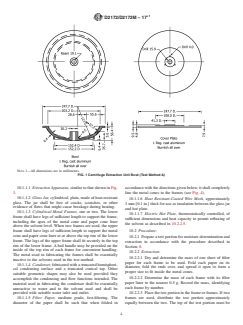
FIG. 1 Centrifuge Extraction Unit Bowl (Test Method A)
10.1.1.1 Extraction Apparatus, similar to that shown in Fig. accordance with the directions given below, it shall completely
3. line the metal cones in the frames (see Fig. 4).
10.1.1.2 Glass Jar, cylindrical, plain, made of heat-resistant
10.1.1.6 Heat Resistant-Coated Wire Mesh, approximately
glass. The jar shall be free of cracks, scratches, or other
3 mm [0.1 in.] thick for use as insulation between the glass jar
evidence of flaws that might cause breakage during heating.
and hot plate.
10.1.1.3 Cylindrical Metal Frames, one or two. The lower
10.1.1.7 Electric Hot Plate, thermostatically controlled, of
frame shall have legs of sufficient length to support the frame,
sufficient dimensions and heat capacity to permit refluxing of
including the apex of the metal cone and paper cone liner
the solvent as described in 10.2.2.5.
above the solvent level. When two frames are used, the upper
frame shall have legs of sufficient length to support the metal 10.2 Procedure:
cone and paper cone liner at or above the top rim of the lower
10.2.1 Prepare a test portion for moisture determination and
frame. The legs of the upper frame shall fit securely in the top
extraction in accordance with the procedure described in
rim of the lower frame. A bail handle may be provided on the
Section 8.
inside of the top rim of each frame for convenient handling.
10.2.2 Extraction:
The metal used in fabricating the frames shall be essentially
10.2.2.1 Dry and determine the mass of one sheet of filter
inactive to the solvents used in the test method.
paper for each frame to be used. Fold each paper on its
10.1.1.4 Condenser, fabricated with a truncated hemispheri-
diameter, fold the ends over, and spread it open to form a
cal condensing surface and a truncated conical top. Other
proper size to fit inside the metal cones.
suitable geometric shapes may also be used provided they
10.2.2.2 Determine the mass of each frame with its filter
accomplish the condensing and flow functions intended. The
paper liner to the nearest 0.5 g. Record the mass, identifying
material used in fabricating the condenser shall be essentially
each frame by number.
unreactive to water and to the solvent used and shall be
provided with suitable water inlet and outlet. 10.2.2.3 Place the test portion in the frame or frames. If two
10.1.1.5 Filter Paper, medium grade, fast-
...