

ASTM E2068-00(2022)
(Test Method)Standard Test Method for Determination of Operating Force of Sliding Windows and Doors
General Information
- Abstract
SIGNIFICANCE AND USE
5.1 This test method determines the operational forces of sliding windows and doors by simulating force applied by hand directly to movable sash or panels. Breakaway and in-motion operating forces are measures of the ease of operation of fenestration products. Product specifications, building codes, and building specifications establish operating force limits as measures of product performance or limits for handicapped accessibility, or both.
5.2 Window and door performance standards for air infiltration and water penetration in some cases require operating force measurements to be made and reported as an indication of the operability of the test specimen.
5.3 Operating forces can vary significantly from unit to unit due to factors such as installation parameters, wearing of sliding or rolling parts, lubrication, stiffening or softening of weather-strip, and environmental factors (for example, humidity, temperature, accumulation of dirt, and so forth). Therefore, when applied to new product designs, this test method requires that units be tested in a laboratory under controlled conditions including accurate mounting (plumb, square, and level) following the manufacturer's instructions. Use of this test method in the field does not necessarily indicate the operating forces that are inherent in the particular window design, but rather, provides a measurement of the forces required for operation of the particular unit at the particular time. The user is cautioned that installation defects such as bowed jambs, racked frames, or inadequate anchoring can result in binding or sticking of movable components and increased operating forces.
5.4 This test method requires measurement of both breakaway and in-motion operating forces. Generally, breakaway force is higher than in-motion operating force due to the difference between static and dynamic friction coefficients or the presence of weather-stripping and sash pockets, or both. Traditional fenestration product stand...
SCOPE
1.1 This test method determines the operating forces for opening and closing horizontal and vertical sliding windows and horizontal sliding door systems. It does not address the forces required for opening pivoting, projecting, or other fenestration systems. This test method does not address the use or performance of add-on devices or mechanical operators that might be installed to reduce operating forces of sliding windows or doors. It deals only with the forces necessary to open and close a sash or panel through the direct application of force to the operable sash or panel.
1.2 This test method is suitable for laboratory product comparisons or for qualifying products, or both, as meeting window or door operating force specifications. This test method is also suitable for use in the field to determine the operating forces required to open and close installed sliding windows and doors.
1.3 The values stated in inch-pound units are to be regarded as standard. The values given in parentheses are mathematical conversions to SI units that are provided for information only and are not considered standard.
1.4 This standard does not purport to address all of the safety concerns, if any, associated with its use. It is the responsibility of the user of this standard to establish appropriate safety, health, and environmental practices and determine the applicability of regulatory limitations prior to use. For specific precautionary statements, see Section 7.
1.5 This international standard was developed in accordance with internationally recognized principles on standardization established in the Decision on Principles for the Development of International Standards, Guides and Recommendations issued by the World Trade Organization Technical Barriers to Trade (TBT) Committee.
- Status
- Published
- Publication Date
- 30-Sep-2022
- Technical Committee
- E06 - Performance of Buildings
- Drafting Committee
- E06.51 - Performance of Windows, Doors, Skylights and Curtain Walls
Overview
ASTM E2068-00(2022), Standard Test Method for Determination of Operating Force of Sliding Windows and Doors, is an internationally recognized procedure for assessing the forces required to operate horizontal and vertical sliding windows, as well as horizontal sliding doors. Developed by ASTM International, this test method simulates manual operation by measuring the breakaway force (needed to initiate movement) and in-motion force (required to maintain movement) of window and door sashes or panels. The standard plays a critical role in verifying product performance, ensuring ease of operability, and supporting compliance with building codes and accessibility standards.
Key Topics
Scope and Applicability
- Applies to horizontal and vertical sliding windows and horizontal sliding door systems.
- Does not cover pivoting or projecting fenestration products, or the effect of add-on devices/mechanical operators.
Test Methods
- Dead Weight Method (Test Method A): Utilizes weights, cables, and pulleys to apply force.
- Force Gage Method (Test Method B): Employs a calibrated force gage for hand-applied pressure, suitable for both laboratory and field testing.
Measured Parameters
- Breakaway Force: Force required to start a sash or panel moving from a fully closed or open position.
- In-Motion Operating Force: Force necessary to maintain movement once initiated.
Influencing Factors
- Installation accuracy, wear of sliding parts, lubrication, weather-strip conditions, and environmental factors (humidity, temperature, dirt) can impact measured forces.
Reporting Requirements
- Descriptive details of the product, test conditions, force measurements, and environmental data must be included in test reports.
Applications
Product Qualification and Comparison
- Used by manufacturers and product certifiers to qualify products and ensure compliance with operating force specifications set by product performance standards and accessibility codes.
Building Code Compliance
- Meets the requirements for window and door operability in numerous building codes which specify maximum permissible operating forces, including those aimed at handicapped accessibility.
Field and Laboratory Testing
- Can be applied in controlled laboratory environments for product development and comparison, and in the field to assess installed product performance.
Performance Evaluation
- Often part of broader fenestration performance testing, especially when verifying air infiltration and water penetration with respect to ease of operation.
Related Standards
- ASTM E631: Terminology of Building Constructions (reference standard for relevant definitions).
- Accessibility Standards: Supports compliance with guidelines such as ADA (Americans with Disabilities Act), which address operability limits for accessible design.
- Other Fenestration Standards: Complements standards focused on aspects like air infiltration, water penetration, and structural performance.
Keywords: ASTM E2068, operating force, sliding windows, sliding doors, fenestration, breakaway force, in-motion force, window operability, door operability, building code compliance, accessibility standards, laboratory testing, field testing.
Practical Value:
Adoption of ASTM E2068 helps manufacturers, architects, and building inspectors ensure that sliding windows and doors are easy to operate, compliant with regulatory requirements, and suitable for use by all building occupants, including individuals with disabilities. The standardized procedure assures reliable, repeatable measurements, facilitating consistent product quality and safer, more accessible building environments.
Relations
- Effective Date
- 01-Mar-2015
- Effective Date
- 01-Nov-2014
- Effective Date
- 01-Jun-2006
- Effective Date
- 28-Jul-2000
Get Certified
Connect with accredited certification bodies for this standard

DIBt (Deutsches Institut für Bautechnik)
German Institute for Building Technology.
DIN CERTCO
DIN Group product certification.

Aboma Certification B.V.
Specialized in construction, metal, and transport sectors.
Sponsored listings
Frequently Asked Questions
ASTM E2068-00(2022) is a standard published by ASTM International. Its full title is "Standard Test Method for Determination of Operating Force of Sliding Windows and Doors". This standard covers: SIGNIFICANCE AND USE 5.1 This test method determines the operational forces of sliding windows and doors by simulating force applied by hand directly to movable sash or panels. Breakaway and in-motion operating forces are measures of the ease of operation of fenestration products. Product specifications, building codes, and building specifications establish operating force limits as measures of product performance or limits for handicapped accessibility, or both. 5.2 Window and door performance standards for air infiltration and water penetration in some cases require operating force measurements to be made and reported as an indication of the operability of the test specimen. 5.3 Operating forces can vary significantly from unit to unit due to factors such as installation parameters, wearing of sliding or rolling parts, lubrication, stiffening or softening of weather-strip, and environmental factors (for example, humidity, temperature, accumulation of dirt, and so forth). Therefore, when applied to new product designs, this test method requires that units be tested in a laboratory under controlled conditions including accurate mounting (plumb, square, and level) following the manufacturer's instructions. Use of this test method in the field does not necessarily indicate the operating forces that are inherent in the particular window design, but rather, provides a measurement of the forces required for operation of the particular unit at the particular time. The user is cautioned that installation defects such as bowed jambs, racked frames, or inadequate anchoring can result in binding or sticking of movable components and increased operating forces. 5.4 This test method requires measurement of both breakaway and in-motion operating forces. Generally, breakaway force is higher than in-motion operating force due to the difference between static and dynamic friction coefficients or the presence of weather-stripping and sash pockets, or both. Traditional fenestration product stand... SCOPE 1.1 This test method determines the operating forces for opening and closing horizontal and vertical sliding windows and horizontal sliding door systems. It does not address the forces required for opening pivoting, projecting, or other fenestration systems. This test method does not address the use or performance of add-on devices or mechanical operators that might be installed to reduce operating forces of sliding windows or doors. It deals only with the forces necessary to open and close a sash or panel through the direct application of force to the operable sash or panel. 1.2 This test method is suitable for laboratory product comparisons or for qualifying products, or both, as meeting window or door operating force specifications. This test method is also suitable for use in the field to determine the operating forces required to open and close installed sliding windows and doors. 1.3 The values stated in inch-pound units are to be regarded as standard. The values given in parentheses are mathematical conversions to SI units that are provided for information only and are not considered standard. 1.4 This standard does not purport to address all of the safety concerns, if any, associated with its use. It is the responsibility of the user of this standard to establish appropriate safety, health, and environmental practices and determine the applicability of regulatory limitations prior to use. For specific precautionary statements, see Section 7. 1.5 This international standard was developed in accordance with internationally recognized principles on standardization established in the Decision on Principles for the Development of International Standards, Guides and Recommendations issued by the World Trade Organization Technical Barriers to Trade (TBT) Committee.
SIGNIFICANCE AND USE 5.1 This test method determines the operational forces of sliding windows and doors by simulating force applied by hand directly to movable sash or panels. Breakaway and in-motion operating forces are measures of the ease of operation of fenestration products. Product specifications, building codes, and building specifications establish operating force limits as measures of product performance or limits for handicapped accessibility, or both. 5.2 Window and door performance standards for air infiltration and water penetration in some cases require operating force measurements to be made and reported as an indication of the operability of the test specimen. 5.3 Operating forces can vary significantly from unit to unit due to factors such as installation parameters, wearing of sliding or rolling parts, lubrication, stiffening or softening of weather-strip, and environmental factors (for example, humidity, temperature, accumulation of dirt, and so forth). Therefore, when applied to new product designs, this test method requires that units be tested in a laboratory under controlled conditions including accurate mounting (plumb, square, and level) following the manufacturer's instructions. Use of this test method in the field does not necessarily indicate the operating forces that are inherent in the particular window design, but rather, provides a measurement of the forces required for operation of the particular unit at the particular time. The user is cautioned that installation defects such as bowed jambs, racked frames, or inadequate anchoring can result in binding or sticking of movable components and increased operating forces. 5.4 This test method requires measurement of both breakaway and in-motion operating forces. Generally, breakaway force is higher than in-motion operating force due to the difference between static and dynamic friction coefficients or the presence of weather-stripping and sash pockets, or both. Traditional fenestration product stand... SCOPE 1.1 This test method determines the operating forces for opening and closing horizontal and vertical sliding windows and horizontal sliding door systems. It does not address the forces required for opening pivoting, projecting, or other fenestration systems. This test method does not address the use or performance of add-on devices or mechanical operators that might be installed to reduce operating forces of sliding windows or doors. It deals only with the forces necessary to open and close a sash or panel through the direct application of force to the operable sash or panel. 1.2 This test method is suitable for laboratory product comparisons or for qualifying products, or both, as meeting window or door operating force specifications. This test method is also suitable for use in the field to determine the operating forces required to open and close installed sliding windows and doors. 1.3 The values stated in inch-pound units are to be regarded as standard. The values given in parentheses are mathematical conversions to SI units that are provided for information only and are not considered standard. 1.4 This standard does not purport to address all of the safety concerns, if any, associated with its use. It is the responsibility of the user of this standard to establish appropriate safety, health, and environmental practices and determine the applicability of regulatory limitations prior to use. For specific precautionary statements, see Section 7. 1.5 This international standard was developed in accordance with internationally recognized principles on standardization established in the Decision on Principles for the Development of International Standards, Guides and Recommendations issued by the World Trade Organization Technical Barriers to Trade (TBT) Committee.
ASTM E2068-00(2022) is classified under the following ICS (International Classification for Standards) categories: 91.060.50 - Doors and windows. The ICS classification helps identify the subject area and facilitates finding related standards.
ASTM E2068-00(2022) has the following relationships with other standards: It is inter standard links to ASTM E631-15, ASTM E631-14, ASTM E631-06, ASTM E631-93a(1998)e1. Understanding these relationships helps ensure you are using the most current and applicable version of the standard.
ASTM E2068-00(2022) is available in PDF format for immediate download after purchase. The document can be added to your cart and obtained through the secure checkout process. Digital delivery ensures instant access to the complete standard document.
Standards Content (Sample)
This international standard was developed in accordance with internationally recognized principles on standardization established in the Decision on Principles for the
Development of International Standards, Guides and Recommendations issued by the World Trade Organization Technical Barriers to Trade (TBT) Committee.
Designation: E2068 − 00 (Reapproved 2022)
Standard Test Method for
Determination of Operating Force of Sliding Windows and
Doors
This standard is issued under the fixed designation E2068; the number immediately following the designation indicates the year of
original adoption or, in the case of revision, the year of last revision. A number in parentheses indicates the year of last reapproval. A
superscript epsilon (´) indicates an editorial change since the last revision or reapproval.
1. Scope 2. Referenced Document
2.1 ASTM Standard:
1.1 This test method determines the operating forces for
E631 Terminology of Building Constructions
opening and closing horizontal and vertical sliding windows
and horizontal sliding door systems. It does not address the
3. Terminology
forces required for opening pivoting, projecting, or other
3.1 Definitions are in accordance with Terminology E631
fenestration systems.This test method does not address the use
unless otherwise specified.
or performance of add-on devices or mechanical operators that
might be installed to reduce operating forces of sliding
3.2 Definitions of Terms Specific to This Standard:
windows or doors. It deals only with the forces necessary to
3.2.1 breakaway force—the force required to start a sash
open and close a sash or panel through the direct application of
(panel) in motion from a fully closed or fully open position.
force to the operable sash or panel.
3.2.2 fully closed position—the position of the sash or panel
after being closed, latched, and unlatched, or where the sash or
1.2 This test method is suitable for laboratory product
panel is closed to its maximum engagement within a frame or
comparisons or for qualifying products, or both, as meeting
pocket if no latching mechanism is provided.
window or door operating force specifications. This test
method is also suitable for use in the field to determine the
3.2.3 fully open position—the point at the limits of the
operating forces required to open and close installed sliding
operating hardware (if applicable) or the point at which the
windows and doors.
sash or panel contacts a limiting device.
3.2.4 in-motion operating force—theforcerequiredtomain-
1.3 The values stated in inch-pound units are to be regarded
tain a sash or panel in motion while moving the sash or panel
as standard. The values given in parentheses are mathematical
between 1 in. from fully open to 1 in. from fully closed
conversions to SI units that are provided for information only
positions, or 1 in. from fully closed to 1 in. from fully open
and are not considered standard.
position.
1.4 This standard does not purport to address all of the
safety concerns, if any, associated with its use. It is the
4. Summary of Test Method
responsibility of the user of this standard to establish appro-
4.1 Two equivalent test methods for determining operating
priate safety, health, and environmental practices and deter-
force are described. Test Method A uses dead weights and a
mine the applicability of regulatory limitations prior to use.
cable and pulley system to apply force to operate a sash or
For specific precautionary statements, see Section 7.
panel. Test Method B uses a force gage and hand-applied
1.5 This international standard was developed in accor-
pressure to operate a sash or panel. The test specimen is
dance with internationally recognized principles on standard-
mounted in a rigid support frame. After attaching the loading
ization established in the Decision on Principles for the
system to the operating sash or panel, the weight or force is
Development of International Standards, Guides and Recom-
applied and increased until the sash or panel is put into motion.
mendations issued by the World Trade Organization Technical
This determines breakaway force. Starting from 1 in. (25 mm)
Barriers to Trade (TBT) Committee.
from a closed or open position the minimum amount of weight
or force required to keep a sash in motion, once it is started
moving, is measured. This determines the in-motion operating
This test method is under the jurisdiction of ASTM Committee E06 on
Performance of Buildings and is the direct responsibility of Subcommittee E06.51
on Performance of Windows, Doors, Skylights and Curtain Walls. For referenced ASTM standards, visit the ASTM website, www.astm.org, or
Current edition approved Oct. 1, 2022. Published October 2022. Originally contact ASTM Customer Service at service@astm.org. For Annual Book of ASTM
approved in 2000. Last previous edition approved in 2016 as E2068 – 00(2016). Standards volume information, refer to the standard’s Document Summary page on
DOI: 10.1520/E2068-00R22. the ASTM website.
Copyright © ASTM International, 100 Barr Harbor Drive, PO Box C700, West Conshohocken, PA 19428-2959. United States
E2068 − 00 (2022)
force. Forces required to operate a sliding window or patio consideredtobelesslikelytobeaffectedbytheoperator’sskill
door in both opening and closing directions are determined by in applying loads in a steady and properly timed manner. The
this test method. force gage test method is considered simpler to apply and more
applicable to field testing where the installation of pulleys and
5. Significance and Use
cabling is often impractical. Both test methods are subject to a
similar uncertainty.
5.1 This test method determines the operational forces of
slidingwindowsanddoorsbysimulatingforceappliedbyhand
6. Apparatus
directly to movable sash or panels. Breakaway and in-motion
operating forces are measures of the ease of operation of 6.1 This description of apparatus is general in nature and
any arrangement of equipment capable of performing the test
fenestration products. Product specifications, building codes,
method, within allowable tolerances, is permitted.
and building specifications establish operating force limits as
measures of product performance or limits for handicapped
6.2 Test Method A—The primary equipment used in Test
accessibility, or both.
Method A consists of a set of weights capable of being
suspended and applied in 1 lb (0.5 kg) increments, a platen,
5.2 Window and door performance standards for air infil-
lightweight flexible cable or cord, ball-bearing sheave(s), and a
tration and water penetration in some cases require operating
framework capable of supporting the sheaves and cable system
force measurements to be made and reported as an indication
in the appropriate location. Sheaves used to transmit the
of the operability of the test specimen.
deadweightloadtothespecimenundertestshallbeaminimum
5.3 Operating forces can vary significantly from unit to unit
of 3 in. (75 mm) in diameter. Weights used are to be Class F or
due to factors such as installation parameters, wearing of
better. In addition, a force gage in accordance with 7.3.1 shall
sliding or rolling parts, lubrication, stiffening or softening of
be used to verify that the load applied is transmitted to the unit
weather-strip, and environmental factors (for example,
under test when two or more sheaves are used to direct the
humidity, temperature, accumulation of dirt, and so forth).
load. (See Fig. 1.)
Therefore, when applied to new product designs, this test
method requires that units be tested in a laboratory under 6.3 Test Method B—For Test Method B, a calibrated force
gagewithanaccuracyof 60.5lbf(2.0N)andwithapeakhold
controlled conditions including accurate mounting (plumb,
square, and level) following the manufacturer’s instructions. and continuous reading capability is required.
Useofthistestmethodinthefielddoesnotnecessarilyindicate
6.4 Hardware such as hooks, cable, cord, small pulleys, and
the operating forces that are inherent in the particular window
screw-eyes are to be used as necessary to provide for attach-
design, but rather, provides a measurement of the forces
ment of the loading system to the sash or panel.
required for operation of the particular unit at the particular
7. Safety Precautions
time. The user is cautioned that installation defects such as
bowed jambs, racked frames, or inadequate anchoring can
7.1 When using Test Method A, be prepared for sudden
result in binding or sticking of movable components and
movement of the sash or panel and potentially rapid dropping
increased operating forces.
of the weights. The weights are to be suspended in such a
manner that their fall will be stopped before the sash moves to
5.4 This test method requires measurement of both break-
away and in-motion operating forces. Generally, breakaway the full limit of its travel to reduce impact between compo-
nents. When using Test Method B, be prepared for sudden
force is higher than in-motion operating force due to the
difference between static and dynamic friction coefficients or movement of the sash or panel.
the presence of weather-stripping and sash pockets, or both.
7.2 There can be considerable energy and momentum in
Traditional fenestration product standards have required deter-
moving sash or panels that can cause a significant impact when
mination of in-motion operating force in the opening direction
the sash or panel hits the frame or limiting stops. Care must be
only and referred to this simply as operating force.
taken to avoid injury and potential breakage of the specimen.
5.5 This test method is intended to determine the forces
7.3 Glass breakage will not normally occur at the forces
required to operate a window or sliding door which is properly
applied in these test methods; however, sudden breakaway or
installed and which is operated by hand application of force to
motion can occur. Take precautions to prevent injury from the
a handle, pull bar, or sash member. Application of force
moving sash.
through jerking or impact motion is not measured or evaluated
by this test method. Operating forces can be significantly 8. Test Specimen
different between the opening and closing directions of move-
8.1 The test specimen shall consist of the entire unit as
ment; therefore, this test method involves measurements in
supplied by the manufacturer or as set forth in a referenced
both directions of movement.
specification if applicable. When testing a unit in the field, the
5.6 This test method provides for two procedures which unit’s location and description shall be detailed in the test
include a dead weight test method (Test MethodA) and a force report.
gage test method (Test Method B) of applying and measuring
9. Procedure
forces required to operate a sliding window or sliding door.
When properly applied, both test methods are deemed to 9.1 Mount the test specimen to the support framework in
produce equivalent results. The dead weight test method is accordance with the manufacturer’s installation instructions.
E2068 − 00 (2022)
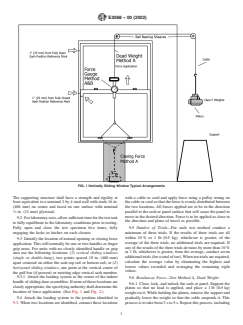
FIG. 1 Vertically Sliding Window Typical Arrangements
The supporting structure shall have a strength and rigidity at with a cable or cord and apply force using a pulley strung on
least equivalent to a nominal 2 by 4 stud wall with studs 16 in. the cable or cord so that the force is evenly distributed between
(406 mm) on center and faced on one surface with nominal the two locations. All forces applied are to be in the direction
⁄2 in. (12 mm) plywood. parallel to the sash or panel surface that will cause the panel to
move in the desired direction. Force is to be applied as close to
9.2 Forlaboratorytests,allowsufficienttimeforthetestunit
the direction and p
...