

ASTM D7897-18(2023)
(Practice)Standard Practice for Laboratory Soiling and Weathering of Roofing Materials to Simulate Effects of Natural Exposure on Solar Reflectance and Thermal Emittance
General Information
- Abstract
SIGNIFICANCE AND USE
5.1 The solar reflectance of a building envelope surface affects surface temperature and near-surface ambient air temperature. Surfaces with low solar reflectance absorb a high fraction of the incoming solar energy. Sunlight absorbed by a roof or by other building envelope surfaces can be conducted into the building, increasing cooling load and decreasing heating load in a conditioned building, or raising indoor temperature in an unconditioned building. It can also warm the outside air by convection. Determination of solar reflectance can help designers and consumers choose appropriate materials for their buildings and communities.
5.1.1 The solar reflectance of a new building envelope surface often changes within one to two years through deposition and retention of soot and dust; microbiological growth; exposure to sunlight, precipitation, and dew; and other processes of soiling and weathering. For example, light-colored “cool” envelope surfaces with high initial reflectance can experience substantial reflectance loss as they are covered with dark soiling agents. Current product rating programs require roofing manufacturers to report values of solar reflectance and thermal emittance measured after three years of natural exposure (2, 3). A rapid laboratory process for soiling and weathering that simulates the three-year-aged radiative properties of roof and other building envelope surface materials expedites the development, testing, and introduction to market of such products.
5.2 Thermal emittance describes the efficiency with which a surface exchanges thermal radiation with its environment. High thermal emittance enhances the ability of a surface to stay cool in the sun. The thermal emittance of a bare metal surface is initially low, and often increases as it is soiled or oxidized (4). The thermal emittance of a typical non-metal surface is initially high, and remains high after soiling (5).
5.3 This practice allows measurement of the solar reflectance a...
SCOPE
1.1 Practice D7897 applies to simulation of the effects of field exposure on the solar reflectance and thermal emittance of roof surface materials including but not limited to field-applied coatings, factory-applied coatings, single-ply membranes, modified bitumen products, shingles, tiles, and metal products. The solar reflectance and thermal emittance of roof surfacing materials can be changed by exposure to the outdoor environment. These changes are caused by three factors: deposition and retention of airborne pollutants, microbiological growth, and changes in physical or chemical properties. This practice applies to simulation of changes in solar reflectance and thermal emittance induced by deposition and retention of airborne pollutants and, to a limited extent, changes caused by microbiological growth.
1.2 This standard does not purport to address all of the safety concerns, if any, associated with its use. It is the responsibility of the user of this standard to establish appropriate safety, health, and environmental practices and determine the applicability of regulatory limitations prior to use.
1.3 This international standard was developed in accordance with internationally recognized principles on standardization established in the Decision on Principles for the Development of International Standards, Guides and Recommendations issued by the World Trade Organization Technical Barriers to Trade (TBT) Committee.
- Status
- Published
- Publication Date
- 31-Aug-2023
- Technical Committee
- D08 - Roofing and Waterproofing
- Drafting Committee
- D08.20 - Roofing Membrane Systems
Overview
ASTM D7897-18(2023) is an international standard practice developed by ASTM for laboratory soiling and weathering of roofing materials. Its objective is to simulate the effects of natural exposure on the solar reflectance and thermal emittance properties of roofing surfaces. Solar reflectance and thermal emittance are key factors that influence roof surface temperatures, indoor environments, and the energy efficiency of buildings. This practice provides a rapid laboratory process that expedites product testing and certification by simulating multi-year exposure conditions, supporting faster development and market introduction of new roofing products.
Key Topics
- Solar Reflectance and Thermal Emittance: Measures the ability of roofing materials to reflect solar energy and emit absorbed heat, parameters critical for cool roofing solutions.
- Simulated Field Exposure: Laboratory protocols replicate the soiling and weathering that occur naturally over years, accounting for the accumulation of dust, salts, soot, and organic matter.
- Material Types Covered: Applies to a broad range of roofing materials, including field-applied and factory-applied coatings, single-ply membranes, modified bitumen products, shingles, tiles, and metals.
- Impact of Soiling and Weathering: Recognizes that the radiative properties of new materials rapidly change due to environmental exposure, which can decrease solar reflectance and alter thermal emittance.
- Standardization and Product Ratings: Supports industry requirements for product ratings, which mandate reporting aged solar reflectance and emittance after three years of natural exposure.
Applications
- Roofing Material Manufacturers: Enables manufacturers to assess how their products will perform under real-world conditions much faster than waiting for actual field exposure. Helps in product development, optimization, and compliance with cool roof requirements.
- Building Envelope Designers: Offers essential data for specifying materials that maintain high solar reflectance and thermal emittance for energy-efficient buildings.
- Energy Code Compliance: Supports documentation for compliance with energy codes and rating programs such as those by the Cool Roof Rating Council (CRRC).
- Quality Control and Certification: Laboratories and third-party certifiers use ASTM D7897-18(2023) to deliver consistent, comparative, and reproducible results on a range of roofing products.
- Environmental Impact Assessment: Aids in evaluating roofing options for reducing urban heat island effects and improving occupant comfort.
Related Standards
When implementing ASTM D7897-18(2023) in laboratory and compliance settings, the following referenced standards are often used in conjunction:
- ASTM C1549: Test Method for Determination of Solar Reflectance Near Ambient Temperature Using a Portable Solar Reflectometer
- ASTM C1371: Test Method for Determination of Emittance of Materials Near Room Temperature Using Portable Emissometers
- ASTM E691: Practice for Conducting an Interlaboratory Study to Determine the Precision of a Test Method
- ASTM G151 & G154: Practices for simulating exposure of nonmetallic materials to laboratory light sources and UV apparatus
- ANSI/CRRC S100: Standard Test Methods for Determining Radiative Properties of Materials
Practical Value
By using ASTM D7897-18(2023), stakeholders can:
- Accurately predict real-world changes in roofing material performance.
- Accelerate the product development cycle for high-reflectance, high-emittance “cool roofing” materials.
- Meet regulatory and certification criteria efficiently.
- Provide reliable data for energy modeling and sustainable building design.
Keywords: ASTM D7897-18(2023), solar reflectance, thermal emittance, roofing materials, laboratory soiling, laboratory weathering, rooftop energy efficiency, cool roof, building envelope, material durability, product ratings, standard practice.
Relations
- Effective Date
- 01-Sep-2014
- Effective Date
- 01-May-2013
- Effective Date
- 01-Dec-2012
- Effective Date
- 01-Nov-2011
- Effective Date
- 01-Nov-2010
- Effective Date
- 01-Apr-2010
- Effective Date
- 01-Nov-2009
- Effective Date
- 01-Jul-2009
- Effective Date
- 01-Oct-2008
- Effective Date
- 15-Nov-2006
- Effective Date
- 05-Jun-2006
- Effective Date
- 01-Nov-2005
- Effective Date
- 01-Oct-2004
- Effective Date
- 01-Sep-2004
- Effective Date
- 01-Sep-2004
Get Certified
Connect with accredited certification bodies for this standard

DIBt (Deutsches Institut für Bautechnik)
German Institute for Building Technology.
DIN CERTCO
DIN Group product certification.

Aboma Certification B.V.
Specialized in construction, metal, and transport sectors.
Sponsored listings
Frequently Asked Questions
ASTM D7897-18(2023) is a standard published by ASTM International. Its full title is "Standard Practice for Laboratory Soiling and Weathering of Roofing Materials to Simulate Effects of Natural Exposure on Solar Reflectance and Thermal Emittance". This standard covers: SIGNIFICANCE AND USE 5.1 The solar reflectance of a building envelope surface affects surface temperature and near-surface ambient air temperature. Surfaces with low solar reflectance absorb a high fraction of the incoming solar energy. Sunlight absorbed by a roof or by other building envelope surfaces can be conducted into the building, increasing cooling load and decreasing heating load in a conditioned building, or raising indoor temperature in an unconditioned building. It can also warm the outside air by convection. Determination of solar reflectance can help designers and consumers choose appropriate materials for their buildings and communities. 5.1.1 The solar reflectance of a new building envelope surface often changes within one to two years through deposition and retention of soot and dust; microbiological growth; exposure to sunlight, precipitation, and dew; and other processes of soiling and weathering. For example, light-colored “cool” envelope surfaces with high initial reflectance can experience substantial reflectance loss as they are covered with dark soiling agents. Current product rating programs require roofing manufacturers to report values of solar reflectance and thermal emittance measured after three years of natural exposure (2, 3). A rapid laboratory process for soiling and weathering that simulates the three-year-aged radiative properties of roof and other building envelope surface materials expedites the development, testing, and introduction to market of such products. 5.2 Thermal emittance describes the efficiency with which a surface exchanges thermal radiation with its environment. High thermal emittance enhances the ability of a surface to stay cool in the sun. The thermal emittance of a bare metal surface is initially low, and often increases as it is soiled or oxidized (4). The thermal emittance of a typical non-metal surface is initially high, and remains high after soiling (5). 5.3 This practice allows measurement of the solar reflectance a... SCOPE 1.1 Practice D7897 applies to simulation of the effects of field exposure on the solar reflectance and thermal emittance of roof surface materials including but not limited to field-applied coatings, factory-applied coatings, single-ply membranes, modified bitumen products, shingles, tiles, and metal products. The solar reflectance and thermal emittance of roof surfacing materials can be changed by exposure to the outdoor environment. These changes are caused by three factors: deposition and retention of airborne pollutants, microbiological growth, and changes in physical or chemical properties. This practice applies to simulation of changes in solar reflectance and thermal emittance induced by deposition and retention of airborne pollutants and, to a limited extent, changes caused by microbiological growth. 1.2 This standard does not purport to address all of the safety concerns, if any, associated with its use. It is the responsibility of the user of this standard to establish appropriate safety, health, and environmental practices and determine the applicability of regulatory limitations prior to use. 1.3 This international standard was developed in accordance with internationally recognized principles on standardization established in the Decision on Principles for the Development of International Standards, Guides and Recommendations issued by the World Trade Organization Technical Barriers to Trade (TBT) Committee.
SIGNIFICANCE AND USE 5.1 The solar reflectance of a building envelope surface affects surface temperature and near-surface ambient air temperature. Surfaces with low solar reflectance absorb a high fraction of the incoming solar energy. Sunlight absorbed by a roof or by other building envelope surfaces can be conducted into the building, increasing cooling load and decreasing heating load in a conditioned building, or raising indoor temperature in an unconditioned building. It can also warm the outside air by convection. Determination of solar reflectance can help designers and consumers choose appropriate materials for their buildings and communities. 5.1.1 The solar reflectance of a new building envelope surface often changes within one to two years through deposition and retention of soot and dust; microbiological growth; exposure to sunlight, precipitation, and dew; and other processes of soiling and weathering. For example, light-colored “cool” envelope surfaces with high initial reflectance can experience substantial reflectance loss as they are covered with dark soiling agents. Current product rating programs require roofing manufacturers to report values of solar reflectance and thermal emittance measured after three years of natural exposure (2, 3). A rapid laboratory process for soiling and weathering that simulates the three-year-aged radiative properties of roof and other building envelope surface materials expedites the development, testing, and introduction to market of such products. 5.2 Thermal emittance describes the efficiency with which a surface exchanges thermal radiation with its environment. High thermal emittance enhances the ability of a surface to stay cool in the sun. The thermal emittance of a bare metal surface is initially low, and often increases as it is soiled or oxidized (4). The thermal emittance of a typical non-metal surface is initially high, and remains high after soiling (5). 5.3 This practice allows measurement of the solar reflectance a... SCOPE 1.1 Practice D7897 applies to simulation of the effects of field exposure on the solar reflectance and thermal emittance of roof surface materials including but not limited to field-applied coatings, factory-applied coatings, single-ply membranes, modified bitumen products, shingles, tiles, and metal products. The solar reflectance and thermal emittance of roof surfacing materials can be changed by exposure to the outdoor environment. These changes are caused by three factors: deposition and retention of airborne pollutants, microbiological growth, and changes in physical or chemical properties. This practice applies to simulation of changes in solar reflectance and thermal emittance induced by deposition and retention of airborne pollutants and, to a limited extent, changes caused by microbiological growth. 1.2 This standard does not purport to address all of the safety concerns, if any, associated with its use. It is the responsibility of the user of this standard to establish appropriate safety, health, and environmental practices and determine the applicability of regulatory limitations prior to use. 1.3 This international standard was developed in accordance with internationally recognized principles on standardization established in the Decision on Principles for the Development of International Standards, Guides and Recommendations issued by the World Trade Organization Technical Barriers to Trade (TBT) Committee.
ASTM D7897-18(2023) is classified under the following ICS (International Classification for Standards) categories: 91.060.20 - Roofs. The ICS classification helps identify the subject area and facilitates finding related standards.
ASTM D7897-18(2023) has the following relationships with other standards: It is inter standard links to ASTM C1549-09(2014), ASTM E691-13, ASTM G154-12, ASTM E691-11, ASTM C1371-04a(2010)e1, ASTM G151-10, ASTM C1549-09, ASTM G151-09, ASTM E691-08, ASTM G151-06, ASTM G154-06, ASTM E691-05, ASTM G154-04, ASTM C1371-04a, ASTM C1549-04. Understanding these relationships helps ensure you are using the most current and applicable version of the standard.
ASTM D7897-18(2023) is available in PDF format for immediate download after purchase. The document can be added to your cart and obtained through the secure checkout process. Digital delivery ensures instant access to the complete standard document.
Standards Content (Sample)
This international standard was developed in accordance with internationally recognized principles on standardization established in the Decision on Principles for the
Development of International Standards, Guides and Recommendations issued by the World Trade Organization Technical Barriers to Trade (TBT) Committee.
Designation: D7897 − 18 (Reapproved 2023)
Standard Practice for
Laboratory Soiling and Weathering of Roofing Materials to
Simulate Effects of Natural Exposure on Solar Reflectance
and Thermal Emittance
This standard is issued under the fixed designation D7897; the number immediately following the designation indicates the year of
original adoption or, in the case of revision, the year of last revision. A number in parentheses indicates the year of last reapproval. A
superscript epsilon (´) indicates an editorial change since the last revision or reapproval.
1. Scope C1549 Test Method for Determination of Solar Reflectance
Near Ambient Temperature Using a Portable Solar Reflec-
1.1 Practice D7897 applies to simulation of the effects of
tometer
field exposure on the solar reflectance and thermal emittance of
E691 Practice for Conducting an Interlaboratory Study to
roof surface materials including but not limited to field-applied
Determine the Precision of a Test Method
coatings, factory-applied coatings, single-ply membranes,
G151 Practice for Exposing Nonmetallic Materials in Accel-
modified bitumen products, shingles, tiles, and metal products.
erated Test Devices that Use Laboratory Light Sources
The solar reflectance and thermal emittance of roof surfacing
G154 Practice for Operating Fluorescent Ultraviolet (UV)
materials can be changed by exposure to the outdoor environ-
Lamp Apparatus for Exposure of Materials
ment. These changes are caused by three factors: deposition
2.2 Other Standards:
and retention of airborne pollutants, microbiological growth,
ANSI/CRRC S100 Standard Test Methods for Determining
and changes in physical or chemical properties. This practice
Radiative Properties of Materials
applies to simulation of changes in solar reflectance and
thermal emittance induced by deposition and retention of
3. Terminology
airborne pollutants and, to a limited extent, changes caused by
3.1 Definitions:
microbiological growth.
3.1.1 solar energy—the radiant energy originating from the
1.2 This standard does not purport to address all of the
sun.
safety concerns, if any, associated with its use. It is the
3.1.1.1 Discussion—Approximately 99 % of terrestrial solar
responsibility of the user of this standard to establish appro-
radiation lies between the wavelengths of 0.3 and 2.5 μm, with
priate safety, health, and environmental practices and deter-
peak radiation near 0.5 μm. This spectrum includes ultraviolet,
mine the applicability of regulatory limitations prior to use.
visible, and near-infrared radiation.
1.3 This international standard was developed in accor-
3.1.2 solar reflectance—the fraction of incident solar flux
dance with internationally recognized principles on standard-
reflected by a surface.
ization established in the Decision on Principles for the
Development of International Standards, Guides and Recom-
3.1.3 thermal emittance—efficiency with which a surface
mendations issued by the World Trade Organization Technical
emits thermal radiation, measured on a scale from 0 to 1, where
Barriers to Trade (TBT) Committee.
a value of 1 indicates perfect emission (that is, equal to that of
a black body).
2. Referenced Documents
3.1.4 thermal radiation—the radiant energy originating
2.1 ASTM Standards:
from a 300 K (about 27 °C) black body.
C1371 Test Method for Determination of Emittance of
3.1.4.1 Discussion—Approximately 99 % of thermal radia-
Materials Near Room Temperature Using Portable Emis-
tion lies between the wavelengths of 4 and 80 μm, with peak
someters
radiation near 10 μm.
This practice is under the jurisdiction of ASTM Committee D08 on Roofing and
4. Summary of Practice
Waterproofing and is the direct responsibility of Subcommittee D08.20 on Roofing
Membrane Systems.
4.1 This practice presents a rapid laboratory method for
Current edition approved Sept. 1, 2023. Published September 2023. Originally
weathering and soiling, which simulates natural changes in
approved in 2015. Last previous edition approved in 2018 as D7897 – 18. DOI:
solar reflectance and thermal emittance of materials in the field.
10.1520/D7897-18R23.
For referenced ASTM standards, visit the ASTM website, www.astm.org, or
contact ASTM Customer Service at service@astm.org. For Annual Book of ASTM
Standards volume information, refer to the standard’s Document Summary page on Available from American National Standards Institute (ANSI), 25 W. 43rd St.,
the ASTM website. 4th Floor, New York, NY 10036, http://www.ansi.org.
Copyright © ASTM International, 100 Barr Harbor Drive, PO Box C700, West Conshohocken, PA 19428-2959. United States
D7897 − 18 (2023)
The practice describes a simulated field exposure protocol that scatter or weakly absorb sunlight. A notable exception is black
consists of spraying an aqueous mixture of soot and other carbon soot emitted from the burning of fossil and biomass
soluble soiling constituents, including salts and organic matter, fuels and from fires. Because of its strong mass absorption
onto a specimen of roof surfacing material. The specimen is efficiency, small amounts of black soot appreciably contribute
exposed in a weathering apparatus before soiling, to provide to the soiling of building surfaces. An aqueous mixture of four
UV conditioning; and after soiling, to simulate the cleaning soiling agents (as described below) is used for the simulated
effect of moisture (1). field exposure. The soiling agents and their concentrations
were chosen based on their respective contributions to changes
5. Significance and Use
in the solar reflectance spectra of soiled surfaces, as determined
in the laboratory. These four soiling agents have been shown to
5.1 The solar reflectance of a building envelope surface
accumulate on surfaces exposed in natural outdoor settings (6).
affects surface temperature and near-surface ambient air tem-
6.1.1 Dust—A mixture of iron oxide (Fe O ) powder (color:
perature. Surfaces with low solar reflectance absorb a high
2 3
red-brown, particle size <5 μm, purity ≥99 %, CAS: 1309-
fraction of the incoming solar energy. Sunlight absorbed by a
37-1; example: SKU 310050 Sigma Aldrich) and two natural
roof or by other building envelope surfaces can be conducted
clays ((1) montmorillonite K10 powder (color: yellowish-gray,
into the building, increasing cooling load and decreasing
surface area: 220 to 270 m /g, CAS: 1318-93-0; example: SKU
heating load in a conditioned building, or raising indoor
281522 Sigma Aldrich) and (2) nanoclay, hydrophilic bentonite
temperature in an unconditioned building. It can also warm the
(particle size ≤25 μm, CAS: 1302-78-9; example: SKU 682659
outside air by convection. Determination of solar reflectance
Sigma Aldrich)) is used as a surrogate for dust. (Similar
can help designers and consumers choose appropriate materials
chemicals can be procured from other vendors.)
for their buildings and communities.
6.1.1.1 A mass of 0.3 6 0.02 g of Fe O powder is mixed
5.1.1 The solar reflectance of a new building envelope 2 3
with 1.0 6 0.05 g of montmorillonite and 1.0 6 0.05 g of
surface often changes within one to two years through depo-
bentonite. The mixture is transferred into 1 L of distilled water
sition and retention of soot and dust; microbiological growth;
and stirred for about 1 h to prepare a stable dust suspension of
exposure to sunlight, precipitation, and dew; and other pro-
2.3 6 0.1 g/L. To prevent sedimentation, the suspension is
cesses of soiling and weathering. For example, light-colored
stirred again before use if more than 1 h has elapsed since it
“cool” envelope surfaces with high initial reflectance can
was previously stirred.
experience substantial reflectance loss as they are covered with
6.1.2 Salts—A solution containing a mixture of inorganic
dark soiling agents. Current product rating programs require
salts is prepared by dissolving 0.3 6 0.03 g of sodium chloride
roofing manufacturers to report values of solar reflectance and
(NaCl, CAS: 7647-14-5), 0.3 6 0.03 g of sodium nitrate
thermal emittance measured after three years of natural expo-
(NaNO , CAS: 7631-99-4) and 0.4 6 0.03 g of calcium sulfate
sure (2, 3). A rapid laboratory process for soiling and weath-
dihydrate (CaSO ·2H O, CAS: 10101-41-4) into 1 L of dis-
ering that simulates the three-year-aged radiative properties of 4 2
tilled water. The solution is stirred to ensure that all salts are
roof and other building envelope surface materials expedites
dissolved. The total salt concentration of the solution is 1.0 6
the development, testing, and introduction to market of such
0.1 g/L.
products.
6.1.3 Particulate Organic Matter (POM)—1.4 6 0.05 g of
5.2 Thermal emittance describes the efficiency with which a
humic acid (CAS: 1415-93-6) is dissolved in 1 L of distilled
surface exchanges thermal radiation with its environment.
water to produce a solution of 1.4 6 0.05 g/L.
High thermal emittance enhances the ability of a surface to stay
6.1.4 Soot—A commercially available self-dispersible car-
cool in the sun. The thermal emittance of a bare metal surface
bon black (Aqua-Black 001: Tokai Carbon Co., Ltd ), is used
is initially low, and often increases as it is soiled or oxidized
as surrogate for soot. 1.37 6 0.05 g (equivalent volume: 1.25
(4). The thermal emittance of a typical non-metal surface is
6 0.05 mL) of Aqua-Black 001 aqueous dispersion (19 % m/m
initially high, and remains high after soiling (5).
carbon black) is diluted into 1 L of distilled water and shaken
5.3 This practice allows measurement of the solar reflec-
for 3 to 5 min to produce a stable soot (carbon black)
tance and thermal emittance of a roofing specimen after the
suspension of 0.26 6 0.01 g/L.
application of the simulated field exposure.
6.1.5 Composition of Soiling Mixture—A separate solution
or suspension is prepared for each soiling agent. Once
5.4 This practice is intended to be referenced by another
prepared, the four soiling solutions/suspensions described
standard, such as ANSI/CRRC S100, that specifies practices
above are combined in various ratios depending upon the
for specimen selection and methods for radiative measurement.
climate to be simulated. Each soiling mixture below has the
6. Standard Practice Method and Apparatus same total mass concentration of soiling agents.
6.1.5.1 Composition of soiling mixture for average U.S.
6.1 Soiling Agents—Atmospheric particles originate from
conditions (average of three exposure sites: Phoenix, Arizona;
windblown dust, forest and grassland fires, living vegetation,
and sea spray, as well as from human activities, such as the
burning of fossil and biomass fuels. Most particles either
The sole source of supply of the material known to the committee at this time
is Tokai Carbon Co., Ltd. If you are aware of alternative suppliers, please provide
this information to ASTM International Headquarters. Your comments will receive
4 1
The boldface numbers in parentheses refer to a list of references at the end of careful consideration at a meeting of the responsible technical committee, which
this standard. you may attend.
D7897 − 18 (2023)
Miami, Florida; and Youngstown, Ohio)—Soiling agent mass 8.2 The soiling mixture is agitated for 1 to 2 min to
is 47 % dust, 20 % salts, 28 % POM, and 5 % soot. This yields re-suspend any settled particles, then placed into the spraying
0.58 g/L dust, 0.25 g/L salts, 0.35 g/L POM, and 0.065 g/L soot vessel.
in the soiling mixture. Note that this soiling mixture is prepared 8.2.1 The soiling mixture shall be re-agitated every 30 min
if the calibration process takes more than 30 min.
by combining equal volumes of the dust suspension, salt
solution, POM solution, and soot suspension defined in 6.1.1 –
8.3 A clean reference specimen (10 by 10 cm, and flat) is
6.1.4.
weighed before soiling (mass m ). The spraying system is then
6.1.5.2 Composition of soiling mixture for hot and dry
activated, allowing about 10 to 15 s at startup to attain a
climates (Phoenix, Arizona)—Soiling agent mass is 79 % dust,
uniform and stable spraying mist. Next, while the mist is
20 % salts, 0 % POM, and 1 % soot. This yields 0.98 g/L dust,
spraying, the weighed reference specimen is introduced into
0.25 g/L salts, 0 g/L POM, and 0.012 g/L soot in the soiling
the soiling chamber, placed 25 to 50 cm below the spraying
mixture.
nozzle, oriented horizontally, and sprayed for about 10 to 30 s
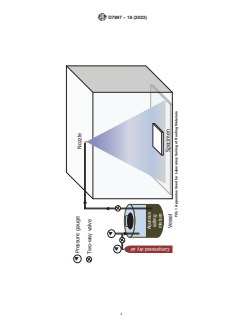
(Fig. 1). The soiled reference specimen is removed from the
6.1.5.3 Composition of soiling mixture for hot and humid
soiling chamber, then reweighed (mass m ).
climates (Miami, Florida)—Soiling agent mass is 16 % dust,
8.3.1 The spray is operated continuously.
7 % salts, 69 % POM, and 8 % soot. This yields 0.20 g/L dust,
8.3.2 The deposition rate can be adjusted as needed by
0.087 g/L salts, 0.85 g/L POM, and 0.10 g/L soot in the soiling
repositioning the reference specimen within the soiling cham-
mixture.
ber. Variations in the duration of spraying or the distance
6.1.5.4 Composition of soiling mixture for moderate sum-
between the spraying nozzle and the specimen, or both, are
mer and cold winter climates (Youngstown, Ohio)—Soiling
allowed as long as the wet mass deposition meets the require-
agent mass is 61 % dust, 31 % salts, 0 % POM, and 8 % soot.
ment specified in 8.4, and the dry soiling pattern meets the
This yields 0.75 g/L dust, 0.38 g/L salts, 0 g/L POM, and 0.10
requirements specified in 8.6.
g/L soot in the soiling mixture.
8.4 If the wet soiling mass (m – m ) deposited on the
1 0
6.2 Soiling Apparatus—The soiling mixture is placed in an
reference specimen is less than 0.7 g (7 mg/cm ), the spraying
air-pressurized spraying tank, equipped with an air pressure
duration should be increased. If the wet soiling mass is greater
gauge. The tank is connected with tubing to a brass spraying
than 0.9 g (9 mg/cm ), the spraying duration should be
nozzle that includes a strainer to minimize clogging. The
decreased. Repeat 8.3 as needed, varying spraying duration
nozzle (example: UniJet Fogger Nozzle Assembly, model
until the wet soiling mass is 0.8 6 0.1 g (8 6 1 mg/cm ).
1/4TT+SF-2, Spraying Systems Co.) produces a wide-angle
Record the final spraying duration as τ.
(approximately 100 to 110°), hollow-cone fine spray with a
8.5 After spraying and weighing, each specimen is heated
delivery rate of 3.5 L/h at 138 kPa (20 psi) gauge pressure. The
with an infrared heat lamp (250 W) to evaporate the water. To
nozzle is oriented vertically to spray downward.
protect the specimen, its surface temperature should not be
6.3 Weathering Apparatus—A laboratory accelerated weath-
allowed to exceed 80 °C during the drying process.
ering device is used to simulate outdoor weathering. The
8.6 After drying, the surface of reference specimen should
weathering device exposes materials to alternating cycles of
be covered with evenly separated and randomly distributed soil
ultraviolet (UV) light and moisture at controlled, elevated
spots with diameters ranging between 1 and 3 mm. This shall
temperatures. It uses fluorescent UVA-340 lamps to simulate
be assessed visually.
the high-energy photons in sunlight. Moisture is introduced
8.6.1 If a reference specimen fails to meet the requirements
with condensing humidity or water spray, or both (Practices
specified in 8.6, steps 8.3 – 8.5 shall be repeated on fresh
G151 and G154).
reference specimens until the requirements in 8.6 are met.
7. Test Specimens 8.7 After determining a spraying duration τ and specimen
position that satisfy the requirements of 8.4 and 8.6, the
7.1 The standard practice described here applies to roofing
spraying procedure shall be repeated on at least two additional
specimens that are flat (planar).
reference specimens to verify that they also satisfy the require-
ments of 8.4 and 8.6.
8. Calibration of Soiling
8.8 The spray shall be left on after calibration.
8.1 Calibration of the soiling procedure consists of verifying
the wet soiling mass retained by a reference roofing product
9. Procedure
specimen and the uniformity of the soiling pattern on the
9.1 The test specimen is prepared in three stage
...