


ASTM F2927-21
(Test Method)Standard Test Method for Door Systems Subject to Airblast Loadings
Standard Test Method for Door Systems Subject to Airblast Loadings
SIGNIFICANCE AND USE
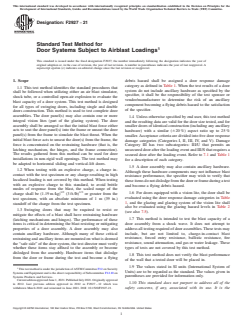
5.1 This test method provides standardized procedures that must be followed to establish that a particular door assembly meets a defined damage category (Table 1). Test results can be used to specify a door assembly for a particular pressure/time loading and damage level.
5.2 When a door system is subjected to this test method, it does not imply that a door system of visually similar design will resist the same applied test load. The probability that a single door assembly will resist the specified air blast pressure for which it is certified increases with the number of test specimens used to certify the door design. See Annex A1 for additional statistical considerations.
5.3 Arena testing and shock tube testing may not translate to equivalent results from one method to the other. A specifier may require testing using one method instead of the other. The specifier should be consulted prior to the initiation of any testing.
SCOPE
1.1 This test method identifies the standard procedures that shall be followed when utilizing either an air blast simulator, shock tube, or a controlled open-air explosion to evaluate the blast capacity of a door system. This test method is designed for all types of swinging doors, including single and double doors construction. This method is used to test complete door assemblies. The door panel(s) may also contain one or more integral vision lites (part of the glazing system). The door assembly shall be arranged so that the initial blast force either acts to seat the door panel(s) into the frame or unseat the door panel(s) from the frame to simulate the blast threat. When the initial blast force acts to unseat the door(s) from the frame, the force is concentrated on the restraining hardware (that is, the latching mechanism, the hinges, and the frame connection). The results gathered from this method can be used for door installations in non-rigid wall openings. The test method may be adapted to horizontal sliding and vertical-lift doors.
1.2 When testing with an explosive charge, a charge in-contact with the test specimen or any charge resulting in high localized loading is not covered by this method. When testing with an explosive charge to this standard, to avoid brittle modes of response from the blast, the scaled range of the charge shall be (1.19 m/kg)1/3 (3 ft/lb)1/3 or greater from the test specimen, with an absolute minimum of 1 m (39 in.) standoff of the charge from the test specimen.
1.3 Swinging doors that may be required to resist or mitigate the effects of a blast shall have restraining hardware (latching mechanisms and hinges). The performance of these items is critical in determining the blast resisting or mitigating properties of a door assembly. A door assembly may also contain ancillary hardware. Although many of these critical restraining and ancillary items are mounted on what is deemed the “safe side” of the door system, the test director must verify whether these items stay affixed to the assembly or become dislodged from the assembly. Hardware items that dislodge from the door or frame during the test and become a flying debris hazard shall be assigned a door response damage category as defined in Table 1. When the test results of a door system do not include ancillary hardware as specified by the specifier, it shall be the responsibility of the test sponsor or vendor/manufacturer to determine the risk of an ancillary component becoming a flying debris hazard to the satisfaction of the specifier.
1.4 Unless otherwise specified by end user, this test method and the resulting data are valid for the door size tested, and for smaller doors of identical construction (including any ancillary hardware) with a similar (±20 %) aspect ratio up to 25 % smaller. Acceptance criteria are divided into five door response damage categories (Categories I, II, III, IV, and V). Damage Category III has two subcategories: III/U that permits an un...
General Information
- Status
- Published
- Publication Date
- 31-May-2021
- Technical Committee
- F12 - Security Systems and Equipment
- Drafting Committee
- F12.10 - Systems Products and Services
Relations
- Refers
ASTM F2912-17 - Standard Specification for Glazing and Glazing Systems Subject to Airblast Loadings - Effective Date
- 01-Mar-2017
- Effective Date
- 01-Aug-2016
- Refers
ASTM F1642-12 - Standard Test Method for Glazing and Glazing Systems Subject to Airblast Loadings - Effective Date
- 15-Nov-2012
- Refers
ASTM F2912-11 - Standard Specification for Glazing and Glazing Systems Subject to Airblast Loadings - Effective Date
- 01-Jul-2011
- Effective Date
- 01-May-2010
- Effective Date
- 01-Jan-2009
- Effective Date
- 01-May-2008
- Refers
ASTM F1642-04 - Standard Test Method for Glazing and Glazing Systems Subject to Airblast Loadings - Effective Date
- 01-Feb-2004
- Refers
ASTM F1642-03 - Standard Test Method for Glazing and Glazing Systems Subject to Airblast Loadings - Effective Date
- 01-Nov-2003
- Effective Date
- 10-Jun-2003
- Effective Date
- 10-Dec-1999
- Refers
ASTM F1642-96 - Standard Test Method for Glazing and Glazing Systems Subject to Airblast Loadings - Effective Date
- 01-Jan-1996
Overview
ASTM F2927-21: Standard Test Method for Door Systems Subject to Airblast Loadings sets forth standardized procedures for evaluating the blast resistance of door assemblies. Developed by ASTM International, this method applies to all types of swinging doors-including single and double-door constructions-that may include vision lites (glazed openings within the door panel). The standard addresses testing complete door systems using airblast simulators, shock tubes, or controlled open-air explosions to assess their performance against defined airblast pressures and durations.
This test method is particularly significant for safety-critical environments like government buildings, embassies, military structures, commercial facilities, and other sites where blast resistance is an essential requirement. The results from these tests serve to certify door assemblies for specific pressure and time loadings, ensuring that they meet predefined safety and performance damage categories.
Key Topics
- Test Methods: Outlines use of air blast simulators, shock tubes, or open-air explosion arenas for assessing blast capacity of doors.
- Door Assembly Components: Evaluation covers the entire door assembly, including panels, frames, restraining and ancillary hardware, and glazing systems within vision lites.
- Blast Force Orientation: Tests simulate blast threats by applying force to either seat or unseat the door panel(s) within the frame, focusing on hardware such as latches and hinges.
- Damage Categories: Doors are classified into five specific damage categories (I-V), ranging from undamaged (fully operable) to high hazard failure (systematically compromised).
- Glazing Performance: For doors with vision lites, the standard includes assessments for glazing hazard levels, considering the retention, fragmentation, and trajectory of glass particles under blast conditions.
- Repeatability and Statistical Reliability: Details that results apply only to the tested door’s size and configuration. Larger sample sizes provide greater confidence in certification.
- Applicable Limitations: Excludes scenarios such as contact charges producing highly localized loads, and does not assess wall or building integration performance, fire resistance, forced entry, or water leakage.
Applications
- Specifying Blast-Resistant Door Systems: Use this standard to select, specify, or certify doors for facilities requiring protection from airblast threats, such as secure government sites, defense installations, or critical infrastructure.
- Design Verification: Manufacturers and vendors can test product lines against these procedures to validate claims of blast resistance and optimize door hardware and assembly design.
- Risk Assessment: Facility managers, security consultants, and engineers use results to assess potential hazards-such as flying debris from dislodged hardware or broken glazing-and select door systems that adequately mitigate these risks for their specific applications.
- Regulatory Compliance: Enables procurement and design teams to demonstrate compliance with internationally recognized blast-resistance test procedures, aiding in site safety validation and insurance requirements.
- Integration with Other Building Systems: While the test focuses on the door assembly, results guide holistic threat mitigation strategies when paired with other building envelope protections.
Related Standards
- ASTM F1642 - Test Method for Glazing and Glazing Systems Subject to Airblast Loadings
- ASTM F2912 - Specification for Glazing and Glazing Systems Subject to Airblast Loadings
- ASTM E699 - Specification for Agencies Involved in Testing, Quality Assurance, and Evaluation of Manufactured Building Components
- ISO/IEC 17025:2017 - General requirements for the competence of testing and calibration laboratories
ASTM F2927-21 is an essential standard for those involved in the procurement, design, and testing of blast-resistant door systems. Its adoption contributes to enhanced occupant safety, regulatory compliance, and optimized building security against airblast threats.
Get Certified
Connect with accredited certification bodies for this standard

ICC Evaluation Service
Building products evaluation and certification.

QAI Laboratories
Building and construction product testing and certification.

Aboma Certification B.V.
Specialized in construction, metal, and transport sectors.
Sponsored listings
Frequently Asked Questions
ASTM F2927-21 is a standard published by ASTM International. Its full title is "Standard Test Method for Door Systems Subject to Airblast Loadings". This standard covers: SIGNIFICANCE AND USE 5.1 This test method provides standardized procedures that must be followed to establish that a particular door assembly meets a defined damage category (Table 1). Test results can be used to specify a door assembly for a particular pressure/time loading and damage level. 5.2 When a door system is subjected to this test method, it does not imply that a door system of visually similar design will resist the same applied test load. The probability that a single door assembly will resist the specified air blast pressure for which it is certified increases with the number of test specimens used to certify the door design. See Annex A1 for additional statistical considerations. 5.3 Arena testing and shock tube testing may not translate to equivalent results from one method to the other. A specifier may require testing using one method instead of the other. The specifier should be consulted prior to the initiation of any testing. SCOPE 1.1 This test method identifies the standard procedures that shall be followed when utilizing either an air blast simulator, shock tube, or a controlled open-air explosion to evaluate the blast capacity of a door system. This test method is designed for all types of swinging doors, including single and double doors construction. This method is used to test complete door assemblies. The door panel(s) may also contain one or more integral vision lites (part of the glazing system). The door assembly shall be arranged so that the initial blast force either acts to seat the door panel(s) into the frame or unseat the door panel(s) from the frame to simulate the blast threat. When the initial blast force acts to unseat the door(s) from the frame, the force is concentrated on the restraining hardware (that is, the latching mechanism, the hinges, and the frame connection). The results gathered from this method can be used for door installations in non-rigid wall openings. The test method may be adapted to horizontal sliding and vertical-lift doors. 1.2 When testing with an explosive charge, a charge in-contact with the test specimen or any charge resulting in high localized loading is not covered by this method. When testing with an explosive charge to this standard, to avoid brittle modes of response from the blast, the scaled range of the charge shall be (1.19 m/kg)1/3 (3 ft/lb)1/3 or greater from the test specimen, with an absolute minimum of 1 m (39 in.) standoff of the charge from the test specimen. 1.3 Swinging doors that may be required to resist or mitigate the effects of a blast shall have restraining hardware (latching mechanisms and hinges). The performance of these items is critical in determining the blast resisting or mitigating properties of a door assembly. A door assembly may also contain ancillary hardware. Although many of these critical restraining and ancillary items are mounted on what is deemed the “safe side” of the door system, the test director must verify whether these items stay affixed to the assembly or become dislodged from the assembly. Hardware items that dislodge from the door or frame during the test and become a flying debris hazard shall be assigned a door response damage category as defined in Table 1. When the test results of a door system do not include ancillary hardware as specified by the specifier, it shall be the responsibility of the test sponsor or vendor/manufacturer to determine the risk of an ancillary component becoming a flying debris hazard to the satisfaction of the specifier. 1.4 Unless otherwise specified by end user, this test method and the resulting data are valid for the door size tested, and for smaller doors of identical construction (including any ancillary hardware) with a similar (±20 %) aspect ratio up to 25 % smaller. Acceptance criteria are divided into five door response damage categories (Categories I, II, III, IV, and V). Damage Category III has two subcategories: III/U that permits an un...
SIGNIFICANCE AND USE 5.1 This test method provides standardized procedures that must be followed to establish that a particular door assembly meets a defined damage category (Table 1). Test results can be used to specify a door assembly for a particular pressure/time loading and damage level. 5.2 When a door system is subjected to this test method, it does not imply that a door system of visually similar design will resist the same applied test load. The probability that a single door assembly will resist the specified air blast pressure for which it is certified increases with the number of test specimens used to certify the door design. See Annex A1 for additional statistical considerations. 5.3 Arena testing and shock tube testing may not translate to equivalent results from one method to the other. A specifier may require testing using one method instead of the other. The specifier should be consulted prior to the initiation of any testing. SCOPE 1.1 This test method identifies the standard procedures that shall be followed when utilizing either an air blast simulator, shock tube, or a controlled open-air explosion to evaluate the blast capacity of a door system. This test method is designed for all types of swinging doors, including single and double doors construction. This method is used to test complete door assemblies. The door panel(s) may also contain one or more integral vision lites (part of the glazing system). The door assembly shall be arranged so that the initial blast force either acts to seat the door panel(s) into the frame or unseat the door panel(s) from the frame to simulate the blast threat. When the initial blast force acts to unseat the door(s) from the frame, the force is concentrated on the restraining hardware (that is, the latching mechanism, the hinges, and the frame connection). The results gathered from this method can be used for door installations in non-rigid wall openings. The test method may be adapted to horizontal sliding and vertical-lift doors. 1.2 When testing with an explosive charge, a charge in-contact with the test specimen or any charge resulting in high localized loading is not covered by this method. When testing with an explosive charge to this standard, to avoid brittle modes of response from the blast, the scaled range of the charge shall be (1.19 m/kg)1/3 (3 ft/lb)1/3 or greater from the test specimen, with an absolute minimum of 1 m (39 in.) standoff of the charge from the test specimen. 1.3 Swinging doors that may be required to resist or mitigate the effects of a blast shall have restraining hardware (latching mechanisms and hinges). The performance of these items is critical in determining the blast resisting or mitigating properties of a door assembly. A door assembly may also contain ancillary hardware. Although many of these critical restraining and ancillary items are mounted on what is deemed the “safe side” of the door system, the test director must verify whether these items stay affixed to the assembly or become dislodged from the assembly. Hardware items that dislodge from the door or frame during the test and become a flying debris hazard shall be assigned a door response damage category as defined in Table 1. When the test results of a door system do not include ancillary hardware as specified by the specifier, it shall be the responsibility of the test sponsor or vendor/manufacturer to determine the risk of an ancillary component becoming a flying debris hazard to the satisfaction of the specifier. 1.4 Unless otherwise specified by end user, this test method and the resulting data are valid for the door size tested, and for smaller doors of identical construction (including any ancillary hardware) with a similar (±20 %) aspect ratio up to 25 % smaller. Acceptance criteria are divided into five door response damage categories (Categories I, II, III, IV, and V). Damage Category III has two subcategories: III/U that permits an un...
ASTM F2927-21 is classified under the following ICS (International Classification for Standards) categories: 91.060.50 - Doors and windows. The ICS classification helps identify the subject area and facilitates finding related standards.
ASTM F2927-21 has the following relationships with other standards: It is inter standard links to ASTM F2912-17, ASTM E699-16, ASTM F1642-12, ASTM F2912-11, ASTM F1642-04(2010), ASTM E699-09, ASTM E699-03(2008), ASTM F1642-04, ASTM F1642-03, ASTM E699-03, ASTM E699-99, ASTM F1642-96. Understanding these relationships helps ensure you are using the most current and applicable version of the standard.
ASTM F2927-21 is available in PDF format for immediate download after purchase. The document can be added to your cart and obtained through the secure checkout process. Digital delivery ensures instant access to the complete standard document.
Standards Content (Sample)
This international standard was developed in accordance with internationally recognized principles on standardization established in the Decision on Principles for the
Development of International Standards, Guides and Recommendations issued by the World Trade Organization Technical Barriers to Trade (TBT) Committee.
Designation: F2927 − 21
Standard Test Method for
Door Systems Subject to Airblast Loadings
This standard is issued under the fixed designation F2927; the number immediately following the designation indicates the year of
original adoption or, in the case of revision, the year of last revision. A number in parentheses indicates the year of last reapproval. A
superscript epsilon (´) indicates an editorial change since the last revision or reapproval.
1. Scope debris hazard shall be assigned a door response damage
category as defined in Table 1. When the test results of a door
1.1 This test method identifies the standard procedures that
system do not include ancillary hardware as specified by the
shall be followed when utilizing either an air blast simulator,
specifier, it shall be the responsibility of the test sponsor or
shock tube, or a controlled open-air explosion to evaluate the
vendor/manufacturer to determine the risk of an ancillary
blast capacity of a door system. This test method is designed
component becoming a flying debris hazard to the satisfaction
for all types of swinging doors, including single and double
of the specifier.
doors construction. This method is used to test complete door
assemblies. The door panel(s) may also contain one or more
1.4 Unless otherwise specified by end user, this test method
integral vision lites (part of the glazing system). The door
and the resulting data are valid for the door size tested, and for
assembly shall be arranged so that the initial blast force either
smaller doors of identical construction (including any ancillary
acts to seat the door panel(s) into the frame or unseat the door
hardware) with a similar (620 %) aspect ratio up to 25 %
panel(s) from the frame to simulate the blast threat. When the
smaller.Acceptance criteria are divided into five door response
initial blast force acts to unseat the door(s) from the frame, the
damage categories (Categories I, II, III, IV, and V). Damage
force is concentrated on the restraining hardware (that is, the
Category III has two subcategories: III/U that permits an
latching mechanism, the hinges, and the frame connection).
unsecured door after the loading event and III/S that requires a
The results gathered from this method can be used for door
secured door after the loading event. Refer to 7.1 and Table 1
installations in non-rigid wall openings. The test method may
for a description of each category.
be adapted to horizontal sliding and vertical-lift doors.
1.5 A door assembly may also contain ancillary hardware.
1.2 When testing with an explosive charge, a charge in-
Although these hardware components may not influence blast
contact with the test specimen or any charge resulting in high
resistance performance, the specifier may wish to verify that
localized loading is not covered by this method. When testing
theseitemsdonotdislodgefromthedoororframeduringatest
with an explosive charge to this standard, to avoid brittle
and become a flying debris hazard.
modes of response from the blast, the scaled range of the
1/3 1/3
1.6 For doors equipped with a vision lite, the door shall be
charge shall be (1.19 m⁄kg) (3 ft⁄lb) or greater from the
evaluated using the door response damage categories in Table
test specimen, with an absolute minimum of 1 m (39 in.)
1, and the glazing and glazing system of the vision lite shall
standoff of the charge from the test specimen.
also be evaluated using the glazing hazard levels in Table 2
1.3 Swinging doors that may be required to resist or
(see also 7.5).
mitigate the effects of a blast shall have restraining hardware
1.7 This method is intended to test the blast capacity of a
(latching mechanisms and hinges). The performance of these
door assembly from a shock wave. It does not attempt to
items is critical in determining the blast resisting or mitigating
addressalltestingrequiredofdoorassemblies.Thesetestsmay
properties of a door assembly. A door assembly may also
include, but are not limited to, charge-in-contact blast
contain ancillary hardware. Although many of these critical
resistance, forced entry resistance, ballistic resistance, fire
restraining and ancillary items are mounted on what is deemed
resistance, sound attenuation, and gas or water leakage. These
the “safe side” of the door system, the test director must verify
types of tests are not covered by this test method.
whether these items stay affixed to the assembly or become
dislodged from the assembly. Hardware items that dislodge
1.8 This test method does not verify the blast performance
from the door or frame during the test and become a flying
of the wall that a tested door will be placed in.
1.9 The values stated in SI units (International System of
This test method is under the jurisdiction ofASTM Committee F12 on Security
Units) are to be regarded as the standard. The values given in
Systems and Equipment and is the direct responsibility of Subcommittee F12.10 on
Systems Products and Services. parentheses are provided for information only.
CurrenteditionapprovedJune1,2021.PublishedJuly2021.Originallyapproved
1.10 This standard does not purport to address all of the
in 2012. Last previous edition approved in 2012 as F2927 – 12 which was
withdrawn March 2021 and reinstated in June 2021. DOI: 10.1520/F2927-21. safety concerns, if any, associated with its use. It is the
Copyright © ASTM International, 100 Barr Harbor Drive, PO Box C700, West Conshohocken, PA 19428-2959. United States
F2927 − 21
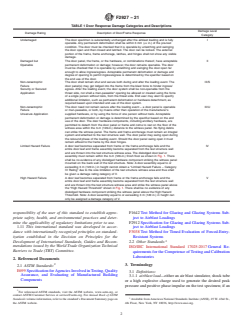
TABLE 1 Door Response Damage Categories and Descriptions
Damage Level
Damage Rating Description of Door/Frame Response
Category
Undamaged The door specimen is substantially unchanged after the airblast loading and is fully I
operable. Any permanent deformation shall be within 3 mm ( ⁄8 in.) of the pre-test
condition. The door must be checked that it is operable by unlatching and swinging
the door open and then closed and latched. The door can be locked. The external
portion of the frame, frame anchorage, latches, and hinges shall not show any visible
damage.
Damaged but The door panel, the frame, or the hardware, or combinations thereof, have acceptable II
Openable permanent deformation or damage; however, the door remains openable. The door
must be checked that it is openable by unlatching and swinging the door open far
enough to allow ingress/egress. Acceptable permanent deformation or damage and
degree of opening to permit ingress/egress is determined by the specifier based on
the end use of the door.
Non-catastrophic The door shall remain shut and secure both during and after the loading event. The III/S
Failure door panel(s) may get lodged into the frame from the blast force to hinder ingress/
Security or Secured egress. After the loading event, the door system shall be non-openable from the
Application threat side, nor shall a man-passable* opening be allowed or created using the force
of a single person without tools, from the threat side. End user may elect to specify
additional limitation, such as permanent deformation or hardware detachment, as
required based upon intended end use of the door system.
Non-catastrophic The door need not remain secure after the loading event – a door panel is openable III/U
Failure or man-passable, or both, by means other than operation of the manufacturer’s
Unsecure Application supplied hardware, or by using the force of one person without tools. Acceptable
permanent deformation or damage is determined by the specifier based on the end
use of the door. The door hardware components, including ancillary hardware, are
permitted to detach from the door panel or frame and come to rest on the floor of the
witness area within the 3-m (120-in.) distance to the witness panel. No flying debris
can strike the witness panel. The frame and frame anchorage must remain an integral
system and attached to the test structure wall. The door panel may swing open during
the rebound phase of the loading event. Should the door panel swing open it must
remain affixed to the frame by the door hinges.
Limited Hazard Failure A door leaf becomes separated from frame or the frame anchorage fails and the IV
entire door leaf and frame assembly become separated from the test structure wall
and are thrown into the test structure witness area. The dislodged door leaf or
assembly must remain within the 3-m (120-in.) finish floor as shown in Fig. 1. There
shall be no evidence of any dislodged hardware component striking the witness panel
mounted on the back wall of the test structure. Note: A door assembly equal to or
exceeding3m(120in.)inheight cannot obtain a “Limited Hazard Failure – Category
IV Rating” due to the size limitation of the test structure witness area and thus shall
be given a damage rating category of V.
High Hazard Failure A door leaf becomes separated from frame or the frame anchorage fails and the V
entire door leaf and frame assembly become separated from the test structure wall
and are thrown into the test structure witness area and strike the witness panel above
the “High Hazard Threshold” shown in Fig. 1. There shall be no evidence of any
dislodged hardware component striking the witness panel above the High Hazard
Threshold. Note: A door assembly equal to or exceeding3m(120in.)inheightcan
only be assigned a damage category of V.
responsibility of the user of this standard to establish appro- F1642 Test Method for Glazing and Glazing Systems Sub-
priate safety, health, and environmental practices and deter- ject to Airblast Loadings
mine the applicability of regulatory limitations prior to use. F2912 Specification for Glazing and Glazing Systems Sub-
1.11 This international standard was developed in accor- ject to Airblast Loadings
dance with internationally recognized principles on standard- F3038 Test Method for Timed Evaluation of Forced-Entry-
ization established in the Decision on Principles for the Resistant Systems
Development of International Standards, Guides and Recom-
2.2 Other Standards:
mendations issued by the World Trade Organization Technical
ISO/IEC International Standard 17025:2017 General Re-
Barriers to Trade (TBT) Committee.
quirements for the Competence ofTesting and Calibration
Laboratories
2. Referenced Documents
3. Terminology
2.1 ASTM Standards:
E699 SpecificationforAgenciesInvolvedinTesting,Quality
3.1 Definitions:
Assurance, and Evaluating of Manufactured Building
3.1.1 airblast load—either an air blast simulator, shock tube
Components
or a high explosive charge used to generate the desired peak
pressure and positive phase impulse on the test specimen; if an
For referenced ASTM standards, visit the ASTM website, www.astm.org, or
contact ASTM Customer Service at service@astm.org. For Annual Book of ASTM
Standards volume information, refer to the standard’s Document Summary page on Available from American National Standards Institute (ANSI), 25 W. 43rd St.,
the ASTM website. 4th Floor, New York, NY 10036, http://www.ansi.org.
F2927 − 21
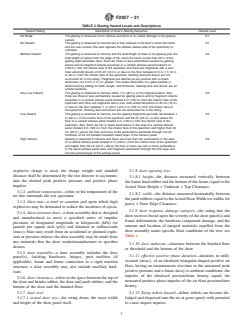
TABLE 2 Glazing Hazard Levels and Descriptions
Hazard Rating Description of Door’s Glazing Response Hazard Level
No Break The glazing is observed not to fracture and there is no visible damage to the glazing H1
system.
No Hazard The glazing is observed to fracture but is fully retained in the door’s vision lite frame H1
and the rear surface (the side opposite the airblast loaded side of the specimen) is
unbroken.
Minimal Hazard The glazing is observed to fracture and the total length of tears in the glazing plus the H2
total length of pullout from the edge of the vision lite frame is less than 20 % of the
glazing sight perimeter. Also, there are three or less perforations caused by glazing
slivers and no fragment indents anywhere in a vertical witness panel located 3 m
(120 in.) from the interior face of the specimen and there are fragments with a sum
total united dimension of 25 cm (10 in.) or less on the floor between0mto1m(0in.
to 40 in.) from the interior face of the specimen. Glazing dust and slivers are not
accounted for in the rating. Fragments are defined as any particle with a united
dimension of 2.5 cm (1 in.) or greater. The united dimension of a glass particle is
determined by adding its width, length, and thickness. Glazing dust and slivers are all
smaller particles.
Very Low Hazard The glazing is observed to fracture within1m(40in.)oftheoriginallocation. Also, H3
there are three or less perforations caused by glazing slivers and no fragment indents
anywhere in a vertical witness panel located3m(120in.)fromtheinteriorfaceofthe
specimen and there are fragments with a sum total united dimension of 25 cm (10 in.)
or less on the floor between1m(40in.)and3m(120in.)fromtheinteriorfaceof
the specimen. Glazing dust and slivers are not accounted for in the rating.
Low Hazard The glazing is observed to fracture, but the glazing fragments generally fall between 1 H4
m (40 in.) of the interior face of the specimen and 50 cm (20 in.) or less above the
floor of a vertical witness panel located3m(120in.)fromtheinteriorfaceofthe
specimen. Also, there are ten or fewer perforations in the area of a vertical witness
panel located3m(120in.)fromtheinteriorfaceofthe specimen and higher than 50
cm (20 in.) above the floor and none of the perforations penetrate through the full
thickness of the foil backed insulation board layer of the witness panel.
High Hazard Glazing is observed to fracture and there are more than ten perforations in the area H5
of a vertical witness panel located3m(120in.)fromtheinteriorfaceofthe specimen
and higher than 50 cm (20 in.) above the floor or there are one or more perforations
in the same witness panel area with fragment penetration through the first layer and
into the second layer of the witness panel.
explosive charge is used, the charge weight and standoff 3.1.8 door opening size:
distance shall be determined by the test director to accommo-
3.1.8.1 height—the distance measured vertically between
date the desired peak positive pressure and positive phase
the frame head rabbet and the bottom of the frame; equal to the
impulse.
Actual Door Height + Undercut + Top Clearance.
3.1.2 ambient temperature—refers to the temperature of the
3.1.8.2 width—the distance measured horizontally between
air that surrounds the test specimen.
thejambrabbets;equaltotheActualDoorWidth(orwidthsfor
3.1.3 blast mat—a steel or concrete pad upon which high
pairs) + Door Edge Clearance.
explosives may be detonated to reduce the incidence of ejecta.
3.1.9 door response damage category—the rating that the
3.1.4 blast-resistant door—a door assembly that is designed
door receives based upon the severity of the door panel(s) and
and manufactured to resist a specified series of impulse
frame deformation, the hardware component damage, and the
pressures of designated magnitude in kilopascals (kPa) (or
amount and location of integral materials expelled from the
pounds per square inch (psi)) and duration in milliseconds
door assembly under specific blast conditions of the test; see
(msec); blast may result from an accidental or planned explo-
Table 1.
sion or pressure release; the door assembly may be made from
any materials that the door vendor/manufacturer or specifier
3.1.10 door undercut—clearance between the finished floor
desires.
or threshold and the bottom of the door.
3.1.5 door assembly—a door assembly includes the door
3.1.11 effective positive phase duration—duration, in milli-
panel(s), latching hardware, hinges, post mullion (if
seconds (msec), of an idealized triangular-shaped positive air
applicable), frame and frame connection to a rigid reaction
blast, having an instantaneous rise-time to the measured peak
structure; a door assembly may also include ancillary hard-
positive pressure and a linear decay to ambient conditions; the
ware.
impulse of the idealized pressure/time history equals the
3.1.6 door clearance—referstothespacebetweenthetopof
measured positive phase impulse of the air blast pressure/time
the door and header rabbet, the door and jamb rabbets, and the
history.
bottom of the door and the finished floor.
3.1.12 flying debris hazard—debris which can become dis-
3.1.7 door size:
lodged and dispersed into the air at great speed, with potential
3.1.7.1 actual door size—for swing doors, the exact width
and height of the door panel itself. to cause impact injuries.
F2927 − 21
3.1.13 force gauge—a measuring instrument used to mea- 3.1.23 openable—door can be unlatched from either the
sure the force during a push or pull opening/closing test on the threat or secure side, as determined by specifier, and swung
door (kg or lb). open far enough to allow ingress and/or egress; the amount of
ingress/egress is determined by the specifier.
3.1.14 fragments—fragments to be considered in rating the
glazing or glazing system include those generated by the
3.1.24 operable—door can be unlatched and swung open,
glazing, and any other parts of the glazing system not consid- and then closed and latched; the door is able to be locked and
ered to be part of the test facility.
unlocked by normal means.
3.1.15 glazing:
3.1.25 peak positive pressure—the maximum measured
3.1.15.1 glazing hazard level—when the door is equipped positive phase air blast pressure in kilopascals (kPa) (or
with a vision lite, a rating is assigned to the performance of the pounds-force per square foot (psf) or pounds-force per square
glazing and the glazing system components based on the inch (psi)).
amount and location of integral materials expelled from the
3.1.26 permanent deformation—the permanent displace-
vision lite under specific blast conditions of the test; see Table
ment from an original position remaining after an applied load
2.
has been removed, measured in millimeters (mm) (or inches
3.1.15.2 glazing materials—transparent or translucent ma-
(in.)).
terials used for windows within the door’s vision lite; glazing
3.1.27 positive phase duration—the duration, in millisec-
materials may be tinted, colored, or coated.
onds (msec), of a classic air blast pressure/time history, having
3.1.15.3 glazing system—the assembly comprised of the
a nearly instantaneous rise-time to the peak positive pressure
glazing, its framing system, and anchoring devices of the
and an exponential decay to ambient conditions; a negative
visionlitethatmounttothedoorpanel;theglazingsystemmay
phase of the air blast pressure will follow the positive phase;
include, but not be limited to those fabricated from monolithic
however, it does not need to be included in this test method
glass, laminated glass, plastic, glass-clad plastics, glass/plastic
unless required by the specifier.
glazing materials, and filmed-backed glass; the vision lite
3.1.28 positive phase impulse—the integral of the measured
glazing system also includes the frame kit(s), the fasteners, and
positive phase air blast pressure/time history, expressed in
the glazing compound.
kilopascals-millisecond (kPa-msec) (or pounds-force per
3.1.16 hardware:
square foot-millisecond (psf-msec) or pounds-force per square
3.1.16.1 ancillary hardware—any hardware included on a
inch-millisecond (psi-msec)).
door system that does not provide primary engagement of the
3.1.29 post mullion—a slender vertical member that subdi-
door leaf(s) to the jamb; ancillary hardware may include but is
vides a door opening.
not limited to: door pulls, knobs, openers, closers, push plates,
3.1.30 rabbet—the recess or offset in the frame to receive
kickplates,coordinators,identificationtagsandlabels,gaskets,
the door.
etc.
3.1.31 rebound—stress reversal in the material of the door.
3.1.16.2 frame mounting hardware—hardware, such as
bolts, that provide the door system’s structural connection to
3.1.32 seating pressure—an applied pressure that causes the
the test structure.
door to seat against the frame, expressed in kilopascals (kPa)
(or pounds-force per square foot (psf) or pounds-force per
3.1.16.3 restraining hardware—hardware that provides pri-
mary door leaf connection/engagement to the door frame; may square inch (psi)).
include but not limited to, the hinges, latch hardware, throw
3.1.33 secure door—the door is not openable nor man-
bolts, latch bolts, head/foot bolt(s), etc.
passible using the force of one person from the threat side
3.1.17 header—the main horizontal member that forms the without tools.
top of the door frame.
3.1.34 shock tube—an apparatus that produces a shock load
3.1.18 hinges—hinges consist of butt plates, bearings, and
used for testing building components.
fasteners.
3.1.35 specifier—individual or party requiring that a door
3.1.19 jamb—the main vertical members forming the sides
assembly meets specific blast resistance criteria.
of the door frame.
3.1.36 standoff/range:
3.1.20 latch bolt(s)—a bolt or bolts, typically spring-
3.1.36.1 minimum range—when testing with an explosive
activated and beveled, in the edge of the door to keep the door
charge to this standard, to avoid brittle modes of response from
1/3
closed.
the blast the scaled range of the charge shall be 1.19 m/kg
1/3
(3 ft⁄lb ) or greater from the test specimen, with an absolute
3.1.21 latching mechanisms—latching mechanisms may
minimum of 1 m (39 in.) standoff of the charge from the test
consist of a latchset or lockset, lever handles, decorative trim,
an emergency exit crossbar or push pad, extension rods for specimen.
multi-point latches, frame-mounted strike plates, fasteners, etc.
3.1.36.2 scaled range—the scaled range is the distance at
3.1.22 man-passible—terminology is defined by Test which a uniform loading can be expected; any distance less
Method F3038-14. than that will result in a breaching form of loading.
F2927 − 21
3.1.36.3 standoff distance—thedistancefromthecentroidof known air blast pressure over a given period of time. The door
theexplosivechargetothespecifieddooropening;thedistance shall be evaluated using the five (5) Door Response Damage
is measured in meters (feet). Categories defined in 1.4 and Table 1. For doors equipped with
avisionlite,theglazingandglazingsystemofthedoorlitewill
3.1.37 strain gauge—adevicethatindicatesthestrainonthe
also be evaluated using the six (6) hazard rating system defined
material or structure at point of application.
in 1.6 and Table 2.
3.1.38 strike plate—a metal plate affixed to the door jamb
with a hole or holes for the latchbolt(s) of the door; when the
5. Significance and Use
doorisclosed,thelatchbolt(s)extendintothehole(s)andholds
5.1 This test method provides standardized procedures that
the door closed.
must be followed to establish that a particular door assembly
3.1.39 test agency—the party performing the testing and
meets a defined damage category (Table 1). Test results can be
documenting the test results.
used to specify a door assembly for a particular pressure/time
3.1.40 test director—the individual identified by the test
loading and damage level.
agency as being responsible to complete the specified tests as
5.2 When a door system is subjected to this test method, it
required and to document the results in accordance with this
does not imply that a door system of visually similar design
test method; the test director must sign all of the test reports.
will resist the same applied test load. The probability that a
3.1.41 test frame—the rigid steel fixture supporting the test
single door assembly will resist the specified air blast pressure
specimen; the fixture allows for the installation of the door
for which it is certified increases with the number of test
assembly onto the blast simulator, shock tube or at a particular
specimens used to certify the door design. See Annex A1 for
standoff distance from an explosion in an open-air arena; the
additional statistical considerations.
door assembly will be installed to the test frame in a manner
5.3 Arenatestingandshocktubetestingmaynottranslateto
similar to the way it would be installed into a steel subframe.
equivalent results from one method to the other. A specifier
3.1.42 test load—the specified pressure differential (positive
may require testing using one method instead of the other. The
or negative) for which the specimen is to be rated, expressed in
specifier should be consulted prior to the initiation of any
kilopascals (kPa) (or pounds-force per square foot (psf) or
testing.
pounds-force per square inch (psi)).
6. Apparatus
3.1.43 test specimen—a complete door assembly provided
for the test; it includes a door panel(s), a frame, hardware, and
6.1 Test Facility—Test facilities shall be accredited for this
anchors to attach the frame to the test frame; a test specimen
method to the requirements of ISO/IEC 17025 or qualified
may be shipped to the test site as a pre-hung unit or it can be
according to Practice E699. The test facility shall consist of
assembled at the site.
either a blast simulator, shock tube, or an open-air arena from
which the airblast loading is generated. Open-air arenas should
3.1.44 test sponsor—party requesting and sponsoring the
be sited on a clear and level terrain and be of sufficient size to
test program; the test sponsor may be the end user of the door
accommodate the detonation of the required amount of explo-
assembly or the door assembly manufacturer; the end user may
sives to provide the desired peak positive pressure and positive
desireproofofperformanceonaparticularprojectandthedoor
phaseimpulse.Thetestfacilityshallalsoconsistofatestframe
manufacturer may desire general proof of performance of a
and witness area as described below.The test facility shall also
door assembly that will be used for numerous projects.
haveatestframeandenclosure/witnessareaasdescribedin6.5
3.1.45 ultimate load—the pressure at which failure of the
and 6.6. The test director shall ensure that potential environ-
specimen occurs, expressed in kilopascals (kPa) (or pounds-
mental impact issues are determined and resolved prior to
force per square foot (psf) or pounds-force per square inch
testing.
(psi)).
6.2 Airblast Load—Either an air blast simulator, shock tube,
3.1.46 unseating pressure—an applied pressure that tends to
or a high explosive charge shall be used to generate the desired
“unseat” the door from the frame, expressed in kilopascals
peak pressure and the positive phase impulse on the test
(kPa) (pounds-force per square foot (psf) or pounds-force per
specimen. If an explosive charge is used, the charge shape and
square inch (psi)); the unseating pressure is resisted by the
location shall be determined by the test director to accommo-
restraining hardware only.
date the desired peak positive pressure and positive phase
3.1.47 vendor/manufacturer—company or individual that
impulse. See AnnexA1 for information to be used in calculat-
offers door products to clients for purchase.
ing pressures, impulses, and durations, and for accounting for
3.1.48 vision lite—the glazed area of the glazing system in
different types of explosives. Note that the procedures in
the door.
Annex A1 account for loading from a hemispherical charge
imparting load on a large facade and do not address the issues
4. Summary of Test Method of clearing or other explosive shapes.
4.1 This test method describes the required procedures, 6.3 Blast Mat—Used only in an open-air arena test. If there
apparatus, test specimens, reporting requirements, and any is a possibility of crater ejecta interfering with the test, the
other requirements necessary to verify that a door assembly explosive charge shall be placed on a blast mat. The decision
meets a defined damage category after being subjected to a to use a blast mat shall be at the discretion of the test director.
F2927 − 21
6.4 ShockTube—Ageneralshocktubeconsistsoftwomajor 6.8 Strain Gauge—Strain gauges may be used and posi-
sections: a driven section and an expansion section. The shock tioned at the discretion of the test specifier and test director.
The strain gauge sensors shall measure the electrical resistance
tube may be driven by compressed gas or explosively driven
variation from the applied force.
with fuel-air mixtures or explosives. A shock wave is created
by the sudden release of the compressed gas or explosive that,
6.9 Data Acquisition System (DAS)—The DAS shall consist
when suddenly released or ignited, creates a shock wave that
of an analog or digital recording system with enough data
travels into the expansion section. As the shock wave travels
channels to accommodate the pressure transducers and any
throughtheexpansionsection,itenlarges.Thetestspecimenor
other electronic measuring devices. The DAS must operate at
target is generally located at the end of the expansion section,
a sufficiently high frequency to record reliably the peak
opposite the driven section. The peak pressure and impulse
positive pressure. The DAS shall also incorporate filters to
appliedtothetargetiscontrolledbytheinitialconditionsofthe
preclude alias frequency effects from the data. Pressure trans-
driven section. Specific features of shock tub
...
Questions, Comments and Discussion
Ask us and Technical Secretary will try to provide an answer. You can facilitate discussion about the standard in here.
Loading comments...