

ASTM E3171-21a
(Test Method)Standard Test Method for Determination of Total Silver in Textiles by ICP-OES or ICP-MS Analysis
General Information
- Abstract
SIGNIFICANCE AND USE
5.1 Silver may be used to treat consumer textile products to provide enhanced antimicrobial (fungi, bacteria, viruses) properties (3, 4). At any point in a textile product’s lifecycle, there may be a need to measure the amount of silver present. This standard prescribes a test method based on ICP-OES or ICP-MS analysis that manufacturers, producers, analysts, policymakers, regulators, and others may use for measurement of total silver in textiles. As described in Guide E3025, determination of total silver in a consumer textile product is one component of a tiered approach to determine if silver is present, possibly as nanomaterial(s) (one or more external dimensions in the nanoscale), prior to measuring the form and dimension of the Ag that is found. ICP-OES or ICP-MS analysis alone is not sufficient to determine whether a textile contains silver nanomaterial(s).
Note 4: There are many different chemical and physical forms of silver that are used to treat textiles and an overview of this topic is provided in Guide E3025.
5.2 As described in Guide E3025, the amount of silver in a textile can decrease over time as silver metal and silver compounds can react with oxygen and other oxidation-reduction (redox) active agents present in the environment to form soluble ionic species which are released by contact with moisture (for example, from ambient humidity, washing, body sweat, rain, or other sources). Hence, if silver is measured in a textile, the result may only be indicative of that moment in the article’s life cycle and great care is necessary in drawing temporal inferences from the results.
5.3 If silver is measured by ICP-OES or ICP-MS analysis, additional analyses are needed to elucidate the form of silver in the textile specimen. This step is necessary because ICP-OES or ICP-MS results are for total silver independent of chemical and physical form and textiles may be treated with silver in sizes that range from the nanoscale (for example, salt nanopartic...
SCOPE
1.1 This test method covers the use of inductively coupled plasma–optical emission spectrometry (ICP-OES) and inductively coupled plasma–mass spectrometry (ICP-MS) analyses for determination of the mass fraction of total silver in consumer textile products made of any combination of natural or manufactured fibers. Either ICP-OES or ICP-MS analysis is recommended as a first step to test for and quantify silver in a textile and results can be used to inform subsequent, more detailed analyses as part of the tiered approach described in Guide E3025 to determine if a textile contains silver nanomaterial(s).
1.2 This test method prescribes acid digestion to prepare test sample solutions from samples of textiles utilizing an appropriate internal standard followed by external calibration and analysis with either ICP-OES or ICP-MS to quantify total silver.
1.3 This test method is believed to provide quantitative results for textiles made of fibers of rayon, cotton, polyester, and lycra that contain metallic silver (see Section 17). It is the analyst’s responsibility to establish the efficacy (ability to achieve the planned and desired analytical result) of this test method for other textile matrices and forms of silver.
1.4 Units—The values stated in SI units are to be regarded as standard. No other units of measurements are included in this standard.
1.5 This standard does not purport to address all of the safety concerns, if any, associated with its use. It is the responsibility of the user of this standard to establish appropriate safety, health, and environmental practices and determine the applicability of regulatory limitations prior to use.
1.6 This international standard was developed in accordance with internationally recognized principles on standardization established in the Decision on Principles for the Development of International Standards, Guides and Recommendations issued by the World Trade Organiz...
- Status
- Published
- Publication Date
- 31-Jul-2021
- Technical Committee
- E56 - Nanotechnology
- Drafting Committee
- E56.06 - Nano-Enabled Consumer Products
Buy Documents
ASTM E3171-21a - Standard Test Method for Determination of Total Silver in Textiles by ICP-OES or ICP-MS Analysis
REDLINE ASTM E3171-21a - Standard Test Method for Determination of Total Silver in Textiles by ICP-OES or ICP-MS Analysis
Overview
ASTM E3171-21a - Standard Test Method for Determination of Total Silver in Textiles by ICP-OES or ICP-MS Analysis - establishes a protocol for quantifying the total silver content in textiles, covering both natural and manufactured fibers. The method is based on advanced analytical techniques: Inductively Coupled Plasma–Optical Emission Spectrometry (ICP-OES) and Inductively Coupled Plasma–Mass Spectrometry (ICP-MS). This standard is intended for manufacturers, analysts, regulators, and other stakeholders to assess silver content in consumer textile products, an important aspect due to the increasing use of silver for antimicrobial purposes.
Key Topics
- Measurement Scope: Applies to textiles composed of any combination of natural (e.g., cotton, rayon) or manufactured (e.g., polyester, lycra) fibers, including those treated with various chemical or physical forms of silver.
- Analytical Techniques: Utilizes acid digestion of textile samples, followed by quantification of total silver using either ICP-OES or ICP-MS. Results are normalized to the sample mass and reported in SI units.
- Tiered Analytical Approach: Serves as a first step in a systematic process-per ASTM Guide E3025-to detect silver, including potential nanomaterials, in textiles before any further characterization of form or dimension.
- Quality Assurance: Includes requirements for calibration, use of internal standards, blank corrections, and verification of instrument performance to ensure accuracy and reproducibility.
- Consideration of Lifecycle Changes: Recognizes that silver content in textiles may decline over time due to environmental interactions, making single measurements moment-specific.
Applications
- Antimicrobial and Functional Textiles: Ensuring accurate quantification of silver in textiles that are marketed for antimicrobial or other functional benefits.
- Regulatory Compliance: Supporting assessment against regional and international silver content regulations for textiles, including safety and environmental considerations.
- Quality Control and Product Verification: Assisting manufacturers and suppliers in verifying silver content throughout production and supply chain stages.
- Research and Development: Providing a standardized method for R&D teams exploring new silver-based textile finishes or studying silver release characteristics.
- Consumer Product Testing: Enabling consumer advocacy and testing organizations to compare silver levels in retail textiles.
Related Standards
- ASTM E3025: Guide for Tiered Approach to Detection and Characterization of Silver Nanomaterials in Textiles.
- ASTM D123: Terminology Relating to Textiles.
- ASTM D1193: Specification for Reagent Water.
- ASTM D6413: Test Method for Flame Resistance of Textiles.
- ASTM D7035 / D7439: Methods involving the determination of metals in samples by ICP techniques.
- ASTM E2456: Terminology Relating to Nanotechnology.
- ISO/IEC Guide 99: International vocabulary of metrology.
- ISO 17034: General requirements for the competence of reference material producers.
- EPA Method 200.8: Determination of Trace Elements in Waters and Wastes by ICP-MS.
Practical Value
The ASTM E3171-21a standard delivers significant benefits for the analysis of silver in textiles:
- Reliability: Standardized procedures produce consistent, comparable results across laboratories and products.
- Versatility: Applicable to a wide range of textile types and silver treatments, supporting diverse industrial needs.
- Support for Innovation: Facilitates responsible development of nano-enabled and antimicrobial textiles by providing a robust measurement method.
- Enhanced Compliance: Assists organizations in meeting strict regulatory and safety requirements, reducing risk of nonconformance.
- Data-Driven Decisions: Informs lifecycle assessments, quality assurance, and consumer protection by accurately quantifying silver levels.
Implementing ASTM E3171-21a ensures robust, transparent, and science-based verification of silver in textiles, building trust throughout the market and advancing public health and product performance goals.
Relations
- Effective Date
- 01-Feb-2024
- Effective Date
- 15-Sep-2019
- Effective Date
- 01-Jan-2018
- Effective Date
- 01-Nov-2017
- Effective Date
- 01-Mar-2017
- Effective Date
- 15-Sep-2015
- Effective Date
- 01-Sep-2015
- Effective Date
- 01-Apr-2015
- Effective Date
- 15-Jun-2013
- Effective Date
- 15-Jun-2013
- Effective Date
- 15-May-2013
- Effective Date
- 01-May-2013
- Effective Date
- 01-Jun-2012
- Effective Date
- 01-Feb-2012
- Effective Date
- 01-Feb-2012
Buy Documents
ASTM E3171-21a - Standard Test Method for Determination of Total Silver in Textiles by ICP-OES or ICP-MS Analysis
REDLINE ASTM E3171-21a - Standard Test Method for Determination of Total Silver in Textiles by ICP-OES or ICP-MS Analysis
Get Certified
Connect with accredited certification bodies for this standard

Control Union Certifications
Global certification for agriculture and sustainability.

Hohenstein Institut
Textile testing and certification.

Bureau Veritas Bangladesh
Bureau Veritas certification services in Bangladesh.
Sponsored listings
Frequently Asked Questions
ASTM E3171-21a is a standard published by ASTM International. Its full title is "Standard Test Method for Determination of Total Silver in Textiles by ICP-OES or ICP-MS Analysis". This standard covers: SIGNIFICANCE AND USE 5.1 Silver may be used to treat consumer textile products to provide enhanced antimicrobial (fungi, bacteria, viruses) properties (3, 4). At any point in a textile product’s lifecycle, there may be a need to measure the amount of silver present. This standard prescribes a test method based on ICP-OES or ICP-MS analysis that manufacturers, producers, analysts, policymakers, regulators, and others may use for measurement of total silver in textiles. As described in Guide E3025, determination of total silver in a consumer textile product is one component of a tiered approach to determine if silver is present, possibly as nanomaterial(s) (one or more external dimensions in the nanoscale), prior to measuring the form and dimension of the Ag that is found. ICP-OES or ICP-MS analysis alone is not sufficient to determine whether a textile contains silver nanomaterial(s). Note 4: There are many different chemical and physical forms of silver that are used to treat textiles and an overview of this topic is provided in Guide E3025. 5.2 As described in Guide E3025, the amount of silver in a textile can decrease over time as silver metal and silver compounds can react with oxygen and other oxidation-reduction (redox) active agents present in the environment to form soluble ionic species which are released by contact with moisture (for example, from ambient humidity, washing, body sweat, rain, or other sources). Hence, if silver is measured in a textile, the result may only be indicative of that moment in the article’s life cycle and great care is necessary in drawing temporal inferences from the results. 5.3 If silver is measured by ICP-OES or ICP-MS analysis, additional analyses are needed to elucidate the form of silver in the textile specimen. This step is necessary because ICP-OES or ICP-MS results are for total silver independent of chemical and physical form and textiles may be treated with silver in sizes that range from the nanoscale (for example, salt nanopartic... SCOPE 1.1 This test method covers the use of inductively coupled plasma–optical emission spectrometry (ICP-OES) and inductively coupled plasma–mass spectrometry (ICP-MS) analyses for determination of the mass fraction of total silver in consumer textile products made of any combination of natural or manufactured fibers. Either ICP-OES or ICP-MS analysis is recommended as a first step to test for and quantify silver in a textile and results can be used to inform subsequent, more detailed analyses as part of the tiered approach described in Guide E3025 to determine if a textile contains silver nanomaterial(s). 1.2 This test method prescribes acid digestion to prepare test sample solutions from samples of textiles utilizing an appropriate internal standard followed by external calibration and analysis with either ICP-OES or ICP-MS to quantify total silver. 1.3 This test method is believed to provide quantitative results for textiles made of fibers of rayon, cotton, polyester, and lycra that contain metallic silver (see Section 17). It is the analyst’s responsibility to establish the efficacy (ability to achieve the planned and desired analytical result) of this test method for other textile matrices and forms of silver. 1.4 Units—The values stated in SI units are to be regarded as standard. No other units of measurements are included in this standard. 1.5 This standard does not purport to address all of the safety concerns, if any, associated with its use. It is the responsibility of the user of this standard to establish appropriate safety, health, and environmental practices and determine the applicability of regulatory limitations prior to use. 1.6 This international standard was developed in accordance with internationally recognized principles on standardization established in the Decision on Principles for the Development of International Standards, Guides and Recommendations issued by the World Trade Organiz...
SIGNIFICANCE AND USE 5.1 Silver may be used to treat consumer textile products to provide enhanced antimicrobial (fungi, bacteria, viruses) properties (3, 4). At any point in a textile product’s lifecycle, there may be a need to measure the amount of silver present. This standard prescribes a test method based on ICP-OES or ICP-MS analysis that manufacturers, producers, analysts, policymakers, regulators, and others may use for measurement of total silver in textiles. As described in Guide E3025, determination of total silver in a consumer textile product is one component of a tiered approach to determine if silver is present, possibly as nanomaterial(s) (one or more external dimensions in the nanoscale), prior to measuring the form and dimension of the Ag that is found. ICP-OES or ICP-MS analysis alone is not sufficient to determine whether a textile contains silver nanomaterial(s). Note 4: There are many different chemical and physical forms of silver that are used to treat textiles and an overview of this topic is provided in Guide E3025. 5.2 As described in Guide E3025, the amount of silver in a textile can decrease over time as silver metal and silver compounds can react with oxygen and other oxidation-reduction (redox) active agents present in the environment to form soluble ionic species which are released by contact with moisture (for example, from ambient humidity, washing, body sweat, rain, or other sources). Hence, if silver is measured in a textile, the result may only be indicative of that moment in the article’s life cycle and great care is necessary in drawing temporal inferences from the results. 5.3 If silver is measured by ICP-OES or ICP-MS analysis, additional analyses are needed to elucidate the form of silver in the textile specimen. This step is necessary because ICP-OES or ICP-MS results are for total silver independent of chemical and physical form and textiles may be treated with silver in sizes that range from the nanoscale (for example, salt nanopartic... SCOPE 1.1 This test method covers the use of inductively coupled plasma–optical emission spectrometry (ICP-OES) and inductively coupled plasma–mass spectrometry (ICP-MS) analyses for determination of the mass fraction of total silver in consumer textile products made of any combination of natural or manufactured fibers. Either ICP-OES or ICP-MS analysis is recommended as a first step to test for and quantify silver in a textile and results can be used to inform subsequent, more detailed analyses as part of the tiered approach described in Guide E3025 to determine if a textile contains silver nanomaterial(s). 1.2 This test method prescribes acid digestion to prepare test sample solutions from samples of textiles utilizing an appropriate internal standard followed by external calibration and analysis with either ICP-OES or ICP-MS to quantify total silver. 1.3 This test method is believed to provide quantitative results for textiles made of fibers of rayon, cotton, polyester, and lycra that contain metallic silver (see Section 17). It is the analyst’s responsibility to establish the efficacy (ability to achieve the planned and desired analytical result) of this test method for other textile matrices and forms of silver. 1.4 Units—The values stated in SI units are to be regarded as standard. No other units of measurements are included in this standard. 1.5 This standard does not purport to address all of the safety concerns, if any, associated with its use. It is the responsibility of the user of this standard to establish appropriate safety, health, and environmental practices and determine the applicability of regulatory limitations prior to use. 1.6 This international standard was developed in accordance with internationally recognized principles on standardization established in the Decision on Principles for the Development of International Standards, Guides and Recommendations issued by the World Trade Organiz...
ASTM E3171-21a is classified under the following ICS (International Classification for Standards) categories: 59.080.01 - Textiles in general. The ICS classification helps identify the subject area and facilitates finding related standards.
ASTM E3171-21a has the following relationships with other standards: It is inter standard links to ASTM E694-18(2024), ASTM C1625-19, ASTM E694-18, ASTM E288-10(2017), ASTM D123-17, ASTM D123-15b, ASTM D123-15a, ASTM D123-15, ASTM D123-13a, ASTM D123-13ae1, ASTM D123-13, ASTM E691-13, ASTM C1625-12, ASTM D123-12e1, ASTM D123-12. Understanding these relationships helps ensure you are using the most current and applicable version of the standard.
ASTM E3171-21a is available in PDF format for immediate download after purchase. The document can be added to your cart and obtained through the secure checkout process. Digital delivery ensures instant access to the complete standard document.
Standards Content (Sample)
This international standard was developed in accordance with internationally recognized principles on standardization established in the Decision on Principles for the
Development of International Standards, Guides and Recommendations issued by the World Trade Organization Technical Barriers to Trade (TBT) Committee.
Designation: E3171 − 21a
Standard Test Method for
Determination of Total Silver in Textiles by ICP-OES or
ICP-MS Analysis
This standard is issued under the fixed designation E3171; the number immediately following the designation indicates the year of
original adoption or, in the case of revision, the year of last revision.Anumber in parentheses indicates the year of last reapproval.A
superscript epsilon (´) indicates an editorial change since the last revision or reapproval.
1. Scope 1.6 This international standard was developed in accor-
dance with internationally recognized principles on standard-
1.1 This test method covers the use of inductively coupled
ization established in the Decision on Principles for the
plasma–optical emission spectrometry (ICP-OES) and induc-
Development of International Standards, Guides and Recom-
tively coupled plasma–mass spectrometry (ICP-MS) analyses
mendations issued by the World Trade Organization Technical
for determination of the mass fraction of total silver in
Barriers to Trade (TBT) Committee.
consumer textile products made of any combination of natural
or manufactured fibers. Either ICP-OES or ICP-MS analysis is
2. Referenced Documents
recommended as a first step to test for and quantify silver in a
2.1 ASTM Standards:
textile and results can be used to inform subsequent, more
D123Terminology Relating to Textiles
detailed analyses as part of the tiered approach described in
D1193Specification for Reagent Water
Guide E3025 to determine if a textile contains silver nanoma-
D4210Practice for Intralaboratory Quality Control Proce-
terial(s).
dures and a Discussion on Reporting Low-Level Data
1.2 Thistestmethodprescribesaciddigestiontopreparetest
(Withdrawn 2002)
sample solutions from samples of textiles utilizing an appro-
D6413Test Method for Flame Resistance of Textiles (Ver-
priate internal standard followed by external calibration and
tical Test)
analysis with either ICP-OES or ICP-MS to quantify total
D7035Test Method for Determination of Metals and Met-
silver.
alloids in Airborne Particulate Matter by Inductively
1.3 This test method is believed to provide quantitative Coupled Plasma Atomic Emission Spectrometry (ICP-
results for textiles made of fibers of rayon, cotton, polyester, AES)
and lycra that contain metallic silver (see Section 17). It is the D7439Test Method for Determination of Elements in Air-
analyst’s responsibility to establish the efficacy (ability to borne Particulate Matter by Inductively Coupled Plasma-
achieve the planned and desired analytical result) of this test –Mass Spectrometry
method for other textile matrices and forms of silver. E288Specification for Laboratory Glass Volumetric Flasks
E691Practice for Conducting an Interlaboratory Study to
1.4 Units—The values stated in SI units are to be regarded
Determine the Precision of a Test Method
as standard. No other units of measurements are included in
E694Specification for Laboratory Glass Volumetric Appa-
this standard.
ratus
1.5 This standard does not purport to address all of the
E1613Test Method for Determination of Lead by Induc-
safety concerns, if any, associated with its use. It is the
tively Coupled Plasma Atomic Emission Spectrometry
responsibility of the user of this standard to establish appro-
(ICP-AES), Flame Atomic Absorption Spectrometry
priate safety, health, and environmental practices and deter-
(FAAS), or Graphite Furnace Atomic Absorption Spec-
mine the applicability of regulatory limitations prior to use. 3
trometry (GFAAS) Techniques (Withdrawn 2021)
1 2
This test method is under the jurisdiction of ASTM Committee E56 on For referenced ASTM standards, visit the ASTM website, www.astm.org, or
Nanotechnology and is the direct responsibility of Subcommittee E56.06 on contact ASTM Customer Service at service@astm.org. For Annual Book of ASTM
Nano-Enabled Consumer Products. Standards volume information, refer to the standard’s Document Summary page on
Current edition approved Aug. 1, 2021. Published August 2021. Originally the ASTM website.
ɛ1 3
approved in 2021. Last previous edition approved in 2021 as E3171 – 21 . DOI: The last approved version of this historical standard is referenced on
10.1520/E3171-21A. www.astm.org.
Copyright © ASTM International, 100 Barr Harbor Drive, PO Box C700, West Conshohocken, PA 19428-2959. United States
E3171 − 21a
E2456Terminology Relating to Nanotechnology Plasma – Mass Spectrometry
E3025Guide for TieredApproach to Detection and Charac-
2.5 U.S. Code of Federal Regulations:
terization of Silver Nanomaterials in Textiles
16CFRParts1615and1616StandardsfortheFlammability
2.2 AATCC Standards:
of Children’s Sleepwear
AATCC 135Dimensional Changes of Fabrics after Home
Laundering
3. Terminology
2.3 ISO Standards:
3.1 Definitions:
ISO/IEC Guide 99International vocabulary of metrology –
3.1.1 For additional definitions related to textiles, see Ter-
Basic and general concepts and associated terms (VIM)
minology D123; for additional definitions related to
ISO 17034General requirements for the competence of
nanotechnology,seeISO80004-1andTerminologyE2456;for
reference material producers
additional definitions related to measurements, see ISO/IEC
ISO 22036Determination of trace elements in extracts of
Guide 99; and for additional definitions related to ICP-OES
soil by inductively coupled plasma – atomic emission
and ICP-MS analyses, see Test Methods D7035 and D7439,
spectrometry (ICP-AES)
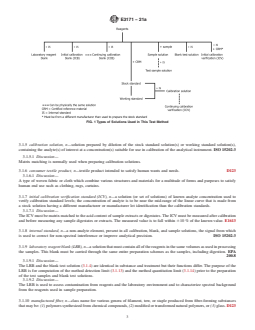
respectively. Fig. 1 shows the types of solutions used in this
ISO 3585Glass plant, pipelines and fittings – Properties of
standard.
borosilicate glass
3.1.2 analyte, n—element or constituent to be determined.
ISO 10136-1Glass and glassware – Analysis of extract
ISO 10136-1
solutions – Part 1: Determination of silicon dioxide by
3.1.3 background correction, n—the process of correcting
molecular absorption spectrometry
the intensity at an analytical wavelength or mass/charge (m/z)
ISO 15202-3Workplace air – Determination of metals and
for the intensity due to the underlying spectral background of
metalloids in airborne particulate matter by inductively
a blank. adapted from ISO 15202-3
coupled plasma atomic emission spectrometry – Part 3:
3.1.4 blank test solution, n—solution prepared in the same
Analysis
way as the test sample solution but omitting the test portion.
ISO TS 80004-1Nanotechnologies – Vocabulary – Part 1:
ISO 22036
Core terms
3.1.4.1 Discussion—The blank test solution enables quanti-
2.4 EPA Standards:
fication of contamination introduced during test sample solu-
Method 200.8, Revision 5.4Determination of Trace Ele-
tion preparation from sources such as reagents, labware, and
ments in Waters and Wastes by Inductively Coupled
the environment. The blank test solution must be prepared and
analyzed under the same operating conditions as the test
Available from American Association of Textile Chemists and Colorists sample solutions.
(AATCC), P.O. Box 12215, Research Triangle Park, NC 27709-2215, http://
3.1.5 calibration solution, n—solution prepared by dilution
www.aatcc.org.
of the stock standard solution(s) or working standard
Available fromAmerican National Standards Institute (ANSI), 25 W. 43rd St.,
4th Floor, New York, NY 10036, http://www.ansi.org.
AvailablefromUnitedStatesEnvironmentalProtectionAgency(EPA),William
Jefferson Clinton Bldg., 1200 Pennsylvania Ave., NW, Washington, DC 20460,
Available from U.S. Government Publishing Office (GPO), 732 N. Capitol St.,
https://www.epa.gov/sites/production/files/2015-08/documents/method_200-8_rev_
NW, Washington, DC 20401, http://www.gpo.gov.
5-4_1994.pdf
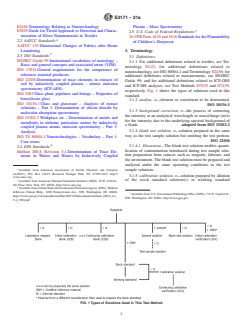
FIG. 1 Types of Solutions Used in This Test Method
E3171 − 21a
solution(s), containing the analyte(s) of interest at a concen- using an appropriate internal standard to compensate for
tration(s) suitable for use in calibration of the analytical multiplicative interference.
instrument. ISO 15202-3
3.1.12 measurand, n—quantityintendedtobemeasuredora
quantity that is being determined by measurement. ISO/IEC
3.1.5.1 Discussion—Matrix matching is normally used
Guide 99
when preparing calibration solutions.
3.1.13 method detection limit (MDL), n—the minimum
3.1.6 consumer textile product, n—textile product intended
concentration of an analyte that can be reported with a 99 %
to satisfy human wants and needs. D123
confidence that the value is above zero. D7035
3.1.6.1 Discussion—A type of woven fabric or cloth which
3.1.13.1 Discussion—The MDL is also known as the limit
combine various structures and materials for a multitude of
of detection (LOD).
forms and purposes to satisfy human end use such as clothing,
rugs, curtains. 3.1.14 method quantitation limit (MQL), n—the minimum
concentration of an analyte that can be measured with accept-
3.1.7 initial calibration verification standard (ICV), n—a
able precision, ordinarily taken to be at least ten times the
solution (or set of solutions) of known analyte concentration
standard deviation of the mean blank signal. D7035
used to verify calibration standard levels; the concentration of
3.1.14.1 Discussion—The MQL is also known as the limit
analyte is to be near the mid-range of the linear curve that is
of quantitation.
made from a stock solution having a different manufacturer or
manufacturer lot identification than the calibration standards. 3.1.15 nanomaterial, n—material with any external dimen-
sion in the nanoscale or having internal structure or surface
3.1.7.1 Discussion—TheICVmustbematrixmatchedtothe
structure in the nanoscale. ISO 80004-1
acid content of sample extracts or digestates.The ICVmust be
measured after calibration and before measuring any sample
3.1.16 nanoscale, n—range from approximately 1 to 100
digestatesorextracts.Themeasuredvalueistofallwithin 610
nm. ISO 80004-1
% of the known value. E1613
3.1.16.1 Discussion—Properties that are not extrapolations
from a larger size will typically, but not exclusively, be
3.1.8 internal standard, n—a non-analyte element, present
exhibited in this size range. For such properties the size limits
in all calibration, blank, and sample solutions, the signal from
are considered approximate.
which is used to correct for non-spectral interference or
3.1.16.2 Discussion—The lower limit in this definition (ap-
improve analytical precision. ISO 15202-3
proximately 1 nm) is introduced to avoid single and small
3.1.9 laboratory reagent blank (LRB), n—a solution that
groups of atoms from being designated as nano-objects or
mustcontainallofthereagentsinthesamevolumesasusedin
elements of nanostructures, which might be implied by the
processingthesamples.Thisblankmustbecarriedthroughthe
absence of a lower limit.
same entire preparation schemes as the samples, including
3.1.17 natural fiber, n—class name for various genera of
digestion. EPA 200.8
fibers (including filaments) of (1) animal, (2) mineral, or (3)
3.1.9.1 Discussion—The LRB and the blank test solution
vegetable origin. D123
(3.1.4) are identical in substance and treatment but their
3.1.18 sample solution, n—solution prepared from a sample
functions differ. The purpose of the LRB is for computation of
themethoddetectionlimit(3.1.13)andthemethodquantitation by the process of sample dissolution. ISO 15202-3
limit (3.1.14) prior to the preparation of the test samples and 3.1.18.1 Discussion—A sample solution might need to be
blank test solutions. subjected to further operations, for example, dilution or addi-
tion of an internal standard, or both, in order to produce a test
3.1.9.2 Discussion—The LRB is used to assess contamina-
solution that is ready for analysis.
tion from reagents and the laboratory environment and to
characterize spectral background from the reagents used in
3.1.19 spectral interference, n—an interference caused by
sample preparation.
the emission from a species other than the analyte of interest.
ISO 15202-3
3.1.10 manufactured fiber, n—classnameforvariousgenera
of filament, tow, or staple produced from fiber-forming sub-
3.1.20 stock standard solution, n—solution used for prepa-
stances that may be: (1) polymers synthesized from chemical
rationofworkingstandardsolutionsorcalibrationsolutions,or
compounds, (2) modified or transformed natural polymers, or
both, containing the analyte(s) of interest at a certified concen-
(3) glass. D123
tration(s) traceable to primary standards from internationally
recognized Certified Reference Material producers (for
3.1.11 matrix matching, n—a technique used to minimize
example, National Institute of Standards and Technology or
the effect of the test solution matrix on the analytical results.
other National Metrology Institutes). adapted from ISO
ISO 15202-3
15202-3
3.1.11.1 Discussion—Matrix matching involves preparing
3.1.21 test sample solution, n—sample solution that has
calibration solutions in which the concentrations of acids and
other major solvents and solutes are matched with those in the been subjected to all operations required to bring it into a state
in which it is ready for analysis. adapted from ISO 15202-3
test solutions. With unknown sample matrices, exact matching
is not possible. In this case, sample-specific matrix effects can 3.1.21.1 Discussion—“Readyforanalysis”includesdilution
or the addition of internal standard, or both.
be minimized by standard addition calibration method where
samples are spiked with known concentration of analyte or by 3.1.21.2 Discussion—Thetestsamplesolutionisthesample
E3171 − 21a
solution if these solutions are not subjected to any further 3.2.7 total silver, n—mass of element with atomic number
operations before analysis. 47 (isotopes, ions, metallic or zero-valent (Ag ), alloys, oxide,
or salt compounds, or combination thereof) in a consumer
3.1.22 textile, n—generaltermforfibers,yarnintermediates,
textile product.
yarns, fabrics, and products that retain all the strength,
flexibility, and other typical properties of the original fibers or
4. Summary of Test Method
filaments. D123
4.1 This test method utilizes acid digestion of a textile
3.1.23 working standard solution, n—solution, prepared by
sample, addition of an appropriate internal standard, analysis
dilution of the stock standard solution(s), that contains the
witheitherICP-OESorICP-MS,andquantificationbyexternal
analyte(s) of interest at a concentration(s) better suited for
calibrationtodeterminetotalsilver.Themassfractionofsilver
preparationofcalibrationsolutionsthantheconcentration(s)of
in each textile sample is calculated by normalizing the
the analyte(s) in the stock standard solution(s). ISO 15202-3
background-corrected measured mass of total silver to the dry
3.2 Definitions of Terms Specific to This Standard:
textile sample mass. Results are reported in SI units of kg
3.2.1 continuing calibration blank (CCB), n—calibration silver/kg textile though other units (for example, mg silver/kg
solution prepared without the addition of any stock standard textile) are common.
NOTE 1—If there is evidence that a precipitate (for example, silver
solution or working standard solution (adapted from ISO
chloride or sulfate) is present after the prescribed digestion procedure that
15202-3) that is used to verify blank response and freedom
cannot be redissolved the analyst may opt to use isotope dilution analysis
from carryover of silver. The continuing calibration blank and
(IDA) with ICP-MS to measure the mass fraction of total silver.
the initial calibration blank may physically be the same blank
NOTE 2—IDA is advantageous because an enriched isotope of the
solution but are identified separately to denote their position in analyte is used as an internal standard. After addition of the enriched
isotope of the analyte to the natural sample isotopes and complete
the analytical sequence. adapted from E1613
solubilization of the sample, their ratio becomes a proxy for the analyte
3.2.1.1 Discussion—The CCB must be matrix matched to
concentration; subsequent analyte loss (that is, precipitation) will not bias
the acid content of sample extracts and digestates.
the concentration determination.
NOTE 3—IDAis considered a primary method (1) ; however, currently
3.2.1.2 Discussion—The measured concentration of silver
there is limited data available on the application of IDA for the
in the CCB is to be (at most) less than the method quantifica-
determinationofsilverintextiles (2).Assuch,anIDA-ICP-MSmethodis
tion limit.
provided in Appendix X1 for informational purposes only.
3.2.2 continuing calibration verification (CCV), n—a solu-
5. Significance and Use
tion (or set of solutions) of known analyte concentration used
to verify freedom from excessive instrumental drift; the con-
5.1 Silver may be used to treat consumer textile products to
centration of analyte is to be near the mid-range of a linear
provide enhanced antimicrobial (fungi, bacteria, viruses) prop-
calibration curve and may be one of the actual calibration
erties (3, 4).At any point in a textile product’s lifecycle, there
solutions. adapted from E1613
may be a need to measure the amount of silver present. This
3.2.2.1 Discussion—The CCV must be matrix matched to
standard prescribes a test method based on ICP-OES or
the acid content present in sample digestates or extracts. The ICP-MS analysis that manufacturers, producers, analysts,
CCV must be analyzed before and after all samples and at a
policymakers, regulators, and others may use for measurement
frequency of not less than every ten samples. The measured of total silver in textiles. As described in Guide E3025,
value shall fall within 610 % of the known value. determination of total silver in a consumer textile product is
one component of a tiered approach to determine if silver is
3.2.3 initial calibration blank (ICB), n—calibrationsolution
present, possibly as nanomaterial(s) (one or more external
prepared without the addition of any stock standard solution or
dimensions in the nanoscale), prior to measuring the form and
working standard solution (adapted from ISO 15202-3) that is
dimension of the Ag that is found. ICP-OES or ICP-MS
used to verify blank response and freedom from carryover of
analysis alone is not sufficient to determine whether a textile
silver. The initial calibration blank and the continuing calibra-
contains silver nanomaterial(s).
tion blank may physically be the same blank solution but are
NOTE 4—There are many different chemical and physical forms of
identified separately to denote their position in the analytical
silver that are used to treat textiles and an overview of this topic is
sequence. adapted from E1613
provided in Guide E3025.
3.2.3.1 Discussion—TheICBmustbematrixmatchedtothe
5.2 As described in Guide E3025, the amount of silver in a
acid content of sample extracts and digestates. The ICB must
textile can decrease over time as silver metal and silver
be measured during and after calibration.
compounds can react with oxygen and other oxidation-
3.2.4 mass fraction, n—mass of total silver measured in a reduction (redox) active agents present in the environment to
form soluble ionic species which are released by contact with
textile normalized to the mass of textile analyzed.
moisture (for example, from ambient humidity, washing, body
3.2.5 qualitative measurement, n—result for which the rela-
sweat, rain, or other sources). Hence, if silver is measured in a
tiveuncertaintyislargeorcannotbedefinedadequatelyforthe
textile, the result may only be indicative of that moment in the
measurand.
3.2.6 quantitative measurement, n—result for which there is
knowledge of the sources of error that contribute to relative
Theboldfacenumbersinparenthesesrefertothelistofreferencesattheendof
uncertainty for the measurand. this standard.
E3171 − 21a
article’s life cycle and great care is necessary in drawing 7.2 Analytical Balance, calibrated to a traceable standard
-7
temporal inferences from the results. and capable of weighing to1×10 kg.
7.3 Digestion Tubes, 0.050 L capacity with screw-cap lid,
5.3 If silver is measured by ICP-OES or ICP-MS analysis,
made of an inert material that is capable of withstanding
additionalanalysesareneededtoelucidatetheformofsilverin
temperatures of 100 °C to 120 °C (for example, polypropyl-
the textile specimen. This step is necessary because ICP-OES
ene). Other types of tubes with screw-cap lid may be used
or ICP-MS results are for total silver independent of chemical
provided they are inert and capable of withstanding the
and physical form and textiles may be treated with silver in
temperatures encountered during the digestion.
sizes that range from the nanoscale (for example, salt nano-
particles) to the micrometer scale (for example, particulates or
7.4 Block Digester, digestion apparatus that is thermostati-
fibers).
cally controlled, capable of maintaining an internal tempera-
ture of 95 °C for samples being digested, with wells appropri-
5.4 If no silver is detected by ICP-OES, the more sensitive
ate for 0.050 Ldigestion tubes. Other size digestion tubes may
ICP-MSshouldbeusedtodetermineifsilverispresentinatest
be used with appropriately sized block digesters.
specimen. If no silver is detected in a textile sample using
appropriate (fit for purpose) analytical techniques, then testing
7.5 Optical Emission Spectrometer, differences exist among
can be terminated.
various makes and models of instruments and as such, detailed
NOTE 5—Typical method detection limits are 0.6 µgAg/Lby ICP-OES operating instructions are not provided. The analyst shall
and 0.002 µg Ag/L by ICP-MS which are comparable to limits success-
follow the instructions provided by the manufacturer of their
fully used to detect silver in a range of products, including sports textiles
particular instrument. It is the responsibility of the analyst to
and wound dressings (2).
verify that the instrument configuration and operating condi-
5.5 Results of ICP-OES or ICP-MS analysis may be quali-
tions used satisfy the analytical requirements of this test
tative or quantitative, depending upon the efficacy of the
method and to maintain quality control data confirming instru-
digestion procedure for the textile matrix. Regardless, ICP-
ment performance and analytical results.
OES or ICP-MS analysis is recommended as a first step to
7.6 Mass Spectrometer, differences exist among various
screen for the presence of silver in a textile and results can be
makes and models of instruments and as such, detailed
used to inform subsequent more detailed analyses as part of a
operating instructions are not provided. The analyst shall
tiered approach to determine if a textile contains silver nano-
follow the instructions provided by the manufacturer of their
material(s).
particular instrument. It is the responsibility of the analyst to
verify that the instrument configuration and operating condi-
6. Interferences
tions used satisfy the analytical requirements of this test
6.1 Potential exists for silver precipitates after the digestion
method and to maintain quality control data confirming instru-
step which would result in incomplete measurement of silver.
ment performance and analytical results.
Chlorideandsulfideareknowntoreactwithdissolvedsilverto
8. Reagents and Materials
form poorly soluble precipitates (5, 6).These elements may be
present in some reagents, textile matrices, waters
8.1 Purity of Reagents—Trace metal grade nitric acid
(environmental, tap), and bodily fluids (for example, sweat)
(concentrated), hydrogen peroxide, ammonium hydroxide, and
that could come into contact with a textile. If silver sulfide
hydrochloric acid shall be used in all tests. Unless otherwise
precipitates are formed, additional treatment steps shall be
indicated, it is intended that all reagents shall conform to the
taken to redissolve the silver prior to ICPanalysis (see Section
specifications of the Committee onAnalytical Reagents of the
12). When hydrochloric acid (1% v/v) is used, the total
American Chemical Society, where such specifications are
recoverable sample digestion by this test method will effec-
available. Other grades may be used, provided it is first
tively form a soluble form of AgCl that is suitable for the
ascertained that the reagent is of sufficiently high purity to
determination of silver in aqueous samples containing concen-
permit its use without lessening the accuracy of the determi-
trations up to 100 µg silver/L (7). Alternatively, IDA-ICP-MS
nation.
might be a useful method (see Appendix X1).
8.2 Purity of Water—Unless otherwise indicated, references
to water shall be understood to mean reagent water that
7. Apparatus
conformstotheresistivityrequirementof18.2MΩ·cm(25°C)
7.1 Labware, Glassware, Beakers, and Volumetric Flasks,
for Type I water in Specification D1193.
that comply with the requirements of Specifications E288 and
8.3 Stock Standard Solutions—Prepare from high-purity
E694 and are made of borosilicate glass that complies with the
silver standard having certified concentration(s) traceable to
requirements of ISO 3585. Glassware shall be cleaned before
primary standards. Alternatively, one can use commercially
use by soaking in nitric acid for at least 24 hours and then
rinsing thoroughly with water.Alternatively, before use, glass-
wareshallbecleanedwithasuitablelaboratorydetergentusing
ACS Reagent Chemicals, Specifications and Procedures for Reagents and
Standard-Grade Reference Materials, American Chemical Society, Washington,
a laboratory washing machine. Metals-free polymer labware
DC. For suggestions on the testing of reagents not listed by theAmerican Chemical
(for example, fluoropolymer, polypropylene, and low- or
Society, see Analar Standards for Laboratory Chemicals, BDH Ltd., Poole, Dorset,
high-density polyethylene) is recommended, particularly for
U.K., and the United States Pharmacopeia and National Formulary, U.S. Pharma-
trace level analyses by ICP-MS. copeial Convention, Inc. (USPC), Rockville, MD.
E3171 − 21a
available stock silver solutions manufactured by an ISO 17034 compliance with authorities having jurisdiction, and (2)
accredited supplier that are specifically prepared for ICP-OES deemed appropriate by the Chemical Hygiene Officer or
or ICP-MS spectrometry and are traceable to primary stan- person(s) responsible for administering the Chemical Hygiene
dards. Plan.
8.4 Internal Standard Solution—Prepare from high-purity
10. Sampling and Test Specimens
standards of the internal standard element of choice having
10.1 Atextile of interest is obtained and the desired number
certified concentration(s) traceable to primary standards. The
of representative samples are cut from the textile using
internal standard shall be compatible with the test sample
silver-free (for example, plastic or ceramic) scissors in accor-
matrix and stock standard solution matrix. The internal stan-
dance with an appropriate sampling strategy that captures the
dard should be an element that is not a component of the test
areas that contain silver. The sampling plan (including the
sample and should not introduce a spectral or isobaric inter-
collection strategy and number of samples) should be fit for its
ference for the analyte of interest. Ideally, the internal standard
intendedpurpose.Additionally,fortextileswheresilvermaybe
shall show similar chemical and analytical behavior to silver
distributed heterogeneously such as garments, care should be
and should be chosen on the basis of a correlation study. As
taken to collect samples using a strategy that captures spatial
specified in Test Method D7439, indium (115In) and rhodium
variabilityinamannerthatisfitfortheintendedpurposeofthe
(103Rh)havesimilarm/zastheisotopesofsilverandmightbe
measurement.
suitable internal standards for ICP-MS. Scandium, or other
NOTE 6—Considerations should also be given to obtain threads,
appropriate element chosen on the basis of a correlation study,
decorative trim, and other components used to assemble a textile product.
can be used as the internal standard for ICP-OES analysis of
10.2 In the absence of knowledge about the distribution of
silver.
silver in a textile, the analyst shall assume that any silver is
distributed heterogeneously until proven otherwise. If the
9. Hazards
distribution of silver in a textile is known or assumed to be
9.1 The user shall refer to the safety data sheet (SDS) for
heterogeneous, the analyst shall cut samples to capture this
each chemical for additional information on proper handling,
variability using some form of random sampling that describes
compatibility, and storage.
the measurement distribution for their specific needs.Astatis-
tical sampling (power) calculation can be used to estimate the
9.2 Concentrated nitric acid is corrosive and oxidizing, and
number of samples needed to achieve a desired level of
nitric acid vapor is an irritant.Avoid exposure by contact with
precision.
the skin or eyes, or by inhalation of fumes. Use suitable
NOTE 7—The locations and dimensions of samples will also depend
personal protective equipment (such as impermeable gloves,
upon the size of the specific textile article; they may be cut from a portion
safety goggles, faceshield, laboratory coat, and so forth) as
of a large textile (for example, linens) or it may be the entire textile for
established by a hazard assessment when working with con-
smaller articles (for example, finger of a glove).
centratednitricacidandcarryoutopen-vesselsampledigestion
10.3 Finally, a desired number of test specimens are cut
with nitric acid in a fume hood.
from each representative sample using silver free scissors. If
9.3 Hydrogen peroxide ~30 % (m/m) is corrosive, the distribution of silver in a textile sample is known or could
oxidizing, and highly reactive. Store away from strong acids.
beheterogeneous,testspecimensshallbecutfromthesamples
Use suitable personal protective equipment (such as imperme- to capture variability. The locations and dimensions of the test
able gloves, safety goggles, faceshield, laboratory coat, and so
specimens will depend upon the specific sample.
NOTE 8—If the distribution of silver in a textile is known to be
forth) as established by a hazard assessment when working
homogeneous, representative samples (and test specimens) can be cut
with hydrogen peroxide.
from any location of the article, for example, from different locations
9.4 Ammonium hydroxide ~2.8 % (m/m) is corrosive.
across the width of a textile.
NOTE 9—When preparing test specimens, consideration should be
Avoid exposure by contact with skin or by inhalation. Use
given to the contribution of the error associated with determination of
suitable personal protective equipment (such as impermeable
mass (see 12.1) to the total analytical error. For example, the relative
gloves, safety goggles, faceshield, laboratory coat, and so
uncertainty on the mass of a 10 mg test specimen weighed on a 4-place
forth) as established by a hazard assessment when working
balance is 1%.
with ammonium hydroxide.
10.4 Examples of textile, sample, and test specimen collec-
9.5 Hydrochloric acid (1 % v/v) is corrosive. Avoid expo- tion practices are described in Test Method D6413, AATCC
sure by contact with skin or by inhalation. Use suitable
135, and 16 CFR Parts 1615 and 1616.
personal protective equipment (such as impermeable gloves,
11. Calibration and Standardization
safety goggles, faceshield, laboratory coat, and so forth) as
established by a hazard assessment when working with hydro- 11.1 Prepare laboratory reagent blank and blank test solu-
chloric acid.
tions with internal standard, which are processed through the
samedigestionprocedureasthetestspecimens,andcontainall
9.6 Pressure buildup during heating of sample tubes may
reagents used in sample digestion, in the same quantities used
result in eruption of sample tubes. To avoid pressure buildup,
for preparation of blank and test sample solutions.
thescrew-caplidsondigestiontubesmustnotbetightlysealed
when heated in the block digester. The block digester must be 11.2 Prepare stock standard solutions of silver from a
used in a chemical fume hood which (1) at a minimum, is in high-purity silver standard having certified concentration(s)
E3171 − 21a
traceable to primary standards (measurement standard estab- 11.6.3 Calculate the method detection limit (MDL) and
lished using a primary reference measurement procedure) or a method quantitation limit (MQL) as three times and ten times
the standard deviation of the mean laboratory reagent blank
commercially available stock silver solutions specifically pre-
signal, respectively. For additional details, see Test Method
pared for ICP-OES or ICP-MS that is traceable to primary
D7035.
standards.
11.2.1 Prepareworkingstandardsolutionsofsilverfromthe NOTE 12—Calculation of the MDL in accordance with Test Method
D7035 is prescribed in this standard, though alternative approaches such
stock standard solutions by serial dilution using the same acids
as that described in Practice D4210 may be used if better suited for the
and concentrations as test samples for ICP-OES and ICP-MS
intended purpose of the measurement.
analyses (see Sections 13 and 14). Working standard solutions
11.7 Determine the calibration curve under the working
should be prepared before calibration measurements are
analytical conditions and repeat this exercise whenever experi-
started.
mental conditions are changed (described in 13.7 for ICP-OES
and in 14.6 for ICP-MS).
NOTE 10—For better accuracy, the analyst should prepare solutions on
a mass fraction basis using a calibrated balance. Prepare a set of 11.7.1 At least five calibration standards shall be used in
calibration solutions, the initial calibration blank (ICB) solution, and the
establishing the calibration curve. Analyze the calibration
initial calibration verification (ICV) solution.
standards in order of increasing concentration. This approach
NOTE 11—The ICV is used to assess the accuracy of the calibration
permits corrective actions if results of the CCB exceed this
standards. It must therefore be made from a different original source of
concentration (see 13.9.1 and 14.8.1).
stock solutions than the stock used to make the calibration standards. Use
11.7.2 Make measurements on the ICB followed by the
of a different serial dilution of the same original stock solution is not
calibration solutions in order of increasing concentration then
acceptable.
reanalyze the ICB followed by the ICV. Calculate the linear
11.3 Prepare calibration solutions (preferably) from the
correlation coefficient for the calibration solutions; repeat the
working standard solutions using the same acids and concen-
calibration if the correlation (R ) is < 0.999.Additional details
trations as test sample solutions for ICP-OES and ICP-MS on the linear range of the instrument can be found in most
analyses (see Sections 13 and 14), covering the anticipated instrument user manuals or in technical notes available on
some vendor websites, or both.
range of concentrations for the samples, but within the linear
range of the instrument, that will be used to establish the
12. Sample Digestion Procedure
analytical calibration curve. Include internal standard in the
calibration solutions. Prepare calibration solutions fresh daily.
12.1 Useacalibratedanalyticalbalancetomeasurethemass
-7
11.3.1 Prepare the ICB solution without the addition of any of each test specimen to the nearest1×10 kg and record the
weight.
stock standard solution or working standard solution but
including internal standard.
12.2 Test specimen digestion (adapted from (8)):
11.3.2 Prepare the ICV solution using a different stock 12.2.1 Place each weighed test specimen in a separate clean
0.050 L PFA (or other suitable) tube.
solution than used to make the calibration standards and
12.2.2 Add 0.005 L of deionized water to each tube fol-
include internal standard.
lowedbyadditionof0.010Lof70%v/vnitricacid.Ifchloride
11.4 Prepare the continuing calibration blank (CCB) solu-
is suspected in the textile, hydrochloric acid (1 % v/v) must be
tion without the addition of any stock standard solution or
addedtoformsolubleAgClwhentheconcentrationofsilverin
working standard solution but including internal standard (the
the sample solution is up to 100 µg/L in solution (7).
CCB and ICB may physically be the same blank solution but
12.2.3 Place each tube in a block digester that is in a
are identified separately to denote their position in the analyti-
chemicalfumehoodthatmeetstheconditionsprescribedin9.6
cal sequence). and heat at 95 °C for 70 minutes. Do not fully tighten the
screw-cap lids on tubes to prevent pressure build up inside the
11.5 Prepare the continuing calibration verification (CCV)
tube during heating.
solution by serial dilution of the same silver standard as the
12.2.4 Remove each tube from the block digester, cool, and
standard calibration source. The CCV shall consist of all the
add 0.002 L water and 0.003 L of 30 % hydrogen peroxide to
reagents in the same volumes as used in preparing the test
each tube.
sample solutions, including the internal standard. The CCV
12.2.5 Return tubes to the block digester at 95 °C and add
may be one of the actual calibration solutions.
30 % hydrogen peroxide in 0.001 L increments until efferves-
cence stops. Do not fully tighten the screw-cap lids on tubes to
11.6 Estimate the method detection limit (MDL) and
prevent pressure build up inside the tube during heating.
method quantitation limit (MQL) under the working analytical
12.2.6 Heat tubes for 120 minutes at 95 °C. Do not fully
conditions and repeat this exercise whenever experimental
tightenthescrew-caplidsontubestopreventpressurebuildup
conditions are changed.
inside the tube during heating.
11.6.1 Subject ten laboratory reagent blank solutions to the
NOTE 13—If the acid digestion is incomplete or ineffective, the analyst
digestion procedure used to prepare test sample solutions.
may dry ash the test specimen in a ceramic crucible prior to performing
11.6.2 Make measurements (see Sections 13 and 14)onthe
the wet digestion. Dry ashing procedures reported in the literature are
ten laboratory reagent blank solutions. provided in Appendix X2 for information purposes only.
E3171 − 21a
NOTE 14—If a precipitate is evident in the digestate, the analyst shall
correction measurements at a single point to correct for a
redissolve the solids prior to analysis.
simplebackgroundshift,thatis,ashiftinbackgroundintensity
NOTE 15—If silver chloride precipitates are formed, one option is to
thatisessentiallyconstantoveragivenrange(forexample,0.5
evaporate off all of the acids and treat the entire sample digestate with
nm) on either side of the analyte emission line. Alternatively,
concentrated ammonium hydroxide to redissolve the silver. Reference (2)
for a sloping background, make background correction mea-
provides additional options on how to redissolve silver chloride precipi-
tates.
surements at two points to correct for the non-constant back-
NOTE 16—If silver sulfide precipitates are formed, one option is to
ground shift.
redissolve these particles using cyanide digestion procedures (9, 10);
13.7 Calibrate the instrument at silver concentrations span-
however,suchprocedureswouldrequirespecialhealthandsafetycontrols
to prevent operator exposure when handling cyanide. An alternative that ning the anticipated range in test samples (see 11.6 for
avoidstheuseofcyanidecompoundsisIDA-ICP-MS(seeAppendixX1).
additional details):
13.7.1 BeginningwiththeICB,aspiratethesolutionintothe
12.2.6.1 Reduce the acid volume by evaporation to near
dryness and add internal standard to achieve the desired plasma and make emission measurements at 328.068 nm.
Continue with remaining calibration solutions in order of
concentration. Quantitatively dilute to the desired final volume
with deionized water or dilute nitric acid so that the final nitric increasing concentration. The emission intensity of the ICB
shall be subtracted from the emission intensities of the calibra-
acid concentration is 2 % v/v for both ICP-OES and ICP-MS
analysis of the test sample solution. tion solutions. From all background-corrected measurements
generate a calibration curve for the silver response using linear
NOTE 17—The digestion method prescribed herein is applicable to
regression by means of the instrument’s computer.
rayon, cotton, polyester, and lycra (see Section 17). Microwave-assisted
13.7.2 Use a suitable wash-out solution, wash-out time, and
digestion procedures may be necessary for other textile matrices (2) and
some available procedures reported in the literature are provided for wash-out rate between each measurement to ensure that there
informational purposes in Appendix X3.
is no significant analyte carryover between measurements.The
wash-out solution should have similar composition to the
13. ICP-OES Analytical Procedure
sample solution (2% v/v dilute nitric acid).Asuitable washout
protocolbetweensamplemeasurementsistorinsewith2%v/v
13.1 Consult the manufacturer’s instructions for operation
dilute nitric acid at the same or faster pump speed than the rate
of the ICP-OES and optimum analytical settings. This test
used for sample analysis, but not above the maximum rated
method assumes that good operating procedures are followed.
flow rate of the nebulizer.
Design differences among instruments make it impractical to
list detailed conditions.
13.8 Use the instrument software to bias correct the signal
obtained from the samples and set the ICB as the baseline
13.2 For guidance on ICP-OES analysis, including plasma
response. The internal standard signal is used to adjust the
view and conditions (gas flow, radiofrequency power, viewing
sample signal based on variations in sample transport in the
height, etc.), sample introduction, and quality control, the
sample introduction system. The internal standard signal re-
analyst is referred to Test Method D7035.
sponse in each blank and sample test solution should be within
13.3 Selectoneormoreemissionlinesonwhichtomeasure
50 % to 125 % of the response in the ICB solution. For
silver,usuallythe328.068nmlineisusedunlessitisnecessary
responses outside of this range, investigate the reasons, take
to avoid this wavelength because of spectral interference or
correctiveaction,andrepeattheanalysesoranalyzethesample
significant background. Take into consideration whether a
diluted.Alternatively,themethodofstandardadditionsmaybe
wavelength is accessible on the available instrument.
used.
NOTE 18—Agreement of results obtained using theAg 328.068 nm and
13.9 Immediately after calibration, reanalyze the ICB
Ag 338.289 nm wavelengths provides a measure of confidence that
interferences are not present.
solution, the ICV solution, the CCB solutions, and then the
CCV solution.
13.4 Priortoanymeasurements,theanalystshallfollowthe
13.9.1 If the measured concentration of silver in the ICB
instrument manufacturer’s recommendations to (1) perform
solution is above the MDL (quantitative analysis) or a mini-
regular visual checks to ensure the instrument is in good order,
mum concentration established by the laboratory (qualitative
and (2) carry out any daily performance checks to verify that
analysis), reanalyze the ICB. If the ICB concentration contin-
the instrument is operating in accordance with specifications.
ues to be above the chosen limit, take corrective action such as
13.5 Allow the ICP-OES to warm up following manufac-
thorough rinsing of sample introduction system or recalibrate,
tures recommendations or for 30-60 minutes. It is advisable to
or both.
aspirateICBorCCBsolutionintotheplasmaduringwarm-up.
13.9.2 IftheICVdeviatesbymorethan 610%ofitsknown
13.6 To ensure the validity of the data obtained from an value, the instrument must be recalibrated using newly pre-
ICP-OES analysis, the quality control elements listed herein
pared standards. Sample digestates cannot be measured under
shall be considered the minimum for each analyte wavelength these conditions.
(see Test Method D7035):
13.9.3 If the measured concentration of silver in the CCV
13.6.1 Generate a spectral scan at 328.068 nm while ana- samplehaschangedbymorethan 65%(quantitativeanalysis)
lyzing (1) an ICB solution, (2) a calibration solution, and (3) a or another chosen value (qualitative analysis), reanalyze the
typical sample test s
...
This document is not an ASTM standard and is intended only to provide the user of an ASTM standard an indication of what changes have been made to the previous version. Because
it may not be technically possible to adequately depict all changes accurately, ASTM recommends that users consult prior editions as appropriate. In all cases only the current version
of the standard as published by ASTM is to be considered the official document.
´1
Designation: E3171 − 21 E3171 − 21a
Standard Test Method for
Determination of Total Silver in Textiles by ICP-OES or
ICP-MS Analysis
This standard is issued under the fixed designation E3171; the number immediately following the designation indicates the year of
original adoption or, in the case of revision, the year of last revision. A number in parentheses indicates the year of last reapproval. A
superscript epsilon (´) indicates an editorial change since the last revision or reapproval.
ε NOTE—Editorial corrections were made throughout in May 2021.
1. Scope
1.1 This test method covers the use of inductively coupled plasma–optical emission spectrometry (ICP-OES) and inductively
coupled plasma–mass spectrometry (ICP-MS) analyses for determination of the mass fraction of total silver in consumer textile
products made of any combination of natural or manufactured fibers. Either ICP-OES or ICP-MS analysis is recommended as a
first step to test for and quantify silver in a textile and results can be used to inform subsequent, more detailed analyses as part
of the tiered approach described in Guide E3025 to determine if a textile contains silver nanomaterial(s).
1.2 This test method prescribes acid digestion to prepare test sample solutions from samples of textiles utilizing an appropriate
internal standard followed by external calibration and analysis with either ICP-OES or ICP-MS to quantify total silver.
1.3 This test method is believed to provide quantitative results for textiles made of fibers of rayon, cotton, polyester, and lycra that
contain metallic silver (see Section 17). It is the analyst’s responsibility to establish the efficacy (ability to achieve the planned and
desired analytical result) of this test method for other textile matrices and forms of silver.
1.4 Units—The values stated in SI units are to be regarded as standard. No other units of measurements are included in this
standard.
1.5 This standard does not purport to address all of the safety concerns, if any, associated with its use. It is the responsibility
of the user of this standard to establish appropriate safety, health, and environmental practices and determine the applicability of
regulatory limitations prior to use.
1.6 This international standard was developed in accordance with internationally recognized principles on standardization
established in the Decision on Principles for the Development of International Standards, Guides and Recommendations issued
by the World Trade Organization Technical Barriers to Trade (TBT) Committee.
2. Referenced Documents
2.1 ASTM Standards:
D123 Terminology Relating to Textiles
D1193 Specification for Reagent Water
This test method is under the jurisdiction of ASTM Committee E56 on Nanotechnology and is the direct responsibility of Subcommittee E56.06 on Nano-Enabled
Consumer Products.
Current edition approved Feb. 1, 2021Aug. 1, 2021. Published May 2021August 2021. Originally approved in 2021. Last previous edition approved in 2021 as E3171
ɛ1
– 21 . DOI: 10.1520/E3171-21E01.10.1520/E3171-21A.
For referenced ASTM standards, visit the ASTM website, www.astm.org, or contact ASTM Customer Service at service@astm.org. For Annual Book of ASTM Standards
volume information, refer to the standard’s Document Summary page on the ASTM website.
Copyright © ASTM International, 100 Barr Harbor Drive, PO Box C700, West Conshohocken, PA 19428-2959. United States
E3171 − 21a
D4210 Practice for Intralaboratory Quality Control Procedures and a Discussion on Reporting Low-Level Data (Withdrawn
2002)
D6413 Test Method for Flame Resistance of Textiles (Vertical Test)
D7035 Test Method for Determination of Metals and Metalloids in Airborne Particulate Matter by Inductively Coupled Plasma
Atomic Emission Spectrometry (ICP-AES)
D7439 Test Method for Determination of Elements in Airborne Particulate Matter by Inductively Coupled Plasma–Mass
Spectrometry
E288 Specification for Laboratory Glass Volumetric Flasks
E691 Practice for Conducting an Interlaboratory Study to Determine the Precision of a Test Method
E694 Specification for Laboratory Glass Volumetric Apparatus
E1613 Test Method for Determination of Lead by Inductively Coupled Plasma Atomic Emission Spectrometry (ICP-AES),
Flame Atomic Absorption Spectrometry (FAAS), or Graphite Furnace Atomic Absorption Spectrometry (GFAAS) Techniques
(Withdrawn 2021)
E2456 Terminology Relating to Nanotechnology
E3025 Guide for Tiered Approach to Detection and Characterization of Silver Nanomaterials in Textiles
2.2 AATCC Standards:
AATCC 135 Dimensional Changes of Fabrics after Home Laundering
2.3 ISO Standards:
ISO/IEC Guide 99 International vocabulary of metrology – Basic and general concepts and associated terms (VIM)
ISO 17034 General requirements for the competence of reference material producers
ISO 22036 Determination of trace elements in extracts of soil by inductively coupled plasma – atomic emission spectrometry
(ICP-AES)
ISO 3585 Glass plant, pipelines and fittings – Properties of borosilicate glass
ISO 10136-1 Glass and glassware – Analysis of extract solutions – Part 1: Determination of silicon dioxide by molecular
absorption spectrometry
ISO 15202-3 Workplace air – Determination of metals and metalloids in airborne particulate matter by inductively coupled
plasma atomic emission spectrometry – Part 3: Analysis
ISO TS 80004-1 Nanotechnologies – Vocabulary – Part 1: Core terms
2.4 EPA Standards:
Method 200.8, Revision 5.4 Determination of Trace Elements in Waters and Wastes by Inductively Coupled Plasma – Mass
Spectrometry
2.5 U.S. Code of Federal Regulations:
16 CFR Parts 1615 and 1616 Standards for the Flammability of Children’s Sleepwear
3. Terminology
3.1 Definitions:
3.1.1 For additional definitions related to textiles, see Terminology D123; for additional definitions related to nanotechnology, see
ISO 80004-1 and Terminology E2456; for additional definitions related to measurements, see ISO/IEC Guide 99; and for additional
definitions related to ICP-OES and ICP-MS analyses, see Test Methods D7035 and D7439, respectively. Fig. 1 shows the types
of solutions used in this standard.
3.1.2 analyte, n—element or constituent to be determined. ISO 10136-1
3.1.3 background correction, n—the process of correcting the intensity at an analytical wavelength or mass/charge (m/z) for the
intensity due to the underlying spectral background of a blank. adapted from ISO 15202-3
3.1.4 blank test solution, n—solution prepared in the same way as the test sample solution but omitting the test portion. ISO 22036
3.1.4.1 Discussion—
The blank test solution enables quantification of contamination introduced during test sample solution preparation from sources
such as reagents, labware, and the environment. The blank test solution must be prepared and analyzed under the same operating
conditions as the test sample solutions.
The last approved version of this historical standard is referenced on www.astm.org.
Available from American Association of Textile Chemists and Colorists (AATCC), P.O. Box 12215, Research Triangle Park, NC 27709-2215, http://www.aatcc.org.
Available from American National Standards Institute (ANSI), 25 W. 43rd St., 4th Floor, New York, NY 10036, http://www.ansi.org.
Available from United States Environmental Protection Agency (EPA), William Jefferson Clinton Bldg., 1200 Pennsylvania Ave., NW, Washington, DC 20460,
https://www.epa.gov/sites/production/files/2015-08/documents/method_200-8_rev_5-4_1994.pdf
Available from U.S. Government Publishing Office (GPO), 732 N. Capitol St., NW, Washington, DC 20401, http://www.gpo.gov.
E3171 − 21a
FIG. 1 Types of Solutions Used in This Test Method
3.1.5 calibration solution, n—solution prepared by dilution of the stock standard solution(s) or working standard solution(s),
containing the analyte(s) of interest at a concentration(s) suitable for use in calibration of the analytical instrument. ISO 15202-3
3.1.5.1 Discussion—
Matrix matching is normally used when preparing calibration solutions.
3.1.6 consumer textile product, n—textile product intended to satisfy human wants and needs. D123
3.1.6.1 Discussion—
A type of woven fabric or cloth which combine various structures and materials for a multitude of forms and purposes to satisfy
human end use such as clothing, rugs, curtains.
3.1.7 initial calibration verification standard (ICV), n—a solution (or set of solutions) of known analyte concentration used to
verify calibration standard levels; the concentration of analyte is to be near the mid-range of the linear curve that is made from
a stock solution having a different manufacturer or manufacturer lot identification than the calibration standards.
3.1.7.1 Discussion—
The ICV must be matrix matched to the acid content of sample extracts or digestates. The ICV must be measured after calibration
and before measuring any sample digestates or extracts. The measured value is to fall within 610 % of the known value. E1613
3.1.8 internal standard, n—a non-analyte element, present in all calibration, blank, and sample solutions, the signal from which
is used to correct for non-spectral interference or improve analytical precision. ISO 15202-3
3.1.9 laboratory reagent blank (LRB), n—a solution that must contain all of the reagents in the same volumes as used in processing
the samples. This blank must be carried through the same entire preparation schemes as the samples, including digestion. EPA
200.8
3.1.9.1 Discussion—
The LRB and the blank test solution (3.1.4) are identical in substance and treatment but their functions differ. The purpose of the
LRB is for computation of the method detection limit (3.1.13) and the method quantitation limit (3.1.14) prior to the preparation
of the test samples and blank test solutions.
3.1.9.2 Discussion—
The LRB is used to assess contamination from reagents and the laboratory environment and to characterize spectral background
from the reagents used in sample preparation.
3.1.10 manufactured fiber, n—class name for various genera of filament, tow, or staple produced from fiber-forming substances
that may be: (1) polymers synthesized from chemical compounds, (2) modified or transformed natural polymers, or (3) glass. D123
E3171 − 21a
3.1.11 matrix matching, n—a technique used to minimize the effect of the test solution matrix on the analytical results. ISO
15202-3
3.1.11.1 Discussion—
Matrix matching involves preparing calibration solutions in which the concentrations of acids and other major solvents and solutes
are matched with those in the test solutions. With unknown sample matrices, exact matching is not possible. In this case,
sample-specific matrix effects can be minimized by standard addition calibration method where samples are spiked with known
concentration of analyte or by using an appropriate internal standard to compensate for multiplicative interference.
3.1.12 measurand, n—quantity intended to be measured or a quantity that is being determined by measurement. ISO/IEC Guide
3.1.13 method detection limit (MDL), n—the minimum concentration of an analyte that can be reported with a 99 % confidence
that the value is above zero. D7035
3.1.13.1 Discussion—
The MDL is also known as the limit of detection (LOD).
3.1.14 method quantitation limit (MQL), n—the minimum concentration of an analyte that can be measured with acceptable
precision, ordinarily taken to be at least ten times the standard deviation of the mean blank signal. D7035
3.1.14.1 Discussion—
The MQL is also known as the limit of quantitation.
3.1.15 nanomaterial, n—material with any external dimension in the nanoscale or having internal structure or surface structure in
the nanoscale. ISO 80004-1
3.1.16 nanoscale, n—range from approximately 1 to 100 nm. ISO 80004-1
3.1.16.1 Discussion—
Properties that are not extrapolations from a larger size will typically, but not exclusively, be exhibited in this size range. For such
properties the size limits are considered approximate.
3.1.16.2 Discussion—
The lower limit in this definition (approximately 1 nm) is introduced to avoid single and small groups of atoms from being
designated as nano-objects or elements of nanostructures, which might be implied by the absence of a lower limit.
3.1.17 natural fiber, n—class name for various genera of fibers (including filaments) of (1) animal, (2) mineral, or (3) vegetable
origin. D123
3.1.18 sample solution, n—solution prepared from a sample by the process of sample dissolution. ISO 15202-3
3.1.18.1 Discussion—
A sample solution might need to be subjected to further operations, for example, dilution or addition of an internal standard, or
both, in order to produce a test solution that is ready for analysis.
3.1.19 spectral interference, n—an interference caused by the emission from a species other than the analyte of interest. ISO
15202-3
3.1.20 stock standard solution, n—solution used for preparation of working standard solutions or calibration solutions, or both,
containing the analyte(s) of interest at a certified concentration(s) traceable to primary standards from internationally recognized
Certified Reference Material producers (for example, National Institute of Standards and Technology or other National Metrology
Institutes). adapted from ISO 15202-3
3.1.21 test sample solution, n—sample solution that has been subjected to all operations required to bring it into a state in which
it is ready for analysis. adapted from ISO 15202-3
3.1.21.1 Discussion—
“Ready for analysis” includes dilution or the addition of internal standard, or both.
3.1.21.2 Discussion—
The test sample solution is the sample solution if these solutions are not subjected to any further operations before analysis.
E3171 − 21a
3.1.22 textile, n—general term for fibers, yarn intermediates, yarns, fabrics, and products that retain all the strength, flexibility, and
other typical properties of the original fibers or filaments. D123
3.1.23 working standard solution, n—solution, prepared by dilution of the stock standard solution(s), that contains the analyte(s)
of interest at a concentration(s) better suited for preparation of calibration solutions than the concentration(s) of the analyte(s) in
the stock standard solution(s). ISO 15202-3
3.2 Definitions of Terms Specific to This Standard:
3.2.1 continuing calibration blank (CCB), n—calibration solution prepared without the addition of any stock standard solution or
working standard solution (adapted from ISO 15202-3) that is used to verify blank response and freedom from carryover of silver.
The continuing calibration blank and the initial calibration blank may physically be the same blank solution but are identified
separately to denote their position in the analytical sequence. adapted from E1613
3.2.1.1 Discussion—
The CCB must be matrix matched to the acid content of sample extracts and digestates.
3.2.1.2 Discussion—
The measured concentration of silver in the CCB is to be (at most) less than the method quantification limit.
3.2.2 continuing calibration verification (CCV), n—a solution (or set of solutions) of known analyte concentration used to verify
freedom from excessive instrumental drift; the concentration of analyte is to be near the mid-range of a linear calibration curve
and may be one of the actual calibration solutions. adapted from E1613
3.2.2.1 Discussion—
The CCV must be matrix matched to the acid content present in sample digestates or extracts. The CCV must be analyzed before
and after all samples and at a frequency of not less than every ten samples. The measured value shall fall within 610 % of the
known value.
3.2.3 initial calibration blank (ICB), n—calibration solution prepared without the addition of any stock standard solution or
working standard solution (adapted from ISO 15202-3) that is used to verify blank response and freedom from carryover of silver.
The initial calibration blank and the continuing calibration blank may physically be the same blank solution but are identified
separately to denote their position in the analytical sequence. adapted from E1613
3.2.3.1 Discussion—
The ICB must be matrix matched to the acid content of sample extracts and digestates. The ICB must be measured during and after
calibration.
3.2.4 mass fraction, n—mass of total silver measured in a textile normalized to the mass of textile analyzed.
3.2.5 qualitative measurement, n—result for which the relative uncertainty is large or cannot be defined adequately for the
measurand.
3.2.6 quantitative measurement, n—result for which there is knowledge of the sources of error that contribute to relative
uncertainty for the measurand.
3.2.7 total silver, n—mass of element with atomic number 47 (isotopes, ions, metallic or zero-valent (Ag ), alloys, oxide, or salt
compounds, or combination thereof) in a consumer textile product.
4. Summary of Test Method
4.1 This test method utilizes acid digestion of a textile sample, addition of an appropriate internal standard, analysis with either
ICP-OES or ICP-MS, and quantification by external calibration to determine total silver. The mass fraction of silver in each textile
sample is calculated by normalizing the background-corrected measured mass of total silver to the dry textile sample mass. Results
are reported in SI units of kg silver/kg textile though other units (for example, mg silver/kg textile) are common.
NOTE 1—If there is evidence that a precipitate (for example, silver chloride or sulfate) is present after the prescribed digestion procedure that cannot be
redissolved the analyst may opt to use isotope dilution analysis (IDA) with ICP-MS to measure the mass fraction of total silver.
NOTE 2—IDA is advantageous because an enriched isotope of the analyte is used as an internal standard. After addition of the enriched isotope of the
analyte to the natural sample isotopes and complete solubilization of the sample, their ratio becomes a proxy for the analyte concentration; subsequent
E3171 − 21a
analyte loss (that is, precipitation) will not bias the concentration determination.
NOTE 3—IDA is considered a primary method (1) ; however, currently there is limited data available on the application of IDA for the determination of
silver in textiles (2). As such, an IDA-ICP-MS method is provided in Appendix X1 for informational purposes only.
5. Significance and Use
5.1 Silver may be used to treat consumer textile products to provide enhanced antimicrobial (fungi, bacteria, viruses) properties
(3, 4). At any point in a textile product’s lifecycle, there may be a need to measure the amount of silver present. This standard
prescribes a test method based on ICP-OES or ICP-MS analysis that manufacturers, producers, analysts, policymakers, regulators,
and others may use for measurement of total silver in textiles. As described in Guide E3025, determination of total silver in a
consumer textile product is one component of a tiered approach to determine if silver is present, possibly as nanomaterial(s) (one
or more external dimensions in the nanoscale), prior to measuring the form and dimension of the Ag that is found. ICP-OES or
ICP-MS analysis alone is not sufficient to determine whether a textile contains silver nanomaterial(s).
NOTE 4—There are many different chemical and physical forms of silver that are used to treat textiles and an overview of this topic is provided in Guide
E3025.
5.2 As described in Guide E3025, the amount of silver in a textile can decrease over time as silver metal and silver compounds
can react with oxygen and other oxidation-reduction (redox) active agents present in the environment to form soluble ionic species
which are released by contact with moisture (for example, from ambient humidity, washing, body sweat, rain, or other sources).
Hence, if silver is measured in a textile, the result may only be indicative of that moment in the article’s life cycle and great care
is necessary in drawing temporal inferences from the results.
5.3 If silver is measured by ICP-OES or ICP-MS analysis, additional analyses are needed to elucidate the form of silver in the
textile specimen. This step is necessary because ICP-OES or ICP-MS results are for total silver independent of chemical and
physical form and textiles may be treated with silver in sizes that range from the nanoscale (for example, salt nanoparticles) to the
micrometer scale (for example, particulates or fibers).
5.4 If no silver is detected by ICP-OES, the more sensitive ICP-MS should be used to determine if silver is present in a test
specimen. If no silver is detected in a textile sample using appropriate (fit for purpose) analytical techniques, then testing can be
terminated.
NOTE 5—Typical method detection limits are 0.6 μg Ag/L by ICP-OES and 0.002 μg Ag/L by ICP-MS which are comparable to limits successfully used
to detect silver in a range of products, including sports textiles and wound dressings (2).
5.5 Results of ICP-OES or ICP-MS analysis may be qualitative or quantitative, depending upon the efficacy of the digestion
procedure for the textile matrix. Regardless, ICP-OES or ICP-MS analysis is recommended as a first step to screen for the presence
of silver in a textile and results can be used to inform subsequent more detailed analyses as part of a tiered approach to determine
if a textile contains silver nanomaterial(s).
6. Interferences
6.1 Potential exists for silver precipitates after the digestion step which would result in incomplete measurement of silver. Chloride
and sulfide are known to react with dissolved silver to form poorly soluble precipitates (5, 6). These elements may be present in
some reagents, textile matrices, waters (environmental, tap), and bodily fluids (for example, sweat) that could come into contact
with a textile. If silver sulfide precipitates are formed, additional treatment steps shall be taken to redissolve the silver prior to ICP
analysis (see Section 12). When hydrochloric acid (1% v/v) is used, the total recoverable sample digestion by this test method will
effectively form a soluble form of AgCl that is suitable for the determination of silver in aqueous samples containing concentrations
up to 100 μg silver/L (7). Alternatively, IDA-ICP-MS might be a useful method (see Appendix X1).
7. Apparatus
7.1 Labware, Glassware, Beakers, and Volumetric Flasks, that comply with the requirements of Specifications E288 and E694 and
are made of borosilicate glass that complies with the requirements of ISO 3585. Glassware shall be cleaned before use by soaking
in nitric acid for at least 24 hours and then rinsing thoroughly with water. Alternatively, before use, glassware shall be cleaned with
The boldface numbers in parentheses refer to the list of references at the end of this standard.
E3171 − 21a
a suitable laboratory detergent using a laboratory washing machine. Metals-free polymer labware (for example, fluoropolymer,
polypropylene, and low- or high-density polyethylene) is recommended, particularly for trace level analyses by ICP-MS.
-7
7.2 Analytical Balance, calibrated to a traceable standard and capable of weighing to 1 × 10 kg.
7.3 Digestion Tubes, 0.050 L capacity with screw-cap lid, made of an inert material that is capable of withstanding temperatures
of 100 °C to 120 °C (for example, polypropylene). Other types of tubes with screw-cap lid may be used provided they are inert
and capable of withstanding the temperatures encountered during the digestion.
7.4 Block Digester, digestion apparatus that is thermostatically controlled, capable of maintaining an internal temperature of 95
°C for samples being digested, with wells appropriate for 0.050 L digestion tubes. Other size digestion tubes may be used with
appropriately sized block digesters.
7.5 Optical Emission Spectrometer, differences exist among various makes and models of instruments and as such, detailed
operating instructions are not provided. The analyst shall follow the instructions provided by the manufacturer of their particular
instrument. It is the responsibility of the analyst to verify that the instrument configuration and operating conditions used satisfy
the analytical requirements of this test method and to maintain quality control data confirming instrument performance and
analytical results.
7.6 Mass Spectrometer, differences exist among various makes and models of instruments and as such, detailed operating
instructions are not provided. The analyst shall follow the instructions provided by the manufacturer of their particular instrument.
It is the responsibility of the analyst to verify that the instrument configuration and operating conditions used satisfy the analytical
requirements of this test method and to maintain quality control data confirming instrument performance and analytical results.
8. Reagents and Materials
8.1 Purity of Reagents—Trace metal grade nitric acid (concentrated), hydrogen peroxide, ammonium hydroxide, and hydrochloric
acid shall be used in all tests. Unless otherwise indicated, it is intended that all reagents shall conform to the specifications of the
Committee on Analytical Reagents of the American Chemical Society, where such specifications are available. Other grades may
be used, provided it is first ascertained that the reagent is of sufficiently high purity to permit its use without lessening the accuracy
of the determination.
8.2 Purity of Water—Unless otherwise indicated, references to water shall be understood to mean reagent water that conforms to
the resistivity requirement of 18.2 MΩ·cm (25 °C) for Type I water in Specification D1193.
8.3 Stock Standard Solutions—Prepare from high-purity silver standard having certified concentration(s) traceable to primary
standards. Alternatively, one can use commercially available stock silver solutions manufactured by an ISO 17034 accredited
supplier that are specifically prepared for ICP-OES or ICP-MS spectrometry and are traceable to primary standards.
8.4 Internal Standard Solution—Prepare from high-purity standards of the internal standard element of choice having certified
concentration(s) traceable to primary standards. The internal standard shall be compatible with the test sample matrix and stock
standard solution matrix. The internal standard should be an element that is not a component of the test sample. sample and should
not introduce a spectral or isobaric interference for the analyte of interest. Ideally, the internal standard shall show similar chemical
and analytical behavior to silver and should be chosen on the basis of a correlation study. As specified in Test Method D7439,
scandium has similar atomic mass to silver and is a suitable internal standard for ICP-MS analysis of silver. See Test Method
indium (115In) and rhodium (103Rh) have similar m/z as the isotopes of silver and might be suitable internal standards for
ICP-MS. D7439 for a list of other elements frequently used as an internal standard for ICP-MS analysis. Scandium, yttrium,
indium, Scandium, or other appropriate element chosen on the basis of a correlation study, can be used as the internal standard
for ICP-OES analysis of silver.
ACS Reagent Chemicals, Specifications and Procedures for Reagents and Standard-Grade Reference Materials, American Chemical Society, Washington, DC. For
suggestions on the testing of reagents not listed by the American Chemical Society, see Analar Standards for Laboratory Chemicals, BDH Ltd., Poole, Dorset, U.K., and
the United States Pharmacopeia and National Formulary, U.S. Pharmacopeial Convention, Inc. (USPC), Rockville, MD.
E3171 − 21a
9. Hazards
9.1 The user shall refer to the safety data sheet (SDS) for each chemical for additional information on proper handling,
compatibility, and storage.
9.2 Concentrated nitric acid is corrosive and oxidizing, and nitric acid vapor is an irritant. Avoid exposure by contact with the skin
or eyes, or by inhalation of fumes. Use suitable personal protective equipment (such as impermeable gloves, safety goggles,
faceshield, laboratory coat, and so forth) as established by a hazard assessment when working with concentrated nitric acid and
carry out open-vessel sample digestion with nitric acid in a fume hood.
9.3 Hydrogen peroxide ~30 % (m/m) is corrosive, oxidizing, and highly reactive. Store away from strong acids. Use suitable
personal protective equipment (such as impermeable gloves, safety goggles, faceshield, laboratory coat, and so forth) as established
by a hazard assessment when working with hydrogen peroxide.
9.4 Ammonium hydroxide ~2.8 % (m/m) is corrosive. Avoid exposure by contact with skin or by inhalation. Use suitable personal
protective equipment (such as impermeable gloves, safety goggles, faceshield, laboratory coat, and so forth) as established by a
hazard assessment when working with ammonium hydroxide.
9.5 Hydrochloric acid (1 % v/v) is corrosive. Avoid exposure by contact with skin or by inhalation. Use suitable personal
protective equipment (such as impermeable gloves, safety goggles, faceshield, laboratory coat, and so forth) as established by a
hazard assessment when working with hydrochloric acid.
9.6 Pressure buildup during heating of sample tubes may result in eruption of sample tubes. To avoid pressure buildup, the
screw-cap lids on digestion tubes must not be tightly sealed when heated in the block digester. The block digester must be used
in a chemical fume hood which (1) at a minimum, is in compliance with authorities having jurisdiction, and (2) deemed appropriate
by the Chemical Hygiene Officer or person(s) responsible for administering the Chemical Hygiene Plan.
10. Sampling and Test Specimens
10.1 A textile of interest is obtained and the desired number of representative samples are cut from the textile using silver-free
(for example, plastic or ceramic) scissors in accordance with an appropriate sampling strategy that captures the areas that contain
silver. The sampling plan (including the collection strategy and number of samples) should be fit for its intended purpose.
Additionally, for textiles where silver may be distributed heterogeneously such as garments, care should be taken to collect samples
using a strategy that captures spatial variability in a manner that is fit for the intended purpose of the measurement.
NOTE 6—Considerations should also be given to obtain threads, decorative trim, and other components used to assemble a textile product.
10.2 In the absence of knowledge about the distribution of silver in a textile, the analyst shall assume that any silver is distributed
heterogeneously until proven otherwise. If the distribution of silver in a textile is known or assumed to be heterogeneous, the
analyst shall cut samples to capture this variability using some form of random sampling that describes the measurement
distribution for their specific needs. A statistical sampling (power) calculation can be used to estimate the number of samples
needed to achieve a desired level of precision.
NOTE 7—The locations and dimensions of samples will also depend upon the size of the specific textile article; they may be cut from a portion of a large
textile (for example, linens) or it may be the entire textile for smaller articles (for example, finger of a glove).
10.3 Finally, a desired number of test specimens are cut from each representative sample using silver free scissors. If the
distribution of silver in a textile sample is known or could be heterogeneous, test specimens shall be cut from the samples to capture
variability. The locations and dimensions of the test specimens will depend upon the specific sample.
NOTE 8—If the distribution of silver in a textile is known to be homogeneous, representative samples (and test specimens) can be cut from any location
of the article, for example, from different locations across the width of a textile.
NOTE 9—When preparing test specimens, consideration should be given to the contribution of the error associated with determination of mass (see 12.1)
to the total analytical error. For example, the relative uncertainty on the mass of a 10 mg test specimen weighed on a 4-place balance is 1%.
E3171 − 21a
10.4 Examples of textile, sample, and test specimen collection practices are described in Test Method D6413, AATCC 135, and
16 CFR Parts 1615 and 1616.
11. Calibration and Standardization
11.1 Prepare laboratory reagent blank and blank test solutions with internal standard, which are processed through the same
digestion procedure as the test specimens, and contain all reagents used in sample digestion, in the same quantities used for
preparation of blank and test sample solutions.
11.2 Prepare stock standard solutions of silver from a high-purity silver standard having certified concentration(s) traceable to
primary standards (measurement standard established using a primary reference measurement procedure) or a commercially
available stock silver solutions specifically prepared for ICP-OES or ICP-MS that is traceable to primary standards.
11.2.1 Prepare working standard solutions of silver from the stock standard solutions by serial dilution using the same acids and
concentrations as test samples for ICP-OES and ICP-MS analyses (see Sections 13 and 14). Working standard solutions should be
prepared before calibration measurements are started.
NOTE 10—For better accuracy, the analyst should prepare solutions on a mass fraction basis using a calibrated balance. Prepare a set of calibration
solutions, the initial calibration blank (ICB) solution, and the initial calibration verification (ICV) solution.
NOTE 11—The ICV is used to assess the accuracy of the calibration standards. It must therefore be made from a different original source of stock solutions
than the stock used to make the calibration standards. Use of a different serial dilution of the same original stock solution is not acceptable.
11.3 Prepare calibration solutions (preferably) from the working standard solutions using the same acids and concentrations as test
sample solutions for ICP-OES and ICP-MS analyses (see Sections 13 and 14), covering the anticipated range of concentrations
for the samples, but within the linear range of the instrument, that will be used to establish the analytical calibration curve. Include
internal standard in the calibration solutions. Prepare calibration solutions fresh daily.
11.3.1 Prepare the ICB solution without the addition of any stock standard solution or working standard solution but including
internal standard.
11.3.2 Prepare the ICV solution using a different stock solution than used to make the calibration standards and include internal
standard.
11.4 Prepare the continuing calibration blank (CCB) solution without the addition of any stock standard solution or working
standard solution but including internal standard (the CCB and ICB may physically be the same blank solution but are identified
separately to denote their position in the analytical sequence).
11.5 Prepare the continuing calibration verification (CCV) solution by serial dilution of the same silver standard as the standard
calibration source. The CCV shall consist of all the reagents in the same volumes as used in preparing the test sample solutions,
including the internal standard. The CCV may be one of the actual calibration solutions.
11.6 Estimate the method detection limit (MDL) and method quantitation limit (MQL) under the working analytical conditions
and repeat this exercise whenever experimental conditions are changed.
11.6.1 Subject ten laboratory reagent blank solutions to the digestion procedure used to prepare test sample solutions.
11.6.2 Make measurements (see Sections 13 and 14) on the ten laboratory reagent blank solutions.
11.6.3 Calculate the method detection limit (MDL) and method quantitation limit (MQL) as three times and ten times the standard
deviation of the mean laboratory reagent blank signal, respectively. For additional details, see Test Method D7035.
NOTE 12—Calculation of the MDL in accordance with Test Method D7035 is prescribed in this standard, though alternative approaches such as that
described in Practice D4210 may be used if better suited for the intended purpose of the measurement.
E3171 − 21a
11.7 Determine the calibration curve under the working analytical conditions and repeat this exercise whenever experimental
conditions are changed (described in 13.7 for ICP-OES and in 14.6 for ICP-MS).
11.7.1 At least five calibration standards shall be used in establishing the calibration curve. Analyze the calibration standards in
order of increasing concentration. This approach permits corrective actions if results of the CCB exceed this concentration (see
13.9.1 and 14.8.1).
11.7.2 Make measurements on the ICB followed by the calibration solutions in order of increasing concentration then reanalyze
the ICB followed by the ICV. Calculate the linear correlation coefficient for the calibration solutions; repeat the calibration if the
correlation (R ) is < 0.999. Additional details on the linear range of the instrument can be found in most instrument user manuals
or in technical notes available on some vendor websites, or both.
12. Sample Digestion Procedure
-7
12.1 Use a calibrated analytical balance to measure the mass of each test specimen to the nearest 1 × 10 kg and record the weight.
12.2 Test specimen digestion (adapted from (8)):
12.2.1 Place each weighed test specimen in a separate clean 0.050 L PFA (or other suitable) tube.
12.2.2 Add 0.005 L of deionized water to each tube followed by addition of 0.010 L of 70 % v/v nitric acid. If chloride is suspected
in the textile, hydrochloric acid (1 % v/v) must be added to form soluble AgCl when the concentration of silver in the sample
solution is up to 100 μg/L in solution (7).
12.2.3 Place each tube in a block digester that is in a chemical fume hood that meets the conditions prescribed in 9.6 and heat
at 95 °C for 70 minutes. Do not fully tighten the screw-cap lids on tubes to prevent pressure build up inside the tube during heating.
12.2.4 Remove each tube from the block digester, cool, and add 0.002 L water and 0.003 L of 30 % hydrogen peroxide to each
tube.
12.2.5 Return tubes to the block digester at 95 °C and add 30 % hydrogen peroxide in 0.001 L increments until effervescence stops.
Do not fully tighten the screw-cap lids on tubes to prevent pressure build up inside the tube during heating.
12.2.6 Heat tubes for 120 minutes at 95 °C. Do not fully tighten the screw-cap lids on tubes to prevent pressure build up inside
the tube during heating.
NOTE 13—If the acid digestion is incomplete or ineffective, the analyst may dry ash the test specimen in a ceramic crucible prior to performing the wet
digestion. Dry ashing procedures reported in the literature are provided in Appendix X2 for information purposes only.
NOTE 14—If a precipitate is evident in the digestate, the analyst shall redissolve the solids prior to analysis.
NOTE 15—If silver chloride precipitates are formed, one option is to evaporate off all of the acids and treat the entire sample digestate with concentrated
ammonium hydroxide to redissolve the silver. Reference (2) provides additional options on how to redissolve silver chloride precipitates.
NOTE 16—If silver sulfide precipitates are formed, one option is to redissolve these particles using cyanide digestion procedures (9, 10); however, such
procedures would require special health and safety controls to prevent operator exposure when handling cyanide. An alternative that avoids the use of
cyanide compounds is IDA-ICP-MS (see Appendix X1).
12.2.6.1 Reduce the acid volume by evaporation to near dryness and add internal standard to achieve the desired concentration.
Quantitatively dilute to the desired final volume with deionized water or dilute nitric acid so that the final nitric acid concentration
is 2 % v/v for both ICP-OES and ICP-MS analysis of the test sample solution.
NOTE 17—The digestion method prescribed herein is applicable to rayon, cotton, polyester, and lycra (see Section 17). Microwave-assisted digestion
procedures may be necessary for other textile matrices (2) and some available procedures reported in the literature are provided for informational purposes
in Appendix X3.
E3171 − 21a
13. ICP-OES Analytical Procedure
13.1 Consult the manufacturer’s instructions for operation of the ICP-OES and optimum analytical settings. This test method
assumes that good operating procedures are followed. Design differences among instruments make it impractical to list detailed
conditions.
13.2 For guidance on ICP-OES analysis, including plasma view and conditions (gas flow, radiofrequency power, viewing height,
etc.), sample introduction, and quality control, the analyst is referred to Test Method D7035.
13.3 Select one or more emission lines on which to measure silver, usually the 328.068 nm line is used unless it is necessary to
avoid this wavelength because of spectral interference or significant background. Take into consideration whether a wavelength
is accessible on the available instrument.
NOTE 18—Agreement of results obtained using the Ag 328.068 nm and Ag 338.289 nm wavelengths provides a measure of confidence that interferences
are not present.
13.4 Prior to any measurements, the analyst shall follow the instrument manufacturer’s recommendations to (1) perform regular
visual checks to ensure the instrument is in good order, and (2) carry out any daily performance checks to verify that the instrument
is operating in accordance with specifications.
13.5 Allow the ICP-OES to warm up following manufactures recommendations or for 30-60 minutes. It is advisable to aspirate
ICB or CCB solution into the plasma during warm-up.
13.6 To ensure the validity of the data obtained from an ICP-OES analysis, the quality control elements listed herein shall be
considered the minimum for each analyte wavelength (see Test Method D7035):
13.6.1 Generate a spectral scan at 328.068 nm while analyzing (1) an ICB solution, (2) a calibration solution, and (3) a typical
sample test solution into the plasma. Examine the line profiles and select points at which to make background correction
measurements. Where applicable, make background correction measurements at a single point to correct for a simple background
shift, that is, a shift in background intensity that is essentially constant over a given range (for example, 0.5 nm) on either side
of the analyte emission line. Alternatively, for a sloping background, make background correction measurements at two points to
correct for the non-constant background shift.
13.7 Calibrate the instrument at silver concentrations spanning the anticipated range in test samples (see 11.6 for additional
details):
13.7.1 Beginning with the ICB, aspirate the solution into the plasma and make emission measurements at 328.068 nm. Continue
with remaining calibration solutions in order of increasing concentration. The emission intensity of the ICB shall be subtracted
from the emission intensities of the calibration solutions. From all background-corrected measurements generate a calibration
curve for the silver response using linear regression by means of the instrument’s computer.
13.7.2 Use a suitable wash-out solution, wash-out time, and wash-out rate between each measurement to ensure that there is no
significant analyte carryover between measurements. The wash-out solution should have similar composition to the sample
solution (2% v/v dilute nitric acid). A suitable washout protocol between sample measurements is to rinse with 2 % v/v dilute nitric
acid at the same or faster pump speed than the rate used for sample analysis, but not above the maximum rated flow rate of the
nebulizer.
13.8 Use the instrument software to bias correct the signal obtained from the samples and set the ICB as the baseline response.
The internal standard signal is used to adjust the sample signal based on variations in sample transport in the samp
...