

ASTM E1706-20
(Test Method)Standard Test Method for Measuring the Toxicity of Sediment-Associated Contaminants with Freshwater Invertebrates
General Information
- Abstract
SIGNIFICANCE AND USE
5.1 Sediment provides habitat for many aquatic organisms and is a major repository for many of the more persistent chemicals that are introduced into surface waters. In the aquatic environment, most anthropogenic chemicals and waste materials including toxic organic and inorganic chemicals can accumulate in sediment, which can in turn serve as a source of exposure for organisms living on or in sediment. Contaminated sediments may be directly toxic to aquatic life or can be a source of contaminants for bioaccumulation in the food chain.
5.2 The objective of a sediment test is to determine whether chemicals in sediment are harmful to or are bioaccumulated by benthic organisms. The tests can be used to measure interactive toxic effects of complex chemical mixtures in sediment. Furthermore, knowledge of specific pathways of interactions among sediments and test organisms is not necessary to conduct the tests. Sediment tests can be used to: (1) determine the relationship between toxic effects and bioavailability, (2) investigate interactions among chemicals, (3) compare the sensitivities of different organisms, (4) determine spatial and temporal distribution of contamination, (5) evaluate hazards of dredged material, (6) measure toxicity as part of product licensing or safety testing, (7) rank areas for clean up, and (8) estimate the effectiveness of remediation or management practices.
5.3 Results of toxicity tests on sediments spiked at different concentrations of chemicals can be used to establish cause and effect relationships between chemicals and biological responses. Results of toxicity tests with test materials spiked into sediments at different concentrations may be reported in terms of a LC50 (median lethal concentration), an EC50 (median effect concentration), an IC50 (inhibition concentration), or as a NOEC (no observed effect concentration) or LOEC (lowest observed effect concentration). However, spiked sediment may not be representative of chemicals a...
SCOPE
1.1 Relevance of Sediment Contamination—Sediment provides habitat for many aquatic organisms and is a major repository for many of the more persistent chemicals that are introduced into surface waters. In the aquatic environment, both organic and inorganic chemicals may accumulate in sediment, which can in turn serve as a source of exposure for organisms living on or in sediment. Contaminated sediments may be directly toxic to aquatic life or can be a source of contaminants for bioaccumulation in the food chain.
1.2 Sediment Assessment Tools—Several types of information may be useful in assessing the risk, or potential risk, posed by sediment contaminants, including: (1) chemical analysis of sediment contaminants; (2) sediment toxicity tests, (3) bioaccumulation tests; and (4) surveys of benthic community structure. Each of these provides a different type of information to the assessment, and integrating information from all four lines of evidence may often provide the most robust assessments.
1.3 Strengths of Toxicity Testing of Contaminated Sediments—Directly assessing the toxicity of contaminated sediments provides some of the same advantages to sediment assessment that whole effluent toxicity testing provides to management of industrial and municipal effluents. As for effluent tests, direct testing of sediment toxicity allows the assessment of biological effects even if: (1) the identities of toxic chemicals present are not (or not completely) known; (2) the influence of site-specific characteristics of sediments on toxicity (bioavailability) is not understood; and (3) the interactive or aggregate effects of mixtures of chemicals present are not known or cannot be adequately predicted. In addition, testing the response of benthic or epibenthic organisms exposed via sediment provides an assessment that is based on the same routes of exposure that would exist in nature, rather than only through water column expos...
- Status
- Published
- Publication Date
- 31-Mar-2020
- Technical Committee
- E50 - Environmental Assessment, Risk Management and Corrective Action
- Drafting Committee
- E50.47 - Biological Effects and Environmental Fate
Buy Documents
ASTM E1706-20 - Standard Test Method for Measuring the Toxicity of Sediment-Associated Contaminants with Freshwater Invertebrates
REDLINE ASTM E1706-20 - Standard Test Method for Measuring the Toxicity of Sediment-Associated Contaminants with Freshwater Invertebrates
Overview
ASTM E1706-20 is the Standard Test Method for Measuring the Toxicity of Sediment-Associated Contaminants with Freshwater Invertebrates, developed by ASTM International. This method plays a critical role in environmental assessment by providing laboratory procedures to evaluate the potential toxic impacts of sediment contaminants on freshwater invertebrates. Sediments in aquatic environments act as repositories for both organic and inorganic contaminants, which can be hazardous to aquatic organisms, accumulate in the food chain, and represent a risk to ecosystem and human health.
Using specific freshwater invertebrates as test organisms, such as the amphipod Hyalella azteca and the midge Chironomus dilutus, this standard outlines methods for toxicity testing over defined periods. The test accommodates both field-collected and laboratory-spiked sediments, ensuring reliable assessment of sediment toxicity under controlled conditions.
Key Topics
- Sediment Toxicity Testing: The core of ASTM E1706-20 involves exposing selected freshwater invertebrates to sediment samples and monitoring their survival and growth to assess toxicity. Procedures cover both acute (short-term) and guidance for extended (chronic) exposure scenarios.
- Use of Multiple Test Organisms: The standard provides protocols for testing with two primary species, with additional guidance on other potential organisms. The choice of organism affects sensitivity and the relevance of results to different environmental scenarios.
- Endpoints and Measurements: Common endpoints include survival, growth, reproduction, and emergence, providing insights into both lethal and sublethal effects of contaminants.
- Assessment of Bioaccumulation: The test also considers the potential for bioaccumulation, linking laboratory results with environmental risk assessments.
- Integration with Other Assessment Tools: The document emphasizes combining sediment toxicity data with chemical analysis, bioaccumulation testing, and benthic community surveys for a comprehensive evaluation.
Applications
ASTM E1706-20 supports a wide variety of practical environmental management and regulatory needs, including:
- Environmental Risk Assessment: Evaluating sediments in rivers, lakes, and reservoirs for their toxicity to aquatic invertebrates, highlighting sites posing risks to aquatic ecosystems.
- Regulatory Compliance and Permitting: Used by agencies and industry to meet sediment quality regulations, assess the impact of discharges, and support dredging and remediation decisions.
- Remediation and Clean-Up Prioritization: Aids in determining the spatial and temporal extent of contamination, ranking areas for clean-up, and monitoring remediation effectiveness.
- Comparison of Organism Sensitivities: Assists in understanding and comparing the responses of different test species to sediment contaminants, thus improving the relevance of risk assessments.
- Product Safety and Licensing: Serves as a component in the approval or registration of chemicals, biocides, or other substances that may end up in aquatic environments.
Related Standards
For comprehensive sediment and environmental testing, ASTM E1706-20 is frequently used in conjunction with the following standards:
- ASTM E1367 - Measuring the Toxicity of Sediment-Associated Contaminants with Estuarine and Marine Invertebrates
- ASTM E1525 - Guide for Designing Biological Tests with Sediments
- ASTM E1688 - Guide for Determination of the Bioaccumulation of Sediment-Associated Contaminants by Benthic Invertebrates
- ASTM E1391 - Guide for Collection, Storage, Characterization, and Manipulation of Sediments for Toxicological Testing
- ASTM E1850 - Guide for Selection of Resident Species as Test Organisms for Aquatic and Sediment Toxicity Tests
ASTM E1706-20 provides a robust, validated pathway for assessing the ecological risks of sediment contamination. Its relevance spans environmental consulting, regulatory compliance, site remediation, and research, making it a foundation for effective sediment quality management worldwide.
Keywords: sediment toxicity, freshwater invertebrates, environmental assessment, ASTM E1706-20, sediment contaminants, aquatic risk, sediment testing, environmental standards, bioaccumulation testing, Hyalella azteca, Chironomus dilutus, benthic organisms.
Relations
- Effective Date
- 01-Apr-2022
- Effective Date
- 01-May-2020
- Effective Date
- 01-Dec-2019
- Effective Date
- 01-Feb-2019
- Effective Date
- 01-Sep-2018
- Effective Date
- 01-Oct-2017
- Effective Date
- 01-Oct-2017
- Effective Date
- 01-Feb-2016
- Effective Date
- 01-Oct-2015
- Effective Date
- 15-Nov-2013
- Effective Date
- 15-Nov-2013
- Effective Date
- 15-Nov-2013
- Effective Date
- 15-Nov-2013
- Effective Date
- 01-Oct-2013
- Effective Date
- 15-Aug-2013
Buy Documents
ASTM E1706-20 - Standard Test Method for Measuring the Toxicity of Sediment-Associated Contaminants with Freshwater Invertebrates
REDLINE ASTM E1706-20 - Standard Test Method for Measuring the Toxicity of Sediment-Associated Contaminants with Freshwater Invertebrates
Frequently Asked Questions
ASTM E1706-20 is a standard published by ASTM International. Its full title is "Standard Test Method for Measuring the Toxicity of Sediment-Associated Contaminants with Freshwater Invertebrates". This standard covers: SIGNIFICANCE AND USE 5.1 Sediment provides habitat for many aquatic organisms and is a major repository for many of the more persistent chemicals that are introduced into surface waters. In the aquatic environment, most anthropogenic chemicals and waste materials including toxic organic and inorganic chemicals can accumulate in sediment, which can in turn serve as a source of exposure for organisms living on or in sediment. Contaminated sediments may be directly toxic to aquatic life or can be a source of contaminants for bioaccumulation in the food chain. 5.2 The objective of a sediment test is to determine whether chemicals in sediment are harmful to or are bioaccumulated by benthic organisms. The tests can be used to measure interactive toxic effects of complex chemical mixtures in sediment. Furthermore, knowledge of specific pathways of interactions among sediments and test organisms is not necessary to conduct the tests. Sediment tests can be used to: (1) determine the relationship between toxic effects and bioavailability, (2) investigate interactions among chemicals, (3) compare the sensitivities of different organisms, (4) determine spatial and temporal distribution of contamination, (5) evaluate hazards of dredged material, (6) measure toxicity as part of product licensing or safety testing, (7) rank areas for clean up, and (8) estimate the effectiveness of remediation or management practices. 5.3 Results of toxicity tests on sediments spiked at different concentrations of chemicals can be used to establish cause and effect relationships between chemicals and biological responses. Results of toxicity tests with test materials spiked into sediments at different concentrations may be reported in terms of a LC50 (median lethal concentration), an EC50 (median effect concentration), an IC50 (inhibition concentration), or as a NOEC (no observed effect concentration) or LOEC (lowest observed effect concentration). However, spiked sediment may not be representative of chemicals a... SCOPE 1.1 Relevance of Sediment Contamination—Sediment provides habitat for many aquatic organisms and is a major repository for many of the more persistent chemicals that are introduced into surface waters. In the aquatic environment, both organic and inorganic chemicals may accumulate in sediment, which can in turn serve as a source of exposure for organisms living on or in sediment. Contaminated sediments may be directly toxic to aquatic life or can be a source of contaminants for bioaccumulation in the food chain. 1.2 Sediment Assessment Tools—Several types of information may be useful in assessing the risk, or potential risk, posed by sediment contaminants, including: (1) chemical analysis of sediment contaminants; (2) sediment toxicity tests, (3) bioaccumulation tests; and (4) surveys of benthic community structure. Each of these provides a different type of information to the assessment, and integrating information from all four lines of evidence may often provide the most robust assessments. 1.3 Strengths of Toxicity Testing of Contaminated Sediments—Directly assessing the toxicity of contaminated sediments provides some of the same advantages to sediment assessment that whole effluent toxicity testing provides to management of industrial and municipal effluents. As for effluent tests, direct testing of sediment toxicity allows the assessment of biological effects even if: (1) the identities of toxic chemicals present are not (or not completely) known; (2) the influence of site-specific characteristics of sediments on toxicity (bioavailability) is not understood; and (3) the interactive or aggregate effects of mixtures of chemicals present are not known or cannot be adequately predicted. In addition, testing the response of benthic or epibenthic organisms exposed via sediment provides an assessment that is based on the same routes of exposure that would exist in nature, rather than only through water column expos...
SIGNIFICANCE AND USE 5.1 Sediment provides habitat for many aquatic organisms and is a major repository for many of the more persistent chemicals that are introduced into surface waters. In the aquatic environment, most anthropogenic chemicals and waste materials including toxic organic and inorganic chemicals can accumulate in sediment, which can in turn serve as a source of exposure for organisms living on or in sediment. Contaminated sediments may be directly toxic to aquatic life or can be a source of contaminants for bioaccumulation in the food chain. 5.2 The objective of a sediment test is to determine whether chemicals in sediment are harmful to or are bioaccumulated by benthic organisms. The tests can be used to measure interactive toxic effects of complex chemical mixtures in sediment. Furthermore, knowledge of specific pathways of interactions among sediments and test organisms is not necessary to conduct the tests. Sediment tests can be used to: (1) determine the relationship between toxic effects and bioavailability, (2) investigate interactions among chemicals, (3) compare the sensitivities of different organisms, (4) determine spatial and temporal distribution of contamination, (5) evaluate hazards of dredged material, (6) measure toxicity as part of product licensing or safety testing, (7) rank areas for clean up, and (8) estimate the effectiveness of remediation or management practices. 5.3 Results of toxicity tests on sediments spiked at different concentrations of chemicals can be used to establish cause and effect relationships between chemicals and biological responses. Results of toxicity tests with test materials spiked into sediments at different concentrations may be reported in terms of a LC50 (median lethal concentration), an EC50 (median effect concentration), an IC50 (inhibition concentration), or as a NOEC (no observed effect concentration) or LOEC (lowest observed effect concentration). However, spiked sediment may not be representative of chemicals a... SCOPE 1.1 Relevance of Sediment Contamination—Sediment provides habitat for many aquatic organisms and is a major repository for many of the more persistent chemicals that are introduced into surface waters. In the aquatic environment, both organic and inorganic chemicals may accumulate in sediment, which can in turn serve as a source of exposure for organisms living on or in sediment. Contaminated sediments may be directly toxic to aquatic life or can be a source of contaminants for bioaccumulation in the food chain. 1.2 Sediment Assessment Tools—Several types of information may be useful in assessing the risk, or potential risk, posed by sediment contaminants, including: (1) chemical analysis of sediment contaminants; (2) sediment toxicity tests, (3) bioaccumulation tests; and (4) surveys of benthic community structure. Each of these provides a different type of information to the assessment, and integrating information from all four lines of evidence may often provide the most robust assessments. 1.3 Strengths of Toxicity Testing of Contaminated Sediments—Directly assessing the toxicity of contaminated sediments provides some of the same advantages to sediment assessment that whole effluent toxicity testing provides to management of industrial and municipal effluents. As for effluent tests, direct testing of sediment toxicity allows the assessment of biological effects even if: (1) the identities of toxic chemicals present are not (or not completely) known; (2) the influence of site-specific characteristics of sediments on toxicity (bioavailability) is not understood; and (3) the interactive or aggregate effects of mixtures of chemicals present are not known or cannot be adequately predicted. In addition, testing the response of benthic or epibenthic organisms exposed via sediment provides an assessment that is based on the same routes of exposure that would exist in nature, rather than only through water column expos...
ASTM E1706-20 is classified under the following ICS (International Classification for Standards) categories: 07.100.20 - Microbiology of water. The ICS classification helps identify the subject area and facilitates finding related standards.
ASTM E1706-20 has the following relationships with other standards: It is inter standard links to ASTM E456-13a(2022)e1, ASTM D1129-13(2020)e2, ASTM E1688-19, ASTM E1850-04(2019), ASTM E3163-18, ASTM E456-13A(2017)e3, ASTM E456-13A(2017)e1, ASTM E1688-10(2016), ASTM E1325-15, ASTM E456-13ae3, ASTM E456-13ae1, ASTM E456-13a, ASTM E456-13ae2, ASTM E11-13, ASTM E456-13. Understanding these relationships helps ensure you are using the most current and applicable version of the standard.
ASTM E1706-20 is available in PDF format for immediate download after purchase. The document can be added to your cart and obtained through the secure checkout process. Digital delivery ensures instant access to the complete standard document.
Standards Content (Sample)
This international standard was developed in accordance with internationally recognized principles on standardization established in the Decision on Principles for the
Development of International Standards, Guides and Recommendations issued by the World Trade Organization Technical Barriers to Trade (TBT) Committee.
Designation: E1706 − 20
Standard Test Method for
Measuring the Toxicity of Sediment-Associated
Contaminants with Freshwater Invertebrates
This standard is issued under the fixed designation E1706; the number immediately following the designation indicates the year of
original adoption or, in the case of revision, the year of last revision.Anumber in parentheses indicates the year of last reapproval.A
superscript epsilon (´) indicates an editorial change since the last revision or reapproval.
1. Scope* 1.4 Relating Sediment Exposure to Toxicity—One of the
challenges with sediment assessment is that the toxicity of
1.1 Relevance of Sediment Contamination—Sediment pro-
sediment contaminants can vary greatly with differences in
vides habitat for many aquatic organisms and is a major
sediment characteristics; a bulk sediment concentration (nor-
repository for many of the more persistent chemicals that are
malized to dry weight) may be sufficient to cause toxicity in
introduced into surface waters. In the aquatic environment,
one sediment, while the same concentration in another sedi-
both organic and inorganic chemicals may accumulate in
ment does not cause toxicity (for example,Adams et al. 1985)
sediment, which can in turn serve as a source of exposure for
(1). Factors such as the amount and characteristics of the
organisms living on or in sediment. Contaminated sediments
organiccarbonpresentinsedimentcanalterthebioavailability
may be directly toxic to aquatic life or can be a source of
of many chemicals (Di Toro et al. 1991 (2); Ghosh 2007 (3)),
contaminants for bioaccumulation in the food chain.
as can other characteristics such as acid volatile sulfide or iron
1.2 Sediment Assessment Tools—Several types of informa-
and manganese oxides (Di Toro et al. 1990 (4), Tessier et al.
tionmaybeusefulinassessingtherisk,orpotentialrisk,posed
1996 (5)). Direct measurement of toxicity in contaminated
by sediment contaminants, including: (1) chemical analysis of
sediments can provide a means to measure the aggregate
sediment contaminants; (2) sediment toxicity tests, (3) bioac-
effects of such factors on the bioavailability of sediment
cumulation tests; and (4) surveys of benthic community
toxicants.
structure.Eachoftheseprovidesadifferenttypeofinformation
1.5 Understanding the Causes of Sediment Toxicity—While
to the assessment, and integrating information from all four
direct testing of sediment toxicity has the advantage of being
lines of evidence may often provide the most robust assess-
able to detect the effects of any toxic chemical present, it has
ments.
the disadvantage of not providing any specific indication of
1.3 Strengths of Toxicity Testing of Contaminated
what chemical or chemicals are causing the observed re-
Sediments—Directly assessing the toxicity of contaminated
sponses. Other techniques, such as spiked-sediment toxicity
sediments provides some of the same advantages to sediment
tests or Toxicity Identification Evaluation (TIE) methods for
assessment that whole effluent toxicity testing provides to
sediments have been developed and are available to help
management of industrial and municipal effluents. As for
evaluate cause/effect relationships (USEPA 2007) (6).
effluent tests, direct testing of sediment toxicity allows the
1.6 Uses of Sediment Toxicity Tests—Toxicity tests con-
assessment of biological effects even if: (1) the identities of
ducted on sediments collected from field locations can be used
toxic chemicals present are not (or not completely) known; (2)
to: (1) conduct surveys of sediment quality as measured by
the influence of site-specific characteristics of sediments on
sediment toxicity; (2) prioritize areas of sediment for more
toxicity (bioavailability) is not understood; and (3) the inter-
detailed investigation of sediment contamination; (3) deter-
activeoraggregateeffectsofmixturesofchemicalspresentare
mine the spatial extent of sediment toxicity; (4) compare the
not known or cannot be adequately predicted. In addition,
sensitivity of different organisms to sediment contamination;
testing the response of benthic or epibenthic organisms ex-
(5) evaluate the relationship between the degree of sediment
posedviasedimentprovidesanassessmentthatisbasedonthe
contamination and biological effects along a contamination
same routes of exposure that would exist in nature, rather than
gradient; (6) evaluate the suitability of sediments for removal
only through water column exposure.
andplacementatotherlocation(forexample,dredgedmaterial
disposal); (7) help establish goals for remedial actions; and (8)
This test method is under the jurisdiction of ASTM Committee E50 on
assess the effectiveness of remedial actions at reducing sedi-
Environmental Assessment, Risk Management and Corrective Action and are the
ment toxicity. These applications are generally targeted at
direct responsibility of Subcommittee E50.47 on Biological Effects and Environ-
mental Fate.
Current edition approved April 1, 2020. Published June 2020. Originally
approved in 1995. Last previous edition approved in 2010 as E1706–05(2010). Theboldfacenumbersinparenthesesrefertothelistofreferencesattheendof
DOI: 10.1520/E1706-20. this standard.
*A Summary of Changes section appears at the end of this standard
Copyright © ASTM International, 100 Barr Harbor Drive, PO Box C700, West Conshohocken, PA 19428-2959. United States
E1706 − 20
assessing the likely biological effects of bedded sediments at ization established in the Decision on Principles for the
field sites at the time of sampling. However, toxicity testing of Development of International Standards, Guides and Recom-
natural or artificial sediments spiked with known quantities of mendations issued by the World Trade Organization Technical
chemicals can also be used to evaluate additional questions Barriers to Trade (TBT) Committee.
such as: (1) determining the potency of a chemical to organ-
2. Referenced Documents
isms exposed via sediment; (2) evaluating the effect of sedi-
ment composition on chemical bioavailability or toxicity; (3)
2.1 ASTM Standards:
informing chemical-specific risk assessments for chemicals
D1129Terminology Relating to Water
that may accumulate and persist in sediments upon release; (4)
D4387Guide for Selecting Grab Sampling Devices for
establishing regulatory guidance for chemicals in water or
Collecting Benthic Macroinvertebrates (Withdrawn
sediment. Spiked sediment studies have the advantage of
2003)
allowing uni-variate experiments in which exposure gradients
E11Specification forWovenWireTest Sieve Cloth andTest
canbereliablyconstructed;assuchtheylendthemselvestothe
Sieves
derivation of standardized point estimates of effect, such as a
E456Terminology Relating to Quality and Statistics
median lethal concentration (LC50) or concentration reducing
E729Guide for Conducting Acute Toxicity Tests on Test
sublethal performance by a specified amount, such as an effect
Materials with Fishes, Macroinvertebrates, and Amphib-
concentration (for example, EC20 estimated to reduce weight
ians
of test organisms by 20%).
E943Terminology Relating to Biological Effects and Envi-
ronmental Fate
1.7 Limitations—While some safety considerations are in-
E1241GuideforConductingEarlyLife-StageToxicityTests
cluded in this standard, it is beyond the scope of this standard
with Fishes
to encompass all safety requirements necessary to conduct
E1325Terminology Relating to Design of Experiments
sediment toxicity tests.
E1367TestMethodforMeasuringtheToxicityofSediment-
1.8 This standard is arranged as follows:
Associated Contaminants with Estuarine and Marine In-
Section vertebrates
Scope 1
E1383Guide for Conducting Sediment Toxicity Tests with
Referenced Documents 2
Freshwater Invertebrates (Withdrawn 1995)
Terminology 3
Summary of Test Methods 4 E1391Guide for Collection, Storage, Characterization, and
Significance and Use 5
Manipulation of Sediments for Toxicological Testing and
Interferences 6
for Selection of Samplers Used to Collect Benthic Inver-
Water, Formulated Sediments, Reagents 7
Health, Safety, Waste Management, Biosecurity 8 tebrates
Facilities, Equipment, and Supplies 9
E1525GuideforDesigningBiologicalTestswithSediments
Sample Collection, Storage, Characterization, and Spiking 10
E1688Guide for Determination of the Bioaccumulation of
Quality Assurance and Quality Control 11
Collection, Culturing, and Maintaining the Amphipod Hyalella 12
Sediment-Associated Contaminants by Benthic Inverte-
azteca and the Midge Chironomus dilutus
brates
Interpretation of Results and and Reporting 13
E1733Guide for Use of Lighting in Laboratory Testing
Precision and Bias 14
Keywords 15
E1847Practice for Statistical Analysis of Toxicity Tests
Annexes
Conducted Under ASTM Guidelines
Guidance for 10-d Sediment or Water Toxicity Tests with the Annex A1
E1850Guide for Selection of Resident Species as Test
Amphipod Hyalella azteca
Guidance for 42-d Sediment or Water Reproductive Toxicity Annex A2
Organisms for Aquatic and Sediment Toxicity Tests
Tests with the Amphipod Hyalella azteca
E2455GuideforConductingLaboratoryToxicityTestswith
Guidance for 10-d Sediment or Water Toxicity Tests with the Annex A3
Freshwater Mussels
Midge Chironomus dilutus
Guidance for Sediment or Water Life Cycle Toxicity Tests with Annex A4
E3163Guide for Selection and Application of Analytical
the Midge Chironomus dilutus
Methods and Procedures Used during Sediment Correc-
Guidance for Sediment Toxicity Tests with Juvenile Annex A5
tive Action
Freshwater Mussels
Guidance for Sediment Toxicity Tests with the Midge Annex A6
IEEE/ASTM-SI-10 Standard for Use of the International
Chironomus riparius
System of Units (SI): The Modern Metric System
Guidance for Sediment Toxicity Tests with Mayflies Annex A7
(Hexagenia spp).
3. Terminology
Guidance for Sediment Toxicity Tests with the Oligochaete Annex A8
Tubifex tubifex
3.1 Thewords“must”,“should”,“may”,“can”,and“might”
References
haveveryspecificmeaningsinthisstandard.“Must”isusedto
1.9 This standard does not purport to address all of the
express an absolute requirement, that is, to state that a test
safety concerns, if any, associated with its use. It is the
responsibility of the user of this standard to establish appro-
priate safety, health, and environmental practices and deter- 3
For referenced ASTM standards, visit the ASTM website, www.astm.org, or
mine the applicability of regulatory limitations prior to use. contact ASTM Customer Service at service@astm.org. For Annual Book of ASTM
Standards volume information, refer to the standard’s Document Summary page on
Specific hazard statements are given in Section 8.
the ASTM website.
1.10 This international standard was developed in accor-
The last approved version of this historical standard is referenced on
dance with internationally recognized principles on standard- www.astm.org.
E1706 − 20
ought to be designed to satisfy the specified conditions, unless associated equilibrium sediment concentration in terms of the
the purpose of the test requires a different design. “Must” is principal binding phase that limits contaminant bioavailability
used only in connection with the factors that relate directly to (forexample,totalorganiccarbonfornonionicorganicsoracid
the acceptability of a test. “Should” is used to state that the volatile sulfides for metals).
specified condition is recommended and ought to be met if
3.3.8 formulated sediment, n—mixturesofmaterialsusedto
possible. Although the violation of one “should” is rarely a
mimic the physical components of a natural sediment.
serious matter, violation of several will often render the results
3.3.9 inhibition concentration (IC), n—the toxicant concen-
questionable.Termssuchas“isdesirable,”“isoftendesirable,”
tration that would cause a given percent reduction in a
and “might be desirable” are used in connection with less
non-quantalmeasurementforthetestpopulation.Forexample,
importantfactors.“May”isusedtomean“is(are)allowedto,”
the IC25 is the concentration of toxicant that would cause a
“can”isusedtomean“is(are)ableto,”and“might”isusedto
25% reduction in growth for the test population, and the IC50
mean “could possibly.” Thus, the classic distinction between
is the concentration of toxicant that would cause a 50%
“may” and “can” is preserved, and “might” is never used as a
reduction.
synonym for either “may” or “can.”
3.3.10 interstitial water or pore water, n—water occupying
3.2 Definitions—For definitions of other terms used in this
space between sediment or soil particles.
testmethod,refertoGuidesE729andE1241andTerminology
E943, E456, E1325, and D1129. For an explanation of units
3.3.11 lethal concentration (LC), n—thetoxicantconcentra-
and symbols, refer to IEEE/ASTM-SI-10 .
tion that would cause death in a given percentage of the test
population. Identical to EC when the observable adverse effect
3.3 Definitions of Terms Specific to This Standard:
isdeath.Forexample,theLC50istheconcentrationoftoxicant
3.3.1 clean, n—denotes a sediment or water that does not
that would cause death in 50% of the test population.
contain concentrations of test materials which cause apparent
stress to the test organisms or reduce their survival.
3.3.12 lowest-observable-effect concentration (LOEC),
3.3.2 clean sediment and clean water, n—denotes a sedi- n—in a toxicity test, the lowest tested concentration of a
materialatwhichorganismswereadverselyaffectedcompared
ment or water that does not contain concentrations of test
materials which cause apparent stress to the test organisms or to control organisms as determined by statistical hypothesis
tests—shouldbeaccompaniedbyadescriptionofthestatistical
reduce their survival.
tests and alternative hypotheses, levels of significance, and
3.3.3 concentration, n—theratioofweightorvolumeoftest
measures of performance, for example, survival, growth,
material(s) to the weight or volume of sediment.
reproduction, or development—and must be above any other
3.3.4 contaminated sediment, n—sediment containing
concentration not producing statistically significant adverse
chemical substances at concentrations that pose a known or
effects.
suspected threat to environmental or human health.
3.3.13 no-observable-effect concentration (NOEC), n—in a
3.3.5 control sediment, n—asedimentthatisessentiallyfree
toxicity test, the highest tested concentration of a material at
of contaminants and is used routinely to assess the acceptabil-
which organisms did as well as control organisms as deter-
ity of a test. Any contaminants in control sediment may
mined by statistical hypothesis tests—should be accompanied
originate from the global spread of pollutants and does not
by a description of the statistical tests and alternative
reflect any substantial input from local or non-point sources.
hypotheses, levels of significance, and measures of
Comparing test sediments to control sediments is a measure of
performance, for example, survival, growth, reproduction, or
the toxicity of a test sediment beyond inevitable background
development—and must be below any other concentration
contamination. Control sediment is also called a negative
producing statistically significant adverse effects.
control because no toxic effects are anticipated in this treat-
3.3.14 overlying water, n—the water placed over sediment
ment.
in a test chamber during a test.
3.3.6 effect concentration (EC), n—the toxicant concentra-
3.3.15 reference sediment, n—a whole sediment near an
tionthatwouldcauseaneffectinagivenpercent-ageofthetest
areaofconcernusedtoassesssedimentconditionsexclusiveof
population. Identical to lethal concentration (LC) when the
material(s) of interest. The reference sediment may be used as
observable adverse effect is death. For example, the EC50 is
an indicator of localized sediment conditions exclusive of the
theconcentrationoftoxicantthatwouldcauseaspecifiedeffect
specific pollutant input of concern. Such sediment would be
in 50% of the test population.
collected near the site of concern and would represent the
3.3.7 equilibrium partitioning sediment guidelines (ESGs),
background conditions resulting from any localized pollutant
n—numericalconcentrationsofchemicalcontaminantsinsedi-
inputs as well as global pollutant input. This is the manner in
ment at or below which direct lethal or sublethal toxic effects
which reference sediment is used in dredge material evalua-
on benthic organisms are not expected. ESGs are based on the
tions.
theory that an equilibria exists among contaminant concentra-
tion in sediment pore water, contaminant associated with a 3.3.16 reference-toxicity test, n—a test conducted with
binding phase in sediment, and biota. ESGs are derived by reagent-gradereferencechemicaltoassessthesensitivityofthe
assigning a protective water-only effects concentration to the testorganisms.Deviationsoutsideanestablishednormalrange
pore water (such as a Final ChronicValue), and expressing the may indicate a change in the sensitivity of the test organism
E1706 − 20
population. Reference-toxicity tests are most often performed number of young/surviving female, and survival-normalized
in the absence of sediment. reproduction). Procedures are primarily described for testing
freshwater sediments; however, estuarine sediments (up to 15
3.3.17 sediment, n—particulate material that usually lies
‰ salinity) can also be tested in long-term toxicity tests with
belowwater.Formulatedparticulatematerialthatisintendedto
H. azteca.Thelonger-termmethodwith H. aztecaalsoinclude
lie below water in a test.
options for abbreviated versions of this test (for example, 28-d
3.3.18 spiked sediment, n—a sediment to which a material
exposures measuring survival, dry weight, and biomass).Also
has been added for experimental purposes.
included is guidance on adapting this method for use in testing
3.3.19 whole sediment, n—sediment and associated pore
the toxicity of chemicals introduced via the water column
water which have had minimal manipulation. The term bulk
rather than sediment.
sediment has been used synonymously with whole sediment.
4.4 Short-term Toxicity Testing with the Midge Chironomus
dilutus—Short-term10-dsedimenttoxicitytestingmethodsare
4. Summary of Test Method
outlined the midge Chironomus dilutus in Annex A2. The
4.1 Method Description—Procedures are described for test-
short-term sediment exposures with C. dilutus are started with
ing freshwater organisms in the laboratory to evaluate the
known-age organisms. Toxicity tests are conducted for 10 d in
potential toxicity of chemicals associated with whole sedi-
300-mLchamberscontaining100mLofsedimentand175mL
ments or with water-borne exposures to contamiants. Sedi-
of overlying water. Overlying water is renewed daily and
ments may be collected from the field or spiked with com-
chemistry of the overlying water is monitored. Food is pro-
pounds in the laboratory. This standard is a companion to the
vided daily. The endpoints in the 10-d toxicity test with C.
USEPA(2019) (7) methods manual and both this standard and
dilutus are survival, ash-free dry weight, and biomass. Also
USEPA (2019) (7) were developed as revisions to the second
included is guidance on adapting this method for use in testing
edition of the USEPA (2000) (8) methods manual and a
the toxicity of chemicals introduced via the water column
previousversionofthisstandard(TestMethodE1706-19).This
rather than sediment.
standard and USEPA(2019) (7) have lead to the development
of other methods for assessing sediment toxicity with inverte-
4.5 Long-term Toxicity Testing with the Midge Chironomus
brates by other organizations (that is, Enviroment Canada
dilutus—Methodsaredescribedforconductinglong-termsedi-
1997ab (9, 10), 2007 (11), 2013 (12), 2017 (13); OECD 2004a
ment toxicity tests with C. dilutus in AnnexA4. Midge larvae
and b (14, 15), 2006 (16), 2010 (17); ISO 2013 (18); Test
are exposed to sediments beginning at 3 d old. After 14 d of
Method E1367).
exposure, a subset of replicates are destructively sampled to
4.2 Short-term Toxicity Testing with the Amphipod Hyalella determine larval survival, ash-free-dry weight, and biomass.
azteca—Short-term 10-d sediment toxicity testing methods are
The remaining reproduction replicates are continued through
outlined for the amphipod Hyalella azteca in Annex A1. The emergence and reproduction of adult midges (for up to about
short-term sediment exposures with H. azteca are started with
50 days in exposure started with about 3-d-old larvae), ending
known-age organisms. Toxicity tests are conducted for 10 d in
when no additional adult emergence has been recorded for 7
300-mLchamberscontaining100mLofsedimentand175mL
consecutive days. Overlying water is renewed daily and
of overlying water. Overlying water is renewed daily and
chemistry of the overlying water is monitored. Food is pro-
chemistry of the overlying water is monitored. Food is pro-
vided daily. Endpoints are larval survival, larval weight, larval
vided daily. The endpoints in the 10-d toxicity test with H.
biomass, percent adult emergence, time to adult emergence,
azteca are survival, dry weight, and biomass. Procedures are
number of egg masses per mated female, average eggs per egg
primarily described for testing freshwater sediments; however,
mass, percent of eggs hatching, total young produced, and
estuarine sediments (up to 15 ‰ salinity) can also be tested in
survival-normalized reproduction. The longer-term method
10-dtoxicitytestswith H. azteca.Alsoincludedisguidanceon
with C. dilutusalsoincludeoptionsforabbreviatedversionsof
adaptingthismethodforuseintestingthetoxicityofchemicals
this test (for example, measuring survival, weight, biomass of
introduced via the water column rather than sediment.
larvae and emergence of adults but not measuring reproduc-
tion). Also included is guidance on adapting this method for
4.3 Long-term Toxicity Testing with the Amphipod Hyalella
useintestingthetoxicityofchemicalsintroducedviathewater
azteca—Methods are described for conducting long-term sedi-
column rather than sediment.
ment toxicity tests with H. azteca in AnnexA2. Toxicity tests
are conducted in 300-mL chambers containing 100 mL of
4.6 Additional Species for Sediment Toxicity Testing—
sediment and 175 mL of overlying water. Overlying water is
Guidance is also provided for conducting sediment toxicity
renewed daily and chemistry of the overlying water is moni-
tests with juvenile freshwater mussels (Annex A5), with a
tored. Food is provided daily. The long-term sediment expo-
second species of midge (Chironomus riparius, Annex A6),
sures with H. azteca are started with known-age 7- to 8-d-old
with a mayfly (Hexagenia spp., Annex A7), and with an
amphipods. On Day 28, amphipods are isolated from the
oligochaete (Tubifex tubifex, Annex A8).
sediment and placed in water-only chambers where reproduc-
4.7 Bioaccumulation Testing with Sediment—Guidance for
tion is measured on Day 35 and 42. Endpoints measured in the
long-termamphipodtestincludesurvival(Day28,35,and42), conducting 28-d sediment bioaccumulation tests with the
dry weight and biomass (Day 28 and 42), reproduction oligochaete Lumbriculus variegatus is provided in Guide
(number of young per female produced from Day 28 to 42, E1688 and in USEPA (2019) (7).
E1706 − 20
4.8 The previous version of this standard (Test Method primary criteria used for selecting H. azteca, C. dilutus, C.
E1706-19) described methods for conducting whole-sediment riparius, Hexageniassp., T. tubifex,andfreshwatermusselsfor
toxicity tests with Daphnia magna and Ceriodaphnia dubia sediment toxicity testing (USEPA 2000 (8), Test Method
(cladocerans)andwith Diporeiaspp.(amphipod).Methodsfor E1706-19, Guide E1525, Guide E2455).
conducting sediment toxicity tests with cladocerans and with
Diporeia spp. are not included in the current version of the 5. Significance and Use
standard due to limited use of these methods over the past 25
5.1 Sediment provides habitat for many aquatic organisms
years. A description of the methods for conducting sediment
and is a major repository for many of the more persistent
toxicitytestswith D. magna, C. dubiaand Diporeiaspp.canbe
chemicals that are introduced into surface waters. In the
found in a historic version of the standard (E1706-19) at
aquatic environment, most anthropogenic chemicals and waste
http://www.astm.org.
materials including toxic organic and inorganic chemicals can
4.9 Results of toxicity tests, even those with the same
accumulate in sediment, which can in turn serve as a source of
species,usingproceduresdifferentfromthosedescribedinthis
exposurefororganismslivingonorinsediment.Contaminated
standard may not be comparable and using these different
sediments may be directly toxic to aquatic life or can be a
procedures may alter bioavailability (Guide E1525). Compari-
source of contaminants for bioaccumulation in the food chain.
son of results obtained using modified versions of these
5.2 Theobjectiveofasedimenttestistodeterminewhether
procedures might provide useful information concerning new
chemicalsinsedimentareharmfultoorarebioaccumulatedby
concepts and procedures for conducting sediment tests with
benthicorganisms.Thetestscanbeusedtomeasureinteractive
aquatic organisms. If toxicity tests are conducted with proce-
toxic effects of complex chemical mixtures in sediment.
dures different from those described in this test method,
Furthermore, knowledge of specific pathways of interactions
additional tests are required to determine comparability of
among sediments and test organisms is not necessary to
results.Generalproceduresdescribedinthisstandardmightbe
conduct the tests. Sediment tests can be used to: (1) determine
useful for conducting tests with other aquatic organisms;
the relationship between toxic effects and bioavailability, (2)
however, modifications may be necessary (Guide E1850).
investigate interactions among chemicals, (3) compare the
4.10 Selection of Test Organisms—A previous version of
sensitivities of different organisms, (4) determine spatial and
this standard (Test Method E1706-19), Guide E1525, and
temporal distribution of contamination, (5) evaluate hazards of
USEPA(2000) (8) provide information that was used to select
dredged material, (6) measure toxicity as part of product
the test organisms in Annex A1 to Annex A8 for conducting
licensing or safety testing, (7) rank areas for clean up, and (8)
sediment toxicity testing.
estimate the effectiveness of remediation or management
4.10.1 Thechoiceofasedimenttoxicitytestorganismhasa
practices.
majorinfluenceontherelevance,success,andinterpretationof
5.3 Results of toxicity tests on sediments spiked at different
a test. Test organism selection should be based on both
concentrations of chemicals can be used to establish cause and
environmentalrelevanceandpracticalconcerns(GuideE1525,
effect relationships between chemicals and biological re-
E1850). Ideally, a test organism should: (1) have a toxicologi-
sponses.Resultsoftoxicitytestswithtestmaterialsspikedinto
cal database demonstrating relative sensitivity and discrimina-
sediments at different concentrations may be reported in terms
tion to a range of chemicals of concern in sediment; (2) have
of a LC50 (median lethal concentration), an EC50 (median
a database for inter-laboratory comparisons of procedures (for
effect concentration), an IC50 (inhibition concentration), or as
example, round-robin studies); (3) be in contact with sediment
a NOEC (no observed effect concentration) or LOEC (lowest
(for example, water column vs. benthic organism); (4)be
observedeffectconcentration).However,spikedsedimentmay
readilyavailablethroughcultureorfromfieldcollection;(5)be
not be representative of chemicals associated with sediment in
easily maintained in the laboratory; (6) be easily identified; (7)
the field. Mixing time, aging and the chemical form of the
be ecologically or economically important; (8) have a broad
material can affect responses of test organisms in spiked
geographical distribution, be indigenous (either present or
sediment tests (10.6).
historical)tothesitebeingevaluated,orhaveanichesimilarto
organisms of concern (for example, similar feeding guild or
5.4 Evaluating effect concentrations for chemicals in sedi-
behavior to the indigenous organisms); (9) be tolerant of a ment requires knowledge of factors controlling their bioavail-
broad range of sediment physico-chemical characteristics (for
ability.Similarconcentrationsofachemicalinunitsofmassof
example, grain size); and (10) be compatible with selected chemicalpermassofsedimentdryweightoftenexhibitarange
exposure methods and endpoints (Table 1.3 in USEPA 2000)
in toxicity in different sediments (DiToro et al. 1990 (4), 1991
(8). The method should also be (11) peer reviewed (for (2)). Effect concentrations of chemicals in sediment have been
example, journal articles, USEPAorASTM methods) and (12)
correlated to interstitial water concentrations, and effect con-
confirmed with responses with natural populations of benthic centrations in interstitial water are often similar to effect
organisms.
concentrations in water-only exposures. The bioavailability of
4.10.2 Of these criteria, a database demonstrating relative nonionic organic compounds and metals in sediment is often
sensitivity to chemicals, contact with sediment, ease of culture inversely correlated with the organic carbon concentration;
in the laboratory, inter-laboratory comparisons, tolerance to moreover, the bioavailability of metals in sediment are often
varying sediment physico-chemical characteristics, and confir- inversely correlated with acid volatile sulfide. Whatever the
mation with responses of natural benthic populations were the routeofexposure,thesecorrelationsofeffectconcentrationsto
E1706 − 20
interstitial water concentrations indicate that predicted or sediment toxicity with field-collected sediment tests and with
measured concentrations in interstitial water can be used to sediment-spiking tests, (6) benthic community structure, and
quantifytheexposureconcentrationtoanorganism.Therefore,
(7) sediment quality triad integrating data from sediment
information on partitioning of chemicals between solid and
chemistry, sediment toxicity and benthic community structure
liquid phases of sediment is useful for establishing effect
(Burton1991 (28),Chapmanetal.1997 (29),USEPA2002a,b,
concentrations(DiToroetal.1990 (4),1991 (2);Wenningetal.
and c (20-22)). The sediment assessment approaches listed in
2005 (19)).
Table 1 can be classified as numeric (for example, ESGs),
descriptive (for example, whole-sediment toxicity tests), or a
5.5 Field surveys can be designed to provide either a
qualitative reconnaissance of the distribution of sediment combination of numeric and descriptive approaches (for
contamination or a quantitative statistical comparison of con- example, PECs). Numeric methods can be used to derive
tamination among sites. Surveys of sediment toxicity are
chemical-specific effects-based sediment quality guidelines
usually part of more comprehensive analyses of biological,
(SQGs). Although each approach can be used to make site-
chemical,geological,andhydrographicdata(USEPA2002a,b,
specific decisions, no one single approach can adequately
and c) (20-22). Statistical correlations may be improved and
address sediment quality. Overall, an integration of several
sampling costs may be reduced if subsamples are taken
methods using the weight of evidence is the most desirable
simultaneously for sediment tests, chemical analyses, and
approach for assessing the effects of contaminants associated
benthic community structure.
withsediment(USEPA2002a,b,andc (20-22),Wenningetal.
5.6 Table 1 lists several approaches used to assess of
2005 (19), Guide E1525, Guide E3163). Hazard evaluations
sediment quality. These approaches include: (1) equilibrium
integrating data from laboratory exposures, chemical analyses,
partitioning sediment guidelines (ESGs; USEPA 2003 (23),
and benthic community assessments (the sediment quality
2005 (24); Nowell et al. 2016 (25)), (2) empirical sediment
triad) provide strong complementary evidence of the degree of
qualityguidelines(forexample,probableeffectconcentrations,
pollution-induced degradation in aquatic communities (Burton
PECs; MacDonald et al. 2000 (26), Ingersoll et al. 2001 (27)),
1991 (28), Chapman et al. 1997 (29)). Importantly, the weight
(3) tissue residues, (4) interstitial water toxicity, (5) whole-
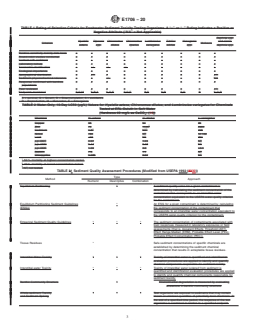
TABLE 1 Sediment Quality Assessment Procedures (Modified from USEPA 1992 (30))
Type
Method Approach
Numeric Descriptive Combination
Equilibrium Partitioning Sediment Guidelines * An ESG for a given contaminant is determined by calculating
(ESGs) the sediment concentration of the contaminant that
corresponds to an interstitial water concentration equivalent to
the USEPA water-quality criterion for the contaminant.
Emperical Sediment Quality Guidelines * * * The sediment concentration of contaminants associated with
toxic responses measured in laboratory exposures or field
assessments (that is, Apparent Effects Threshold (AET),
Effect Range Median (ERM), Probable Effect Level (PEL),
Probable Effect Concentration (PEC)).
Tissue Residues * Safe sediment concentrations of specific chemicals are
established by determining the sediment chemical
concentration that results in acceptable tissue residues.
Interstitial-water Toxicity * * * Toxicity of interstitial water isolated from sediment is
quantified and identification evaluation procedures are applied
to identify and quantify chemical components responsible for
sediment toxicity.
Whole-sediment Toxicity with Field-collected * * * Test organisms are exposed to whole sediments that may
Sediments and with Sediment Spiking contain known or unknown quantities of potentially toxic
chemicals. Dose-response relationships can be established
by exposing test organisms to whole sediments that have
been spiked with known amounts of chemicals or mixtures of
chemicals.
Benthic Community Structure * Environmental degradation is measured by evaluating
alterations in resident benthic community structure.
Sediment Quality Triad * * * Sediment chemical contamination, sediment toxicity, and
benthic community structure are measured on the same
sediment sample from the site of interest. Correspondence
between sediment chemistry, toxicity, and field effects is used
to determine sediment concentrations that discriminate
conditions of minimal, uncertain, and major biological effects.
E1706 − 20
oftheevidenceneededtomakeadecision(numberofmethods aquatic toxicity tests (for example, USEPA water quality
used) should be determined based on the weight (cost) of the criteria; Stephan et al. 1985 (31)).
decision.
6.1.3 Scope of Interferences Discussion—Because the defi-
nitionofaninterferenceinasedimenttoxicitytestissomewhat
6. Interferences
contextsensitive,theremainderofthissectiondoesnotattempt
to define issues specifically as to whether these factors should
6.1 General:
be considered interferences. Instead, several factors are dis-
6.1.1 Interferences in the Context of Sediment Toxicity
cussed that are known or suspected to be potential influences
Testing—In narrow terms, the purpose of a sediment toxicity
on the responses (including chemical accumulation) of organ-
test is to determine whether the constituents of a sediment
ismsexposedasdescribedinthisstandard.Theimportanceand
sample reduce performance of the test organism relative to a
implications of these factors for specific studies is left to the
control sediment, reference sediment, or some other sediment
investigator or the authority under which the study is con-
whose characteristics serve as a meaningful point of compari-
ducted.
son. Sediments that reduce relative organism performance are
generally considered to be “toxic”, or at least to have greater
6.2 Issues to Consider in Planning or Evaluating Sediment
toxicity that the sediment serving as a point of reference.
Tests:
Because the methods in this standard are intended to assess
6.2.1 Studies with Spiked Sediments versus Field-collected
sediment-associated contaminants, reduced organism perfor-
Sediments—Typically, spiked sediment tests are structured so
mance is generally attributed to the presence of those contami-
that the same sediment is tested with differing levels of
nants. So an interference in a sediment toxicity test can be
chemicaladded.Thisprovidesmuchgreaterconsistencyintest
thought of as a factor that causes a sediment to be judged
conditions across treatments than may exist in studies of field
non-toxic(forexample,notdifferentfromcontrol)wheninfact
samples collected at multiple sites, which may differ in many
the level of sediment contamination is sufficient that it should
different characteristics (for example, grain size, organic car-
decrease performance (a false negative) or a factor that causes
bon) beyond just contaminant concentration(s).As such, most
a sediment to indicate toxicity (for example, lower perfor-
oftheissuesdiscussedin6.2.2through6.2.6arelikelytobeof
mance relative to control) when in fact the reduced perfor-
greaterconcerninstudiesinvolvingmultiplesamplescollected
manceisnotcausedbysedimentcontaminants.Incaseswhere
from field sites.
a gradient in response is being assessed rather than simply
6.2.2 Sediment Collection and Handling Procedures—The
“toxic”or“nottoxic”,theseeffectscouldbeviewedascausing
processes involved in removing a bedded field sediment from
greater or lesser response than would be expected absent the
its field location site, and transporting, storing, and preparing
influence of the “interfering” factor.
the sediment sample for testing have the potential to alter the
6.1.2 Differences in Responses to Field-collected Sediments
characteristics of the sediment sample relative to conditions
when Tested in the Laboratory—Many applications of sedi-
occurring in the field. Section 10 describes a number of steps
menttoxicitytestsinvolvecollectionofbeddedsedimentsfrom
that can be taken to minimize undesirable changes associated
the field, that are subsequently tested in the laboratory. It is
with these processes. Assessment of sediment chemistry at
possible that differences between the physical or biological
appropriate points in time from collection to completion of
setting of the original field sediment and the conditions of a
testing can provide important information on the degree to
laboratorysedimenttoxicitytestcouldcreatedifferencesinthe
which handling, processing, and testing have affected test
apparentadverseeffectsthatmightresultfromexposure;thisis
sediments.
possible not only because of differences in the conditions
6.2.3 Grain Size—The organisms used in sediment tests
themselves, but also because of changes to the sediment that
describedinthisstandardwereselectedinparttobetolerantof
result from its removal from the field, storage, and manipula-
afairlywiderangeofgrainsize(seeSection1inUSEPA2000
tion as part of the preparation for and conducting laboratory of
(8)). Because the interactions of sediment contaminants with
sediment toxicity testing. Whether this potential is viewed as
sediment particles are generally surface-mediated processes,
an “interference” or simply a consequence of the measurement
largeparticles(forexample,<5mm)withsmallsurfaceareato
depends on the presumption of the investigator. Laboratory
volume ratios may have limited influence on the contaminant-
sediment toxicity tests are often used as tools to assess the
related response of organisms, and coarse sieving to remove
likely effects of sediment contaminants under field conditions,
theselargeparticlesisdiscussedinSection10andinAnnexA1
but this connection is not intrinsic to the test itself. The
to Annex A8. If there is a reason for concern that grain size
extrapolation of responses measured in the laboratory to those
may be an important influence on study results, testing of field
that might exist in the field is an important, but separate
reference samples, or control sediments amended to adjust
evaluation that is the responsibility of those designing and
particle size, may be a useful addition to a study.
implementing the overall sediment assessment program. It is
worth noting that the issue of laboratory to field extrapolation 6.2.4 Organic Carbon—Organic carbon content of sedi-
is by no means unique to contaminated sediment assessment, ments is known to affect the bioavailability of many sediment-
and while the issue is important to consider, the precedent of associated contaminants, both by the relative amount of or-
using laboratory tests to develop assessment guidance for ganic carbon present (DiToro et al 1991 (2), 2005 (32)), or by
pollution in natural systems is extensive, such as in the the nature and source of the particles comprising the organic
development of water quality guidelines from single species carbonfraction(Ghosh2007) (3).Whiletheamountandnature
E1706 − 20
of organic carbon can affect the relationship between contami- sediment-associated contaminants is not clear; while clean
nant concentration and effect, this would not generally be sediments that have high nutritional content could result in
considered an interference. Several studies have evaluated the growthabovethatfoundincontrolorreferencetreatments,itis
effect of different types, concentrations, or sources of organic not clear how much toxicant stress can be offset by the greater
carbon on the survival and growth of H. azteca and C. dilutus nutritional resources, thus potentially interfering with the
ability of the test to detect toxicant stress. In the reverse case,
(also C. riparius), and come to varying conclusions depending
in part on how the effect is assessed (for example, Lacey et al. wheretestsedimentsmighthavelowernutritionalcontentthan
the control or reference, a non-nutritive substrate, such as a
1999 (33), Ristola et al. 1999 (34), Suedel and Rogers 1994
sandcontrol,canbeusedasapointofcomparisonfororganism
(35), Ankley et al. 1994a (36)). Some of these studies did not
include supplemental feeding, and all were conducted before performance when organisms have only the nutrition provided
to all sediments. A sand control provides a reference for the
thedevelopmentofthefeedingregimesincludedinthecurrent
low end of performance that might be expected based on
sediment toxicity test methods described in this standard.This
limited nutritional content, but it is not necessary that a field
is important because in studies with no feeding, or insufficient
sediment perform more poorly than a sand control to be
feeding, responses to varying organic carbon can reflect the
considered potentially toxic.
potential for organic carbon to be a food source, in addition to
any other influence on organism performance. In an inter-
6.2.6 Density Dependent Growth—As discussed in 6.2.5,
laboratory study with H. azteca (Ivey et al. 2016) (37) which
the ration provided to C. dilutus does not support maximum
used the currently recommended feeding regimes described in growth rates. In cases where one or more midge larvae do not
Table A1.1 and Table A2.1, organisms provided with only
survive, there will be proportionately more food available to
silica sand as a substrate generally showed performance at or the survivors, raising the potential for higher growth. This
near that achieved using a field control sediment, demonstrat- potential was supported by a meta-analysis of growth and
ing that there is no minimum organic carbon content for the survival in control replicates from a large number of 10-d
substrate required for H. azteca to meet minimum control sediment tests with C. dilutus, which showed a general
performance requirements (Tables A1.1 and A1.2). Likewise, tendencytowardhigherthanaverageweightsinreplicateswith
C. dilutus fed as specified in AnnexA3 and AnnexA4 readily lower than average survival, and vice versa (Fig. A3.2;
meet the control performance criteria associated with those USEPA-Duluth unpublished data). The effect of density-
tests (USEPA-Duluth, USGS-Columbia, unpublished data). dependent growth can be compensated for, to some degree, by
Ankley et al. (1994a) (36) did not find a relationship between analyzing total biomass in addition
...
This document is not an ASTM standard and is intended only to provide the user of an ASTM standard an indication of what changes have been made to the previous version. Because
it may not be technically possible to adequately depict all changes accurately, ASTM recommends that users consult prior editions as appropriate. In all cases only the current version
of the standard as published by ASTM is to be considered the official document.
Designation: E1706 − 19 E1706 − 20
Standard Test Method for
Measuring the Toxicity of Sediment-Associated
Contaminants with Freshwater Invertebrates
This standard is issued under the fixed designation E1706; the number immediately following the designation indicates the year of
original adoption or, in the case of revision, the year of last revision. A number in parentheses indicates the year of last reapproval. A
superscript epsilon (´) indicates an editorial change since the last revision or reapproval.
1. Scope*
1.1 This test method covers procedures for testing freshwater organisms in the laboratory to evaluate the toxicity of
contaminants associated with whole sediments. Sediments may be collected from the field or spiked with compounds in the
laboratory.
1.1.1 Test methods are described for two toxicity test organisms, the amphipod Hyalella azteca (H. azteca) (see 13.1.2) and the
midge Chironomus dilutus (formerly known as C. tentans; Shobanov et al. 1999.(1) (see 14.1.2). The toxicity tests are conducted
for 10 days in 300-mL chambers containing 100 mL of sediment and 175 mL of overlying water. Overlying water is renewed daily
and test organisms are fed during the toxicity tests. Endpoints for the 10-day toxicity tests are survival and growth. These test
methods describe procedures for testing freshwater sediments; however, estuarine sediments (up to 15 ppt salinity) can also be
tested with H. azteca. In addition to the 10-day toxicity test method outlined in 13.1.2 and 14.1.2, general procedures are also
described for conducting 10-day sediment toxicity tests with H. azteca (see 13.1.2) and C. dilutus (see 14.1.2).
NOTE 1—Morphological comparison of populations of Chironomus (Camptochironomus) tentans(Fabricius) from Europe, Asia, and North America
have confirmed cytogenetic evidence that two distinct species inhabit the Palearctic and Nearctic under this name. The Palearctic species is the true C.
tentans and the Nearctic populations constitute a new species described under the name Chironomus (Camptochironomus) dilutus (Shobanov et al. 1999
(1).”
1.1.2 Guidance for conducting sediment toxicity tests is outlined in Annex A1 for Chironomus riparius, in Annex A2 for
Daphnia magna and Ceriodaphnia dubia, in Annex A3 for Hexagenia spp., in Annex A4 for Tubifex tubifex, and in Annex A5 for
the Diporeia spp. Guidance is also provided in Annex A6 for conducting long-term sediment toxicity tests with H. azteca by
measuring effects on survival, growth, and reproduction. Guidance is also provided in Annex A7 for conducting long-term
sediment toxicity tests with C. dilutus by measuring effects on survival, growth, emergence, and reproduction. 1.6 outlines the data
that will be needed before test methods are developed from the guidance outlined in Annex A1 to Annex A7 for these test
organisms. General procedures described in Sections 1 – 14 for sediment testing with H. azteca and C. dilutus are also applicable
for sediment testing with the test organisms described in Annex A1 to Annex A7.
1.2 Procedures outlined in this test method are based primarily on procedures described in the United States Environmental
Protection Agency (USEPA) (2-9) , Test Method E1367, and Guides E1391, E1525 and E1688.
1.3 Additional research and methods development are now in progress to: (1) evaluate additional test organisms, (2) further
evaluate the use of formulated sediment, (3) refine sediment dilution procedures, (4) refine sediment toxicity identification
evaluation (TIE) procedures (10), (5) refine sediment spiking procedures, (6) develop in situ toxicity tests to assess sediment
toxicity and bioaccumulation under field conditions, (7) evaluate relative sensitivities of endpoints measured in tests, (8) develop
methods for new species, (9) evaluate relationships between toxicity and bioaccumulation, and (10) produce additional data on
confirmation of responses in laboratory tests with natural populations of benthic organisms. Some issues that may be considered
in interpretation of test results are the subject of continuing research including the influence of feeding on bioavailability,
nutritional requirements of the test organisms, and additional performance criteria for organism health. See Section 6 for additional
detail. This information will be described in future editions of this standard.
1.4 The USEPA (2) and Guide E1688 also describes 28-day bioaccumulation methods for the oligochaete Lumbriculus
variegatus.
This test method is under the jurisdiction of ASTM Committee E50 on Environmental Assessment, Risk Management and Corrective Action and are the direct
responsibility of Subcommittee E50.47 on Biological Effects and Environmental Fate.
Current edition approved April 1, 2019April 1, 2020. Published April 2019June 2020. Originally approved in 1995. Last previous edition approved in 2010 as
E1706 – 05(2010) which was withdrawn January 2019 and reinstated in April 2019. DOI: 10.1520/E1706-19.(2010). DOI: 10.1520/E1706-20.
The boldface numbers in parentheses refer to the list of references at the end of this standard.
*A Summary of Changes section appears at the end of this standard
Copyright © ASTM International, 100 Barr Harbor Drive, PO Box C700, West Conshohocken, PA 19428-2959. United States
E1706 − 20
1.5 Results of tests, even those with the same species, using procedures different from those described in the test method may
not be comparable and using these different procedures may alter bioavailability. Comparison of results obtained using modified
versions of these procedures might provide useful information concerning new concepts and procedures for conducting sediment
tests with aquatic organisms. If tests are conducted with procedures different from those described in this test method, additional
tests are required to determine comparability of results. General procedures described in this test method might be useful for
conducting tests with other aquatic organisms; however, modifications may be necessary.
1.6 Selection of Toxicity Testing Organisms:
1.6.1 The choice of a test organism has a major influence on the relevance, success, and interpretation of a test. Furthermore,
no one organism is best suited for all sediments. The following criteria were considered when selecting test organisms to be
described in this standard (Table 1 and Guide E1525). A test organism should: (1) have a toxicological data base demonstrating
relative sensitivity and discrimination to a range of chemicals of concern in sediment, (2) have a database for interlaboratory
comparisons of procedures (for example, round-robin studies), (3) be in contact with sediment [e.g., water column vs benthic
organisms], (4) be readily available through culture or from field collection, (5) be easily maintained in the laboratory, (6) be easily
identified, (7) be ecologically or economically important, (8) have a broad geographical distribution, be indigenous (either present
or historical) to the site being evaluated, or have a niche similar to organisms of concern, (for example, similar feeding guild or
behavior to the indigenous organisms), (9) be tolerant of a broad range of sediment physico-chemical characteristics (for example,
grain size), and (10) be compatible with selected exposure methods and endpoints. The method should also be (11) peer reviewed
and (12) confirmed with responses with natural populations of benthic organisms (see 1.6.8).
1.6.2 Of the criteria outlined in Table 1, a data base demonstrating relative sensitivity to contaminants, contact with sediment,
ease of culture in the laboratory, interlaboratory comparisons, tolerance of varying sediment physico-chemical characteristics, and
confirmation with responses of natural benthos populations were the primary criteria used for selecting H. azteca and C. dilutus
to be described as test methods in the current version of this standard (see Sections 13 and 14). Procedures for conducting sediment
tests with organisms in accordance with Annex A1 to Annex A7 do not currently meet all the required selection criteria listed in
Table 1. A similar data base must be developed before these or other test organisms can be included as standard test methods
instead of as guidance in future versions of these this method.
1.6.3 An important consideration in the selection of specific species for test method development is the existence of information
concerning relative sensitivity of the organisms both to single chemicals and complex mixtures. A number of studies have
evaluated the sensitivity of H. azteca, C. dilutus, and L. variegatus, relative to one another, as well as other commonly tested
freshwater species. For example, Ankley et al (11) found H. azteca to be as, or slightly more, sensitive than Ceriodaphnia dubia
to a variety of sediment elutriate and pore-water samples. In that study, L. variegatus were less sensitive to the samples than either
the amphipod or the cladoceran. West et al (12) found the rank sensitivity of the three species to the lethal effects of copper in
sediments from the Keweenaw Waterway, MI was (from greatest to least): H. azteca > C. dilutus > L. variegatus. In short-term
(48 to 96 h) exposures, L. variegatus generally was less sensitive than H. azteca, C. dubia, or Pimephales promelas to cadmium,
nickel, zinc, copper, and lead (13). Of the latter three species, no one species was consistently the most sensitive to the five metals.
1.6.3.1 In a study of contaminated Great Lakes sediment, H. azteca, C. dilutus, and C. riparius were among the most sensitive
and discriminatory of 24 organisms tested (14-17). Kemble et al (18) found the rank sensitivity of four species to
metal-contaminated sediments from the Clark Fork River, MT to be (from greatest to least): H. azteca > C. riparius >
Oncorhynchus mykiss (rainbow trout) > Daphnia magna. Relative sensitivity of the three endpoints evaluated in the H. azteca test
with Clark Fork River sediments was (from greatest to least): length > sexual maturation > survival.
1.6.3.2 In 10-day water-only and whole-sediment tests, Hyalella azteca and C. dilutus were more sensitive than D. magna to
fluoranthene-spiked sediment (19).
1.6.3.3 Ten-day, water-only tests also have been conducted with a number of chemicals using H. azteca, C. dilutus, and L.
variegatus ((19) and Table 2). These tests all were flow-through exposures using a soft natural water (Lake Superior) with
measured chemical concentrations that, other than the absence of sediment, were conducted under conditions (for example,
temperature, photoperiod, feeding) similar to those being described for the standard 10-day sediment test in 13.1.2. In general, H.
azteca was more sensitive to copper, zinc, cadmium, nickel, and lead than either C. dilutus or L. variegatus. Chironomus dilutus
and H. azteca exhibited a similar sensitivity to several of the pesticides tested. Lumbriculus variegatus was not tested with several
of the pesticides; however, in other studies with whole sediments contaminated by dichlorodiphenyltrichloroethane (DDT) and
associated metabolites, and in short-term (96-h) experiments with organophosphate insecticides (diazinon, chlorpyrifos), L.
variegatus has proved to be far less sensitive than either H. azteca or C. dilutus. These results highlight two important points
germane to these test methods. First, neither of the two test species selected for estimating sediment toxicity (H. azteca, C. dilutus)
was consistently most sensitive to all chemicals, indicating the importance of using multiple test organisms when performing
sediment assessments. Second, L. variegatus appears to be relatively insensitive to most of the test chemicals, which perhaps is
a positive attribute for an organism used for bioaccumulation testing (9).
1.6.3.4 Using the data from Table 2, sensitivity of H. azteca, C. dilutus, and L. variegatus can be evaluated relative to other
freshwater species. For this analysis, acute and chronic toxicity data from water quality criteria (WQC) documents for copper, zinc,
cadmium, nickel, lead, DDT, dieldrin, and chlorpyrifos, and toxicity information from the AQUIRE data base (20) for
1,1,dichloro-2,2-bis(p-chlorophenyl)ethane (DDD) and dichlorodiphenyldichloroethylene (DDE), were compared to assay results
E1706 − 20
TABLE 1 Rating of Selection Criteria for Freshwater Sediment Toxicity Testing Organisms. A “+” or “−” Rating Indicates a Positive or
Negative Attribute (“NA” = Not Applicable)
Daphnia spp.
Hyalella Diporeia Chironomus Chironomus Lumbriculus Tubifex Hexagenia and Cerio-
Criterion Molluscs
azteca spp. dilutus riparius variegatus tubifex spp. daphnia spp.
Relative sensitivity toxicity data base + − + − + − − − −
Round-robin studies conducted + − + − − − − − −
Contact with sediment + + + + + + + + −
Laboratory culture + − + + + + − − +
Taxonomic identification + +/− +/− +/− + + + + +
Ecological importance + + + + + + + + +
Geographical distribution + +/− + + + + + + +/−
Sediment physicochemical tolerance + + +/− + + + − + NA
Response confirmed with benthos + + + + + + + − +
populations
Peer reviewed + + + + + + + − +/−
Endpoints monitored S,G,M S,B,A S,G,E S,G,E B,S S,R S,G B S,G,R
S = survival, G = Growth, B = Bioaccumulation, A = avoidance
R = Reproduction, M = Maturation, E = Emergence
TABLE 2 Water-Only, 10-Day LC50 (μg/L) Values for Hyalella azteca, Chironomus dilutus, and Lumbriculus variegatus for Chemicals
Tested at ERL-Duluth in Soft Water
(Hardness 40 mg/L as CaCO ; (19))
Chemical H. azteca C. dilutus L. variegatus
Copper 35 54 35
Zinc 73 1125 2984
2 3
Cadmium 2.8 NT 158
Nickel 780 NT 12 160
Lead <16 NT 794
p,p'-DDT 0.07 1.23 NT
p,p'-DDD 0.17 0.18 NT
p,p'-DDE 1.39 3.0 >3.3
Dieldrin 7.6 1.1 NT
Chlorpyrifos 0.086 0.07 NT
50 % mortality at highest concentration tested.
70 % mortality at lowest concentration tested.
NT, not tested.
TABLE 31 Sediment Quality Assessment Procedures (Modified from USEPA 1992 (8230))
Type
Method Approach
Numeric Descriptive Combination
Equilibrium Partitioning * A sediment quality value for a given contaminant is
determined by calculating the sediment concentration of the
contaminant that corresponds to an interstitial water
concentration equivalent to the USEPA water-quality criterion
for the contaminant.
Equilibrium Partitioning Sediment Guidelines * An ESG for a given contaminant is determined by calculating
(ESGs) the sediment concentration of the contaminant that
corresponds to an interstitial water concentration equivalent to
the USEPA water-quality criterion for the contaminant.
Emperical Sediment Quality Guidelines * * * The sediment concentration of contaminants associated with
toxic responses measured in laboratory exposures or field
assessments (that is, Apparent Effects Threshold (AET),
Effect Range Median (ERM), Probable Effect Level (PEL),
Probable Effect Concentration (PEC)).
Tissue Residues * Safe sediment concentrations of specific chemicals are
established by determining the sediment chemical
concentration that results in acceptable tissue residues.
Interstitial Water Toxicity * * * Toxicity of interstitial water is quantified and identification
evaluation procedures are applied to identify and quantify
chemical components responsible for sediment toxicity.
Interstitial-water Toxicity * * * Toxicity of interstitial water isolated from sediment is
quantified and identification evaluation procedures are applied
to identify and quantify chemical components responsible for
sediment toxicity.
Benthic Community Structure * Environmental degradation is measured by evaluating
alterations in benthic community structure.
Whole-sediment Toxicity * * * Test organisms are exposed to sediments that may contain
and Sediment Spiking known or unknown quantities of potentially toxic chemicals. At
the end of a specified time period, the response of the test
organisms is examined in relation to a specified endpoint.
E1706 − 20
Type
Method Approach
Numeric Descriptive Combination
Dose-response relationships can be established by exposing
test organisms to sediments that have been spiked with
known amounts of chemicals or mixtures of chemicals.
Whole-sediment Toxicity * * * Test organisms are exposed to whole sediments that may
with Field-collected Sediments and with contain known or unknown quantities of potentially toxic
Sediment Spiking chemicals. Dose-response relationships can be established
by exposing test organisms to whole sediments that have
been spiked with known amounts of chemicals or mixtures of
chemicals.
Benthic Community Structure * Environmental degradation is measured by evaluating
alterations in resident benthic community structure.
Sediment Quality Triad * * * Sediment chemical contamination, sediment toxicity, and
benthic community structure are measured on the same
sediment sample. Correspondence between sediment
chemistry, toxicity, and field effects is used to determine
sediment concentrations that discriminate conditions of
minimal, uncertain, and major biological effects.
Sediment Quality Triad * * * Sediment chemical contamination, sediment toxicity, and
benthic community structure are measured on the same
sediment sample from the site of interest. Correspondence
between sediment chemistry, toxicity, and field effects is used
to determine sediment concentrations that discriminate
conditions of minimal, uncertain, and major biological effects.
Sediment Quality Guidelines * * * The sediment concentration of contaminants associated with
toxic responses measured in laboratory exposures or field
assessments (i.e., Apparent Effects Threshold (AET), Effect
Range Median (ERM), Probable Effect Level (PEL).
TABLE 2 Formula for Reconstituted Water after Borgmann (1996)
(46) and Ivey and Ingersoll (2016) (48)
Concentration
Salt Notes
mM
mg/L
(millimolar)
CaCl ·2H O 1 141 Other hydration states may
2 2
be used with appropriate
adjustment of
concentration.
NaHCO 1 84.0
MgSO ·7H O 0.25 61.6 Other hydration states may
4 2
be used with appropriate
adjustment of
concentration.
KCl 0.05 3.73
NaBr 0.0005 0.0519 Top concentration is for
(or 0.01) (or 1.04) 0.04 mg Br/L (Ivey and
Ingersoll 2016) (48);
bottom concentration is
original Borgmann (1996)
(46) formulation with 0.8
mg Br/L.
for the three species (19). The sensitivity of H. azteca to metals and pesticides, and C. dilutus to pesticides was comparable to
chronic toxicity data generated for other test species. This was not completely unexpected given that the 10-day exposures used
for these two species are likely more similar to chronic partial life-cycle tests than the 48 to 96-h exposures traditionally defined
as acute in the WQC documents. Interestingly, in some instances (for example, dieldrin and chlorpyrifos), LC50 data generated
for H. azteca or C. dilutus were comparable to or lower than any reported for other freshwater species in the WQC documents.
This observation likely is a function not only of the test species, but of the test conditions; many of the tests on which early WQC
were based were static, rather than flow-through, and report unmeasured contaminant concentrations.
1.6.3.5 Measurable concentrations of ammonia are common in the pore water of many sediments and have been found to be
a common cause of toxicity in pore water (21 , 22, 23). Acute toxicity of ammonia to H. azteca, C. dilutus, and L. variegatus has
been evaluated in several studies. As has been found for many other aquatic organisms, the toxicity of ammonia to C. dilutus and
L. variegatus has been shown to be dependent on pH. Four-day LC50 values for L. variegatus in water-column (no sediment)
exposures ranged from 390 to 6.6 mg/L total ammonia as pH was increased from 6.3 to 8.6 Schubauer-Berigan et al.(24). For C.
dilutus, 4-day LC50 values ranged from 370 to 82 mg/L total ammonia over a similar pH range (Schubauer-Berigan et al.) (24).
E1706 − 20
Ankley et al. (25) reported that the toxicity of ammonia to H. azteca (also in water-only exposures) showed differing degrees of
pH-dependence in different test waters. In soft reconstituted water, toxicity was not pH dependent, with 4-day LC50 values of about
20 mg/L at pH ranging from 6.5 to 8.5. In contrast, ammonia toxicity in hard reconstituted water exhibited substantial pH
dependence with LC50 values decreasing from >200 to 35 mg/L total ammonia over the same pH range. Borgmann and Borgmann
( 26) later showed that the variation in ammonia toxicity across these waters could be attributed to differences in sodium and
potassium content, which appear to influence the toxicity of ammonia to H. azteca.
(1) Although these studies provide benchmark concentrations that may be of concern in sediment pore waters, additional
studies by Whiteman et al. (27) indicated that the relationship between water-only LC50 values and those measured in sediment
exposures differs among organisms. In sediment exposures, the 10-day LC50 for L. variegatus and C. dilutus occurred when
sediment pore water reached about 150 % of the LC50 determined from water-only exposures. However, experiments with H.
azteca showed that the 10-day LC50 was not reached until pore water concentrations were nearly 10× the water-only LC50, at
which time the ammonia concentration in the overlying water was equal to the water-only LC50. The authors attribute this
discrepancy to avoidance of sediment by H. azteca. Thus, it appears that water-only LC50 values may provide suitable screening
values for potential ammonia toxicity, higher concentrations may be necessary to actually induce ammonia toxicity in sediment
exposures, particularly for H. azteca. Further, these data underscore the importance of measuring the pH of pore water when
ammonia toxicity may be of concern. Ankley Schubauer-Bergian (28) and Besser et al. (29) describe procedures for conducting
toxicity identification evaluations (TIEs) for pore-water or whole-sediment samples to determine if ammonia is contributing to the
toxicity of sediment samples.
1.6.4 Relative species sensitivity frequently varies among chemicals; consequently, a battery of tests including organisms
representing different trophic levels may be needed to assess sediment quality (14, 17, 30-33). For example, Reish (34) reported
the relative toxicity of six metals (arsenic, cadmium, chromium, copper, mercury, and zinc) to crustaceans, polychaetes,
pelecypods, and fishes and concluded that no one species or group of test organisms was the most sensitive to all of the metals.
1.6.4.1 Sensitivity of a species to chemicals is also dependent on the duration of the exposure and the endpoints evaluated.
Annex A6 and Annex A7 describe results of studies which demonstrate the utility of measuring sublethal endpoints in sediment
toxicity tests with the amphipod H. azteca and the midge C. dilutus.
1.6.5 The sensitivity of an organism to chemicals should be balanced with the concept of discrimination (14). The response of
a test organism should provide discrimination between different levels of contamination. However, insensitive organisms may be
preferred for determining bioaccumulation. The use of indigenous organisms that are ecologically important and easily collected
is often very straightforward; however, indigenous organisms at a site may be insensitive to the chemicals of concern. Indigenous
organisms might be more important for evaluation of bioaccumulation (9). See Guides E1525, E1688, and E1850 for additional
detail on selection of test organisms.
1.6.6 Sensitivity of an organism is related to route of exposure and biochemical sensitivity to chemicals. Sediment-dwelling
organisms can receive a dose from three primary sources: interstitial water, sediment particles, and overlying water. Food type,
feeding rate, assimilation efficiency, and clearance rate will control the dose of chemicals from sediment (Guide E1688). Benthic
invertebrates often selectively consume different particle sizes (35) or particles with higher organic carbon concentrations which
may have higher chemical concentrations. Detrital feeders may receive most of their body burden directly from sediment ingestion.
In amphipods (36) and clams (37) uptake through the gut can exceed uptake across the gills for certain hydrophobic compounds.
Organisms in direct contact with sediment may also accumulate chemicals by direct adsorption to the body wall or by absorption
through the integument (38).
1.6.7 Despite the potential complexities in estimating the dose that an animal receives from sediment, the toxicity and
bioaccumulation of many chemicals in sediment such as chlordecone, fluoranthene, organochlorines, and metals have been
correlated with either the concentration of these chemicals in interstitial water or in the case of nonionic organic chemicals,
concentrations of an organic-carbon basis (39, 40). The relative importance of whole sediment and interstitial water routes of
exposure depends on the test organism and the specific contaminant (35, 38). Because benthic communities contain a diversity of
organisms, many combinations of exposure routes may be important. Therefore, behavior and feeding habits of a test organism can
influence its ability to accumulate contaminants from sediment and should be considered when selecting test organisms for
sediment testing.
1.6.8 The response of H. azteca and C. dilutus in laboratory toxicity studies has been compared to the response of natural
populations of benthic organisms to potentially contaminated sediments.
1.6.8.1 Chironomids were not found in sediment samples that decreased the growth of C. dilutus by 30 % or more in 10-day
laboratory toxicity tests (41). Wentsel et al (42-44) reported a correlation between effects on C. dilutus in laboratory tests and the
abundance of C. dilutus in metal-contaminated sediments.
1.6.8.2 Canfield et al. (45,46,47) evaluated the composition of benthic invertebrate communities in sediments for the following
areas: (1) three Great Lakes Areas of Concern (AOC; Buffalo River, NY: Indiana Harbor, IN: Saginaw River, MI), (2) the upper
Mississippi River, and (3) the Clark Fork River located in Montana. Results of these benthic community assessments were
compared to sediment chemistry and toxicity (28-day sediment exposures with H. azteca which monitored effects on survival,
growth, and sexual maturation). Good concordance was evident between measures of laboratory toxicity, sediment contamination,
and benthic invertebrate community composition in extremely contaminated samples. However, in moderately contaminated
E1706 − 20
samples, less concordance was observed between the composition of the benthic community and either laboratory toxicity test
results or sediment contaminant concentration. Laboratory sediment toxicity tests better identified chemical contamination in
sediments compared to many of the commonly used measures of benthic invertebrate community composition. Benthic measures
may reflect other factors such as habitat alteration in addition to responding to contaminants. Canfield et al. (45, 46, 47) identified
the need to better evaluate non-contaminant factors (i.e., TOC, grain size, water depth, habitat alteration) in order to better interpret
the response of benthic invertebrates to sediment contamination.
1.6.8.3 Results from laboratory sediment toxicity tests were compared to colonization of artificial substrates exposed in situ to
Great Lakes sediment (14) Burton et al. (17) Survival or growth of H. azteca and C. dilutus in 10–28-day laboratory exposures
were negatively correlated to percent chironomids and percent tolerant taxa colonizing artificial substrates in the field. Schlekat
et al (48) reported general good agreement between sediment toxicity tests with H. azteca and benthic community responses in
the Anacostia River in Washington, DC.
1.6.8.4 Sediment toxicity with amphipods in 10-day toxicity tests, field contamination, and field abundance of benthic
amphipods were examined along a sediment contamination gradient of DDT (48). Survival of Eohaustorius estuarius, Rhepoxynius
abronius, and H. azteca in laboratory toxicity tests was positively correlated to abundance of amphipods in the field and negatively
correlated to DDT concentrations. The threshold for 10-day sediment toxicity in laboratory studies was about 300 μg DDT
(+metabolites)/g organic carbon. The threshold for abundance of amphipods in the field was about 100 μg DDT (+metabolites)/g
organic carbon. Therefore, correlations between toxicity, contamination, and field populations indicate that short-term sediment
toxicity tests can provide reliable evidence of biologically adverse sediment contamination in the field, but may be underprotective
of sublethal effects.
1.7 Limitations— While some safety considerations are included in this standard, it is beyond the scope of this standard to
encompass all safety requirements necessary to conduct sediment tests.
1.8 This standard is arranged as follows:
1 Scope
2 Referenced Documents
3 Terminology
4 Summary of Standard
5 Significance and Use
6 Interferences
7 Reagents and Materials
8 Hazards
9 Facilities, Equipment, and Supplies
10 Sample Collection, Storage, Manipulation, and Characterization
11 Quality Assurance and Quality Control
12 Collection, Culturing, and Maintaining Test Organisms
13 Procedure 1: Conducting a 10-day Sediment Toxicity Test with
Hyalella azteca
14 Procedure 2: Conducting a 10-day Sediment Toxicity Test with
Chironomus dilutus
15 Calculation
16 Report
17 Precision and Bias
18 Keywords
Annexes
A1. Guidance for Conducting Sediment Toxicity Tests with Chironomus riparius
A2. Guidance for Conducting Sediment Toxicity Tests with Daphnia magna and Ceriodaphnia dubia
A3. Guidance for Conducting Sediment Toxicity Tests with Hexagenia spp.
A4. Guidance for Conducting Sediment Toxicity Tests with Tubifex tubifex
A5. Guidance for Conducting Sediment Toxicity Tests with Diporeia spp.
A6. Guidance for Conducting a Hyalella Azteca 42-day Test for Measuring Effects of Sediment-Associated Contaminants
on Survival, Growth, and Reproduction
A7. Guidance for Conducting a Life-Cycle Test for Measuring Effects of Sediment-Associated Contaminants on Chironomus
dilutus.
A8. Food Preparation
A9. Feeding Rate for the 10-day Sediment Toxicity Test Method with Chironomus dilutus
References
1.9 This standard does not purport to address all of the safety concerns, if any, associated with its use. It is the responsibility
of the user of this standard to establish appropriate safety, health, and environmental practices and determine the applicability of
regulatory limitations prior to use. Specific hazard statements are given in Section 8.
1.10 This international standard was developed in accordance with internationally recognized principles on standardization
established in the Decision on Principles for the Development of International Standards, Guides and Recommendations issued
by the World Trade Organization Technical Barriers to Trade (TBT) Committee.
E1706 − 20
2. Referenced Documents
2.1 ASTM Standards:
D1129 Terminology Relating to Water
D4387 Guide for Selecting Grab Sampling Devices for Collecting Benthic Macroinvertebrates (Withdrawn 2003)
D4447 Guide for Disposal of Laboratory Chemicals and Samples
E29 Practice for Using Significant Digits in Test Data to Determine Conformance with Specifications
E105 Practice for Probability Sampling of Materials
E122 Practice for Calculating Sample Size to Estimate, With Specified Precision, the Average for a Characteristic of a Lot or
Process
E141 Practice for Acceptance of Evidence Based on the Results of Probability Sampling
E177 Practice for Use of the Terms Precision and Bias in ASTM Test Methods
E178 Practice for Dealing With Outlying Observations
E456 Terminology Relating to Quality and Statistics
E691 Practice for Conducting an Interlaboratory Study to Determine the Precision of a Test Method
E729 Guide for Conducting Acute Toxicity Tests on Test Materials with Fishes, Macroinvertebrates, and Amphibians
E943 Terminology Relating to Biological Effects and Environmental Fate
E1193 Guide for Conducting Daphnia magna Life-Cycle Toxicity Tests
E1241 Guide for Conducting Early Life-Stage Toxicity Tests with Fishes
E1295 Guide for Conducting Three-Brood, Renewal Toxicity Tests with Ceriodaphnia dubia
E1325 Terminology Relating to Design of Experiments
E1367 Test Method for Measuring the Toxicity of Sediment-Associated Contaminants with Estuarine and Marine Invertebrates
E1391 Guide for Collection, Storage, Characterization, and Manipulation of Sediments for Toxicological Testing and for
Selection of Samplers Used to Collect Benthic Invertebrates
E1402 Guide for Sampling Design
E1525 Guide for Designing Biological Tests with Sediments
E1688 Guide for Determination of the Bioaccumulation of Sediment-Associated Contaminants by Benthic Invertebrates
E1847 Practice for Statistical Analysis of Toxicity Tests Conducted Under ASTM Guidelines
E1850 Guide for Selection of Resident Species as Test Organisms for Aquatic and Sediment Toxicity Tests
IEEE/ASTM-SI-10 Standard for Use of the International System of Units (SI):The Modern Metric System
3. Terminology
3.1 The words “must”, “should”,“ may”, “can”, and “might” have very specific meanings in this standard. “Must” is used to
express an absolute requirement, that is, to state that a test ought to be designed to satisfy the specified conditions, unless the
purpose of the test requires a different design. “Must” is used only in connection with the factors that relate directly to the
acceptability of a test. “Should” is used to state that the specified condition is recommended and ought to be met if possible.
Although the violation of one “should” is rarely a serious matter, violation of several will often render the results questionable.
Terms such as “is desirable,” “is often desirable,” and“ might be desirable” are used in connection with less important factors.
“May” is used to mean “is (are) allowed to,”“ can” is used to mean “is (are) able to,” and “might” is used to mean “could possibly.”
Thus, the classic distinction between “may” and “can” is preserved, and “might” is never used as a synonym for either “may” or
“can.”
3.2 Definitions— For definitions of other terms used in this test method, refer to Guides E729 and E1241 and Terminology E943
and D1129. For an explanation of units and symbols, refer to IEEE/ASTM-SI-10 .
3.3 Definitions of Terms Specific to This Standard:
3.3.1 clean—denotes a sediment or water that does not contain concentrations of test materials which cause apparent stress to
the test organisms or reduce their survival.
3.3.2 concentration—the ratio of weight or volume of test material(s) to the weight or volume of sediment.
3.3.3 contaminated sediment—sediment containing chemical substances at concentrations that pose a known or suspected threat
to environmental or human health.
3.3.4 control sediment—a sediment that is essentially free of contaminants and is used routinely to assess the acceptability of
a test. Any contaminants in control sediment may originate from the global spread of pollutants and does not reflect any substantial
input from local or non-point sources. Comparing test sediments to control sediments is a measure of the toxicity of a test sediment
beyond inevitable background contamination.
For referenced ASTM standards, visit the ASTM website, www.astm.org, or contact ASTM Customer Service at service@astm.org. For Annual Book of ASTM Standards
volume information, refer to the standard’s Document Summary page on the ASTM website.
The last approved version of this historical standard is referenced on www.astm.org.
E1706 − 20
3.3.5 EC50—a statistically or graphically estimated concentration that is expected to cause one or more specified effects in 50 %
of a group of organisms under specified conditions.
3.3.6 Formulated sediment—Mixtures of materials used to mimic the physical components of a natural sediment.
3.3.7 IC50—a point estimate of the toxicant concentration that would cause a 50 % reduction in a non-quantal measurement
such as fecundity or growth.
3.3.8 interstitial water or pore water—water occupying space between sediment or soil particles.
3.3.9 LC50—a statistically or graphically estimated concentration that is expected to be lethal to 50 % of a group of organisms
under specified conditions.
3.3.10 lowest-observable-effect concentration (LOEC)—in a toxicity test, the lowest tested concentration of a material at which
organisms were adversely affected compared to control organisms as determined by statistical hypothesis tests—should be
accompanied by a description of the statistical tests and alternative hypotheses, levels of significance, and measures of
performance, for example, survival, growth, reproduction, or development—and must be above any other concentration not
producing statistically significant adverse effects.
3.3.11 no-observable-effect concentration (NOEC)— in a toxicity test, the highest tested concentration of a material at which
organisms did as well as control organisms as determined by statistical hypothesis tests—should be accompanied by a description
of the statistical tests and alternative hypotheses, levels of significance, and measures of performance, for example, survival,
growth, reproduction, or development—and must be below any other concentration producing statistically significant adverse
effects.
3.3.12 overlying water—the water placed over sediment in a test chamber during a test.
3.3.13 reference sediment—a whole sediment near an area of concern used to assess sediment conditions exclusive of
material(s) of interest. The reference sediment may be used as an indicator of localized sediment conditions exclusive of the
specific pollutant input of concern. Such sediment would be collected near the site of concern and would represent the background
conditions resulting from any localized pollutant inputs as well as global pollutant input. This is the manner in which reference
sediment is used in dredge material evaluations.
3.3.14 reference-toxicity test—a test conducted with reagent-grade reference chemical to assess the sensitivity of the test
organisms. Deviations outside an established normal range may indicate a change in the sensitivity of the test organism population.
Reference-toxicity tests are most often performed in the absence of sediment.
3.3.15 sediment—particulate material that usually lies below water. Formulated particulate material that is intended to lie below
water in a test.
3.3.16 spiked sediment—a sediment to which a material has been added for experimental purposes.
3.3.17 whole sediment—sediment and associated pore water which have had minimal manipulation. The term bulk sediment has
been used synonymously with whole sediment.
4. Summary of Standard
4.1 Method Description—Procedures are described for testing freshwater organisms in the laboratory to evaluate the toxicity of
contaminants associated with whole sediments. Sediments may be collected from the field or spiked with compounds in the
laboratory.
4.1.1 Test methods are described for conducting toxicity tests with two organisms: the amphipod Hyalella azteca (see 13.1.2)
and the midge Chironomus dilutus (formerly known as C. tentans; Shobanov et al. 1999.(1), (see 14.1.2). The toxicity tests are
conducted for 10 days in 300-mL chambers containing 100 mL of sediment and 175 mL of overlying water. Overlying water is
renewed daily and test organisms are fed during the toxicity tests. Endpoints for the 10-day toxicity tests are survival and growth.
Length or weight is reported as the average of the surviving organisms at the end of the test (Sections 13 and 14). Another approach
for reporting growth might be as biomass (dry weight of surviving organisms divided by the initial number of organisms). The
rationale for evaluating biomass in toxicity testing is that small differences in either growth or survival may not be statistically
significantly different from the control; however, a combined estimate of biomass may increase the statistical power of the test.
While USEPA (3) recommend reporting biomass as a measure of growth in effluent toxicity tests, the approach has not yet been
routinely applied in sediment testing. Therefore, biomass is not listed as a primary endpoint in the methods described in Sections
13 and 14 or in Annex A1 to Annex A7. The standard describes procedures for testing freshwater sediments; however, estuarine
sediments (up to 15 ppt salinity) can also be tested with H. azteca. In addition to the 10-day toxicity test methods outlined in 13.1.2
and 14.1.2, general procedures are also described for conducting sediment toxicity tests with H. azteca (see 13.1.2) and C. dilutus
(see 14.1.2).
4.1.2 Guidance for conducting sediment toxicity tests is provided in Annex A1 for Chironomus riparius, in Annex A2 for
Daphnia magna and Ceriodaphnia dubia, in Annex A3 for Hexagenia spp., in Annex A4 for Tubifex tubifex, and in Annex A5 for
the Diporeia spp.
E1706 − 20
4.1.3 Guidance for conducting long-term sediment toxicity tests with H. azteca by measuring effects on survival, growth, and
reproduction is provided in Annex A6. The long-term sediment exposures with H. azteca are started with 7- to 8-day-old
amphipods. On Day 28, amphipods are isolated from the sediment and placed in water-only chambers where reproduction is
measured on Day 35 and 42. Endpoints measured in the long-term amphipod test include survival (Day 28, 35, and 42), growth
(Day 28 and 42), and reproduction (number of young/female produced from Day 28 to 42). Guidance for conducting long-term
sediment toxicity tests with C. dilutus by measuring effects on survival, growth, emergence, and reproduction is provided in Annex
A7. The long-term sediment exposures with C. dilutus start with newly hatched larvae (<24-h old) and continue through
emergence, reproduction, and hatching of the F generation (about 60-day exposures). Survival and growth are determined at 20
day. Starting on Day 23 to the end of the test, emergence and reproduction of C. dilutus are monitored daily. The number of
eggs/female is determined for each egg case, which is incubated for 6 day to determine hatching success.
4.1.3.1 The long-term toxicity testing methods for Hyalella azteca (Annex A6) and Chironomus dilutus (Annex A7) can be used
to measure effects on reproduction as well as long-term survival and growth. Reproduction is a key variable influencing the
long-term sustainability of populations (Rees and Crawley, (49)) and has been shown to provide valuable and sensitive information
in the assessment of sediment toxicity Derr and Zabik, (50); Wentsel et al., (51) ; Williams et al., (52); Postma et al., (53); Sibley
et al., (54),(55); Ingersoll et al., (56). Further, as concerns have emerged regarding the environmental significance of chemicals that
can act directly or indirectly on reproductive endpoints (e.g., endocrine disrupting compounds), the need for comprehensive
reproductive toxicity tests has become increasingly important. Reproductive endpoints measured in sediment toxicity tests with H.
azteca and C. dilutus tend to be more variable compared to survival or growth (Section A6.4.6 and A7.5.4.6). Hence, additional
replicates would be required to achieve the same statistical power as for survival and growth endpoints (Section 16). The
procedures described in Annex A6 and Annex A7 include measurement of a variety of lethal and sublethal endpoints; minor
modifications of the basic methods can be used in cases where only a subset of these endpoints is of interest (A6.1.3 and A7.1.2).
4.1.4 Paragraph 1.6 outlines the data that will be needed before test methods are developed from the guidance outlined for these
test organisms in Annex A1 to Annex A7. General procedures described in Sections 1 to 14 for sediment testing with H. azteca
and C. dilutus are also applicable for sediment testing with the test organisms described in Annex A1 to Annex A7.
4.2 Experimental Design—The following section is a general summary of experimental d
...