

ASTM E2876-13(2020)
(Guide)Standard Guide for Integrating Sustainable Objectives into Cleanup
General Information
- Abstract
SIGNIFICANCE AND USE
4.1 Flexibility—Users may desire to incorporate sustainable aspects within the scalable framework throughout any or all phases of the cleanup, or any size of site.
4.1.1 For simplicity the term cleanup is used in the guide when referring to any of the cleanup phases, for example site assessment, remedy selection, remedy design and implementation, remedy optimization, operation, maintenance and monitoring, and closure.
4.1.2 Implementation of the guide is site-specific. The user may choose to customize the implementation of the guide for particular types of sites, for example, UST sites, dry cleaner sites, or particular phases of cleanup. Customization may be particularly relevant for groups of small, non-complex sites.
4.2 Considerations—The information provided in this guide provides a framework to evaluate sustainable aspects in the context of site cleanup. The guide helps users identify factors and activities they may want to consider in cleanup projects, while protecting human health and the environment.
4.3 Sustainable Performance Criterion—Based on the sustainable objectives identified for the site, users should implement one or more best management practices that substantially benefit each of the sustainable aspects (environmental, social and economic), see Section 6 for details. The user should demonstrate these benefits through publicly available documentation. Substantial benefits must be over and above those achieved by existing regulatory requirements, unless a regulatory agency adopts this guide for cleanup sites. In that case the regulatory agency will determine what constitutes substantial benefits under its own regulations.
4.4 Transparency Goal—The user should document the activities and evaluations performed while using this guide. The documentation is needed to demonstrate the sustainable benefits through public disclosure and transparency. See Section 8 for more information.
4.5 Stakeholder Involvement—The user should engage sta...
SCOPE
1.1 This guide presents a framework that allows and encourages the user to address sustainable aspects (environmental, economic and social) within cleanup projects. The user may implement this guide to integrate sustainable objectives into cleanup while working within applicable regulatory criteria.
1.2 The guide provides an overarching, consistent, transparent and scalable framework that helps the user identify and incorporate sustainable best management practices (BMPs) into site cleanup (which includes assessment and remediation), and enables the user to perform measurement of BMPs during the cleanup process. See Appendix X1 for example BMPs.
1.3 The guide is intended to encourage incremental steps to incorporate sustainable elements into cleanup projects. The user chooses whether to pursue BMP implementation alone (Section 6) or to also measure the benefits of the implemented BMPs (Sections 6 and 7). The user also chooses the phases of the cleanup to which they apply the guide.
1.4 The guide should be implemented within the existing site assessment and remediation process. The approach described in this guide should be used with other existing technical tools and policy to encourage the consideration of a more holistic approach with a broader range of cleanup options and activities than traditionally employed (NICOLE 2012(1))2.
1.5 BMPs implemented under this guide should address all three aspects of sustainability: environmental, economic and social, while assuring that human health and safety as well as ecological risks are addressed. The goal of implementing BMPs is to take actions to address the sustainable objectives identified for the site.
1.6 3.1.17 defines sustainable objectives; 3.1.15.1 defines sustainable aspects; 5.3 provides detail about core elements; and Section 6 describes a process to identify, evaluate, select, and implement BMPs.
1.7 While the guide specifically applies to the cl...
- Status
- Published
- Publication Date
- 31-Oct-2020
- Technical Committee
- E50 - Environmental Assessment, Risk Management and Corrective Action
- Drafting Committee
- E50.04 - Corrective Action
Overview
ASTM E2876-13(2020) – Standard Guide for Integrating Sustainable Objectives into Cleanup, developed by ASTM International, establishes a framework for incorporating sustainable objectives into environmental cleanup projects. This guide supports environmental consultants, site owners, regulators, and stakeholders in addressing environmental, economic, and social considerations throughout all phases of site remediation. The flexible and scalable approach ensures that site cleanups go beyond regulatory compliance, promoting best management practices (BMPs) that deliver tangible, transparent benefits to human health, the environment, and the community.
Key Topics
- Sustainability Integration: The standard provides a consistent methodology to integrate sustainability into all cleanup phases, including site assessment, remedy selection, implementation, optimization, operation, maintenance, and closure.
- Scalability & Flexibility: The framework is designed to fit any site size or complexity, from large contaminated industrial sites to small underground storage tank (UST) sites and dry cleaner locations.
- Best Management Practices (BMPs): Users are guided to identify, select, and implement BMPs targeting improvements in environmental impact, community engagement, and economic contribution.
- Transparency and Documentation: The guide emphasizes public documentation and transparency of sustainable actions and benefits, facilitating stakeholder communication and regulatory review.
- Stakeholder Involvement: Early and meaningful engagement of stakeholders-including community members, regulators, site owners, and other affected parties-is integral to sustainable cleanup planning and execution.
- Outcome Measurement: The framework encourages both the implementation and measurement of BMP benefits, allowing users to document progress and improvements over baseline regulatory requirements.
Applications
ASTM E2876-13(2020) is widely applicable in:
- Brownfields Redevelopment: Integrating sustainable objectives into the environmental remediation of former industrial or commercial sites, supporting site reuse and community revitalization.
- Voluntary and Regulated Cleanups: Applicable to state or federally regulated cleanups, RCRA corrective actions, CERCLA (Superfund) sites, and voluntary remediation programs.
- Corporate Environmental Programs: Assisting organizations in aligning cleanup activities with corporate sustainability goals, risk management, and community relations.
- Public-Private Partnerships: Supporting collaboration among government agencies, private developers, and local communities in designing cleanups that maximize environmental, social, and economic value.
- Small-Scale Sites: Offering streamlined guidance for small, non-complex sites, ensuring sustainability is not overlooked even in minor remediation projects.
Related Standards
ASTM E2876-13(2020) is part of a broader suite of environmental assessment and remediation standards. Related standards that complement its sustainable objectives framework include:
- ASTM E1527: Practice for Environmental Site Assessments: Phase I
- ASTM E1903: Practice for Environmental Site Assessments: Phase II
- ASTM E2081: Guide for Risk-Based Corrective Action
- ASTM E2137: Guide for Estimating Costs and Liabilities for Environmental Matters
- ASTM E2348: Guide for Consensus-based Environmental Decision-Making Process
- ASTM E2893: Guide for Greener Cleanups
Practical Value
Implementing ASTM E2876-13(2020) helps ensure that site cleanups are holistic, protective of human and environmental health, and deliver broader benefits:
- Promotes economically and socially responsible remediation beyond baseline compliance
- Facilitates transparent reporting, which improves stakeholder trust and project acceptance
- Enables long-term savings and added value through energy efficiency, resource management, and community enhancement
- Supports regulatory alignment and can be customized to various jurisdictional and site-specific requirements
Adopting this standard can advance sustainability goals, foster positive community relationships, and demonstrate organizational leadership in environmental stewardship.
Relations
- Effective Date
- 01-Feb-2024
- Effective Date
- 15-Nov-2019
- Effective Date
- 01-Nov-2017
- Effective Date
- 01-Jan-2017
- Effective Date
- 01-Apr-2016
- Effective Date
- 01-Apr-2016
- Effective Date
- 15-Sep-2013
- Effective Date
- 15-Sep-2013
- Effective Date
- 01-Jul-2011
- Effective Date
- 01-May-2011
- Effective Date
- 01-Sep-2010
- Effective Date
- 01-Sep-2010
- Effective Date
- 01-Nov-2006
- Effective Date
- 01-Nov-2005
- Effective Date
- 01-May-2005
Get Certified
Connect with accredited certification bodies for this standard

CIS Institut d.o.o.
Personal Protective Equipment (PPE) certification body. Notified Body NB-2890 for EU Regulation 2016/425 PPE.

Kiwa BDA Testing
Building and construction product certification.
Kmetijski inštitut Slovenije
Agricultural Institute of Slovenia. Soil testing, plant health, agricultural product analysis.
Sponsored listings
Frequently Asked Questions
ASTM E2876-13(2020) is a guide published by ASTM International. Its full title is "Standard Guide for Integrating Sustainable Objectives into Cleanup". This standard covers: SIGNIFICANCE AND USE 4.1 Flexibility—Users may desire to incorporate sustainable aspects within the scalable framework throughout any or all phases of the cleanup, or any size of site. 4.1.1 For simplicity the term cleanup is used in the guide when referring to any of the cleanup phases, for example site assessment, remedy selection, remedy design and implementation, remedy optimization, operation, maintenance and monitoring, and closure. 4.1.2 Implementation of the guide is site-specific. The user may choose to customize the implementation of the guide for particular types of sites, for example, UST sites, dry cleaner sites, or particular phases of cleanup. Customization may be particularly relevant for groups of small, non-complex sites. 4.2 Considerations—The information provided in this guide provides a framework to evaluate sustainable aspects in the context of site cleanup. The guide helps users identify factors and activities they may want to consider in cleanup projects, while protecting human health and the environment. 4.3 Sustainable Performance Criterion—Based on the sustainable objectives identified for the site, users should implement one or more best management practices that substantially benefit each of the sustainable aspects (environmental, social and economic), see Section 6 for details. The user should demonstrate these benefits through publicly available documentation. Substantial benefits must be over and above those achieved by existing regulatory requirements, unless a regulatory agency adopts this guide for cleanup sites. In that case the regulatory agency will determine what constitutes substantial benefits under its own regulations. 4.4 Transparency Goal—The user should document the activities and evaluations performed while using this guide. The documentation is needed to demonstrate the sustainable benefits through public disclosure and transparency. See Section 8 for more information. 4.5 Stakeholder Involvement—The user should engage sta... SCOPE 1.1 This guide presents a framework that allows and encourages the user to address sustainable aspects (environmental, economic and social) within cleanup projects. The user may implement this guide to integrate sustainable objectives into cleanup while working within applicable regulatory criteria. 1.2 The guide provides an overarching, consistent, transparent and scalable framework that helps the user identify and incorporate sustainable best management practices (BMPs) into site cleanup (which includes assessment and remediation), and enables the user to perform measurement of BMPs during the cleanup process. See Appendix X1 for example BMPs. 1.3 The guide is intended to encourage incremental steps to incorporate sustainable elements into cleanup projects. The user chooses whether to pursue BMP implementation alone (Section 6) or to also measure the benefits of the implemented BMPs (Sections 6 and 7). The user also chooses the phases of the cleanup to which they apply the guide. 1.4 The guide should be implemented within the existing site assessment and remediation process. The approach described in this guide should be used with other existing technical tools and policy to encourage the consideration of a more holistic approach with a broader range of cleanup options and activities than traditionally employed (NICOLE 2012(1))2. 1.5 BMPs implemented under this guide should address all three aspects of sustainability: environmental, economic and social, while assuring that human health and safety as well as ecological risks are addressed. The goal of implementing BMPs is to take actions to address the sustainable objectives identified for the site. 1.6 3.1.17 defines sustainable objectives; 3.1.15.1 defines sustainable aspects; 5.3 provides detail about core elements; and Section 6 describes a process to identify, evaluate, select, and implement BMPs. 1.7 While the guide specifically applies to the cl...
SIGNIFICANCE AND USE 4.1 Flexibility—Users may desire to incorporate sustainable aspects within the scalable framework throughout any or all phases of the cleanup, or any size of site. 4.1.1 For simplicity the term cleanup is used in the guide when referring to any of the cleanup phases, for example site assessment, remedy selection, remedy design and implementation, remedy optimization, operation, maintenance and monitoring, and closure. 4.1.2 Implementation of the guide is site-specific. The user may choose to customize the implementation of the guide for particular types of sites, for example, UST sites, dry cleaner sites, or particular phases of cleanup. Customization may be particularly relevant for groups of small, non-complex sites. 4.2 Considerations—The information provided in this guide provides a framework to evaluate sustainable aspects in the context of site cleanup. The guide helps users identify factors and activities they may want to consider in cleanup projects, while protecting human health and the environment. 4.3 Sustainable Performance Criterion—Based on the sustainable objectives identified for the site, users should implement one or more best management practices that substantially benefit each of the sustainable aspects (environmental, social and economic), see Section 6 for details. The user should demonstrate these benefits through publicly available documentation. Substantial benefits must be over and above those achieved by existing regulatory requirements, unless a regulatory agency adopts this guide for cleanup sites. In that case the regulatory agency will determine what constitutes substantial benefits under its own regulations. 4.4 Transparency Goal—The user should document the activities and evaluations performed while using this guide. The documentation is needed to demonstrate the sustainable benefits through public disclosure and transparency. See Section 8 for more information. 4.5 Stakeholder Involvement—The user should engage sta... SCOPE 1.1 This guide presents a framework that allows and encourages the user to address sustainable aspects (environmental, economic and social) within cleanup projects. The user may implement this guide to integrate sustainable objectives into cleanup while working within applicable regulatory criteria. 1.2 The guide provides an overarching, consistent, transparent and scalable framework that helps the user identify and incorporate sustainable best management practices (BMPs) into site cleanup (which includes assessment and remediation), and enables the user to perform measurement of BMPs during the cleanup process. See Appendix X1 for example BMPs. 1.3 The guide is intended to encourage incremental steps to incorporate sustainable elements into cleanup projects. The user chooses whether to pursue BMP implementation alone (Section 6) or to also measure the benefits of the implemented BMPs (Sections 6 and 7). The user also chooses the phases of the cleanup to which they apply the guide. 1.4 The guide should be implemented within the existing site assessment and remediation process. The approach described in this guide should be used with other existing technical tools and policy to encourage the consideration of a more holistic approach with a broader range of cleanup options and activities than traditionally employed (NICOLE 2012(1))2. 1.5 BMPs implemented under this guide should address all three aspects of sustainability: environmental, economic and social, while assuring that human health and safety as well as ecological risks are addressed. The goal of implementing BMPs is to take actions to address the sustainable objectives identified for the site. 1.6 3.1.17 defines sustainable objectives; 3.1.15.1 defines sustainable aspects; 5.3 provides detail about core elements; and Section 6 describes a process to identify, evaluate, select, and implement BMPs. 1.7 While the guide specifically applies to the cl...
ASTM E2876-13(2020) is classified under the following ICS (International Classification for Standards) categories: 13.080.01 - Soil quality and pedology in general. The ICS classification helps identify the subject area and facilitates finding related standards.
ASTM E2876-13(2020) has the following relationships with other standards: It is inter standard links to ASTM E2348-24, ASTM E1903-19, ASTM E2091-17, ASTM E2348-17, ASTM E2893-16e1, ASTM E2893-16, ASTM E2893-13e1, ASTM E2893-13, ASTM E2137-06(2011), ASTM E2091-11, ASTM E2348-06(2010), ASTM E2081-00(2010)e1, ASTM E2137-06, ASTM E1527-05, ASTM E2091-05. Understanding these relationships helps ensure you are using the most current and applicable version of the standard.
ASTM E2876-13(2020) is available in PDF format for immediate download after purchase. The document can be added to your cart and obtained through the secure checkout process. Digital delivery ensures instant access to the complete standard document.
Standards Content (Sample)
This international standard was developed in accordance with internationally recognized principles on standardization established in the Decision on Principles for the
Development of International Standards, Guides and Recommendations issued by the World Trade Organization Technical Barriers to Trade (TBT) Committee.
Designation: E2876 − 13 (Reapproved 2020)
Standard Guide for
Integrating Sustainable Objectives into Cleanup
This standard is issued under the fixed designation E2876; the number immediately following the designation indicates the year of
original adoption or, in the case of revision, the year of last revision. A number in parentheses indicates the year of last reapproval. A
superscript epsilon (´) indicates an editorial change since the last revision or reapproval.
1. Scope 1.7 While the guide specifically applies to the cleanup
phases of a project (which includes assessment and remedia-
1.1 Thisguidepresentsaframeworkthatallowsandencour-
tion phases), decisions made in the cleanup may influence
ages the user to address sustainable aspects (environmental,
reuse activities. The anticipated reuse of the site may influence
economic and social) within cleanup projects. The user may
cleanup activities.
implement this guide to integrate sustainable objectives into
cleanup while working within applicable regulatory criteria.
1.8 This guide may not be used as a justification for
elimination or reduction of cleanup actions that are required to
1.2 The guide provides an overarching, consistent, transpar-
protect human health and the environment.
ent and scalable framework that helps the user identify and
incorporate sustainable best management practices (BMPs)
1.9 The guide is composed of the following sections:
into site cleanup (which includes assessment and remediation),
Section 2 Referenced Documents, Section 3 Terminology,
and enables the user to perform measurement of BMPs during
Section 4 Significance and Use, Section 5 Planning and
the cleanup process. See Appendix X1 for example BMPs.
Scoping; Section 6 Selection and Implementation of best
management practices (BMPs); Section 7 Quantifying Site-
1.3 The guide is intended to encourage incremental steps to
Specific results from BMPs; and Section 8 Documentation.
incorporate sustainable elements into cleanup projects. The
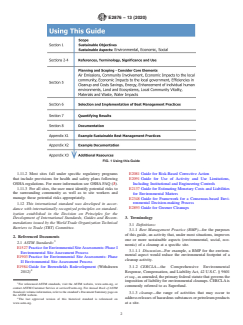
Fig. 1 Using the guide is provided to assist the user in
user chooses whether to pursue BMP implementation alone
navigating the guide.
(Section 6) or to also measure the benefits of the implemented
1.9.1 The user may pursue either the BMP implementation
BMPs (Sections 6 and 7). The user also chooses the phases of
the cleanup to which they apply the guide. section or both the BMP implementation and measurement
sections.
1.4 The guide should be implemented within the existing
1.9.2 Theenvironmentalportionsoftheguidealignwiththe
site assessment and remediation process. The approach de-
Greener Cleanup Principles released by USEPA in August
scribed in this guide should be used with other existing
2009 (2).
technical tools and policy to encourage the consideration of a
1.9.3 When evaluating the sustainable BMPs the user
moreholisticapproachwithabroaderrangeofcleanupoptions
should consider the short and long-term environmental, eco-
and activities than traditionally employed (NICOLE 2012(1)) .
nomic and social aspects, including the potential negative
1.5 BMPs implemented under this guide should address all
impacts, while ensuring protection of human health and the
three aspects of sustainability: environmental, economic and
environment.
social, while assuring that human health and safety as well as
ecological risks are addressed. The goal of implementing 1.10 The guide is intended to provide an overarching
BMPs is to take actions to address the sustainable objectives framework for integrating sustainable objectives in cleanup
identified for the site. projects.The user may choose to consider the Guide E2893 for
greener cleanups along with this guide to more fully address
1.6 3.1.17 defines sustainable objectives; 3.1.15.1 defines
the environmental elements of a project.
sustainable aspects; 5.3 provides detail about core elements;
and Section 6 describes a process to identify, evaluate, select,
1.11 When implementing this guide, the user must comply
and implement BMPs.
with all applicable federal, state, and local statutes and regu-
lations requiring or relating to protection of human health and
the environment. This includes, but is not limited to, laws and
ThisguideisunderthejurisdictionofASTMCommitteeE50onEnvironmental
regulations relating to health and safety, of the surrounding
Assessment, Risk Management and CorrectiveAction and is the direct responsibil-
community, or on-site workers. No action taken in connection
ity of Subcommittee E50.04 on Corrective Action.
Current edition approved Nov. 1, 2020. Published November 2020. Originally with implementing this guide should generate unacceptable
approved in 2013. Last previous edition approved in 2013 as E2876–13. DOI:
human health or ecological risks.
10.1520/E2876-13R20.
1.11.1 CERCLAandRCRAincludeworkersafetyaspartof
The boldface numbers in parentheses refer to a list of references at the end of
this standard. health and safety plans following OSHA regulations.
Copyright © ASTM International, 100 Barr Harbor Drive, PO Box C700, West Conshohocken, PA 19428-2959. United States
E2876 − 13 (2020)
FIG. 1 Using this Guide
1.11.2 Most sites fall under specific regulatory programs E2081 Guide for Risk-Based Corrective Action
that include provisions for health and safety plans following E2091 Guide for Use of Activity and Use Limitations,
OSHA regulations. For more information see OSHA FAQ (3). Including Institutional and Engineering Controls
1.11.3 For all sites, the user must identify potential risks to E2137 Guide for Estimating Monetary Costs and Liabilities
the surrounding community as well as to site workers and
for Environmental Matters
manage those potential risks appropriately.
E2348 Guide for Framework for a Consensus-based Envi-
ronmental Decision-making Process
1.12 This international standard was developed in accor-
E2893 Guide for Greener Cleanups
dance with internationally recognized principles on standard-
ization established in the Decision on Principles for the
3. Terminology
Development of International Standards, Guides and Recom-
mendations issued by the World Trade Organization Technical
3.1 Definitions:
Barriers to Trade (TBT) Committee.
3.1.1 Best Management Practice (BMP)—for the purposes
of this guide, an activity that, under most situations, improves
2. Referenced Documents
one or more sustainable aspects (environmental, social, eco-
2.1 ASTM Standards:
nomic) of a cleanup at a specific site.
E1527 Practice for Environmental SiteAssessments: Phase I
3.1.1.1 Discussion—For example, a BMP for the environ-
Environmental Site Assessment Process
mental aspect would reduce the environmental footprint of a
E1903 Practice for Environmental Site Assessments: Phase
cleanup activity.
II Environmental Site Assessment Process
E1984 Guide for Brownfields Redevelopment (Withdrawn 3.1.2 CERCLA—the Comprehensive Environmental
2012)
Response, Compensation, and LiabilityAct, 42 U.S.C. § 9601
et seq.,asamended,theprimaryfederalstatutethatgovernsthe
imposition of liability for environmental cleanups. CERCLAis
For referenced ASTM standards, visit the ASTM website, www.astm.org, or
commonly referred to as Superfund.
contact ASTM Customer Service at service@astm.org. For Annual Book of ASTM
Standards volume information, refer to the standard’s Document Summary page on
3.1.3 cleanup—the range of activities that may occur to
the ASTM website.
addressreleasesofhazardoussubstancesorpetroleumproducts
The last approved version of this historical standard is referenced on
www.astm.org. at a site.
E2876 − 13 (2020)
3.1.3.1 Discussion—In the environmental industry this term 3.1.10 reasonably anticipated future use—future use of a
is also referred to as assessment and remediation. site that can be predicted with a reasonably high degree of
certainty given historical use, current use, local governmental
3.1.4 community engagement charrette—a meeting or series
planning and zoning.
of meetings where the user identifies the stakeholders and
3.1.10.1 Discussion—Other factors that may be considered
invites them into the discussion of actions for the site.
in determining reasonably anticipated future use include acces-
3.1.4.1 Discussion—The community engagement charrette
sibilityofthesitetoexistinginfrastructure,recentdevelopment
is one option for stakeholder collaboration. The interactions
patterns, cultural factors, environmental justice, regional
between and among the user and the stakeholders (including
trends, and community acceptance.
the regulatory agency) have the intent of sharing information
3.1.11 site—the area(s) defined by the likely physical distri-
and options where collaboration and consensus are goals of the
bution of the chemical(s) of concern from a source area.Asite
meetings. The user and stakeholders discuss the important
could be an entire property or facility, a defined area or portion
aspects, issues, and preferences for the site assessment or
of a facility or property or multiple facilities or properties. One
remediation. The community engagement charrette can be a
facilitymaycontainmultiplesites.Multiplesitesatonefacility
series of meetings held as the user continues to implement
may be addressed individually or as a group.
subsequent steps of a cleanup.
3.1.12 small, non-complex site—a site that meets the attri-
3.1.5 economic multiplier effect—the increased value of
butes in the guide for a project that is not large or potentially
currency/money that is inserted into an area, city, or region (in
complex, as identified by the user.
the form of wages, purchased goods, services, and manufac-
3.1.12.1 Discussion—In the case of a small project of
tures) due to the fact the currency/money circulates close to
limited complexity and scope, the user may consider the
where it is first spent.
following site attributes to streamline the implementation of
3.1.5.1 Discussion—For example, (a) $10 from a city work-
theevaluation.Ifthesitemeetsthefollowingattributes,thesite
er’s wages, buys (b) lunch from a corner restaurant, that pays
may be considered small and non-complex and use the
(c) a cook’s wages, that buy (d) shares in a community solar
adaptations identified in the guide, including reduced docu-
garden.
mentation. The attributes are:
3.1.6 hazardous substance —a substance defined as a haz-
3.1.12.1 limited release complexity—small number or well
ardous substance pursuant to CERCLA, 42 U.S.C. § 9601(14),
understood chemicals of concern (COCs), limited light non-
as interpreted by EPA regulations and the courts.
aqueous phase liquids (LNAPL) and no dense non-aqueous
3.1.7 petroleum products—those substances included within phase liquids (DNAPL).
the meaning of the petroleum exclusion to CERCLA, 42 USC
3.1.12.2 small scale site (such as a service station) and well
§ 9601(14), as interpreted by the courts and EPA: “petroleum,
defined soil and/or groundwater impacts—generally limited to
including crude oil or any fraction thereof which is not
a relatively small area.
otherwise specifically listed or designated as a hazardous
3.1.12.3 lower risk land use—open space, unoccupied
substance under subparagraphs (A) through (F) of this
commercial, or industrial land use surrounding the site; low
paragraph, and the term does not include natural gas, natural
population density surrounding the site, or areas with no
gas liquids, liquefied natural gas, or synthetic gas usable for
current complete exposure pathways (see Guide E2081 for
fuel (or mixtures of natural gas and such synthetic gas).”
discussion of complete exposure pathways).
3.1.8 project team—the group of individuals and experts
3.1.13 stakeholders—individuals, organizations, or other
brought together to implement the activities identified by this
entities who directly or indirectly affect, or are affected by, site
guideforaspecificsite.Typically,theprojectteamincludesthe
releases or cleanup activities, or other interested parties.
user (for example, environmental consultant, specialists), the
Stakeholders are site-specific and can include members of the
state or federal regulator, site owner representative and addi-
local community (for example, residents, regular visitors,
tional experts as needed. For some sites the project team may
nearby businesses, economic development corporations, and
include community stakeholders.
downgradient groundwater users), regulatory agencies having
3.1.8.1 Discussion—For the purposes of this guide, multi-
jurisdiction over the cleanup, site owner or responsible parties,
disciplinary project teams will often be the most effective.
and future users of the property.
Additional members of the team may include specific experts
3.1.13.1 Discussion—The site owners may or may not be
(for example, solar power engineers, architectural or historic
the parties responsible for the cleanup. In addition, there may
preservationspecialists,economists,socialscientists,life-cycle
be other federal, state, and local oversight entities for
analysts,riskassessors,decision-supportspecialists)andfacili-
permitting, historic preservation, or storm water management
tators.
who should be considered when determining the stakeholders
3.1.9 RCRA—theResourceConservationandRecoveryAct, for the project. In addition, there may be commercial and
42 U.S.C. § 6901 et seq., as amended, sometimes also known industrial stakeholders or interested third parties that may be
as the Solid Waste Disposal Act, the primary federal statute affected by the cleanup activities or that can affect the cleanup.
that, inter alia, establishes a framework for regulation of solid Under the guide, the user and the project team consider the
and hazardous waste and for promoting resource recovery ideas, potential issues, and concerns of the different stakehold-
through a federal-state partnership. ers in the decision making process.
E2876 − 13 (2020)
3.1.14 surrounding area—landareaadjacenttoandcontigu- particular types of sites, for example, UST sites, dry cleaner
ouswithasiteextendingtoaboundaryconsistentwiththearea sites, or particular phases of cleanup. Customization may be
identified in the planning and scoping and used in selecting particularly relevant for groups of small, non-complex sites.
BMPs.
4.2 Considerations—The information provided in this guide
3.1.15 sustainability—as defined by a US Federal Executive provides a framework to evaluate sustainable aspects in the
Order under NEPA, sustainability means “to create and main- context of site cleanup. The guide helps users identify factors
tain conditions, under which humans and nature can exist in and activities they may want to consider in cleanup projects,
productiveharmony,thatpermitfulfillingthesocial,economic, while protecting human health and the environment.
and other requirements of present and future generations”
4.3 Sustainable Performance Criterion—Based on the sus-
(NEPA[1969] (4); E.O.13514 [2009] (5)).
tainable objectives identified for the site, users should imple-
3.1.15.1 sustainable aspects—as used in this guide, this is a ment one or more best management practices that substantially
collective term referring to the three key elements of sustain- benefit each of the sustainable aspects (environmental, social
ability: environmental, economic and social. and economic), see Section 6 for details. The user should
demonstrate these benefits through publicly available docu-
3.1.15.2 sustainable core elements—as used in this guide,
mentation. Substantial benefits must be over and above those
these are the areas of focus within the sustainable aspects that
achieved by existing regulatory requirements, unless a regula-
provide direction and help define actions to be taken at a site.
tory agency adopts this guide for cleanup sites. In that case the
The sustainable core elements are listed in 5.3.
regulatory agency will determine what constitutes substantial
3.1.16 sustainable development—as defined by the Brunt-
benefits under its own regulations.
land Commission (1985) (6), sustainable development is a
4.4 Transparency Goal—The user should document the
pattern of development, “that meets the needs of the present
activities and evaluations performed while using this guide.
without compromising the ability of future generations to meet
The documentation is needed to demonstrate the sustainable
their own needs.” Also, as defined by Bromley (1999) (7),
benefits through public disclosure and transparency. See Sec-
sustainable development is, “a present-day institutional ar-
tion 8 for more information.
rangement of human actions that is guided by a vision of
desired future alternative arrangements.”This definition means 4.5 Stakeholder Involvement—The user should engage
that current and future site use and BMPs should consider stakeholders as early as possible in the cleanup process. The
intergenerational impacts and outcomes for the surrounding planning and scoping phase of the project should identify the
area. perspectives and values of the stakeholders and use that
information to inform decision-making (see Guide E2348).
3.1.17 sustainable objectives—the overarching ideas and
Users should consider the input of different stakeholders,
themes used to guide the implementation of sustainability for a
including the community, and implement BMPs favored by
project.These ideas and themes generally arise from outside of
community members wherever possible. Consideration may
the specific project (for example, municipal planning goals,
include review of and integration into the community’s ap-
corporate sustainable objectives) and are not developed exclu-
proved Master Plan.
sively for the specific project. They will apply to one or more
of the sustainable aspects.
4.6 Elimination of Uncertainty—Professional judgment,
interpretation,andsomeuncertaintyareinherentintheprocess,
3.1.18 TSCA—the Toxic Substances ControlAct, 15 U.S.C.
even when exercised in accordance with objective scientific
§ 2601 et seq., the primary federal statute that, inter alia,
principles. In addition, new concepts and methods for integrat-
providesEPAwiththeregulatoryauthoritytorequirereporting,
ing sustainable objectives into cleanup results will develop in
record-keeping, and testing requirements for chemical sub-
the future.
stances and mixtures, and to establish restrictions for the
manufacture, use, processing, storage, distribution in
4.7 Not every property will warrant the same level of
commerce, and/or disposal of certain chemicals and mixtures. evaluationofalternativesorapproachesforintegratingsustain-
able objectives in cleanup.The appropriate level of assessment
3.1.19 user—the party seeking to use this standard to
and evaluation should be guided by the complexity of the
integrate sustainable objectives into cleanup. See also 3.1.8,
cleanup project, the extent of impacts, the relative costs and
Project Team.
benefits of various cleanup options and sustainable
4. Significance and Use
improvements, the potential limitation of resources for the
cleanup, the future use of the site, other considerations asso-
4.1 Flexibility—Users may desire to incorporate sustainable
ciated with the site and affected community, and the regulatory
aspects within the scalable framework throughout any or all
requirements.
phases of the cleanup, or any size of site.
4.1.1 For simplicity the term cleanup is used in the guide 4.8 Worker health and safety issues are one of many
when referring to any of the cleanup phases, for example site considerations in the site cleanup decision-making process. If
assessment, remedy selection, remedy design and two approaches are equally protective of human health and the
implementation, remedy optimization, operation, maintenance environment and fully meet regulatory requirements, then the
and monitoring, and closure. one that is expected to provide greater worker safety should
4.1.2 Implementation of the guide is site-specific. The user generally be preferred. Worker health and safety should not be
may choose to customize the implementation of the guide for used as a rationale for avoiding cleanup at sites.
E2876 − 13 (2020)
4.9 The guide is divided into various sections for ease of significantly less net cost compared to an alternative which
use. See Fig. 1. relies on higher annual energy use.
4.12.4 This guide is intended to use environmental and
4.9.1 Section 5 includes information for the user about
planning and scoping of the cleanup project to integrate community resources efficiently and to increase the short- and
long-term benefits of a cleanup to its environment and com-
sustainable objectives.
munity. This guide is not intended to justify the avoidance of
4.9.2 Section 6 of the guide includes steps to identify,
regulatory requirements or any applicable cleanup standards.
evaluate, select and implement BMPs for a particular site.
4.9.3 Section 7 presents the evaluation and measurement of
4.13 Regulatory Context—Regulatory contexts where this
improvements for selected BMPs.
guide is applicable include voluntary cleanups, brownfields
cleanupsperformedincompliancewithstatevoluntarycleanup
4.9.4 Section 8 presents information about documenting the
activities conducted while implementing the guide. programs, or brownfield initiatives, state-led enforcement
cleanups, for example, most underground storage tank correc-
4.9.5 Appendices include example BMPs (Appendix X1),
tive actions by states paid through theAmerican Recovery and
example documentation forms (Appendix X2), and Additional
Reinvestment Act of 2009, CERCLA removal and remedial
Resources (Appendix X3).The example BMPlist in Appendix
actions, and other corrective actions required under RCRA.
X1 is not intended to be comprehensive, but rather to serve as
Users should, however, determine the regulatory context for
a starting point for the user. This list may be added to or
each site and comply with all applicable laws, regulations and
modified in the future as more experience is gained. The user
guidance (for example, environmental laws under CERCLA,
is encouraged to consult other resources for additional BMPs
RCRA,TSCA),includinghealthandsafetyrequirementsunder
that may be appropriate for a site. See also 6.2.1.
the OSHA and parallel state statutes and regulations.
4.10 The spirit and intent of the guide promotes improve-
4.13.1 Current state and federal cleanup processes already
ments in cleanup through integration of sustainable objectives.
incorporate some greener cleanup principles or sustainable
4.10.1 A cleanup program, developed in conjunction with
objectives (see NAS 2011) (8). This guide expands the evalu-
implementing BMPs following this guide, should fulfill regu-
ation and consideration of these aspects for interested users.
latory cleanup requirements and timelines. The user should
4.13.2 This guide provides ideas and options within a broad
consider only cleanup approaches that will not result in
range of actions that integrate sustainable objectives through-
unreasonable delay of cleanup.
out all phases of the cleanup. The guide is not, however, a
4.10.2 The cleanup program should be consistent with
stand-alone document and does not provide all the information
reasonably anticipated future use of the site.
needed to complete the cleanup process. In addition, when
implementing this guide, the user must comply with all
4.11 The user should consider the over-all affect of site
applicable state and local professional licensing requirements.
cleanup in a holistic manner, including the adverse impacts of
4.13.3 The use of this guide does not ensure compliance
the cleanup and the consequences for the community. In order
with any regulatory requirements. Additionally, users are
to accomplish this, during cleanup planning, the user should
cautioned that environmental regulators may not review or
consider the sustainable core elements to provide direction and
evaluate any particular aspect or results from using this guide
help define actions.
as part of the cleanup approval process and the regulatory
4.12 Cost Considerations—As with all projects, costs are an
program.
important factor. It is the prerogative of the user to determine
4.14 This standard does not purport to address all of the
howtoevaluateandaccommodatethefinancialimplicationsof
safety concerns, if any, associated with its use. It is the
using the guide (see Guide E2137). The economic well-being
responsibility of the user of this standard to establish appro-
of persons neighboring a cleanup and others within the
priate safety and health practices and determine the applicabil-
community should be considered in the evaluation. The user
ity of regulatory limitations prior to use.
should document the cost considerations. See Section 8 for
information about documentation.
5. Planning and Scoping
4.12.1 The user is encouraged to consider long-term ben-
efits and financial savings in addition to short- and long-term 5.1 Introduction—After a user decides to use this guide for
costs associated with cleanups performed using this guide. a cleanup project, they should begin planning and scoping
activities.
4.12.2 The user should consider advancing the benefits of
5.1.1 In the planning and scoping activities, the user iden-
persons not yet born as an alternative to those who enjoy
tifies the project team and stakeholders, collects information
current day, status quo benefits. Conventional economic effi-
and considers the many aspects of the cleanup project.
ciency assessment favors the latter persons. (Bromley, 1999)
(7). 5.1.1.1 The user identifies the sustainable objectives (see
3.1.17) for each sustainable aspect (environmental, economic,
4.12.3 The user, when applicable, should evaluate short-
social)
term and long-term costs and implement appropriate financing
5.1.1.2 The user considers the applicable core elements in
strategies. An activity under this guide may have higher
each sustainable aspect (see 3.1.15.1 and 5.3).
up-front capital costs (for example installation of solar panels
or energy efficient insulation) but the overall long-term net 5.1.1.3 The user determines the cleanup activities and time
costs associated with reduced energy use may result in a horizon that may be involved in the application of the guide.
E2876 − 13 (2020)
5.1.2 The user implements the activities in planning and after the cleanup will have important implications for the
scoping, working with the project team and stakeholders as applicable core elements and potential BMPs to be imple-
applicable for the site. mented. For some sites, the future use is not known.
5.1.3 Based on the information collected in planning and
5.2.5 The user identifies what level of stakeholder collabo-
scoping, the user conducts the BMP selection and implemen-
ration is appropriate. See 5.4 for more information. The user
tation (see Section 6 and Appendix X1).
considers the feedback and outcomes of the collaboration.
5.1.4 Fig. 2 illustrates the connection between the sustain-
Stakeholder collaboration may include a community engage-
able aspects, core elements and BMPs.
ment charrette (see Section 6 for more information).
5.2 Information Gathering:
5.2.6 The user considers the core elements that are appli-
5.2.1 The user ensures the cleanup is protective of human cabletothesitebasedonthecleanupactivitiesplannedandthe
health and the environment and complies with all regulatory
sustainable objectives to be integrated.
requirements.
5.2.6.1 The complexity of the site may have an influence on
5.2.2 The user identifies the current impact of the release,
thecoreelementsandpotentialBMPsthatcouldbepracticalor
including COCs and impacted environmental media and the
reasonable for a site.
cleanup activities that are planned. This is typically achieved
5.2.6.2 Wherethereisinterestfromthecommunity,theuser
by analyzing sources, pathways and receptors (see Practices
and project team should consider community feedback when
E1527, E1903 and Guide E2081).
identifying the core elements.
5.2.3 The user identifies the relevant sustainable objectives
5.2.6.3 The core elements are a useful tool to identify the
for the specific project and site. Some users (or their clients)
specific areas where improvements in the cleanup project can
have corporate, municipal, regional, state or federal policies
be made that are applicable to the sustainable aspects.
about sustainable objectives. To the extent that these exist and
5.2.6.4 The user identifies the core elements likely to be
are applicable for the cleanup project and site, they should be
applicable to the project, so that as a group the core elements
identified and considered in planning and scoping. The sus-
address all of the sustainable aspects. When the user considers
tainable objectives can be translated into actions (which are
the BMPs, the applicable core elements may be revised.
BMPs) through the core elements.
5.2.4 The user identifies the anticipated future use of the 5.2.7 The user identifies the surrounding area within which
site, which may be continued operation of the current facility, theapplicationoftheguidewouldbeused.Foranyproject,the
a re-development of a property that is not currently in use, or surrounding area is determined based on the extent of the
another scenario. The use of the property before, during and release and the planned cleanup activities. When the user
FIG. 2 Relationship Between the Sustainable Aspects (Center), Core Elements (Spokes) and BMPs (Outer Rim of Wheel)); see Appendix
X1 for a more complete list of BMPs.
E2876 − 13 (2020)
considerstheBMPs,thedefinitionofthesurroundingareamay identify and recruit representatives of key stakeholder groups
be refined based on the specific BMPs to be implemented. (for example, through activities such as identifying local
community groups, civic associations, chambers of commerce,
5.2.8 The user identifies the time horizon applicable to the
project. Addressing some core elements and implementing homeowners associations, parks associations, clubs and con-
tacting group leaders through personal invitations, door-to-
some BMPs will have time factors. Some activities may be
implemented throughout the life of the cleanup project; some door, letters, or phone calls). The user should encourage the
active participation of the representatives in deliberative and
may be specific to a particular phase of the work.
decision-making processes, and aim for outcomes reflective of
5.2.9 The user identifies the data that may be needed (see
theinterestsoftheirconstituentgroupandofthecommunityas
5.5 for information about data needs) for using the guide.
awhole.Awiderangeofactivitiesmaybeusedforcommunity
5.2.10 The user should document the activities conducted
engagement.
under 5.2.1 through 5.2.9 and the results of the planning and
scoping. See Section 8 for information about documentation. 5.3.2.4 At some sites community members may not be
interested in participating in the cleanup. The user should
5.3 Sustainable Core Elements—The following core ele-
proceed with the BMP selection and implementation by con-
ments are used to identify the activities within the cleanup
sideringthebestoptionsthatprovidebenefitstothesustainable
project that could be improved by using the guide. The list is
aspects (environmental, economic and social). See 8.1.4, ef-
alphabetical and not hierarchical. This list includes the EPA’s
forts taken for stakeholder collaboration and 8.2.4, making the
current five core elements for the environmental aspect (EPA
documentation publicly available for information.
2009 (2)). EPA’s core elements are total energy use and
5.3.3 Economic Impacts to the Local Community (for
renewable energy use, air and atmospheric pollutants and
example, neighborhood)—The user should identify and maxi-
greenhouse gas emissions, water use and impacts to water
mize the positive public economic impacts in the local com-
resources, materials management and waste reduction, and
munity. One measurement of economic impacts is the eco-
land management and ecosystem services. Additional core
nomic multiplier effect. The user considers the local economy
elements are included in this section to address all of the
when selecting and managing contractor and supply compa-
sustainable aspects. Each core element may have a primary
nies. For example, consider supporting local service
connection to one sustainable aspect (for example, protection
businesses,creatinglocaljobs,purchasingsupplieslocally,and
of water resources may be considered primarily an environ-
consider the fraction of the local labor pool that will be used to
mental aspect). The user is encouraged to consider the connec-
fill cleanup associated jobs. This element could also benefit
tions of the core elements across the sustainable aspects. For
social aspects.
example, minimization of total energy use may apply as an
environmental aspect and also an economic aspect. 5.3.4 Economic Impacts to the Local Government (for
example, city or county)—The user should identify and maxi-
5.3.1 Air Emissions—The user should attempt to reduce
mizethepositivepubliceconomicimpactsandopportunitiesto
total air emissions of the cleanup, including emissions of air
the local government. For example, consider jobs, economic
pollutants and greenhouse gases. Possible methods for reduc-
development areas, and increased grant and loan opportunities.
ing total air emissions may include minimizing the generation
While primarily economic, this element could benefit social
and transport of airborne chemical(s) of concern and dust,
aspects as well.
efficient use of emitting equipment (for example, vehicles), use
of advanced emission controls, use of cleaner fuels or hybrid
5.3.5 Effıciencies in Cleanup and Cost Savings—The user
technologies, and use of non-mechanical treatment systems,
should consider the current anticipated cleanup actions for the
such as in situ remediation. While this element addresses
site as a point of comparison for evaluating efficiencies and
primarily environmental aspects, it may also have important
cost savings (see also 4.12). There are numerous ways to
social and economic benefits.
integrate sustainable objectives into the cleanup such as: reuse
5.3.2 Community Involvement—Stakeholder participation in
of resources, recycling, considering different remedial strate-
the decision-making process is fundamental to integrating gies for the source areas versus the diffuse contamination,
sustainable objectives into cleanup. While this element is retrofitting equipment, efficient operation and pump cycling,
primarily social, it could have important economic and envi- streamlining project management, and electronic reporting.
ronmental benefits. Often,costsofcleanupalternativesandactivitiesarecompared
5.3.2.1 As a practical matter, the involvement of the com- as part of standard practice. The user could include this
comparison of the cleanup activities across the alternative
munity in the cleanup is a scalable activity depending on the
complexity and size of the site, its cleanup activities and the approaches,bylookingatdifferentBMPs.Thecomparisonand
follow-up documentation of the efficiencies and cost savings
interests of the community.
would provide a document that supports the use of sustainable
5.3.2.2 For small, non-complex sites, the community in-
methodologies, and the value of sustainable business practices.
volvement activities could include public notices, site signage,
While this element is primarily economic, it could benefit
web site information, community meetings, radio or television
social and environmental aspects as well.
announcements, or distribution of fact sheets about the selec-
tion and implementation of sustainable BMPs.
5.3.6 Energy—Theusershouldattempttominimizeconven-
5.3.2.3 Atsiteswithcomplexactivities,orwithhighlevelof tional energy use by either reducing consumption and/or using
interest on the part of the community, the level of involvement renewable sources of energy. Possible methods may include
should be increased. In these circumstances, the user should evaluation and reduction of energy use, no idling policies on
E2876 − 13 (2020)
site, use of energy efficient equipment, cycling or pulsing tion of water use in cleanup processes, use of water efficient
operation, use of onsite renewable resources (for example, products, water capture and reclamation for reuse, xeriscaping
wind, solar, etc.), purchase of renewable energy credits, and for revegetation, and employing BMPs for storm water,
purchase of commercial energy from renewable resources. erosion, and sedimentation control. While this element ad-
While this element addresses primarily environmental aspects, dresses primarily environmental aspects, it may also have
it may also have important social and economic benefits. important social and economic benefits.
5.3.7 Enhancement of Individual Human Environments—
5.4 Identification and Inclusion of Stakeholders:
Cleanup decisions can impact individuals working or living in
5.4.1 Thecleanupactivitiesmayimpactandinvolvevarious
proximity to the site, which may include cleanup personnel,
stakeholders. A key objective of this guide is encouraging
and residents. The user should: choose work schedules and
collaborative participation with stakeholders and ensuring that
working hours that are compatible with community needs,
the needs and preferences of stakeholders are considered. The
make minimally invasive parking provisions for cleanup
user, working with the project team, should consider and
personnel, and abate noise, dust, and odor nuisances. This
accommodate stakeholder preferences to the extent possible,
element may be considered under social, economic or environ-
given regulatory and financial constraints, during the various
mental benefits, depending upon the application to the indi-
phasesofthecleanup.Thesepreferenceswillvarygreatlyfrom
vidual project.
site to site and the complexity of the cleanup. A small
5.3.8 Land and Ecosystems—The user should attempt to non-complex site with an underground storage tank and soil
reduce impacts to the land and ecosystem. Possible methods
removal may not generate a large degree of stakeholder
may include minimizing the area requiring activity or use participation compared to a large former industrial facility that
limitations or the removal or destruction of chemical(s) of
will be redeveloped with commercial and residential uses.
concern. The user should limit the disturbance of vegetation, 5.4.2 The user should consult all affected stakeholders and
soils and habitat in the cleanup area, restore ecosystems by
also potentially interested parties for the cleanup activities that
planting native vegetation, restore or create wetlands, preserve are being designed and implemented.
parkland,restoreforestedareas,andminimizingnoiseandlight
5.4.3 The user should consider and address unique stake-
disturbance. While this element addresses primarily environ- holder groups for different phases of the cleanup process, as
mentalaspects,itmayalsohaveimportantsocialandeconomic
applicable for the site.
benefits.
5.4.4 Users may choose to consult with third party
organizations, for example, environmental organizations, pro-
5.3.9 Local Community Vitality—For the area or neighbor-
fessional organizations, non-governmental organizations, trade
hood immediately surrounding the site, there are numerous
associations, and academic institutions, regarding potential
decisions, from the initial stage of site investigation through
ideas, issues, concerns, and impacts related to integrating
the final stages of post-cleanup demobilization and reuse that
sustainable objectives into cleanup activities and their imple-
may impact the local community, from a human health, social
mentation.
and economic standpoint, often with a multiplier effect. The
5.4.5 The user should identify potential issues that may
user should promote good relations with the community
need pro-active measures to reduce disturbance to stakehold-
throughout the project. Examples include improved transpor-
ers. These include off-site emissions, noise, and zoning
tation and open space; preservation of other valued resources
changes, the associated level of effort required, and the
(for example, culturally or historically significant features); the
possible need, resources, and time to conduct the cleanup.
choice of route for demolition and construction traffic and its
5.4.6 The user should encourage stakeholders to reach a
impact upon noise, odors, dust, and congestion; (and the extent
common understanding of the sustainable objectives and the
to which selection of the site reuse/redevelopment option, if
core elements to be addressed during the cleanup project. For
applicable, addresses unmet community needs). Non-profit
example, these objectives could be to include more recycling
organizations in the area and public entities, such as state and
andwasteminimizationatthesiteorcouldbemoresignificant,
local governments, are valuable resources and partners for
such as revitalization of the site for a higher value use (for
information and input needs for the community. This element
example, brownfields redevelopment). Other factors that could
may be considered under both social and economic benefits.
be considered and discussed with stakeholders include the cost
5.3.10 Materials and Waste—The user should attempt to
ofvariousalternatives,andthepositive,ornegative,impactsof
minimize the use of virgin materials and generation of waste
a cleanup on tax revenues, employment, owners, and busi-
throughout the cleanup. Possible methods may include using
nesses.
recycled and locally generated materials, reusing waste mate-
rials (for example, concrete made with coal combustion
5.5 Identification of Data Needs:
products), diverting construction and demolition debris from
5.5.1 The consideration of the core elements and identifica-
disposal by recycling recovered resources, and using rapidly
tion of BMPs may require information that is beyond what is
renewable materials or certified wood products. While this
typically required for a cleanup project. In the planning and
elementaddressesprimarilyenvironmentalaspects,itmayalso
scopingactivities,theusershouldidentifytheseadditionaldata
have important social and economic benefits.
needs and plan for the collection of these data.
5.3.11 Water Impacts—Theusershouldattempttominimize 5.5.2 Some information that should be collected is more
the use of water and impacts to water resources throughout the typical of traditional cleanup projects. The user is encouraged
cleanup. Possible methods may include evaluation and reduc- to collect and document the data and information used in
E2876 − 13 (2020)
applying this guide to support the transparency goal (see 4.4) 5.5.5 The user and the project team should discuss, select
for the application of the guide. For example: and coordinate likely sources and methods for obtaining site
5.5.2.1 The regulatory or voluntary program that will gov- data and other information for the project. This includes the
ern the cleanup, if applicable. tools required to undertake the project and the necessary
5.5.2.2 The reasonably anticipated future use of the site (for
engineering, technical, legal, and other professional support.
example residential, commercial, industrial, or recreational
5.5.6 The user should consider the current anticipated
land use). Effective management or stewardship of short and
cleanup actions of the site as a point of comparison for
long-term activities is an essential component of any cleanup
evaluating potentially applicable BMPs under this guide.
project. Future obligations may include engineering controls,
5.5.7 The user should apply existing guidance, as
institutional controls, and activity and use limitations (Guide
applicable, such as that provided by U.S EPA (EPA 2006) (9),
E2091), and can be accompanied by an environmental
to develop data quality objectives for determining the type,
covenant, deed notice, or deed restriction.
quantity, and quality of data for the application of this guide to
5.5.2.3 Project Schedule and Budget—In some situations, it
the cleanup. The collected information should be relevant to
maynotbefeasible,givenbudgetaryorschedulelimitat
...