

ASTM E2683-17
(Test Method)Standard Test Method for Measuring Heat Flux Using Flush-Mounted Insert Temperature-Gradient Gages
General Information
- Abstract
SIGNIFICANCE AND USE
5.1 The purpose of this test method is to measure the net heat flux to or from a surface location. For measurement of the radiant energy component the emissivity or absorptivity of the surface coating of the gage is required. When measuring the convective energy component the potential physical and thermal disruptions of the surface must be minimized and characterized. Requisite is to consider how the presence of the gage alters the surface heat flux. The desired quantity is usually the heat flux at the surface location without the presence of the gage.
5.1.1 Temperature limitations are determined by the gage material properties, the method of mounting the sensing element, and how the lead wires are attached. The range of heat flux that can be measured and the time response are limited by the gage design and construction details. Measurements of a fraction of 1 kW/m 2 to above 10 MW/m2 are easily obtained with current gages. With thin film sensors a time response of less than 10 μs is possible, while thicker sensors may have response times on the order of 1 s. It is important to choose the gage style and characteristics to match the range and time response of the required application.
5.1.2 When differential thermocouple sensors are operated as specified for one-dimensional heat flux and within the corresponding time response limitations, the voltage output is directly proportional to the heat flux. The sensitivity, however, may be a function of the gage temperature.
5.2 The measured heat flux is based on one-dimensional analysis with a uniform heat flux over the surface of the gage. Measurements of convective heat flux are particularly sensitive to disturbances of the temperature of the surface. Because the heat-transfer coefficient is also affected by any non-uniformities in the surface temperature, the effect of a small temperature change with location is further amplified as explained by Moffat et al. (2) and Diller (3). Moreover, the smaller the gage s...
SCOPE
1.1 This test method describes the measurement of the net heat flux normal to a surface using gages inserted flush with the surface. The geometry is the same as heat-flux gages covered by Test Method E511, but the measurement principle is different. The gages covered by this standard all use a measurement of the temperature gradient normal to the surface to determine the heat that is exchanged to or from the surface. Although in a majority of cases the net heat flux is to the surface, the gages operate by the same principles for heat transfer in either direction.
1.2 This general test method is quite broad in its field of application, size and construction. Two different gage types that are commercially available are described in detail in later sections as examples. A summary of common heat-flux gages is given by Diller (1).2 Applications include both radiation and convection heat transfer. The gages used for aerospace applications are generally small (0.155 to 1.27 cm diameter), have a fast time response (10 μs to 1 s), and are used to measure heat flux levels in the range 0.1 to 10 000 kW/m2. Industrial applications are sometimes satisfied with physically larger gages.
1.3 The values stated in SI units are to be regarded as the standard. The values stated in parentheses are provided for information only.
1.4 This standard does not purport to address all of the safety concerns, if any, associated with its use. It is the responsibility of the user of this standard to establish appropriate safety and health practices and determine the applicability of regulatory limitations prior to use.
1.5 This international standard was developed in accordance with internationally recognized principles on standardization established in the Decision on Principles for the Development of International Standards, Guides and Recommendations issued by the World Trade Organization Technical Barriers to Trade (TBT) Committee.
- Status
- Published
- Publication Date
- 31-Aug-2017
- Technical Committee
- E21 - Space Simulation and Applications of Space Technology
- Drafting Committee
- E21.08 - Thermal Protection
Buy Documents
ASTM E2683-17 - Standard Test Method for Measuring Heat Flux Using Flush-Mounted Insert Temperature-Gradient Gages
REDLINE ASTM E2683-17 - Standard Test Method for Measuring Heat Flux Using Flush-Mounted Insert Temperature-Gradient Gages
Overview
ASTM E2683-17 is a standard test method developed by ASTM International for measuring heat flux using flush-mounted insert temperature-gradient gages. This method is designed to accurately quantify the net heat flux perpendicular to a material’s surface by utilizing gages installed flush with the surface. The test method applies to both radiative and convective heat transfer, supporting a broad array of scientific, industrial, and aerospace measurements where understanding heat transfer rates is critical for safety, performance, and material validation.
Key Topics
- Principle of Operation: The method calculates heat flux based on the temperature gradient measured normal to the surface. Temperature-gradient gages, often equipped with thermocouple pairs arranged as a differential thermopile, provide an output signal proportional to the surface heat flux.
- Types of Gages: Various commercial gage constructions are supported, including thin-film, thick-film, welded, and wire-wound (Schmidt-Boelter) designs. Each type offers distinct measurement ranges, time responses, and thermal durability for specific applications.
- Measurement Ranges: Gages covered by this standard can measure heat flux from fractions of 1 kW/m² up to above 10 MW/m², depending on design. Time response varies from less than 10 μs (microseconds) for thin-film sensors up to 1 s for thicker sensors.
- Calibration: Proper calibration is essential. Sensitivity is typically determined through comparison with secondary standards certified by NIST. Both radiation and convection calibrations are addressed.
- Surface Considerations: Minimizing and characterizing the physical and thermal disturbance caused by the gage ensures accurate measurements, especially important for convective heat flux where the local surface temperature strongly influences results.
- Uncertainty Analysis: Users must conduct and document a comprehensive uncertainty analysis, reporting the total uncertainty alongside the measured heat transfer rate.
Applications
ASTM E2683-17 is widely applicable and particularly valued in:
- Aerospace: Used for flight hardware, wind tunnel models, and spacecraft testing due to the need for fast, accurate heat flux readings at small surface locations-gages are typically small and offer rapid time response.
- Industrial Furnaces and Reactors: Monitoring surface heat flux helps optimize thermal processes and protects equipment from overheating or thermal failure.
- Power Generation: Measurement of heat flux on turbine blades, boiler walls, or other components enables more precise control of heat transfer, yielding efficiency improvements.
- Fire Safety & Testing: Determining incident heat flux on test articles or building materials for safety certification and material evaluation.
- Research: Laboratories use flush-mounted gages when investigating advanced coatings, composite materials, or thermal barrier systems for their heat transfer characteristics.
Related Standards
For comprehensive heat flux measurement and related tests, consider these ASTM and industry standards:
- ASTM E511 - Test Method for Measuring Heat Flux Using a Copper-Constantan Circular Foil, Heat-Flux Transducer: Provides an alternative heat flux measurement approach with different transducer geometry.
- NIST Technical Note 1297 - Guidelines for evaluating and expressing measurement uncertainty, referenced for uncertainty analysis in E2683.
- ISO and IEC standards for thermocouples, radiation measurements, and instrumentation may also complement this method depending on project scope and regulatory needs.
Keywords: heat flux measurement, temperature-gradient gage, ASTM E2683, flush-mounted sensor, radiation heat transfer, convection heat transfer, surface emissivity, thermal transport, uncertainty analysis, calibration, aerospace heat flux, industrial heat transfer.
ASTM E2683-17 delivers a robust, flexible methodology for precise and reliable surface heat flux determination across multiple high-technology and industrial fields. Proper implementation and reporting, as detailed in the standard, ensure repeatable, traceable, and actionable thermal measurements.
Relations
- Effective Date
- 01-Sep-2017
- Effective Date
- 01-Nov-2007
- Effective Date
- 10-Oct-2001
- Effective Date
- 10-Oct-2001
- Effective Date
- 01-Sep-2017
- Effective Date
- 01-Sep-2017
- Effective Date
- 01-Sep-2017
Buy Documents
ASTM E2683-17 - Standard Test Method for Measuring Heat Flux Using Flush-Mounted Insert Temperature-Gradient Gages
REDLINE ASTM E2683-17 - Standard Test Method for Measuring Heat Flux Using Flush-Mounted Insert Temperature-Gradient Gages
Get Certified
Connect with accredited certification bodies for this standard

BSMI (Bureau of Standards, Metrology and Inspection)
Taiwan's standards and inspection authority.
Sponsored listings
Frequently Asked Questions
ASTM E2683-17 is a standard published by ASTM International. Its full title is "Standard Test Method for Measuring Heat Flux Using Flush-Mounted Insert Temperature-Gradient Gages". This standard covers: SIGNIFICANCE AND USE 5.1 The purpose of this test method is to measure the net heat flux to or from a surface location. For measurement of the radiant energy component the emissivity or absorptivity of the surface coating of the gage is required. When measuring the convective energy component the potential physical and thermal disruptions of the surface must be minimized and characterized. Requisite is to consider how the presence of the gage alters the surface heat flux. The desired quantity is usually the heat flux at the surface location without the presence of the gage. 5.1.1 Temperature limitations are determined by the gage material properties, the method of mounting the sensing element, and how the lead wires are attached. The range of heat flux that can be measured and the time response are limited by the gage design and construction details. Measurements of a fraction of 1 kW/m 2 to above 10 MW/m2 are easily obtained with current gages. With thin film sensors a time response of less than 10 μs is possible, while thicker sensors may have response times on the order of 1 s. It is important to choose the gage style and characteristics to match the range and time response of the required application. 5.1.2 When differential thermocouple sensors are operated as specified for one-dimensional heat flux and within the corresponding time response limitations, the voltage output is directly proportional to the heat flux. The sensitivity, however, may be a function of the gage temperature. 5.2 The measured heat flux is based on one-dimensional analysis with a uniform heat flux over the surface of the gage. Measurements of convective heat flux are particularly sensitive to disturbances of the temperature of the surface. Because the heat-transfer coefficient is also affected by any non-uniformities in the surface temperature, the effect of a small temperature change with location is further amplified as explained by Moffat et al. (2) and Diller (3). Moreover, the smaller the gage s... SCOPE 1.1 This test method describes the measurement of the net heat flux normal to a surface using gages inserted flush with the surface. The geometry is the same as heat-flux gages covered by Test Method E511, but the measurement principle is different. The gages covered by this standard all use a measurement of the temperature gradient normal to the surface to determine the heat that is exchanged to or from the surface. Although in a majority of cases the net heat flux is to the surface, the gages operate by the same principles for heat transfer in either direction. 1.2 This general test method is quite broad in its field of application, size and construction. Two different gage types that are commercially available are described in detail in later sections as examples. A summary of common heat-flux gages is given by Diller (1).2 Applications include both radiation and convection heat transfer. The gages used for aerospace applications are generally small (0.155 to 1.27 cm diameter), have a fast time response (10 μs to 1 s), and are used to measure heat flux levels in the range 0.1 to 10 000 kW/m2. Industrial applications are sometimes satisfied with physically larger gages. 1.3 The values stated in SI units are to be regarded as the standard. The values stated in parentheses are provided for information only. 1.4 This standard does not purport to address all of the safety concerns, if any, associated with its use. It is the responsibility of the user of this standard to establish appropriate safety and health practices and determine the applicability of regulatory limitations prior to use. 1.5 This international standard was developed in accordance with internationally recognized principles on standardization established in the Decision on Principles for the Development of International Standards, Guides and Recommendations issued by the World Trade Organization Technical Barriers to Trade (TBT) Committee.
SIGNIFICANCE AND USE 5.1 The purpose of this test method is to measure the net heat flux to or from a surface location. For measurement of the radiant energy component the emissivity or absorptivity of the surface coating of the gage is required. When measuring the convective energy component the potential physical and thermal disruptions of the surface must be minimized and characterized. Requisite is to consider how the presence of the gage alters the surface heat flux. The desired quantity is usually the heat flux at the surface location without the presence of the gage. 5.1.1 Temperature limitations are determined by the gage material properties, the method of mounting the sensing element, and how the lead wires are attached. The range of heat flux that can be measured and the time response are limited by the gage design and construction details. Measurements of a fraction of 1 kW/m 2 to above 10 MW/m2 are easily obtained with current gages. With thin film sensors a time response of less than 10 μs is possible, while thicker sensors may have response times on the order of 1 s. It is important to choose the gage style and characteristics to match the range and time response of the required application. 5.1.2 When differential thermocouple sensors are operated as specified for one-dimensional heat flux and within the corresponding time response limitations, the voltage output is directly proportional to the heat flux. The sensitivity, however, may be a function of the gage temperature. 5.2 The measured heat flux is based on one-dimensional analysis with a uniform heat flux over the surface of the gage. Measurements of convective heat flux are particularly sensitive to disturbances of the temperature of the surface. Because the heat-transfer coefficient is also affected by any non-uniformities in the surface temperature, the effect of a small temperature change with location is further amplified as explained by Moffat et al. (2) and Diller (3). Moreover, the smaller the gage s... SCOPE 1.1 This test method describes the measurement of the net heat flux normal to a surface using gages inserted flush with the surface. The geometry is the same as heat-flux gages covered by Test Method E511, but the measurement principle is different. The gages covered by this standard all use a measurement of the temperature gradient normal to the surface to determine the heat that is exchanged to or from the surface. Although in a majority of cases the net heat flux is to the surface, the gages operate by the same principles for heat transfer in either direction. 1.2 This general test method is quite broad in its field of application, size and construction. Two different gage types that are commercially available are described in detail in later sections as examples. A summary of common heat-flux gages is given by Diller (1).2 Applications include both radiation and convection heat transfer. The gages used for aerospace applications are generally small (0.155 to 1.27 cm diameter), have a fast time response (10 μs to 1 s), and are used to measure heat flux levels in the range 0.1 to 10 000 kW/m2. Industrial applications are sometimes satisfied with physically larger gages. 1.3 The values stated in SI units are to be regarded as the standard. The values stated in parentheses are provided for information only. 1.4 This standard does not purport to address all of the safety concerns, if any, associated with its use. It is the responsibility of the user of this standard to establish appropriate safety and health practices and determine the applicability of regulatory limitations prior to use. 1.5 This international standard was developed in accordance with internationally recognized principles on standardization established in the Decision on Principles for the Development of International Standards, Guides and Recommendations issued by the World Trade Organization Technical Barriers to Trade (TBT) Committee.
ASTM E2683-17 is classified under the following ICS (International Classification for Standards) categories: 17.200.10 - Heat. Calorimetry. The ICS classification helps identify the subject area and facilitates finding related standards.
ASTM E2683-17 has the following relationships with other standards: It is inter standard links to ASTM E2683-09, ASTM E511-07, ASTM E511-01, ASTM E511-73(1994)e1, ASTM E1529-22, ASTM F1930-23, ASTM E3057-19. Understanding these relationships helps ensure you are using the most current and applicable version of the standard.
ASTM E2683-17 is available in PDF format for immediate download after purchase. The document can be added to your cart and obtained through the secure checkout process. Digital delivery ensures instant access to the complete standard document.
Standards Content (Sample)
This international standard was developed in accordance with internationally recognized principles on standardization established in the Decision on Principles for the
Development of International Standards, Guides and Recommendations issued by the World Trade Organization Technical Barriers to Trade (TBT) Committee.
Designation: E2683 − 17
Standard Test Method for
Measuring Heat Flux Using Flush-Mounted Insert
Temperature-Gradient Gages
This standard is issued under the fixed designation E2683; the number immediately following the designation indicates the year of
original adoption or, in the case of revision, the year of last revision.Anumber in parentheses indicates the year of last reapproval.A
superscript epsilon (´) indicates an editorial change since the last revision or reapproval.
1. Scope Development of International Standards, Guides and Recom-
mendations issued by the World Trade Organization Technical
1.1 This test method describes the measurement of the net
Barriers to Trade (TBT) Committee.
heatfluxnormaltoasurfaceusinggagesinsertedflushwiththe
surface. The geometry is the same as heat-flux gages covered
2. Referenced Documents
by Test Method E511, but the measurement principle is
2.1 ASTM Standard:
different. The gages covered by this standard all use a
E511TestMethodforMeasuringHeatFluxUsingaCopper-
measurementofthetemperaturegradientnormaltothesurface
Constantan Circular Foil, Heat-Flux Transducer
to determine the heat that is exchanged to or from the surface.
Although in a majority of cases the net heat flux is to the
3. Terminology
surface, the gages operate by the same principles for heat
3.1 Definitions of Terms Specific to This Standard:
transfer in either direction.
3.1.1 heat flux—the heat transfer per unit area, q, with units
1.2 This general test method is quite broad in its field of
2 2
ofW/m (Btu/ft -s). Heat transfer (or alternatively heat transfer
application, size and construction. Two different gage types
rate) is the rate of thermal energy movement across a system
that are commercially available are described in detail in later
boundary with units of watts (Btu/s). This usage is consistent
sections as examples. A summary of common heat-flux gages
with most heat transfer books.
is given by Diller (1). Applications include both radiation and
3.1.2 heat transfer coeffıcient, (h)—an important parameter
convection heat transfer. The gages used for aerospace appli-
2 2
inconvectiveflowswithunitsofW/m -K(Btu/ft -s-F).Thisis
cations are generally small (0.155 to 1.27 cm diameter), have
defined in terms of the heat flux q as:
afasttimeresponse(10µsto1s),andareusedtomeasureheat
flux levels in the range 0.1 to 10 000 kW/m . Industrial q
h 5 (1)
applications are sometimes satisfied with physically larger
∆T
where ∆T is a prescribed temperature difference between the
gages.
surface and the fluid. The resulting value of h is intended to
1.3 The values stated in SI units are to be regarded as the
be only a function of the fluid flow and geometry, not the
standard. The values stated in parentheses are provided for
temperature difference. If the surface temperature is non-
information only.
uniform or if there is more than a single fluid free stream
temperature, the proper definition of ∆ T may be difficult to
1.4 This standard does not purport to address all of the
specify (2). It is always important to clearly define ∆T when
safety concerns, if any, associated with its use. It is the
calculating the heat transfer coefficient.
responsibility of the user of this standard to establish appro-
3.1.3 surfaceemissivity,(ε)—theratiooftheemittedthermal
priate safety and health practices and determine the applica-
radiation from a surface to that of a blackbody at the same
bility of regulatory limitations prior to use.
temperature.Surfacesareassumedtobegraybodieswherethe
1.5 This international standard was developed in accor-
emissivity is equal to the absorptivity.
dance with internationally recognized principles on standard-
ization established in the Decision on Principles for the
4. Summary of Test Method
4.1 A schematic of the sensing technique is illustrated in
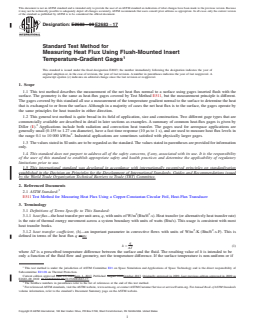
Fig. 1. Temperature difference is measured across a thermal-
This test method is under the jurisdiction of ASTM Committee E21 on Space
Simulation andApplications of SpaceTechnology and is the direct responsibility of resistance layer of thickness, δ. This is the heat flux sensing
Subcommittee E21.08 on Thermal Protection.
Current edition approved Sept. 1, 2017. Published October 2017. Originally
approved in 2009. Last previous edition approved in 2009 as E2683–09. DOI: For referenced ASTM standards, visit the ASTM website, www.astm.org, or
10.1520/E2683-17. contact ASTM Customer Service at service@astm.org. For Annual Book of ASTM
Theboldfacenumbersinparenthesesrefertothelistofreferencesattheendof Standards volume information, refer to the standard’s Document Summary page on
this test method. the ASTM website.
Copyright © ASTM International, 100 Barr Harbor Drive, PO Box C700, West Conshohocken, PA 19428-2959. United States
E2683 − 17
FIG. 1 Layered Heat-Flux Gage
mechanism of this method following Fourier’s law. The mea- flux that can be measured and the time response are limited by
sured heat flux is in the same direction as the temperature the gage design and construction details. Measurements of a
2 2
difference and is proportional to the temperature gradient fraction of 1 kW/m to above 10 MW/m are easily obtained
through the thermal-resistance layer (TRL). The resistance with current gages. With thin film sensors a time response of
layer is characterized by its thickness, δ, thermal conductivity,
less than 10 µs is possible, while thicker sensors may have
k, and thermal diffusivity, α. The properties are generally a responsetimesontheorderof1s.Itisimportanttochoosethe
weak function of temperature.
gage style and characteristics to match the range and time
response of the required application.
k
q 5 ~T 2 T ! (2)
1 2
5.1.2 When differential thermocouple sensors are operated
δ
as specified for one-dimensional heat flux and within the
From this point the different gages may vary in how the
corresponding time response limitations, the voltage output is
temperaturedifferenceT −T ismeasured,thethicknessofthe
1 2
directly proportional to the heat flux. The sensitivity, however,
thermal-resistance layer used, and how the sensing element is
may be a function of the gage temperature.
mountedinthegage.Thesethreeaspectsofeachdifferenttype
of gage are discussed along with the implications for measure- 5.2 The measured heat flux is based on one-dimensional
ments. In all of the cases considered in this standard the gage analysis with a uniform heat flux over the surface of the gage.
housing is a circular cylinder that is inserted into a hole in the Measurementsofconvectiveheatfluxareparticularlysensitive
material of the test object flush with the surface. to disturbances of the temperature of the surface. Because the
heat-transfer coefficient is also affected by any non-
4.2 Gages using this test method generally use differential
uniformities in the surface temperature, the effect of a small
thermocouple pairs that give an output that is directly propor-
temperature change with location is further amplified as
tional to the required temperature difference. The differential
explained by Moffat et al. (2) and Diller (3). Moreover, the
thermocouple pairs are put in series to form a differential
smallerthegagesurfacearea,thelargeristheeffectontheheat
thermopile to increase the sensitivity to heat flux.
transfer coefficient of any surface temperature non-uniformity.
E Nσ δ
T
Therefore, surface temperature disruptions caused by the gage
S 5 5 (3)
q k
should be kept much smaller than the surface to environment
temperaturedifferencedrivingtheheatflux.Thisnecessitatesa
Here Nrepresentsthenumberofthermocouplepairsforming
good thermal path between the sensor and the surface into
the differential thermopile and σ is the effective temperature
T
which it is mounted. If the gage is not water cooled, a good
sensitivity (Seebeck coefficient) of the two thermocouple
thermal pathway to the system’s heat sink is important. The
materials.
gage should have an effective thermal conductivity as great or
5. Significance and Use
greater than the surrounding material. It should also have good
physical contact insured by a tight fit in the hole and a method
5.1 The purpose of this test method is to measure the net
to tighten the gage into the surface. An example method used
heatfluxtoorfromasurfacelocation.Formeasurementofthe
to tighten the gage to the surface material is illustrated in Fig.
radiant energy component the emissivity or absorptivity of the
2. The gage housing has a flange and a separate tightening nut
surface coating of the gage is required. When measuring the
tapped into the surface material.
convective energy component the potential physical and ther-
mal disruptions of the surface must be minimized and charac- 5.2.1 Ifthegageiswatercooled,thethermalpathwaytothe
plate is less important. The heat transfer to the gage enters the
terized. Requisite is to consider how the presence of the gage
alters the surface heat flux. The desired quantity is usually the water as the heat sink instead of the surrounding plate.
heat flux at the surface location without the presence of the Consequently, the thermal resistance between the gage and
gage. plate may even be increased to discourage heat transfer from
5.1.1 Temperature limitations are determined by the gage the plate to the cooling water. Unfortunately, this may also
material properties, the method of mounting the sensing increasethethermalmismatchbetweenthegageandsurround-
element,andhowtheleadwiresareattached.Therangeofheat ing surface.
E2683 − 17
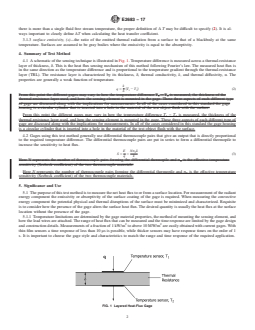
FIG. 2 Diagram of an Installed Insert Heat-Flux Gage
5.2.2 Fig. 2 shows a heat flux gage mounted into a plate for the gage can be obtained by matching the experimental
with the surface temperature of the gage of T and the surface response to step changes in heat flux with exponential curves.
s
temperature of the surrounding plate of T . As previously 2t/τ
p
q 5 q ~1 2 e ! (5)
ss
discussed, a difference in temperature between the gage and
The value of the step change in imposed heat flux is repre-
plate may also increase the local heat transfer coefficient over
sented by q . The resulting time constant characterizes the
ss
the gage. This amplifies the measurement error. Consequently, first-order sensor response.
a well designed heat flux gage will keep the temperature
5.4.3 The time response of the gage can be improved by up
difference between the gage surface and the plate to a
to a factor of 28 by using a simple data processing routine (8).
minimum, particularly if any convection is being measured.
It uses a combination of the temporal and spatial temperature
5.2.3 Under transient or unsteady heat transfer conditions a
measurements of the sensor. This is another reason for mea-
different thermal capacitance of the gage than the surrounding
suring and recording temperature signals along with the heat
material may also cause a temperature difference that affects
flux.
the measured heat flux. Independent measures of the substrate
and the gage surface temperatures are advantageous for defin-
6. Apparatus-Sensor Constructions
ing the heat transfer coefficient and ensuring that the gage
6.1 While the principle of operation is similar, the method
thermal disruption is acceptably small.
ofconstructionanddetailsofoperationvariesforeachdifferent
5.3 The heat flux gages described here may also be water
type of gage. Commercially available types are described in
cooledtoincreasetheirsurvivabilitywhenintroducedintohigh
detail below.
temperature environments. By limiting the rise in gage
6.2 Thin-film Sensors—The thermal resistance and thermo-
temperature, however, a large disruption of the measured heat
couple layers can all be deposited directly onto a substrate to
flux may result, particularly if convection is present. For
give more design and manufacturing flexibility. Such a thin-
convection measurements to match the heat flux experienced
film device has been described in detail by Diller and Onishi
by the surrounding surface, the gage temperature must match
(9) and was first produced by Hager et al. (5) using sputtering
the temperature of that surface. This will usually require the
techniques. It is currently made by Vatell. The thermal
surrounding surface to also be water cooled.
resistance layer of 1 µm silicon monoxide is deposited directly
5.4 The time response of the heat flux sensor can be
onto the surface. Microfabrication methods are used to deposit
estimated analytically if the thermal properties of the thermal
hundreds of thermocouple pairs around the silicon monoxide
resistance layer are well known. The time required for 98 %
layer to create the desired differential thermopile as specified
response to a step input (4) based on a one-dimensional
for Eq 3. Because of the thin-films used, it has been named the
analysis is:
Heat Flux Microsensor (HFM). Either photolithography or
2 stencil masks can be used to define the patterns. Precise
1.5δ
t 5 (4)
registration of the elements in each of the five layers allows a
α
fine pattern to be created in a small surface area. A cross-
where α is the thermal diffusivity of the TRL. Covering or
section of the gage, which does not need an adhesive layer, is
encapsulation layers must also be included in the analysis.The
illustrated in Fig. 3. The resulting physical and thermal
calibrated gage sensitivity in Eq 3 applies only under steady-
disruption of the surface due to the presence of the sensor is
state conditions.
extremely small because of the low sensor mass.
5.4.1 For thin-film sensors theTRLmaterial properties may
6.2.1 While the original version of these sensors placed the
be much different from those of bulk materials. Therefore, a
temperature sensors almost directly over top of each other
direct experimental verification of the time response is desir-
across a single TRL, it is not a requirement. The bottom
able. If the gage is designed to absorb radiation, a pulsed laser
temperaturesensorssimplyneedtobeatauniformtemperature
or optically switched Bragg cell can be used to give rise times
of less than 1 µs (5,6).Arise time on the order of 5 µs can be
The sole source of supply of the apparatus known to the committee at this time
provided in a convective flow with a shock tunnel (7).
is Vatell. If you are aware of alternative suppliers, please provide this information
5.4.2 Because the response of these gages is close to an
to ASTM International Headquarters. Your comments will receive careful consid-
exponential rise, a measure of the first-order time constant, τ, erationatameetingoftheresponsibletechnicalcommittee, whichyoumayattend.
E2683 − 17
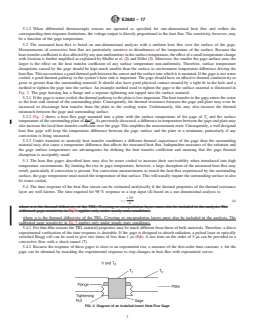
FIG. 3 Isometric View of Thin-Film Gage Pattern
and the top temperature sensors need to be at a temperature substrate, which is then press fit into a high conductivity metal
dictated by the heat flux perpendicular to the surface. This can housing.Athin-filmRTDorthermocoupleisalsodepositedon
be accomplished on a high conductivity substrate by separate the surface for independent temperature measurement of the
thermal resistance pads for the top temperature measurements. sensor surface. Consequently, these gages cause little if any
The pattern is illustrated in Fig. 4 (7).The bottom temperature thermal disruption if properly mounted in any material with
sensors can be placed directly on the substrate with or without thermal conductivity equal to or less than common aluminum,
thermal resistance pads on top. If the thermal resistance of the which includes most materials except high-conductivity silver
pads is large relative to the lateral thermal resistance in the or copper.
substrate between individual temperature sensors, the pads on 6.2.2 Use of high-temperature thermocouple materials (10)
the lower thermocouple junctions are redundant and not allows sensor operating temperatures to exceed 800°C for the
necessary. For the Heat Flux Microsensor this is accomplished high-temperature models. They are best suited for heat flux
using aluminum nitride as the substrate material. With a values above 1 kW/m , with no practical upper limit. Because
thermal conductivity of approximately 170 W/m-K, which is the sensor is so thin, the thermal response time is less than
severalordersofmagnitudehigherthantheconductivityofthe 10µs(7),givingagoodfrequencyresponsewellabove10kHz
siliconmonoxide,andexcellentelectricalinsulationproperties, when no radiation coating is applied. The gage can also be
it forms an ideal substrate material. Leads are taken down the water or air cooled for high-flux radiation measurements.
side and attached to wires on the side or behind the sensor Because cooling would disrupt convection processes, the
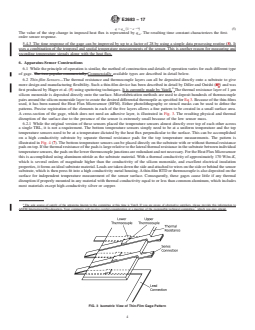
FIG. 4 Side-by-Side Thermopile Construction
E2683 − 17
cooledversionsshouldnotbeusedifconvectionisasignificant associatedwiththeearlydiscoverybySchmidt(13)in1924.A
portion of the heat flux. modification to this technique by L.M.K. Boelter in the 1940s
6.2.3 As a warning, if both temperature sensors are placed simplified and miniaturized the construction of the gage.
on the substrate with a thermal pad over one to create the However, this type of gage has been marketed by commercial
temperature difference, the resulting heat flux sensor operates suppliers since the 1950s under several different names. As
based on a lateral temperature gradient in the substrate and is illustrated in Fig. 5, it provides a self-generated voltage output
not covered by this method. The dynamic and steady response in response to the thermal energy absorbed at the sensing
of such a gage is substantially different from the gages with surface. This device measures the temperature difference
normaltemperaturegradientsthataredescribedinthissection. between the top and bottom surface planes of a parallel wall
slab. The top surface of the slab is located near the sensing
6.3 Thick-Film Gage—A gage with a similar design as
5 surface of the transducer and the bottom surface is in good
shown in Fig. 3 made by MesoScribe with thermal spray
thermalcontactwithaheatsink.Thistemperaturedifferenceis
technology is an order-of-magnitude thicker (11). The thermo-
established as the thermal energy absorbed at the sensing
pileconsistsofN-typethermocouplejunctionsandthethermal
surface is rapidly transferred laterally through the parallel wall
resistance layer is a dielectric material such as yttria-stabilized
slab and int
...
This document is not an ASTM standard and is intended only to provide the user of an ASTM standard an indication of what changes have been made to the previous version. Because
it may not be technically possible to adequately depict all changes accurately, ASTM recommends that users consult prior editions as appropriate. In all cases only the current version
of the standard as published by ASTM is to be considered the official document.
Designation: E2683 − 09 E2683 − 17
Standard Test Method for
Measuring Heat Flux Using Flush-Mounted Insert
Temperature-Gradient Gages
This standard is issued under the fixed designation E2683; the number immediately following the designation indicates the year of
original adoption or, in the case of revision, the year of last revision. A number in parentheses indicates the year of last reapproval. A
superscript epsilon (´) indicates an editorial change since the last revision or reapproval.
1. Scope
1.1 This test method describes the measurement of the net heat flux normal to a surface using gages inserted flush with the
surface. The geometry is the same as heat-flux gages covered by Test Method E511, but the measurement principle is different.
The gages covered by this standard all use a measurement of the temperature gradient normal to the surface to determine the heat
that is exchanged to or from the surface. Although in a majority of cases the net heat flux is to the surface, the gages operate by
the same principles for heat transfer in either direction.
1.2 This general test method is quite broad in its field of application, size and construction. Two different gage types that are
commercially available are described in detail in later sections as examples. A summary of common heat-flux gages is given by
Diller (1). Applications include both radiation and convection heat transfer. The gages used for aerospace applications are
generally small (0.155 to 1.27 cm diameter), have a fast time response (10 μs to 1 s), and are used to measure heat flux levels in
the range 0.1 to 10 000 kW/m . Industrial applications are sometimes satisfied with physically larger gages.
1.3 The values stated in SI units are to be regarded as the standard. The values stated in parentheses are provided for information
only.
1.4 This standard does not purport to address all of the safety concerns, if any, associated with its use. It is the responsibility
of the user of this standard to establish appropriate safety and health practices and determine the applicability of regulatory
limitations prior to use.
1.5 This international standard was developed in accordance with internationally recognized principles on standardization
established in the Decision on Principles for the Development of International Standards, Guides and Recommendations issued
by the World Trade Organization Technical Barriers to Trade (TBT) Committee.
2. Referenced Documents
2.1 ASTM Standard:
E511 Test Method for Measuring Heat Flux Using a Copper-Constantan Circular Foil, Heat-Flux Transducer
3. Terminology
3.1 Definitions of Terms Specific to This Standard:
2 2
3.1.1 heat flux—the heat transfer per unit area, q, with units of W/m (Btu/ft -s). Heat transfer (or alternatively heat transfer rate)
is the rate of thermal energy movement across a system boundary with units of watts (Btu/s). This usage is consistent with most
heat transfer books.
2 2
3.1.2 heat transfer coeffıcient, (h)—an important parameter in convective flows with units of W/m -K (Btu/ft -s-F). This is
defined in terms of the heat flux q asas:
q
h 5 (1)
ΔT
where ΔT is a prescribed temperature difference between the surface and the fluid. The resulting value of h is intended to be
only a function of the fluid flow and geometry, not the temperature difference. If the surface temperature is non-uniform or if
This test method is under the jurisdiction of ASTM Committee E21 on Space Simulation and Applications of Space Technology and is the direct responsibility of
Subcommittee E21.08 on Thermal Protection.
Current edition approved June 15, 2009Sept. 1, 2017. Published August 2009October 2017. Originally approved in 2009. Last previous edition approved in 2009 as
E2683–09. DOI: 10.1520/E2683-09.10.1520/E2683-17.
The boldface numbers in parentheses refer to the list of references at the end of this test method.
For referenced ASTM standards, visit the ASTM website, www.astm.org, or contact ASTM Customer Service at service@astm.org. For Annual Book of ASTM Standards
volume information, refer to the standard’s Document Summary page on the ASTM website.
Copyright © ASTM International, 100 Barr Harbor Drive, PO Box C700, West Conshohocken, PA 19428-2959. United States
E2683 − 17
there is more than a single fluid free stream temperature, the proper definition of Δ T may be difficult to specify (2). It is al-
ways important to clearly define ΔT when calculating the heat transfer coefficient.
3.1.3 surface emissivity, (ε)—the ratio of the emitted thermal radiation from a surface to that of a blackbody at the same
temperature. Surfaces are assumed to be gray bodies where the emissivity is equal to the absorptivity.
4. Summary of Test Method
4.1 A schematic of the sensing technique is illustrated in Fig. 1. Temperature difference is measured across a thermal-resistance
layer of thickness, δ. This is the heat flux sensing mechanism of this method following Fourier’s law. The measured heat flux is
in the same direction as the temperature difference and is proportional to the temperature gradient through the thermal-resistance
layer (TRL). The resistance layer is characterized by its thickness, δ, thermal conductivity, k, and thermal diffusivity, α. The
properties are generally a weak function of temperature.
k
q 5 T 2 T (2)
~ !
1 2
δ
From this point the different gages may vary in how the temperature difference T − T is measured, the thickness of the
1 2
thermal-resistance layer used, and how the sensing element is mounted in the gage. These three aspects of each different type
of gage are discussed along with the implications for measurements. In all of the cases considered in this standard the gage
housing is a circular cylinder that is inserted into a hole in the material of the test object flush with the surface.
From this point the different gages may vary in how the temperature difference T − T is measured, the thickness of the
1 2
thermal-resistance layer used, and how the sensing element is mounted in the gage. These three aspects of each different type of
gage are discussed along with the implications for measurements. In all of the cases considered in this standard the gage housing
is a circular cylinder that is inserted into a hole in the material of the test object flush with the surface.
4.2 Gages using this test method generally use differential thermocouple pairs that give an output that is directly proportional
to the required temperature difference. The differential thermocouple pairs are put in series to form a differential thermopile to
increase the sensitivity to heat flux.
E Nσ δ
T
S 5 5 (3)
q k
Here N represents the number of thermocouple pairs forming the differential thermopile and σ is the effective temperature
T
sensitivity (Seebeck coefficient) of the two thermocouple materials.
Here N represents the number of thermocouple pairs forming the differential thermopile and σ is the effective temperature
T
sensitivity (Seebeck coefficient) of the two thermocouple materials.
5. Significance and Use
5.1 The purpose of this test method is to measure the net heat flux to or from a surface location. For measurement of the radiant
energy component the emissivity or absorptivity of the surface coating of the gage is required. When measuring the convective
energy component the potential physical and thermal disruptions of the surface must be minimized and characterized. Requisite
is to consider how the presence of the gage alters the surface heat flux. The desired quantity is usually the heat flux at the surface
location without the presence of the gage.
5.1.1 Temperature limitations are determined by the gage material properties, the method of mounting the sensing element, and
how the lead wires are attached. The range of heat flux that can be measured and the time response are limited by the gage design
2 2
and construction details. Measurements of a fraction of 1 kW/m to above 10 MW/m are easily obtained with current gages. With
thin film sensors a time response of less than 10 μs is possible, while thicker sensors may have response times on the order of 1
s. It is important to choose the gage style and characteristics to match the range and time response of the required application.
FIG. 1 Layered Heat-Flux Gage
E2683 − 17
5.1.2 When differential thermocouple sensors are operated as specified for one-dimensional heat flux and within the
corresponding time response limitations, the voltage output is directly proportional to the heat flux. The sensitivity, however, may
be a function of the gage temperature.
5.2 The measured heat flux is based on one-dimensional analysis with a uniform heat flux over the surface of the gage.
Measurements of convective heat flux are particularly sensitive to disturbances of the temperature of the surface. Because the
heat-transfer coefficient is also affected by any non-uniformities in the surface temperature, the effect of a small temperature change
with location is further amplified as explained by Moffat et al. (2) and Diller (3). Moreover, the smaller the gage surface area, the
larger is the effect on the heat transfer coefficient of any surface temperature non-uniformity. Therefore, surface temperature
disruptions caused by the gage should be kept much smaller than the surface to environment temperature difference driving the
heat flux. This necessitates a good thermal path between the sensor and the surface into which it is mounted. If the gage is not water
cooled, a good thermal pathway to the system’s heat sink is important. The gage should have an effective thermal conductivity as
great or greater than the surrounding material. It should also have good physical contact insured by a tight fit in the hole and a
method to tighten the gage into the surface. An example method used to tighten the gage to the surface material is illustrated in
Fig. 2. The gage housing has a flange and a separate tightening nut tapped into the surface material.
5.2.1 If the gage is water cooled, the thermal pathway to the plate is less important. The heat transfer to the gage enters the water
as the heat sink instead of the surrounding plate. Consequently, the thermal resistance between the gage and plate may even be
increased to discourage heat transfer from the plate to the cooling water. Unfortunately, this may also increase the thermal
mismatch between the gage and surrounding surface.
5.2.2 Fig. 2 shows a heat flux gage mounted into a plate with the surface temperature of the gage of T and the surface
s
temperature of the surrounding plate of Tp.T . As previously discussed, a difference in temperature between the gage and plate may
p
also increase the local heat transfer coefficient over the gage. This amplifies the measurement error. Consequently, a well designed
heat flux gage will keep the temperature difference between the gage surface and the plate to a minimum, particularly if any
convection is being measured.
5.2.3 Under transient or unsteady heat transfer conditions a different thermal capacitance of the gage than the surrounding
material may also cause a temperature difference that affects the measured heat flux. Independent measures of the substrate and
the gage surface temperatures are advantageous for defining the heat transfer coefficient and ensuring that the gage thermal
disruption is acceptably small.
5.3 The heat flux gages described here may also be water cooled to increase their survivability when introduced into high
temperature environments. By limiting the rise in gage temperature, however, a large disruption of the measured heat flux may
result, particularly if convection is present. For convection measurements to match the heat flux experienced by the surrounding
surface, the gage temperature must match the temperature of that surface. This will usually require the surrounding surface to also
be water cooled.
5.4 The time response of the heat flux sensor can be estimated analytically if the thermal properties of the thermal resistance
layer are well known. The time required for 98 % response to a step input (4) based on a one-dimensional analysis is:
1.5δ
t 5 (4)
α
where α is the thermal diffusivity of the TRL. Covering or encapsulation layers must also be included in the analysis. The
calibrated gage sensitivity in Eq 3 applies only under steady-state conditions.
where α is the thermal diffusivity of the TRL. Covering or encapsulation layers must also be included in the analysis. The
calibrated gage sensitivity in Eq 3 applies only under steady-state conditions.
5.4.1 For thin-film sensors the TRL material properties may be much different from those of bulk materials. Therefore, a direct
experimental verification of the time response is desirable. If the gage is designed to absorb radiation, a pulsed laser or optically
switched Bragg cell can be used to give rise times of less than 1 μs (5,6). A rise time on the order of 5 μs can be provided in a
convective flow with a shock tunnel (7).
5.4.2 Because the response of these gages is close to an exponential rise, a measure of the first-order time constant, τ, for the
gage can be obtained by matching the experimental response to step changes in heat flux with exponential curves.
FIG. 2 Diagram of an Installed Insert Heat-Flux Gage
E2683 − 17
2t/τ
q 5 q 12 e (5)
~ !
ss
The value of the step change in imposed heat flux is represented by q . The resulting time constant characterizes the first-
ss
order sensor response.
5.4.3 The time response of the gage can be improved by up to a factor of 28 by using a simple data processing routine (8). It
uses a combination of the temporal and spatial temperature measurements of the sensor. This is another reason for measuring and
recording temperature signals along with the heat flux.
6. Apparatus-Sensor Constructions
6.1 While the principle of operation is similar, the method of construction and details of operation varies for each different type
of gage. The two popular commercially Commercially available types are described in detail below.
6.2 Thin-film Sensors—The thermal resistance and thermocouple layers can all be deposited directly onto a substrate to give
more design and manufacturing flexibility. Such a thin-film device has been described in detail by Diller and Onishi (89) and was
first produced by Hager et al. (5) using sputtering techniques. It is currently made by Vatell. The thermal resistance layer of 1 μm
silicon monoxide is deposited directly onto the surface. Microfabrication methods are used to deposit hundreds of thermocouple
pairs around the silicon monoxide layer to create the desired differential thermopile as specified for Eq 3. Because of the thin-films
used, it has been named the Heat Flux Microsensor (HFM). Either photolithography or stencil masks can be used to define the
patterns. Precise registration of the elements in each of the five layers allows a fine pattern to be created in a small surface area.
A cross-section of the gage, which does not need an adhesive layer, is illustrated in Fig. 3. The resulting physical and thermal
disruption of the surface due to the presence of the sensor is extremely small because of the low sensor mass.
6.2.1 While the original version of these sensors placed the temperature sensors almost directly over top of each other across
a single TRL, it is not a requirement. The bottom temperature sensors simply need to be at a uniform temperature and the top
temperature sensors need to be at a temperature dictated by the heat flux perpendicular to the surface. This can be accomplished
on a high conductivity substrate by separate thermal resistance pads for the top temperature measurements. The pattern is
illustrated in Fig. 4 (7). The bottom temperature sensors can be placed directly on the substrate with or without thermal resistance
pads on top. If the thermal resistance of the pads is large relative to the lateral thermal resistance in the substrate between individual
temperature sensors, the pads on the lower thermocouple junctions are redundant and not necessary. For the Heat Flux Microsensor
this is accomplished using aluminum nitride as the substrate material. With a thermal conductivity of approximately 170 W/m-K,
which is several orders of magnitude higher than the conductivity of the silicon monoxide, and excellent electrical insulation
properties, it forms an ideal substrate material. Leads are taken down the side and attached to wires on the side or behind the sensor
substrate, which is then press fit into a high conductivity metal housing. A thin-film RTD or thermocouple is also deposited on the
surface for independent temperature measurement of the sensor surface. Consequently, these gages cause little if any thermal
disruption if properly mounted in any material with thermal conductivity equal to or less than common aluminum, which includes
most materials except high-conductivity silver or copper.
The sole source of supply of the apparatus known to the committee at this time is Vatell. If you are aware of alternative suppliers, please provide this information to
ASTM International Headquarters. Your comments will receive careful consideration at a meeting of the responsible technical committee, which you may attend.
FIG. 3 Isometric View of Thin-Film Gage Pattern
E2683 − 17
FIG. 4 Side-by-Side Thermopile Construction
6.2.2 Use of high-temperature thermocouple materials (910) allows sensor operating temperatures to exceed 800°C800 °C for
the high-temperature models. They are best suited for heat flux values above 1 kW/m , with no practical upper limit. Because the
sensor is so thin, the thermal response time is less than 10 μs 10 μs (7), giving a good frequency response well above 10 kHz when
no radiation coating is applied. The gage can also be water or air cooled for high-flux radiation measurements. Because cooling
would disrupt convection processes, the cooled versions should not be used if convection is a significant portion of the heat flux.
6.2.3 As a warning, if both temperature sensors are placed on the substrate with a thermal pad over one to create the temperature
difference, the resulting heat flux sensor operates based on a lateral temperature gradient in the substrate and is not covered by this
method. The dynamic and steady response of such a gage is substantially different from the gages with normal temperature
gradients that are described in this section.
6.3 Thick-Film Gage—A gage with a similar design as shown in Fig. 3 made by MesoScribe with thermal spray technology
is an order-of-magnitude thicker (11). The thermopile consists of N-type thermocouple junctions and the thermal resistance layer
is a dielectric material such as yttria-stabilized zirconia or aluminum-doped magnesium aluminate spinel. The typical thickness of
the resistance layer is 75 μm. It operates up to 860 °C sensor temperature. One time constant is 27 msec.
6.4 Welded Heat Flux Gage—A particularly durable sensor for operating temperatures up to 1000 °C was developed by Gifford
et al. (12) by welding K-type thermocouples in a “z” pattern. The thermal resistance layer is actually composed of the
thermocouples themselves. Small pieces of ceramic are used to separate the metal elements. The element is mounted in an Inconel
housing. The 3.2 mm thick sensor has a time constant less than one second when using the method of Hubble and Diller (8). These
HTHFS sensors are currently made by FluxTeq.
6.5 The Wire-Wound Gage (generally known as the Schmidt-Boelter Gage)—The Schmidt-Boelter gage, the earliest practical
heat flux gage, consisted of a plated wire wrapped around the TRL in place of the thermocouples. It is commonly associated with
the early discovery by Schmidt (1013) in 1924. A modification to this technique by L.M.K. Boelter in the 1940s simplified and
miniaturized the construction of the
...