

ASTM D6836-16
(Test Method)Standard Test Methods for Determination of the Soil Water Characteristic Curve for Desorption Using Hanging Column, Pressure Extractor, Chilled Mirror Hygrometer, or Centrifuge
General Information
- Abstract
SIGNIFICANCE AND USE
5.1 The soil water characteristic curve (SWCC) is fundamental to hydrological characterization of unsaturated soils and is required for most analyses of water movement in unsaturated soils. The SWCC is also used in characterizing the shear strength and compressibility of unsaturated soils. The unsaturated hydraulic conductivity of soil is often estimated using properties of the SWCC and the saturated hydraulic conductivity.
5.2 This method applies only to soils containing two pore fluids: a gas and a liquid. The liquid is usually water and the gas is usually air. Other liquids may also be used, but caution must be exercised if the liquid being used causes excessive shrinkage or swelling of the soil matrix.
5.3 A full investigation has not been conducted regarding the correlation between soil water characteristic curves obtained using this method and soil water characteristics curves of in-place materials. Thus, results obtained from this method should be applied to field situations with caution and by qualified personnel.
Note 1: The quality of the result produced by this standard depends on the competence of the personnel performing the test and the suitability of the equipment and facilities used. Agencies that meet the criteria of Practice D3740 are generally considered capable of competent and objective testing, sampling, inspection, etc. Users of this standard are cautioned that compliance with Practice D3740 does not in itself ensure reliable results. Reliable results depend on many factors. Practice D3740 provides a means of evaluating some of these factors.
SCOPE
1.1 These test methods cover the determination of soil water characteristic curves (SWCCs) for desorption (drying). SWCCs describe the relationship between suction and volumetric water content, gravimetric water content, or degree of water saturation. SWCCs are also referred to as soil water retention curves, soil water release curves, or capillary pressure curves.
1.2 This standard describes five methods (A-E) for determining the soil water characteristic curve. Method A (hanging column) is suitable for making determinations for suctions in the range of 0 to 80 kPa. Method B (pressure chamber with volumetric measurement) and Method C (pressure chamber with gravimetric measurement) are suitable for suctions in the range of 0 to 1500 kPa. Method D (chilled mirror hygrometer) is suitable for making determinations for suctions in the range of 500 kPa to 100 MPa. Method E (centrifuge method) is suitable for making determinations in the range 0 to 120 kPa. Method A typically is used for coarse soils with little fines that drain readily. Methods B and C typically are used for finer soils, which retain water more tightly. Method D is used when suctions near saturation are not required and commonly is employed to define the dry end of the soil water characteristic curve (that is, water contents corresponding to suctions >1000 kPa). Method E is typically used for coarser soils where an appreciable amount of water can be extracted with suctions up to 120 kPa. The methods may be combined to provide a detailed description of the soil water characteristic curve. In this application, Method A or E is used to define the soil water characteristic curve at lower suctions (0 to 80 kPa for A, 0 to 120 kPa for E) near saturation and to accurately identify the air entry suction, Method B or C is used to define the soil water characteristic curve for intermediate water contents and suctions (100 to 1000 kPa), and Method D is used to define the soil water characteristic curves at low water contents and higher suctions (>1000 kPa).
1.3 All observed and calculated values shall conform to the guide for significant digits and rounding established in Practice D6026. The procedures in Practice D6026 that are used to specify how data are collected, recorded, and calculated are regarded as the industry standard. In addition, they are represe...
- Status
- Published
- Publication Date
- 14-Nov-2016
- Technical Committee
- D18 - Soil and Rock
- Drafting Committee
- D18.04 - Hydrologic Properties and Hydraulic Barriers
Buy Documents
ASTM D6836-16 - Standard Test Methods for Determination of the Soil Water Characteristic Curve for Desorption Using Hanging Column, Pressure Extractor, Chilled Mirror Hygrometer, or Centrifuge
REDLINE ASTM D6836-16 - Standard Test Methods for Determination of the Soil Water Characteristic Curve for Desorption Using Hanging Column, Pressure Extractor, Chilled Mirror Hygrometer, or Centrifuge
Overview
ASTM D6836-16 is the Standard Test Methods for Determination of the Soil Water Characteristic Curve for Desorption Using Hanging Column, Pressure Extractor, Chilled Mirror Hygrometer, or Centrifuge. Developed by ASTM International, this standard defines procedures for determining the Soil Water Characteristic Curve (SWCC), essential for understanding water behavior in unsaturated soils. This curve, also known as the soil water retention curve or capillary pressure curve, relates soil suction to water content, providing crucial data for geotechnical, agricultural, and hydrological projects.
Key Topics
- Soil Water Characteristic Curve (SWCC): Fundamental in evaluating the hydraulic, mechanical, and physical properties of unsaturated soils.
- Test Methods: Five main methods are provided:
- Hanging Column (Method A): For coarser soils, measuring suctions from 0 to 80 kPa.
- Pressure Chamber with Volumetric or Gravimetric Measurement (Methods B and C): For finer soils, suitable for 0 to 1500 kPa.
- Chilled Mirror Hygrometer (Method D): Defines the dry end of the SWCC, suitable for 500 kPa to 100 MPa.
- Centrifuge (Method E): Ideal for coarser soils, measuring suctions from 0 to 120 kPa.
- Specimen Preparation: Covers preparation from disturbed, undisturbed, and laboratory-compacted samples.
- Saturation Procedures: Outlines requirements for saturating specimens, porous plates, and membranes to ensure reliable results.
- Apparatus Requirements: Specifies equipment such as pressure chambers, hanging columns, chilled mirror hygrometers, centrifuges, temperature control, and measurement devices.
- Use of Two Pore Fluids: Applicable only to soils with two pore fluids (typically air and water), with caution required when using other liquids.
- Data Quality and Safety: Emphasizes qualified personnel, suitable laboratory facilities, and careful data handling for optimal and safe results.
Applications
ASTM D6836-16 is widely used in fields where soil moisture and its movement are of critical importance. Major applications include:
- Hydrological Characterization: Understanding unsaturated hydraulic conductivity, supporting modeling of water flow in soils for environmental engineering projects and groundwater recharge studies.
- Geotechnical Engineering: Assessing the shear strength and compressibility of unsaturated soils in earth dams, slopes, foundations, and embankments.
- Agriculture and Land Management: Optimizing irrigation strategies, drainage design, and soil management based on water retention properties.
- Environmental Remediation: Estimating movement of water and contaminants in unsaturated soils, vital for design and risk assessment in remediation projects.
- Research and Soil Science: Forming the basis for laboratory and field studies on unsaturated soil behavior.
The test methods may be combined to deliver a comprehensive SWCC across a wide suction range, ensuring accurate and detailed soil moisture characterization.
Related Standards
For effective soil testing and reliable interpretation of results, ASTM D6836-16 references and is complemented by several related standards:
- ASTM D2216: Standard Test Methods for Laboratory Determination of Water (Moisture) Content of Soil and Rock.
- ASTM D653: Terminology Relating to Soil, Rock, and Contained Fluids.
- ASTM D854: Specific Gravity of Soil Solids by Water Pycnometer.
- ASTM D3740: Minimum Requirements for Agencies Engaged in Testing and/or Inspection of Soil and Rock.
- ASTM D6026: Guide for Using Significant Digits in Geotechnical Data.
- ASTM D5084: Measurement of Hydraulic Conductivity of Saturated Porous Materials Using a Flexible Wall Permeameter.
- Related API Procedures: API RP 40 for core analysis.
Practical Value
By adhering to ASTM D6836-16, professionals gain scientifically validated methods for characterizing soil water behavior, allowing for informed decision-making in design, construction, agriculture, and environmental management. Utilizing these standardized soil testing procedures improves reliability, quality control, and data comparability across projects.
Relations
- Effective Date
- 15-Nov-2016
- Effective Date
- 01-Feb-2024
- Effective Date
- 01-Nov-2023
- Effective Date
- 01-Nov-2023
- Effective Date
- 01-Oct-2019
- Effective Date
- 01-Mar-2019
- Effective Date
- 01-Aug-2016
- Effective Date
- 01-May-2015
- Effective Date
- 01-Aug-2014
- Effective Date
- 01-May-2012
- Effective Date
- 01-May-2012
- Effective Date
- 01-May-2012
- Effective Date
- 01-Mar-2012
- Effective Date
- 01-Sep-2011
- Effective Date
- 01-Sep-2011
Buy Documents
ASTM D6836-16 - Standard Test Methods for Determination of the Soil Water Characteristic Curve for Desorption Using Hanging Column, Pressure Extractor, Chilled Mirror Hygrometer, or Centrifuge
REDLINE ASTM D6836-16 - Standard Test Methods for Determination of the Soil Water Characteristic Curve for Desorption Using Hanging Column, Pressure Extractor, Chilled Mirror Hygrometer, or Centrifuge
Get Certified
Connect with accredited certification bodies for this standard

CIS Institut d.o.o.
Personal Protective Equipment (PPE) certification body. Notified Body NB-2890 for EU Regulation 2016/425 PPE.

Kiwa BDA Testing
Building and construction product certification.
Kmetijski inštitut Slovenije
Agricultural Institute of Slovenia. Soil testing, plant health, agricultural product analysis.
Sponsored listings
Frequently Asked Questions
ASTM D6836-16 is a standard published by ASTM International. Its full title is "Standard Test Methods for Determination of the Soil Water Characteristic Curve for Desorption Using Hanging Column, Pressure Extractor, Chilled Mirror Hygrometer, or Centrifuge". This standard covers: SIGNIFICANCE AND USE 5.1 The soil water characteristic curve (SWCC) is fundamental to hydrological characterization of unsaturated soils and is required for most analyses of water movement in unsaturated soils. The SWCC is also used in characterizing the shear strength and compressibility of unsaturated soils. The unsaturated hydraulic conductivity of soil is often estimated using properties of the SWCC and the saturated hydraulic conductivity. 5.2 This method applies only to soils containing two pore fluids: a gas and a liquid. The liquid is usually water and the gas is usually air. Other liquids may also be used, but caution must be exercised if the liquid being used causes excessive shrinkage or swelling of the soil matrix. 5.3 A full investigation has not been conducted regarding the correlation between soil water characteristic curves obtained using this method and soil water characteristics curves of in-place materials. Thus, results obtained from this method should be applied to field situations with caution and by qualified personnel. Note 1: The quality of the result produced by this standard depends on the competence of the personnel performing the test and the suitability of the equipment and facilities used. Agencies that meet the criteria of Practice D3740 are generally considered capable of competent and objective testing, sampling, inspection, etc. Users of this standard are cautioned that compliance with Practice D3740 does not in itself ensure reliable results. Reliable results depend on many factors. Practice D3740 provides a means of evaluating some of these factors. SCOPE 1.1 These test methods cover the determination of soil water characteristic curves (SWCCs) for desorption (drying). SWCCs describe the relationship between suction and volumetric water content, gravimetric water content, or degree of water saturation. SWCCs are also referred to as soil water retention curves, soil water release curves, or capillary pressure curves. 1.2 This standard describes five methods (A-E) for determining the soil water characteristic curve. Method A (hanging column) is suitable for making determinations for suctions in the range of 0 to 80 kPa. Method B (pressure chamber with volumetric measurement) and Method C (pressure chamber with gravimetric measurement) are suitable for suctions in the range of 0 to 1500 kPa. Method D (chilled mirror hygrometer) is suitable for making determinations for suctions in the range of 500 kPa to 100 MPa. Method E (centrifuge method) is suitable for making determinations in the range 0 to 120 kPa. Method A typically is used for coarse soils with little fines that drain readily. Methods B and C typically are used for finer soils, which retain water more tightly. Method D is used when suctions near saturation are not required and commonly is employed to define the dry end of the soil water characteristic curve (that is, water contents corresponding to suctions >1000 kPa). Method E is typically used for coarser soils where an appreciable amount of water can be extracted with suctions up to 120 kPa. The methods may be combined to provide a detailed description of the soil water characteristic curve. In this application, Method A or E is used to define the soil water characteristic curve at lower suctions (0 to 80 kPa for A, 0 to 120 kPa for E) near saturation and to accurately identify the air entry suction, Method B or C is used to define the soil water characteristic curve for intermediate water contents and suctions (100 to 1000 kPa), and Method D is used to define the soil water characteristic curves at low water contents and higher suctions (>1000 kPa). 1.3 All observed and calculated values shall conform to the guide for significant digits and rounding established in Practice D6026. The procedures in Practice D6026 that are used to specify how data are collected, recorded, and calculated are regarded as the industry standard. In addition, they are represe...
SIGNIFICANCE AND USE 5.1 The soil water characteristic curve (SWCC) is fundamental to hydrological characterization of unsaturated soils and is required for most analyses of water movement in unsaturated soils. The SWCC is also used in characterizing the shear strength and compressibility of unsaturated soils. The unsaturated hydraulic conductivity of soil is often estimated using properties of the SWCC and the saturated hydraulic conductivity. 5.2 This method applies only to soils containing two pore fluids: a gas and a liquid. The liquid is usually water and the gas is usually air. Other liquids may also be used, but caution must be exercised if the liquid being used causes excessive shrinkage or swelling of the soil matrix. 5.3 A full investigation has not been conducted regarding the correlation between soil water characteristic curves obtained using this method and soil water characteristics curves of in-place materials. Thus, results obtained from this method should be applied to field situations with caution and by qualified personnel. Note 1: The quality of the result produced by this standard depends on the competence of the personnel performing the test and the suitability of the equipment and facilities used. Agencies that meet the criteria of Practice D3740 are generally considered capable of competent and objective testing, sampling, inspection, etc. Users of this standard are cautioned that compliance with Practice D3740 does not in itself ensure reliable results. Reliable results depend on many factors. Practice D3740 provides a means of evaluating some of these factors. SCOPE 1.1 These test methods cover the determination of soil water characteristic curves (SWCCs) for desorption (drying). SWCCs describe the relationship between suction and volumetric water content, gravimetric water content, or degree of water saturation. SWCCs are also referred to as soil water retention curves, soil water release curves, or capillary pressure curves. 1.2 This standard describes five methods (A-E) for determining the soil water characteristic curve. Method A (hanging column) is suitable for making determinations for suctions in the range of 0 to 80 kPa. Method B (pressure chamber with volumetric measurement) and Method C (pressure chamber with gravimetric measurement) are suitable for suctions in the range of 0 to 1500 kPa. Method D (chilled mirror hygrometer) is suitable for making determinations for suctions in the range of 500 kPa to 100 MPa. Method E (centrifuge method) is suitable for making determinations in the range 0 to 120 kPa. Method A typically is used for coarse soils with little fines that drain readily. Methods B and C typically are used for finer soils, which retain water more tightly. Method D is used when suctions near saturation are not required and commonly is employed to define the dry end of the soil water characteristic curve (that is, water contents corresponding to suctions >1000 kPa). Method E is typically used for coarser soils where an appreciable amount of water can be extracted with suctions up to 120 kPa. The methods may be combined to provide a detailed description of the soil water characteristic curve. In this application, Method A or E is used to define the soil water characteristic curve at lower suctions (0 to 80 kPa for A, 0 to 120 kPa for E) near saturation and to accurately identify the air entry suction, Method B or C is used to define the soil water characteristic curve for intermediate water contents and suctions (100 to 1000 kPa), and Method D is used to define the soil water characteristic curves at low water contents and higher suctions (>1000 kPa). 1.3 All observed and calculated values shall conform to the guide for significant digits and rounding established in Practice D6026. The procedures in Practice D6026 that are used to specify how data are collected, recorded, and calculated are regarded as the industry standard. In addition, they are represe...
ASTM D6836-16 is classified under the following ICS (International Classification for Standards) categories: 13.080.40 - Hydrological properties of soils. The ICS classification helps identify the subject area and facilitates finding related standards.
ASTM D6836-16 has the following relationships with other standards: It is inter standard links to ASTM D6836-02(2008)e2, ASTM D4753-24, ASTM D854-23, ASTM D3740-23, ASTM D3740-19, ASTM D2216-19, ASTM D5084-16, ASTM D4753-15, ASTM D653-14, ASTM D3740-12a, ASTM D698-12, ASTM D698-12e1, ASTM D3740-12, ASTM D653-11, ASTM D3740-11. Understanding these relationships helps ensure you are using the most current and applicable version of the standard.
ASTM D6836-16 is available in PDF format for immediate download after purchase. The document can be added to your cart and obtained through the secure checkout process. Digital delivery ensures instant access to the complete standard document.
Standards Content (Sample)
This international standard was developed in accordance with internationally recognized principles on standardization established in the Decision on Principles for the
Development of International Standards, Guides and Recommendations issued by the World Trade Organization Technical Barriers to Trade (TBT) Committee.
Designation: D6836 − 16
Standard Test Methods for
Determination of the Soil Water Characteristic Curve for
Desorption Using Hanging Column, Pressure Extractor,
Chilled Mirror Hygrometer, or Centrifuge
This standard is issued under the fixed designation D6836; the number immediately following the designation indicates the year of
original adoption or, in the case of revision, the year of last revision.Anumber in parentheses indicates the year of last reapproval.A
superscript epsilon (´) indicates an editorial change since the last revision or reapproval.
1. Scope 1.3 All observed and calculated values shall conform to the
guideforsignificantdigitsandroundingestablishedinPractice
1.1 Thesetestmethodscoverthedeterminationofsoilwater
D6026. The procedures in Practice D6026 that are used to
characteristic curves (SWCCs) for desorption (drying). SW-
specify how data are collected, recorded, and calculated are
CCs describe the relationship between suction and volumetric
regarded as the industry standard. In addition, they are repre-
water content, gravimetric water content, or degree of water
sentative of the significant digits that should generally be
saturation. SWCCs are also referred to as soil water retention
retained. The procedures do not consider material variation,
curves, soil water release curves, or capillary pressure curves.
purpose for obtaining the data, special purpose studies, or any
1.2 This standard describes five methods (A-E) for deter-
considerations for the objectives of the user. Increasing or
mining the soil water characteristic curve. MethodA(hanging
reducing the significant digits of reported data to be commen-
column) is suitable for making determinations for suctions in
surate with these considerations is common practice. Consid-
the range of 0 to 80 kPa. Method B (pressure chamber with
eration of the significant digits to be used in analysis methods
volumetric measurement) and Method C (pressure chamber
for engineering design is beyond the scope of this standard.
with gravimetric measurement) are suitable for suctions in the
1.4 Units—The values stated in SI units are to be regarded
range of 0 to 1500 kPa. Method D (chilled mirror hygrometer)
asstandard.Nootherunitsofmeasurementareincludedinthis
is suitable for making determinations for suctions in the range
standard.
of 500 kPa to 100 MPa. Method E (centrifuge method) is
suitable for making determinations in the range 0 to 120 kPa. 1.5 This standard does not purport to address all of the
MethodAtypically is used for coarse soils with little fines that safety concerns, if any, associated with its use. It is the
drain readily. Methods B and C typically are used for finer responsibility of the user of this standard to establish appro-
soils, which retain water more tightly. Method D is used when priate safety and health practices and determine the applica-
bility of regulatory limitations prior to use.
suctions near saturation are not required and commonly is
employed to define the dry end of the soil water characteristic
2. Referenced Documents
curve (that is, water contents corresponding to suctions >1000
kPa). Method E is typically used for coarser soils where an
2.1 ASTM Standards:
appreciable amount of water can be extracted with suctions up
D421Practice for Dry Preparation of Soil Samples for
to 120 kPa. The methods may be combined to provide a
Particle-Size Analysis and Determination of Soil Con-
detailed description of the soil water characteristic curve. In
stants (Withdrawn 2016)
this application, MethodAor E is used to define the soil water
D425Test Method for Centrifuge Moisture Equivalent of
characteristic curve at lower suctions (0 to 80 kPa for A, 0 to
Soils
120kPaforE)nearsaturationandtoaccuratelyidentifytheair
D653Terminology Relating to Soil, Rock, and Contained
entry suction, Method B or C is used to define the soil water
Fluids
characteristic curve for intermediate water contents and suc-
D698Test Methods for Laboratory Compaction Character-
tions(100to1000kPa),andMethodDisusedtodefinethesoil
istics of Soil Using Standard Effort (12,400 ft-lbf/ft (600
water characteristic curves at low water contents and higher
kN-m/m ))
suctions (>1000 kPa).
1 2
ThesetestmethodsareunderthejurisdictionofASTMCommitteeD18onSoil For referenced ASTM standards, visit the ASTM website, www.astm.org, or
and Rock and are the direct responsibility of Subcommittee D18.04 on Hydrologic contact ASTM Customer Service at service@astm.org. For Annual Book of ASTM
Properties and Hydraulic Barriers. Standards volume information, refer to the standard’s Document Summary page on
Current edition approved Nov. 15, 2016. Published December 2016. Originally the ASTM website.
ɛ2 3
approved in 2002. Last previous edition approved in 2008 as D6836–02(2008) . The last approved version of this historical standard is referenced on
DOI: 10.1520/D6836-16. www.astm.org.
Copyright © ASTM International, 100 Barr Harbor Drive, PO Box C700, West Conshohocken, PA 19428-2959. United States
D6836 − 16
D854Test Methods for Specific Gravity of Soil Solids by 3.2.7 porous membrane—a porous polymeric membrane
Water Pycnometer that can transmit water and has a air entry pressure exceeding
D2216TestMethodsforLaboratoryDeterminationofWater the highest matric suction to be applied during a test.
(Moisture) Content of Soil and Rock by Mass
3.2.8 porous plate—aplatemadeofmetal,ceramic,orother
D3740Practice for Minimum Requirements for Agencies
porous material that can transmit water and has an air entry
Engaged in Testing and/or Inspection of Soil and Rock as
pressure exceeding the highest matric suction to be applied
Used in Engineering Design and Construction
during a test.
D4753Guide for Evaluating, Selecting, and Specifying Bal-
3.2.9 pressure chamber—a vessel used to apply a gas
ances and Standard Masses for Use in Soil, Rock, and
pressure on the specimen and the soil pores to induce a
Construction Materials Testing
specified matric suction.
D5084Test Methods for Measurement of Hydraulic Con-
3.2.10 saturated water content—volumetric or gravimetric
ductivity of Saturated Porous Materials Using a Flexible
water content when the specimen is saturated.
Wall Permeameter
D6026Practice for Using Significant Digits in Geotechnical 3.2.11 soil water characteristic curve—a graph of suction
Data (matric or total) versus water content (gravimetric or volumet-
ric) or saturation. The soil water characteristic curve is also
2.2 API Standard:
referred to as the soil water retention curve, the soil water
API RP 40Recommended Practice for Core-Analysis Pro-
release curve, and the capillary pressure curve.
cedure
3.2.12 total suction, ψ —the negative gauge pressure de-
t
3. Terminology
rived from the measurement of the vapor pressure of water in
equilibrium with water in the soil pores, relative to the vapor
3.1 Definitions:
pressure of water in equilibrium with free pure water. Total
3.1.1 For common definitions of technical terms in this
suction is the sum of matric and osmotic suction, ψ = ψ + ψ .
standard, refer to Terminology D653.
t o
Total suction is also referred to as total potential.
3.2 Definitions of Terms Specific to This Standard:
3.2.13 volumetric water content, θ—the ratio of the volume
3.2.1 air entry pressure—the air pressure required to intro-
ofwatercontainedintheporespacesofsoilorrocktothetotal
duce air into and through the pores of a saturated porous plate.
volume of soil and rock.
3.2.2 air entry suction, ψ —the suction required to intro-
a
3.2.14 water activity, a —the ratio of vapor pressure of
duce air into and through the pores of a saturated porous w
water in the soil gas to the saturated vapor pressure at the
material.
existing soil temperature. Water activity is also referred to as
3.2.3 axis translation—the principle stating that a matric
the relative humidity.
suction ψ can be applied to a soil by controlling the pore gas
pressure, u , and the pore water pressure, u , so that the
g w 4. Summary of Methods
difference between the pore gas pressure and pore water
4.1 Methods A-C—MethodsA-C yield soil water character-
pressure equals the desired matric suction, that is, ψ = u − u .
g w
istic curves in terms of matric suction. Various suctions are
3.2.4 gravimetric water content, w—theratioofthe mass of
applied to the soil and the corresponding water contents are
water contained in the pore spaces of soil or rock to the mass
measured. Two different procedures are used to apply the
of solid particles.
suction.InMethodA,thematricsuctionisappliedbyreducing
3.2.5 matric suction, ψ—the negative gauge pressure, rela- theporewaterpressurewhilemaintainingtheporegaspressure
tive to an external gas pressure acting on the soil water, that
at the atmospheric condition. In Methods B and C, the pore
must be applied to a solution identical in composition to the water pressure is maintained at atmospheric pressure, and the
soilwatertomaintainequilibriumthroughaporousmembrane
pore gas pressure is raised to apply the suction via the axis
existingbetweenthesolutionandthesoilwater.Matricsuction translation principle.
is also referred to as matric potential, capillary suction, and
4.1.1 For all three methods, saturated soil specimens are
capillary potential. By definition, matric suction is the differ- placed in contact with a water saturated porous plate or
ence between the pore gas pressure, u , and the pore water membrane. The matric suction is applied by one of the two
g
pressure, u , that is, ψ = u − u . In most cases the pore gas is aforementioned procedures. Application of the matric suction
w g w
air. causes water to flow from the specimen until the equilibrium
water content corresponding to the applied suction is reached.
3.2.6 osmotic suction, ψ —the negative gauge pressure
o
Equilibriumisestablishedbymonitoringwhenwaterceasesto
derived from the measurement of the vapor pressure of water
flow from the specimen. Several equilibria are established at
inequilibriumwithasolutionidenticalincompositionwiththe
successive matric suctions to construct a soil water character-
soilwater,relativetothevaporpressureofwaterinequilibrium
istic curve.
with free pure water. Osmotic suction is also referred to as
4.1.2 The water content corresponding to the applied suc-
osmotic potential.
tion is determined in one of two ways. For MethodsAand B,
the volume of water expelled is measured using a capillary
tube.Thewatercontentisthendeterminedbasedontheknown
Available from American Petroleum Institute (API), 1220 L. St., NW,
Washington, DC 20005-4070, http://www.api.org. initial water content of the specimen and the volume of water
D6836 − 16
expelled. For Method C, the water content is measured of in-place materials. Thus, results obtained from this method
gravimetrically by weighing the specimen after removal from should be applied to field situations with caution and by
the apparatus. qualified personnel.
NOTE1—Thequalityoftheresultproducedbythisstandarddependson
4.2 Method D—Method D yields a soil water characteristic
the competence of the personnel performing the test and the suitability of
curveintermsoftotalsuction.IncontrasttoMethodsA-C,the
the equipment and facilities used. Agencies that meet the criteria of
water content of the soil is controlled in Method D, and the
Practice D3740 are generally considered capable of competent and
corresponding suctions are measured. Two different ap- objective testing, sampling, inspection, etc. Users of this standard are
cautioned that compliance with Practice D3740 does not in itself ensure
proaches are commonly used. In one approach, a set of
reliable results. Reliable results depend on many factors. Practice D3740
specimens are prepared that are essentially identical, but have
provides a means of evaluating some of these factors.
different water contents. Water contents are selected that span
the range of water contents that will be used to define the soil
6. Apparatus
water characteristic curve. In the other approach, a single
specimen is used. The specimen is tested, dried to a lower 6.1 Hanging Column Apparatus (Method A)—A hanging
column apparatus consists of three parts: a specimen chamber,
water content, and then tested again. This process is repeated
until suctions have been measured at all of the desired water an outflow measurement tube, and a suction supply (Fig. 1).
The specimen chamber consists of a glass or rigid plastic
contents.
funnelcontainingaporousplatethatislargeenoughtocontain
4.2.1 In Method D, the water activity of the pore water is
thespecimenbeingtested.Suchfunnelsarecommonlyreferred
measured using a chilled mirror hygrometer (also known as a
to as “Buchner” funnels. A photograph of a funnel used for a
chilled mirror psychrometer) and then the total suction is
hanging column apparatus is shown in Fig. 2. Water expelled
computedusingtheKelvinequation.Inmanycases,MethodD
from the specimen during the test is measuring using a
is used to determine only that portion of the soil water
characteristiccurvecorrespondingtohighersuctions(typically capillary tube connected to the outflow end of the funnel. The
other end of this capillary tube is connected to suction supply
>1000 kPa) and lower water contents. Under these conditions,
the osmotic component of total suction is generally small, and consisting of two reservoirs. The relative elevation of the two
reservoirs is adjusted to develop a vacuum, which is transmit-
the matric and total suctions are comparable. Thus, the data
from MethodsA-C and Method D can be combined to form a ted to the capillary tube. The magnitude of the applied suction
is measured with a manometer.
single soil water characteristic curve.An example of this type
of soil water characteristic curve is provided in Section 11.
6.2 Pressure Chamber (Methods B and C)—Pressure cham-
4.3 Method E—Method E yields a soil water characteristic
bers are used for the pressure extraction method to apply a gas
curve in terms of matric suction (or capillary pressure). The
pressure (typically air pressure) to the specimen and the gas in
specimeniscontainedinasupportchamberthatissubjectedto
the pores. Typically the pressure chamber is a metallic vessel.
acentrifugalforceinacentrifuge.Differentmatricsuctionsare
Thepressurechambershallbepressure-rated,attheveryleast,
appliedbyvaryingtheangularvelocityofthecentrifuge.Water
forthemaximumpressuretobeappliedtothevesselduringthe
displaced from the soil at a given angular velocity is collected
test. The pressure chamber shall have a sealed, non-collapsing
andmeasuredinacalibratedcylinderatthebaseofthesupport
outflowtubethatconnectstheatmosphericpressuresideofthe
chamber. A soil water characteristic curve is measured by
porous plate (or membrane) to the outside of the pressure
subjecting the specimen to a series of angular velocities (each
chamber. Schematics of two types of pressure chambers are
corresponding to a matric suction) and measuring the volume
shown in Figs. 4 and 5. Photographs of these pressure
of water displaced from the soil at each velocity.
chambers are shown in Fig. 4. In some cases, the effects of
overburdenpressuremaywishtobesimulated.Forthesecases,
5. Significance and Use
the pressure vessel may be equipped with a piston or a triaxial
cell may be used.
5.1 The soil water characteristic curve (SWCC) is funda-
mentaltohydrologicalcharacterizationofunsaturatedsoilsand
6.3 Regulated Pressure Source (Methods B and C)—A
isrequiredformostanalysesofwatermovementinunsaturated
regulated pressure source is used to apply gas pressure to the
soils. The SWCC is also used in characterizing the shear
pressure chamber. Compressed gas is typically provided by an
strength and compressibility of unsaturated soils. The unsatu-
air compressor or bottled gas. The pressure source and associ-
rated hydraulic conductivity of soil is often estimated using
ated regulators shall be capable of maintaining the desired
properties of the SWCC and the saturated hydraulic conduc-
pressure with an accuracy of 60.25% or better.
tivity.
6.4 Pressure Indicators (Methods A, B, and C)—Pressure
5.2 This method applies only to soils containing two pore
indicators are used to monitor the pressure applied in pressure
fluids: a gas and a liquid. The liquid is usually water and the
chambers and the applied suction for the hanging column.
gas is usually air. Other liquids may also be used, but caution
Bourdon gauges, water manometers, and pressure transducers
must be exercised if the liquid being used causes excessive
are acceptable devices for measuring pressure in the pressure
shrinkage or swelling of the soil matrix.
chamber.Theaccuracyofthemeasuringdevicemustbewithin
5.3 A full investigation has not been conducted regarding 60.25% of the matric suction being applied. For cases where
the correlation between soil water characteristic curves ob- both very large and very small suctions are to be applied,
tained using this method and soil water characteristics curves multiple pressure indicators may be used to provide sufficient
D6836 − 16
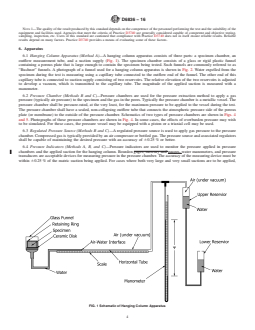
FIG. 1 Schematic of Hanging Column Apparatus
accuracy for the various pressures to be applied. The manom- supporting material shall be sufficiently large to preclude
eterusedtomeasuretheappliedsuctioninMethodAshallhave development of measurable capillary stresses. The membrane
a resolution of 1 mm of water. and supporting material shall be configured such that the
unsupported side of the membrane is in contact with the
6.5 Porous Plate (Methods B and C)—A porous plate is
specimenandisexposedtogaseousatmosphereinthepressure
used in the hanging column and pressure extractor to provide
chamber.Thesupportsideofthemembraneshallbeincontact
a saturated interface between the pore water and the water in
with the outflow system.Aseal shall be provided that prevents
thevolumemeasuringsystem.Porousplatesshallbefabricated
gas in the chamber from contacting the side of the porous
from material that is hydrophilic and has an air entry pressure
membrane in contact with the outflow system. This seal shall
greater than the maximum matric suction to be applied during
also prevent water from leaking from the outflow system and
the test. Porous ceramic plates are typically usually used as
into the pressure chamber.
porous plates. Porous plates are shown in the photographs in
Figs. 4 and 5.
6.7 Capillary Tube (Methods A and B)—Acapillary tube is
6.5.1 Theporousplateshallbeconfiguredsuchthatoneside
used to measure the outflow from the specimen for MethodsA
ofthemembraneisincontactwiththespecimenandisexposed
and B. The capillary tube shall be free of dirt, oil, or other
to gaseous atmosphere in the pressure chamber.The other side
contaminants and include a scale that permits resolution of the
oftheplateshallbeincontactwiththeoutflowsystem(Fig.3).
volume expelled to 0.1 mL or better.
Aseal shall be provided that prevents gas in the chamber from
6.8 Specimen Retaining Rings—Specimens tested using
contactingthesideoftheporousmembraneincontactwiththe
Methods A, B, and C shall be retained on the porous plate or
outflowsystem.Thissealshallalsopreventwaterfromleaking
membraneusingaretainingringatleast5mminheightand25
from the outflow system and into the pressure chamber.
mmininsidediameter.Thewallthicknessshallbesufficientto
6.6 Pressure Membrane (Methods B and C)—A porous
retain the soil without visible distortion. A photograph of a
membraneisusedinapressureextractortoprovideasaturated
specimen in a typical retaining ring is shown in Fig. 6a.
interface between the pore water and the water in the measur-
Retaining rings are typically constructed from stainless steel,
ing system. The porous membrane shall be fabricated from a
acrylic, or polyvinyl chloride.
materialthatishydrophilicandhasanairentrypressurehigher
than the maximum suction to be applied during the test. A 6.9 Chilled Mirror Hygrometer (Method D)—A chilled
non-corroding porous material having sufficient strength and mirror hygrometer (also known as a chilled mirror psychrom-
stiffness shall be used to support the porous material (a eter) shall be used to measure water activity to within 0.001.
stainless steel screen typically is used). The pores in the The chilled mirror hygrometer must be able to test specimens
D6836 − 16
Specimen is contained in a retaining ring.
FIG. 2 Photograph of Funnel Used for Hanging Column Apparatus.
with a diameter of at least 20 mm and height of at least 5 mm. non-corroding material such as stainless steel or plastic. A
Water activity obtained from the chilled mirror hygrometer photograph of a specimen in a retaining dish is shown in Fig.
shallbeconvertedtototalsuctionusingtheKelvinequation.A 6b.
photograph of a chilled mirror hygrometer is shown in Fig. 7.
6.11 Moisture Content Container—Acontainer meeting the
requirements outlined in Method D2216 shall be provided for
6.10 Specimen Retaining Dish (Method D)—Specimens
determination of water content.
tested using Method D shall be contained in a specimen
retaining dish with a diameter of at least 20 mm and height of 6.12 Balance—For Methods A-C, a balance shall be used
at least 5 mm. The dish shall be made of a non-porous and that has a minimum capacity of 200 g and a sensitivity of 0.01
D6836 − 16
Schematic of pressure chambers with ceramic porous plates: (a) conventional chamber for single or multiple specimens and (b) chamber for single specimen
FIG. 3 Schematic of Pressure Chambers With Ceramic Porous Plates
Schematic of pressure chambers with ceramic porous plates: (a) conventional chamber for single or multiple specimens and (b) chamber for single specimen
FIG. 3 Schematic of Pressure Chambers With Ceramic Porous Plates (continued)
D6836 − 16
FIG. 4 Photographs of a Multiple-Specimen Pressure Chamber
g. For Method D, a balance shall be used that has a minimum tray, a saturation chamber, or directly in pressure chamber
capacityof50gandasensitivityof0.001g.Allbalancesshall using a saturation apron. Trays shall have a depth greater than
meet the requirements of Specification D4753. the sum of the specimen height and thickness of the porous
plate (or membrane). Saturation chambers are vessels filled
6.13 Desiccator—A desiccator shall be provided that has
with water in which a specimen in a retaining ring can be
suitable size to hold specimens for cooling after removal from
inundated for saturation.Avacuum is applied to the water in a
the oven. A desiccator is only recommended when moisture
saturationchamberusinganexternaldevice.Asaturationapron
containers having close-fitting lids are not used (see Method
inthepressurechambermaybeusedtoimpoundwateraround
D2216).
a specimen for saturation.Aprons are only used for saturating
6.14 Drying Oven—A thermostatically controlled drying
specimens.
oven capable of maintaining temperature at 110 6 5°C as per
6.18 Miscellaneous Tools—wire saw, beveled straightedge,
requirements of Method D2216.
spatula, and other small tools for trimming test specimens, 10
6.15 Temperature Controlled Centrifuge (Method E)—A
mL and 100 mL graduated cylinders, 25 mL syringe.
thermostaticallycontrolledcentrifugecapableofmaintaininga
6.19 Laboratory Environment—The laboratory temperature
temperature of 20 6 3°C when operated between 0-10000
shall be maintained within 6 3°C during the test. The
RPM. A photograph of a centrifuge is shown in Fig. 8 with
apparatus shall be shielded from directly sunlight or other
sealed sample support chamber and calibrated water collection
sources of heat that may cause variations in temperature. If
tube. The centrifuge shall include a measurement device for
veryprecisemeasurementsarerequired,thehangingcolumnor
recordingoutflowinthesupportchambertothenearest0.1mL
pressurechambermaybeisolatedinathermallyinsulatedbox.
while the specimen is under centrifugation. A strobe light
apparatus is normalized used for this purpose.
7. Reagents
6.16 Specimen Support Chamber (Method E)—A chamber
7.1 Saturating Liquid:
used to retain the specimen and the calibrated cylinder used to
7.1.1 The saturating liquid is used to saturate the porous
collect the displaced water.Aschematic of a specimen support
plates and membranes, the specimen, and the outflow measur-
chamber is shown in Fig. 9.
ing components of the apparatus.
6.17 Saturation Tray, Chamber, or Apron (Methods A-E)— 7.1.2 The saturating liquid should be specified by the
Plates, membranes and specimens are saturated in a saturation requestor.Ifnospecifictypeofsaturatingwaterisspecifiedby
D6836 − 16
FIG. 5 Photographs of a Single-Specimen Pressure Chamber and Associated Equipment: (a) Open and (b) Assembled
D6836 − 16
FIG. 6 Specimen in Retaining Ring (Methods A-C) (a) and Retaining Dish (Method D) (b)
the requestor, the water shall be deaired 0.0025 M CaCl Topreventdissolutionofairbackintothewater,deairedwater
solution or tap water. Distilled or deionized water shall not be shall not be exposed to the atmosphere for prolonged periods.
usedunlessspecifiedbytherequestor.Abiocidemaybeadded
8. Preparation
to the water to minimize microbial growth during the test. If a
biocideisadded,thetypeandconcentrationofthebiocideshall 8.1 Preparation of Specimens:
be included in the report. 8.1.1 Specific Gravity—Measure the specific gravity of
7.1.3 Deaired Water—Deaired water shall be used.Water is solids on a sub-sample of the material to be tested following
usuallydeairedbyboiling,sprayingafinemistofwaterintoan
the method in Test Method D854.
evacuated vessel attached to a vacuum source, or by forceful 8.1.2 Retaining Ring, Dish, or Mold—Measure the inside
agitation of water in a container attached to a vacuum source.
diameter of the retaining ring, dish, or mold to the nearest 0.1
D6836 − 16
FIG. 7 Photograph of a Chilled Mirror Hygrometer With Open Sample Drawer and Specimen to be Inserted for Testing
mm at three locations and record the average of these mea- trimmingtoolstogentlyremovesoilthatprotrudesbeyondthe
surements as the diameter. Measure the height of the retaining edgeoftheretainingringsothattheringcanslideoverthesoil
ring, dish (inside height for dish), or mold to the nearest 0.1 specimenwithlittleeffort.Continuetrimminguntilthesoilfills
mm at three locations and record the average of these mea- the retaining ring. Trim the top of the specimen flush with the
surements as the height. Determine the mass of the retaining top of the retaining ring. Determine the mass of the specimen
ring, dish, or mold and record its mass to the nearest 0.01 g in the retaining ring and record the mass to the nearest 0.01 g.
(ring) or 0.001 g (dish). Measure the gravimetric water content of the remaining
8.1.3 Specimens Prepared from Disturbed Samples—Air material using Method D2216. This procedure is also used to
dry and crush a representative sub-sample that has a mass at prepare specimens for testing in the chilled mirror hygrometer
leasttwicethatrequiredtofillthespecimenretainingring.The after being tested in the hanging column or pressure extractor.
sample may be crushed following the procedure described in 8.1.4.1 A similar procedure is followed to prepare speci-
Practice D421. Remove all particles from the crushed sub- mens for Method E, except no trimming ring or dish is
sample having a diameter exceeding one-half the height of the employed. Specimens are trimmed from the undisturbed
retaining ring. If requested, moisten the sample to the gravi- sample to form a right circular cylinder that fits inside the
metric water content specified using tap water. Prepare a specimen support chamber. Typically specimens are 38 mm in
specimen by placing a known mass of the moistened sub- diameterand51mmlong(Fig.9).Whentrimmingiscomplete,
sample into the retaining ring (Methods A-D) or a specimen measure the height of the specimen at three locations to the
mold (Method E). Tap or compact the soil to the density nearest0.1mm,andrecordtheaverageofthesemeasurements
specified by the requestor. Trim the upper surface of the as the height. Similarly, measure the diameter of the specimen
specimen so that it is level with the top of the retaining ring or atthreelocationstothenearest0.1mm,andrecordtheaverage
mold.Determinethemassofthespecimenintheretainingring of these measurements as the diameter. Determine the mass of
ormoldandrecordthemasstothenearest0.01g.Measurethe the specimen to the nearest 0.01 g. The sides of the trimmed
gravimetric water content of the remaining material using specimen are wrapped in unsintered teflon tape. Stainless steel
Method D2216. screens (220 mesh) are placed on the ends of the specimen.
8.1.4 Specimens Prepared from Undisturbed Samples—For 8.1.5 Specimens Compacted in the Laboratory—Compact
MethodsA-D, place the undisturbed sample on the bench and the specimen to the specified water content and density using
gently place a retaining ring on the surface of soil. Use the method of compaction specified by the requestor. For
D6836 − 16
FIG. 8 Photograph of a Temperature-Controlled Centrifuge With Various Specimen Support Chambers
D6836 − 16
FIG. 9 Schematic of a Specimen Support Chamber
D6836 − 16
MethodsA-D,placethecompactedspecimenonthebenchand shall be removed and re-applied, and the specimen inspected
gently place a retaining ring on the surface of soil. Use forescapinggasbubblesfor1h.Repeatthisprocedureuntilno
trimmingtoolstogentlyremovesoilthatprotrudesbeyondthe air bubbles are observed for at least two consecutive applica-
edgeoftheretainingringsothattheringcanslideoverthesoil tions of vacuum.
specimenwithlittleeffort.Continuetrimminguntilthesoilfills
8.2.3 Porous Membrane (Methods B and C)—Porous mem-
the retaining ring. Trim the top of the specimen flush with the
branes are delicate and must be handled with care to prevent
top of the retaining ring. Determine the mass of the specimen
damage. A new membrane shall be used for each test. Before
in the retaining ring and record the mass to the nearest 0.01 g.
handling, porous membranes shall be carefully placed in a pan
Measure the gravimetric water content of the remaining
of warm water for at least 30 min to permit softening. The
material using Method D2216.
softening water shall be the same water used for saturation.
8.1.5.1 A similar procedure is followed to prepare speci-
After softening, saturate the porous membrane by submerging
mens for Method E, except no trimming ring
...
This document is not an ASTM standard and is intended only to provide the user of an ASTM standard an indication of what changes have been made to the previous version. Because
it may not be technically possible to adequately depict all changes accurately, ASTM recommends that users consult prior editions as appropriate. In all cases only the current version
of the standard as published by ASTM is to be considered the official document.
´2
Designation: D6836 − 02 (Reapproved 2008) D6836 − 16
Standard Test Methods for
Determination of the Soil Water Characteristic Curve for
Desorption Using Hanging Column, Pressure Extractor,
Chilled Mirror Hygrometer, or Centrifuge
This standard is issued under the fixed designation D6836; the number immediately following the designation indicates the year of
original adoption or, in the case of revision, the year of last revision. A number in parentheses indicates the year of last reapproval. A
superscript epsilon (´) indicates an editorial change since the last revision or reapproval.
ε NOTE—Mercury warning and other minor changes were editorially added in November 2008.
ε NOTE—“1n” was editorially corrected to “ln” in Eq 12 in March 2009.
1. Scope
1.1 These test methods cover the determination of soil water characteristic curves (SWCCs) for desorption (drying). SWCCs
describe the relationship between suction and volumetric water content, gravimetric water content, or degree of water saturation.
SWCCs are also referred to as soil water retention curves, soil water release curves, or capillary pressure curves.
1.2 This standard describes five methods (A-E) for determining the soil water characteristic curve. Method A (hanging column)
is suitable for making determinations for suctions in the range of 0 to 80 kPa. Method B (pressure chamber with volumetric
measurement) and Method C (pressure chamber with gravimetric measurement) are suitable for suctions in the range of 0 to 1500
kPa. Method D (chilled mirror hygrometer) is suitable for making determinations for suctions in the range of 500 kPa to 100 MPa.
Method E (centrifuge method) is suitable for making determinations in the range 0 to 120 kPa. Method A typically is used for
coarse soils with little fines that drain readily. Methods B and C typically are used for finer soils, which retain water more tightly.
Method D is used when suctions near saturation are not required and commonly is employed to define the dry end of the soil water
characteristic curve (that is, water contents corresponding to suctions > 1000 >1000 kPa). Method E is typically used for coarser
soils where an appreciable amount of water can be extracted with suctions up to 120 kPa. The methods may be combined to provide
a detailed description of the soil water characteristic curve. In this application, Method A or E is used to define the soil water
characteristic curve at lower suctions (0 to 80 kPa for A, 0 to 120 kPa for E) near saturation and to accurately identify the air entry
suction, Method B or C is used to define the soil water characteristic curve for intermediate water contents and suctions (100 to
1000 kPa), and Method D is used to define the soil water characteristic curves at low water contents and higher suctions (> 1000
(>1000 kPa).
1.3 All observed and calculated values shall conform to the guide for significant digits and rounding established in Practice
D6026. The procedures in Practice D6026 that are used to specify how data are collected, recorded, and calculated are regarded
as the industry standard. In addition, they are representative of the significant digits that should generally be retained. The
procedures do not consider material variation, purpose for obtaining the data, special purpose studies, or any considerations for
the objectives of the user. Increasing or reducing the significant digits of reported data to be commensurate with these
considerations is common practice. Consideration of the significant digits to be used in analysis methods for engineering design
is beyond the scope of this standard.
1.4 Units—The values stated in SI units are to be regarded as standard. No other units of measurement are included in this
standard.
1.5 Warning—Mercury has been designated by EPA and many state agencies as a hazardous material that can cause central
nervous system, kidney, and liver damage. Mercury, or its vapor, may be hazardous to health and corrosive to materials. Caution
should be taken when handling mercury and mercury-containing products. See the applicable product Material Safety Data Sheet
(MSDS) for details and EPA’s website (http://www.epa.gov/mercury/faq.htm ) for additional information. Users should be aware
that selling mercury or mercury-containing products, or both, in your state may be prohibited by state law.
These test methods are under the jurisdiction of ASTM Committee D18 on Soil and Rock and are the direct responsibility of Subcommittee D18.04 on Hydrologic
Properties and Hydraulic Barriers.
Current edition approved Sept. 1, 2008Nov. 15, 2016. Published November 2008December 2016. Originally approved in 2002. Last previous edition approved in 20022008
ɛ2
as D6836 – 02.D6836 – 02(2008) . DOI: 10.1520/D6836-02R08E02.10.1520/D6836-16.
Copyright © ASTM International, 100 Barr Harbor Drive, PO Box C700, West Conshohocken, PA 19428-2959. United States
D6836 − 16
1.5 This standard does not purport to address all of the safety concerns, if any, associated with its use. It is the responsibility
of the user of this standard to establish appropriate safety and health practices and determine the applicability of regulatory
limitations prior to use.
2. Referenced Documents
2.1 ASTM Standards:
D421 Practice for Dry Preparation of Soil Samples for Particle-Size Analysis and Determination of Soil Constants (Withdrawn
2016)
D425 Test Method for Centrifuge Moisture Equivalent of Soils
D653 Terminology Relating to Soil, Rock, and Contained Fluids
3 3
D698 Test Methods for Laboratory Compaction Characteristics of Soil Using Standard Effort (12,400 ft-lbf/ft (600 kN-m/m ))
D854 Test Methods for Specific Gravity of Soil Solids by Water Pycnometer
D2216 Test Methods for Laboratory Determination of Water (Moisture) Content of Soil and Rock by Mass
D3740 Practice for Minimum Requirements for Agencies Engaged in Testing and/or Inspection of Soil and Rock as Used in
Engineering Design and Construction
D4753 Guide for Evaluating, Selecting, and Specifying Balances and Standard Masses for Use in Soil, Rock, and Construction
Materials Testing
D5084 Test Methods for Measurement of Hydraulic Conductivity of Saturated Porous Materials Using a Flexible Wall
Permeameter
D6026 Practice for Using Significant Digits in Geotechnical Data
2.2 API Standard:
API RP 40 Recommended Practice for Core-Analysis Procedure
3. Terminology
3.1 For common definitions of other terms in this standard see Terminology D653.Definitions:
3.1.1 For common definitions of technical terms in this standard, refer to Terminology D653.
3.2 Definitions of Terms Specific to This Standard:
3.2.1 air entry pressure—the air pressure required to introduce air into and through the pores of a saturated porous plate.
3.2.2 air entry suction, ψ —the suction required to introduce air into and through the pores of a saturated porous material.
a
3.2.3 axis translation—the principle stating that a matric suction ψ can be applied to a soil by controlling the pore gas pressure,
u , and the pore water pressure, u , so that the difference between the pore gas pressure and pore water pressure equals the desired
g w
matric suction, that is, ψ = u − u .
g w
3.2.4 gravimetric water content, w—the ratio of the mass of water contained in the pore spaces of soil or rock to the mass of
solid particles.
3.2.5 matric suction, ψ—the negative gagegauge pressure, relative to an external gas pressure acting on the soil water, that must
be applied to a solution identical in composition to the soil water to maintain equilibrium through a porous membrane existing
between the solution and the soil water. Matric suction is also referred to as matric potential, capillary suction, and capillary
potential. By definition, matric suction is the difference between the pore gas pressure, u , and the pore water pressure, u , that
g w
is, ψ = u − u . In most cases the pore gas is air.
g w
3.2.6 osmotic suction, ψ —the negative gagegauge pressure derived from the measurement of the vapor pressure of water in
o
equilibrium with a solution identical in composition with the soil water, relative to the vapor pressure of water in equilibrium with
free pure water. Osmotic suction is also referred to as osmotic potential.
3.2.7 porous membrane—a porous polymeric membrane that can transmit water and has a air entry pressure exceeding the
highest matric suction to be applied during a test.
3.2.8 porous plate—a plate made of metal, ceramic, or other porous material that can transmit water and has an air entry pressure
exceeding the highest matric suction to be applied during a test.
3.2.9 pressure chamber—a vessel used to apply a gas pressure on the specimen and the soil pores to induce a specified matric
suction.
3.2.10 saturated water content—volumetric or gravimetric water content when the specimen is saturated.
For referenced ASTM standards, visit the ASTM website, www.astm.org, or contact ASTM Customer Service at service@astm.org. For Annual Book of ASTM Standards
volume information, refer to the standard’s Document Summary page on the ASTM website.
The last approved version of this historical standard is referenced on www.astm.org.
Available from American Petroleum Institute (API), 1220 L. St., NW, Washington, DC 20005-4070, http://www.api.org.
D6836 − 16
3.2.11 soil water characteristic curve—a graph of suction (matric or total) versus water content (gravimetric or volumetric) or
saturation. The soil water characteristic curve is also referred to as the soil water retention curve, the soil water release curve, and
the capillary pressure curve.
3.2.12 total suction, ψ —the negative gagegauge pressure derived from the measurement of the vapor pressure of water in
t
equilibrium with water in the soil pores, relative to the vapor pressure of water in equilibrium with free pure water. Total suction
is the sum of matric and osmotic suction, ψ = ψ + ψ . Total suction is also referred to as total potential.
t o
3.2.13 volumetric water content, θ—the ratio of the volume of water contained in the pore spaces of soil or rock to the total
volume of soil and rock.
3.2.14 water activity, a —the ratio of vapor pressure of water in the soil gas to the saturated vapor pressure at the existing soil
w
temperature. Water activity is also referred to as the relative humidity.
4. Summary of Methods
4.1 Methods A-C—Methods A-C yield soil water characteristic curves in terms of matric suction. Various suctions are applied
to the soil and the corresponding water contents are measured. Two different procedures are used to apply the suction. In Method
A, the matric suction is applied by reducing the pore water pressure while maintaining the pore gas pressure at the atmospheric
condition. In Methods B and C, the pore water pressure is maintained at atmospheric pressure, and the pore gas pressure is raised
to apply the suction via the axis translation principle.
4.1.1 For all three methods, saturated soil specimens are placed in contact with a water saturated porous plate or membrane.
The matric suction is applied by one of the two aforementioned procedures. Application of the matric suction causes water to flow
from the specimen until the equilibrium water content corresponding to the applied suction is reached. Equilibrium is established
by monitoring when water ceases to flow from the specimen. Several equilibria are established at successive matric suctions to
construct a soil water characteristic curve.
4.1.2 The water content corresponding to the applied suction is determined in one of two ways. For Methods A and B, the
volume of water expelled is measured using a capillary tube. The water content is then determined based on the known initial water
content of the specimen and the volume of water expelled. For Method C, the water content is measured gravimetrically by
weighing the specimen after removal from the apparatus.
4.2 Method D—Method D yields a soil water characteristic curve in terms of total suction. In contrast to Methods A-C, the water
content of the soil is controlled in Method D, and the corresponding suctions are measured. Two different approaches are
commonly used. In one approach, a set of specimens are prepared that are essentially identical, but have different water contents.
Water contents are selected that span the range of water contents that will be used to define the soil water characteristic curve. In
the other approach, a single specimen is used. The specimen is tested, dried to a lower water content, and then tested again. This
process is repeated until suctions have been measured at all of the desired water contents.
4.2.1 In Method D, the water activity of the pore water is measured using a chilled mirror hygrometer (also known as a chilled
mirror psychrometer) and then the total suction is computed using the Kelvin equation. In many cases, Method D is used to
determine only that portion of the soil water characteristic curve corresponding to higher suctions (typically > 1000 >1000 kPa)
and lower water contents. Under these conditions, the osmotic component of total suction is generally small, and the matric and
total suctions are comparable. Thus, the data from Methods A-C and Method D can be combined to form a single soil water
characteristic curve. An example of this type of soil water characteristic curve is provided in Section 11.
4.3 Method E—Method E yields a soil water characteristic curve in terms of matric suction (or capillary pressure). The specimen
is contained in a support chamber that is subjected to a centrifugal force in a centrifuge. Different matric suctions are applied by
varying the angular velocity of the centrifuge. Water displaced from the soil at a given angular velocity is collected and measured
in a calibrated cylinder at the base of the support chamber. A soil water characteristic curve is measured by subjecting the specimen
to a series of angular velocities (each corresponding to a matric suction) and measuring the volume of water displaced from the
soil at each velocity.
5. Significance and Use
5.1 The soil water characteristic curve (SWCC) is fundamental to hydrological characterization of unsaturated soils and is
required for most analyses of water movement in unsaturated soils. The SWCC is also used in characterizing the shear strength
and compressibility of unsaturated soils. The unsaturated hydraulic conductivity of soil is often estimated using properties of the
SWCC and the saturated hydraulic conductivity.
5.2 This method applies only to soils containing two pore fluids: a gas and a liquid. The liquid is usually water and the gas is
usually air. Other liquids may also be used, but caution must be exercised if the liquid being used causes excessive shrinkage or
swelling of the soil matrix.
5.3 A full investigation has not been conducted regarding the correlation between soil water characteristic curves obtained using
this method and soil water characteristics curves of in-place materials. Thus, results obtained from this method should be applied
to field situations with caution and by qualified personnel.
D6836 − 16
NOTE 1—The quality of the result produced by this standard depends on the competence of the personnel performing the test and the suitability of the
equipment and facilities used. Agencies that meet the criteria of Practice D3740 are generally considered capable of competent and objective testing,
sampling, inspection, etc. Users of this standard are cautioned that compliance with Practice D3740 does not in itself ensure reliable results. Reliable
results depend on many factors. Practice D3740 provides a means of evaluating some of these factors.
6. Apparatus
6.1 Hanging Column Apparatus (Method A)—A hanging column apparatus consists of three parts: a specimen chamber, an
outflow measurement tube, and a suction supply (Fig. 1). The specimen chamber consists of a glass or rigid plastic funnel
containing a porous plate that is large enough to contain the specimen being tested. Such funnels are commonly referred to as
“Buchner” funnels. A photograph of a funnel used for a hanging column apparatus is shown in Fig. 2. Water expelled from the
specimen during the test is measuring using a capillary tube connected to the outflow end of the funnel. The other end of this
capillary tube is connected to suction supply consisting of two reservoirs. The relative elevation of the two reservoirs is adjusted
to develop a vacuum, which is transmitted to the capillary tube. The magnitude of the applied suction is measured with a
manometer.
6.2 Pressure Chamber (Methods B and C)—Pressure chambers are used for the pressure extraction method to apply a gas
pressure (typically air pressure) to the specimen and the gas in the pores. Typically the pressure chamber is a metallic vessel. The
pressure chamber shall be pressure-rated, at the very least, for the maximum pressure to be applied to the vessel during the test.
The pressure chamber shall have a sealed, non-collapsing outflow tube that connects the atmospheric pressure side of the porous
plate (or membrane) to the outside of the pressure chamber. Schematics of two types of pressure chambers are shown in Figs. 4
and 5. Photographs of these pressure chambers are shown in Fig. 4. In some cases, the effects of overburden pressure may wish
to be simulated. For these cases, the pressure vessel may be equipped with a piston or a triaxial cell may be used.
6.3 Regulated Pressure Source (Methods B and C)—A regulated pressure source is used to apply gas pressure to the pressure
chamber. Compressed gas is typically provided by an air compressor or bottled gas. The pressure source and associated regulators
shall be capable of maintaining the desired pressure with an accuracy of 60.25 % or better.
6.4 Pressure Indicators (Methods A, B, and C)—Pressure indicators are used to monitor the pressure applied in pressure
chambers and the applied suction for the hanging column. Bourdon gages, mercury and gauges, water manometers, and pressure
transducers are acceptable devices for measuring pressure in the pressure chamber. The accuracy of the measuring device must be
within 60.25 % of the matric suction being applied. For cases where both very large and very small suctions are to be applied,
FIG. 1 Schematic of Hanging Column Apparatus
D6836 − 16
Specimen is contained in a retaining ring.
FIG. 2 Photograph of Funnel Used for Hanging Column Apparatus.
multiple pressure indicators may be used to provide sufficient accuracy for the various pressures to be applied. The manometer used
to measure the applied suction in Method A shall have a resolution of 1 mm of water.
6.5 Porous Plate (Methods B and C)—A porous plate is used in the hanging column and pressure extractor to provide a saturated
interface between the pore water and the water in the volume measuring system. Porous plates shall be fabricated from material
that is hydrophilic and has an air entry pressure greater than the maximum matric suction to be applied during the test. Porous
ceramic plates are typically usually used as porous plates. Porous plates are shown in the photographs in Figs. 4 and 5.
6.5.1 The porous plate shall be configured such that one side of the membrane is in contact with the specimen and is exposed
to gaseous atmosphere in the pressure chamber. The other side of the plate shall be in contact with the outflow system (Fig. 3).
A seal shall be provided that prevents gas in the chamber from contacting the side of the porous membrane in contact with the
outflow system. This seal shall also prevent water from leaking from the outflow system and into the pressure chamber.
6.6 Pressure Membrane (Methods B and C)—A porous membrane is used in a pressure extractor to provide a saturated interface
between the pore water and the water in the measuring system. The porous membrane shall be fabricated from a material that is
D6836 − 16
Schematic of pressure chambers with ceramic porous plates: (a) conventional chamber for single or multiple specimens and (b) chamber for single specimen
FIG. 3 Schematic of Pressure Chambers With Ceramic Porous Plates
Schematic of pressure chambers with ceramic porous plates: (a) conventional chamber for single or multiple specimens and (b) chamber for single specimen
FIG. 3 Schematic of Pressure Chambers With Ceramic Porous Plates (continued)
D6836 − 16
FIG. 4 Photographs of a Multiple-Specimen Pressure Chamber
hydrophilic and has an air entry pressure higher than the maximum suction to be applied during the test. A non-corroding porous
material having sufficient strength and stiffness shall be used to support the porous material (a stainless steel screen typically is
used). The pores in the supporting material shall be sufficiently large to preclude development of measurable capillary stresses. The
membrane and supporting material shall be configured such that the unsupported side of the membrane is in contact with the
specimen and is exposed to gaseous atmosphere in the pressure chamber. The support side of the membrane shall be in contact
with the outflow system. A seal shall be provided that prevents gas in the chamber from contacting the side of the porous membrane
in contact with the outflow system. This seal shall also prevent water from leaking from the outflow system and into the pressure
chamber.
6.7 Capillary Tube (Methods A and B)—A capillary tube is used to measure the outflow from the specimen for Methods A and
B. The capillary tube shall be free of dirt, oil, or other contaminants and include a scale that permits resolution of the volume
expelled to 0.1 mL or better.
6.8 Specimen Retaining Rings—Specimens tested using Methods A, B, and C shall be retained on the porous plate or membrane
using a retaining ring at least 5 mm in height and 25 mm in inside diameter. The wall thickness shall be sufficient to retain the
soil without visible distortion. A photograph of a specimen in a typical retaining ring is shown in Fig. 6a. Retaining rings are
typically constructed from stainless steel, acrylic, or polyvinyl chloride.
6.9 Chilled Mirror Hygrometer (Method D)—A chilled mirror hygrometer (also known as a chilled mirror psychrometer) shall
be used to measure water activity to within 0.001. The chilled mirror hygrometer must be able to test specimens with a diameter
of at least 20 mm and height of at least 5 mm. Water activity obtained from the chilled mirror hygrometer shall be converted to
total suction using the Kelvin equation. A photograph of a chilled mirror hygrometer is shown in Fig. 7.
6.10 Specimen Retaining Dish (Method D)—Specimens tested using Method D shall be contained in a specimen retaining dish
with a diameter of at least 20 mm and height of at least 5 mm. The dish shall be made of a non-porous and non-corroding material
such as stainless steel or plastic. A photograph of a specimen in a retaining dish is shown in Fig. 6b.
6.11 Moisture Content Container—A container meeting the requirements outlined in Method D2216 shall be provided for
determination of water content.
D6836 − 16
FIG. 5 Photographs of a Single-Specimen Pressure Chamber and Associated Equipment: (a) Open and (b) Assembled
D6836 − 16
FIG. 6 Specimen in Retaining Ring (Methods A-C) (a) and Retaining Dish (Method D) (b)
6.12 Balance—For Methods A-C, a balance shall be used that has a minimum capacity of 200 g and a sensitivity of 0.01 g. For
Method D, a balance shall be used that has a minimum capacity of 50 g and a sensitivity of 0.001 g. All balances shall meet the
requirements of Specification D4753.
6.13 Desiccator—A desiccator shall be provided that has suitable size to hold specimens for cooling after removal from the
oven. A desiccator is only recommended when moisture containers having close-fitting lids are not used (see Method D2216).
6.14 Drying Oven—A thermostatically controlled drying oven capable of maintaining temperature at 110 6 5°C as per
requirements of Method D2216.
6.15 Temperature Controlled Centrifuge (Method E)—A thermostatically controlled centrifuge capable of maintaining a
temperature of 20 6 3°C when operated between 0-10 000 RPM. A photograph of a centrifuge is shown in Fig. 8 with sealed
D6836 − 16
FIG. 7 Photograph of a Chilled Mirror Hygrometer With Open Sample Drawer and Specimen to be Inserted for Testing
sample support chamber and calibrated water collection tube. The centrifuge shall include a measurement device for recording
outflow in the support chamber to the nearest 0.1 mL while the specimen is under centrifugation. A strobe light apparatus is
normalized used for this purpose.
6.16 Specimen Support Chamber (Method E)—A chamber used to retain the specimen and the calibrated cylinder used to collect
the displaced water. A schematic of a specimen support chamber is shown in Fig. 9.
6.17 Saturation Tray, Chamber, or Apron (Methods A-E)—Plates, membranes and specimens are saturated in a saturation tray,
a saturation chamber, or directly in pressure chamber using a saturation apron. Trays shall have a depth greater than the sum of
the specimen height and thickness of the porous plate (or membrane). Saturation chambers are vessels filled with water in which
a specimen in a retaining ring can be inundated for saturation. A vacuum is applied to the water in a saturation chamber using an
external device. A saturation apron in the pressure chamber may be used to impound water around a specimen for saturation.
Aprons are only used for saturating specimens.
6.18 Miscellaneous Tools—wire saw, beveled straightedge, spatula, and other small tools for trimming test specimens, 10 mL
and 100 mL graduated cylinders, 25 mL syringe.
6.19 Laboratory Environment—The laboratory temperature shall be maintained within 6 3°C during the test. The apparatus
shall be shielded from directly sunlight or other sources of heat that may cause variations in temperature. If very precise
measurements are required, the hanging column or pressure chamber may be isolated in a thermally insulated box.
7. Reagents
7.1 Saturating Liquid:
7.1.1 The saturating liquid is used to saturate the porous plates and membranes, the specimen, and the outflow measuring
components of the apparatus.
7.1.2 The saturating liquid should be specified by the requestor. If no specific type of saturating water is specified by the
requestor, the water shall be deaired 0.0025 M CaCl solution or tap water. Distilled or deionized water shall not be used unless
specified by the requestor. A biocide may be added to the water to minimize microbial growth during the test. If a biocide is added,
the type and concentration of the biocide shall be included in the report.
D6836 − 16
FIG. 8 Photograph of a Temperature-Controlled Centrifuge With Various Specimen Support Chambers
D6836 − 16
FIG. 9 Schematic of a Specimen Support Chamber
D6836 − 16
7.1.3 Deaired Water—Deaired water shall be used. Water is usually deaired by boiling, spraying a fine mist of water into an
evacuated vessel attached to a vacuum source, or by forceful agitation of water in a container attached to a vacuum source. To
prevent dissolution of air back into the water, deaired water shall not be exposed to the atmosphere for prolonged periods.
8. Preparation
8.1 Preparation of Specimens:
8.1.1 Specific Gravity—Measure the specific gravity of solids on a sub-sample of the material to be tested following the method
in Test Method D854.
8.1.2 Retaining Ring, Dish, or Mold—Measure the inside diameter of the retaining ring, dish, or mold to the nearest 0.1 mm
at three locations and record the average of these measurements as the diameter. Measure the height of the retaining ring, dish
(inside height for dish), or mold to the nearest 0.1 mm at three locations and record the average of these measurements as the
height. Weigh the Determine the mass of the retaining ring, dish, or mold and record its weightmass to the nearest 0.01 g (ring)
or 0.001 g (dish).
8.1.3 Specimens Prepared from Disturbed Samples—Air dry and crush a representative sub-sample that has a mass at least twice
that required to fill the specimen retaining ring. The sample may be crushed following the procedure described in Practice D421.
Remove all particles from the crushed sub-sample having a diameter exceeding one-half the height of the retaining ring. If
requested, moisten the sample to the gravimetric water content specified using tap water. Prepare a specimen by placing a known
mass of the moistened sub-sample into the retaining ring (Methods A-D) or a specimen mold (Method E). Tap or compact the soil
to the density specified by the requestor. Trim the upper surface of the specimen so that it is level with the top of the retaining ring
or mold. Weigh the Determine the mass of the specimen in the retaining ring or mold and record the weightmass to the nearest
0.01 g. Measure the gravimetric water content of the remaining material using Method D2216.
8.1.4 Specimens Prepared from Undisturbed Samples—For Methods A-D, place the undisturbed sample on the bench and gently
place a retaining ring on the surface of soil. Use trimming tools to gently remove soil that protrudes beyond the edge of the
retaining ring so that the ring can slide over the soil specimen with little effort. Continue trimming until the soil fills the retaining
ring. Trim the top of the specimen flush with the top of the retaining ring. Weigh the Determine the mass of the specimen in the
retaining ring and record the weightmass to the nearest 0.01 g. Measure the gravimetric water content of the remaining material
using Method D2216. This procedure is also used to prepare specimens for testing in the chilled mirror hygrometer after being
tested in the hanging column or pressure extractor.
8.1.4.1 A similar procedure is followed to prepare specimens for Method E, except no trimming ring or dish is employed.
Specimens are trimmed from the undisturbed sample to form a right circular cylinder that fits inside the specimen support chamber.
Typically specimens are 38 mm in diameter and 51 mm long (Fig. 9). When trimming is complete, measure the height of the
specimen at three locations to the nearest 0.1 mm, and record the average of these measurements as the height. Similarly, measure
the diameter of the specimen at three locations to the nearest 0.1 mm, and record the average of these measurements as the
diameter. Weigh the Determine the mass of the specimen to the nearest 0.01 g. The sides of the trimmed specimen are wrapped
in unsintered teflon tape. Stainless steel screens (220 mesh) are placed on the ends of the specimen.
8.1.5 Specimens Compacted in the Laboratory—Compact the specimen to the specified water content and density using the
method of compaction specified by the requestor. For Methods A-D, place the compacted specimen on the bench and gently place
a retaining ring on the surface of soil. Use trimming tools to gently remove soil that protrudes beyond the edge of the retaining
ring so that the ring can slide over the soil specimen with little effort. Continue trimming until the soil fills the retaining ring. Trim
the top of the specimen flush with the top of the retaining ring. Weigh the Determine the mass of the specimen in the retaining
ring and record the weightmass to the nearest 0.01 g. Measure the gravimetric water content of the remaining material using
Method D2216.
8.1.5.1 A similar procedure is followed to prepare specimens for Method E, except no trimming ring or dish is employed.
Specimens are trimmed from the compacted soil to form a right circular cylinder that fits inside the specimen support chamber.
Typically specimens are 38 mm in diameter and 51 mm long (Fig. 9). When trimming is complete, measure the height of the
specimen at three locations to the nearest 0.1 mm, and record the average of these measurements as the height. Similarly, measure
the diameter of the specimen at three locations to the nearest 0.1 mm, and record the aver
...