

ASTM D3296-24
(Specification)Standard Specification for FEP Resin Tube
General Information
- Abstract
ABSTRACT
This specification covers the tubing that is intended for electrical, mechanical, chemical and medical applications manufactured from extrusion resins made from the copolymer of tetrafluoroethylene and hexafluoropropylene. Three types of FEP-fluorocarbon tubing are classified which are differentiated by size schedules: Type I which is tubing based upon the American wire gage, Type II which is tubing based upon fractional inch sizes, and Type III which is tubing of all other sizes. Tubings are further differentiated in accordance to its increasing wall thicknesses in classes which are Class A, Class C, Class D, and Class E. Several properties of tubing such as inside diameter, wall thickness, specific gravity, tensile strength, elongation, dielectric breakdown voltage, dimensional stability, and heat resistance shall be determined by subjecting it to different test methods.
SCOPE
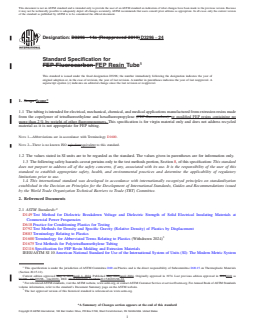
1.1 The tubing is intended for electrical, mechanical, chemical, and medical applications manufactured from extrusion resins made from the copolymer of tetrafluoroethylene and hexafluoropropylene or modified FEP resins containing no more than 2 % by weight of other fluoromonomers. This specification is for virgin material only and does not address recycled material as it is not appropriate for FEP tubing.
Note 1: Abbreviations are in accordance with Terminology D1600.
Note 2: There is no known ISO equivalent to this standard.
1.2 The values stated in SI units are to be regarded as the standard. The values given in parentheses are for information only.
1.3 The following safety hazards caveat pertains only to the test methods portion, Section 8, of this specification: This standard does not purport to address all of the safety concerns, if any, associated with its use. It is the responsibility of the user of this standard to establish appropriate safety, health, and environmental practices and determine the applicability of regulatory limitations prior to use.
1.4 This international standard was developed in accordance with internationally recognized principles on standardization established in the Decision on Principles for the Development of International Standards, Guides and Recommendations issued by the World Trade Organization Technical Barriers to Trade (TBT) Committee.
- Status
- Published
- Publication Date
- 31-Mar-2024
- Technical Committee
- D20 - Plastics
- Drafting Committee
- D20.15 - Thermoplastic Materials
Overview
ASTM D3296-24: Standard Specification for FEP Resin Tube defines the requirements for tubing produced from FEP (fluorinated ethylene propylene) resins. These tubes are intended for a wide range of applications across electrical, mechanical, chemical, and medical industries. The specification applies exclusively to virgin extrusion resins made from the copolymer of tetrafluoroethylene and hexafluoropropylene (FEP), with an allowance for up to 2% by weight of other fluoromonomers. This standard ensures that the tubing meets critical performance and quality benchmarks, supporting reliable and consistent use in demanding environments.
Key Topics
- Material Requirements: Tubes must be made from virgin FEP resin as specified in ASTM D2116. The use of recycled material is not permitted.
- Dimensional Classification: FEP tubing is categorized by type and size:
- Type I: Based on American Wire Gauge (AWG) sizes.
- Type II: Based on fractional inch sizes.
- Type III: Custom sizes as agreed between buyer and seller.
- Wall Thickness Classes:
- Class A: Lightweight wall
- Class C: Standard wall
- Class D: Chemical tubing
- Class E: Heavy wall and custom tolerance
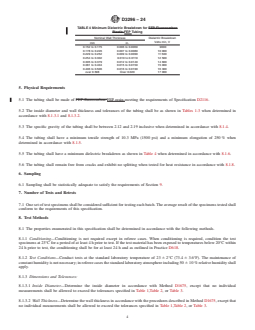
- Physical Properties: The standard details requirements for inside diameter, wall thickness, specific gravity (2.12-2.19), minimum tensile strength (10.3 MPa), elongation (minimum 250%), and dielectric breakdown voltage (up to 17,000 V).
- Testing and Quality Control: Standardizes test methods for dimension, density, tensile strength, elongation, dielectric strength, dimensional stability, and heat resistance. Sampling must be statistically adequate, with each lot inspected for compliance.
Applications
The ASTM D3296-24 standard is valuable across several sectors, delivering reliable performance where chemical resistance, electrical insulation, and mechanical robustness are paramount. Key applications include:
- Electrical Insulation: FEP tubing offers high dielectric strength and heat resistance, making it ideal for wiring and cable insulation.
- Chemical Processing: The material's outstanding chemical inertness suits it for fluid transfer in aggressive environments and laboratory settings.
- Medical Devices: Non-toxic, non-reactive, and heat-stable nature supports usage in medical tubing and devices requiring biocompatibility.
- Industrial Equipment: Utilized where corrosion resistance and clean operation are essential, such as pumps, valves, and instrumentation.
- Mechanical Protection: Used to sheath delicate components, providing a barrier against abrasion and environmental exposure.
Related Standards
- ASTM D2116 - Specification for FEP Resin Molding and Extrusion Materials: Details the requirements for FEP resins used in tubing manufacture.
- ASTM D149 - Test Method for Dielectric Breakdown Voltage and Dielectric Strength of Insulating Materials: Defines how dielectric properties are measured.
- ASTM D792 - Test Methods for Density and Specific Gravity of Plastics: Outlines procedures for determining material density.
- ASTM D1675 - Test Methods for Polytetrafluoroethylene Tubing: Provides relevant test methods for PTFE tubing, applicable by analogy for certain FEP properties.
- ASTM D883 - Terminology Relating to Plastics: Includes standardized definitions of terms used in plastic specifications.
Practical Value
Adherence to ASTM D3296-24 assures manufacturers, suppliers, and end-users that FEP tubing will deliver the expected chemical stability, electrical insulation, and mechanical performance. Utilizing standard-compliant FEP resin tubing in product design and procurement supports safety, regulatory compliance, and reliable service in critical applications.
Keywords: FEP resin tube, ASTM D3296-24, fluorocarbon tubing, fluoropolymers, extruded FEP tubing, electrical insulation, chemical resistant tubing, mechanical tubing, medical tubing, melt-processible fluoropolymer, standard specification, quality control
Relations
- Effective Date
- 01-Apr-2024
Get Certified
Connect with accredited certification bodies for this standard

Institut za varilstvo d.o.o. (Welding Institute)
Slovenia's leading welding institute since 1952. ISO 3834, EN 1090, pressure equipment certification, NDT personnel, welder qualification. Only IIW Au
Sponsored listings
Frequently Asked Questions
ASTM D3296-24 is a technical specification published by ASTM International. Its full title is "Standard Specification for FEP Resin Tube". This standard covers: ABSTRACT This specification covers the tubing that is intended for electrical, mechanical, chemical and medical applications manufactured from extrusion resins made from the copolymer of tetrafluoroethylene and hexafluoropropylene. Three types of FEP-fluorocarbon tubing are classified which are differentiated by size schedules: Type I which is tubing based upon the American wire gage, Type II which is tubing based upon fractional inch sizes, and Type III which is tubing of all other sizes. Tubings are further differentiated in accordance to its increasing wall thicknesses in classes which are Class A, Class C, Class D, and Class E. Several properties of tubing such as inside diameter, wall thickness, specific gravity, tensile strength, elongation, dielectric breakdown voltage, dimensional stability, and heat resistance shall be determined by subjecting it to different test methods. SCOPE 1.1 The tubing is intended for electrical, mechanical, chemical, and medical applications manufactured from extrusion resins made from the copolymer of tetrafluoroethylene and hexafluoropropylene or modified FEP resins containing no more than 2 % by weight of other fluoromonomers. This specification is for virgin material only and does not address recycled material as it is not appropriate for FEP tubing. Note 1: Abbreviations are in accordance with Terminology D1600. Note 2: There is no known ISO equivalent to this standard. 1.2 The values stated in SI units are to be regarded as the standard. The values given in parentheses are for information only. 1.3 The following safety hazards caveat pertains only to the test methods portion, Section 8, of this specification: This standard does not purport to address all of the safety concerns, if any, associated with its use. It is the responsibility of the user of this standard to establish appropriate safety, health, and environmental practices and determine the applicability of regulatory limitations prior to use. 1.4 This international standard was developed in accordance with internationally recognized principles on standardization established in the Decision on Principles for the Development of International Standards, Guides and Recommendations issued by the World Trade Organization Technical Barriers to Trade (TBT) Committee.
ABSTRACT This specification covers the tubing that is intended for electrical, mechanical, chemical and medical applications manufactured from extrusion resins made from the copolymer of tetrafluoroethylene and hexafluoropropylene. Three types of FEP-fluorocarbon tubing are classified which are differentiated by size schedules: Type I which is tubing based upon the American wire gage, Type II which is tubing based upon fractional inch sizes, and Type III which is tubing of all other sizes. Tubings are further differentiated in accordance to its increasing wall thicknesses in classes which are Class A, Class C, Class D, and Class E. Several properties of tubing such as inside diameter, wall thickness, specific gravity, tensile strength, elongation, dielectric breakdown voltage, dimensional stability, and heat resistance shall be determined by subjecting it to different test methods. SCOPE 1.1 The tubing is intended for electrical, mechanical, chemical, and medical applications manufactured from extrusion resins made from the copolymer of tetrafluoroethylene and hexafluoropropylene or modified FEP resins containing no more than 2 % by weight of other fluoromonomers. This specification is for virgin material only and does not address recycled material as it is not appropriate for FEP tubing. Note 1: Abbreviations are in accordance with Terminology D1600. Note 2: There is no known ISO equivalent to this standard. 1.2 The values stated in SI units are to be regarded as the standard. The values given in parentheses are for information only. 1.3 The following safety hazards caveat pertains only to the test methods portion, Section 8, of this specification: This standard does not purport to address all of the safety concerns, if any, associated with its use. It is the responsibility of the user of this standard to establish appropriate safety, health, and environmental practices and determine the applicability of regulatory limitations prior to use. 1.4 This international standard was developed in accordance with internationally recognized principles on standardization established in the Decision on Principles for the Development of International Standards, Guides and Recommendations issued by the World Trade Organization Technical Barriers to Trade (TBT) Committee.
ASTM D3296-24 is classified under the following ICS (International Classification for Standards) categories: 23.040.20 - Plastics pipes. The ICS classification helps identify the subject area and facilitates finding related standards.
ASTM D3296-24 has the following relationships with other standards: It is inter standard links to ASTM D3296-14a(2019). Understanding these relationships helps ensure you are using the most current and applicable version of the standard.
ASTM D3296-24 is available in PDF format for immediate download after purchase. The document can be added to your cart and obtained through the secure checkout process. Digital delivery ensures instant access to the complete standard document.
Standards Content (Sample)
This international standard was developed in accordance with internationally recognized principles on standardization established in the Decision on Principles for the
Development of International Standards, Guides and Recommendations issued by the World Trade Organization Technical Barriers to Trade (TBT) Committee.
Designation: D3296 − 24
Standard Specification for
FEP Resin Tube
This standard is issued under the fixed designation D3296; the number immediately following the designation indicates the year of
original adoption or, in the case of revision, the year of last revision. A number in parentheses indicates the year of last reapproval. A
superscript epsilon (´) indicates an editorial change since the last revision or reapproval.
1. Scope* D792 Test Methods for Density and Specific Gravity (Rela-
tive Density) of Plastics by Displacement
1.1 The tubing is intended for electrical, mechanical,
D883 Terminology Relating to Plastics
chemical, and medical applications manufactured from extru-
D1600 Terminology for Abbreviated Terms Relating to Plas-
sion resins made from the copolymer of tetrafluoroethylene and
tics (Withdrawn 2024)
hexafluoropropylene or modified FEP resins containing no
D1675 Test Methods for Polytetrafluoroethylene Tubing
more than 2 % by weight of other fluoromonomers. This
D2116 Specification for FEP Resin Molding and Extrusion
specification is for virgin material only and does not address
Materials
recycled material as it is not appropriate for FEP tubing.
IEEE/ASTM SI 10 American National Standard for Use of
NOTE 1—Abbreviations are in accordance with Terminology D1600.
the International System of Units (SI): The Modern Metric
NOTE 2—There is no known ISO equivalent to this standard.
System
1.2 The values stated in SI units are to be regarded as the
3. Terminology
standard. The values given in parentheses are for information
only.
3.1 Definitions—Definitions of terms used in this specifica-
1.3 The following safety hazards caveat pertains only to the tion shall be in accordance with Terminology D883.
test methods portion, Section 8, of this specification: This
3.2 Definitions of Terms Specific to This Standard:
standard does not purport to address all of the safety concerns,
3.2.1 lot, n—one production run or uniform blend of two or
if any, associated with its use. It is the responsibility of the user
more production runs.
of this standard to establish appropriate safety, health, and
environmental practices and determine the applicability of
4. Classification
regulatory limitations prior to use.
4.1 This specification provides for three types of FEP tubing
1.4 This international standard was developed in accor-
differentiated by size schedules as follows:
dance with internationally recognized principles on standard-
4.1.1 Type I—Tubing based upon the American Wire Gage
ization established in the Decision on Principles for the
(AWG) sizes.
Development of International Standards, Guides and Recom-
4.1.2 Type II—Tubing based upon fractional inch sizes (see
mendations issued by the World Trade Organization Technical
Note 2).
Barriers to Trade (TBT) Committee.
4.1.3 Type III—Tubing of all other sizes, as agreed by buyer
and seller. This type shall conform to the Dimensional Toler-
2. Referenced Documents
ances for FEP Tubing, as listed inTable 3.
2.1 ASTM Standards:
4.2 The types are further differentiated in accordance with
D149 Test Method for Dielectric Breakdown Voltage and
increasing wall thicknesses as follows:
Dielectric Strength of Solid Electrical Insulating Materials
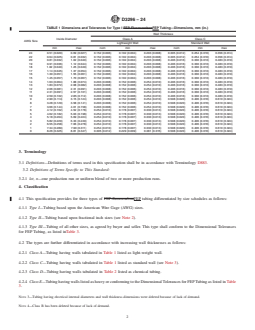
4.2.1 Class A—Tubing having walls tabulated in Table 1
at Commercial Power Frequencies
listed as light-weight wall.
D618 Practice for Conditioning Plastics for Testing
4.2.2 Class C—Tubing having walls tabulated in Table 1
listed as standard wall (see Note 3).
4.2.3 Class D—Tubing having walls tabulated in Table 2
This specification is under the jurisdiction of ASTM Committee D20 on
listed as chemical tubing.
Plastics and is the direct responsibility of Subcommittee D20.15 on Thermoplastic
Materials (Section 20.15.12).
4.2.4 Class E—Tubing having walls listed as heavy or
Current edition approved April 1, 2024. Published April 2024. Originally
conforming to the Dimensional Tolerances for FEP Tubing as
approved in 1974. Last previous edition approved in 2019 as D3296 - 14a(2019).
listed in Table 3.
DOI: 10.1520/D3296-24.
For referenced ASTM standards, visit the ASTM website, www.astm.org, or
contact ASTM Customer Service at service@astm.org. For Annual Book of ASTM
Standards volume information, refer to the standard’s Document Summary page on The last approved version of this historical standard is referenced on
the ASTM website. www.astm.org.
*A Summary of Changes section appears at the end of this standard
Copyright © ASTM International, 100 Barr Harbor Drive, PO Box C700, West Conshohocken, PA 19428-2959. United States
D3296 − 24
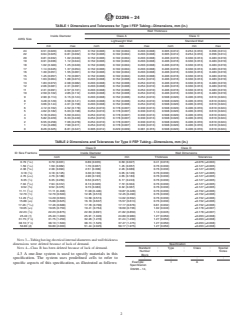
TABLE 1 Dimensions and Tolerances for Type I FEP Tubing—Dimensions, mm (in.)
Wall Thickness
Inside Diameter Class A Class C
AWG Size
Lightweight Wall Standard Wall
min max nom min max nom min max
24 0.51 (0.020) 0.69 (0.027) 0.152 (0.006) 0.102 (0.004) 0.203 (0.008) 0.305 (0.012) 0.254 (0.010) 0.356 (0.014)
22 0.64 (0.025) 0.81 (0.032) 0.152 (0.006) 0.102 (0.004) 0.203 (0.008) 0.305 (0.012) 0.254 (0.010) 0.356 (0.014)
20 0.81 (0.032) 1.02 (0.040) 0.152 (0.006) 0.102 (0.004) 0.203 (0.008) 0.406 (0.016) 0.330 (0.013) 0.483 (0.019)
19 0.91 (0.036) 1.12 (0.044) 0.152 (0.006) 0.102 (0.004) 0.203 (0.008) 0.406 (0.016) 0.330 (0.013) 0.483 (0.019)
18 1.02 (0.040) 1.25 (0.049) 0.152 (0.006) 0.102 (0.004) 0.203 (0.008) 0.406 (0.016) 0.330 (0.013) 0.483 (0.019)
17 1.14 (0.045) 1.37 (0.054) 0.152 (0.006) 0.102 (0.004) 0.203 (0.008) 0.406 (0.016) 0.330 (0.013) 0.483 (0.019)
16 1.30 (0.051) 1.55 (0.061) 0.152 (0.006) 0.102 (0.004) 0.203 (0.008) 0.406 (0.016) 0.330 (0.013) 0.483 (0.019)
15 1.45 (0.057) 1.70 (0.067) 0.152 (0.006) 0.102 (0.004) 0.203 (0.008) 0.406 (0.016) 0.330 (0.013) 0.483 (0.019)
14 1.63 (0.064) 1.88 (0.074) 0.203 (0.008) 0.152 (0.006) 0.254 (0.010) 0.406 (0.016) 0.330 (0.013) 0.483 (0.019)
13 1.83 (0.072) 2.08 (0.082) 0.203 (0.008) 0.152 (0.006) 0.254 (0.010) 0.406 (0.016) 0.330 (0.013) 0.483 (0.019)
12 2.06 (0.081) 2.31 (0.091) 0.203 (0.008) 0.152 (0.006) 0.254 (0.010) 0.406 (0.016) 0.330 (0.013) 0.483 (0.019)
11 2.31 (0.091) 2.57 (0.101) 0.203 (0.008) 0.152 (0.006) 0.254 (0.010) 0.406 (0.016) 0.330 (0.013) 0.483 (0.019)
10 2.59 (0.102) 2.85 (0.112) 0.203 (0.008) 0.152 (0.006) 0.254 (0.010) 0.406 (0.016) 0.330 (0.013) 0.483 (0.019)
9 2.90 (0.114) 3.15 (0.124) 0.203 (0.008) 0.152 (0.006) 0.254 (0.010) 0.508 (0.020) 0.406 (0.016) 0.610 (0.024)
8 3.28 (0.129) 3.58 (0.141) 0.203 (0.008) 0.152 (0.006) 0.254 (0.010) 0.508 (0.020) 0.406 (0.016) 0.610 (0.024)
7 3.66 (0.144) 4.01 (0.158) 0.203 (0.008) 0.152 (0.006) 0.254 (0.010) 0.508 (0.020) 0.406 (0.016) 0.610 (0.024)
6 4.12 (0.162) 4.52 (0.178) 0.254 (0.010) 0.178 (0.007) 0.330 (0.013) 0.508 (0.020) 0.406 (0.016) 0.610 (0.024)
5 4.62 (0.182) 5.03 (0.198) 0.254 (0.010) 0.178 (0.007) 0.330 (0.013) 0.508 (0.020) 0.406 (0.016) 0.610 (0.024)
4 5.18 (0.204) 5.69 (0.224) 0.254 (0.010) 0.178 (0.007) 0.330 (0.013) 0.508 (0.020) 0.406 (0.016) 0.610 (0.024)
3 5.82 (0.229) 6.33 (0.249) 0.254 (0.010) 0.178 (0.007) 0.330 (0.013) 0.508 (0.020) 0.406 (0.016) 0.610 (0.024)
2 6.55 (0.258) 7.06 (0.278) 0.254 (0.010) 0.178 (0.007) 0.330 (0.013) 0.508 (0.020) 0.406 (0.016) 0.610 (0.024)
1 7.34 (0.289) 7.90 (0.311) 0.254 (0.010) 0.178 (0.007) 0.330 (0.013) 0.508 (0.020) 0.406 (0.016) 0.610 (0.024)
0 8.26 (0.325) 8.81 (0.347) 0.305 (0.012) 0.229 (0.009) 0.381 (0.015) 0.508 (0.020) 0.406 (0.016) 0.610 (0.024)
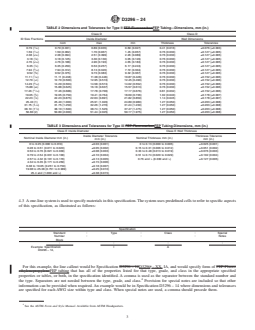
TABLE 2 Dimensions and Tolerances for Type II FEP Tubing—Dimensions, mm (in.)
Class D Class D
ID Size Fractions Inside Diameter Wall Dimensions
nom max min Thickness Tolerances
0.79 ( ⁄32) 0.79 (0.031) 0.89 (0.035) 0.69 (0.027) 0.41 (0.016) ±0.076 (±0.003)
1.59 ( ⁄16) 1.59 (0.062) 1.70 (0.067) 1.45 (0.057) 0.76 (0.030) ±0.127 (±0.005)
2.38 ( ⁄32) 2.38 (0.094) 2.51 (0.099) 2.26 (0.089) 0.76 (0.030) ±0.127 (±0.005)
3.18 ( ⁄8) 3.18 (0.125) 3.30 (0.130) 3.05 (0.120) 0.76 (0.030) ±0.127 (±0.005)
4.76 ( ⁄16) 4.76 (0.188) 4.90 (0.193) 4.65 (0.183) 0.76 (0.030) ±0.127 (±0.005)
6.35 ( ⁄4) 6.35 (0.250) 6.53 (0.257) 6.17 (0.243) 0.76 (0.030) ±0.127 (±0.005)
7.94 ( ⁄16) 7.94 (0.312) 8.13 (0.320) 7.72 (0.304) 0.76 (0.030) ±0.127 (±0.005)
9.52 ( ⁄8) 9.52 (0.375) 9.73 (0.383) 9.32 (0.367) 0.76 (0.030) ±0.127 (±0.005)
11.11 ( ⁄16) 11.11 (0.438) 11.38 (0.448) 10.87 (0.428) 0.76 (0.030) ±0.152 (±0.006)
12.70 ( ⁄2) 12.70 (0.500) 12.95 (0.510) 12.45 (0.490) 0.76 (0.030) ±0.152 (±0.006)
14.29 ( ⁄16) 14.29 (0.563) 14.58 (0.574) 14.02 (0.552) 0.76 (0.030) ±0.152 (±0.006)
15.88 ( ⁄8) 15.88 (0.625) 16.18 (0.637) 15.57 (0.613) 0.76 (0.030) ±0.152 (±0.006)
17.46 ( ⁄16) 17.46 (0.688) 17.78 (0.700) 17.17 (0.676) 0.81 (0.032) ±0.152 (±0.006)
19.05 ( ⁄4) 19.05 (0.750) 19.41 (0.764) 18.69 (0.736) 1.02 (0.040) ±0.178 (±0.007)
22.23 ( ⁄8) 22.23 (0.875) 22.63 (0.891) 21.82 (0.859) 1.14 (0.045) ±0.178 (±0.007)
25.40 (1) 25.40 (1.000) 25.91 (1.020) 24.89 (0.980) 1.27 (0.050) ±0.203 (±0.008)
31.75 (1 ⁄4) 31.75 (1.250) 32.26 (1.270) 31.24 (1.230) 1.27 (0.050) ±0.203 (±0.008)
38.10 (1 ⁄2) 38.10 (1.500) 38.74 (1.525) 37.47 (1.475) 1.27 (0.050) ±0.203 (±0.008)
50.80 (2) 50.80 (2.000) 51.44 (2.025) 50.17 (1.975) 1.27 (0.050) ±0.203 (±0.008)
NOTE 3—Tubing having electrical internal diameters and wall thickness
dimensions were deleted because of lack of demand.
Specification
NOTE 4—Class B has been deleted because of lack of demand.
Standard : Type : Class : Special
Number : : : Notes
4.3 A one-line system is used to specify materials in this
Block
specification. The system uses predefined cells to refer to : : : :
Example: I A
specific aspects of this specification, as illustrated as follows:
Specification
D3296 – 14,
D3296 − 24
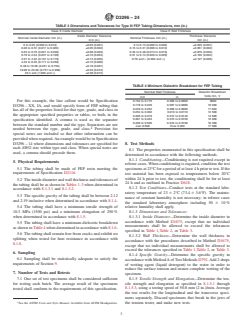
TABLE 3 Dimensions and Tolerances for Type III FEP Tubing-Dimensions, mm (in.)
Class E Inside Diameter Class E Wall Thickn
...
This document is not an ASTM standard and is intended only to provide the user of an ASTM standard an indication of what changes have been made to the previous version. Because
it may not be technically possible to adequately depict all changes accurately, ASTM recommends that users consult prior editions as appropriate. In all cases only the current version
of the standard as published by ASTM is to be considered the official document.
Designation: D3296 − 14a (Reapproved 2019) D3296 − 24
Standard Specification for
FEP-Fluorocarbon FEP Resin Tube
This standard is issued under the fixed designation D3296; the number immediately following the designation indicates the year of
original adoption or, in the case of revision, the year of last revision. A number in parentheses indicates the year of last reapproval. A
superscript epsilon (´) indicates an editorial change since the last revision or reapproval.
1. Scope Scope*
1.1 The tubing is intended for electrical, mechanical, chemical, and medical applications manufactured from extrusion resins made
from the copolymer of tetrafluoroethylene and hexafluoropropylene (FEP-fluorocarbon). or modified FEP resins containing no
more than 2 % by weight of other fluoromonomers. This specification is for virgin material only and does not address recycled
material as it is not appropriate for FEP tubing.
NOTE 1—Abbreviations are in accordance with Terminology D1600.
NOTE 2—There is no known ISO eqivalentequivalent to this standard.
1.2 The values stated in SI units are to be regarded as the standard. The values given in parentheses are for information only.
1.3 The following safety hazards caveat pertains only to the test methods portion, Section 8, of this specification: This standard
does not purport to address all of the safety concerns, if any, associated with its use. It is the responsibility of the user of this
standard to establish appropriate safety, health, and environmental practices and determine the applicability of regulatory
limitations prior to use.
1.4 This international standard was developed in accordance with internationally recognized principles on standardization
established in the Decision on Principles for the Development of International Standards, Guides and Recommendations issued
by the World Trade Organization Technical Barriers to Trade (TBT) Committee.
2. Referenced Documents
2.1 ASTM Standards:
D149 Test Method for Dielectric Breakdown Voltage and Dielectric Strength of Solid Electrical Insulating Materials at
Commercial Power Frequencies
D618 Practice for Conditioning Plastics for Testing
D792 Test Methods for Density and Specific Gravity (Relative Density) of Plastics by Displacement
D883 Terminology Relating to Plastics
D1600 Terminology for Abbreviated Terms Relating to Plastics (Withdrawn 2024)
D1675 Test Methods for Polytetrafluoroethylene Tubing
D2116 Specification for FEP Resin Molding and Extrusion Materials
IEEE/ASTM SI 10 American National Standard for Use of the International System of Units (SI): The Modern Metric System
This specification is under the jurisdiction of ASTM Committee D20 on Plastics and is the direct responsibility of Subcommittee D20.15 on Thermoplastic Materials
(Section 20.15.12).
Current edition approved May 1, 2019April 1, 2024. Published May 2019April 2024. Originally approved in 1974. Last previous edition approved in 20142019 as
D3296 - 14a.D3296 - 14a(2019). DOI: 10.1520/D3296-14AR19.10.1520/D3296-24.
For referenced ASTM standards, visit the ASTM website, www.astm.org, or contact ASTM Customer Service at service@astm.org. For Annual Book of ASTM Standards
volume information, refer to the standard’s Document Summary page on the ASTM website.
The last approved version of this historical standard is referenced on www.astm.org.
*A Summary of Changes section appears at the end of this standard
Copyright © ASTM International, 100 Barr Harbor Drive, PO Box C700, West Conshohocken, PA 19428-2959. United States
D3296 − 24
TABLE 1 Dimensions and Tolerances for Type I FEP-FluorocarbonFEP Tubing—Dimensions, mm (in.)
Wall Thickness
Inside Diameter Class A Class C
AWG Size
Lightweight Wall Standard Wall
min max nom min max nom min max
24 0.51 (0.020) 0.69 (0.027) 0.152 (0.006) 0.102 (0.004) 0.203 (0.008) 0.305 (0.012) 0.254 (0.010) 0.356 (0.014)
22 0.64 (0.025) 0.81 (0.032) 0.152 (0.006) 0.102 (0.004) 0.203 (0.008) 0.305 (0.012) 0.254 (0.010) 0.356 (0.014)
20 0.81 (0.032) 1.02 (0.040) 0.152 (0.006) 0.102 (0.004) 0.203 (0.008) 0.406 (0.016) 0.330 (0.013) 0.483 (0.019)
19 0.91 (0.036) 1.12 (0.044) 0.152 (0.006) 0.102 (0.004) 0.203 (0.008) 0.406 (0.016) 0.330 (0.013) 0.483 (0.019)
18 1.02 (0.040) 1.25 (0.049) 0.152 (0.006) 0.102 (0.004) 0.203 (0.008) 0.406 (0.016) 0.330 (0.013) 0.483 (0.019)
17 1.14 (0.045) 1.37 (0.054) 0.152 (0.006) 0.102 (0.004) 0.203 (0.008) 0.406 (0.016) 0.330 (0.013) 0.483 (0.019)
16 1.30 (0.051) 1.55 (0.061) 0.152 (0.006) 0.102 (0.004) 0.203 (0.008) 0.406 (0.016) 0.330 (0.013) 0.483 (0.019)
15 1.45 (0.057) 1.70 (0.067) 0.152 (0.006) 0.102 (0.004) 0.203 (0.008) 0.406 (0.016) 0.330 (0.013) 0.483 (0.019)
14 1.63 (0.064) 1.88 (0.074) 0.203 (0.008) 0.152 (0.006) 0.254 (0.010) 0.406 (0.016) 0.330 (0.013) 0.483 (0.019)
13 1.83 (0.072) 2.08 (0.082) 0.203 (0.008) 0.152 (0.006) 0.254 (0.010) 0.406 (0.016) 0.330 (0.013) 0.483 (0.019)
12 2.06 (0.081) 2.31 (0.091) 0.203 (0.008) 0.152 (0.006) 0.254 (0.010) 0.406 (0.016) 0.330 (0.013) 0.483 (0.019)
11 2.31 (0.091) 2.57 (0.101) 0.203 (0.008) 0.152 (0.006) 0.254 (0.010) 0.406 (0.016) 0.330 (0.013) 0.483 (0.019)
10 2.59 (0.102) 2.85 (0.112) 0.203 (0.008) 0.152 (0.006) 0.254 (0.010) 0.406 (0.016) 0.330 (0.013) 0.483 (0.019)
9 2.90 (0.114) 3.15 (0.124) 0.203 (0.008) 0.152 (0.006) 0.254 (0.010) 0.508 (0.020) 0.406 (0.016) 0.610 (0.024)
8 3.28 (0.129) 3.58 (0.141) 0.203 (0.008) 0.152 (0.006) 0.254 (0.010) 0.508 (0.020) 0.406 (0.016) 0.610 (0.024)
7 3.66 (0.144) 4.01 (0.158) 0.203 (0.008) 0.152 (0.006) 0.254 (0.010) 0.508 (0.020) 0.406 (0.016) 0.610 (0.024)
6 4.12 (0.162) 4.52 (0.178) 0.254 (0.010) 0.178 (0.007) 0.330 (0.013) 0.508 (0.020) 0.406 (0.016) 0.610 (0.024)
5 4.62 (0.182) 5.03 (0.198) 0.254 (0.010) 0.178 (0.007) 0.330 (0.013) 0.508 (0.020) 0.406 (0.016) 0.610 (0.024)
4 5.18 (0.204) 5.69 (0.224) 0.254 (0.010) 0.178 (0.007) 0.330 (0.013) 0.508 (0.020) 0.406 (0.016) 0.610 (0.024)
3 5.82 (0.229) 6.33 (0.249) 0.254 (0.010) 0.178 (0.007) 0.330 (0.013) 0.508 (0.020) 0.406 (0.016) 0.610 (0.024)
2 6.55 (0.258) 7.06 (0.278) 0.254 (0.010) 0.178 (0.007) 0.330 (0.013) 0.508 (0.020) 0.406 (0.016) 0.610 (0.024)
1 7.34 (0.289) 7.90 (0.311) 0.254 (0.010) 0.178 (0.007) 0.330 (0.013) 0.508 (0.020) 0.406 (0.016) 0.610 (0.024)
0 8.26 (0.325) 8.81 (0.347) 0.305 (0.012) 0.229 (0.009) 0.381 (0.015) 0.508 (0.020) 0.406 (0.016) 0.610 (0.024)
3. Terminology
3.1 Definitions—Definitions of terms used in this specification shall be in accordance with Terminology D883.
3.2 Definitions of Terms Specific to This Standard:
3.2.1 lot, n—one production run or uniform blend of two or more production runs.
4. Classification
4.1 This specification provides for three types of FEP-fluorocarbonFEP tubing differentiated by size schedules as follows:
4.1.1 Type I—Tubing based upon the American Wire Gage (AWG) sizes.
4.1.2 Type II—Tubing based upon fractional inch sizes (see Note 2).
4.1.3 Type III—Tubing of all other sizes, as agreed by buyer and seller. This type shall conform to the Dimensional Tolerances
for FEP Tubing, as listed inTable 3.
4.2 The types are further differentiated in accordance with increasing wall thicknesses as follows:
4.2.1 Class A—Tubing having walls tabulated in Table 1 listed as light-weight wall.
4.2.2 Class C—Tubing having walls tabulated in Table 1 listed as standard wall (see Note 3).
4.2.3 Class D—Tubing having walls tabulated in Table 2 listed as chemical tubing.
4.2.4 Class E—Tubing having walls listed as heavy or conforming to the Dimensional Tolerances for FEP Tubing as listed in Table
3.
NOTE 3—Tubing having electrical internal diameters and wall thickness dimensions were deleted because of lack of demand.
NOTE 4—Class B has been deleted because of lack of demand.
D3296 − 24
TABLE 2 Dimensions and Tolerances for Type II FEP-FluorocarbonFEP Tubing—Dimensions, mm (in.)
Class D Class D
ID Size Fractions Inside Diameter Wall Dimensions
nom max min Thickness Tolerances
0.79 ( ⁄32) 0.79 (0.031) 0.89 (0.035) 0.69 (0.027) 0.41 (0.016) ±0.076 (±0.003)
1.59 ( ⁄16) 1.59 (0.062) 1.70 (0.067) 1.45 (0.057) 0.76 (0.030) ±0.127 (±0.005)
2.38 ( ⁄32) 2.38 (0.094) 2.51 (0.099) 2.26 (0.089) 0.76 (0.030) ±0.127 (±0.005)
3.18 ( ⁄8) 3.18 (0.125) 3.30 (0.130) 3.05 (0.120) 0.76 (0.030) ±0.127 (±0.005)
4.76 ( ⁄16) 4.76 (0.188) 4.90 (0.193) 4.65 (0.183) 0.76 (0.030) ±0.127 (±0.005)
6.35 ( ⁄4) 6.35 (0.250) 6.53 (0.257) 6.17 (0.243) 0.76 (0.030) ±0.127 (±0.005)
7.94 ( ⁄16) 7.94 (0.312) 8.13 (0.320) 7.72 (0.304) 0.76 (0.030) ±0.127 (±0.005)
9.52 ( ⁄8) 9.52 (0.375) 9.73 (0.383) 9.32 (0.367) 0.76 (0.030) ±0.127 (±0.005)
11.11 ( ⁄16) 11.11 (0.438) 11.38 (0.448) 10.87 (0.428) 0.76 (0.030) ±0.152 (±0.006)
12.70 ( ⁄2) 12.70 (0.500) 12.95 (0.510) 12.45 (0.490) 0.76 (0.030) ±0.152 (±0.006)
14.29 ( ⁄16) 14.29 (0.563) 14.58 (0.574) 14.02 (0.552) 0.76 (0.030) ±0.152 (±0.006)
15.88 ( ⁄8) 15.88 (0.625) 16.18 (0.637) 15.57 (0.613) 0.76 (0.030) ±0.152 (±0.006)
17.46 ( ⁄16) 17.46 (0.688) 17.78 (0.700) 17.17 (0.676) 0.81 (0.032) ±0.152 (±0.006)
19.05 ( ⁄4) 19.05 (0.750) 19.41 (0.764) 18.69 (0.736) 1.02 (0.040) ±0.178 (±0.007)
22.23 ( ⁄8) 22.23 (0.875) 22.63 (0.891) 21.82 (0.859) 1.14 (0.045) ±0.178 (±0.007)
25.40 (1) 25.40 (1.000) 25.91 (1.020) 24.89 (0.980) 1.27 (0.050) ±0.203 (±0.008)
31.75 (1 ⁄4) 31.75 (1.250) 32.26 (1.270) 31.24 (1.230) 1.27 (0.050) ±0.203 (±0.008)
38.10 (1 ⁄2) 38.10 (1.500) 38.74 (1.525) 37.47 (1.475) 1.27 (0.050) ±0.203 (±0.008)
50.80 (2) 50.80 (2.000) 51.44 (2.025) 50.17 (1.975) 1.27 (0.050) ±0.203 (±0.008)
TABLE 3 Dimensions and Tolerances for Type III FEP-FluorocarbonFEP Tubing-Dimensions, mm (in.)
Class E Inside Diameter Class E Wall Thickness
Inside Diameter Tolerance Thickness Tolerance
Nominal Inside Diameter mm (in.) Nominal Thickness mm (in.)
mm (in.) mm (in.)
0 to 0.25 (0.000 to 0.010) ±0.03 (0.001) 0 to 0.13 (0.000 to 0.005) ±0.025 (0.001)
0.28 to 0.5
...