

ASTM D4953-20
(Test Method)Standard Test Method for Vapor Pressure of Gasoline and Gasoline-Oxygenate Blends (Dry Method)
General Information
- Abstract
SIGNIFICANCE AND USE
5.1 Vapor pressure is an important physical property of liquid spark-ignition engine fuels. It provides an indication of how a fuel will perform under different operating conditions. For example, vapor pressure is a factor in determining whether a fuel will cause vapor lock at high ambient temperature or at high altitude, or will provide easy starting at low ambient temperature.
5.2 Petroleum product specifications generally include vapor pressure limits to ensure products of suitable volatility performance.
Note 3: Vapor pressure of fuels is regulated by various government agencies.
SCOPE
1.1 This test method covers and is applicable to gasolines and gasoline-oxygenate blends with a vapor pressure range from 35 kPa to 100 kPa (5 psi to 15 psi) (see Note 2). This test method, a modification of Test Method D323 (Reid Method), provides two procedures to determine the vapor pressure (Note 1) of gasoline and gasoline-oxygenate blends.
Note 1: Because the external atmospheric pressure is counteracted by the atmospheric pressure initially present in the air chamber, this vapor pressure is an absolute pressure at 37.8 °C (100 °F) in kilopascals (pounds-force per square inch). This vapor pressure differs from the true vapor pressure of the sample due to some small vaporization of the sample and air in the confined space.
Note 2: Vapor pressure of gasoline or gasoline-oxygenate blends below 35 kPa (5 psi) or greater than 100 kPa (15 psi) can be determined with this test method but the precision and bias (Section 11) do not apply. For materials with a vapor pressure greater than 100 kPa (15 psi), use a 0 kPa to 200 kPa (0 psi to 30 psi) gauge as specified in the annex of Test Method D323.
1.2 Some gasoline-oxygenate blends may show a haze when cooled to 0 °C to 1 °C. If a haze is observed in 9.4, it shall be indicated in the reporting of results. The precision and bias statements for hazy samples have not been determined (see Note 7).
1.3 The values stated in SI units are to be regarded as standard. The values given in parentheses are for information only.
1.4 This standard does not purport to address all of the safety concerns, if any, associated with its use. It is the responsibility of the user of this standard to establish appropriate safety, health, and environmental practices and determine the applicability of regulatory limitations prior to use. Specific warnings are given in 7.5, 8.4.1, 8.5.1, 9.1, A1.1, and A1.1.3.
1.5 This international standard was developed in accordance with internationally recognized principles on standardization established in the Decision on Principles for the Development of International Standards, Guides and Recommendations issued by the World Trade Organization Technical Barriers to Trade (TBT) Committee.
- Status
- Published
- Publication Date
- 30-Apr-2020
- Technical Committee
- D02 - Petroleum Products, Liquid Fuels, and Lubricants
- Drafting Committee
- D02.08 - Volatility
Buy Documents
ASTM D4953-20 - Standard Test Method for Vapor Pressure of Gasoline and Gasoline-Oxygenate Blends (Dry Method)
REDLINE ASTM D4953-20 - Standard Test Method for Vapor Pressure of Gasoline and Gasoline-Oxygenate Blends (Dry Method)
Overview
ASTM D4953-20: Standard Test Method for Vapor Pressure of Gasoline and Gasoline-Oxygenate Blends (Dry Method) specifies a reliable laboratory procedure to determine the vapor pressure of motor gasoline and gasoline-oxygenate blends. Vapor pressure is a crucial physical property for spark-ignition engine fuels, affecting startability, engine performance, and potential for vapor lock under various ambient conditions. This method, a modification of the Reid Vapor Pressure (RVP) test (ASTM D323), is designed for both conventional gasolines and modern blends containing oxygenated additives. The standard covers a vapor pressure range from 35 kPa to 100 kPa (5 psi to 15 psi) and employs a "dry" approach-meaning no contact with water for the sample-ensuring compatibility with sensitive oxygenated blends.
Key Topics
Scope and Applicability
- Applicable to gasolines and gasoline-oxygenate blends within 35 kPa to 100 kPa vapor pressure.
- Includes guidelines for samples outside this range, though precision and bias are not guaranteed.
- Particularly important for compliance where fuel volatility specifications are regulated.
Methodology
- Describes two procedures (A and B) utilizing specialized vapor pressure apparatus, either manual or semi-automatic, with careful sample handling to avoid contamination and loss of volatile components.
- Ensures water-free sampling and analysis, critical for oxygenated fuels.
Significance of Vapor Pressure
- Indicates fuel's volatility and propensity for vapor lock or starting difficulty.
- Essential for meeting legal fuel specifications and ensuring fuel performance under varied temperatures and altitudes.
Sample Handling and Safety
- Stresses meticulous sample cooling, container selection (typically 1L containers filled to 70-80%), and single-use for accurate results.
- Includes multiple warnings about the hazards of volatile fuel testing and regulatory compliance.
Applications
Fuel Quality Assurance
- Laboratories and refineries use the method to determine vapor pressure as part of motor fuel certification, ensuring products meet regulatory and performance standards.
- Especially relevant for regulated fuels, where government agencies specify allowable vapor pressure ranges to control emissions and reduce pollution.
Research and Development
- Applied during development and optimization of gasoline blends, particularly those containing ethanol and other oxygenates, which can affect volatility behavior.
Compliance Testing
- Supports compliance in regulated markets requiring documentation of fuel volatility.
- Used as a referee method in the event of disputes over fuel specifications.
Engineering and Operations
- Guides blending operations and storage protocols to minimize vapor losses and maintain fuel integrity.
Related Standards
For a comprehensive approach to vapor pressure and volatility measurements, the following ASTM standards are frequently referenced alongside ASTM D4953-20:
- ASTM D323 - Test Method for Vapor Pressure of Petroleum Products (Reid Method)
- ASTM D5191 - Test Method for Vapor Pressure of Petroleum Products and Liquid Fuels (Mini Method)
- ASTM D4057 - Practice for Manual Sampling of Petroleum and Petroleum Products
- ASTM D4177 - Practice for Automatic Sampling of Petroleum and Petroleum Products
- ASTM D4175 - Terminology Relating to Petroleum Products, Liquid Fuels, and Lubricants
- ASTM D5842/D5854 - Practices for Sampling and Mixing Fuels for Volatility Measurement
Keywords: vapor pressure, gasoline, gasoline-oxygenate blend, volatility, ASTM D4953, dry method, fuel testing, spark-ignition engine fuel, fuel compliance, sample handling, petroleum product specifications.
ASTM D4953-20 remains a key reference standard for those involved in gasoline quality control, compliance testing, and the development or certification of petroleum fuels. Use of this method helps to ensure accurate, reliable assessment of fuel volatility for better engine performance and adherence to environmental regulations.
Relations
- Effective Date
- 01-May-2020
- Refers
ASTM D4175-23a - Standard Terminology Relating to Petroleum Products, Liquid Fuels, and Lubricants - Effective Date
- 15-Dec-2023
- Refers
ASTM D5842-23 - Standard Practice for Sampling and Handling of Fuels for Volatility Measurement - Effective Date
- 01-Oct-2023
- Refers
ASTM D4175-23e1 - Standard Terminology Relating to Petroleum Products, Liquid Fuels, and Lubricants - Effective Date
- 01-Jul-2023
- Refers
ASTM D5842-19 - Standard Practice for Sampling and Handling of Fuels for Volatility Measurement - Effective Date
- 01-Nov-2019
- Effective Date
- 01-Dec-2018
- Effective Date
- 01-Oct-2015
- Effective Date
- 01-Apr-2015
- Refers
ASTM D5842-14 - Standard Practice for Sampling and Handling of Fuels for Volatility Measurement - Effective Date
- 15-Jan-2014
- Effective Date
- 01-Dec-2013
- Effective Date
- 01-May-2013
- Effective Date
- 01-Dec-2012
- Effective Date
- 01-Sep-2012
- Effective Date
- 01-Jun-2012
- Effective Date
- 15-Apr-2012
Buy Documents
ASTM D4953-20 - Standard Test Method for Vapor Pressure of Gasoline and Gasoline-Oxygenate Blends (Dry Method)
REDLINE ASTM D4953-20 - Standard Test Method for Vapor Pressure of Gasoline and Gasoline-Oxygenate Blends (Dry Method)
Get Certified
Connect with accredited certification bodies for this standard

Element Materials Technology
Materials testing and product certification.

ABS Group Brazil
ABS Group certification services in Brazil.

ABS Quality Evaluations Inc.
American Bureau of Shipping quality certification.
Sponsored listings
Frequently Asked Questions
ASTM D4953-20 is a standard published by ASTM International. Its full title is "Standard Test Method for Vapor Pressure of Gasoline and Gasoline-Oxygenate Blends (Dry Method)". This standard covers: SIGNIFICANCE AND USE 5.1 Vapor pressure is an important physical property of liquid spark-ignition engine fuels. It provides an indication of how a fuel will perform under different operating conditions. For example, vapor pressure is a factor in determining whether a fuel will cause vapor lock at high ambient temperature or at high altitude, or will provide easy starting at low ambient temperature. 5.2 Petroleum product specifications generally include vapor pressure limits to ensure products of suitable volatility performance. Note 3: Vapor pressure of fuels is regulated by various government agencies. SCOPE 1.1 This test method covers and is applicable to gasolines and gasoline-oxygenate blends with a vapor pressure range from 35 kPa to 100 kPa (5 psi to 15 psi) (see Note 2). This test method, a modification of Test Method D323 (Reid Method), provides two procedures to determine the vapor pressure (Note 1) of gasoline and gasoline-oxygenate blends. Note 1: Because the external atmospheric pressure is counteracted by the atmospheric pressure initially present in the air chamber, this vapor pressure is an absolute pressure at 37.8 °C (100 °F) in kilopascals (pounds-force per square inch). This vapor pressure differs from the true vapor pressure of the sample due to some small vaporization of the sample and air in the confined space. Note 2: Vapor pressure of gasoline or gasoline-oxygenate blends below 35 kPa (5 psi) or greater than 100 kPa (15 psi) can be determined with this test method but the precision and bias (Section 11) do not apply. For materials with a vapor pressure greater than 100 kPa (15 psi), use a 0 kPa to 200 kPa (0 psi to 30 psi) gauge as specified in the annex of Test Method D323. 1.2 Some gasoline-oxygenate blends may show a haze when cooled to 0 °C to 1 °C. If a haze is observed in 9.4, it shall be indicated in the reporting of results. The precision and bias statements for hazy samples have not been determined (see Note 7). 1.3 The values stated in SI units are to be regarded as standard. The values given in parentheses are for information only. 1.4 This standard does not purport to address all of the safety concerns, if any, associated with its use. It is the responsibility of the user of this standard to establish appropriate safety, health, and environmental practices and determine the applicability of regulatory limitations prior to use. Specific warnings are given in 7.5, 8.4.1, 8.5.1, 9.1, A1.1, and A1.1.3. 1.5 This international standard was developed in accordance with internationally recognized principles on standardization established in the Decision on Principles for the Development of International Standards, Guides and Recommendations issued by the World Trade Organization Technical Barriers to Trade (TBT) Committee.
SIGNIFICANCE AND USE 5.1 Vapor pressure is an important physical property of liquid spark-ignition engine fuels. It provides an indication of how a fuel will perform under different operating conditions. For example, vapor pressure is a factor in determining whether a fuel will cause vapor lock at high ambient temperature or at high altitude, or will provide easy starting at low ambient temperature. 5.2 Petroleum product specifications generally include vapor pressure limits to ensure products of suitable volatility performance. Note 3: Vapor pressure of fuels is regulated by various government agencies. SCOPE 1.1 This test method covers and is applicable to gasolines and gasoline-oxygenate blends with a vapor pressure range from 35 kPa to 100 kPa (5 psi to 15 psi) (see Note 2). This test method, a modification of Test Method D323 (Reid Method), provides two procedures to determine the vapor pressure (Note 1) of gasoline and gasoline-oxygenate blends. Note 1: Because the external atmospheric pressure is counteracted by the atmospheric pressure initially present in the air chamber, this vapor pressure is an absolute pressure at 37.8 °C (100 °F) in kilopascals (pounds-force per square inch). This vapor pressure differs from the true vapor pressure of the sample due to some small vaporization of the sample and air in the confined space. Note 2: Vapor pressure of gasoline or gasoline-oxygenate blends below 35 kPa (5 psi) or greater than 100 kPa (15 psi) can be determined with this test method but the precision and bias (Section 11) do not apply. For materials with a vapor pressure greater than 100 kPa (15 psi), use a 0 kPa to 200 kPa (0 psi to 30 psi) gauge as specified in the annex of Test Method D323. 1.2 Some gasoline-oxygenate blends may show a haze when cooled to 0 °C to 1 °C. If a haze is observed in 9.4, it shall be indicated in the reporting of results. The precision and bias statements for hazy samples have not been determined (see Note 7). 1.3 The values stated in SI units are to be regarded as standard. The values given in parentheses are for information only. 1.4 This standard does not purport to address all of the safety concerns, if any, associated with its use. It is the responsibility of the user of this standard to establish appropriate safety, health, and environmental practices and determine the applicability of regulatory limitations prior to use. Specific warnings are given in 7.5, 8.4.1, 8.5.1, 9.1, A1.1, and A1.1.3. 1.5 This international standard was developed in accordance with internationally recognized principles on standardization established in the Decision on Principles for the Development of International Standards, Guides and Recommendations issued by the World Trade Organization Technical Barriers to Trade (TBT) Committee.
ASTM D4953-20 is classified under the following ICS (International Classification for Standards) categories: 75.160.20 - Liquid fuels. The ICS classification helps identify the subject area and facilitates finding related standards.
ASTM D4953-20 has the following relationships with other standards: It is inter standard links to ASTM D4953-15, ASTM D4175-23a, ASTM D5842-23, ASTM D4175-23e1, ASTM D5842-19, ASTM D5191-18a, ASTM D4306-15, ASTM D323-15, ASTM D5842-14, ASTM D5191-13, ASTM E1-13, ASTM D4306-12c, ASTM D5191-12, ASTM D4306-12b, ASTM D4306-12a. Understanding these relationships helps ensure you are using the most current and applicable version of the standard.
ASTM D4953-20 is available in PDF format for immediate download after purchase. The document can be added to your cart and obtained through the secure checkout process. Digital delivery ensures instant access to the complete standard document.
Standards Content (Sample)
This international standard was developed in accordance with internationally recognized principles on standardization established in the Decision on Principles for the
Development of International Standards, Guides and Recommendations issued by the World Trade Organization Technical Barriers to Trade (TBT) Committee.
Designation: D4953 − 20
Standard Test Method for
Vapor Pressure of Gasoline and Gasoline-Oxygenate Blends
(Dry Method)
This standard is issued under the fixed designation D4953; the number immediately following the designation indicates the year of
original adoption or, in the case of revision, the year of last revision. A number in parentheses indicates the year of last reapproval. A
superscript epsilon (´) indicates an editorial change since the last revision or reapproval.
1. Scope* ization established in the Decision on Principles for the
Development of International Standards, Guides and Recom-
1.1 This test method covers and is applicable to gasolines
mendations issued by the World Trade Organization Technical
and gasoline-oxygenate blends with a vapor pressure range
Barriers to Trade (TBT) Committee.
from 35 kPa to 100 kPa (5 psi to 15 psi) (see Note 2). This test
method, a modification of Test Method D323 (Reid Method),
2. Referenced Documents
provides two procedures to determine the vapor pressure (Note
1) of gasoline and gasoline-oxygenate blends. 2
2.1 ASTM Standards:
NOTE 1—Because the external atmospheric pressure is counteracted by
D323 TestMethodforVaporPressureofPetroleumProducts
the atmospheric pressure initially present in the air chamber, this vapor
(Reid Method)
pressure is an absolute pressure at 37.8 °C (100 °F) in kilopascals
D4057 Practice for Manual Sampling of Petroleum and
(pounds-force per square inch). This vapor pressure differs from the true
Petroleum Products
vaporpressureofthesampleduetosomesmallvaporizationofthesample
and air in the confined space. D4175 Terminology Relating to Petroleum Products, Liquid
NOTE 2—Vapor pressure of gasoline or gasoline-oxygenate blends
Fuels, and Lubricants
below 35 kPa (5 psi) or greater than 100 kPa (15 psi) can be determined
D4177 Practice for Automatic Sampling of Petroleum and
with this test method but the precision and bias (Section 11) do not apply.
Petroleum Products
For materials with a vapor pressure greater than 100 kPa (15 psi), use a
0 kPa to 200 kPa (0 psi to 30 psi) gauge as specified in the annex of Test
D4306 Practice for Aviation Fuel Sample Containers for
Method D323.
Tests Affected by Trace Contamination
1.2 Somegasoline-oxygenateblendsmayshowahazewhen D5190 Test Method for Vapor Pressure of Petroleum Prod-
cooled to 0 °C to 1 °C. If a haze is observed in 9.4, it shall be ucts (Automatic Method) (Withdrawn 2012)
indicated in the reporting of results. The precision and bias
D5191 Test Method for Vapor Pressure of Petroleum Prod-
statements for hazy samples have not been determined (see
ucts and Liquid Fuels (Mini Method)
Note 7).
D5842 Practice for Sampling and Handling of Fuels for
Volatility Measurement
1.3 The values stated in SI units are to be regarded as
D5854 Practice for Mixing and Handling of Liquid Samples
standard. The values given in parentheses are for information
of Petroleum and Petroleum Products
only.
E1 Specification for ASTM Liquid-in-Glass Thermometers
1.4 This standard does not purport to address all of the
safety concerns, if any, associated with its use. It is the
3. Terminology
responsibility of the user of this standard to establish appro-
priate safety, health, and environmental practices and deter-
3.1 Definitions:
mine the applicability of regulatory limitations prior to use.
3.1.1 Bourdon spring gauge, n—pressure measuring device
Specific warnings are given in 7.5, 8.4.1, 8.5.1, 9.1, A1.1, and
that employs a bourdon tube connected to an indicator.
A1.1.3.
3.1.2 Bourdon tube, n—flattened metal tube bent to a curve
1.5 This international standard was developed in accor-
that straightens under internal pressure.
dance with internationally recognized principles on standard-
1 2
This test method is under the jurisdiction of Committee D02 on Petroleum For referenced ASTM standards, visit the ASTM website, www.astm.org, or
Products, Liquid Fuels, and Lubricants and is the direct responsibility of Subcom- contact ASTM Customer Service at service@astm.org. For Annual Book of ASTM
mittee D02.08 on Volatility. Standards volume information, refer to the standard’s Document Summary page on
Current edition approved May 1, 2020. Published May 2020. Originally the ASTM website.
approved in 1989. Last previous edition approved in 2015 as D4953 – 15. DOI: The last approved version of this historical standard is referenced on
10.1520/D4953-20. www.astm.org.
*A Summary of Changes section appears at the end of this standard
Copyright © ASTM International, 100 Barr Harbor Drive, PO Box C700, West Conshohocken, PA 19428-2959. United States
D4953 − 20
3.1.3 dry method, n—in vapor pressure methods, a specific is used and the provision for rotating the apparatus in the bath.
empirical test method (D4953) for measuring the vapor pres- Details of a commercially available unit are shown in Annex
sure of gasoline and other volatile products in which contact of A2.
the test specimen with water is not allowed.
7. Handling of Test Samples
3.1.4 dry vapor pressure equivalent (DVPE), n—value cal-
7.1 This section applies to both Procedure A and B.
culated by a defined correlation equation, that is expected to be
comparable to the vapor pressure value obtained by Test
7.2 The extreme sensitivity of vapor pressure measurements
Method D4953, Procedure A.
to losses through evaporation is such as to require the utmost
precaution and the most meticulous care in handling of
3.1.5 oxygenate, n—oxygen-containing ashless organic
samples.
compound, such as an alcohol or ether, which may be used as
a fuel or fuel supplement. D4175
7.3 Obtain a sample and test specimen in accordance with
Practice D4057, D4177, D4306, D5842,or D5854 when
3.1.6 vapor pressure, n—pressure exerted by the vapor of a
appropriate, except do not use the Sampling by Water Dis-
liquid when in equilibrium with the liquid D4175
placement section for fuels containing oxygenates.
3.2 Abbreviations:
7.4 Sample Container Size:
3.2.1 DVPE, n—dry vapor pressure equivalent
7.4.1 The size of the sample container from which the vapor
pressure sample is taken shall be 1 L(1 qt). It shall be 70 % to
4. Summary of Test Method
80 % filled with sample.
4.1 The liquid chamber of the vapor pressure apparatus is
7.4.2 The present precision statement has been derived
filled with the chilled sample and connected to the vapor
using samples in 1 L (1 qt) containers. Samples taken in
chamber at 37.8 °C (100 °F). The apparatus is immersed in a
containers of other sizes as prescribed in 7.3 can be used if it
bath at 37.8 °C (100 °F) until a constant pressure is observed.
is recognized that the precision can be affected. In the case of
The pressure reading, suitably corrected, is reported as the
referee testing the 1 L (1 qt) sample container shall be manda-
vapor pressure.
tory.
4.2 Procedure A utilizes the same apparatus and essentially
7.5 Hazards:
the same procedure as Test Method D323 with the exception
7.5.1 The vapor pressure determination shall be the first test
that the interior surfaces of the liquid and vapor chambers are
withdrawnfromthesamplecontainer.Theremainingsamplein
maintained completely free of water. Procedure B utilizes a
the container cannot be used for a second vapor pressure
semi-automatic apparatus with the liquid and vapor chambers
determination. If necessary, obtain a new sample.
identical in volume to those in Procedure A. The apparatus is
7.5.2 Samples shall be protected from excessive heat prior
suspended in a horizontal bath and rotated while attaining
to testing.
equilibrium.EitheraBourdongaugeorpressuretransducercan
7.5.3 Samples in leaky containers shall not be tested.
be used with this procedure. The interior surfaces of the liquid
Discard and obtain a new sample.
and vapor chambers are maintained free of water.
7.6 Sample Handling Temperature—In all cases, the sample
container and contents shall be cooled to 0 °C to 1 °C (32 °F to
5. Significance and Use
34 °F) before the container is opened. Sufficient time to reach
5.1 Vapor pressure is an important physical property of
this temperature shall be assured by direct measurement of the
liquid spark-ignition engine fuels. It provides an indication of
temperature of a similar liquid in a like container placed in the
how a fuel will perform under different operating conditions.
cooling bath at the same time as the sample. See A1.3.1.
For example, vapor pressure is a factor in determining whether
a fuel will cause vapor lock at high ambient temperature or at 8. Preparation of Apparatus
high altitude, or will provide easy starting at low ambient
8.1 This section applies to both ProcedureAand Procedure
temperature.
B.
5.2 Petroleum product specifications generally include va-
8.2 Verification of Sample Container Filling—With the
por pressure limits to ensure products of suitable volatility
sample at a temperature of 0 °C to 1 °C, take the container
performance.
from the cooling bath or refrigerator and wipe dry with
absorbent material. If the container is not transparent, unseal it,
NOTE 3—Vapor pressure of fuels is regulated by various government
agencies. and using a suitable gauge, confirm that the sample volume
equals 70 % to 80 % of the container capacity (see Note 4). If
6. Apparatus
the sample is contained in a transparent glass container, verify
that the container is 70 % to 80 % full by suitable means (see
6.1 The apparatus for Procedure A is described in Annex
Note 4).
A1.
NOTE 4—For non-transparent containers, one way to confirm that the
6.2 Theessentialdimensionsandrequirementsfortheliquid
sample volume equals 70 % to 80 % of the container capacity is to use a
and vapor chamber for Procedure B are identical with those for
dipstick that has been pre-marked to indicate the 70 % and 80 % container
Procedure A and described in Annex A1. External fittings and
capacities. The dipstick should be of such material that it shows wetting
features will vary depending on whether a gauge or transducer after being immersed and withdrawn from the sample. To confirm the
D4953 − 20
sample volume, insert the dipstick into the sample container so that it
Procedure B the vapor chamber lies horizontally, completely
touches the bottom of the container at a perpendicular angle, before
immersedinthewaterbath.)Donotremovethevaporchamber
removing the dipstick. For transparent containers, using a marked ruler or
from the water bath until the liquid chamber has been filled
by comparing the sample container to a like container which has the 70 %
with sample as described in 9.1.
and 80 % levels clearly marked, has been found suitable.
8.2.1 Discard the sample if its volume is less than 70 % of
9. Procedure
the container capacity.
9.1 Sample Transfer—Remove the sample from the cooling
8.2.2 If the container is more than 80 % full, pour out
bath, dry the exterior of the container with absorbent material,
enough sample to bring the container contents within 70 % to
uncap, and insert the chilled transfer tube (see Fig. 1). Remove
80 % range. Under no circumstance return any of the poured
the liquid chamber from the cooling bath and, using an
out sample to the container.
absorbent material, dry the threaded top and place the chamber
8.2.3 Reseal the container, if necessary, and return the
in an inverted position over the top of the transfer tube. Invert
sample container to the cooling bath.
the entire system rapidly so that the liquid chamber is upright
8.3 Air Saturation of the Sample in Sample Container:
with the end of the transfer tube approximately 6 mm (0.25 in.)
8.3.1 Transparent Containers Only—Since 8.2 does not
from the bottom of the liquid chamber. Fill the chamber to
requirethatthesamplebeopenedtoverifythesamplecapacity,
overflowing. Withdraw the transfer tube from the liquid cham-
it is necessary to unseal the cap momentarily before resealing
ber while allowing the sample to continue flowing up to
it, so that the samples in transparent containers are treated the
complete withdrawal. (Warning—Provision shall be made for
same as samples in non-transparent containers.
suitable containment and disposal of the overflowing sample to
8.3.2 With the sample again at a temperature of 0 °C to
avoid fire hazard.)
1 °C, take the container from the cooling bath or refrigerator,
9.2 Assembly of Apparatus—Immediately remove the vapor
wipe it dry with an absorbent material, remove the cap
chamber from the water bath and, as quickly as possible, dry
momentarily,takingcarethatnowaterenters,reseal,andshake
the exterior of the chamber with absorbent material with
vigorously. Return it to the cooling bath or refrigerator for a
particular care given to the connection between the vapor
minimum of 2 min.
chamber and the liquid chamber. Remove the closure from the
8.3.3 Repeat 8.3.2 twice more. Return the sample to the
vapor chamber and couple the filled liquid chamber to the
cooling bath until the beginning of the procedure.
vapor chamber as quickly as possible without spillage. When
8.4 Preparation of Liquid Chamber:
the vapor chamber is removed from the water bath and dried
8.4.1 Place the stoppered or closed liquid chamber and the
and the closure is removed, connect it to the liquid chamber
sample transfer tube in a refrigerator or cooling bath for
without undue movement that could promote exchange of
sufficient time to allow the chamber and the transfer tube to
room temperature air with the 37.8 °C (100 °F) air in the
reach a temperature of 0 °C to 1 °C (32 °F to 34 °F). Keep the
chamber. Not more than 10 s should elapse between removing
liquid chamber upright and not immersed over the top of the
the vapor chamber from the water bath and completion of the
coupling threads. (Warning—The transfer connection must be
couplingofthetwochambers.WithProcedureBitisnecessary
kept completely dry during cooling. This can be accomplished
to disconnect the spiral tubing at the quick action disconnect
by placing the transfer connection in a water tight plastic bag.)
after removing from the water bath and before making the
connection to the vapor chamber.
8.5 Preparation of the Vapor Chamber:
8.5.1 Connect the gauge or pressure transducer to the vapor
9.3 Introduction of the Apparatus into Bath:
chamber and make a water tight closure of the lower opening
9.3.1 Procedure A—Turn the assembled apparatus upside
of the chamber where the liquid chamber attaches. Make sure
down and allow all the sample in the liquid chamber to drain
that the vent hole in the vapor chamber connection is also
into the vapor chamber.With the apparatus still inverted, shake
securely closed. (Warning—Making a water tight closure of
it vigorously eight times lengthwise. With the gauge end up,
boththeliquidandvaporchambersisextremelyimportant.For
immerse the assembled apparatus in the bath, maintained at
some samples containing oxygenated compounds, contact with
water can cause phase separation and invalidate results.)
NOTE 5—For some Test Method D323 apparatus, a Number 6.5 rubber
stopper has been found satisfactory. For the horizontal or Herzog
apparatus, a Number 3 rubber stopper and a Number 000 cork in the vent
hole is satisfactory.Another procedure is to attach a spare liquid chamber
to the vapor chamber during the conditioning period.Athird alternative is
to utilize a cap threaded to match the threads of the vapor chamber.
Several apparatus manufacturers have indicated the intention to supply
such caps for equipment. In any procedure used, the interior surfaces of
the vapor pressure apparatus and the sample must be kept completely free
of water.
8.5.2 Immerse the vapor chamber in a water bath main-
tained at 37.8 °C 6 0.1 °C (100 °F 6 0.2 °F) for not less than
20 min. The top of the vapor chamber must be at least 25 mm
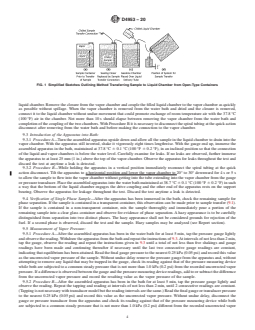
FIG. 1 Simplified Sketches Outlining Method Transferring
(1 in.) below the surface of the water (Procedure A). (In Sample to Liquid Chamber from Open-Type Containers
D4953 − 20
37.8 °C 6 0.1 °C (100 °F 6 0.2 °F), in an inclined position so of not less than 2 min, until 2 consecutive readings are
that the connection of the liquid and vapor chambers is below constant. (Tapping is not necessary with transducer model but
the water level. Carefully examine for leaks. If no leaks are
the reading intervals are the same.) Read the final gauge or
observed, further immerse the apparatus to at least 25 mm transducer pressure to the nearest 0.25 kPa (0.05 psi) and
(1 in.) above the top of the vapor chamber. Observe the
record this value as the uncorrected vapor pressure. Without
apparatus for leaks throughout the test and discard the test at
undue delay, disconnect the gauge or pressure transducer from
anytime a leak is detected.
the apparatus and check its reading against that of the pressure
9.3.2 Procedure B—While holding the apparatus in a verti-
measuring device while both are subjected to a common steady
cal position immediately reconnect the spiral tubing at the
pressure that is not more than 1.0 kPa (0.2 psi) different from
quick action disconnect. Tilt the apparatus to a horizontal
the recorded uncorrected vapor pressure. If a difference is
position and lower the vapor chamber to 20° to 30° downward
observed between the gauge or transducer and the pressure
for 4 s or 5 s to allow the sample to flow into the vapor
measuring device, add to or subtract the difference from the
chamber without getting into the tube extending into the vapor
uncorrected vapor pressure and record the resulting value as
chamber from the gauge or pressure transducer. Place the
the vapor pressure of the sample.
assembled apparatus into the water bath maintained at 38.7 °C
NOTE6—Ifitissuspectedthatphaseseparationofthesamplemayhave
6 0.1 °C (100 °F 6 0.2 °F) in such a way that the bottom of
occurred during the test procedure, the following procedure can be
the liquid chamber engages the drive coupling and the other
performed to verify the integrity of the test sample. Perform the following
end of the apparatus rests on the support bearing. Observe the
operations as quickly as possible after removing the apparatus from the
apparatus for leakage throughout the test. Discard the test
waterbathinordertomaintainthetemperatureofthesampleatornearthe
anytime a leak is detected. test temperature. Quickly dry the exterior surfaces of the liquid and vapor
chambers with absorbent material. With the apparatus in an upright
9.4 Verification of Single Phase Sample—After the appara-
position, disconnect the vapor and liquid chambers. Quickly drain the
tus has been immersed in the bath, check the remaining sample
contents of the liquid chamber into a dry, clear, glass container and
for phase separation. If the sample is contained in a transparent
observe the sample. If the sample is not clear and bright and free of a
second phase, cap the container, reheat the sample to 37.8 °C (100 °F),
container,thisobservationcanbemadepriortosampletransfer
mix the sample well, and observe the sample again. If the sample is still
(9.1). If the sample is contained in a non-transparent container,
not clear and bright and free of a second phase, phase separation has
mix the sample thoroughly and immediately pour a portion of
occurred and the test may not be valid.
the remaining sample into a clear glass container and observe
9.6 Preparation of Apparatus for Next Test—Thoroughly
for evidence of phase separation. A hazy appearance is to be
purge the vapor chamber of residual sample by filling it with
carefully distinguished from separation into two distinct
warm water above 32 °C (90 °F) and allowing it to drain.
phases. The hazy appearance shall not be considered grounds
Repeat this purg
...
This document is not an ASTM standard and is intended only to provide the user of an ASTM standard an indication of what changes have been made to the previous version. Because
it may not be technically possible to adequately depict all changes accurately, ASTM recommends that users consult prior editions as appropriate. In all cases only the current version
of the standard as published by ASTM is to be considered the official document.
Designation: D4953 − 15 D4953 − 20
Standard Test Method for
Vapor Pressure of Gasoline and Gasoline-Oxygenate Blends
(Dry Method)
This standard is issued under the fixed designation D4953; the number immediately following the designation indicates the year of
original adoption or, in the case of revision, the year of last revision. A number in parentheses indicates the year of last reapproval. A
superscript epsilon (´) indicates an editorial change since the last revision or reapproval.
1. Scope*
1.1 This test method covers and is applicable to gasolines and gasoline-oxygenate blends with a vapor pressure range from
35 kPa to 100 kPa (5 psi to 15 psi) (see Note 2). This test method, a modification of Test Method D323 (Reid Method), provides
two procedures to determine the vapor pressure (Note 1) of gasoline and gasoline-oxygenate blends.
NOTE 1—Because the external atmospheric pressure is counteracted by the atmospheric pressure initially present in the air chamber, this vapor pressure
is an absolute pressure at 37.8 °C (100 °F) in kilopascals (pounds-force per square inch). This vapor pressure differs from the true vapor pressure of the
sample due to some small vaporization of the sample and air in the confined space.
NOTE 2—Vapor pressure of gasoline or gasoline-oxygenate blends below 35 kPa (5 psi) or greater than 100 kPa (15 psi) can be determined with this
test method but the precision and bias (Section 11) do not apply. For materials with a vapor pressure greater than 100 kPa (15 psi), use a 0 kPa to 200 kPa
(0 psi to 30 psi) gauge as specified in the annex of Test Method D323.
1.2 Some gasoline-oxygenate blends may show a haze when cooled to 0 °C to 1 °C. If a haze is observed in 9.4, it shall be
indicated in the reporting of results. The precision and bias statements for hazy samples have not been determined (see Note 7).
1.3 The values stated in SI units are to be regarded as standard. The values given in parentheses are for information only.
1.4 This standard does not purport to address all of the safety concerns, if any, associated with its use. It is the responsibility
of the user of this standard to establish appropriate safety safety, health, and healthenvironmental practices and determine the
applicability of regulatory limitations prior to use. Specific warnings are given in 7.5, 8.4.1, 8.5.1, 9.1, A1.1, and A1.1.3.
1.5 This international standard was developed in accordance with internationally recognized principles on standardization
established in the Decision on Principles for the Development of International Standards, Guides and Recommendations issued
by the World Trade Organization Technical Barriers to Trade (TBT) Committee.
2. Referenced Documents
2.1 ASTM Standards:
D323 Test Method for Vapor Pressure of Petroleum Products (Reid Method)
D4057 Practice for Manual Sampling of Petroleum and Petroleum Products
D4175 Terminology Relating to Petroleum Products, Liquid Fuels, and Lubricants
D4177 Practice for Automatic Sampling of Petroleum and Petroleum Products
D4306 Practice for Aviation Fuel Sample Containers for Tests Affected by Trace Contamination
D5190 Test Method for Vapor Pressure of Petroleum Products (Automatic Method) (Withdrawn 2012)
D5191 Test Method for Vapor Pressure of Petroleum Products and Liquid Fuels (Mini Method)
D5842 Practice for Sampling and Handling of Fuels for Volatility Measurement
D5854 Practice for Mixing and Handling of Liquid Samples of Petroleum and Petroleum Products
E1 Specification for ASTM Liquid-in-Glass Thermometers
3. Terminology
3.1 Definitions:
3.1.1 Bourdon spring gauge, n—pressure measuring device that employs a bourdon tube connected to an indicator.
This test method is under the jurisdiction of Committee D02 on Petroleum Products, Liquid Fuels, and Lubricants and is the direct responsibility of Subcommittee D02.08
on Volatility.
Current edition approved June 1, 2015May 1, 2020. Published June 2015May 2020. Originally approved in 1989. Last previous edition approved in 20122015 as
D4953 – 06 (2012).D4953 – 15. DOI: 10.1520/D4953-15.10.1520/D4953-20.
For referenced ASTM standards, visit the ASTM website, www.astm.org, or contact ASTM Customer Service at service@astm.org. For Annual Book of ASTM Standards
volume information, refer to the standard’s Document Summary page on the ASTM website.
The last approved version of this historical standard is referenced on www.astm.org.
*A Summary of Changes section appears at the end of this standard
Copyright © ASTM International, 100 Barr Harbor Drive, PO Box C700, West Conshohocken, PA 19428-2959. United States
D4953 − 20
3.1.2 Bourdon tube, n—flattened metal tube bent to a curve that straightens under internal pressure.
3.1.3 dry method, n—in vapor pressure methods, a specific empirical test method (D4953) for measuring the vapor pressure of
gasoline and other volatile products in which contact of the test specimen with water is not allowed.
3.1.4 dry vapor pressure equivalent (DVPE), n—value calculated by a defined correlation equation, that is expected to be
comparable to the vapor pressure value obtained by Test Method D4953, Procedure A.
3.1.5 oxygenate, n—oxygen-containing ashless organic compound, such as an alcohol or ether, which may be used as a fuel or
fuel supplement. D4175
3.1.6 vapor pressure, n—pressure exerted by the vapor of a liquid when in equilibrium with the liquid D4175
3.2 Abbreviations:
3.2.1 DVPE, n—dry vapor pressure equivalent
4. Summary of Test Method
4.1 The liquid chamber of the vapor pressure apparatus is filled with the chilled sample and connected to the vapor chamber
at 37.8 °C (100 °F). The apparatus is immersed in a bath at 37.8 °C (100 °F) until a constant pressure is observed. The pressure
reading, suitably corrected, is reported as the vapor pressure.
4.2 Procedure A utilizes the same apparatus and essentially the same procedure as Test Method D323 with the exception that
the interior surfaces of the liquid and vapor chambers are maintained completely free of water. Procedure B utilizes a
semi-automatic apparatus with the liquid and vapor chambers identical in volume to those in Procedure A. The apparatus is
suspended in a horizontal bath and rotated while attaining equilibrium. Either a Bourdon gauge or pressure transducer can be used
with this procedure. The interior surfaces of the liquid and vapor chambers are maintained free of water.
5. Significance and Use
5.1 Vapor pressure is an important physical property of liquid spark-ignition engine fuels. It provides an indication of how a
fuel will perform under different operating conditions. For example, vapor pressure is a factor in determining whether a fuel will
cause vapor lock at high ambient temperature or at high altitude, or will provide easy starting at low ambient temperature.
5.2 Petroleum product specifications generally include vapor pressure limits to ensure products of suitable volatility
performance.
NOTE 3—Vapor pressure of fuels is regulated by various government agencies.
6. Apparatus
6.1 The apparatus for Procedure A is described in Annex A1.
6.2 The essential dimensions and requirements for the liquid and vapor chamber for Procedure B are identical with those for
Procedure A and described in Annex A1. External fittings and features will vary depending on whether a gauge or transducer is
used and the provision for rotating the apparatus in the bath. Details of a commercially available unit are shown in Annex A2.
7. Handling of Test Samples
7.1 This section applies to both Procedure A and B.
7.2 The extreme sensitivity of vapor pressure measurements to losses through evaporation is such as to require the utmost
precaution and the most meticulous care in handling of samples.
7.3 Sampling shall be done Obtain a sample and test specimen in accordance with the Reid Vapor Pressure section (10.3) of
Practice D4057, D4177, D4306, D5842, or D5854except for fuels containing oxygenates where the Water Displacement Procedure
section (10.3.1.8) of when appropriate, except do not use the Sampling by Water Displacement section for fuels containing D4057
must not be used.oxygenates.
7.4 Sample Container Size:
7.4.1 The size of the sample container from which the vapor pressure sample is taken shall be 1 L (1 qt). It shall be 70 % to
80 % filled with sample.
7.4.2 The present precision statement has been derived using samples in 1 L (1 qt) containers. Samples taken in containers of
other sizes as prescribed in Practice7.3 D4057can be used if it is recognized that the precision can be affected. In the case of referee
testing the 1 L (1 qt) sample container shall be mandatory.
7.5 Hazards:
7.5.1 The vapor pressure determination shall be the first test withdrawn from the sample container. The remaining sample in
the container cannot be used for a second vapor pressure determination. If necessary, obtain a new sample.
7.5.2 Samples shall be protected from excessive heat prior to testing.
7.5.3 Samples in leaky containers shall not be tested. Discard and obtain a new sample.
D4953 − 20
7.6 Sample Handling Temperature—In all cases, the sample container and contents shall be cooled to 0 °C to 1 °C (32 °F to
34 °F) before the container is opened. Sufficient time to reach this temperature shall be assured by direct measurement of the
temperature of a similar liquid in a like container placed in the cooling bath at the same time as the sample. See A1.3.1.
8. Preparation of Apparatus
8.1 This section applies to both Procedure A and Procedure B.
8.2 Verification of Sample Container Filling—With the sample at a temperature of 0 °C to 1 °C, take the container from the
cooling bath or refrigerator and wipe dry with absorbent material. If the container is not transparent, unseal it, and using a suitable
gauge, confirm that the sample volume equals 70 % to 80 % of the container capacity (see Note 4). If the sample is contained in
a transparent glass container, verify that the container is 70 % to 80 % full by suitable means (see Note 4).
NOTE 4—For non-transparent containers, one way to confirm that the sample volume equals 70 % to 80 % of the container capacity is to use a dipstick
that has been pre-marked to indicate the 70 % and 80 % container capacities. The dipstick should be of such material that it shows wetting after being
immersed and withdrawn from the sample. To confirm the sample volume, insert the dipstick into the sample container so that it touches the bottom of
the container at a perpendicular angle, before removing the dipstick. For transparent containers, using a marked ruler or by comparing the sample
container to a like container which has the 70 % and 80 % levels clearly marked, has been found suitable.
8.2.1 Discard the sample if its volume is less than 70 % of the container capacity.
8.2.2 If the container is more than 80 % full, pour out enough sample to bring the container contents within 70 % to 80 % range.
Under no circumstance return any of the poured out sample to the container.
8.2.3 Reseal the container, if necessary, and return the sample container to the cooling bath.
8.3 Air Saturation of the Sample in Sample Container:
8.3.1 Transparent Containers Only—Since 8.2 does not require that the sample be opened to verify the sample capacity, it is
necessary to unseal the cap momentarily before resealing it, so that the samples in transparent containers are treated the same as
samples in non-transparent containers.
8.3.2 With the sample again at a temperature of 0 °C to 1 °C, take the container from the cooling bath or refrigerator, wipe it
dry with an absorbent material, remove the cap momentarily, taking care that no water enters, reseal, and shake vigorously. Return
it to the cooling bath or refrigerator for a minimum of 2 min.
8.3.3 Repeat 8.3.2 twice more. Return the sample to the cooling bath until the beginning of the procedure.
8.4 Preparation of Liquid Chamber:
8.4.1 Place the stoppered or closed liquid chamber and the sample transfer tube in a refrigerator or cooling bath for sufficient
time to allow the chamber and the transfer tube to reach a temperature of 0 °C to 1 °C (32 °F to 34 °F). Keep the liquid chamber
upright and not immersed over the top of the coupling threads. (Warning—The transfer connection must be kept completely dry
during cooling. This can be accomplished by placing the transfer connection in a water tight plastic bag.)
8.5 Preparation of the Vapor Chamber:
8.5.1 Connect the gauge or pressure transducer to the vapor chamber and make a water tight closure of the lower opening of
the chamber where the liquid chamber attaches. Make sure that the vent hole in the vapor chamber connection is also securely
closed. (Warning—Making a water tight closure of both the liquid and vapor chambers is extremely important. For some samples
containing oxygenated compounds, contact with water can cause phase separation and invalidate results.)
NOTE 5—For some Test Method D323 apparatus, a Number 6.5 rubber stopper has been found satisfactory. For the horizontal or Herzog apparatus,
a Number 3 rubber stopper and a Number 000 cork in the vent hole is satisfactory. Another procedure is to attach a spare liquid chamber to the vapor
chamber during the conditioning period. A third alternative is to utilize a cap threaded to match the threads of the vapor chamber. Several apparatus
manufacturers have indicated the intention to supply such caps for equipment. In any procedure used, the interior surfaces of the vapor pressure apparatus
and the sample must be kept completely free of water.
8.5.2 Immerse the vapor chamber in a water bath maintained at 37.8 °C 6 0.1 °C (100 °F 6 0.2 °F) for not less than 20 min.
The top of the vapor chamber must be at least 25 mm (1 in.) below the surface of the water (Procedure A). (In Procedure B the
vapor chamber lies horizontally, completely immersed in the water bath.) Do not remove the vapor chamber from the water bath
until the liquid chamber has been filled with sample as described in 9.1.
9. Procedure
9.1 Sample Transfer—Remove the sample from the cooling bath, dry the exterior of the container with absorbent material,
uncap, and insert the chilled transfer tube (see Fig. 1). Remove the liquid chamber from the cooling bath and, using an absorbent
material, dry the threaded top and place the chamber in an inverted position over the top of the transfer tube. Invert the entire
system rapidly so that the liquid chamber is upright with the end of the transfer tube approximately 6 mm (0.25 in.) from the
bottom of the liquid chamber. Fill the chamber to overflowing. Withdraw the transfer tube from the liquid chamber while allowing
the sample to continue flowing up to complete withdrawal. (Warning—Provision shall be made for suitable containment and
disposal of the overflowing sample to avoid fire hazard.)
9.2 Assembly of Apparatus—Immediately remove the vapor chamber from the water bath and, as quickly as possible, dry the
exterior of the chamber with absorbent material with particular care given to the connection between the vapor chamber and the
D4953 − 20
FIG. 1 Simplified Sketches Outlining Method Transferring Sample to Liquid Chamber from Open-Type Containers
liquid chamber. Remove the closure from the vapor chamber and couple the filled liquid chamber to the vapor chamber as quickly
as possible without spillage. When the vapor chamber is removed from the water bath and dried and the closure is removed,
connect it to the liquid chamber without undue movement that could promote exchange of room temperature air with the 37.8 °C
(100 °F) air in the chamber. Not more than 10 s should elapse between removing the vapor chamber from the water bath and
completion of the coupling of the two chambers. With Procedure B it is necessary to disconnect the spiral tubing at the quick action
disconnect after removing from the water bath and before making the connection to the vapor chamber.
9.3 Introduction of the Apparatus into Bath:
9.3.1 Procedure A—Turn the assembled apparatus upside down and allow all the sample in the liquid chamber to drain into the
vapor chamber. With the apparatus still inverted, shake it vigorously eight times lengthwise. With the gauge end up, immerse the
assembled apparatus in the bath, maintained at 37.8 °C 6 0.1 °C (100 °F 6 0.2 °F), in an inclined position so that the connection
of the liquid and vapor chambers is below the water level. Carefully examine for leaks. If no leaks are observed, further immerse
the apparatus to at least 25 mm (1 in.) above the top of the vapor chamber. Observe the apparatus for leaks throughout the test and
discard the test at anytime a leak is detected.
9.3.2 Procedure B—While holding the apparatus in a vertical position immediately reconnect the spiral tubing at the quick
action disconnect. Tilt the apparatus to a horizontal position and lower the vapor chamber to 20° to 30° downward for 4 s or 5 s
to allow the sample to flow into the vapor chamber without getting into the tube extending into the vapor chamber from the gauge
or pressure transducer. Place the assembled apparatus into the water bath maintained at 38.7 °C 6 0.1 °C (100 °F 6 0.2 °F) in such
a way that the bottom of the liquid chamber engages the drive coupling and the other end of the apparatus rests on the support
bearing. Observe the apparatus for leakage throughout the test. Discard the test anytime a leak is detected.
9.4 Verification of Single Phase Sample—After the apparatus has been immersed in the bath, check the remaining sample for
phase separation. If the sample is contained in a transparent container, this observation can be made prior to sample transfer (9.1).
If the sample is contained in a non-transparent container, mix the sample thoroughly and immediately pour a portion of the
remaining sample into a clear glass container and observe for evidence of phase separation. A hazy appearance is to be carefully
distinguished from separation into two distinct phases. The hazy appearance shall not be considered grounds for rejection of the
fuel. If a second phase is observed, discard the test and the sample. Hazy samples may be analyzed (see Report section).
9.5 Measurement of Vapor Pressure:
9.5.1 Procedure A—After the assembled apparatus has been in the water bath for at least 5 min, tap the pressure gauge lightly
and observe the reading. Withdraw the apparatus from the bath and repeat the instructions of 9.3. At intervals of not less than 2 min,
tap the gauge, observe the reading and repeat the instructions given in 9.3 until a total of not less than five shakings and gauge
readings have been made and continuing thereafter if necessary until the last two consecutive gauge readings are constant,
indicating that equilibrium has been attained. Read the final gauge pressure to the nearest 0.25 kPa (0.05 psi) and record this value
as the uncorrected vapor pressure of the sample. Without undue delay remove the pressure gauge from the apparatus and, without
attempting to remove any liquid that may be trapped in the gauge, check its reading against that of the pressure measuring device
while both are subjected to a common steady pressure that is not more than 1.0 kPa (0.2 psi) from the recorded uncorrected vapor
pressure. If a difference is observed between the gauge and the pressure measuring device readings, add to or subtract the difference
from the uncorrected vapor pressure and record the resulting value as the vapor pressure of the sample.
9.5.2 Procedure B—After the assembled apparatus has been in the bath for at least 5 min, tap the pressure gauge lightly and
observe the reading. Repeat the tapping and reading at intervals of not less than 2 min, until 2 consecutive readings are constant.
(Tapping is not necessary with transducer model but the reading intervals are the same.) Read the final gauge or transducer pressure
to the nearest 0.25 kPa (0.05 psi) and record this value as the uncorrected vapor pressure. Without undue delay, di
...