

ASTM B172-17
(Specification)Standard Specification for Rope-Lay-Stranded Copper Conductors Having Bunch-Stranded Members, for Electrical Conductors
General Information
- Abstract
ABSTRACT
This specification covers bare rope-lay-stranded conductors having bunch-stranded members from round copper wires, either uncoated or coated with tin, lead, or lead-alloy for use in electrical conductors. Rope-lay-stranded conductors having bunch-stranded members are classified as Class I, Class K, and Class M. Necessary joints in wires or in groups of wires shall be made in accordance with accepted commercial practice, taking into account the size of the wire or group of wires as related to the size of the entire conductor. Conductors of the same size and description furnished on one order shall have the same lay. In very flexible conductors, such as welding conductor, the direction of lay of the stranded members forming rope-lay-stranded conductor may be in the same, rather than in teversed. For the purpose of calculating the mass, cross sections, etc., the density of copper shall be taken. The mass and electrical resistance of a unit length of stranded conductor as a function of the length of lay shall be measured.
SCOPE
1.1 This specification covers bare rope-lay-stranded conductors having bunch-stranded members made from round copper wires, either uncoated or coated with tin, lead, or lead-alloy for use as electrical conductors (Explanatory Notes 1 and 2).
1.2 Coated wires shall include only those wires with finished diameters and densities substantially equal to the respective diameters and densities of uncoated wires.
1.3 The values stated in inch-pound or SI units are to be regarded separately as standard. Each system shall be used independently of the other. Combining values from the two systems may result in nonconformance with the specification. For conductor sizes designated by AWG or kcmil, the requirements in SI units have been numerically converted from corresponding values, stated or derived, in inch-pound units. For conductor sizes designated by SI units only, the requirements are stated or derived in SI units.
1.3.1 For density, resistivity, and temperature, the values stated in SI units are to be regarded as standard.
1.4 This international standard was developed in accordance with internationally recognized principles on standardization established in the Decision on Principles for the Development of International Standards, Guides and Recommendations issued by the World Trade Organization Technical Barriers to Trade (TBT) Committee.
- Status
- Published
- Publication Date
- 31-Mar-2017
- Technical Committee
- B01 - Electrical Conductors
- Drafting Committee
- B01.04 - Conductors of Copper and Copper Alloys
Buy Documents
ASTM B172-17 - Standard Specification for Rope-Lay-Stranded Copper Conductors Having Bunch-Stranded Members, for Electrical Conductors
REDLINE ASTM B172-17 - Standard Specification for Rope-Lay-Stranded Copper Conductors Having Bunch-Stranded Members, for Electrical Conductors
Overview
ASTM B172-17 is the standard specification developed by ASTM International for bare rope-lay-stranded copper conductors having bunch-stranded members, intended for use as electrical conductors. This standard covers both uncoated copper wire and copper wire coated with tin, lead, or lead-alloy. It provides classification, material requirements, construction guidelines, and essential characteristics, ensuring reliable performance in various electrical applications.
Rope-lay-stranded copper conductors are widely utilized in demanding environments where flexibility, durability, and electrical conductivity are required. ASTM B172-17 establishes consistent requirements to facilitate international trade and enhance safety and performance in electrical conductor manufacturing and usage.
Key Topics
- Scope and Applicability: Defines coverage for bare rope-lay-stranded conductors made from round copper wires, focusing on both uncoated and coated varieties.
- Conductor Classifications:
- Class I: Larger wire diameters, suited for apparatus conductors.
- Class K: Medium wire diameters, typically for portable cords.
- Class M: Fine wire diameters, often used for welding conductors requiring high flexibility.
- Wire Coatings: Permits uncoated, tin-coated, lead-coated, or lead-alloy-coated copper wires with finished diameters and densities similar to uncoated wires.
- Manufacturing Requirements: Details on approved joining methods, lay direction, lay length, packaging, and marking for quality control.
- Physical and Electrical Properties: Outlines standards for mass, electrical resistance, cross-sectional area, and density at 20°C, supporting ease of specification and design.
- Testing and Inspection: Refers to other ASTM methods for sampling and verifying compliance, covering elongation, resistivity, and coating quality.
Applications
ASTM B172-17 rope-lay-stranded copper conductors with bunch-stranded members are used in a range of electrical applications, including:
- Apparatus Conductors: Used in equipment needing robust, high-capacity current transmission, often with large diameter wires (Class I).
- Portable Cord Conductors: Employed in flexible cables for portable electrical equipment, benefiting from the flexible design of Class K strands.
- Welding Conductors: Utilized in welding cables, where Class M offers superior flexibility and durability essential to repeated motion and harsh conditions.
- General Electrical Wiring: Suitable for situations demanding both mechanical resilience and excellent electrical conductivity, including industrial environments, control panels, and temporary power installations.
- Customization: The standard allows manufacturers and purchasers to specify certain parameters, such as lay direction or package size, to meet unique project requirements.
Related Standards
Several other standards relate to and complement ASTM B172-17 by providing further detail on component wires, testing methods, or terminology:
- ASTM B3: Specification for Soft or Annealed Copper Wire
- ASTM B33: Specification for Tin-Coated Soft or Annealed Copper Wire for Electrical Purposes
- ASTM B189: Specification for Lead-Coated and Lead-Alloy-Coated Soft Copper Wire for Electrical Purposes
- ASTM B173: Specification for Rope-Lay-Stranded Copper Conductors Having Concentric-Stranded Members
- ASTM B193: Test Method for Resistivity of Electrical Conductor Materials
- ASTM B263: Test Method for Determination of Cross-Sectional Area of Stranded Conductors
- ASTM B354: Terminology Relating to Uninsulated Metallic Electrical Conductors
- ANSI C42.35: Definitions of Electrical Terms
Practical Value
Using ASTM B172-17 ensures that rope-lay-stranded copper conductors having bunch-stranded members meet recognized quality and performance benchmarks. This supports:
- Confidence in electrical safety and reliability
- Compatibility and interchangeability for international procurement
- Streamlined specification and compliance processes for manufacturers, contractors, and end users
- Enhanced product durability and consistent performance in challenging environments
For organizations involved in electrical conductor production, project engineering, or procurement, adherence to ASTM B172-17 is key to achieving reliable, efficient, and flexible electrical power delivery solutions.
Relations
- Effective Date
- 01-Apr-2017
- Effective Date
- 01-Apr-2024
- Effective Date
- 01-Jan-2020
- Effective Date
- 01-Oct-2018
- Effective Date
- 01-Sep-2016
- Effective Date
- 01-Apr-2016
- Effective Date
- 01-Apr-2015
- Effective Date
- 01-Sep-2014
- Effective Date
- 01-Apr-2014
- Effective Date
- 01-Oct-2013
- Effective Date
- 01-Dec-2012
- Effective Date
- 15-Nov-2012
- Effective Date
- 01-Oct-2010
- Effective Date
- 01-Oct-2010
- Effective Date
- 01-Apr-2010
Buy Documents
ASTM B172-17 - Standard Specification for Rope-Lay-Stranded Copper Conductors Having Bunch-Stranded Members, for Electrical Conductors
REDLINE ASTM B172-17 - Standard Specification for Rope-Lay-Stranded Copper Conductors Having Bunch-Stranded Members, for Electrical Conductors
Get Certified
Connect with accredited certification bodies for this standard

IMQ S.p.A. (Certification)
Italian electrical product certification.

SLG Prüf- und Zertifizierungs GmbH
German testing and certification body.

UL Solutions
Global safety science company with testing, inspection and certification.
Sponsored listings
Frequently Asked Questions
ASTM B172-17 is a technical specification published by ASTM International. Its full title is "Standard Specification for Rope-Lay-Stranded Copper Conductors Having Bunch-Stranded Members, for Electrical Conductors". This standard covers: ABSTRACT This specification covers bare rope-lay-stranded conductors having bunch-stranded members from round copper wires, either uncoated or coated with tin, lead, or lead-alloy for use in electrical conductors. Rope-lay-stranded conductors having bunch-stranded members are classified as Class I, Class K, and Class M. Necessary joints in wires or in groups of wires shall be made in accordance with accepted commercial practice, taking into account the size of the wire or group of wires as related to the size of the entire conductor. Conductors of the same size and description furnished on one order shall have the same lay. In very flexible conductors, such as welding conductor, the direction of lay of the stranded members forming rope-lay-stranded conductor may be in the same, rather than in teversed. For the purpose of calculating the mass, cross sections, etc., the density of copper shall be taken. The mass and electrical resistance of a unit length of stranded conductor as a function of the length of lay shall be measured. SCOPE 1.1 This specification covers bare rope-lay-stranded conductors having bunch-stranded members made from round copper wires, either uncoated or coated with tin, lead, or lead-alloy for use as electrical conductors (Explanatory Notes 1 and 2). 1.2 Coated wires shall include only those wires with finished diameters and densities substantially equal to the respective diameters and densities of uncoated wires. 1.3 The values stated in inch-pound or SI units are to be regarded separately as standard. Each system shall be used independently of the other. Combining values from the two systems may result in nonconformance with the specification. For conductor sizes designated by AWG or kcmil, the requirements in SI units have been numerically converted from corresponding values, stated or derived, in inch-pound units. For conductor sizes designated by SI units only, the requirements are stated or derived in SI units. 1.3.1 For density, resistivity, and temperature, the values stated in SI units are to be regarded as standard. 1.4 This international standard was developed in accordance with internationally recognized principles on standardization established in the Decision on Principles for the Development of International Standards, Guides and Recommendations issued by the World Trade Organization Technical Barriers to Trade (TBT) Committee.
ABSTRACT This specification covers bare rope-lay-stranded conductors having bunch-stranded members from round copper wires, either uncoated or coated with tin, lead, or lead-alloy for use in electrical conductors. Rope-lay-stranded conductors having bunch-stranded members are classified as Class I, Class K, and Class M. Necessary joints in wires or in groups of wires shall be made in accordance with accepted commercial practice, taking into account the size of the wire or group of wires as related to the size of the entire conductor. Conductors of the same size and description furnished on one order shall have the same lay. In very flexible conductors, such as welding conductor, the direction of lay of the stranded members forming rope-lay-stranded conductor may be in the same, rather than in teversed. For the purpose of calculating the mass, cross sections, etc., the density of copper shall be taken. The mass and electrical resistance of a unit length of stranded conductor as a function of the length of lay shall be measured. SCOPE 1.1 This specification covers bare rope-lay-stranded conductors having bunch-stranded members made from round copper wires, either uncoated or coated with tin, lead, or lead-alloy for use as electrical conductors (Explanatory Notes 1 and 2). 1.2 Coated wires shall include only those wires with finished diameters and densities substantially equal to the respective diameters and densities of uncoated wires. 1.3 The values stated in inch-pound or SI units are to be regarded separately as standard. Each system shall be used independently of the other. Combining values from the two systems may result in nonconformance with the specification. For conductor sizes designated by AWG or kcmil, the requirements in SI units have been numerically converted from corresponding values, stated or derived, in inch-pound units. For conductor sizes designated by SI units only, the requirements are stated or derived in SI units. 1.3.1 For density, resistivity, and temperature, the values stated in SI units are to be regarded as standard. 1.4 This international standard was developed in accordance with internationally recognized principles on standardization established in the Decision on Principles for the Development of International Standards, Guides and Recommendations issued by the World Trade Organization Technical Barriers to Trade (TBT) Committee.
ASTM B172-17 is classified under the following ICS (International Classification for Standards) categories: 29.060.20 - Cables. The ICS classification helps identify the subject area and facilitates finding related standards.
ASTM B172-17 has the following relationships with other standards: It is inter standard links to ASTM B172-10(2015), ASTM B3-13(2024), ASTM B33-10(2020)e1, ASTM B3-13(2018), ASTM B354-16, ASTM B193-16, ASTM B173-10(2015), ASTM B33-10(2014), ASTM B193-02(2014), ASTM B3-13, ASTM B354-12, ASTM B3-12, ASTM B263-04(2010), ASTM B189-05(2010), ASTM B173-10. Understanding these relationships helps ensure you are using the most current and applicable version of the standard.
ASTM B172-17 is available in PDF format for immediate download after purchase. The document can be added to your cart and obtained through the secure checkout process. Digital delivery ensures instant access to the complete standard document.
Standards Content (Sample)
This international standard was developed in accordance with internationally recognized principles on standardization established in the Decision on Principles for the
Development of International Standards, Guides and Recommendations issued by the World Trade Organization Technical Barriers to Trade (TBT) Committee.
Designation:B172 −17
Standard Specification for
Rope-Lay-Stranded Copper Conductors Having Bunch-
Stranded Members, for Electrical Conductors
This standard is issued under the fixed designation B172; the number immediately following the designation indicates the year of
original adoption or, in the case of revision, the year of last revision. A number in parentheses indicates the year of last reapproval. A
superscript epsilon (´) indicates an editorial change since the last revision or reapproval.
This standard has been approved for use by agencies of the U.S. Department of Defense.
1. Scope 2.2 ASTM Standards:
B3 Specification for Soft or Annealed Copper Wire
1.1 This specification covers bare rope-lay-stranded con-
B33 Specification for Tin-Coated Soft or Annealed Copper
ductors having bunch-stranded members made from round
Wire for Electrical Purposes
copper wires, either uncoated or coated with tin, lead, or
B173 Specification for Rope-Lay-Stranded Copper Conduc-
lead-alloy for use as electrical conductors (Explanatory Notes
tors Having Concentric-Stranded Members, for Electrical
1 and 2).
Conductors
1.2 Coated wires shall include only those wires with fin- B189 Specification for Lead-Coated and Lead-Alloy-Coated
ished diameters and densities substantially equal to the respec-
Soft Copper Wire for Electrical Purposes
tive diameters and densities of uncoated wires.
B193 Test Method for Resistivity of Electrical Conductor
Materials
1.3 The values stated in inch-pound or SI units are to be
B263 Test Method for Determination of Cross-Sectional
regarded separately as standard. Each system shall be used
Area of Stranded Conductors
independently of the other. Combining values from the two
B354 Terminology Relating to Uninsulated Metallic Electri-
systems may result in nonconformance with the specification.
cal Conductors
For conductor sizes designated byAWG or kcmil, the require-
ments in SI units have been numerically converted from 2.3 American National Standard:
corresponding values, stated or derived, in inch-pound units. ANSI C42.35 Definitions of Electrical Terms
For conductor sizes designated by SI units only, the require-
ments are stated or derived in SI units.
3. Classification
1.3.1 For density, resistivity, and temperature, the values
3.1 For the purpose of this specification rope-lay-stranded
stated in SI units are to be regarded as standard.
conductors having bunch-stranded members are classified as
1.4 This international standard was developed in accor-
follows:
dance with internationally recognized principles on standard-
3.1.1 Class I—Conductors consisting of wires 0.0201-in.
ization established in the Decision on Principles for the
(0.511-mm) diameter (No. 24 AWG) to produce rope-lay-
Development of International Standards, Guides and Recom-
stranded conductors up to 2 000 000 cmil (1013 mm ) in total
mendations issued by the World Trade Organization Technical
cross-sectional area. (Typical use is for special apparatus
Barriers to Trade (TBT) Committee.
conductor.)
3.1.2 Class K—Conductors consisting of wires 0.0100-in.
2. Referenced Documents
(0.254-mm) diameter (No. 30 AWG) to produce rope-lay-
2.1 The following documents of the issue in effect at the stranded conductors up to 1 000 000 cmil (507 mm ) in total
time of reference form a part of this specification to the extent cross-sectional area. (Typical use is for special portable cord
referenced herein: and conductors.)
1 2
This specification is under the jurisdiction of ASTM Committee B01 on For referenced ASTM standards, visit the ASTM website, www.astm.org, or
Electrical Conductors and is the direct responsibility of Subcommittee B01.04 on contact ASTM Customer Service at service@astm.org. For Annual Book of ASTM
Conductors of Copper and Copper Alloys. Standards volume information, refer to the standard’s Document Summary page on
Current edition approved April 1, 2017. Published April 2017. Originally the ASTM website.
approvedin1942toreplaceportionsofB158–41T.Lastpreviouseditionapproved Available fromAmerican National Standards Institute (ANSI), 25 W. 43rd St.,
in 2015 as B172 – 10 (2015). DOI: 10.1520/B0172-17. 4th Floor, New York, NY 10036, http://www.ansi.org.
Copyright © ASTM International, 100 Barr Harbor Drive, PO Box C700, West Conshohocken, PA 19428-2959. United States
B172−17
3.1.3 Class M—Conductors consisting of wires 0.0063-in. 4.1.5 Details of special-purpose lays, if required (see 6.2,
(0.160-mm) diameter (No. 34 AWG) to produce rope-lay- 6.3, and Explanatory Note 3),
stranded conductors up to 1 000 000 cmil (507 mm ) in total
4.1.6 Package size (see 15.1),
cross-sectional area. (Typical use is for welding conductors.)
4.1.7 Special package marking, if required (Section 14),
4.1.8 Lagging, if required (see 15.2), and
4. Ordering Information
4.1.9 Place of inspection (Section 13).
4.1 Orders for material under this specification shall include
the following information:
5. Joints
4.1.1 Quantity of each size and class,
4.1.2 Conductor size: circular-mil area or AWG (see 7.1), 5.1 Necessary joints in wires or in groups of wires shall be
4.1.3 Class (Section 4 and Tables 1-3), made in accordance with accepted commercial practice, taking
4.1.4 Whether coated or uncoated; if coated, designate type into account the size of the wire or group of wires as related to
of coating (see 11.1), the size of the entire conductor.
A
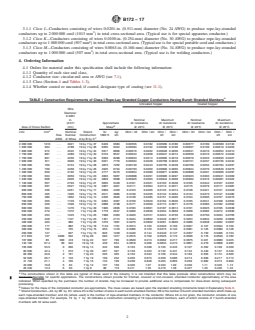
TABLE 1 Construction Requirements of Class I Rope-Lay Stranded Copper Conductors Having Bunch Stranded Members
Uncoated Copper Coated Copper
Wire
Diameter
0.0201
in. Nominal Maximum Nominal Maximum
(0.511 Approximate dc resistance dc resistance dc resistance dc resistance
B
Area of Cross Section mm) Mass @ 20°C @ 20°C @ 20°C @ 20°C
cmil mm Nominal Strand lb/ kg/ Ohm / kft Ohm / km Ohm / Ohm / Ohm / kft Ohm / km Ohm / Ohm /
Size Number Construction 1000 ft. km kft km kft km
C
AWG of Wires AbyBbyC
2 000 000 1013 . . . 4921 19 by 7 by 37 6439 9583 0.00555 0.0182 0.00566 0.0186 0.00577 0.0189 0.00589 0.0193
1 900 000 963 . . . 4788 19 by 7 by 36 6265 9324 0.00584 0.0192 0.00596 0.0196 0.00607 0.0199 0.00619 0.0203
1 800 000 912 . . . 4522 19 by 7 by 34 5917 8806 0.00616 0.0202 0.00628 0.0206 0.00641 0.0210 0.00654 0.0214
1 750 000 887 . . . 4389 19 by 7 by 33 5743 8547 0.00634 0.0208 0.00647 0.0212 0.00659 0.0216 0.00672 0.0220
1 700 000 861 . . . 4256 19 by 7 by 32 5569 8288 0.00653 0.0214 0.00666 0.0218 0.00679 0.0223 0.00693 0.0227
1 600 000 811 . . . 3990 19 by 7 by 30 5221 7770 0.00694 0.0228 0.00708 0.0233 0.00721 0.0237 0.00735 0.0242
1 500 000 760 . . . 3724 19 by 7 by 28 4873 7252 0.00740 0.0243 0.00755 0.0248 0.00769 0.0252 0.00784 0.0257
1 400 000 709 . . . 3458 19 by 7 by 26 4525 6734 0.00793 0.0260 0.00809 0.0265 0.00824 0.0270 0.00840 0.0275
1 300 000 659 . . . 3192 19 by 7 by 24 4177 6216 0.00854 0.0280 0.00871 0.0286 0.00888 0.0291 0.00906 0.0297
1 250 000 633 . . . 3059 19 by 7 by 23 4003 5957 0.00888 0.0291 0.00906 0.0297 0.00923 0.0303 0.00941 0.0309
1 200 000 608 . . . 2926 19 by 7 by 22 3829 5698 0.00925 0.0303 0.00944 0.0309 0.00962 0.0316 0.00981 0.0322
1 100 000 557 . . . 2793 19 by 7 by 21 3655 5439 0.0101 0.0331 0.0103 0.0338 0.0105 0.0344 0.0107 0.0351
1 000 000 507 . . . 2527 19 by 7 by 19 3307 4921 0.0111 0.0364 0.0113 0.0371 0.0115 0.0379 0.0117 0.0387
900 000 456 . . . 2261 19 by 7 by 17 2959 4403 0.0123 0.0405 0.0125 0.0413 0.0128 0.0421 0.0131 0.0429
800 000 405 . . . 1995 19 by 7 by 15 2611 3885 0.0139 0.0455 0.0142 0.0464 0.0144 0.0473 0.0147 0.0482
750 000 380 . . . 1862 19 by 7 by 14 2436 3626 0.0148 0.0485 0.0151 0.0495 0.0154 0.0505 0.0157 0.0515
700 000 355 . . . 1729 19 by 7 by 13 2262 3367 0.0159 0.0520 0.0162 0.0530 0.0165 0.0541 0.0168 0.0552
650 000 329 . . . 1596 19 by 7 by 12 2088 3108 0.0171 0.0560 0.0174 0.0571 0.0178 0.0583 0.0182 0.0594
600 000 304 . . . 1470 7 by 7 by 30 1906 2836 0.0183 0.0601 0.0187 0.0613 0.0191 0.0625 0.0195 0.0638
550 000 279 . . . 1372 7 by 7 by 28 1779 2647 0.0200 0.0656 0.0204 0.0669 0.0208 0.0682 0.0212 0.0696
500 000 253 . . . 1225 7 by 7 by 25 1588 2363 0.0220 0.0721 0.0224 0.0735 0.0229 0.0750 0.0234 0.0765
450 000 228 . . . 1127 7 by 7 by 23 1461 2174 0.0244 0.0802 0.0249 0.0817 0.0254 0.0834 0.0259 0.0850
400 000 203 . . . 980 7 by 7 by 20 1270 1891 0.0275 0.0902 0.0281 0.0920 0.0286 0.0938 0.0292 0.0957
350 000 177 . . . 882 7 by 7 by 18 1143 1701 0.0314 0.103 0.0320 0.105 0.0327 0.107 0.0334 0.109
300 000 152 . . . 735 7 by 7 by 15 953 1418 0.0366 0.120 0.0373 0.122 0.0381 0.125 0.0389 0.128
250 000 127 . . . 637 7 by 7 by 13 826 1229 0.0440 0.144 0.0449 0.147 0.0457 0.150 0.0466 0.153
211 600 107 0000 532 19 by 28 683 1017 0.0515 0.169 0.0525 0.172 0.0536 0.176 0.0546 0.180
167 800 85 000 418 19 by 22 537 799 0.0649 0.213 0.0662 0.217 0.0675 0.221 0.0689 0.225
133 100 67.4 00 342 19 by 18 439 654 0.0818 0.268 0.0834 0.273 0.0851 0.279 0.0868 0.285
105 600 53.5 0 266 19 by 14 342 508 0.103 0.338 0.105 0.345 0.107 0.352 0.109 0.359
83 690 42.4 1 210 7 by 30 267 397 0.129 0.423 0.132 0.431 0.134 0.440 0.137 0.449
66 360 33.6 2 161 7 by 23 205 305 0.163 0.533 0.166 0.544 0.169 0.555 0.172 0.566
52 620 26.7 3 133 7 by 19 169 252 0.205 0.673 0.209 0.686 0.213 0.699 0.217 0.713
41 740 21.1 4 105 7 by 15 134 199 0.258 0.848 0.263 0.865 0.269 0.882 0.274 0.900
33 090 16.8 5 84 7 by 12 107 159 0.326 1.07 0.333 1.09 0.339 1.11 0.346 1.13
26 240 13.3 6 63 7 by 9 80 119 0.411 1.35 0.419 1.38 0.427 1.40 0.436 1.43
A
The constructions shown in this table are typical of those used in the industry. It is not intended that this table preclude other constructions which may be desirable for
specific applications. The constructions shown provide for finished, covered or non-covered, stranded conductor approximately of the area indicated. When specified by
the purchaser, the number of strands may be increased to provide additional area to compensate for draw-down during subsequent processing.
B
Values for the mass of the completed conductor are approximate. The mass values are based upon the standard stranding increments listed in Explanatory Note 6.
C
Strand Construction—#A by #B by #C: where #C is the number of wires in each bunch-stranded member; #B is the number of bunch stranded members which make-up
each rope-stranded member; and #A (where used) is the number of rope-stranded members in the conductor. Where #A is not given, the conductor consists of one
rope-stranded member. For example, 19 by 7 by 32 indicates a construction consisting of 19 rope-stranded members, each of which consists of 7 bunch-stranded
members with 32 wires each.
B172−17
A
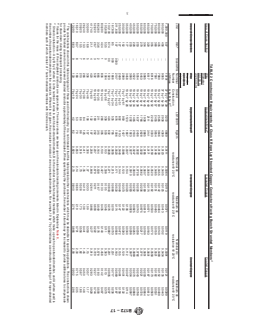
TABLE 2 Construction Requirements of Class K Rope-Lay Stranded Copper Conductors Having Bunch Stranded Members
B
Area of Cross Section Wire Approximate Mass Uncoated Copper Coated Copper
Diameter
0.0100 In.
(0.254 mm)
cmil mm Size AWG Nominal Strand Lb/1000 ft Kg/km Nominal dc Maximum dc Nominal dc Maximum dc
Number Construction resistance @ 20°C resistance @ 20°C resistance @ 20°C resistance @ 20°C
C
of Wires AbyBbyC
1,000,000 507 {. 10101 37 by 7 by 39 3272 4869 0.0111 0.0364 0.0113 0.0371 0.0119 0.0391 0.0121 0.0399
900,000 456 {. 9065 37 by 7 by 35 2936 4369 0.0123 0.0405 0.0125 0.0413 0.0132 0.0434 0.0135 0.0443
800,000 405 {. 7980 19 by 7 by 60 2585 3846 0.0139 0.0455 0.0142 0.0464 0.0149 0.0489 0.0152 0.0499
750,000 380 {. 7581 19 by 7 by 57 2455 3654 0.0148 0.0485 0.0151 0.0495 0.0159 0.0521 0.0162 0.0531
700,000 355 {. 6916 19 by 7 by 52 2240 3333 0.0159 0.0520 0.0162 0.0530 0.0170 0.0558 0.0173 0.0569
650,000 329 {. 6517 19 by 7 by 49 2111 3141 0.0171 0.0560 0.0174 0.0571 0.0183 0.0601 0.0187 0.0613
600,000 304 {. 5985 19 by 7 by 45 1938 2885 0.0185 0.0607 0.0189 0.0619 0.0199 0.0651 0.0203 0.0664
550,000 279 {. 5453 19 by 7 by 41 1766 2628 0.0202 0.0662 0.0206 0.0675 0.0217 0.0711 0.0221 0.0725
500,000 253 {. 5054 19 by 7 by 38 1637 2436 0.0222 0.0728 0.0226 0.0743 0.0238 0.0782 0.0243 0.0798
450,000 228 {. 4522 19 by 7 by 34 1465 2180 0.0247 0.0809 0.0252 0.0825 0.0265 0.0869 0.0270 0.0886
400,000 203 {. 3990 19 by 7 by 30 1292 1923 0.0277 0.0910 0.0283 0.0928 0.0298 0.0977 0.0304 0.0997
350,000 177 {. 3458 19 by 7 by 26 1120 1667 0.0317 0.104 0.0323 0.106 0.0340 0.112 0.0347 0.114
300,000 152 {. 2989 7 by 7 by 61 959 1427 0.0366 0.120 0.0373 0.122 0.0393 0.129 0.0401 0.132
250,000 127 {. 2499 7 by 7 by 51 802 1193 0.0440 0.144 0.0449 0.147 0.0472 0.155 0.0481 0.158
211,600 107 0000 2107 7 by 7 by 43 676 1006 0.0520 0.171 0.0530 0.174 0.0558 0.183 0.0569 0.187
167,800 85 000 1666 7 by 7 by 34 535 795 0.0655 0.215 0.0668 0.219 0.0703 0.231 0.0717 0.236
133,100 67.4 00 1323 7 by 7 by 27 424 632 0.0826 0.271 0.0843 0.276 0.0887 0.291 0.0905 0.297
105,600 53.5 0 1064 19 by 56 338 503 0.103 0.338 0.105 0.345 0.111 0.363 0.113 0.370
83,690 42.4 1 836 19 by 44 266 395 0.130 0.427 0.133 0.435 0.140 0.458 0.142 0.467
66,360 33.6 2 665 19 by 35 211 315 0.164 0.538 0.167 0.549 0.176 0.578 0.180 0.590
52,620 26.7 3 532 19 by 28 169 252 0.207 0.679 0.211 0.693 0.222 0.729 0.227 0.744
41,740 21.1 4 420 7 by 60 132 197 0.258 0.848 0.264 0.865 0.277 0.910 0.283 0.928
33,090 16.8 5 336 7 by 48 106 157 0.326 1.07 0.333 1.09 0.350 1.15 0.357 1.17
26,240 13.3 6 266 7 by 38 84 125 0.411 1.35 0.419 1.38 0.441 1.45 0.450 1.48
20,820 10.5 7 210 7 by 30 66 98 0.518 1.70 0.528 1.73 0.556 1.82 0.567 1.86
16,510 8.37 8 168 7 by 24 53 79 0.653 2.14 0.666 2.19 0.701 2.30 0.715 2.35
13,090 6.63 9 133 7 by 19 42 62 0.824 2.70 0.840 2.76 0.885 2.90 0.902 2.96
A
The constructions shown in this table are typical of those used in the industry. It is not intended that this table preclude other constructions which may be desirable for specific applications. The constructions shown
provide for finished covered or non-covered stranded conductor approximately of the area indicated. When specified by the purchaser, the number of strands may be increased to provide additional area to compensate
for draw-down during subsequent processing.
B
Values for the mass of the completed conductor are approximate. The mass values are based upon the standard stranding increments listed in Explanatory Note 6.
C
Strand construction – A by B by C where C is the number of wires in each bunch-stranded member, B is the number of bunch-stranded members which make up each rope stranded member, and A (where used) is
the number of rope-stranded members in the conductor. Where A is not given, the conductor consists of one rope-stranded member. For example, 19 by 7 by 32 indicates a construction consisting of 19 rope-stranded
members each of which consist of 7 bunch-stranded members with 32 wires each.
B172−17
A
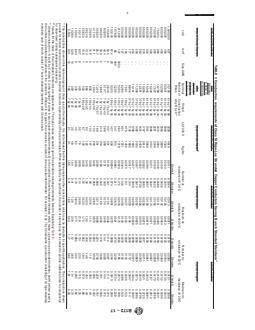
TABLE 3 Construction requirements of Class M Rope-Lay Stranded Copper Conductors Having Bunch Stranded Members
B
Area of Cross Section Wire Approximate Mass Uncoated Copper Coated Copper
Diameter
0.0063 In.
(0.160 mm)
cmil mm Size AWG Nominal Strand Lb/1000 ft Kg/km Nominal dc Maximum dc Nominal dc Maximum dc
Number of Construction resistance @ 20°C resistance @ 20°C resistance @ 20°C resistance @ 20°C
C
Wires AbyBbyC
Ohm/kft Ohm/km Ohm/kft Ohm/km Ohm/kft Ohm/km Ohm/kft Ohm/km
1,000,000 507 . . . 25,193 61 by 7 by 59 3239 4819 0.0111 0.0364 0.0113 0.0371 0.0119 0.0391 0.0121 0.0399
900,000 456 . . . 22,631 61 by 7 by 53 2909 4329 0.0123 0.0404 0.0125 0.0413 0.0132 0.0434 0.0135 0.0443
800,000 405 . . . 20,069 61 by 7 by 47 2580 3839 0.0139 0.0456 0.0142 0.0464 0.0149 0.0489 0.0152 0.0499
750,00 380 . . . 18,788 61 by 7 by 44 2415 3594 0.0148 0.0486 0.0151 0.0495 0.0159 0.0521 0.0162 0.0531
700,000 355 . . . 17,507
...
This document is not an ASTM standard and is intended only to provide the user of an ASTM standard an indication of what changes have been made to the previous version. Because
it may not be technically possible to adequately depict all changes accurately, ASTM recommends that users consult prior editions as appropriate. In all cases only the current version
of the standard as published by ASTM is to be considered the official document.
Designation: B172 − 10 (Reapproved 2015) B172 − 17
Standard Specification for
Rope-Lay-Stranded Copper Conductors Having Bunch-
Stranded Members, for Electrical Conductors
This standard is issued under the fixed designation B172; the number immediately following the designation indicates the year of
original adoption or, in the case of revision, the year of last revision. A number in parentheses indicates the year of last reapproval. A
superscript epsilon (´) indicates an editorial change since the last revision or reapproval.
This standard has been approved for use by agencies of the U.S. Department of Defense.
1. Scope
1.1 This specification covers bare rope-lay-stranded conductors having bunch-stranded members made from round copper
wires, either uncoated or coated with tin, lead, or lead-alloy for use as electrical conductors (Explanatory Notes 1 and 2).
1.2 Coated wires shall include only those wires with finished diameters and densities substantially equal to the respective
diameters and densities of uncoated wires.
1.3 The values stated in inch-pound or SI units are to be regarded separately as standard. Each system shall be used
independently of the other. Combining values from the two systems may result in nonconformance with the specification. For
conductor sizes designated by AWG or kcmil, the requirements in SI units have been numerically converted from corresponding
values, stated or derived, in inch-pound units. For conductor sizes designated by SI units only, the requirements are stated or
derived in SI units.
1.3.1 For density, resistivity, and temperature, the values stated in SI units are to be regarded as standard.
1.4 This international standard was developed in accordance with internationally recognized principles on standardization
established in the Decision on Principles for the Development of International Standards, Guides and Recommendations issued
by the World Trade Organization Technical Barriers to Trade (TBT) Committee.
2. Referenced Documents
2.1 The following documents of the issue in effect at the time of reference form a part of this specification to the extent
referenced herein:
2.2 ASTM Standards:
B3 Specification for Soft or Annealed Copper Wire
B33 Specification for Tin-Coated Soft or Annealed Copper Wire for Electrical Purposes
B173 Specification for Rope-Lay-Stranded Copper Conductors Having Concentric-Stranded Members, for Electrical Conduc-
tors
B189 Specification for Lead-Coated and Lead-Alloy-Coated Soft Copper Wire for Electrical Purposes
B193 Test Method for Resistivity of Electrical Conductor Materials
B263 Test Method for Determination of Cross-Sectional Area of Stranded Conductors
B354 Terminology Relating to Uninsulated Metallic Electrical Conductors
2.3 American National Standard:
ANSI C42.35 Definitions of Electrical Terms
3. Classification
3.1 For the purpose of this specification rope-lay-stranded conductors having bunch-stranded members are classifedclassified
as follows:
This specification is under the jurisdiction of ASTM Committee B01 on Electrical Conductors and is the direct responsibility of Subcommittee B01.04 on Conductors
of Copper and Copper Alloys.
Current edition approved April 1, 2015April 1, 2017. Published April 2015April 2017. Originally approved in 1942 to replace portions of B158 – 41 T. Last previous
edition approved in 20102015 as B172 – 10.B172 – 10 (2015). DOI: 10.1520/B0172-10R15.10.1520/B0172-17.
For referenced ASTM standards, visit the ASTM website, www.astm.org, or contact ASTM Customer Service at service@astm.org. For Annual Book of ASTM Standards
volume information, refer to the standard’s Document Summary page on the ASTM website.
Available from American National Standards Institute (ANSI), 25 W. 43rd St., 4th Floor, New York, NY 10036, http://www.ansi.org.
Copyright © ASTM International, 100 Barr Harbor Drive, PO Box C700, West Conshohocken, PA 19428-2959. United States
B172 − 17
3.1.1 Class I—Conductors consisting of wires 0.0201-in. (0.511-mm) diameter (No. 24 AWG) to produce rope-lay-stranded
conductors up to 2 000 000 cmil (1013 mm ) in total cross-sectional area. (Typical use is for special apparatus conductor.)
3.1.2 Class K—Conductors consisting of wires 0.0100-in. (0.254-mm) diameter (No. 30 AWG) to produce rope-lay-stranded
conductors up to 1 000 000 cmil (507 mm ) in total cross-sectional area. (Typical use is for special portable cord and conductors.)
3.1.3 Class M—Conductors consisting of wires 0.0063-in. (0.160-mm) diameter (No. 34 AWG) to produce rope-lay-stranded
conductors up to 1 000 000 cmil (507 mm ) in total cross-sectional area. (Typical use is for welding conductors.)
4. Ordering Information
4.1 Orders for material under this specification shall include the following information:
4.1.1 Quantity of each size and class,
4.1.2 Conductor size: circular-mil area or AWG (see 7.1),
4.1.3 Class (Section 4 and Tables 1-3),
4.1.4 Whether coated or uncoated; if coated, designate type of coating (see 11.1),
A
TABLE 1 Construction Requirements of Class I Rope-Lay Stranded Copper Conductors Having Bunch Stranded Members
Uncoated Copper Coated Copper
Wire
Diameter
0.0201
in. Nominal Maximum Nominal Maximum
(0.511 Approximate dc resistance dc resistance dc resistance dc resistance
B
Area of Cross Section mm) Mass @ 20°C @ 20°C @ 20°C @ 20°C
cmil mm Nominal Strand lb/ kg/ Ohm / kft Ohm / km Ohm / Ohm / Ohm / kft Ohm / km Ohm / Ohm /
Size Number Construction 1000 ft. km kft km kft km
C
AWG of Wires A by B by C
2 000 000 1013 . . . 4921 19 by 7 by 37 6439 9583 0.00555 0.0182 0.00566 0.0186 0.00577 0.0189 0.00589 0.0193
1 900 000 963 . . . 4788 19 by 7 by 36 6265 9324 0.00584 0.0192 0.00596 0.0196 0.00607 0.0199 0.00619 0.0203
1 800 000 912 . . . 4522 19 by 7 by 34 5917 8806 0.00616 0.0202 0.00628 0.0206 0.00641 0.0210 0.00654 0.0214
1 750 000 887 . . . 4389 19 by 7 by 33 5743 8547 0.00634 0.0208 0.00647 0.0212 0.00659 0.0216 0.00672 0.0220
1 700 000 861 . . . 4256 19 by 7 by 32 5569 8288 0.00653 0.0214 0.00666 0.0218 0.00679 0.0223 0.00693 0.0227
1 600 000 811 . . . 3990 19 by 7 by 30 5221 7770 0.00694 0.0228 0.00708 0.0233 0.00721 0.0237 0.00735 0.0242
1 500 000 760 . . . 3724 19 by 7 by 28 4873 7252 0.00740 0.0243 0.00755 0.0248 0.00769 0.0252 0.00784 0.0257
1 400 000 709 . . . 3458 19 by 7 by 26 4525 6734 0.00793 0.0260 0.00809 0.0265 0.00824 0.0270 0.00840 0.0275
1 300 000 659 . . . 3192 19 by 7 by 24 4177 6216 0.00854 0.0280 0.00871 0.0286 0.00888 0.0291 0.00906 0.0297
1 250 000 633 . . . 3059 19 by 7 by 23 4003 5957 0.00888 0.0291 0.00906 0.0297 0.00923 0.0303 0.00941 0.0309
1 200 000 608 . . . 2926 19 by 7 by 22 3829 5698 0.00925 0.0303 0.00944 0.0309 0.00962 0.0316 0.00981 0.0322
1 100 000 557 . . . 2793 19 by 7 by 21 3655 5439 0.0101 0.0331 0.0103 0.0338 0.0105 0.0344 0.0107 0.0351
1 000 000 507 . . . 2527 19 by 7 by 19 3307 4921 0.0111 0.0364 0.0113 0.0371 0.0115 0.0379 0.0117 0.0387
900 000 456 . . . 2261 19 by 7 by 17 2959 4403 0.0123 0.0405 0.0125 0.0413 0.0128 0.0421 0.0131 0.0429
800 000 405 . . . 1995 19 by 7 by 15 2611 3885 0.0139 0.0455 0.0142 0.0464 0.0144 0.0473 0.0147 0.0482
750 000 380 . . . 1862 19 by 7 by 14 2436 3626 0.0148 0.0485 0.0151 0.0495 0.0154 0.0505 0.0157 0.0515
700 000 355 . . . 1729 19 by 7 by 13 2262 3367 0.0159 0.0520 0.0162 0.0530 0.0165 0.0541 0.0168 0.0552
650 000 329 . . . 1596 19 by 7 by 12 2088 3108 0.0171 0.0560 0.0174 0.0571 0.0178 0.0583 0.0182 0.0594
600 000 304 . . . 1470 7 by 7 by 30 1906 2836 0.0183 0.0601 0.0187 0.0613 0.0191 0.0625 0.0195 0.0638
550 000 279 . . . 1372 7 by 7 by 28 1779 2647 0.0200 0.0656 0.0204 0.0669 0.0208 0.0682 0.0212 0.0696
500 000 253 . . . 1225 7 by 7 by 25 1588 2363 0.0220 0.0721 0.0224 0.0735 0.0229 0.0750 0.0234 0.0765
450 000 228 . . . 1127 7 by 7 by 23 1461 2174 0.0244 0.0802 0.0249 0.0817 0.0254 0.0834 0.0259 0.0850
400 000 203 . . . 980 7 by 7 by 20 1270 1891 0.0275 0.0902 0.0281 0.0920 0.0286 0.0938 0.0292 0.0957
350 000 177 . . . 882 7 by 7 by 18 1143 1701 0.0314 0.103 0.0320 0.105 0.0327 0.107 0.0334 0.109
300 000 152 . . . 735 7 by 7 by 15 953 1418 0.0366 0.120 0.0373 0.122 0.0381 0.125 0.0389 0.128
250 000 127 . . . 637 7 by 7 by 13 826 1229 0.0440 0.144 0.0449 0.147 0.0457 0.150 0.0466 0.153
211 600 107 0000 532 19 by 28 683 1017 0.0515 0.169 0.0525 0.172 0.0536 0.176 0.0546 0.180
167 800 85 000 418 19 by 22 537 799 0.0649 0.213 0.0662 0.217 0.0675 0.221 0.0689 0.225
133 100 67.4 00 342 19 by 18 439 654 0.0818 0.268 0.0834 0.273 0.0851 0.279 0.0868 0.285
105 600 53.5 0 266 19 by 14 342 508 0.103 0.338 0.105 0.345 0.107 0.352 0.109 0.359
83 690 42.4 1 210 7 by 30 267 397 0.129 0.423 0.132 0.431 0.134 0.440 0.137 0.449
66 360 33.6 2 161 7 by 23 205 305 0.163 0.533 0.166 0.544 0.169 0.555 0.172 0.566
52 620 26.7 3 133 7 by 19 169 252 0.205 0.673 0.209 0.686 0.213 0.699 0.217 0.713
41 740 21.1 4 105 7 by 15 134 199 0.258 0.848 0.263 0.865 0.269 0.882 0.274 0.900
33 090 16.8 5 84 7 by 12 107 159 0.326 1.07 0.333 1.09 0.339 1.11 0.346 1.13
26 240 13.3 6 63 7 by 9 80 119 0.411 1.35 0.419 1.38 0.427 1.40 0.436 1.43
A
The constructions shown in this table are typical of those used in the industry. It is not intended that this table preclude other constructions which may be
desireabledesirable for specific applications. The constructions shown provide for finished, covered or non-covered, stranded conductor approximately of the area
indicated. When specified by the purchaser, the number of strands may be increased to provide additional area to compensate for draw-down during subsequent
processing.
B
Values for the mass of the completed conductor are approximate. The mass values are based upon the standard stranding increments listed in Explanatory Note 6.
C
Strand Construction—#A by #B by #C: where #C is the number of wires in each bunch-stranded member; #B is the number of bunch stranded members which make-up
each rope-stranded member; and #A (where used) is the number of rope-stranded members in the conductor. Where #A is not given, the conductor consists of one
rope-stranded member. For example, 19 by 7 by 32 indicates a construction consisting of 19 rope-stranded members, each of which consists of 7 bunch-stranded
members with 32 wires each.
B172 − 17
A
TABLE 2 Construction Requirements of Class K Rope-Lay Stranded Copper Conductors Having Bunch Stranded Members
B
Area of Cross Section Wire Approximate Mass Uncoated Copper Coated Copper
Diameter
0.0100 In.
(0.254 mm)
B
Area of Cross Section Wire Approximate Mass Uncoated Copper Coated Copper
Diameter
0.0100 In.
(0.254 mm)
cmil mm Size AWG Nominal Strand Lb/1000 ft Kg/km Nominal dc Maximum dc Nominal dc Maximum dc
Number Construction resistance @ 20°C resistance @ 20°C resistance @ 20°C resistance @ 20°C
C
of Wires A by B by C
1,000,000 507 {. 10101 37 by 7 by 39 3272 4869 0.0111 0.0364 0.0113 0.0371 0.0119 0.0391 0.0121 0.0399
900,000 456 {. 9065 37 by 7 by 35 2936 4369 0.0123 0.0405 0.0125 0.0413 0.0132 0.0434 0.0135 0.0443
800,000 405 {. 7980 19 by 7 by 60 2585 3846 0.0139 0.0455 0.0142 0.0464 0.0149 0.0489 0.0152 0.0499
750,000 380 {. 7581 19 by 7 by 57 2455 3654 0.0148 0.0485 0.0151 0.0495 0.0159 0.0521 0.0162 0.0531
700,000 355 {. 6916 19 by 7 by 52 2240 3333 0.0159 0.0520 0.0162 0.0530 0.0170 0.0558 0.0173 0.0569
650,000 329 {. 6517 19 by 7 by 49 2111 3141 0.0171 0.0560 0.0174 0.0571 0.0183 0.0601 0.0187 0.0613
600,000 304 {. 5985 19 by 7 by 45 1938 2885 0.0185 0.0607 0.0189 0.0619 0.0199 0.0651 0.0203 0.0664
550,000 279 {. 5453 19 by 7 by 41 1766 2628 0.0202 0.0662 0.0206 0.0675 0.0217 0.0711 0.0221 0.0725
500,000 253 {. 5054 19 by 7 by 38 1637 2436 0.0222 0.0728 0.0226 0.0743 0.0238 0.0782 0.0243 0.0798
450,000 228 {. 4522 19 by 7 by 34 1465 2180 0.0247 0.0809 0.0252 0.0825 0.0265 0.0869 0.0270 0.0886
400,000 203 {. 3990 19 by 7 by 30 1292 1923 0.0277 0.0910 0.0283 0.0928 0.0298 0.0977 0.0304 0.0997
350,000 177 {. 3458 19 by 7 by 26 1120 1667 0.0317 0.104 0.0323 0.106 0.0340 0.112 0.0347 0.114
300,000 152 {. 2989 7 by 7 by 61 959 1427 0.0366 0.120 0.0373 0.122 0.0393 0.129 0.0401 0.132
250,000 127 {. 2499 7 by 7 by 51 802 1193 0.0440 0.144 0.0449 0.147 0.0472 0.155 0.0481 0.158
211,600 107 0000 2107 7 by 7 by 43 676 1006 0.0520 0.171 0.0530 0.174 0.0558 0.183 0.0569 0.187
167,800 85 000 1666 7 by 7 by 34 535 795 0.0655 0.215 0.0668 0.219 0.0703 0.231 0.0717 0.236
133,100 67.4 00 1323 7 by 7 by 27 424 632 0.0826 0.271 0.0843 0.276 0.0887 0.291 0.0905 0.297
105,600 53.5 0 1064 19 by 56 338 503 0.103 0.338 0.105 0.345 0.111 0.363 0.113 0.370
83,690 42.4 1 836 19 by 44 266 395 0.130 0.427 0.133 0.435 0.140 0.458 0.142 0.467
66,360 33.6 2 665 19 by 35 211 315 0.164 0.538 0.167 0.549 0.176 0.578 0.180 0.590
52,620 26.7 3 532 19 by 28 169 252 0.207 0.679 0.211 0.693 0.222 0.729 0.227 0.744
41,740 21.1 4 420 7 by 60 132 197 0.258 0.848 0.264 0.865 0.277 0.910 0.283 0.928
33,090 16.8 5 336 7 by 48 106 157 0.326 1.07 0.333 1.09 0.350 1.15 0.357 1.17
26,240 13.3 6 266 7 by 38 84 125 0.411 1.35 0.419 1.38 0.441 1.45 0.450 1.48
20,820 10.5 7 210 7 by 30 66 98 0.518 1.70 0.528 1.73 0.556 1.82 0.567 1.86
16,510 8.37 8 168 7 by 24 53 79 0.653 2.14 0.666 2.19 0.701 2.30 0.715 2.35
13,090 6.63 9 133 7 by 19 42 62 0.824 2.70 0.840 2.76 0.885 2.90 0.902 2.96
A
The constructions shown in this table are typical of those used in the industry. It is not intended that this table preclude other constructions which may be desirable for specific applications. The constructions shown
provide for finished covered or non-covered stranded conductor approximately of the area indicated. When specified by the purchaser, the number of strands may be increased to provide additional area to compensate
for draw-down during subsequent processing.
B
Values for the mass of the completed conductor are approximate. The mass values are based upon the standard stranding increments listed in Explanatory Note 6.
C
Strand construction – A by B by C where C is the number of wires in each bunch-stranded member, B is the number of bunch-stranded members which make up each rope stranded member, and A (where used) is
the number of rope-stranded members in the conductor. Where A is not given, the conductor consists of one rope-stranded member. For example, 19 by 7 by 32 indicates a construction consisting of 19 rope-stranded
members each of which consist of 7 bunch-stranded members with 32 wires each.
B172 − 17
A
TABLE 3 Construction requirements of Class M Rope-Lay Stranded Copper Conductors Having Bunch Stranded Members
B
Area of Cross Section Wire Approximate Mass Uncoated Copper Coated Copper
Diameter
0.0063 In.
(0.160 mm)
B
Area of Cross Section Wire Approximate Mass Uncoated Copper Coated Copper
Diameter
0.0063 In.
(0.160 mm)
cmil mm Size AWG Nominal Strand Lb/1000 ft Kg/km Nominal dc Maximum dc Nominal dc Maximum dc
Number of Construction resistance @ 20°C resistance @ 20°C resistance @ 20°C resistance @ 20°C
C
Wires A by B by C
Ohm/kft Ohm/km Ohm/kft Ohm/km Ohm/kft Ohm/km Ohm/kft Ohm/km
1,000,000 507 . . . 25,193 61 by 7 by 59 3239 4819 0.0111 0.0364 0.0113 0.0371 0.0119 0.0391 0.0121 0.0399
900,000 456 . . . 22,631 61 by 7 by 53 2909 4329 0.0123 0.0404 0.0125 0.0413 0.0132 0.0434 0.0135 0.0443
800,000 405 . . . 20,069 61 by 7 by 47 2580 3839 0.0139 0.0456 0.0142 0.0464 0.0149 0.0489 0.0152 0.0499
750,00 380 . . . 18,788 61 by 7 by 44 2415 3594 0.0148 0.0486 0.0151 0.0495 0.0159 0.0521 0.0162 0.0531
700,000 355 . . . 17,507 61 by 7 by 41 2251 3349 0.0159 0.0522 0.0162 0.0530 0.0170 0.0558 0.0173 0.0569
650,000 329 . . . 16,226 61 by 7 by 38 2086 3104 0.0171 0.0561 0.0174 0.0571 0.0183 0.0601 0.0187 0.0613
600,000 304 . . . 14,945 61 by 7 by 35 1921 2859 0.0185 0.0607 0.0189 0.0619 0.0199 0.0651 0.0203 0.0664
550,000 279 . . . 13,664 61 by 7 by 32 1757 2614 0.0202 0.0663 0.0206 0.0675 0.0217 0.0711 0.0221 0.0725
500,000 253 . . . 12,691 37 by 7 by 49 1631 2428 0.0222 0.0728 0.0226 0.0743 0.0238 0.0782 0.0243 0.0798
450,
...