

ASTM C411-19
(Test Method)Standard Test Method for Hot-Surface Performance of High-Temperature Thermal Insulation
General Information
- Abstract
SIGNIFICANCE AND USE
4.1 Performance in service is the final measure of value for a thermal insulation, but simulative service tests give useful indications. One type involves application for a specified time to a surface heated at a temperature approximately that of intended service, and noting during the test and afterward, changes in the material and its properties. Measurement of these changes are used for predicting what occurs in service as a result of exposure to temperatures corresponding to those of the tests.
SCOPE
1.1 This test method covers the determination of the performance of commercial sizes of both block and pipe forms of thermal insulating materials when exposed to simulated hot-surface application conditions. The term “hot-surface performance” has reference to a simulated use-temperature test in which the heated testing surface is in a horizontal position.
1.2 This test method refers primarily to high-temperature insulations that are applicable to hot-side temperatures in excess of 150°F (66°C). It is used for materials such as preformed insulations, insulating cements, blankets, and the like, by proper laboratory preparation of the samples.
1.3 The values stated in inch-pound units are to be regarded as standard. The values given in parentheses are mathematical conversions to SI units that are provided for information only and are not considered standard.
1.4 This standard does not purport to address all of the safety concerns, if any, associated with its use. It is the responsibility of the user of this standard to establish appropriate safety, health, and environmental practices and determine the applicability of regulatory limitations prior to use.
1.5 This international standard was developed in accordance with internationally recognized principles on standardization established in the Decision on Principles for the Development of International Standards, Guides and Recommendations issued by the World Trade Organization Technical Barriers to Trade (TBT) Committee.
- Status
- Published
- Publication Date
- 28-Feb-2019
- Technical Committee
- C16 - Thermal Insulation
- Drafting Committee
- C16.31 - Chemical and Physical Properties
Buy Documents
ASTM C411-19 - Standard Test Method for Hot-Surface Performance of High-Temperature Thermal Insulation
REDLINE ASTM C411-19 - Standard Test Method for Hot-Surface Performance of High-Temperature Thermal Insulation
Overview
ASTM C411-19 - Standard Test Method for Hot-Surface Performance of High-Temperature Thermal Insulation provides a uniform procedure for evaluating the performance of thermal insulation materials when subjected to elevated temperatures that simulate real service conditions. Developed by ASTM International, this test method ensures that commercial block and pipe insulation products can withstand high-temperature exposure typically encountered in industrial and commercial settings. Using controlled laboratory conditions, the standard helps manufacturers, specifiers, and end-users assess how insulation performs regarding stability, warpage, sag, and other critical physical changes under hot-surface application.
Key Topics
Scope and Purpose:
ASTM C411-19 applies to commercial grades of thermal insulations-including preformed sections, insulating cements, and flexible blankets-primarily designed for hot-side temperatures above 150°F (66°C).Simulated Service Testing:
Insulation specimens are exposed to heated surfaces, mimicking service temperatures, to assess potential changes in their physical integrity after prolonged exposure.Performance Characteristics Evaluated:
- Warpage: The degree of shape distortion after heating.
- Sag: The reduction in thickness, especially for pipe insulation, following prolonged temperature exposure.
- Cracking, Delamination, Melting, and Other Visible Changes: Documentation of any deterioration, such as cracking, peeling, or thermal degradation.
- Observation of Flaming, Smoking, or Glowing: Safety-related behaviors noted during testing.
Testing Apparatus:
Heating plates and heating pipes are used to create controlled high-temperature environments for flat and pipe insulation products.
Applications
ASTM C411-19 is essential for manufacturers, design engineers, contractors, and quality assurance professionals involved in industrial and commercial insulation systems. Its practical applications include:
Product Qualification:
Ensures that insulation materials meet required performance standards before market release.Specification Compliance:
Used for verifying compliance with project specifications and code requirements for high-temperature insulation systems.Predictive Maintenance and Safety:
Identifies potential risks associated with insulation degradation such as sag, warping, or loss of thermal resistance, supporting safer and longer-lasting thermal protection.R&D and Quality Control:
Assists manufacturers in developing new or improved products and enables consistent quality verification during production.Third-Party Certification:
Provides a reliable, standardized test method that can be referenced in third-party certifications or compliance documentation for high-temperature insulation products.
Related Standards
Several other ASTM standards complement ASTM C411-19 by addressing various aspects of thermal insulation materials:
ASTM C167:
Test Methods for Thickness and Density of Blanket or Batt Thermal Insulations.ASTM C168:
Terminology Relating to Thermal Insulation.ASTM C356:
Test Method for Linear Shrinkage of Preformed High-Temperature Thermal Insulation Subjected to Soaking Heat.
Referencing these standards supports a comprehensive approach to material selection, performance evaluation, and compliance within the thermal insulation industry.
By adhering to ASTM C411-19, professionals gain confidence that high-temperature insulation products will deliver reliable performance and safety throughout their service life in demanding thermal environments.
Relations
- Effective Date
- 01-Mar-2019
- Effective Date
- 15-Apr-2024
- Effective Date
- 15-Apr-2018
- Effective Date
- 01-Jun-2017
- Effective Date
- 15-Oct-2015
- Effective Date
- 01-Sep-2015
- Effective Date
- 01-Jun-2015
- Effective Date
- 01-Apr-2013
- Effective Date
- 01-Jan-2010
- Effective Date
- 01-Apr-2009
- Effective Date
- 15-Dec-2008
- Effective Date
- 01-Sep-2008
- Effective Date
- 01-Jun-2008
- Effective Date
- 01-Nov-2005
- Effective Date
- 01-Jun-2005
Buy Documents
ASTM C411-19 - Standard Test Method for Hot-Surface Performance of High-Temperature Thermal Insulation
REDLINE ASTM C411-19 - Standard Test Method for Hot-Surface Performance of High-Temperature Thermal Insulation
Frequently Asked Questions
ASTM C411-19 is a standard published by ASTM International. Its full title is "Standard Test Method for Hot-Surface Performance of High-Temperature Thermal Insulation". This standard covers: SIGNIFICANCE AND USE 4.1 Performance in service is the final measure of value for a thermal insulation, but simulative service tests give useful indications. One type involves application for a specified time to a surface heated at a temperature approximately that of intended service, and noting during the test and afterward, changes in the material and its properties. Measurement of these changes are used for predicting what occurs in service as a result of exposure to temperatures corresponding to those of the tests. SCOPE 1.1 This test method covers the determination of the performance of commercial sizes of both block and pipe forms of thermal insulating materials when exposed to simulated hot-surface application conditions. The term “hot-surface performance” has reference to a simulated use-temperature test in which the heated testing surface is in a horizontal position. 1.2 This test method refers primarily to high-temperature insulations that are applicable to hot-side temperatures in excess of 150°F (66°C). It is used for materials such as preformed insulations, insulating cements, blankets, and the like, by proper laboratory preparation of the samples. 1.3 The values stated in inch-pound units are to be regarded as standard. The values given in parentheses are mathematical conversions to SI units that are provided for information only and are not considered standard. 1.4 This standard does not purport to address all of the safety concerns, if any, associated with its use. It is the responsibility of the user of this standard to establish appropriate safety, health, and environmental practices and determine the applicability of regulatory limitations prior to use. 1.5 This international standard was developed in accordance with internationally recognized principles on standardization established in the Decision on Principles for the Development of International Standards, Guides and Recommendations issued by the World Trade Organization Technical Barriers to Trade (TBT) Committee.
SIGNIFICANCE AND USE 4.1 Performance in service is the final measure of value for a thermal insulation, but simulative service tests give useful indications. One type involves application for a specified time to a surface heated at a temperature approximately that of intended service, and noting during the test and afterward, changes in the material and its properties. Measurement of these changes are used for predicting what occurs in service as a result of exposure to temperatures corresponding to those of the tests. SCOPE 1.1 This test method covers the determination of the performance of commercial sizes of both block and pipe forms of thermal insulating materials when exposed to simulated hot-surface application conditions. The term “hot-surface performance” has reference to a simulated use-temperature test in which the heated testing surface is in a horizontal position. 1.2 This test method refers primarily to high-temperature insulations that are applicable to hot-side temperatures in excess of 150°F (66°C). It is used for materials such as preformed insulations, insulating cements, blankets, and the like, by proper laboratory preparation of the samples. 1.3 The values stated in inch-pound units are to be regarded as standard. The values given in parentheses are mathematical conversions to SI units that are provided for information only and are not considered standard. 1.4 This standard does not purport to address all of the safety concerns, if any, associated with its use. It is the responsibility of the user of this standard to establish appropriate safety, health, and environmental practices and determine the applicability of regulatory limitations prior to use. 1.5 This international standard was developed in accordance with internationally recognized principles on standardization established in the Decision on Principles for the Development of International Standards, Guides and Recommendations issued by the World Trade Organization Technical Barriers to Trade (TBT) Committee.
ASTM C411-19 is classified under the following ICS (International Classification for Standards) categories: 81.080 - Refractories. The ICS classification helps identify the subject area and facilitates finding related standards.
ASTM C411-19 has the following relationships with other standards: It is inter standard links to ASTM C411-17, ASTM C168-24, ASTM C168-18, ASTM C168-17, ASTM C168-15a, ASTM C167-15, ASTM C168-15, ASTM C168-13, ASTM C168-10, ASTM C167-09, ASTM C168-08b, ASTM C168-08a, ASTM C168-08, ASTM C168-05a, ASTM C168-05. Understanding these relationships helps ensure you are using the most current and applicable version of the standard.
ASTM C411-19 is available in PDF format for immediate download after purchase. The document can be added to your cart and obtained through the secure checkout process. Digital delivery ensures instant access to the complete standard document.
Standards Content (Sample)
This international standard was developed in accordance with internationally recognized principles on standardization established in the Decision on Principles for the
Development of International Standards, Guides and Recommendations issued by the World Trade Organization Technical Barriers to Trade (TBT) Committee.
Designation: C411 − 19
Standard Test Method for
Hot-Surface Performance of High-Temperature Thermal
Insulation
This standard is issued under the fixed designation C411; the number immediately following the designation indicates the year of
original adoption or, in the case of revision, the year of last revision.Anumber in parentheses indicates the year of last reapproval.A
superscript epsilon (´) indicates an editorial change since the last revision or reapproval.
This standard has been approved for use by agencies of the U.S. Department of Defense.
1. Scope C167Test Methods forThickness and Density of Blanket or
Batt Thermal Insulations
1.1 This test method covers the determination of the perfor-
C168Terminology Relating to Thermal Insulation
mance of commercial sizes of both block and pipe forms of
C356Test Method for Linear Shrinkage of Preformed High-
thermal insulating materials when exposed to simulated hot-
Temperature Thermal Insulation Subjected to Soaking
surface application conditions. The term “hot-surface perfor-
Heat
mance” has reference to a simulated use-temperature test in
which the heated testing surface is in a horizontal position.
3. Terminology
1.2 This test method refers primarily to high-temperature
3.1 Definitions—Terminology C168 shall apply to the terms
insulations that are applicable to hot-side temperatures in
used in this test method.
excess of 150°F (66°C). It is used for materials such as
3.2 Definitions of Terms Specific to This Standard:
preformed insulations, insulating cements, blankets, and the
3.2.1 sag, n—the extent of thickness loss of pipe insulation,
like, by proper laboratory preparation of the samples.
at the top longitudinal center, due to material fatigue or
1.3 The values stated in inch-pound units are to be regarded
decomposition due to elevated temperature.
as standard. The values given in parentheses are mathematical
conversions to SI units that are provided for information only
4. Significance and Use
and are not considered standard.
4.1 Performance in service is the final measure of value for
1.4 This standard does not purport to address all of the
a thermal insulation, but simulative service tests give useful
safety concerns, if any, associated with its use. It is the
indications. One type involves application for a specified time
responsibility of the user of this standard to establish appro-
to a surface heated at a temperature approximately that of
priate safety, health, and environmental practices and deter-
intended service, and noting during the test and afterward,
mine the applicability of regulatory limitations prior to use.
changes in the material and its properties. Measurement of
1.5 This international standard was developed in accor-
these changes are used for predicting what occurs in service as
dance with internationally recognized principles on standard-
a result of exposure to temperatures corresponding to those of
ization established in the Decision on Principles for the
the tests.
Development of International Standards, Guides and Recom-
mendations issued by the World Trade Organization Technical 5. Apparatus
Barriers to Trade (TBT) Committee.
5.1 Heating Plate—The heating plate shall consist of a
corrosion-resistant and heat-resistant plate with a preferred
2. Referenced Documents
exposed test area of 36 by 18 in. (914 by 457 mm), but having
2.1 ASTM Standards: a minimum test area of 18 by 18 in. (457 by 457 mm). The
heated area shall have an insulated, heated guard area having a
minimumwidthof3in.(76mm)aroundtheentireperipheryof
ThistestmethodisunderthejurisdictionofASTMCommitteeC16onThermal
the test area.The plate shall be supported in a horizontal plane
InsulationandisthedirectresponsibilityofSubcommitteeC16.31onChemicaland
at a sufficient number of points to prevent sagging. It shall be
Physical Properties.
heated on the under side by gas or electricity. The surface
Current edition approved March 1, 2019. Published March 2019. Originally
temperatureoftheplateshallbemeasuredbynotlessthanfive
approved in 1958. Last previous edition approved in 2017 as C411–17. DOI:
10.1520/C0411-19.
thermocouples. Four of the thermocouples shall be located
For referenced ASTM standards, visit the ASTM website, www.astm.org, or
alongthediagonalsthatextendfromthecornersoftheexposed
contact ASTM Customer Service at service@astm.org. For Annual Book of ASTM
area of the plate and at a distance of 6 in. (152 mm) in from
Standards volume information, refer to the standard’s Document Summary page on
the ASTM website. each corner. A fifth thermocouple shall be located near the
Copyright © ASTM International, 100 Barr Harbor Drive, PO Box C700, West Conshohocken, PA 19428-2959. United States
C411 − 19
center of the test plate area. The temperature at no point of vary more than 65%or 625°F (614°C), whichever is less,
measurement shall vary more than 65%or 625°F (614°C), from the desired temperature.
whichever is less, from the desired temperature. A heating
5.3 Temperature Measurement—Thermocouples shall be
chamberbeneaththe heatingplateshallbeformedto retain the
used to measure the surface temperature of the heating plate
heat generated by the heating means. A 6-in. thickness of
and the heating pipe. They shall be applied either by peening
insulation shall form the bottom and the sides, and the heating
theindividualwiresintosmallholesdrilledintothesurfaceand
plate shall form the top of the chamber. Two suitable types of
separated by not more than ⁄8 in. (3 mm) or by joining the
heating plates are shown in Fig. 1 and Fig. 2.
wires with a welded bead and cementing them in grooves with
5.2 Heating Pipe—The heating pipe shall consist of a the bead tangent to the surface but not projecting above it.The
corrosion-resistant and heat-resistant pipe having a length of thermocouples shall be made from wires having a size not
not less than 3 ft (0.9 m) and preferably 6 ft 6 in. (1.98 m). It greater than No. 22Awg (0.644 mm), and preferably not larger
shall be supported horizontally. The nominal diameter of the than No. 26 Awg (0.405 mm). The combination of the
pipeshallpreferablybe3in.(76mm).Thepipeshallbeheated thermocouple and measuring instrument used shall ensure an
electrically with a spiral heating coil placed along the inside of accuracy of temperature measurement of 61%.
the pipe. Supplementary end heaters, and a guard section at
NOTE 1—This requires different thermocouples and measuring instru-
least 3 in. long of the same insulation as that being placed on
ments for high-temperature tests than for moderate-temperature tests.
the test section, shall also be provided to guard against
5.4 Straightedge and Rule—A straightedge having a length
excessive losses from the ends of the test specimen. (Where
1 1
of at least 36 in. (0.9 m) and a small rule divided in ⁄64 or ⁄10
possible, the use of standard thermal conductivity pipe test
of 1 in. shall be used to determine warpage.
apparatus to serve as the heating pipe is recommended.) The
surface temperature of the pipe shall be measured by means of
6. Sampling and Preparation of Test Specimens
thermocouples,notlessthanoneforeach1ft(0.3m)oflength
ofthetestspecimen,andlocatedspirallyaroundthepipeat90° 6.1 All samples that are required to complete the tests shall
intervals. The test portion of the pipe shall be that area under be selected at one time and in such a manner so as to be fully
a full length of a pipe insulation undergoing test.The tempera- representative of the average of the material. Test specimens
ture at any point of measurement on the test portion shall not for any one test condition shall be selected from the original
1 1 1 3 1 1 11 1 11 1
in. ⁄8 ⁄4 ⁄2 ⁄4 1 1 ⁄2 2 2 ⁄2 2 ⁄16 3 ⁄2 4 4 ⁄16 5 13 15 ⁄2 17 18 29 30 31 43 45
mm 3 6 13 19 25 38 51 64 68 89 102 119 127 330 394 432 457 737 762 787 1092 1143
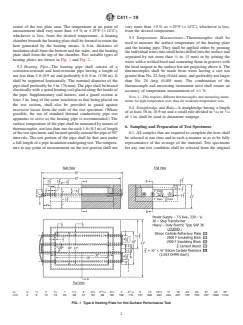
FIG. 1 Type A Heating Plate for Hot-Surface Performance Test
C411 − 19
⁄16 in. = 4.8 mm
1 ft = 305 mm
24 in. = 610 mm
42 in. = 1067 mm
NOTE 1—Thermocouple leads to temperature controller.
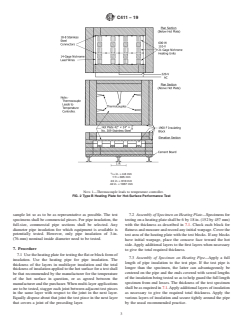
FIG. 2 Type B Heating Plate for Hot-Surface Performance Test
sample lot so as to be as representative as possible. The test 7.2 Assembly of Specimen on Heating Plate—Specimensfor
specimens shall be commercial pieces. For pipe insulation, the
testing on a heating plate shall be 6 by 18 in. (152 by 457 mm)
full-size, commercial pipe sections shall be selected. Any
with the thickness as described in 7.1. Check each block for
diameter pipe insulation for which equipment is available is
flatness and measure and record any initial warpage. Cover the
potentially tested. However, only pipe insulation of 3-in.
test area of the heating plate with the test blocks. If any blocks
(76-mm) nominal inside diameter need to be tested.
have initial warpage, place the concave face toward t
...
This document is not an ASTM standard and is intended only to provide the user of an ASTM standard an indication of what changes have been made to the previous version. Because
it may not be technically possible to adequately depict all changes accurately, ASTM recommends that users consult prior editions as appropriate. In all cases only the current version
of the standard as published by ASTM is to be considered the official document.
Designation: C411 − 17 C411 − 19
Standard Test Method for
Hot-Surface Performance of High-Temperature Thermal
Insulation
This standard is issued under the fixed designation C411; the number immediately following the designation indicates the year of
original adoption or, in the case of revision, the year of last revision. A number in parentheses indicates the year of last reapproval. A
superscript epsilon (´) indicates an editorial change since the last revision or reapproval.
This standard has been approved for use by agencies of the U.S. Department of Defense.
1. Scope
1.1 This test method covers the determination of the performance of commercial sizes of both block and pipe forms of thermal
insulating materials when exposed to simulated hot-surface application conditions. The term “hot-surface performance” has
reference to a simulated use-temperature test in which the heated testing surface is in a horizontal position.
1.2 This test method refers primarily to high-temperature insulations that are applicable to hot-side temperatures in excess of
150°F (66°C). It is used for materials such as preformed insulations, insulating cements, blankets, and the like, by proper laboratory
preparation of the samples.
1.3 The values stated in inch-pound units are to be regarded as standard. The values given in parentheses are mathematical
conversions to SI units that are provided for information only and are not considered standard.
1.4 This standard does not purport to address all of the safety concerns, if any, associated with its use. It is the responsibility
of the user of this standard to establish appropriate safety, health, and environmental practices and determine the applicability of
regulatory limitations prior to use.
1.5 This international standard was developed in accordance with internationally recognized principles on standardization
established in the Decision on Principles for the Development of International Standards, Guides and Recommendations issued
by the World Trade Organization Technical Barriers to Trade (TBT) Committee.
2. Referenced Documents
2.1 ASTM Standards:
C167 Test Methods for Thickness and Density of Blanket or Batt Thermal Insulations
C168 Terminology Relating to Thermal Insulation
C356 Test Method for Linear Shrinkage of Preformed High-Temperature Thermal Insulation Subjected to Soaking Heat
3. Terminology
3.1 Definitions—Terminology C168 shall apply to the terms used in this test method.
3.2 Definitions of Terms Specific to This Standard:
3.2.1 sag, n—the extent of thickness loss of pipe insulation, at the top longitudinal center, due to material fatigue or
decomposition due to elevated temperature.
4. Significance and Use
4.1 Performance in service is the final measure of value for a thermal insulation, but simulative service tests give useful
indications. One type involves application for a specified time to a surface heated at a temperature approximately that of intended
service, and noting during the test and afterward, changes in the material and its properties. Measurement of these changes are used
for predicting what occurs in service as a result of exposure to temperatures corresponding to those of the tests.
This test method is under the jurisdiction of ASTM Committee C16 on Thermal Insulation and is the direct responsibility of Subcommittee C16.31 on Chemical and
Physical Properties.
Current edition approved Oct. 1, 2017March 1, 2019. Published November 2017March 2019. Originally approved in 1958. Last previous edition approved in 20112017
as C411 – 11.C411 – 17. DOI: 10.1520/C0411-17.10.1520/C0411-19.
For referenced ASTM standards, visit the ASTM website, www.astm.org, or contact ASTM Customer Service at service@astm.org. For Annual Book of ASTM Standards
volume information, refer to the standard’s Document Summary page on the ASTM website.
Copyright © ASTM International, 100 Barr Harbor Drive, PO Box C700, West Conshohocken, PA 19428-2959. United States
C411 − 19
5. Apparatus
5.1 Heating Plate—The heating plate shall consist of a corrosion-resistant and heat-resistant plate with a preferred exposed test
area of 36 by 18 in. (914 by 457 mm), but having a minimum test area of 18 by 18 in. (457 by 457 mm). The heated area shall
have an insulated, heated guard area having a minimum width of 3 in. (76 mm) around the entire periphery of the test area. The
plate shall be supported in a horizontal plane at a sufficient number of points to prevent sagging. It shall be heated on the under
side by gas or electricity. The surface temperature of the plate shall be measured by not less than five thermocouples. Four of the
thermocouples shall be located along the diagonals that extend from the corners of the exposed area of the plate and at a distance
of 6 in. (152 mm) in from each corner. A fifth thermocouple shall be located near the center of the test plate area. The temperature
at no point of measurement shall vary more than 65 % or 625°F (614°C), whichever is less, from the desired temperature. A
heating chamber beneath the heating plate shall be formed to retain the heat generated by the heating means. A 6-in. thickness of
insulation shall form the bottom and the sides, and the heating plate shall form the top of the chamber. Two suitable types of heating
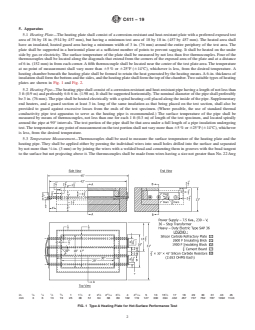
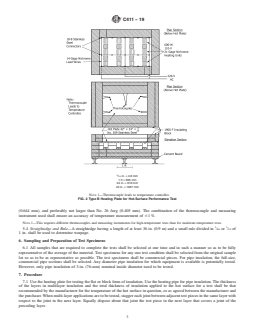
plates are shown in Fig. 1 and Fig. 2.
5.2 Heating Pipe—The heating pipe shall consist of a corrosion-resistant and heat-resistant pipe having a length of not less than
3 ft (0.9 m) and preferably 6 ft 6 in. (1.98 m). It shall be supported horizontally. The nominal diameter of the pipe shall preferably
be 3 in. (76 mm). The pipe shall be heated electrically with a spiral heating coil placed along the inside of the pipe. Supplementary
end heaters, and a guard section at least 3 in. long of the same insulation as that being placed on the test section, shall also be
provided to guard against excessive losses from the ends of the test specimen. (Where possible, the use of standard thermal
conductivity pipe test apparatus to serve as the heating pipe is recommended.) The surface temperature of the pipe shall be
measured by means of thermocouples, not less than one for each 1 ft (0.3 m) of length of the test specimen, and located spirally
around the pipe at 90° intervals. The test portion of the pipe shall be that area under a full length of a pipe insulation undergoing
test. The temperature at any point of measurement on the test portion shall not vary more than 65 % or 625°F (614°C), whichever
is less, from the desired temperature.
5.3 Temperature Measurement—Thermocouples shall be used to measure the surface temperature of the heating plate and the
heating pipe. They shall be applied either by peening the individual wires into small holes drilled into the surface and separated
by not more than ⁄8 in. (3 mm) or by joining the wires with a welded bead and cementing them in grooves with the bead tangent
to the surface but not projecting above it. The thermocouples shall be made from wires having a size not greater than No. 22 Awg
1 1 1 3 1 1 11 1 11 1
in. ⁄8 ⁄4 ⁄2 ⁄4 1 1 ⁄2 2 2 ⁄2 2 ⁄16 3 ⁄2 4 4 ⁄16 5 13 15 ⁄2 17 18 29 30 31 43 45
mm 3 6 13 19 25 38 51 64 68 89 102 119 127 330 394 432 457 737 762 787 1092 1143
FIG. 1 Type A Heating Plate for Hot-Surface Performance Test
C411 − 19
⁄16 in. = 4.8 mm
1 ft = 305 mm
24 in. = 610 mm
42 in. = 1067 mm
NOTE 1—Thermocouple leads to temperature controller.
FIG. 2 Type B Heating Plate for Hot-Surface Performance Test
(0.644 mm), and preferably not larger than No. 26 Awg (0.405 mm). The combination of the thermocouple and measuring
instrument used shall ensure an accuracy of temperature measurement of 61 %.
NOTE 1—This requires different thermocouples and measuring instruments for high-temperature tests than for moderate-temperature tests.
1 1
5.4 Straightedge and Rule—A straightedge having a length of at least 36 in. (0.9 m) and a small rule divided in ⁄64 or ⁄10 of
1 in. shall be used to determine warpage.
6. Sampling and Preparation of Test Specimens
6.1 All samples that are required to complete the tests shall be selected at one time and in such a manner so as to be fully
representative of the average of the material. Test specimens for any one test condition shall be selected from the original sample
lot so as to be as representative as possible. The test specimens shall be commercial pieces. For pipe insulation, the full-size,
commercial pipe sections shall be selected. Any diameter pipe insulation for which equipment is available is potentially tested.
However, only pipe insulation of 3-in. (76-mm) nominal inside diameter need to be tested.
7. Procedure
7.1 Use the heating plate for testing the flat or block form of insulation. Use the heating pipe for pipe insulation. The thickness
of the layers in multilayer insulation and the total thickness of insulation applied to the hot surface for a test shall be that
recommended by the manufacturer for the temperatur
...