


ASTM A674-22
(Practice)Standard Practice for Polyethylene Encasement for Ductile Iron Pipe
Standard Practice for Polyethylene Encasement for Ductile Iron Pipe
ABSTRACT
This practice covers the standard materials and installation procedures for polyethylene encasement to be applied to underground installations of ductile iron pipe for water or other liquids. It may also be used for polyethylene encasement of fittings, valves, and other appurtenances to ductile iron pipe systems. Linear low-density and high-density cross-laminated polyethylene films shall be manufactured of virgin polyethylene material, and shall conform to the required group, density, dielectric strength, and volume resistivity specifications. The polyethylene encasement material shall also be in accordance to the tensile strength, elongation, dielectric strength, impact resistance, and propagation tear resistance requirements. The polyethylene encasement shall be installed in such a way that it shall prevent contact between the pipe and the surrounding backfill and bedding material without intending to be a completely airtight or watertight enclosure. The polyethylene film shall be fitted to the contour of the pipe with sufficient slack to prevent stretching the polyethylene bridging irregular surfaces. For installations below the water table or in areas subject to tidal actions, or both, it is recommended that tube-form polyethylene be used with both ends sealed as thoroughly as possible with adhesive tape or plastic tie straps at the joint overlap.
SCOPE
1.1 This practice covers materials and installation procedures for polyethylene encasement to be applied to underground installations of ductile iron pipe. It may also be used for polyethylene encasement of fittings, valves, and other appurtenances to ductile iron pipe systems.
1.2 The values stated in inch-pound units are to be regarded as standard. The values given in parentheses are mathematical conversions to SI units that are provided for information only and are not considered standard.
1.2.1 Important SI values are provided in brackets. Also, certain important SI values appear without brackets or parentheses.
1.3 This standard does not purport to address all of the safety concerns, if any, associated with its use. It is the responsibility of the user of this standard to establish appropriate safety, health, and environmental practices and determine the applicability of regulatory limitations prior to use.
1.4 This international standard was developed in accordance with internationally recognized principles on standardization established in the Decision on Principles for the Development of International Standards, Guides and Recommendations issued by the World Trade Organization Technical Barriers to Trade (TBT) Committee.
General Information
- Status
- Published
- Publication Date
- 30-Sep-2022
- Technical Committee
- A04 - Iron Castings
- Drafting Committee
- A04.12 - Pipes and Tubes
Relations
- Effective Date
- 01-Jan-2020
- Effective Date
- 01-May-2016
- Effective Date
- 15-Apr-2016
- Effective Date
- 15-May-2015
- Effective Date
- 01-Jan-2015
- Refers
ASTM D4976-12 - Standard Specification for Polyethylene Plastics Molding and Extrusion Materials - Effective Date
- 01-Apr-2012
- Effective Date
- 01-May-2009
- Effective Date
- 01-Jan-2009
- Effective Date
- 01-Nov-2008
- Effective Date
- 01-Nov-2008
- Refers
ASTM D4976-06 - Standard Specification for Polyethylene Plastics Molding and Extrusion Materials - Effective Date
- 15-Nov-2006
- Effective Date
- 01-Apr-2006
- Effective Date
- 15-Mar-2006
- Effective Date
- 01-Dec-2005
- Refers
ASTM D4976-04a - Standard Specification for Polyethylene Plastics Molding and Extrusion Materials - Effective Date
- 01-Dec-2004
Overview
ASTM A674-22 is the internationally recognized standard practice for the application of polyethylene encasement for ductile iron pipe systems. Developed by ASTM International, this standard outlines requirements for materials and installation procedures to ensure effective external corrosion protection of ductile iron pipes, as well as fittings, valves, and related appurtenances used in the underground conveyance of water and other liquids. Polyethylene encasement offers a reliable and practical solution to enhance the longevity and integrity of ductile iron piping systems, particularly in corrosive soil environments.
Key Topics
- Material Requirements: Specifies that only virgin polyethylene materials, either linear low-density or high-density cross-laminated types, are acceptable. Key properties such as density, tensile strength, elongation, dielectric strength, impact resistance, and tear resistance must conform to referenced ASTM standards.
- Installation Procedures: Covers methods for both tube and sheet forms of polyethylene. Encasement must closely contour the pipe’s surface without stretching, ensuring the pipe is shielded from soil contact without being fully airtight or watertight.
- Sealing and Repair: Installers must use adhesive tape or plastic tie straps to secure overlaps and ends. Any damage to the encasement during installation or operation should be repaired promptly to maintain protection.
- Corrosion Assessment: The standard includes guidance for evaluating soil corrosivity through laboratory and field testing (e.g., resistivity, pH, redox potential) to determine the need for polyethylene encasement.
- Quality Assurance: Requires manufacturers to maintain quality control systems and provide declarations of compliance. Marking requirements ensure traceability of the polyethylene film to the manufacturer.
- Safety and Regulatory Considerations: Users must establish applicable safety, health, and environmental practices and adhere to regulatory limitations.
Applications
Polyethylene encasement per ASTM A674-22 is primarily utilized for:
- Underground Water Pipelines: Providing corrosion protection for ductile iron pipes installed beneath the ground for water distribution and transmission.
- Wastewater and Utility Lines: Used in environments carrying various liquids where corrosive soil conditions threaten metallic infrastructure.
- Pipe Fittings and Appurtenances: The standard extends to bends, valves, reducers, and other components that are integral to ductile iron pipe systems.
- Corrosive Soil Environments: Especially effective in locations with low earth resistivity, fluctuating water tables, or presence of aggressive substances such as sulfides and organic material.
- Critical Utility Projects: Municipal water utilities, industrial installations, and infrastructure developments benefit by extending the service life of underground iron pipelines.
Related Standards
Expanding the context for polyethylene encasement and ductile iron pipe installation, ASTM A674-22 references and aligns with several related standards:
- ASTM D4976 – Specification for polyethylene plastics molding and extrusion materials, defining base resin criteria.
- ASTM D882 – Test methods for tensile properties of thin plastic sheeting, relevant to verifying material mechanical strength.
- ASTM D149 & D1709 – Covering dielectric and impact resistance testing for plastic films.
- ANSI/AWWA C105/A21.5 – American Water Works Association’s guidance on polyethylene encasement for ductile-iron pipe systems.
- ANSI/AWWA C600 – Procedures for the installation of ductile iron water mains and appurtenances.
Practical Value
Implementing ASTM A674-22 ensures:
- Extended Pipe Longevity: By mitigating external corrosion, utilities and engineers can prevent premature pipe failures and costly repairs.
- Consistent Protection: Standardized materials and installation guidelines help maintain uniform performance across different projects and contractors.
- Regulatory Compliance: Following this ASTM standard supports adherence to widely accepted industry and international safety and performance guidelines.
- Risk Management: Systematic soil evaluation and corrosion assessment allow targeted application of polyethylene encasement in areas of greatest risk.
ASTM A674-22 is essential for any project specifying or installing ductile iron pipe systems in environments where external corrosion poses a threat, ensuring both reliability and regulatory alignment in infrastructure projects.
Buy Documents
ASTM A674-22 - Standard Practice for Polyethylene Encasement for Ductile Iron Pipe
REDLINE ASTM A674-22 - Standard Practice for Polyethylene Encasement for Ductile Iron Pipe
Get Certified
Connect with accredited certification bodies for this standard

Institut za varilstvo d.o.o. (Welding Institute)
Slovenia's leading welding institute since 1952. ISO 3834, EN 1090, pressure equipment certification, NDT personnel, welder qualification. Only IIW Au
Sponsored listings
Frequently Asked Questions
ASTM A674-22 is a standard published by ASTM International. Its full title is "Standard Practice for Polyethylene Encasement for Ductile Iron Pipe". This standard covers: ABSTRACT This practice covers the standard materials and installation procedures for polyethylene encasement to be applied to underground installations of ductile iron pipe for water or other liquids. It may also be used for polyethylene encasement of fittings, valves, and other appurtenances to ductile iron pipe systems. Linear low-density and high-density cross-laminated polyethylene films shall be manufactured of virgin polyethylene material, and shall conform to the required group, density, dielectric strength, and volume resistivity specifications. The polyethylene encasement material shall also be in accordance to the tensile strength, elongation, dielectric strength, impact resistance, and propagation tear resistance requirements. The polyethylene encasement shall be installed in such a way that it shall prevent contact between the pipe and the surrounding backfill and bedding material without intending to be a completely airtight or watertight enclosure. The polyethylene film shall be fitted to the contour of the pipe with sufficient slack to prevent stretching the polyethylene bridging irregular surfaces. For installations below the water table or in areas subject to tidal actions, or both, it is recommended that tube-form polyethylene be used with both ends sealed as thoroughly as possible with adhesive tape or plastic tie straps at the joint overlap. SCOPE 1.1 This practice covers materials and installation procedures for polyethylene encasement to be applied to underground installations of ductile iron pipe. It may also be used for polyethylene encasement of fittings, valves, and other appurtenances to ductile iron pipe systems. 1.2 The values stated in inch-pound units are to be regarded as standard. The values given in parentheses are mathematical conversions to SI units that are provided for information only and are not considered standard. 1.2.1 Important SI values are provided in brackets. Also, certain important SI values appear without brackets or parentheses. 1.3 This standard does not purport to address all of the safety concerns, if any, associated with its use. It is the responsibility of the user of this standard to establish appropriate safety, health, and environmental practices and determine the applicability of regulatory limitations prior to use. 1.4 This international standard was developed in accordance with internationally recognized principles on standardization established in the Decision on Principles for the Development of International Standards, Guides and Recommendations issued by the World Trade Organization Technical Barriers to Trade (TBT) Committee.
ABSTRACT This practice covers the standard materials and installation procedures for polyethylene encasement to be applied to underground installations of ductile iron pipe for water or other liquids. It may also be used for polyethylene encasement of fittings, valves, and other appurtenances to ductile iron pipe systems. Linear low-density and high-density cross-laminated polyethylene films shall be manufactured of virgin polyethylene material, and shall conform to the required group, density, dielectric strength, and volume resistivity specifications. The polyethylene encasement material shall also be in accordance to the tensile strength, elongation, dielectric strength, impact resistance, and propagation tear resistance requirements. The polyethylene encasement shall be installed in such a way that it shall prevent contact between the pipe and the surrounding backfill and bedding material without intending to be a completely airtight or watertight enclosure. The polyethylene film shall be fitted to the contour of the pipe with sufficient slack to prevent stretching the polyethylene bridging irregular surfaces. For installations below the water table or in areas subject to tidal actions, or both, it is recommended that tube-form polyethylene be used with both ends sealed as thoroughly as possible with adhesive tape or plastic tie straps at the joint overlap. SCOPE 1.1 This practice covers materials and installation procedures for polyethylene encasement to be applied to underground installations of ductile iron pipe. It may also be used for polyethylene encasement of fittings, valves, and other appurtenances to ductile iron pipe systems. 1.2 The values stated in inch-pound units are to be regarded as standard. The values given in parentheses are mathematical conversions to SI units that are provided for information only and are not considered standard. 1.2.1 Important SI values are provided in brackets. Also, certain important SI values appear without brackets or parentheses. 1.3 This standard does not purport to address all of the safety concerns, if any, associated with its use. It is the responsibility of the user of this standard to establish appropriate safety, health, and environmental practices and determine the applicability of regulatory limitations prior to use. 1.4 This international standard was developed in accordance with internationally recognized principles on standardization established in the Decision on Principles for the Development of International Standards, Guides and Recommendations issued by the World Trade Organization Technical Barriers to Trade (TBT) Committee.
ASTM A674-22 is classified under the following ICS (International Classification for Standards) categories: 23.040.10 - Iron and steel pipes. The ICS classification helps identify the subject area and facilitates finding related standards.
ASTM A674-22 has the following relationships with other standards: It is inter standard links to ASTM D149-20, ASTM D1709-16a, ASTM D1709-16, ASTM D1709-15a, ASTM D1709-15, ASTM D4976-12, ASTM D1709-09, ASTM D882-09, ASTM D1709-08, ASTM D1922-08, ASTM D4976-06, ASTM D1922-06a, ASTM D1922-06, ASTM D1922-05, ASTM D4976-04a. Understanding these relationships helps ensure you are using the most current and applicable version of the standard.
ASTM A674-22 is available in PDF format for immediate download after purchase. The document can be added to your cart and obtained through the secure checkout process. Digital delivery ensures instant access to the complete standard document.
Standards Content (Sample)
This international standard was developed in accordance with internationally recognized principles on standardization established in the Decision on Principles for the
Development of International Standards, Guides and Recommendations issued by the World Trade Organization Technical Barriers to Trade (TBT) Committee.
Designation: A674 − 22
Standard Practice for
Polyethylene Encasement for Ductile Iron Pipe
This standard is issued under the fixed designation A674; the number immediately following the designation indicates the year of
original adoption or, in the case of revision, the year of last revision. A number in parentheses indicates the year of last reapproval. A
superscript epsilon (´) indicates an editorial change since the last revision or reapproval.
1. Scope by the Free-Falling Dart Method
D1922 Test Method for Propagation Tear Resistance of
1.1 This practice covers materials and installation proce-
Plastic Film and Thin Sheeting by Pendulum Method
dures for polyethylene encasement to be applied to under-
D4976 Specification for Polyethylene Plastics Molding and
groundinstallationsofductileironpipe.Itmayalsobeusedfor
Extrusion Materials
polyethylene encasement of fittings, valves, and other appur-
2.2 ANSI/AWWA Standards:
tenances to ductile iron pipe systems.
C600 Installation of Ductile Iron Water Mains and Their
1.2 The values stated in inch-pound units are to be regarded
Appurtenances
as standard. The values given in parentheses are mathematical
C105/A21.5 Polyethylene Encasement for Ductile-Iron Pipe
conversions to SI units that are provided for information only
Systems
and are not considered standard.
1.2.1 Important SI values are provided in brackets. Also,
3. Terminology
certain important SI values appear without brackets or paren-
3.1 Definitions:
theses.
3.1.1 high-density, cross-laminated polyethylene film—film
1.3 This standard does not purport to address all of the
extruded from virgin high-density polyethylene raw material,
safety concerns, if any, associated with its use. It is the
which is then molecularly oriented by stretching. The final
responsibility of the user of this standard to establish appro-
product is then formed by two single-ply layers of the film that
priate safety, health, and environmental practices and deter-
arethenlaminatedtogetherwiththeirorientationsat90°toone
mine the applicability of regulatory limitations prior to use.
another using molten, high-density, virgin resin.
1.4 This international standard was developed in accor-
3.1.2 linear low-density polyethylene film—film extruded
dance with internationally recognized principles on standard-
from virgin linear low-density polyethylene raw material.
ization established in the Decision on Principles for the
Development of International Standards, Guides and Recom- 3.1.3 polyethylene encasement—polyethylene material, in
mendations issued by the World Trade Organization Technical
tube or sheet form, that is used to encase ductile iron pipe.
Barriers to Trade (TBT) Committee.
3.1.4 securing overlap—any one of various methods of
holding polyethylene encasement in place at the point of
2. Referenced Documents
overlapuntilbackfillingoperationsarecompleted.Thismaybe
2.1 ASTM Standards: accomplished with adhesive tape or plastic tie straps.
D149 Test Method for Dielectric Breakdown Voltage and
DielectricStrengthofSolidElectricalInsulatingMaterials 4. Requirements
at Commercial Power Frequencies
4.1 Materials:
D882 Test Method for Tensile Properties of Thin Plastic
4.1.1 General—All films shall be manufactured of virgin
Sheeting
polyethylene material, as non-virgin polyethylene materials
D1709 Test Methods for Impact Resistance of Plastic Film
may be susceptible to accelerated environmental degradation.
4.1.1.1 Requirements—The sections that follow list the
material requirements for linear low-density and high-density,
This practice is under the jurisdiction of ASTM Committee A04 on Iron
cross-laminated polyethylene film. In each category, the film
Castings and is the direct responsibility of Subcommittee A04.12 on Pipes and
shall meet all of the listed requirements.
Tubes.
4.1.2 Linear Low-Density Polyethylene Film—Linear low-
Current edition approved Oct. 1, 2022. Published October 2022. Originally
approved in 1972. Last previous edition approved in 2018 as A674 – 18. DOI:
density polyethylene film shall be manufactured of virgin
10.1520/A0674-22.
For referenced ASTM standards, visit the ASTM website, www.astm.org, or
contact ASTM Customer Service at service@astm.org. For Annual Book of ASTM
Standards volume information, refer to the standard’s Document Summary page on Available fromAmerican Water WorksAssociation (AWWA), 6666 W. Quincy
the ASTM website. Ave., Denver, CO 80235, http://www.awwa.org.
Copyright © ASTM International, 100 Barr Harbor Drive, PO Box C700, West Conshohocken, PA 19428-2959. United States
A674 − 22
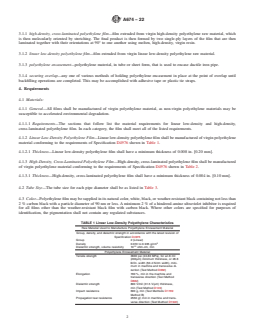
TABLE 2 High-Density Cross-Laminated Polyethylene
polyethylene material conforming to the requirements of
Characteristics
Specification D4976 shown in Table 1.
Raw Material Used to Manufacture Polyethylene Encasement Material
4.1.2.1 Thickness—Linear low-density polyethylene film
Group, density, and dielectric strength in accordance with the latest revision
shall have a minimum thickness of 0.008 in. [0.20 mm].
of Specification D4976
4.1.3 High-Density, Cross-Laminated Polyethylene Film—
Group 2 (Linear)
High-density, cross-laminated polyethylene film shall be Density 0.940 to 0.960 g/cm
Dielectric strength, volume resistivity 10 ohm-cm, min
manufactured of virgin polyethylene material conforming to
High-Density Cross-Laminated Polyethylene Encasement Material
the requirements of Specification D4976 shown in Table 2.
Tensile strength 6300 psi (43.47 MPa), for a 4 mil (100
4.1.3.1 Thickness—High-density, cross-laminated polyeth-
µm) minimum thickness, or 25.2 lbf/in.
ylene film shall have a minimum thickness of 0.004 in. width (44.1 N/cm width), minimum in
machine and transverse direction (Test
[0.10 mm].
Method D882)
Elongation 100 %, min in machine and transverse
4.2 Tube Size—The tube size for each pipe diameter shall be
direction (Test Method D882)
as listed in Table 3.
Dielectric strength 800 V/mil (31.5 V/µm) thickness, min
(Test Method D149)
4.3 Color—Polyethylene film may be supplied in its natural
Impact resistance 800 g, min. (Test Methods D1709
color, white, black, or weather-resistant black containing not
Method B)
less than 2 % carbon black with a particle diameter of 90 nm
Propagation tear resistance 250 gf, min. in machine and transverse
direction (Test Method D1922)
or less. A minimum2%ofa hindered-amine ultraviolet
inhibitor is required for all films other than the weather-
resistant black film with carbon black. Where other colors are
A
TABLE 3 Polyethylene Tube Sizes for Push-On Joint Pipe
specified for purposes of identification, the pigmentation shall
Recommended Polyethylene
Nominal Pipe Diameter, in.
not contain any regulated substances.
B
Flat Tube Width, in. [cm]
4.4 Marking Requirements—Polyethylene film shall be 3 14 [36]
4 14 [36]
clearly marked at a minimum of every 2 ft [0.6 m] along its
6 16 [41]
length with print that does not contain hazardous material.
8 20 [51]
10 24 [61]
Marking shall contain the following information:
12 27 [69]
(1) Manufacturer’s name or registered trademark.
14 30 [76]
(2) Year of manufacture.
16 34 [86]
18 37 [94]
(3) ANSI/AWWA C105/A21.5.
20 41 [104]
(4) Minimum film thickness and material type (LLDPE or
24 54 [137]
HDCLPE).
30 67 [170]
36 81 [206]
(5) Applicable range of nominal pipe diameter size(s).
42 81 (206)
(6) Warning—Corrosion Protection—RepairAny Damage.
48 95 [241]
4.4.1 Marking Height—Letters and numerals used for mark-
54 108 [274]
60 108 [274]
ing items (1) through (5)in 4.4 shall not be less than 1 in.
64 121 [307]
[25.4 mm] in height. Item (6)in 4.4 shall be not less than
A
1 These wrap sizes should work with most push-on joint pipe and fitting bell sizes.
1 ⁄2 in. [38.10 mm] in height.
Lay flat tube widths are minimums for each size of pipe.Tube widths used may be
asmuchastwosizeswiderthanshown.Wherebellcircumferencesarelargerthan
5. Installation
the sheet sizes shown, the bell areas should be carefully wrapped with cut film
sections,effectivelylappingandsecuringcutedgesasnecessary;or,alternatively,
5.1 General:
sufficiently large tube or sheet film to effectively cover these joints should be
ordered.
TABLE 1 Linear Low-Density Polyethylene Characteristics
B
For flat-sheet polyethylene, see 5.4.5.
Raw Material Used to Manufacture Polyethylene Encasement Material
Group, density, and dielectric strength in accordance with the latest revision of
Specification D4976
Group 2 (Linear)
Density 0.910 to 0.935 g/cm
Dielectric strength, volume resistivity 10 ohm-cm, min
5.1.1 The polyethylene encasement shall prevent contact
Polyethylene Encasement Material
between the pipe and the surrounding backfill and bedding
Tensile strength 3600 psi (24.83 MPa), for an 8 mil
material but is not intended to be a completely airtight or
(200µm) minimum thickness, or 28.8
watertight enclosure. All lumps of clay, mud, cinders, etc.
lbf/in. width (50.4 N/cm width), mini-
mum in machine and transverse di-
which may be on the pipe surface shall be removed prior to
rection (Test Method D882)
installation of the polyethylene encasement. During
Elongation 700 %, min in the machine and
installation, care shall be exercised to prevent soil or embed-
transverse direction (Test Method
D882)
ment material from becoming entrapped between the pipe and
Dielectric strength 800 V/mil (31.5 V/µm) thickness,
the polyethylene.
min (Test Method D149)
Impact resistance 600 g, min (Test Methods D1709 5.1.2 The polyethylene film shall be fitted to the contour of
Method B)
the pipe to effect a snug, but not tight, encasement with
Propagation tear resistance 2550 gf, min in machine and trans-
minimum space between the polyethylene and the pipe. Suffi-
verse direction (Test Method D1922)
cientslackshallbeprovidedincontouringtopreventstretching
A674 − 22
the polyethylene bridging irregular surfaces, such as bell- 5.4.2 Modified Method A (see Fig. 3):
spigot interfaces, bolted joints, or fittings, and to prevent
5.4.2.1 This is a modification of MethodA, which uses one
damage to the polyethylene due to backfilling operations.
length of polyethylene tube for each length of pipe. In this
Overlaps and ends shall be secured by the use of adhesive tape
modified method, one end of the tube is secured with circum-
or plastic tie straps.
ferential tape to the spigot prior to making the joint. The 12 in.
5.1.3 For installations below the water table or in areas
(300 mm) overlap is achieved when bringing the remaining
subject to tidal actions, or both, it is recommended that
film over the joint from the previous length of pipe.
tube-form polyethylene be used with both ends sealed as
5.4.2.2 Cut a section of polyethylene tube approximately
thoroughly as possible with adhesive tape or plastic tie straps
1 ft (300 mm) longer than the pipe section. Remove all lumps
atthejointoverlap.Itisalsorecommendedthatcircumferential
of clay, mud, cinders, or other material that might have
wraps of tape or plastic tie straps be placed at 2 ft [0.6 m]
accumulated on the pipe surface during storage. Slip the
intervalsalongthebarrelofthepipetohelpminimizethespace
polyethylene tube around the pipe, starting at the spigot end.
between the polyethylene and the pipe.
Bunch the tube accordion fashion on the end of the pipe. Pull
back the overhanging end of the tube and circumferentially
5.2 Polyethylene Installers—The polyethylene encasement
tape it to the barrel of the pipe behind the insertion line. After
shall be installed by personnel trained or experienced in the
assembly of the joint, the tape should be as close to the face of
proper application of the encasement as described in this
the bell as possible but not so close to the spigot end that it
standard. At all times during construction of the pipeline,
interferes with the gasket.
precautionsshallbetakentopreventdamagetotheencasement
film. 5.4.2.3 Take up the slack in the tube along the barrel of the
pipe to make a snug, but not tight, fit. Fold excess polyethylene
5.3 Repairs to Encasement—Repair cuts, tears, punctures,
back over the top of the pipe and use pieces of tape across the
or damage to polyethylene with adhesive tape or with a short
fold to securely hold it. This step is extremely important to
length of polyethylene sheet; or with a tube cut open, wrapped
avoid the sagging of the film at the bottom of the pipe.
around the pipe to cover the damaged area, and secured in
5.4.2.4 Dig a shallow bell hole in the trench bottom at the
place.
joint location to facilitate installation of the polyethylene tube.
5.4 Methods of Installation—This practice includes three
Lower the pipe into the trench and make up the pipe joint with
different methods for the installation of polyethylene encase-
the preceding section of pipe.
ment. Methods A and B are for use with polyethylene tubes,
5.4.2.5 Move the sling (that is, no chains or metal, use
and Method C is for use with polyethylene sheets.
nonabrasive sling material) to the bell end of the pipe and lift
5.4.1 Method A (see Fig. 1):
the pipe slightly to provide enough clearance to easily slide the
5.4.1.1 Cut the polyethylene tube to a length approximately
tube over the remaining barrel of the pipe. Snugly fold over the
2 ft [0.6 m] longer than the length of the pipe section. Slip the
excess wrap using tape to hold it in place. Note: Make sure that
tube around the pipe, centering it to provide a 1 ft [0.3 m]
no dirt or other bedding material becomes trapped between the
overlap on each adjacent pipe section, and bunching it accor-
wrap and the pipe.
dion fashion lengthwise until it clears the pipe ends.
5.4.2.6 Secure the polyethylene in place behind the preced-
5.4.1.2 Lower the pipe into the trench and make up the pipe
ing bell by using a circumferential wrap of tape. Make the
joint with the preceding section of pipe. A shallow bell hole
overlap of the polyethylene tube by pulling back the bunched
must be made at joints to facilitate installation of the polyeth-
polyethylene from the preceding length of pipe and ensure
ylene tube.
there is at least a 12 in. overlap.
5.4.1.3 After assembling the pipe joint, make the overlap of
5.4.2.7 Carefully backfill the trench according to the proce-
the polyethylene tube. Pull the bunched polyethylene from the
dures in AWWA Standard C600. To prevent damage during
preceding length of pipe, slip it over the end of the new length
backfilling, allow adequate slack in the tube at the joint.
of pipe, and secure in place. Then slip the end of the
Backfillshouldbefreeofcinders,rocks,boulders,nails,sticks,
polyethylenefromthenewpipesectionovertheendofthefirst
or other materials that might damage the polyethylene. Avoid
wrap until it overlaps the joint at the end of the preceding
damaging the polyethylene when using tamping devices.
length of pipe. Secure the overlap in place. Take up the slack
5.4.3 Modified Method A in Wet Trench Conditions:
width at the top of the pipe as shown in Fig. 2, to make a snug,
but not tight, fit along the barrel of the pipe, securing the fold 5.4.3.1 In installations where the water table may intrude
at quarter points. into the pipe zone, either constantly or intermittently, it is
FIG. 1 Method A
A674 − 22
FIG. 2 Slack Reduction Procedure – Methods A and B
FIG. 3 Modified Method A
important to take steps to impede the intrusion of the ground- 5.4.5.1 Flat-sheet polyethylene shall have a minimum width
water under the film. While it is not required that the twice the flat tube width shown in Table 3.
environment between the film and the pipe be water-free, it is
5.4.5.2 Cutthepolyethylenesheettoalengthapproximately
important that any initial moisture be allowed to become
2 ft [0.6 m] longer than the length of pipe section. Center the
stagnant. Therefore, when the water table may intrude into the
cut length to providea1ft [0.3 m] overlap on each adjacent
pipe zone, circumferential wraps of tape shall be applied at 2 ft
pipe section, bunching it until it clears the pipe ends. Wrap the
(600 mm) intervals along the barrel of the pipe, as shown in
polyethylene around the pipe so that it overlaps circumferen-
Fig.4.Also,tapeshallbeusedinsteadoftiestrapstosecurethe
tially over the top quadrant of the pipe. Secure the cut edge of
ends of the film.
polyethylenesheetatapproximately3ft[0.9m]intervalsalong
5.4.4 Method B (see Fig. 4):
the pipe length.
5.4.4.1 Cut the polyethylene tube to a length approximately
5.4.5.3 Lowerthewrappedpipeintothetrenchandmakeup
1 ft [0.3 m] shorter than the length of the pipe section. Slip the
the pipe joint with the preceding section of pipe.Ashallow bell
tube around the pipe, centering it to provide 6 in. [150 mm] of
hole must be made at joints to facilitate installation of the
bare pipe at each end. Make the polyethylene snug, but not
polyethylene. After completing the joint, make the overlap as
tight, as shown in Fig. 2. Secure ends as described in 5.1.
described in 5.1.
5.4.4.2 Before making up a joint, slipa3ft [0.9 m] length
ofpolyethylenetubeovertheendoftheprecedingpipesection,
5.5 Pipe-Shaped Appurtenances—Bends, reducers, offsets,
bunching it accordion fashion lengthwise. Alternatively, place
and other pipe-shaped appurtenances shall be covered with
a 3 ft [0.9 m] length of polyethylene sheet in the trench under
polyethylene in the same manner as the pipe.
the joint to be made. After completing the joint, pull the 3 ft
5.6 Odd-Shaped Appurtenances—Wrap valves, tees,
lengthofpolyethyleneoveroraroundthejoint,overlappingthe
crosses, and other odd-shaped pieces which cannot practically
previously installed on each adjacent section of pipe by at least
be wrapped in a tube with a flat sheet or split length of
1 ft [0.3 m]; make snug and secure each end as described in
5.1. A shallow bell hole must be made at joints to facilitate polyethylene tube. Pass the sheet under the appurtenance and
bring up around the body. Make seams by bringing the edges
installation of the polyethylene tube or sheet.
5.4.5 Method C (see Fig. 5): together, folding over twice, and taping down. Handle slack
FIG. 4 Method B
A674 − 22
FIG. 5 Method C
width and overlaps at joints as described in 5.1. Tape polyeth- 5.9 Junctions Between Wrapped and Unwrapped Pipe—
ylene securely in place at valve stem and other penetrations. Where polyethylene-wrapped pipe joins a pipe that is n
...
This document is not an ASTM standard and is intended only to provide the user of an ASTM standard an indication of what changes have been made to the previous version. Because
it may not be technically possible to adequately depict all changes accurately, ASTM recommends that users consult prior editions as appropriate. In all cases only the current version
of the standard as published by ASTM is to be considered the official document.
Designation: A674 − 18 A674 − 22
Standard Practice for
Polyethylene Encasement for Ductile Iron Pipe for Water or
Other Liquids
This standard is issued under the fixed designation A674; the number immediately following the designation indicates the year of
original adoption or, in the case of revision, the year of last revision. A number in parentheses indicates the year of last reapproval. A
superscript epsilon (´) indicates an editorial change since the last revision or reapproval.
1. Scope
1.1 This practice covers materials and installation procedures for polyethylene encasement to be applied to underground
installations of ductile iron pipe. It may also be used for polyethylene encasement of fittings, valves, and other appurtenances to
ductile iron pipe systems.
1.2 The values stated in inch-pound units are to be regarded as standard. The values given in parentheses are mathematical
conversions to SI units that are provided for information only and are not considered standard.
1.2.1 Important SI values are provided in brackets. Also, certain important SI values appear without brackets or parentheses.
1.3 This standard does not purport to address all of the safety concerns, if any, associated with its use. It is the responsibility
of the user of this standard to establish appropriate safety, health, and environmental practices and determine the applicability of
regulatory limitations prior to use.
1.4 This international standard was developed in accordance with internationally recognized principles on standardization
established in the Decision on Principles for the Development of International Standards, Guides and Recommendations issued
by the World Trade Organization Technical Barriers to Trade (TBT) Committee.
2. Referenced Documents
2.1 ASTM Standards:
D149 Test Method for Dielectric Breakdown Voltage and Dielectric Strength of Solid Electrical Insulating Materials at
Commercial Power Frequencies
D882 Test Method for Tensile Properties of Thin Plastic Sheeting
D1709 Test Methods for Impact Resistance of Plastic Film by the Free-Falling Dart Method
D1922 Test Method for Propagation Tear Resistance of Plastic Film and Thin Sheeting by Pendulum Method
D4976 Specification for Polyethylene Plastics Molding and Extrusion Materials
2.2 ANSI/AWWA Standards:
C600 Installation of Ductile Iron Water Mains and Their Appurtenances
C105/A21.5 Polyethylene Encasement for Ductile-Iron Pipe Systems
3. Terminology
3.1 Definitions:
This practice is under the jurisdiction of ASTM Committee A04 on Iron Castings and is the direct responsibility of Subcommittee A04.12 on Pipes and Tubes.
Current edition approved Nov. 1, 2018Oct. 1, 2022. Published December 2018October 2022. Originally approved in 1972. Last previous edition approved in 20142018
as A674 – 10 (2014).A674 – 18. DOI: 10.1520/A0674-18.10.1520/A0674-22.
For referenced ASTM standards, visit the ASTM website, www.astm.org, or contact ASTM Customer Service at service@astm.org. For Annual Book of ASTM Standards
volume information, refer to the standard’s Document Summary page on the ASTM website.
Available from American Water Works Association (AWWA), 6666 W. Quincy Ave., Denver, CO 80235, http://www.awwa.org.
Copyright © ASTM International, 100 Barr Harbor Drive, PO Box C700, West Conshohocken, PA 19428-2959. United States
A674 − 22
3.1.1 high-density, cross-laminated polyethylene film—film extruded from virgin high-density polyethylene raw material, which
is then molecularly oriented by stretching. The final product is then formed by two single-ply layers of the film that are then
laminated together with their orientations at 90° to one another using molten, high-density, virgin resin.
3.1.2 linear low-density polyethylene film—film extruded from virgin linear low-density polyethylene raw material.
3.1.3 polyethylene encasement—polyethylene material, in tube or sheet form, that is used to encase ductile iron pipe.
3.1.4 securing overlap—any one of various methods of holding polyethylene encasement in place at the point of overlap until
backfilling operations are completed. This may be accomplished with adhesive tape or plastic tie straps.
4. Requirements
4.1 Materials:
4.1.1 General—All films shall be manufactured of virgin polyethylene material, as non-virgin polyethylene materials may be
susceptible to accelerated environmental degradation.
4.1.1.1 Requirements—The sections that follow list the material requirements for linear low-density and high-density,
cross-laminated polyethylene film. In each category, the film shall meet all of the listed requirements.
4.1.2 Linear Low-Density Polyethylene Film—Linear low-density polyethylene film shall be manufactured of virgin polyethylene
material conforming to the requirements of Specification D4976 shown in Table 1.
4.1.2.1 Thickness—Linear low-density polyethylene film shall have a minimum thickness of 0.008 in. [0.20 mm].
4.1.3 High-Density, Cross-Laminated Polyethylene Film—High-density, cross-laminated polyethylene film shall be manufactured
of virgin polyethylene material conforming to the requirements of Specification D4976 shown in Table 2.
4.1.3.1 Thickness—High-density, cross-laminated polyethylene film shall have a minimum thickness of 0.004 in. [0.10 mm].
4.2 Tube Size—The tube size for each pipe diameter shall be as listed in Table 3.
4.3 Color—Polyethylene film may be supplied in its natural color, white, black, or weather-resistant black containing not less than
2 % carbon black with a particle diameter of 90 nm or less. A minimum 2 % of a hindered-amine ultraviolet inhibitor is required
for all films other than the weather-resistant black film with carbon black. Where other colors are specified for purposes of
identification, the pigmentation shall not contain any regulated substances.
TABLE 1 Linear Low-Density Polyethylene Characteristics
Raw Material Used to Manufacture Polyethylene Encasement Material
Group, density, and dielectric strength in accordance with the latest revision of
Specification D4976
Group 2 (Linear)
Density 0.910 to 0.935 g/cm
Dielectric strength, volume resistivity 10 ohm-cm, min
Polyethylene Encasement Material
Tensile strength 3600 psi (24.83 MPa), for an 8 mil
(200μm) minimum thickness, or 28.8
lbf/in. width (50.4 N/cm width), mini-
mum in machine and transverse di-
rection (Test Method D882)
Elongation 700 %, min in the machine and
transverse direction (Test Method
D882)
Dielectric strength 800 V/mil (31.5 V/μm) thickness,
min (Test Method D149)
Impact resistance 600 g, min (Test Methods D1709
Method B)
Propagation tear resistance 2550 gf, min in machine and trans-
verse direction (Test Method D1922)
A674 − 22
TABLE 2 High-Density Cross-Laminated Polyethylene
Characteristics
Raw Material Used to Manufacture Polyethylene Encasement Material
Group, density, and dielectric strength in accordance with the latest revision
of Specification D4976
Group 2 (Linear)
Density 0.940 to 0.960 g/cm
Dielectric strength, volume resistivity 10 ohm-cm, min
High-Density Cross-Laminated Polyethylene Encasement Material
Tensile strength 6300 psi (43.47 MPa), for a 4 mil (100
μm) minimum thickness, or 25.2 lbf/in.
width (44.1 N/cm width), minimum in
machine and transverse direction (Test
Method D882)
Elongation 100 %, min in machine and transverse
direction (Test Method D882)
Dielectric strength 800 V/mil (31.5 V/μm) thickness, min
(Test Method D149)
Impact resistance 800 g, min. (Test Methods D1709
Method B)
Propagation tear resistance 250 gf, min. in machine and transverse
direction (Test Method D1922)
A
TABLE 3 Polyethylene Tube Sizes for Push-On Joint Pipe
Recommended Polyethylene
Nominal Pipe Diameter, in.
B
Flat Tube Width, in. [cm]
3 14 [36]
4 14 [36]
6 16 [41]
8 20 [51]
10 24 [61]
12 27 [69]
14 30 [76]
16 34 [86]
18 37 [94]
20 41 [104]
24 54 [137]
30 67 [170]
36 81 [206]
42 81 (206)
48 95 [241]
54 108 [274]
60 108 [274]
64 121 [307]
A
These wrap sizes should work with most push-on joint pipe and fitting bell sizes.
Lay flat tube widths are minimums for each size of pipe. Tube widths used may be
as much as two sizes wider than shown. Where bell circumferences are larger than
the sheet sizes shown, the bell areas should be carefully wrapped with cut film
sections, effectively lapping and securing cut edges as necessary; or, alternatively,
sufficiently large tube or sheet film to effectively cover these joints should be
ordered.
B
For flat-sheet polyethylene, see 5.4.5.
4.4 Marking Requirements—Polyethylene film shall be clearly marked at a minimum of every 2 ft [0.6 m] along its length with
print that does not contain hazardous material. Marking shall contain the following information:
(1) Manufacturer’s name or registered trademark.
(2) Year of manufacture.
(3) ANSI/AWWA C105/A21.5.
(4) Minimum film thickness and material type (LLDPE or HDCLPE).
(5) Applicable range of nominal pipe diameter size(s).
(6) Warning—Corrosion Protection—Repair Any Damage.
4.4.1 Marking Height—Letters and numerals used for marking items (a1) through (e5) in 4.4 shall not be less than 1 in. [25.4 mm]
1 in. [25.4 mm] in height. Item (f6) in 4.4 shall be not less than 1 ⁄2 in. [38.10 mm] in. [38.10 mm] in height.
A674 − 22
5. Installation
5.1 General:
5.1.1 The polyethylene encasement shall prevent contact between the pipe and the surrounding backfill and bedding material but
is not intended to be a completely airtight or watertight enclosure. All lumps of clay, mud, cinders, etc. which may be on the pipe
surface shall be removed prior to installation of the polyethylene encasement. During installation, care shall be exercised to prevent
soil or embedment material from becoming entrapped between the pipe and the polyethylene.
5.1.2 The polyethylene film shall be fitted to the contour of the pipe to effect a snug, but not tight, encasement with minimum space
between the polyethylene and the pipe. Sufficient slack shall be provided in contouring to prevent stretching the polyethylene
bridging irregular surfaces, such as bell-spigot interfaces, bolted joints, or fittings, and to prevent damage to the polyethylene due
to backfilling operations. Overlaps and ends shall be secured by the use of adhesive tape or plastic tie straps.
5.1.3 For installations below the water table or in areas subject to tidal actions, or both, it is recommended that tube-form
polyethylene be used with both ends sealed as thoroughly as possible with adhesive tape or plastic tie straps at the joint overlap.
It is also recommended that circumferential wraps of tape or plastic tie straps be placed at 2-ft [0.6-m] 2 ft [0.6 m] intervals along
the barrel of the pipe to help minimize the space between the polyethylene and the pipe.
5.2 Polyethylene Installers—The polyethylene encasement shall be installed by personnel trained or experienced in the proper
application of the encasement as described in this standard. At all times during construction of the pipeline, precautions shall be
taken to prevent damage to the encasement film.
5.3 Repairs to Encasement—Repair cuts, tears, punctures, or damage to polyethylene with adhesive tape or with a short length
of polyethylene sheet; or with a tube cut open, wrapped around the pipe to cover the damaged area, and secured in place.
5.4 Methods of Installation—This practice includes three different methods for the installation of polyethylene encasement.
Methods A and B are for use with polyethylene tubes, and Method C is for use with polyethylene sheets.
5.4.1 Method A (see Fig. 1):
5.4.1.1 Cut the polyethylene tube to a length approximately 2 ft [0.6 m] longer than the length of the pipe section. Slip the tube
around the pipe, centering it to provide a 1-ft [0.3-m] 1 ft [0.3 m] overlap on each adjacent pipe section, and bunching it accordion
fashion lengthwise until it clears the pipe ends.
5.4.1.2 Lower the pipe into the trench and make up the pipe joint with the preceding section of pipe. A shallow bell hole must
be made at joints to facilitate installation of the polyethylene tube.
5.4.1.3 After assembling the pipe joint, make the overlap of the polyethylene tube. Pull the bunched polyethylene from the
preceding length of pipe, slip it over the end of the new length of pipe, and secure in place. Then slip the end of the polyethylene
from the new pipe section over the end of the first wrap until it overlaps the joint at the end of the preceding length of pipe. Secure
the overlap in place. Take up the slack width at the top of the pipe as shown in Fig. 2, to make a snug, but not tight, fit along the
barrel of the pipe, securing the fold at quarter points.
5.4.2 Modified Method A (see Fig. 3):
5.4.2.1 This is a modification of Method A, which uses one length of polyethylene tube for each length of pipe. In this modified
FIG. 1 Method A
A674 − 22
FIG. 2 Slack Reduction Procedure – Methods A and B
FIG. 3 Modified Method A
method, one end of the tube is secured with circumferential tape to the spigot prior to making the joint. The 12-in. (300-mm) 12
in. (300 mm) overlap is achieved when bringing the remaining film over the joint from the previous length of pipe.
5.4.2.2 Cut a section of polyethylene tube approximately 1 ft (300 mm) longer than the pipe section. Remove all lumps of clay,
mud, cinders, or other material that might have accumulated on the pipe surface during storage. Slip the polyethylene tube around
the pipe, starting at the spigot end. Bunch the tube accordion fashion on the end of the pipe. Pull back the overhanging end of the
tube and circumferentially tape it to the barrel of the pipe behind the insertion line. After assembly of the joint, the tape should
be as close to the face of the bell as possible but not so close to the spigot end that it interferes with the gasket.
5.4.2.3 Take up the slack in the tube along the barrel of the pipe to make a snug, but not tight, fit. Fold excess polyethylene back
over the top of the pipe and use pieces of tape across the fold to securely hold it. This step is extremely important to avoid the
sagging of the film at the bottom of the pipe.
5.4.2.4 Dig a shallow bell hole in the trench bottom at the joint location to facilitate installation of the polyethylene tube. Lower
the pipe into the trench and make up the pipe joint with the preceding section of pipe.
5.4.2.5 Move the sling (that is, no chains or metal, use nonabrasive sling material) to the bell end of the pipe and lift the pipe
slightly to provide enough clearance to easily slide the tube over the remaining barrel of the pipe. Snugly fold over the excess wrap
using tape to hold it in place. Note: Make sure that no dirt or other bedding material becomes trapped between the wrap and the
pipe.
5.4.2.6 Secure the polyethylene in place behind the preceding bell by using a circumferential wrap of tape. Make the overlap of
the polyethylene tube by pulling back the bunched polyethylene from the preceding length of pipe and ensure there is at least a
12-in. 12 in. overlap.
5.4.2.7 Carefully backfill the trench according to the procedures in AWWA Standard C600. To prevent damage during backfilling,
allow adequate slack in the tube at the joint. Backfill should be free of cinders, rocks, boulders, nails, sticks, or other materials that
might damage the polyethylene. Avoid damaging the polyethylene when using tamping devices.
5.4.3 Modified Method A in Wet Trench Conditions:
5.4.3.1 In installations where the water table may intrude into the pipe zone, either constantly or intermittently, it is important to
take steps to impede the intrusion of the groundwater under the film. While it is not required that the environment between the
film and the pipe be water-free, it is important that any initial moisture be allowed to become stagnant. Therefore, when the water
A674 − 22
table may intrude into the pipe zone, circumferential wraps of tape shall be applied at 2-ft (600-mm) 2 ft (600 mm) intervals along
the barrel of the pipe, as shown in Fig. 4. Also, tape shall be used instead of tie straps to secure the ends of the film.
5.4.4 Method B (see Fig. 4):
5.4.4.1 Cut the polyethylene tube to a length approximately 1 ft [0.3 m] shorter than the length of the pipe section. Slip the tube
around the pipe, centering it to provide 6 in. [150 mm] of bare pipe at each end. Make the polyethylene snug, but not tight, as
shown in Fig. 2; secure. Secure ends as described in 5.1.
5.4.4.2 Before making up a joint, slip a 3-ft [0.9-m] 3 ft [0.9 m] length of polyethylene tube over the end of the preceding pipe
section, bunching it accordion fashion lengthwise. Alternatively, place a 3-ft [0.9-m] 3 ft [0.9 m] length of polyethylene sheet in
the trench under the joint to be made. After completing the joint, pull the 3-ft 3 ft length of polyethylene over or around the joint,
overlapping the previously installed on each adjacent section of pipe by at least 1 ft [0.3 m]; make snug and secure each end as
described in 5.1. A shallow bell hole must be made at joints to facilitate installation of the polyethylene tube or sheet.
5.4.5 Method C (see Fig. 5):
5.4.5.1 Flat-sheet polyethylene shall have a minimum width twice the flat tube width shown in Table 3.
5.4.5.2 Cut the polyethylene sheet to a length approximately 2 ft [0.6 m] longer than the length of pipe section. Center the cut
length to provide a 1-ft [0.3-m] 1 ft [0.3 m] overlap on each adjacent pipe section, bunching it until it clears the pipe ends. Wrap
the polyethylene around the pipe so that it overlaps circumferentially over the top quadrant of the pipe. Secure the cut edge of
polyethylene sheet at approximately 3-ft [0.9-m] 3 ft [0.9 m] intervals along the pipe length.
5.4.5.3 Lower the wrapped pipe into the trench and make up the pipe joint with the preceding section of pipe. A shallow bell hole
must be made at joints to facilitate installation of the polyethylene. After completing the joint, make the overlap as described in
5.1.
5.5 Pipe-Shaped Appurtenances—Bends, reducers, offsets, and other pipe-shaped appurtenances shall be covered with polyeth-
ylene in the same manner as the pipe.
5.6 Odd-Shaped Appurtenances—Wrap valves, tees, crosses, and other odd-shaped pieces which cannot practically be wrapped in
a tube with a flat sheet or split length of polyethylene tube. Pass the sheet under the appurtenance and bring up around the body.
Make seams by bringing the edges together, folding over twice, and taping down. Handle slack width and overlaps at joints as
described in 5.1. Tape polyethylene securely in place at valve stem and other penetrations.
5.7 Repairs—Repair any cuts, tears, punctures, or damage to polyethylene with adhesive tape or with a short length of
polyethylene tube cut open, wrapped around the pipe covering the damaged area, and secured in place.
5.8 Openings in Encasement—Make openings for branches, service taps, blow-offs,
...
Questions, Comments and Discussion
Ask us and Technical Secretary will try to provide an answer. You can facilitate discussion about the standard in here.
Loading comments...