

ASTM E2274-16
(Test Method)Standard Test Method for Evaluation of Laundry Sanitizers and Disinfectants
General Information
- Abstract
SIGNIFICANCE AND USE
5.1 The procedure in this test method is used to evaluate the activity of a test reagent (antimicrobial agent/active ingredient) or formulation in the reduction or complete kill of the bacterial population in fabric and wash water following a single wash. The water to fabric ratio in common top loading machines is dynamic and varies by region. The proper water to fabric ratio and temperature for the worse-case scenario should be determined prior to testing. This test method may need to modified if the worse-case scenario is determined to be in top loading high efficiancy washing machine
SCOPE
1.1 This test method is designed to evaluate sanitizing/disinfectant laundry detergents/additives for use in traditional top-loading automatic clothes washing operations. This test method is designed predominantly to provide testing with representative vegetative bacteria but can also be designed to accommodate the testing of fungi and viruses.
Note 1: This test method does not evaluate sanitizing/disinfectant laundry detergent/additives for use in front-loading or top-loading, low water high efficiency automatic clothes washing operations.
1.2 This test method is intended to compliment Test Method E2406 and is to be used in the cases where this test method is determined to be the worse case scenario for product usage.
1.3 Knowledge of microbiological techniques is required for these procedures.
1.4 It is the responsibility of the investigator to determine whether Good Laboratory Practices (GLP) are required and to follow them where appropriate (see section 40 CFR, 160 or as revised.)
1.5 The values stated in SI units are to be regarded as standard. No other units of measurement are included in this standard.
Note 2: In this test method, metric units are used for all applications, except for distance in which case inches are used.
1.6 Appropriate modifications to the test method may be required when the testing organisms are not specified herein.
1.7 This standard does not purport to address all of the safety concerns, if any, associated with its use. It is the responsibility of the user of this standard to establish appropriate safety and health practices and determine the applicability of regulatory limitations prior to use.
- Status
- Published
- Publication Date
- 14-Apr-2016
- Technical Committee
- E35 - Pesticides, Antimicrobials, and Alternative Control Agents
- Drafting Committee
- E35.15 - Antimicrobial Agents
Overview
ASTM E2274-16 is the internationally recognized standard test method developed by ASTM for the evaluation of laundry sanitizers and disinfectants. This standard outlines procedures to determine the effectiveness of antimicrobial agents or formulations in reducing or eliminating bacteria in both fabric and wash water after a single laundry cycle. Specifically designed for traditional top-loading automatic washers, this method addresses the critical need for assessing microbial control in laundered textiles.
ASTM E2274-16 is relevant for manufacturers and researchers seeking to validate the performance of sanitizing and disinfectant laundry detergents and additives. The procedures require knowledge of microbiological techniques and attention to regulatory guidance and Good Laboratory Practice (GLP) standards. Its robust methodology ensures that claims about laundry sanitizers’ efficacy are substantiated under controlled, worst-case scenario conditions.
Key Topics
Purpose and Scope:
- Evaluates how well laundry sanitizers and disinfectants reduce or eliminate bacteria, and optionally fungi and viruses, in laundry processes.
- Designed for use with traditional top-loading washing machines and does not apply to low water high-efficiency washers.
- May be modified for specific organisms or test environments as needed.
Testing Procedure:
- Simulates real-world laundry conditions using inoculated fabric swatches and wash water.
- Measures both the bacterial reduction on fabrics and remaining organisms in the wash water post-treatment.
- Requires validation of appropriate water-to-fabric ratio and temperature to represent worst-case scenarios.
- Incorporates controls, neutralizer efficacy checks, and outcome reporting for both quantitative and qualitative microbial outcomes.
Applicability and Limitations:
- Focuses on evaluating laundry additives and detergents for traditional washers.
- Complements ASTM E2406, which covers high-efficiency washing operations.
- Mandates metric units for most measurements, with some exceptions.
- Designed for use by personnel skilled in microbiological laboratory procedures.
Quality and Regulatory Compliance:
- Stresses the importance of adhering to GLP where required.
- References U.S. EPA guidelines and related international standards for disinfectant and sanitizer efficacy evaluations.
Applications
Product Development and Validation:
Manufacturers of laundry sanitizers, disinfectant additives, and textile cleaning products use ASTM E2274-16 to substantiate performance claims and meet market and regulatory expectations.Quality Control:
Laboratories test product batches to ensure lot-to-lot consistency in antimicrobial efficacy.Regulatory Submissions:
Provides data to support compliance with national and international regulatory requirements for antimicrobial laundry agents.Comparative Testing:
Enables direct comparison between different formulations or products under standardized conditions.Research and Innovation:
Serves as a foundation for developing new laundry products addressing targeted microorganisms or novel washing conditions.
Related Standards
- ASTM E2406: Test Method for Evaluation of Laundry Sanitizers and Disinfectants for Use in High Efficiency Washing Operations.
- ASTM E1054: Test Methods for Evaluation of Inactivators of Antimicrobial Agents.
- ASTM E177: Practice for Use of the Terms Precision and Bias in ASTM Test Methods.
- ASTM E691: Practice for Conducting an Interlaboratory Study to Determine the Precision of a Test Method.
- AATCC Test Method 70: Water Repellency; Tumble Jar Dynamic Absorption Test relevant to fabric hydrophobicity.
- OCSPP 810.2400: EPA guidelines for efficacy data of fabric/textile disinfectants and sanitizers.
ASTM E2274-16 remains a vital reference for stakeholders in the laundry and textile hygiene industries, ensuring that laundry sanitizers and disinfectants are rigorously evaluated using consistent and internationally recognized protocols. By following this standard, organizations can confidently demonstrate the antimicrobial efficacy of their laundry products, advancing consumer safety and product credibility.
Relations
- Effective Date
- 15-Apr-2016
- Effective Date
- 01-Nov-2019
- Effective Date
- 01-Apr-2018
- Effective Date
- 01-May-2014
- Effective Date
- 01-May-2013
- Effective Date
- 01-May-2013
- Effective Date
- 01-Nov-2011
- Effective Date
- 01-Oct-2010
- Effective Date
- 01-May-2010
- Effective Date
- 01-Nov-2009
- Effective Date
- 01-Oct-2008
- Effective Date
- 01-Oct-2008
- Effective Date
- 01-Apr-2008
- Refers
ASTM E177-06b - Standard Practice for Use of the Terms Precision and Bias in ASTM Test Methods - Effective Date
- 15-Nov-2006
- Refers
ASTM E177-06a - Standard Practice for Use of the Terms Precision and Bias in ASTM Test Methods - Effective Date
- 01-Nov-2006
Get Certified
Connect with accredited certification bodies for this standard

ECOCERT
Organic and sustainability certification.

Eurofins Food Testing Global
Global leader in food, environment, and pharmaceutical product testing.

Intertek Bangladesh
Intertek certification and testing services in Bangladesh.
Sponsored listings
Frequently Asked Questions
ASTM E2274-16 is a standard published by ASTM International. Its full title is "Standard Test Method for Evaluation of Laundry Sanitizers and Disinfectants". This standard covers: SIGNIFICANCE AND USE 5.1 The procedure in this test method is used to evaluate the activity of a test reagent (antimicrobial agent/active ingredient) or formulation in the reduction or complete kill of the bacterial population in fabric and wash water following a single wash. The water to fabric ratio in common top loading machines is dynamic and varies by region. The proper water to fabric ratio and temperature for the worse-case scenario should be determined prior to testing. This test method may need to modified if the worse-case scenario is determined to be in top loading high efficiancy washing machine SCOPE 1.1 This test method is designed to evaluate sanitizing/disinfectant laundry detergents/additives for use in traditional top-loading automatic clothes washing operations. This test method is designed predominantly to provide testing with representative vegetative bacteria but can also be designed to accommodate the testing of fungi and viruses. Note 1: This test method does not evaluate sanitizing/disinfectant laundry detergent/additives for use in front-loading or top-loading, low water high efficiency automatic clothes washing operations. 1.2 This test method is intended to compliment Test Method E2406 and is to be used in the cases where this test method is determined to be the worse case scenario for product usage. 1.3 Knowledge of microbiological techniques is required for these procedures. 1.4 It is the responsibility of the investigator to determine whether Good Laboratory Practices (GLP) are required and to follow them where appropriate (see section 40 CFR, 160 or as revised.) 1.5 The values stated in SI units are to be regarded as standard. No other units of measurement are included in this standard. Note 2: In this test method, metric units are used for all applications, except for distance in which case inches are used. 1.6 Appropriate modifications to the test method may be required when the testing organisms are not specified herein. 1.7 This standard does not purport to address all of the safety concerns, if any, associated with its use. It is the responsibility of the user of this standard to establish appropriate safety and health practices and determine the applicability of regulatory limitations prior to use.
SIGNIFICANCE AND USE 5.1 The procedure in this test method is used to evaluate the activity of a test reagent (antimicrobial agent/active ingredient) or formulation in the reduction or complete kill of the bacterial population in fabric and wash water following a single wash. The water to fabric ratio in common top loading machines is dynamic and varies by region. The proper water to fabric ratio and temperature for the worse-case scenario should be determined prior to testing. This test method may need to modified if the worse-case scenario is determined to be in top loading high efficiancy washing machine SCOPE 1.1 This test method is designed to evaluate sanitizing/disinfectant laundry detergents/additives for use in traditional top-loading automatic clothes washing operations. This test method is designed predominantly to provide testing with representative vegetative bacteria but can also be designed to accommodate the testing of fungi and viruses. Note 1: This test method does not evaluate sanitizing/disinfectant laundry detergent/additives for use in front-loading or top-loading, low water high efficiency automatic clothes washing operations. 1.2 This test method is intended to compliment Test Method E2406 and is to be used in the cases where this test method is determined to be the worse case scenario for product usage. 1.3 Knowledge of microbiological techniques is required for these procedures. 1.4 It is the responsibility of the investigator to determine whether Good Laboratory Practices (GLP) are required and to follow them where appropriate (see section 40 CFR, 160 or as revised.) 1.5 The values stated in SI units are to be regarded as standard. No other units of measurement are included in this standard. Note 2: In this test method, metric units are used for all applications, except for distance in which case inches are used. 1.6 Appropriate modifications to the test method may be required when the testing organisms are not specified herein. 1.7 This standard does not purport to address all of the safety concerns, if any, associated with its use. It is the responsibility of the user of this standard to establish appropriate safety and health practices and determine the applicability of regulatory limitations prior to use.
ASTM E2274-16 is classified under the following ICS (International Classification for Standards) categories: 71.100.35 - Chemicals for industrial and domestic disinfection purposes. The ICS classification helps identify the subject area and facilitates finding related standards.
ASTM E2274-16 has the following relationships with other standards: It is inter standard links to ASTM E2274-09, ASTM E2756-19, ASTM E2756-18, ASTM E177-14, ASTM E691-13, ASTM E177-13, ASTM E691-11, ASTM E177-10, ASTM E2756-10, ASTM E2406-09, ASTM E177-08, ASTM E691-08, ASTM E1054-08, ASTM E177-06b, ASTM E177-06a. Understanding these relationships helps ensure you are using the most current and applicable version of the standard.
ASTM E2274-16 is available in PDF format for immediate download after purchase. The document can be added to your cart and obtained through the secure checkout process. Digital delivery ensures instant access to the complete standard document.
Standards Content (Sample)
This international standard was developed in accordance with internationally recognized principles on standardization established in the Decision on Principles for the
Development of International Standards, Guides and Recommendations issued by the World Trade Organization Technical Barriers to Trade (TBT) Committee.
Designation: E2274 − 16
Standard Test Method for
Evaluation of Laundry Sanitizers and Disinfectants
This standard is issued under the fixed designation E2274; the number immediately following the designation indicates the year of
original adoption or, in the case of revision, the year of last revision.Anumber in parentheses indicates the year of last reapproval.A
superscript epsilon (´) indicates an editorial change since the last revision or reapproval.
1. Scope 2. Referenced Documents
1.1 This test method is designed to evaluate sanitizing/ 2.1 ASTM Standards:
disinfectant laundry detergents/additives for use in traditional D1193Specification for Reagent Water
top-loading automatic clothes washing operations. This test E177Practice for Use of the Terms Precision and Bias in
method is designed predominantly to provide testing with ASTM Test Methods
representative vegetative bacteria but can also be designed to E691Practice for Conducting an Interlaboratory Study to
accommodate the testing of fungi and viruses. Determine the Precision of a Test Method
NOTE 1—This test method does not evaluate sanitizing/disinfectant
E1054Test Methods for Evaluation of Inactivators of Anti-
laundry detergent/additives for use in front-loading or top-loading, low
microbial Agents
water high efficiency automatic clothes washing operations.
E2406Test Method for Evaluation of Laundry Sanitizers
1.2 ThistestmethodisintendedtocomplimentTestMethod
and Disinfectants for Use in High Efficiency Washing
E2406 and is to be used in the cases where this test method is
Operations
determined to be the worse case scenario for product usage.
E2756Terminology Relating toAntimicrobial andAntiviral
Agents
1.3 Knowledge of microbiological techniques is required
2.2 Other Standards:
for these procedures.
AATCC Test Method 70Water Repellency; Tumble Jar
1.4 It is the responsibility of the investigator to determine
Dynamic Absorption Test
whether Good Laboratory Practices (GLP) are required and to
OCSPP 810.2400: Disinfectants and Sanitizers for Use on
follow them where appropriate (see section 40 CFR, 160 or as
Fabrics and Textiles – Efficacy Data Recommendations
revised.)
40 CFR, Part 160, Good Laboratory Practice Standards
1.5 The values stated in SI units are to be regarded as
3. Terminology
standard. No other units of measurement are included in this
standard.
3.1 For definitions of terms used in this test method refer to
Terminology E2756.
NOTE 2—In this test method, metric units are used for all applications,
except for distance in which case inches are used.
3.2 Definitions of Terms Specific to This Standard:
1.6 Appropriate modifications to the test method may be 3.2.1 active antimicrobial ingredient—a substance added to
a formulation intended specifically for the inhibition or inac-
required when the testing organisms are not specified herein.
tivation of microorganisms.
1.7 This standard does not purport to address all of the
safety concerns, if any, associated with its use. It is the
For referenced ASTM standards, visit the ASTM website, www.astm.org, or
responsibility of the user of this standard to establish appro-
contact ASTM Customer Service at service@astm.org. For Annual Book of ASTM
priate safety and health practices and determine the applica-
Standards volume information, refer to the standard’s Document Summary page on
bility of regulatory limitations prior to use.
the ASTM website.
Available from American Association of Textile Chemists and Colorists
(AATCC), P.O. Box 12215, Research Triangle Park, NC 27709, http://
This test method is under the jurisdiction of ASTM Committee E35 on www.aatcc.org.
Pesticides, Antimicrobials, and Alternative Control Agents and is the direct AvailablefromUnitedStatesEnvironmentalProtectionAgency(EPA),William
responsibility of Subcommittee E35.15 on Antimicrobial Agents. Jefferson Clinton Bldg., 1200 Pennsylvania Ave., NW, Washington, DC 20460,
Current edition approved April 15, 2016. Published May 2016. Originally http://www.epa.gov.
approved in 2003. Last previous edition approved in 2009 as E2247–09. DOI: Available from U.S. Government Publishing Office Bookstore 710 North
10.1520/E2274-16. Capitol Street N.W. Washington, DC, http://www.gpo.gov/about/bookstore.htm
Copyright © ASTM International, 100 Barr Harbor Drive, PO Box C700, West Conshohocken, PA 19428-2959. United States
E2274 − 16
3.2.2 antimicrobial agent(s)—an active ingredient designed
to suppress the growth or action of microorganisms.
3.2.3 carrier count control—procedure used to determine
the initial number of microorganisms on a fabric carrier
following the inoculation and drying procedure.
3.2.4 diluent—sterile deionized water, sterile distilled water
or sterile synthetic AOAC hard water that may be used to
prepare the active test formulation, vehicle control or product
control for use in the test procedure.
3.2.5 diluted product solution—test formulation, vehicle
control, or product control diluted to use concentration.
3.2.6 numbers control—in assessing sanitizer level
performance, procedure used to determine the number of
microorganisms remaining on the fabric carriers and in the
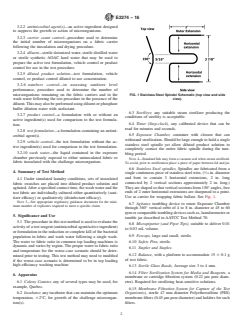
FIG. 1 Stainless Steel Spindel Schematic (top view and side
view).
wash water following the test procedure in the presence of the
diluent.Thismayalsobeperformedusingdiluentorphosphate
buffer dilution water with surfactant.
6.3 Sterilizer, any suitable steam sterilizer producing the
3.2.7 product control—a formulation with or without an
conditions of sterility is acceptable.
active ingredient(s) used for comparison to the test formula-
6.4 Timer (Stop-clock), any calibrated device that can be
tion.
read for minutes and seconds.
3.2.8 test formulation—a formulation containing an antimi-
6.5 Exposure Chamber, container with closure that can
crobial agent(s).
withstandsterilization.Shouldbelargeenoughtoholdasingle
3.2.9 vehicle control—the test formulation without the ac-
stainless steel spindle yet allow diluted product solution to
tive ingredient(s) used for comparison to the test formulation.
completely contact the entire fabric spindle during the tum-
3.2.10 wash water—the liquid contained in the exposure
bling period.
chamber previously exposed to either uninoculated fabric or
NOTE 4—Standard lids may form a vacuum seal when steam sterilized.
fabric inoculated with the challenge microorganism. To avoid, prior to sterilization place a piece of paper between lid and jar.
6.6 Stainless Steel spindles, Spindles are fabricated from a
4. Summary of Test Method 1
singlecontinuouspieceofstainlesssteelwire,( ⁄16in.diameter
and bent to contain 3 horizontal extensions, 2 in. long
4.1 Under simulated laundry conditions, sets of inoculated
connected by 2 vertical sections approximately 2 in. long.)
fabric swatches are placed into diluted product solution and
Theyareshapedsothatverticalsectionsform150°angles,free
agitated.After a specified contact time, the wash water and the
ends of 2 outer horizontal extensions are sharpened to a point.
test fabric are individually cultured either quantitatively (sani-
Use as carrier for wrapping fabric ballast. See Fig. 1.
tizer efficacy) or qualitatively (disinfectant efficacy).
NOTE 3—See appropriate regulatory guidance document for the mini-
6.7 Agitator, tumbling device to rotate Exposure Chamber
mum number of replicates required to meet a specific claim.
through 360° vertical orbit of 4 to 8 in. diameter at 45 to 60
rpmorcomparabletumblingdevicessuchas,launderometeror
5. Significance and Use
tumble jar described in AATCC Test Method 70.
5.1 Theprocedureinthistestmethodisusedtoevaluatethe
6.8 Micropipettor (and Pipet Tips), suitable to deliver 0.01
activityofatestreagent(antimicrobialagent/activeingredient)
to 0.03 mL volume.
orformulationinthereductionorcompletekillofthebacterial
6.9 Forceps, large and small, sterile.
population in fabric and wash water following a single wash.
The water to fabric ratio in common top loading machines is
6.10 Safety Pins, sterile.
dynamic and varies by region. The proper water to fabric ratio
6.11 Stapler and Staples.
and temperature for the worse-case scenario should be deter-
6.12 Balance, with a platform to accommodate 15 6 0.1 g
mined prior to testing. This test method may need to modified
of test fabric.
if the worse-case scenario is determined to be in top loading
high efficiancy washing machine
6.13 Sterile Glass Beads, Average size 3 to 4 mm.
6.14 Filter Sterilization System for Media and Reagents, a
6. Apparatus
membrane or cartridge filtration system (0.22 µm pore diam-
6.1 Colony Counter, any of several types may be used, for eter). Required for sterilizing heat-sensitive solutions.
example, Quebec.
6.15 Membrane Filtration System for Capture of the Test
6.2 Incubator, any incubator that can maintain the optimum Organism(s), sterile 47 mm diameter Polyethersulfone (PES)
temperature, 62°C, for growth of the challenge microorgan- membranefilters(0.45µmporediameter)andholdersforsuch
ism(s). filters.
E2274 − 16
7. Reagents and Materials 7.10.1 Add 0.5 g of tryptone to 10 mL phosphate buffer.
7.10.2 Add 0.5 g of bovine serum albumin (BSA) to 10 mL
7.1 Petri Dishes, sterile 100 × 15 mm glass and plastic.
of phosphate buffer.
Required for performing standard plate counts and used in
7.10.3 Add 0.04 g of bovine mucin to 10 mL of phosphate
preparation of contaminated fabric carriers.
buffer.
7.2 Bacteriological Pipets, sterile, various sizes.
7.10.4 Prepare the solutions separately and sterilize by
passage through a 0.22 µm pore diameter membrane filter,
7.3 Test Fabric, approximately 80 by 80 threads/in.
bleached, desized, plain-weave cotton print cloth and without apportioned and stored at either 4 6 2°C or -20 6 2°C for no
longer than 3 months.
bluing or optical brighteners.
NOTE 5—Other test fabrics/blends may be used at the discretion of the
7.10.5 To obtain a 500 µL inoculum of the challenge
investigator.
microorganism, add to 340 µL of the microbial suspension 25
7.4 Dilution Fluid, AOAC Phosphate buffer dilution water µL, 100 µL, and 35 µL of BSA, mucin and Tryptone stock
solutions, respectively.
orothersuitablediluentcontainingappropriateneutralizersfor
serial dilution of test samples.
NOTE 6—The quality of the above materials may vary among manu-
facturersorproductlots.Therefore,preliminaryscreeningofsuchitemsis
7.5 Water for Dilution of Formulations under Test:
recommended to ensure compatibility with the test microorganism(s).
7.5.1 Water, sterile, deionized or distilled, equivalent to or
NOTE 7—The investigator should confirm the appropriate organic soil
better than Type 3, see Specification D1193.
usage with the appropriate regulatory agency prior to initiating testing.
7.5.2 AOAC Synthetic Hard Water.
7.5.3 Allwaterusedforpreparationoftestsolutionsshallbe
8. Test Microorganisms (810,2400)
sterile.
8.1 Klebsiella pneumoniae, ATCC 4352.
7.6 Purity of Reagents—reagent grade chemicals shall be
8.2 Staphylococcus aureus, ATCC 6538
used in all tests.
8.3 Pseudomonas aeruginosa, ATCC 15442
7.6.1 Sodium carbonate.
7.6.2 Alkaline nonionic wetting agent with HLB
8.4 Other microorganisms, as applicable.
(hydrophilic-lipophilic balance) value of approximately 13.
Prepare solution containing 0.5% nonoxynol-10 class of
9. Preparation of Test Microorganisms
ethoxylated alkyl phenols, for example Tergitol NP-10 or
9.1 Subculture microorganism(s) on Nutrient Agar A
Triton X-100 an 0.5% Na CO .
2 3
through at least one daily transfer, incubating at 35 6 2°C.
7.7 Neutralizing Subculture Media—Aneutralizingmedium
9.2 On the day prior to testing, wash the slant and transfer
capable of supporting the growth of the test organism (for
the cells into French square bottles containing 20 mL of
disinfection testing) following exposure to the test material in
solidified Nutrient Agar B. Incubate 18 to 24 h at 35 6 2°C,
accordance with Test Methods E1054. Alternatively, the neu-
agar side down.
tralizing broths may be of sufficient volume to reduce the
concentration of the antimicrobials to below active levels. See 9.3 Remove growth from the French square bottles using
three-mL dilution fluid and five sterile glass beads to suspend
12.8.
growth. The cultures will be standardized to yield approxi-
7.8 Challenge Microorganisms (DIS/TSS 13):
mately 10 colony forming units (CFU) per mL of S. aureus
7.8.1 Klebsiella pneumoniae, ATCC 4352.
and 10 CFU/mL of K. pneumoniae and P. aeruginosa.
7.8.2 Staphylococcus aureus, ATCC 6538.
NOTE8—Theinitialinoculumconcentrationfortheandotherchallenge
7.8.3 Pseudomonas aeruginosa, ATCC 15442.
microorganisms may vary and should be determined from carrier and
7.8.4 Other microorganisms, as applicable.
wash water numbers control recovery (see Section 12).
7.9 Culture Media: 9.4 A soil load may be added to each inoculum (see 7.10)
7.9.1 Nutrient Agar A.
7.9.2 Nutrient Agar B. 10. Fabric and Spindle Preparation
7.9.3 Media suitable for identification of microorganism(s)
10.1 Scour test fabric by boiling approximately 300 g of
used in the study.
materialfor1hin3Lofdistilledordeionizedwatercontaining
7.9.4 Soybean casein digest medium or other suitable
1.5-g sodium carbonate and 1.5-g nonionic wetting agent.
media,withorwithoutspecificneutralizers,forrecoveryofthe
Rinse fabric, first in boiling water and then in cold water, until
challenge microorganism(s).
all visual traces of wetting agent are removed (that is, foam-
7.10 Organic Soil Load—when an organic soil load is to be ing). Remove as much water as possible from fabric.
incorporated in the suspension of the challenge
10.2 Air dry for at least 24 h at ambient room temperature
microorganism(s), defibrinated heat-inactivated animal serum
ensuring the material is completely dry.
may be used or a mixture of the following stock solutions in
10.3 Cutscoureddryfabricintostrips2in.(5cm)wideand
phosphatebufferdilutionwater(pH7.2)maybeused(see7.4):
weighing 15 6 0.1 g each. For cotton fabrics, pierce one end
ofthe15-gtestfabricstripandsecureontotheouterhorizontal
extensionofastainlesssteelspindle.Windthestriparoundthe
Offıcial Methods of Analysis of the AOAC International ,AOAC, Washington,
DC, Chapter 6: Disinfectants. three horizontal extensions with sufficient tension to obtain 12
E2274 − 16
but not 13 laps while using the entire 15 6 0.1 g of fabric. 12.6 Place the exposure chamber into the agitator for the
Staples, a pin, or autoclaveable fabric tag may be used to specifiedexposureperiod(pre-andpost-agitationtimescanbe
secure the fabric. Fabric wrapped spindles may be sterilized in specified in the study protocol separately).
individual exposure chambers. Alternatively, fabric wrapped
12.7 Using large, sterile forceps or sterile gloves, remove
spindles may be sterilized separately from exposure chambers.
spindle from exposure chamber, wring the solution and asep-
Ensure fabric on spindles and exposure chambers are dry prior
ticallyremoveeachfabriccarriertoaseparatewidemouthtube
to testing.
containing 10 mL neutralizing broth.
NOTE 9—Fabric may be purchased in pre-cut strips and then scoured.
12.8 Addconcentratedneutralizingbrothtowashwaterand
10.4 Fabriccarriersofapproximately1by1.5in.willbecut
mixwell.Alternatively,0.5mlwashwatermaybeaddedto9.5
from the remaining scoured fabric. Nontoxic permanent
mL of neutralizer –10 mL of neutralizer.
markermaybeusedtoplaceamarkontheedgeofeachcarrier.
NOTE 14—The specific neutralizer and concentrations should be deter-
Alternatively, attach a pin to the short side of each carrier. minedpriortotesting.Foradditiontowashwater,concentrationshouldbe
increased in order to reduce the amount of neutralizer added to wash
Place fabric carriers in glass petri dishes and sterilize. Ensure
water. Otherwise, the volume of neutralizer needed may overflow the
dryness of fabric prior to testing.
exposure chamber.
10.5 For each challenge microorganism, prepare at least 3
12.9 Addition of fabric carrier to neutralizing broth and
fabriccarriersand1fabricwrappedspindleforeachactivetest
concentrated neutralizing broth to wash water completes the
formulation/product and control/numbers control.
exposure time.
12.10 All tubes containing fabric carriers will be mixed on
11. Preparation of Test Sample
a Vortex-type mixer for approximately ten seconds.
11.1 Prepare a sufficient volume of diluted active
...
This document is not an ASTM standard and is intended only to provide the user of an ASTM standard an indication of what changes have been made to the previous version. Because
it may not be technically possible to adequately depict all changes accurately, ASTM recommends that users consult prior editions as appropriate. In all cases only the current version
of the standard as published by ASTM is to be considered the official document.
Designation: E2274 − 09 E2274 − 16
Standard Test Method for
Evaluation of Laundry Sanitizers and Disinfectants
This standard is issued under the fixed designation E2274; the number immediately following the designation indicates the year of
original adoption or, in the case of revision, the year of last revision. A number in parentheses indicates the year of last reapproval. A
superscript epsilon (´) indicates an editorial change since the last revision or reapproval.
1. Scope
1.1 This test method is designed to evaluate sanitizing/disinfectant laundry detergents/additives for use in traditional top-loading
automatic clothes washing operations. This test method is designed predominantly to provide testing with representative vegetative
bacteria but can also be designed to accommodate the testing of fungi and viruses.
NOTE 1—This test method does not evaluate sanitizing/disinfectant laundry detergent/additives for use in front-loading, front-loading or top-loading,
low water volume high efficiency automatic clothes washing operations.
1.2 This test method is intended to compliment Test Method E2406 and is to be used in the cases where this test method is
determined to be the worse case scenario for product usage.
1.3 Knowledge of microbiological techniques is required for these procedures.
1.4 It is the responsibility of the investigator to determine whether Good Laboratory Practices (GLP) are required and to follow
them where appropriate (see section 40 CFR, 160 or as revised.)
1.5 The values stated in SI units are to be regarded as standard. No other units of measurement are included in this standard.
NOTE 2—In this test method, metric units are used for all applications, except for distance in which case inches are used.
1.6 Appropriate modifications to the test method may be required when the testing organisms are not specified herein.
1.7 This standard does not purport to address all of the safety concerns, if any, associated with its use. It is the responsibility
of the user of this standard to establish appropriate safety and health practices and determine the applicability of regulatory
limitations prior to use.
2. Referenced Documents
2.1 ASTM Standards:
D1193 Specification for Reagent Water
E177 Practice for Use of the Terms Precision and Bias in ASTM Test Methods
E691 Practice for Conducting an Interlaboratory Study to Determine the Precision of a Test Method
E1054 Test Methods for Evaluation of Inactivators of Antimicrobial Agents
E2406 Test Method for Evaluation of Laundry Sanitizers and Disinfectants for Use in High Efficiency Washing Operations
E2756 Terminology Relating to Antimicrobial and Antiviral Agents
2.2 Other Documents:Standards:
AATCC Test Method 70-199770 Water Repellency; Tumble Jar Dynamic Absorption Test
DIS/TSS 13OCSPP 810.2400 Laundry Additives—Disinfection and Sanitization, U.S. Environmental Protection Agency, Office
of Pesticide Programs, April 1980: Disinfectants and Sanitizers for Use on Fabrics and Textiles – Efficacy Data
Recommendations
40 CFR, Part 160 , Good Laboratory Practice Standards
This test method is under the jurisdiction of ASTM Committee E35 on Pesticides, Antimicrobials, and Alternative Control Agents and is the direct responsibility of
Subcommittee E35.15 on Antimicrobial Agents.
Current edition approved Nov. 1, 2009April 15, 2016. Published December 2009May 2016. Originally approved in 2003. Last previous edition approved in 20032009 as
E2247 – 03.E2247 – 09. DOI: 10.1520/E2274-09.10.1520/E2274-16.
For referenced ASTM standards, visit the ASTM website, www.astm.org, or contact ASTM Customer Service at service@astm.org. For Annual Book of ASTM Standards
volume information, refer to the standard’s Document Summary page on the ASTM website.
Available from American Association of Textile Chemists and Colorists (AATCC), P.O. Box 12215, Research Triangle Park, NC 27709, http://www.aatcc.org.
Available from United States Environmental Protection Agency (EPA), Ariel Rios William Jefferson Clinton Bldg., 1200 Pennsylvania Ave., NW, Washington, DC 20460,
http://www.epa.gov.
Available from U.S. Government Publishing Office Bookstore 710 North Capitol Street N.W. Washington, DC, http://www.gpo.gov/about/bookstore.htm
Copyright © ASTM International, 100 Barr Harbor Drive, PO Box C700, West Conshohocken, PA 19428-2959. United States
E2274 − 16
3. Terminology
3.1 For definitions of terms used in this test method refer to Terminology E2756.
3.2 Definitions:Definitions of Terms Specific to This Standard:
3.2.1 active antimicrobial ingredient—a substance added to a formulation intended specifically for the inhibition or inactivation
of microorganisms.
3.2.2 antimicrobial agent(s)—an active ingredient designed to suppress the growth or action of microorganisms.
3.2.3 carrier count control—procedure used to determine the initial number of microorganisms on a fabric carrier following the
inoculation and drying procedure.
3.2.4 diluent—sterile deionized water, sterile distilled water or sterile synthetic AOAC hard water that may be used to prepare
the active test formulation, vehicle control or product control for use in the test procedure.
3.2.5 diluted product solution—test formulation, vehicle control, or product control diluted to use concentration.
3.1.6 neutralization—a process that results in quenching the antimicrobial activity of a test formulation. This may be achieved
by dilution of the test formulation(s) to reduce the concentration of the antimicrobials, or through the use of chemical agents, called
neutralizers, to suppress antibacterial activity.
3.2.6 numbers control—in assessing sanitizer level performance, procedure used to determine the number of microorganisms
remaining on the fabric carriers and in the wash water following the test procedure in the presence of the diluent. This may also
be performed using diluent or phosphate buffer dilution water with surfactant.
3.2.7 product control—a formulation with or without an active ingredient(s) used for comparison to the test formulation.
3.2.8 test formulation—a formulation containing an antimicrobial agent(s).
3.2.9 vehicle control—the test formulation without the active ingredient(s) used for comparison to the test formulation.
3.2.10 wash water—the liquid contained in the exposure chamber previously exposed to either uninoculated fabric or fabric
inoculated with the challenge microorganism.
4. Summary of Test Method
4.1 Under simulated laundry conditions, sets of inoculated fabric swatches are placed into diluted product solution and agitated.
After a specified contact time, the wash water and the test fabric are individually cultured either quantitatively (sanitizer efficacy)
or qualitatively (disinfectant efficacy).
NOTE 3—See appropriate regulatory guidance document for the minimum number of replicates required to meet a specific claim.
5. Significance and Use
5.1 The procedure in this test method is used to evaluate the activity of a test reagent (antimicrobial agent/active ingredient) or
formulation in the reduction or complete kill of the bacterial population in fabric and wash water following a single wash. The
water to fabric ratio in common top loading machines is dynamic and varies by region. The proper water to fabric ratio and
temperature for the worse-case scenario should be determined prior to testing. This test method may need to modified if the
worse-case scenario is determined to be in top loading high efficiancy washing machine
6. Apparatus
6.1 Colony Counter, any of several types may be used, for example, Quebec.
6.2 Incubator, any incubator that can maintain the optimum temperature, 62°C, for growth of the challenge microorganism(s).
6.3 Sterilizer, any suitable steam sterilizer producing the conditions of sterility.sterility is acceptable.
6.4 Timer (Stop-clock), any calibrated device that can be read for minutes and seconds.
6.5 Exposure Chamber, container with closure that can withstand sterilization. Should be large enough to hold a single stainless
steel spindle yet allow diluted product solution to completely contact the entire fabric spindle during the tumbling period.
NOTE 4—Standard lids may form a vacuum seal when steam sterilized. To avoid, prior to sterilization place a piece of paper between lid and jar.
6.6 Stainless Steel spindles, Spindles are fabricated from a single continuous piece of stainless steel wire, ( ⁄16 in. diameter and
bent to contain 3 horizontal extensions, 2 in. long connected by 2 vertical sections approximately 2 in. long.) They are shaped so
that vertical sections form 150° angles, free ends of 2 outer horizontal extensions are sharpened to a point. Use as carrier for
wrapping fabric ballast. See Fig. 1.
6.7 Agitator, tumbling device to rotate Exposure Chamber through 360° vertical orbit of 4 to 8 in. diameter at 45 to 60 rpm or
comparable tumbling devices such as, launderometer or tumble jar described in AATCC Test Method 70-1997.70.
6.8 Micropipettor (and Pipet Tips), suitable to deliver 0.01 to 0.03 mL volume.
6.9 Forceps, large and small, sterile.
E2274 − 16
FIG. 1 Stainless Steel Spindel Schematic (top view and side view).
6.10 Safety Pins, sterile.
6.11 Stapler and Staples.
6.12 Balance, with a platform to accommodate 15 6 0.1 g of test fabric.
6.13 Sterile Glass Beads, Average size 3 to 4 mm.
6.14 Filter Sterilization System for Media and Reagents, a membrane or cartridge filtration system (0.22 μm pore diameter).
Required for sterilizing heat-sensitive solutions.
6.15 Membrane Filtration System for Capture of the Test Organism(s), sterile 47 mm diameter Polyethersulfone (PES)
membrane filters (0.45 μm pore diameter) and holders for such filters.
7. Reagents and Materials
7.1 Petri Dishes, sterile 100 by 15 mm. × 15 mm glass and plastic. Required for performing standard plate counts and used in
preparation of contaminated fabric carriers.
7.2 Bacteriological Pipets, sterile, various sizes.
7.3 Test Fabric, approximately 80 by 80 threads/in. bleached, desized, plain-weave cotton print cloth and without bluing or
optical brighteners.
NOTE 5—Other test fabrics/blends may be used at the discretion of the investigator.
7.4 Dilution Fluid, AOAC Phosphate buffer dilution water or other suitable diluent containing appropriate neutralizers for
serial dilution of test samples.
7.5 Water for Dilution of Formulations under Test:
7.5.1 Water, sterile, deionized or distilled, equivalent to or better than Type 3, see Specification D1193.
7.5.2 AOAC Synthetic Hard Water.
7.5.3 All water used for preparation of test solutions shall be sterile.
7.6 Purity of Reagents—reagent grade chemicals shall be used in all tests.
7.6.1 Sodium carbonate.
7.6.2 Alkaline nonionic wetting agent with HLB (hydrophilic-lipophilic balance) value of approximately 13. Prepare solution
containing 0.5% nonoxynol-10 class of ethoxylated alkyl phenols, for example Tergitol NP-10 or Triton X-100 an 0.5% Na CO
2 3
.
7.7 Neutralizing Broths—Subculture Media—growth media appropriate for the challenge microorganism containing chemical
agents to suppress antibacterial activity. A neutralizing medium capable of supporting the growth of the test organism (for
disinfection testing) following exposure to the test material in accordance with Test Methods E1054. Alternatively, the neutralizing
broths may be of sufficient volume to reduce the concentration of the antimicrobials to below active levels. See 11.812.8.
7.8 Challenge Microorganisms (DIS/TSS 13):
7.8.1 Klebsiella pneumoniae, ATCC 4352.
7.8.2 Staphylococcus aureus, ATCC 6538.
7.8.3 Pseudomonas aeruginosa, ATCC 15442.
7.8.4 Other microorganisms, as applicable.
Offıcial Methods of Analysis of the AOAC International , AOAC, Washington, DC, 16th ed, Chapter 6: Disinfectants, 1995. Disinfectants.
E2274 − 16
7.9 Culture Media:
7.9.1 Nutrient Agar A.
7.9.2 Nutrient Agar B.
7.9.3 Media suitable for identification of microorganism(s) used in the study.
7.9.4 Soybean casein digest medium or other suitable media, with or without specific neutralizers, for recovery of the challenge
microorganism(s).
7.10 Organic Soil Load—when an organic soil load is to be incorporated in the suspension of the challenge microorganism(s),
defibrinated heat-inactivated animal serum may be used or a mixture of the following stock solutions in phosphate buffer dilution
water (pH 7.2) may be used (see 7.4):
7.10.1 Add 0.5 g of tryptone to 10 mL phosphate buffer.
7.10.2 Add 0.5 g of bovine serum albumin (BSA) to 10 mL of phosphate buffer.
7.10.3 Add 0.04 g of bovine mucin to 10 mL of phosphate buffer.
7.10.4 Prepare the solutions separately and sterilize by passage through a 0.22 μm pore diameter membrane filter, apportioned
and stored at either 4 6 2°C or -20 6 2°C for no longer than 3 months.
7.10.5 To obtain a 500 μL inoculum of the challenge microorganism, add to 340 μL of the microbial suspension 25 μL, 100 μL,
and 35 μL of BSA, mucin and Tryptone stock solutions, respectively.
NOTE 6—The quality of the above materials may vary among manufacturers or product lots. Therefore, preliminary screening of such items is
recommended to ensure compatibility with the test microorganism(s).
NOTE 7—The investigator should confirm the appropriate organic soil usage with the appropriate regulatory agency prior to initiating testing.
8. Test Microorganisms (810,2400)
8.1 Klebsiella pneumoniae, ATCC 4352.
8.2 Staphylococcus aureus, ATCC 6538
8.3 Pseudomonas aeruginosa, ATCC 15442
8.4 Other microorganisms, as applicable.
9. Preparation of Test Microorganisms
9.1 Subculture microorganism(s) on Nutrient Agar A through at least one daily transfer, incubating at 35 6 2°C.
9.2 On the day prior to testing, wash the slant and transfer the cells into French square bottles containing 20 mL of solidified
Nutrient Agar B. Incubate 18 to 24 h at 35 6 2°C, agar side down.
9.3 Remove growth from the French square bottles using three-mL dilution fluid and five sterile glass beads to suspend growth.
8 9
The cultures will be standardized to yield approximately 10 colony forming units (CFU) per mL of S. aureus and 10 CFU/mL
of K. pneumoniae and P. aeruginosa.
NOTE 8—The initial inoculum concentration for the and other challenge microorganisms may vary and should be determined from carrier and wash
water numbers control recovery (see Section 12).
9.4 A soil load may be added to each inoculum (see 7.10)
10. Fabric and Spindle Preparation
10.1 Scour test fabric by boiling approximately 300 g of material for 1 h in 3 L of distilled or deionized water containing 1.5-g
sodium carbonate and 1.5-g nonionic wetting agent. Rinse fabric, first in boiling water and then in cold water, until all visual traces
of wetting agent are removed (that is, foaming). Remove as much water as possible from fabric.
10.2 Air dry for at least 24 h at ambient room temperature.temperature ensuring the material is completely dry.
10.3 Cut scoured dry fabric into strips 2 in. (5 cm) wide and weighing 15 6 0.1 g each. For cotton fabrics, pierce one end of
the 15-g test fabric strip and secure onto the outer horizontal extension of a stainless steel spindle. Wind the strip around the three
horizontal extensions with sufficient tension to obtain 12 but not 13 laps while using the entire 15 6 0.1 g of fabric. Staples or
a pin Staples, a pin, or autoclaveable fabric tag may be used to secure the fabric. Fabric wrapped spindles may be sterilized in
individual exposure chambers. Alternatively, fabric wrapped spindles may be sterilized separately from exposure chambers. Ensure
dryness of fabric on spindles and exposure chambers are dry prior to testing.
NOTE 9—Fabric may be purchased in pre-cut strips and then scoured.
10.4 Fabric carriers of approximately 1 by 1.5 in. will be cut from the remaining scoured fabric. Nontoxic permanent marker
may be used to place a mark on the edge of each carrier. Alternatively, attach a pin to the short side of each carrier. Place fabric
carriers in glass petri dishes and sterilize. Ensure dryness of fabric prior to testing.
10.5 For each challenge microorganism, prepare at least 3 fabric carriers and 1 fabric wrapped spindle for each active test
formulation/product and control/numbers control.
E2274 − 16
9. Preparation of Challenge Microorganisms
9.1 Subculture microorganism(s) on Nutrient Agar A through at least three daily transfers, incubating at 35 6 2°C. If only one
daily transfer is missed, it is not necessary to repeat the three consecutive transfers prior to use in testing.
9.2 On the day prior to testing, transfer the cells into French square bottles containing 20 mL of solidified Nutrient Agar B.
Incubate 18 to 24 h at 35 6 2°C, agar side down.
9.3 Remove growth from the French square bottles using three-mL dilution fluid and five sterile glass beads to suspend growth.
8 9
The cultures will be standardized to yield approximately 10 colony forming units (CFU) per mL of S. aureus and 10 CFU/mL
of K. pneumoniae and P. aeruginosa.
NOTE 9—The initial inoculum concentration for different challenge microorganisms may vary and should be determined from carrier and wash water
numbers control recovery (see Section 12).
9.4 A soil load may be added to each inoculum (see 7.10).
11. Preparation of Test Sample
11.1 Prepare a sufficient volume of diluted active test formulation and product control (at least 1 L) according to manufacturer
instructions, using diluent pre-equilibrated to test temperature.temperature, as necessary.
NOTE 10— Fabric to wash-water ratios based on usage patterns must be considered in this step (see DIS/TSS 13 and EPA 810.2400.) Table 1.)
NOTE 11—When appropriate use AOAC hard water in preparation of test product (see 7.5.2).
11.2 Using diluent at test temperature, prepare test product dilution no more than 3 h prior to use and maintain solution at test
temperature. Some active ingredients may require preparation and usage in less than 3 h.
12. Procedure
12.1 Inoculate three sterile fabric carriers (in a single sterile Petri dish) with 0.01 to 0.03 0.030 mL of prepared inoculum per
carrier. Disperse the inoculum over an approximate 1- by 1.5 in
...