

ASTM D1570-95(2023)
(Test Method)Standard Test Methods for Sampling and Chemical Analysis of Fatty Alkyl Sulfates
General Information
- Abstract
ABSTRACT
These test methods cover the sampling and chemical analysis of paste, powder, or liquid detergent fatty alkyl sulfates. The different procedure for sampling and chemical analysis of past, powder, or liquid detergent are presented and discussed in details. Distillation test, titration test, and gravimetric test shall be performed to meet the requirements prescribed. The calculations methods for chlorides as sodium chloride are presented in details.
SCOPE
1.1 These test methods cover the sampling and chemical analysis of paste, powder, or liquid detergent fatty alkyl sulfates.
1.2 The procedures for sampling and analysis appear in the following order:
Sections
Sampling:
Powders and Flakes Packed in Cans or Cartons
4
Powders and Flakes in Bulk
5
Liquids
6
Pastes
7
Preparation of Sample
8
Moisture by the Distillation Test Method
11 – 14
pH
15
Alkalinity
16 – 19
Alcohol-Soluble Matter
20 – 22
Alcohol-Insoluble Matter
23 and 24
Unsulfated Material
25 – 28
Combined Alcohols
29 – 32
Ester SO3:
Method A. Titration Test Method
36 and 37
Sections
Ester SO3:
Method B. Gravimetric Test Method
38 and 39
Sodium Sulfate
40 – 43
Chlorides Calculated as Sodium Chloride (NaCl)
44 – 47
1.3 The values stated in either inch-pound or SI units are to be regarded separately as the standard. The values given in parentheses are for information only.
1.4 This standard does not purport to address all of the safety concerns, if any, associated with its use. It is the responsibility of the user of this standard to establish appropriate safety, health, and environmental practices and determine the applicability of regulatory limitations prior to use. Material Safety Data Sheets are available for reagents and materials. Review them for hazards prior to usage.
1.5 This international standard was developed in accordance with internationally recognized principles on standardization established in the Decision on Principles for the Development of International Standards, Guides and Recommendations issued by the World Trade Organization Technical Barriers to Trade (TBT) Committee.
- Status
- Published
- Publication Date
- 30-Jun-2023
- Technical Committee
- D12 - Soaps and Other Detergents
Overview
ASTM D1570-95(2023): Standard Test Methods for Sampling and Chemical Analysis of Fatty Alkyl Sulfates defines procedures for the representative sampling and detailed chemical analysis of fatty alkyl sulfate detergents in paste, powder, or liquid form. Developed by ASTM International, this standard ensures consistent and reliable measurement of key chemical properties essential for quality, regulatory compliance, and performance of detergent products. As such, it is an important reference for manufacturers, laboratories, and stakeholders in the personal care, cleaning, and chemical industries.
Key Topics
The standard includes comprehensive methodologies for both sampling and chemical testing:
- Sampling Procedures: Specific methods for obtaining representative samples from powders and flakes (packed or bulk), liquids, and pastes.
- Sample Preparation: Guidelines for minimizing contamination or moisture loss before analysis.
- Moisture Determination: Use of the distillation test method to accurately measure moisture content.
- pH and Alkalinity Analysis: Procedures for determining pH and various forms of alkalinity in detergent samples.
- Alcohol-Soluble and -Insoluble Matter: Quantification of both soluble and insoluble matter to assess product purity and formulation quality.
- Unsulfated Material Determination: Evaluation of unsulfated compounds that may affect detergent performance.
- Combined Alcohols and Ester SO₃ Content: Distinction between total and combined alcohols and methods for sulfate ester analysis, including titration and gravimetric techniques.
- Sodium Sulfate and Chlorides as Sodium Chloride: Methods for determining inorganic salts, crucial for assessing product compliance.
- Calculation Methods: Clear instructions for result computation to ensure uniform reporting.
Applications
ASTM D1570-95(2023) is practically valuable in several areas:
- Quality Control: Enables manufacturers of detergents and surfactants to ensure that their products conform to industry expectations for composition and performance.
- Regulatory Compliance: Assists companies in meeting international regulatory requirements for ingredient disclosure, safety, and labeling.
- Research and Development: Provides R&D laboratories with validated methods to characterize and benchmark new formulations against existing standards.
- Third-Party Testing: Laboratories conducting independent verification or certification of detergent products can use these methods for reliable analysis.
- Supply Chain Integrity: Ensures consistency in raw material and finished product specifications, aiding procurement, and reducing the risk of product recalls or compliance issues.
Related Standards
Organizations working with fatty alkyl sulfates and related detergents often reference additional ASTM standards to complement ASTM D1570-95(2023):
- ASTM D1172: Guide for pH of Aqueous Solutions of Soaps and Detergents - reference procedures for pH analysis.
- ASTM D1193: Specification for Reagent Water - quality requirements for water used in chemical analysis.
- ASTM D216: Method for Distillation of Natural Gasoline - relevant for distillation test parameters.
- ASTM D12: General standards on soaps, detergents, and surfactant components.
By adhering to ASTM D1570-95(2023) and its related standards, organizations ensure the reliability of their sampling methods, chemical testing procedures, and product data-critical factors for maintaining customer trust, brand strength, and regulatory standing in the detergent industry.
Keywords: ASTM D1570-95, fatty alkyl sulfates, detergent analysis, sampling methods, chemical analysis, surfactant testing, alkalinity determination, moisture testing, detergent standards.
Relations
- Effective Date
- 01-Jan-2024
- Effective Date
- 01-May-2015
- Effective Date
- 01-Oct-2007
- Effective Date
- 01-Mar-2006
- Effective Date
- 10-Feb-1999
- Effective Date
- 10-Feb-1999
- Effective Date
- 15-Apr-1995
- Effective Date
- 15-Apr-1995
Get Certified
Connect with accredited certification bodies for this standard

ECOCERT
Organic and sustainability certification.

Eurofins Food Testing Global
Global leader in food, environment, and pharmaceutical product testing.

Intertek Bangladesh
Intertek certification and testing services in Bangladesh.
Sponsored listings
Frequently Asked Questions
ASTM D1570-95(2023) is a standard published by ASTM International. Its full title is "Standard Test Methods for Sampling and Chemical Analysis of Fatty Alkyl Sulfates". This standard covers: ABSTRACT These test methods cover the sampling and chemical analysis of paste, powder, or liquid detergent fatty alkyl sulfates. The different procedure for sampling and chemical analysis of past, powder, or liquid detergent are presented and discussed in details. Distillation test, titration test, and gravimetric test shall be performed to meet the requirements prescribed. The calculations methods for chlorides as sodium chloride are presented in details. SCOPE 1.1 These test methods cover the sampling and chemical analysis of paste, powder, or liquid detergent fatty alkyl sulfates. 1.2 The procedures for sampling and analysis appear in the following order: Sections Sampling: Powders and Flakes Packed in Cans or Cartons 4 Powders and Flakes in Bulk 5 Liquids 6 Pastes 7 Preparation of Sample 8 Moisture by the Distillation Test Method 11 – 14 pH 15 Alkalinity 16 – 19 Alcohol-Soluble Matter 20 – 22 Alcohol-Insoluble Matter 23 and 24 Unsulfated Material 25 – 28 Combined Alcohols 29 – 32 Ester SO3: Method A. Titration Test Method 36 and 37 Sections Ester SO3: Method B. Gravimetric Test Method 38 and 39 Sodium Sulfate 40 – 43 Chlorides Calculated as Sodium Chloride (NaCl) 44 – 47 1.3 The values stated in either inch-pound or SI units are to be regarded separately as the standard. The values given in parentheses are for information only. 1.4 This standard does not purport to address all of the safety concerns, if any, associated with its use. It is the responsibility of the user of this standard to establish appropriate safety, health, and environmental practices and determine the applicability of regulatory limitations prior to use. Material Safety Data Sheets are available for reagents and materials. Review them for hazards prior to usage. 1.5 This international standard was developed in accordance with internationally recognized principles on standardization established in the Decision on Principles for the Development of International Standards, Guides and Recommendations issued by the World Trade Organization Technical Barriers to Trade (TBT) Committee.
ABSTRACT These test methods cover the sampling and chemical analysis of paste, powder, or liquid detergent fatty alkyl sulfates. The different procedure for sampling and chemical analysis of past, powder, or liquid detergent are presented and discussed in details. Distillation test, titration test, and gravimetric test shall be performed to meet the requirements prescribed. The calculations methods for chlorides as sodium chloride are presented in details. SCOPE 1.1 These test methods cover the sampling and chemical analysis of paste, powder, or liquid detergent fatty alkyl sulfates. 1.2 The procedures for sampling and analysis appear in the following order: Sections Sampling: Powders and Flakes Packed in Cans or Cartons 4 Powders and Flakes in Bulk 5 Liquids 6 Pastes 7 Preparation of Sample 8 Moisture by the Distillation Test Method 11 – 14 pH 15 Alkalinity 16 – 19 Alcohol-Soluble Matter 20 – 22 Alcohol-Insoluble Matter 23 and 24 Unsulfated Material 25 – 28 Combined Alcohols 29 – 32 Ester SO3: Method A. Titration Test Method 36 and 37 Sections Ester SO3: Method B. Gravimetric Test Method 38 and 39 Sodium Sulfate 40 – 43 Chlorides Calculated as Sodium Chloride (NaCl) 44 – 47 1.3 The values stated in either inch-pound or SI units are to be regarded separately as the standard. The values given in parentheses are for information only. 1.4 This standard does not purport to address all of the safety concerns, if any, associated with its use. It is the responsibility of the user of this standard to establish appropriate safety, health, and environmental practices and determine the applicability of regulatory limitations prior to use. Material Safety Data Sheets are available for reagents and materials. Review them for hazards prior to usage. 1.5 This international standard was developed in accordance with internationally recognized principles on standardization established in the Decision on Principles for the Development of International Standards, Guides and Recommendations issued by the World Trade Organization Technical Barriers to Trade (TBT) Committee.
ASTM D1570-95(2023) is classified under the following ICS (International Classification for Standards) categories: 71.100.40 - Surface active agents. The ICS classification helps identify the subject area and facilitates finding related standards.
ASTM D1570-95(2023) has the following relationships with other standards: It is inter standard links to ASTM D1172-15(2024), ASTM D1172-15, ASTM D1172-95(2007), ASTM D1193-06, ASTM D1193-99, ASTM D1193-99e1, ASTM D1172-95, ASTM D1172-95(2001). Understanding these relationships helps ensure you are using the most current and applicable version of the standard.
ASTM D1570-95(2023) is available in PDF format for immediate download after purchase. The document can be added to your cart and obtained through the secure checkout process. Digital delivery ensures instant access to the complete standard document.
Standards Content (Sample)
This international standard was developed in accordance with internationally recognized principles on standardization established in the Decision on Principles for the
Development of International Standards, Guides and Recommendations issued by the World Trade Organization Technical Barriers to Trade (TBT) Committee.
Designation: D1570 − 95 (Reapproved 2023)
Standard Test Methods for
Sampling and Chemical Analysis of Fatty Alkyl Sulfates
This standard is issued under the fixed designation D1570; the number immediately following the designation indicates the year of
original adoption or, in the case of revision, the year of last revision. A number in parentheses indicates the year of last reapproval. A
superscript epsilon (´) indicates an editorial change since the last revision or reapproval.
1. Scope
Sections
Ester SO :
1.1 These test methods cover the sampling and chemical Method B. Gravimetric Test Method 38 and
analysis of paste, powder, or liquid detergent fatty alkyl
Sodium Sulfate 40 – 43
sulfates.
Chlorides Calculated as Sodium Chloride (NaCl) 44 – 47
1.3 The values stated in either inch-pound or SI units are to
1.2 The procedures for sampling and analysis appear in the
be regarded separately as the standard. The values given in
following order:
parentheses are for information only.
Sections
1.4 This standard does not purport to address all of the
Sampling:
Powders and Flakes Packed in Cans or Cartons 4
safety concerns, if any, associated with its use. It is the
Powders and Flakes in Bulk 5
responsibility of the user of this standard to establish appro-
Liquids 6
Pastes 7 priate safety, health, and environmental practices and deter-
Preparation of Sample 8
mine the applicability of regulatory limitations prior to use.
Moisture by the Distillation Test Method 11 – 14
Material Safety Data Sheets are available for reagents and
pH 15
Alkalinity 16 – 19 materials. Review them for hazards prior to usage.
Alcohol-Soluble Matter 20 – 22
1.5 This international standard was developed in accor-
Alcohol-Insoluble Matter 23 and
dance with internationally recognized principles on standard-
Unsulfated Material 25 – 28
ization established in the Decision on Principles for the
Combined Alcohols 29 – 32
Development of International Standards, Guides and Recom-
Ester SO :
mendations issued by the World Trade Organization Technical
Method A. Titration Test Method 36 and
37 Barriers to Trade (TBT) Committee.
2. Referenced Documents
2.1 ASTM Standards:
D216 Method for Distillation of Natural Gasoline
D1172 Guide for pH of Aqueous Solutions of Soaps and
Detergents
D1193 Specification for Reagent Water
These test methods are under the jurisdiction of ASTM Committee D12 on
Soaps and Other Detergents and are the direct responsibility of Subcommittee
D12.12 on Analysis and Specifications of Soaps, Synthetics, Detergents and their
Components. For referenced ASTM standards, visit the ASTM website, www.astm.org, or
Current edition approved July 1, 2023. Published August 2023. Originally contact ASTM Customer Service at service@astm.org. For Annual Book of ASTM
approved in 1958 as D1570 – 58 T. Last previous edition approved in 2016 as Standards volume information, refer to the standard’s Document Summary page on
D1570 – 95 (2016). DOI: 10.1520/D1570-95R23. the ASTM website.
Copyright © ASTM International, 100 Barr Harbor Drive, PO Box C700, West Conshohocken, PA 19428-2959. United States
D1570 − 95 (2023)
SAMPLING
3. General Requirement
3.1 The seller shall have the option of being represented at the container. The inspector shall thoroughly mix the gross
the time of sampling and when he so requests, shall be sample, place it in clean, dry cans or bottles, which shall be
furnished with a duplicate sample. completely filled and securely stoppered with clean corks or
caps, then sealed, marked, and sent to the laboratory for test.
4. Powders and Flakes Packed in Cans or Cartons
7. Pastes
4.1 Take one can or carton at random from not less than 1%
7.1 Pastes Packed in Cans or Cartons of 5 lb (2.27 kg) or
of the seller’s shipping containers, provided each package
Less—Take one can or carton at random from not less than 1 %
contains not less than 50 lb (22.7 kg). In the case of smaller
of the seller’s shipping containers, provided each package
containers, take a can or carton at random from each lot of
contains not less than 50 lb (22.7 kg). In the case of smaller
containers totaling not more than 5000 lb (2268 kg) or fraction
containers, take a can or carton at random from each lot of
thereof. The gross sample shall in all cases consist of not less
containers totaling not more than 5000 lb (2268 kg) or fraction
than three cans or cartons taken at random from separate
thereof. The gross sample shall in all cases consist of not less
containers. In the case of very large lots where the sample
than three cans or cartons taken at random from separate
drawn as above will amount to more than 20 lb (9.1 kg), reduce
containers. In the case of very large lots where the sample
the percentage of packages sampled so that the amount drawn
drawn as above will amount to more than 20 lb (9.1 kg), reduce
will not exceed 20 lb (9.1 kg). Tightly wrap the individual cans
the percentage of packages sampled so that the amount drawn
or cartons at once in paraffined paper and seal by rubbing the
shall not exceed 20 lb (9.1 kg). The samples shall be wrapped,
edges with a heated iron. The inspector shall accurately weigh
sealed, marked, and sent to the laboratory for test.
each wrapped can or carton and record its weight and the date
7.2 Pastes Packed in Bulk—Take a “trier” sample (Note 1)
of weighing on the wrapper. Place the wrapped cans or cartons
of not less than 0.5 lb (227 g) at random from not less than 1 %
in an airtight container, which should be nearly filled, and
of the seller’s shipping containers, provided each package
which shall then be sealed, marked, and sent to the laboratory
contains not less than 50 lb (22.7 kg). In the case of smaller
for test. Samples shall be kept cool until tested.
containers, take a “trier” sample of not less than 0.5 lb (227 g)
at random from each lot of containers totaling not more than
5. Powders and Flakes in Bulk
5000 lb (2268 kg) or fraction thereof. The gross sample shall in
5.1 Take a grab sample of not less than 0.5 lb (227 g) at
all cases consist of not less than three 0.5 lb (227 g) samples,
random from not less than 1 % of the seller’s shipping
each taken at random from separate containers. With very large
containers, provided each package contains not less than 100 lb
lots where the sample drawn as above will amount to more than
(45.4 kg). In the case of smaller containers, take a grab sample
10 lb (4.5 kg), reduce the percentage of packages sampled so
of not less than 0.5 lb (227 g) at random from each lot of
that the amount drawn shall not exceed 10 lb (4.5 kg). The
containers totaling not more than 10 000 lb (4536 kg) or
inspector shall promptly place the gross sample in a clean, dry,
fraction thereof. The gross sample shall in all cases consist of
airtight and watertight container, which shall be filled, sealed,
not less than three grab samples of 0.5 lb (227 g) each taken at
marked, and sent to the laboratory for test.
random from separate containers. In the case of very large lots
NOTE 1—A trier sample is obtained by inserting a “trier” into the
where the sample drawn as above will amount to more than
1 3
material. A trier is a half-round steel cylinder ⁄2 in. to ⁄4 in. (12.7 mm to
20 lb (9.1 kg), reduce the percentage of packages sampled so
19 mm) in diameter, 6 in. to 36 in. (152 mm to 914 mm) in length, pointed
that the amount drawn shall not exceed 20 lb (9.1 kg). The
on one end and having a grip handle on the other end. After insertion, the
inspector shall rapidly mix the gross sample and place it in an
trier is turned two or three times, and upon removal a core of the material
airtight container, which shall be filled, sealed, marked, accu- being sampled is obtained.
rately weighed, with its weight and the date of weighing
8. Preparation of Sample
recorded on the package, and be sent to the laboratory for test.
8.1 Powders and Flakes—Minimizing exposure to air, rap-
Samples shall be kept cool until tested.
idly disintegrate and mix the sample of powdered, flake, or
chip product. If desired, quarter down to about 1 lb (453.6 g).
6. Liquids
Weigh at once all portions for analysis, preserving the remain-
6.1 Take a sample of not less than 0.5 pt (236.6 mL) at
der in an airtight container in a cool place.
random from not less than 1 % of the seller’s shipping
8.2 Liquids—No preparation of the sample of liquid, other
containers, provided each package contains not less than 10 gal
than a thorough mixing, is necessary unless it is received
(37.9 L). In the case of smaller containers, take a sample of not
during very cold weather, when it should be allowed to stand
less than 0.5 pt (236.6 mL) at random from each lot of
at least 1 h after it has warmed to room temperature (20 °C to
containers totaling not more than 1000 gal (3785.4 L) or
30 °C) before it is tested, particularly for its lathering qualities
fraction thereof. The gross sample shall in all cases consist of
(Note 2).
not less than three samples of 0.5 pt (236.6 mL) each taken at
random from separate containers. Before drawing the sample 8.3 Pastes—Store preferably in glass. If crystals separate,
from the container selected, thoroughly agitate the contents of melt on water bath.
D1570 − 95 (2023)
NOTE 2—If pastes or liquids are known to be acidic, and decomposition
of sample can result from heating, the samples shall be adequately labeled
for precautionary treatment and warmed to room temperature or other
maximum temperature as agreed upon for mixing and sampling.
TEST METHODS OF CHEMICAL ANALYSIS
9. Purity of Reagents
9.1 Reagent grade chemicals shall be used in all tests.
Unless otherwise indicated, it is intended that all reagents shall
conform to the specifications of the Committee on Analytical
Reagents of the American Chemical Society, where such
specifications are available. Other grades may be used, pro-
vided it is first ascertained that the reagent is of sufficiently
high purity to permit its use without lessening the accuracy of
the determination.
9.2 Unless otherwise indicated, references to water shall be
understood to mean reagent water conforming to Specification
D1193.
10. Duplicate Tests
10.1 When a determination shows nonconformity with the
specifications, a duplicate test shall be made.
MOISTURE BY THE DISTILLATION TEST METHOD
11. Apparatus
11.1 The apparatus shall consist of a glass flask heated by
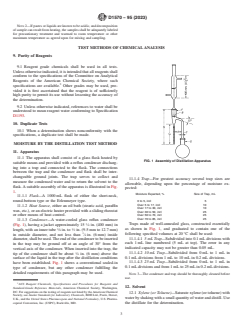
FIG. 1 Assembly of Distillation Apparatus
suitable means and provided with a reflux condenser discharg-
ing into a trap and connected to the flask. The connections
between the trap and the condenser and flask shall be inter-
changeable ground joints. The trap serves to collect and
11.1.4 Trap—For greatest accuracy several trap sizes are
measure the condensed water and to return the solvent to the
allowable, depending upon the percentage of moisture ex-
flask. A suitable assembly of the apparatus is illustrated in Fig.
pected:
1.
Moisture Expected, % Size of Trap, mL
11.1.1 Flask—A 1000 mL flask of either the short-neck,
round-bottom type or the Erlenmeyer type. 0 to 5, incl 5
Over 5 to 17, incl 10
11.1.2 Heat Source, either an oil bath (stearic acid, paraffin
Over 17 to 30, incl 10
wax, etc.), or an electric heater provided with a sliding rheostat
Over 30 to 50, incl 25
or other means of heat control. Over 50 to 70, incl 25
Over 70 to 85, incl 25
11.1.3 Condenser—A water-cooled glass reflux condenser
Traps made of well-annealed glass, constructed essentially
(Fig. 1), having a jacket approximately 15 ⁄4 in. (400 mm) in
3 1
as shown in Fig. 1, and graduated to contain one of the
length, with an inner tube ⁄8 in. to ⁄2 in. (9.5 mm to 12.7 mm)
following specified volumes at 20 °C shall be used:
in outside diameter, and not less than ⁄4 in. (6 mm) inside
11.1.4.1 5 mL Trap—Subdivided into 0.1 mL divisions with
diameter, shall be used. The end of the condenser to be inserted
each 1 mL line numbered (5 mL at top). The error in any
in the trap may be ground off at an angle of 30° from the
indicated capacity may not be greater than 0.05 mL.
vertical axis of the condenser. When inserted into the trap, the
11.1.4.2 10 mL Trap—Subdivided from 0 mL to 1 mL in
tip of the condenser shall be about ⁄4 in. (6 mm) above the
0.1 mL divisions from 1 mL to 10 mL in 0.2 mL divisions.
surface of the liquid in the trap after the distillation conditions
11.1.4.3 25 mL Trap—Subdivided from 0 mL to 1 mL in
have been established. Fig. 1 shows a conventional sealed-in
0.1 mL divisions and from 1 mL to 25 mL in 0.2 mL divisions.
type of condenser, but any other condenser fulfilling the
detailed requirements of this paragraph may be used.
NOTE 3—The condenser and trap should be thoroughly cleaned before
use.
ACS Reagent Chemicals, Specifications and Procedures for Reagents and
12. Solvent
Standard-Grade Reference Materials, American Chemical Society, Washington,
DC. For suggestions on the testing of reagents not listed by the American Chemical
12.1 Xylene (or Toluene)—Saturate xylene (or toluene) with
Society, see Analar Standards for Laboratory Chemicals, BDH Ltd., Poole, Dorset,
water by shaking with a small quantity of water and distill. Use
U.K., and the United States Pharmacopeia and National Formulary, U.S. Pharma-
copeial Convention, Inc. (USPC), Rockville, MD. the distillate for the determination.
D1570 − 95 (2023)
13. Procedure ALKALINITY
13.1 Transfer to the 1000 mL flask, equipped with the size
16. Apparatus
of trap specified in 11.1.4, an amount of sample according to
16.1 Buret.
the percentage of moisture expected, as follows:
A
16.2 Beaker, 400 mL.
Moisture Expected, % Weight of Sample to be Used, g
0 to 5, incl 50 ± 5
17. Reagents
Over 5 to 17, incl 50 ± 5
17.1 Hydrochloric or Sulfuric Acid, Standard—Prepare and
Over 17 to 30, incl 40 ± 4
Over 30 to 50, incl 30 ± 3
standardize 1 N hydrochloric acid or sulfuric acid. Hydrochlo-
Over 50 to 70, incl 30 ± 3
ric acid is preferable. Standard acid weaker than 1 N may be
Over 70 to 85, incl 25 ± 2
used and titrations calculated to the equivalent in terms of 1 N
solution.
A
Weighed to the nearest 0.25 g.
17.2 Indicator Solutions—Phenolphthalein and methyl or-
Add immediately about 100 mL of xylene or toluene. Place
ange indicator solutions.
a small, thin sheet of long-fiber, chemical-resistant glass 328
17.3 Sodium Hydroxide, Standard Solution 1.0 N—Prepare
on the surface of the toluene. The glass wool should be
and standardize a 1.0 N NaOH solution. A0.5 N NaOH solution
thoroughly dried in the oven and held in the desiccator before
may be used with proper corrections in calculation.
use.
18. Procedure
13.2 Connect the flask and receiver to the condenser and
pour sufficient xylene or toluene down the condenser tube to
18.1 Weigh 5 g 6 0.001 g of the sample into a 400 mL
cause a slight overflow through the side tube. Wrap the flask beaker. Dissolve in 100 mL to 150 mL of warm water (about
and tube leading to the receiver with asbestos cloth, so that
35 °C). Add 2 drops of methyl orange indicator and 2 drops of
refluxing will be under better control. phenolphthalein indicator and titrate in accordance with 18.2,
18.3, or 18.4.
13.3 Heat the oil bath with a gas burner or other source of
heat, or apply heat directly to the flask with an electric heater 18.2 If the sample solution is acid to methyl orange, titrate
and distill slowly. The rate at the start should be approximately
with 1 N NaOH solution to the methyl orange end point.
100 drops/min. When the greater part of the water has distilled
18.3 If the sample solution is alkaline to methyl orange and
over, increase the distillation rate to 200 drops/min until no
acid to phenolphthalein, titrate with 1 N acid to the methyl
more water is collected. Purge the reflux condenser during the
orange end point.
distillation with 5 mL portions of xylene (or toluene) to wash
18.4 If the sample solution is alkaline to phenolphthalein,
down any moisture adhering to the walls of the condenser. The
titrate with 1 N acid first to the phenolphthalein end point and
water in the receiver may be made to separate from the xylene
then to the methyl orange end point.
(or toluene) by using a spiral copper or nichrome wire. Move
the wire up and down in the condenser occasionally, thus
19. Calculation
causing the water to settle at the bottom of the receiver. Reflux
19.1 Calculate the alkalinity to the appropriate basis, as
for at least 2 h, and shut off the heat at the end of this period.
follows:
13.4 Wash down condenser with 1 mL of absolute ethanol
19.1.1 If the sample solution was acid to methyl orange
(CH CH OH). Adjust the temperature of the distillate to 20 °C
3 2
(18.2), calculate the alkalinity to sodium bisulfate (NaHSO) as
and read the volume of water.
follows:
NaHSO , % 5 M × 2.402 (2)
14. Calculation 4 b
where:
14.1 Calculate the percentage of moisture as follows:
M = millilitres of 1 N NaOH solution required for titration
Moisture, % 5 @~V × 0.998!/W# × 100 (1) b
of the sample.
where:
19.1.2 If the sample solution was alkaline to methyl orange
V = volume of water, mL at 20 °C, and
and acid to phenolphthalein (18.3), calculate the alkalinity to
W = weight of the sample, g.
sodium bicarbonate (NaHCO ) as follows:
pH
NaHCO , % 5 A × 1.68 (3)
where:
15. Procedure
A = millilitres of 1 N acid required for titration of the
15.1 Determine pH in accordance with Test Method D1172,
sample.
except that the measurement shall be made 10 min after
adjusting the solution of the sample to volume. 19.1.3 If the sample solution was alkaline to phenolphtha-
lein (18.4), calculate the alkalinity to sodium hydroxide
(NaOH), sodium carbonate (Na CO ), or sodium bicarbonate
2 3
Borosilicate glass has been found satisfactory for this purpose. (NaHCO ) as follows:
D1570 − 95 (2023)
19.1.3.1 If twice the amount of acid required for titration to 21.5 Wash the residue with hot ethyl alcohol (95 %). Three
the phenolphthalein end point, minus the amount of acid or four washings will be required. Combine the filtrate and
required for titration to the methyl orange end point, is more washings in a 1 L volumetric flask, cool, make up to volume
than zero, then: with alcohol (95 %), and mix thoroughly.
NaOH, % 5 2P 2 M × 0.80 (4) 21.6 Transfer a 200 mL aliquot to a tared Soxhlet flask.
~ !
a
Evaporate on the steam bath in a gentle stream of clean, dry,
Na CO % 5 2~M 2 P! × 1.06
2 3 a
oilfree air, until the residue has no odor of alcohol. Swirl the
flask to bring the residue onto the sides of the flask to aid the
where:
escape of moisture. Dry 2 h in the oven at 90 °C. Cool in a
M = millilitres of 1 N acid required for titration of the
a
desiccator and weigh. Break up residue with a glass rod. Return
sample to the methyl orange end point, and
to the oven for ⁄2 h, cool, and reweigh. Repeat until constant
P = millilitres of 1 N acid required for titration of the
weight is obtained.
sample to the phenolphthalein end point.
19.1.3.2 If twice the amount of acid required for titration to
22. Calculation
the phenolphthalein end point, minus the amount of acid
22.1 Calculate the uncorrected percentage of alcohol
required for titration to the methyl orange end point, is zero or
soluble matter as follows:
less than zero, then:
Alcohol 2 soluble matter ~uncorrected!, % 5 ~A/B! × 100 (6)
Na CO, % 5 2P × 1.06 (5)
where:
NaHCO , % 5 ~M 2 2P! × 1.68
3 a
A = grams of residue, and
B = grams of sample represented by the aliquot used.
ALCOHOL-SOLUBLE MATTER
ALCOHOL-INSOLUBLE MATTER
20. Reagents
23. Procedure
20.1 Ethyl Alcohol (95 %)—Ethyl alcohol conforming to
Formula No. 30 or 3A of the U.S. Bureau of Internal Revenue.
23.1 Air dry the Gooch and residue from the alcohol-soluble
The alcohol should not be neutralized. Use redistilled alcohol
matter to remove residual alcohol and place it in a 105 °C 6
if alkali absorption is more than 0.2 mL.
2 °C oven for 2 h or longer and dry to constant weight. Cool in
a dessicator and weigh.
20.2 Ethyl Alcohol (absolute)—Freshly boiled absolute
ethyl alcohol conforming to either Formula No. 30 or 3A of the
24. Calculation
U.S. Bureau of Internal Revenue.
24.1 Calculate the percentage of alcohol-insoluble matter as
follows:
21. Procedure
Alcohol 2 insoluble matter, % 5 A 2 B /C × 100 (7)
@~ ! #
21.1 For pastes or liquids, weigh approximately 20 g to the
nearest 1 mg and wash into a 400 mL anti-bump beaker with
where:
ethyl alcohol (absolute). For powders, weigh 10 g to the nearest
A = weight of residue and Gooch, g,
1 mg and transfer to a 400 mL antibump beaker.
B = weight of Gooch, g, and
21.2 Add 300 mL to 350 mL of hot absolute ethyl alcohol. C = grams of sample used.
Cover with a watch glass and heat on the steam bath for at least
UNSULFATED MATERIAL
2 h, stirring frequently to disperse solids and break up lumps.
Have ready a tared Gooch or sintered glass crucible.
25. Apparatus
21.3 At the end of 2 h, remove the beaker from the bath and
25.1 Extraction Cylinder or Stokes Flask, 250 mL.
filter the supernatant liquid through the tared Gooch crucible,
25.2 Separatory Funnel, 250 mL.
with suction, into a 800 mL beaker, retaining as much as
possible of the residue in the beaker. Add 50 mL of hot ethyl
25.3 Soxhlet Flask, 250 mL.
alcohol (95 %) to the residue in the beaker. Heat to boiling on
a hot plate, breaking up any lumps of the residue. Again decant 26. Reagents
the alcohol through the tared filter as before. Repeat again with
26.1 Ethyl Alcohol—Denatured ethyl alcohol conforming to
another 50 mL portion of hot alcohol (95 %).
Formula No. 30 or 3A of the Bureau of Internal Revenue.
21.4 Evaporate the residual alcohol from the residue in the
26.2 Petroleum Ether—The solvent used shall be of the
beaker on the steam bath, stirring at intervals, especially near
pentane type, containing a minimum amount of isopentane,
the end. Dissolve the residue in the beaker with 10 mL of hot
isohexane, and hexane, conforming to the following require-
water, heating on the steam bath until solution is effected.
ments:
Dilute the water solution with 200 mL of hot ethyl alcohol
A
Distillation test:
(absolute), bring to a boil on the steam bath, and filter through
Initial boiling point 35 °C t
...