

ASTM F2548-20
(Specification)Standard Specification for Expanded Metal Fence Systems for Security Purposes
General Information
- Abstract
ABSTRACT
This specification covers the selection and installation of expanded metal fence systems for applications on new or retrofit fences capable of denying or delaying unwanted access into or out of a commercial, industrial, governmental, or institutional facility as applicable to homeland security, or where the possibility of malevolent incursion is significant. The metal fences can be expanded (Type 1), or expanded and flattened (Type 2); and uncoated (Class 1), hot-dip zinc coated or galvanized (Class 2), or corrosion-resisting steel (Class 3). Fencings shall conform to specified standard sizes and dimensions.
SCOPE
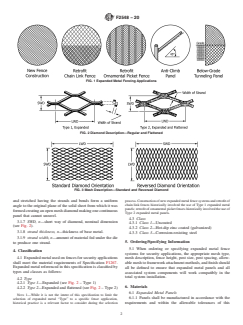
1.1 This specification covers selection and installation of expanded metal fence systems for applications on new or retrofit fences for commercial, industrial, governmental, or institutional facilities as applicable to homeland security, or where the possibility of malevolent incursion is significant. See Fig. 1 for typical examples of expanded metal fence applications. This type of fence system is not recommended for residential or public recreational facilities such as pools, schools, and kindergartens.
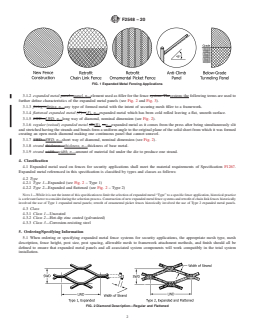
FIG. 1 Expanded Metal Fencing Applications
1.2 This specification is intended to guide those responsible for or concerned with the design and installation of an expanded metal fence system capable of denying or delaying unwanted access into or out of an area.
1.3 No recommendation is made or implied here as to the merits of the product from any particular manufacturer. Choice of component selection for the expanded metal system should be made by the writer of the project specification based on their own perception of the product’s merit and the consequence of a malevolent incursion.
1.4 Units—The values stated in inch-pound units are to be regarded as standard. The values given in parentheses are mathematical conversions to SI units that are provided for information only and are not considered standard.
1.5 This specification does not purport to address all of the safety and security concerns, if any, associated with homeland security. It is the responsibility of the user of this standard to establish the required and appropriate level of security.
1.6 This international standard was developed in accordance with internationally recognized principles on standardization established in the Decision on Principles for the Development of International Standards, Guides and Recommendations issued by the World Trade Organization Technical Barriers to Trade (TBT) Committee.
- Status
- Published
- Publication Date
- 31-Mar-2020
- Technical Committee
- F14 - Fences
- Drafting Committee
- F14.35 - Architectural Metal Fence Systems
Buy Documents
ASTM F2548-20 - Standard Specification for Expanded Metal Fence Systems for Security Purposes
REDLINE ASTM F2548-20 - Standard Specification for Expanded Metal Fence Systems for Security Purposes
Overview
ASTM F2548-20 is a standard specification developed by ASTM International for expanded metal fence systems used for security purposes. This specification provides requirements for the selection, design, and installation of expanded metal fencing, specifically for new or retrofit applications at commercial, industrial, governmental, or institutional sites where high security is essential. The standard covers two main product types - expanded metal (Type 1) and expanded and flattened metal (Type 2) - and three classes of material finish, ensuring these fences provide strong physical barriers to deny or delay unauthorized access.
Key Topics
System Types & Material Classes
- Type 1: Expanded metal
- Type 2: Expanded and flattened metal
- Class 1: Uncoated
- Class 2: Hot-dip zinc coated (galvanized)
- Class 3: Corrosion-resisting steel
Design and Performance
- Suitable for high-security applications where potential for malevolent incursion exists
- Not recommended for residential or recreational uses
- Minimum material weights and dimensional tolerances for security applications
- Panel opening sizes strictly controlled to limit access and prevent tunneling
Installation Guidance
- Expanded metal panels must be securely fastened to posts and rails to prevent removal
- Anti-climb panels and below-grade tunneling barriers can be incorporated for enhanced security
- Fencing must meet local building codes and consider wind load requirements
Component Selection
- Choice of panel type, mesh, dimensions, finish, and attachment methods should be specified based on security needs
- Framework and fittings should offer strength and resistance to tampering
Applications
Expanded metal fence systems specified by ASTM F2548-20 are widely used in:
- Commercial Properties: Protection of valuable assets, preventing theft and intrusion.
- Industrial Facilities: Perimeter security for factories, warehouses, and utilities.
- Governmental Sites: Military bases, data centers, and other sensitive locations requiring strong barriers.
- Institutional Facilities: Correctional institutions, critical infrastructure, and research labs.
These security fences are preferred in locations where rapid and forced entry must be deterred. Typical applications include perimeter barriers, anti-climb fencing, and below-grade fencing to prevent tunneling.
Key features that support security applications:
- Panels with small diamond-shaped openings to prevent climbing and tool penetration
- Enhanced tamper resistance by using secure attachments and inaccessible or tamper-proof fasteners
- Panels and frameworks available with corrosion-resistant coatings for long-term durability in harsh environments
Related Standards
ASTM F2548-20 references and aligns with several related ASTM and external standards to ensure material, coating, and installation compatibility, including:
- ASTM F1267: Specification for expanded metal used in fencing
- ASTM A123/A123M: Hot-dip galvanized coating for iron and steel
- ASTM F1043 and F1083: Strength and coatings for fence framework and steel pipe
- ASTM A307: Fastener specifications for adequate strength
- ASTM F934: Standard colors for polymer-coated fence materials
- ASCE/SEI 7: Design loads for buildings and other structures, vital for wind-load considerations
Practical Value
Following ASTM F2548-20 ensures the deployment of expanded metal fencing systems that offer:
- Maximum security and deterrence against unauthorized access
- Consistent performance based on standardized construction and material quality
- Compatibility with a wide range of security enhancements (anti-climb, below-grade barriers, tamper-proof hardware)
- Long-term durability with various coating options
Compliance with this standard supports facility managers, architects, and security professionals in meeting demanding security requirements and industry best practices for perimeter protection.
Keywords: expanded metal fences, security fencing, steel fencing, ASTM F2548, anti-climb fences, perimeter security, industrial fencing, galvanized fence, tamper-resistant barriers, commercial security fences.
Relations
- Replaces
ASTM F2548-12(2018) - Standard Specification for Expanded Metal Fence Systems for Security Purposes - Effective Date
- 01-Apr-2020
- Effective Date
- 01-Jun-2017
- Effective Date
- 01-Feb-2017
- Effective Date
- 01-Jun-2016
- Effective Date
- 01-Feb-2016
- Effective Date
- 01-Jan-2016
- Effective Date
- 01-Nov-2015
- Effective Date
- 01-Oct-2014
- Effective Date
- 15-Nov-2013
- Effective Date
- 01-Nov-2013
- Effective Date
- 01-Mar-2013
- Effective Date
- 01-Dec-2012
- Effective Date
- 15-Nov-2012
- Effective Date
- 01-Mar-2012
- Effective Date
- 01-Oct-2011
Buy Documents
ASTM F2548-20 - Standard Specification for Expanded Metal Fence Systems for Security Purposes
REDLINE ASTM F2548-20 - Standard Specification for Expanded Metal Fence Systems for Security Purposes
Get Certified
Connect with accredited certification bodies for this standard

DIBt (Deutsches Institut für Bautechnik)
German Institute for Building Technology.
DIN CERTCO
DIN Group product certification.

Aboma Certification B.V.
Specialized in construction, metal, and transport sectors.
Sponsored listings
Frequently Asked Questions
ASTM F2548-20 is a technical specification published by ASTM International. Its full title is "Standard Specification for Expanded Metal Fence Systems for Security Purposes". This standard covers: ABSTRACT This specification covers the selection and installation of expanded metal fence systems for applications on new or retrofit fences capable of denying or delaying unwanted access into or out of a commercial, industrial, governmental, or institutional facility as applicable to homeland security, or where the possibility of malevolent incursion is significant. The metal fences can be expanded (Type 1), or expanded and flattened (Type 2); and uncoated (Class 1), hot-dip zinc coated or galvanized (Class 2), or corrosion-resisting steel (Class 3). Fencings shall conform to specified standard sizes and dimensions. SCOPE 1.1 This specification covers selection and installation of expanded metal fence systems for applications on new or retrofit fences for commercial, industrial, governmental, or institutional facilities as applicable to homeland security, or where the possibility of malevolent incursion is significant. See Fig. 1 for typical examples of expanded metal fence applications. This type of fence system is not recommended for residential or public recreational facilities such as pools, schools, and kindergartens. FIG. 1 Expanded Metal Fencing Applications 1.2 This specification is intended to guide those responsible for or concerned with the design and installation of an expanded metal fence system capable of denying or delaying unwanted access into or out of an area. 1.3 No recommendation is made or implied here as to the merits of the product from any particular manufacturer. Choice of component selection for the expanded metal system should be made by the writer of the project specification based on their own perception of the product’s merit and the consequence of a malevolent incursion. 1.4 Units—The values stated in inch-pound units are to be regarded as standard. The values given in parentheses are mathematical conversions to SI units that are provided for information only and are not considered standard. 1.5 This specification does not purport to address all of the safety and security concerns, if any, associated with homeland security. It is the responsibility of the user of this standard to establish the required and appropriate level of security. 1.6 This international standard was developed in accordance with internationally recognized principles on standardization established in the Decision on Principles for the Development of International Standards, Guides and Recommendations issued by the World Trade Organization Technical Barriers to Trade (TBT) Committee.
ABSTRACT This specification covers the selection and installation of expanded metal fence systems for applications on new or retrofit fences capable of denying or delaying unwanted access into or out of a commercial, industrial, governmental, or institutional facility as applicable to homeland security, or where the possibility of malevolent incursion is significant. The metal fences can be expanded (Type 1), or expanded and flattened (Type 2); and uncoated (Class 1), hot-dip zinc coated or galvanized (Class 2), or corrosion-resisting steel (Class 3). Fencings shall conform to specified standard sizes and dimensions. SCOPE 1.1 This specification covers selection and installation of expanded metal fence systems for applications on new or retrofit fences for commercial, industrial, governmental, or institutional facilities as applicable to homeland security, or where the possibility of malevolent incursion is significant. See Fig. 1 for typical examples of expanded metal fence applications. This type of fence system is not recommended for residential or public recreational facilities such as pools, schools, and kindergartens. FIG. 1 Expanded Metal Fencing Applications 1.2 This specification is intended to guide those responsible for or concerned with the design and installation of an expanded metal fence system capable of denying or delaying unwanted access into or out of an area. 1.3 No recommendation is made or implied here as to the merits of the product from any particular manufacturer. Choice of component selection for the expanded metal system should be made by the writer of the project specification based on their own perception of the product’s merit and the consequence of a malevolent incursion. 1.4 Units—The values stated in inch-pound units are to be regarded as standard. The values given in parentheses are mathematical conversions to SI units that are provided for information only and are not considered standard. 1.5 This specification does not purport to address all of the safety and security concerns, if any, associated with homeland security. It is the responsibility of the user of this standard to establish the required and appropriate level of security. 1.6 This international standard was developed in accordance with internationally recognized principles on standardization established in the Decision on Principles for the Development of International Standards, Guides and Recommendations issued by the World Trade Organization Technical Barriers to Trade (TBT) Committee.
ASTM F2548-20 is classified under the following ICS (International Classification for Standards) categories: 91.090 - External structures. The ICS classification helps identify the subject area and facilitates finding related standards.
ASTM F2548-20 has the following relationships with other standards: It is inter standard links to ASTM F2548-12(2018), ASTM F1043-17a, ASTM F1043-17, ASTM F1043-16a, ASTM F1043-16, ASTM F1083-16, ASTM F1267-15, ASTM F1043-14, ASTM F1083-13, ASTM F1043-13, ASTM F934-96(2013), ASTM A307-12, ASTM F1043-12, ASTM F1267-12, ASTM B117-11. Understanding these relationships helps ensure you are using the most current and applicable version of the standard.
ASTM F2548-20 is available in PDF format for immediate download after purchase. The document can be added to your cart and obtained through the secure checkout process. Digital delivery ensures instant access to the complete standard document.
Standards Content (Sample)
This international standard was developed in accordance with internationally recognized principles on standardization established in the Decision on Principles for the
Development of International Standards, Guides and Recommendations issued by the World Trade Organization Technical Barriers to Trade (TBT) Committee.
Designation:F2548 −20
Standard Specification for
Expanded Metal Fence Systems for Security Purposes
This standard is issued under the fixed designation F2548; the number immediately following the designation indicates the year of
original adoption or, in the case of revision, the year of last revision. A number in parentheses indicates the year of last reapproval. A
superscript epsilon (´) indicates an editorial change since the last revision or reapproval.
1. Scope 2. Referenced Documents
2.1 ASTM Standards:
1.1 This specification covers selection and installation of
A123/A123M Specification for Zinc (Hot-Dip Galvanized)
expanded metal fence systems for applications on new or
Coatings on Iron and Steel Products
retrofit fences for commercial, industrial, governmental, or
A307 Specification for Carbon Steel Bolts, Studs, and
institutional facilities as applicable to homeland security, or
Threaded Rod 60 000 PSI Tensile Strength
wherethepossibilityofmalevolentincursionissignificant.See
B117 Practice for Operating Salt Spray (Fog) Apparatus
Fig. 1 for typical examples of expanded metal fence applica-
F934 Specification for Standard Colors for Polymer-Coated
tions. This type of fence system is not recommended for
Chain Link Fence Materials
residential or public recreational facilities such as pools,
F1043 Specification for Strength and Protective Coatings on
schools, and kindergartens.
Steel Industrial Fence Framework
1.2 This specification is intended to guide those responsible
F1083 Specification for Pipe, Steel, Hot-Dipped Zinc-
for or concerned with the design and installation of an
Coated (Galvanized) Welded, for Fence Structures
expanded metal fence system capable of denying or delaying
F1267 Specification for Metal, Expanded, Steel
unwanted access into or out of an area. 3
2.2 ASCE Standard:
ASCE/SEI 7-16 Minimum Design Loads for Buildings and
1.3 No recommendation is made or implied here as to the
Other Structures
merits of the product from any particular manufacturer. Choice
of component selection for the expanded metal system should
3. Terminology
bemadebythewriteroftheprojectspecificationbasedontheir
own perception of the product’s merit and the consequence of 3.1 Definitions of Terms Specific to This Standard:
a malevolent incursion. 3.1.1 expanded metal fence system, n—combines expanded
metal panels and structural framework posts and rails, if
1.4 Units—The values stated in inch-pound units are to be
required with accessories and fasteners, assembled and evalu-
regarded as standard. The values given in parentheses are
ated as a complete system; Fig. 1 shows typical applications.
mathematical conversions to SI units that are provided for
3.1.2 expanded metal panel, n—element used as filler for
information only and are not considered standard.
the fence system; the following terms are used to further define
1.5 This specification does not purport to address all of the
characteristics of the expanded metal panels (see Fig. 2 and
safety and security concerns, if any, associated with homeland
Fig. 3).
security. It is the responsibility of the user of this standard to
3.1.3 fitting, n—any type of formed metal with the intent of
establish the required and appropriate level of security.
securing mesh filler to a framework.
1.6 This international standard was developed in accor-
3.1.4 flattened expanded metal (F), n—expanded metal
dance with internationally recognized principles on standard-
which has been cold rolled leaving a flat, smooth surface.
ization established in the Decision on Principles for the
3.1.5 LWD, n—long way of diamond, nominal dimension
Development of International Standards, Guides and Recom-
(see Fig. 2).
mendations issued by the World Trade Organization Technical
3.1.6 regular (raised) expanded metal (R), n—expanded
Barriers to Trade (TBT) Committee.
metal as it comes from the press after being simultaneously slit
1 2
This specification is under the jurisdiction ofASTM Committee F14 on Fences For referenced ASTM standards, visit the ASTM website, www.astm.org, or
and is the direct responsibility of Subcommittee F14.35 on Architectural Metal contact ASTM Customer Service at service@astm.org. For Annual Book of ASTM
Fence Systems. Standards volume information, refer to the standard’s Document Summary page on
Current edition approved April 1, 2020. Published May 2020. Originally the ASTM website.
approved in 2006. Last previous edition approved in 2018 as F2548 – 12(2018). Available from American Society of Civil Engineers (ASCE), 1801 Alexander
DOI: 10.1520/F2548-20. Bell Dr., Reston, VA 20191, http://www.asce.org.
Copyright © ASTM International, 100 Barr Harbor Drive, PO Box C700, West Conshohocken, PA 19428-2959. United States
F2548−20
FIG. 1Expanded Metal Fencing Applications
FIG. 2Diamond Description—Regular and Flattened
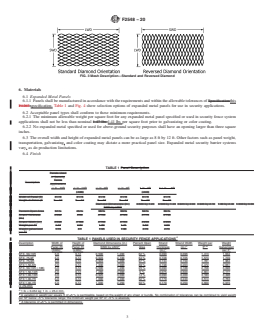
FIG. 3Mesh Description—Standard and Reversed Diamond
process.Constructionofnewexpandedmetalfencesystemsandretrofitof
and stretched having the strands and bonds form a uniform
chain link fences historically involved the use of Type 1 expanded metal
angle to the original plane of the solid sheet from which it was
panels; retrofit of ornamental picket fences historically involved the use of
formedcreatinganopenmeshdiamondmakingonecontinuous
Type 2 expanded metal panels.
panel that cannot unravel.
4.3 Class
3.1.7 SWD, n—short way of diamond, nominal dimension
4.3.1 Class 1—Uncoated
(see Fig. 2).
4.3.2 Class 2—Hot-dip zinc coated (galvanized)
3.1.8 strand thickness, n—thickness of base metal.
4.3.3 Class 3—Corrosion-resisting steel
3.1.9 strand width, n—amount of material fed under the die
5. Ordering/Specifying Information
to produce one strand.
5.1 When ordering or specifying expanded metal fence
4. Classification
systems for security applications, the appropriate mesh type,
4.1 Expanded metal used on fences for security applications
mesh description, fence height, post size, post spacing, allow-
shall meet the material requirements of Specification F1267.
able mesh to framework attachment methods, and finish should
Expanded metal referenced in this specification is classified by
all be defined to ensure that expanded metal panels and all
types and classes as follows:
associated system components will work compatibly in the
total system installation.
4.2 Type
4.2.1 Type 1—Expanded (see Fig. 2 – Type 1)
6. Materials
4.2.2 Type 2—Expanded and flattened (see Fig. 2 – Type 2)
6.1 Expanded Metal Panels
NOTE 1—While it is not the intent of this specification to limit the
6.1.1 Panels shall be manufactured in accordance with the
selection of expanded metal “Type” to a specific fence application,
historical practice is a relevant factor to consider during the selection requirements and within the allowable tolerances of this
F2548−20
specification. Table 1 and Fig. 4 show selection options of 6.6 Fittings
expanded metal panels for use in security applications. 6.6.1 The nuts and threaded portions of fasteners used to
secure expanded metal panels to the framework must either be
6.2 Acceptable panel types shall conform to these minimum
inaccessible from the attack side of the fence structure with the
requirements.
threads peened, or, if exposed, must be tamper-proof, peened,
6.2.1 The minimum allowable weight per square foot for
or welded to prevent removal. Fasteners and fittings shall be of
any expanded metal panel specified or used in security fence
sufficient size, strength and design to prevent removal of the
system applications shall not be less than nominal 1.41 lbs per
mesh.
square foot prior to galvanizing or color coating.
6.6.2 Fittings used in securing mesh panels to the frame-
6.2.2 No expanded metal specified or used for above-
work shall have a strength that closely approximates the load
ground security purposes shall have an opening larger than
strength of the specified threaded fastener (see Specification
three square inches.
A307).
6.3 The overall width and height of expanded metal panels
6.6.3 Welding galvanized or color coated mesh to frame-
can be
...
This document is not an ASTM standard and is intended only to provide the user of an ASTM standard an indication of what changes have been made to the previous version. Because
it may not be technically possible to adequately depict all changes accurately, ASTM recommends that users consult prior editions as appropriate. In all cases only the current version
of the standard as published by ASTM is to be considered the official document.
Designation: F2548 − 12 (Reapproved 2018) F2548 − 20
Standard Specification for
Expanded Metal Fence Systems for Security Purposes
This standard is issued under the fixed designation F2548; the number immediately following the designation indicates the year of
original adoption or, in the case of revision, the year of last revision. A number in parentheses indicates the year of last reapproval. A
superscript epsilon (´) indicates an editorial change since the last revision or reapproval.
1. Scope
1.1 This specification covers selection and installation of expanded metal fence systems for applications on new or retrofit
fences for commercial, industrial, governmental, or institutional facilities as applicable to homeland security, or where the
possibility of malevolent incursion is significant. See Fig. 1 for typical examples of expanded metal fence applications. This type
of fence system is not recommended for residential or public recreational facilities such as pools, schools, and kindergartens.
1.2 This specification is intended to guide those responsible for or concerned with the design and installation of an expanded
metal fence system capable of denying or delaying unwanted access into or out of an area.
1.3 No recommendation is made or implied here as to the merits of the product from any particular manufacturer. Choice of
component selection for the expanded metal system should be made by the writer of the project specification based on their own
perception of the product’s merit and the consequence of a malevolent incursion.
1.4 Units—The values stated in inch-pound units are to be regarded as standard. AnyThe values given in parentheses are for
information only.mathematical conversions to SI units that are provided for information only and are not considered standard.
1.5 This specification does not purport to address all of the safety and security concerns, if any, associated with homeland
security. It is the responsibility of the user of this standard to establish the required and appropriate level of security.
1.6 This international standard was developed in accordance with internationally recognized principles on standardization
established in the Decision on Principles for the Development of International Standards, Guides and Recommendations issued
by the World Trade Organization Technical Barriers to Trade (TBT) Committee.
2. Referenced Documents
2.1 ASTM Standards:
A123/A123M Specification for Zinc (Hot-Dip Galvanized) Coatings on Iron and Steel Products
A307 Specification for Carbon Steel Bolts, Studs, and Threaded Rod 60 000 PSI Tensile Strength
B117 Practice for Operating Salt Spray (Fog) Apparatus
F934 Specification for Standard Colors for Polymer-Coated Chain Link Fence Materials
F1043 Specification for Strength and Protective Coatings on Steel Industrial Fence Framework
F1083 Specification for Pipe, Steel, Hot-Dipped Zinc-Coated (Galvanized) Welded, for Fence Structures
F1267 Specification for Metal, Expanded, Steel
2.2 American Society of Civil Engineers (ASCE):ASCE Standard:
ASCE/SEI 7-057-16 Minimum Design Loads for Buildings and Other Structures
3. Terminology
3.1 Definitions of Terms Specific to This Standard:
3.1.1 expanded metal fence system—system, n—combines expanded metal panels and structural framework posts and rails, if
required with accessories and fasteners, assembled and evaluated as a complete system.system; Fig. 1 shows typical applications.
This specification is under the jurisdiction of ASTM Committee F14 on Fences and is the direct responsibility of Subcommittee F14.35 on Architectural Metal Fence
Systems.
Current edition approved March 1, 2018April 1, 2020. Published March 2018May 2020. Originally approved in 2006. Last previous edition approved in 20122018 as
F2548F2548 – 12–12.(2018). DOI: 10.1520/F2548-12R18.10.1520/F2548-20.
For referenced ASTM standards, visit the ASTM website, www.astm.org, or contact ASTM Customer Service at service@astm.org. For Annual Book of ASTM Standards
volume information, refer to the standard’s Document Summary page on the ASTM website.
Available from American Society of Civil Engineers (ASCE), 1801 Alexander Bell Dr., Reston, VA 20191, http://www.asce.org.
Copyright © ASTM International, 100 Barr Harbor Drive, PO Box C700, West Conshohocken, PA 19428-2959. United States
F2548 − 20
FIG. 1 Expanded Metal Fencing Applications
3.1.2 expanded metal panel—panel, n—element used as filler for the fence system. Thesystem; the following terms are used to
further define characteristics of the expanded metal panels (see Fig. 2 and Fig. 3).
3.1.3 fitting—fitting, n—any type of formed metal with the intent of securing mesh filler to a framework.
3.1.4 flattened expanded metal (F)—(F), n—expanded metal which has been cold rolled leaving a flat, smooth surface.
3.1.5 LWD—LWD, n—long way of diamond, nominal dimension (see Fig. 2).
3.1.6 regular (raised) expanded metal (R)(R), —n—expanded metal as it comes from the press after being simultaneously slit
and stretched having the strands and bonds form a uniform angle to the original plane of the solid sheet from which it was formed
creating an open mesh diamond making one continuous panel that cannot unravel.
3.1.7 SWD—SWD, n—short way of diamond, nominal dimension (see Fig. 2).
3.1.8 strand thickness—thickness, n—thickness of base metal.
3.1.9 strand width—width, n—amount of material fed under the die to produce one strand.
4. Classification
4.1 Expanded metal used on fences for security applications shall meet the material requirements of Specification F1267.
Expanded metal referenced in this specification is classified by types and classes as follows:
4.2 Type
4.2.1 Type 1—Expanded (see Fig. 2 – Type 1)
4.2.2 Type 2—Expanded and flattened (see Fig. 2 – Type 2)
NOTE 1—While it is not the intent of this specification to limit the selection of expanded metal “Type” to a specific fence application, historical practice
is a relevant factor to consider during the selection process. Construction of new expanded metal fence systems and retrofit of chain link fences historically
involved the use of Type 1 expanded metal panels; retrofit of ornamental picket fences historically involved the use of Type 2 expanded metal panels.
4.3 Class
4.3.1 Class 1—Uncoated
4.3.2 Class 2—Hot-dip zinc coated (galvanized)
4.3.3 Class 3—Corrosion-resisting steel
5. Ordering/Specifying Information
5.1 When ordering or specifying expanded metal fence systems for security applications, the appropriate mesh type, mesh
description, fence height, post size, post spacing, allowable mesh to framework attachment methods, and finish should all be
defined to ensure that expanded metal panels and all associated system components will work compatibly in the total system
installation.
FIG. 2 Diamond Description—Regular and Flattened
F2548 − 20
FIG. 3 Mesh Description—Standard and Reversed Diamond
6. Materials
6.1 Expanded Metal Panels
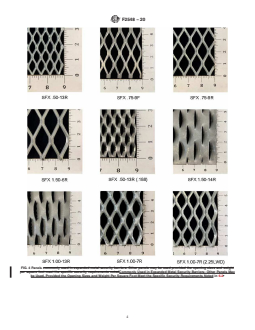
6.1.1 Panels shall be manufactured in accordance with the requirements and within the allowable tolerances of Specificationthis
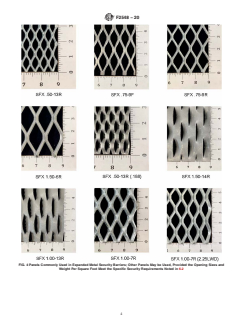
F1267.specification. Table 1 and Fig. 4 show selection options of expanded metal panels for use in security applications.
6.2 Acceptable panel types shall conform to these minimum requirements.
6.2.1 The minimum allowable weight per square foot for any expanded metal panel specified or used in security fence system
applications shall not be less than nominal 1.47 lbs 1.41 lbs per square foot prior to galvanizing or color coating.
6.2.2 No expanded metal specified or used for above-ground security purposes shall have an opening larger than three square
inches.
6.3 The overall width and height of expanded metal panels can be as large as 8 ft by 12 ft. Other factors such as panel weight,
transportation, galvanizing, and color coating may dictate a more practical panel size. Expanded metal security barrier systems
vary, as do production limitations.
6.4 Finish
TABLE 1 Panel Description
Panels Used
in Security
Fence
Description
Applications
1 1 3 3 1
⁄2 in.–13R ⁄2 in.–13R ⁄4 in.–9R ⁄4 in.–9F 1 in.–7R 1 ⁄2 in.— 6R
(.188) (.240)
Width of Panel (ft) 3 − 6 3 − 6 3 − 6 3 − 6 3 − 5 3 − 5
Height of Panel (ft 6 − 12 6 − 12 6 − 12 6 − 12 6 − 12 6 − 12
Diamond Dimensions (in.) 0.500 by 1.20 0.500 by 1.20 0.923 by 2.00 0.923 by 2.10 1.00 by 2.40 1.330 by 3.00
SWD by LWD
Percent Open Area 57 % 25 % 68 % 63 % 52 % 63 %
Strand thickness 0.092 0.09 0.134 0.120 0.170 0.198
(in.)
Strand Width (in.) 0.096 0.188 0.150 0.164 0.240 0.203
Weight per ft 1.47 2.82 1.80 1.71 3.50 2.50
Weight galvanized 1.73 3.1 1.95 1.86 3.70 2.73
per ft
A
TABLE 1 PANELS USED IN SECURITY FENCE APPLIC
...