

ASTM D6612-00(2022)
(Test Method)Standard Test Method for Yarn Number and Yarn Number Variability Using Automated Tester
General Information
- Abstract
SIGNIFICANCE AND USE
5.1 Test Method D6612 for yarn number and yarn number variability is satisfactory for acceptance of commercial shipments and is used in the trade.
5.1.1 If there are differences of practical significance between the reported test results for two or more laboratories, comparative tests should be performed by those laboratories to determine if there is a statistical bias between them, using competent statistical assistance. As a minimum, samples used for each comparative tests should be as homogeneous as possible, drawn from the same lot of material as the samples that results in disparate results during initial testing, and randomly assigned in equal numbers to each laboratory. Other fabrics with established tests values are used for this purpose. The test results from the laboratories involved should be compared appropriate statistical analysis and a probability level chosen by the two parties before testing begins, at a probability level chosen prior to the testing series. If a bias is found, either its cause must be found and corrected, or future test results adjusted in consideration of the known bias.
5.1.2 The average results from the two laboratories should be compared using appropriate statistical analysis and a probability level chosen by the two parties before the testing is begun. If a bias is found, either its cause must be found and corrected or the purchaser and the supplier must agree to interpret future test results with consideration to the known bias.
5.2 Test Method D6612 also is used for the quality control of filament yarns.
5.3 Indices of Variability:
5.3.1 Coefficient of Variation—%CV is a standard statistical calculation and is the most common index of yarn unevenness. For most textile applications in the 80 to 330 dtex (70 to 300 denier) range, a 1.0 to 1.3 %CV is adequate. %CV of yarns coarser than 666 dtex (600 denier) is not routine and usually not meaningful. %CV is less discriminating that %DS.
5.3.2 Bad/Good Test—%BGT...
SCOPE
1.1 This test method covers the measurement of yarn number up to 4000 dtex (3600 denier) and related variability properties of filament and spun yarns using an automated tester with capability for measuring mass variability characteristics.
1.2 Yarn number variability properties include percent density spread (%DS), coefficient of variation (%CV), density frequency variation.
Note 1: For determination of yarn number by use of reel and balance, refer to Test Method D1907. For another method of measuring variability (unevenness) in yarn, refer to Test Method D1425.
1.3 The values stated in either SI units or inch-pound units are to be regarded separately as standard. The values stated in each system are not necessarily exact equivalents; therefore to ensure conformance with this standard, each system shall be used independently of the other, and values from the two systems shall not be combined.
1.4 This standard does not purport to address all of the safety concerns, if any, associated with its use. It is the responsibility of the user of this standard to establish appropriate safety, health, and environmental practices and determine the applicability of regulatory limitations prior to use.
1.5 This international standard was developed in accordance with internationally recognized principles on standardization established in the Decision on Principles for the Development of International Standards, Guides and Recommendations issued by the World Trade Organization Technical Barriers to Trade (TBT) Committee.
- Status
- Published
- Publication Date
- 31-Jan-2022
- Technical Committee
- D13 - Textiles
- Drafting Committee
- D13.58 - Yarns and Fibers

Overview
ASTM D6612-00(2022) - Standard Test Method for Yarn Number and Yarn Number Variability Using Automated Tester is an internationally recognized standard developed by ASTM International. This method establishes best practices for measuring the linear density (yarn number) and variability properties, such as percent density spread, coefficient of variation, and density frequency variation of filament and spun yarns. Using automated testing equipment, ASTM D6612 enables efficient, objective, and repeatable assessment of yarn number and evenness, supporting quality assurance and commercial acceptance processes in the textile industry.
Key applications of this standard include evaluating commercial shipments, monitoring production consistency, and facilitating inter-laboratory comparison of yarn test results. This ensures standardized reporting and fosters reliable trade communication across global textile markets.
Key Topics
- Yarn Number Measurement: Determines the linear density of yarn (up to 4000 dtex or 3600 denier) using automated instruments (such as ACW/DVA testers), providing consistent and precise readings in both SI and inch-pound units.
- Yarn Number Variability: Assesses several indices, critical for textile quality and process control:
- Percent Density Spread (%DS): Measures short-term variability and aligns with Uster unevenness metrics.
- Coefficient of Variation (%CV): A common statistical index, ideal for identifying general unevenness in yarns ranging from 80 to 330 dtex.
- Density Frequency Variation (DFV): Evaluates the frequency of mass value changes, highlighting potential issues like dye streaks or barre in fabrics.
- Bad/Good Test (%BGT): Emphasizes extreme deviations along the yarn length, pointing to possible process disruptions.
- Automated Testing Process: Yarn is automatically stripped, cut, weighed, and analyzed by a computer system, minimizing operator errors and increasing throughput.
- Statistical Comparative Testing: Guides laboratories in conducting comparative tests and analyzing inter-laboratory results to identify and correct statistical bias.
Applications
ASTM D6612 provides practical value in multiple textile industry settings:
- Quality Control: Used by textile manufacturers to monitor yarn properties in real time, ensuring adherence to specification and reducing process variability.
- Commercial Transactions: Acts as a standard method for accepting or rejecting commercial shipments, providing clear, objective data for trade agreements.
- Inter-Laboratory Comparison: Supports harmonization between different testing labs, using statistical analysis to resolve discrepancies and standardize interpretation.
- Process Optimization: By identifying sources of yarn variability, manufacturers can fine-tune production parameters, improve final fabric quality, and reduce waste.
- Product Development: Facilitates rapid comparison of trial and production yarns, supporting continuous improvement and innovation in yarn manufacturing.
- Troubleshooting Manufacturing Issues: Detailed variability indices help identify root causes of fabric defects such as streaks, barre, or uneven dye uptake.
Related Standards
To ensure comprehensive assessment of yarn properties, the following related standards can be referenced alongside ASTM D6612:
- ASTM D123: Terminology Relating to Textiles
- ASTM D1425: Test Method for Evenness of Textile Strands Using Capacitance Testing Equipment
- ASTM D1776: Practice for Conditioning and Testing Textiles
- ASTM D1907: Test Method for Linear Density of Yarn (Yarn Number) by the Skein Method
- ASTM D2258: Practice for Sampling Yarn for Testing
- ASTM D4849: Terminology Related to Yarns and Fibers
By integrating ASTM D6612 into quality management systems, textile organizations can achieve standardized, repeatable, and internationally recognized yarn number testing, supporting product reliability and global trade.
Keywords: ASTM D6612, yarn number, yarn variability, textile testing, automated tester, coefficient of variation, density spread, filament yarn, spun yarn, yarn quality control, textile standards.
Relations
- Effective Date
- 01-Jul-2018
- Effective Date
- 01-Mar-2017
- Effective Date
- 15-Sep-2015
- Effective Date
- 01-Sep-2015
- Effective Date
- 01-Apr-2015
- Effective Date
- 01-Oct-2013
- Effective Date
- 01-Oct-2013
- Effective Date
- 01-Oct-2013
- Effective Date
- 01-Oct-2013
- Effective Date
- 15-Jun-2013
- Effective Date
- 15-Jun-2013
- Effective Date
- 15-May-2013
- Effective Date
- 01-Mar-2012
- Effective Date
- 01-Feb-2012
- Effective Date
- 01-Feb-2012
Get Certified
Connect with accredited certification bodies for this standard

Control Union Certifications
Global certification for agriculture and sustainability.

Hohenstein Institut
Textile testing and certification.

Bureau Veritas Bangladesh
Bureau Veritas certification services in Bangladesh.
Sponsored listings
Frequently Asked Questions
ASTM D6612-00(2022) is a standard published by ASTM International. Its full title is "Standard Test Method for Yarn Number and Yarn Number Variability Using Automated Tester". This standard covers: SIGNIFICANCE AND USE 5.1 Test Method D6612 for yarn number and yarn number variability is satisfactory for acceptance of commercial shipments and is used in the trade. 5.1.1 If there are differences of practical significance between the reported test results for two or more laboratories, comparative tests should be performed by those laboratories to determine if there is a statistical bias between them, using competent statistical assistance. As a minimum, samples used for each comparative tests should be as homogeneous as possible, drawn from the same lot of material as the samples that results in disparate results during initial testing, and randomly assigned in equal numbers to each laboratory. Other fabrics with established tests values are used for this purpose. The test results from the laboratories involved should be compared appropriate statistical analysis and a probability level chosen by the two parties before testing begins, at a probability level chosen prior to the testing series. If a bias is found, either its cause must be found and corrected, or future test results adjusted in consideration of the known bias. 5.1.2 The average results from the two laboratories should be compared using appropriate statistical analysis and a probability level chosen by the two parties before the testing is begun. If a bias is found, either its cause must be found and corrected or the purchaser and the supplier must agree to interpret future test results with consideration to the known bias. 5.2 Test Method D6612 also is used for the quality control of filament yarns. 5.3 Indices of Variability: 5.3.1 Coefficient of Variation—%CV is a standard statistical calculation and is the most common index of yarn unevenness. For most textile applications in the 80 to 330 dtex (70 to 300 denier) range, a 1.0 to 1.3 %CV is adequate. %CV of yarns coarser than 666 dtex (600 denier) is not routine and usually not meaningful. %CV is less discriminating that %DS. 5.3.2 Bad/Good Test—%BGT... SCOPE 1.1 This test method covers the measurement of yarn number up to 4000 dtex (3600 denier) and related variability properties of filament and spun yarns using an automated tester with capability for measuring mass variability characteristics. 1.2 Yarn number variability properties include percent density spread (%DS), coefficient of variation (%CV), density frequency variation. Note 1: For determination of yarn number by use of reel and balance, refer to Test Method D1907. For another method of measuring variability (unevenness) in yarn, refer to Test Method D1425. 1.3 The values stated in either SI units or inch-pound units are to be regarded separately as standard. The values stated in each system are not necessarily exact equivalents; therefore to ensure conformance with this standard, each system shall be used independently of the other, and values from the two systems shall not be combined. 1.4 This standard does not purport to address all of the safety concerns, if any, associated with its use. It is the responsibility of the user of this standard to establish appropriate safety, health, and environmental practices and determine the applicability of regulatory limitations prior to use. 1.5 This international standard was developed in accordance with internationally recognized principles on standardization established in the Decision on Principles for the Development of International Standards, Guides and Recommendations issued by the World Trade Organization Technical Barriers to Trade (TBT) Committee.
SIGNIFICANCE AND USE 5.1 Test Method D6612 for yarn number and yarn number variability is satisfactory for acceptance of commercial shipments and is used in the trade. 5.1.1 If there are differences of practical significance between the reported test results for two or more laboratories, comparative tests should be performed by those laboratories to determine if there is a statistical bias between them, using competent statistical assistance. As a minimum, samples used for each comparative tests should be as homogeneous as possible, drawn from the same lot of material as the samples that results in disparate results during initial testing, and randomly assigned in equal numbers to each laboratory. Other fabrics with established tests values are used for this purpose. The test results from the laboratories involved should be compared appropriate statistical analysis and a probability level chosen by the two parties before testing begins, at a probability level chosen prior to the testing series. If a bias is found, either its cause must be found and corrected, or future test results adjusted in consideration of the known bias. 5.1.2 The average results from the two laboratories should be compared using appropriate statistical analysis and a probability level chosen by the two parties before the testing is begun. If a bias is found, either its cause must be found and corrected or the purchaser and the supplier must agree to interpret future test results with consideration to the known bias. 5.2 Test Method D6612 also is used for the quality control of filament yarns. 5.3 Indices of Variability: 5.3.1 Coefficient of Variation—%CV is a standard statistical calculation and is the most common index of yarn unevenness. For most textile applications in the 80 to 330 dtex (70 to 300 denier) range, a 1.0 to 1.3 %CV is adequate. %CV of yarns coarser than 666 dtex (600 denier) is not routine and usually not meaningful. %CV is less discriminating that %DS. 5.3.2 Bad/Good Test—%BGT... SCOPE 1.1 This test method covers the measurement of yarn number up to 4000 dtex (3600 denier) and related variability properties of filament and spun yarns using an automated tester with capability for measuring mass variability characteristics. 1.2 Yarn number variability properties include percent density spread (%DS), coefficient of variation (%CV), density frequency variation. Note 1: For determination of yarn number by use of reel and balance, refer to Test Method D1907. For another method of measuring variability (unevenness) in yarn, refer to Test Method D1425. 1.3 The values stated in either SI units or inch-pound units are to be regarded separately as standard. The values stated in each system are not necessarily exact equivalents; therefore to ensure conformance with this standard, each system shall be used independently of the other, and values from the two systems shall not be combined. 1.4 This standard does not purport to address all of the safety concerns, if any, associated with its use. It is the responsibility of the user of this standard to establish appropriate safety, health, and environmental practices and determine the applicability of regulatory limitations prior to use. 1.5 This international standard was developed in accordance with internationally recognized principles on standardization established in the Decision on Principles for the Development of International Standards, Guides and Recommendations issued by the World Trade Organization Technical Barriers to Trade (TBT) Committee.
ASTM D6612-00(2022) is classified under the following ICS (International Classification for Standards) categories: 59.080.20 - Yarns. The ICS classification helps identify the subject area and facilitates finding related standards.
ASTM D6612-00(2022) has the following relationships with other standards: It is inter standard links to ASTM D4849-13(2018), ASTM D123-17, ASTM D123-15b, ASTM D123-15a, ASTM D123-15, ASTM D4849-13e2, ASTM D4849-13e3, ASTM D4849-13, ASTM D4849-13e1, ASTM D123-13ae1, ASTM D123-13a, ASTM D123-13, ASTM D2258-99(2012), ASTM D123-12, ASTM D123-12e1. Understanding these relationships helps ensure you are using the most current and applicable version of the standard.
ASTM D6612-00(2022) is available in PDF format for immediate download after purchase. The document can be added to your cart and obtained through the secure checkout process. Digital delivery ensures instant access to the complete standard document.
Standards Content (Sample)
This international standard was developed in accordance with internationally recognized principles on standardization established in the Decision on Principles for the
Development of International Standards, Guides and Recommendations issued by the World Trade Organization Technical Barriers to Trade (TBT) Committee.
Designation: D6612 − 00 (Reapproved 2022)
Standard Test Method for
Yarn Number and Yarn Number Variability Using Automated
Tester
This standard is issued under the fixed designation D6612; the number immediately following the designation indicates the year of
original adoption or, in the case of revision, the year of last revision. A number in parentheses indicates the year of last reapproval. A
superscript epsilon (´) indicates an editorial change since the last revision or reapproval.
1. Scope D1425 Test Method for Evenness of Textile Strands Using
Capacitance Testing Equipment
1.1 This test method covers the measurement of yarn
D1776 Practice for Conditioning and Testing Textiles
number up to 4000 dtex (3600 denier) and related variability
D1907 Test Method for Linear Density of Yarn (Yarn Num-
propertiesoffilamentandspunyarnsusinganautomatedtester
ber) by the Skein Method
with capability for measuring mass variability characteristics.
D2258 Practice for Sampling Yarn for Testing
1.2 Yarn number variability properties include percent den-
D4849 Terminology Related to Yarns and Fibers
sity spread (%DS), coefficient of variation (%CV), density
frequency variation.
3. Terminology
3.1 For all terminology relating to D13.58, Yarns and
NOTE 1—For determination of yarn number by use of reel and balance,
refer to Test Method D1907. For another method of measuring variability
Fibers, refer to Terminology D4849.
(unevenness) in yarn, refer to Test Method D1425.
3.1.1 The following terms are relevant to this standard:
1.3 The values stated in either SI units or inch-pound units
cottoncount,coefficientofvariation,denier,lineardensity,tex,
are to be regarded separately as standard. The values stated in yarn number, yarn numbering system, bad/good test, density
each system are not necessarily exact equivalents; therefore to
frequency variability, density spread.
ensure conformance with this standard, each system shall be
3.2 For all other textile terms used in this test method, see
used independently of the other, and values from the two
Terminology D123.
systems shall not be combined.
4. Summary of Test Method
1.4 This standard does not purport to address all of the
safety concerns, if any, associated with its use. It is the
4.1 A specified length of yarn (specimen) is stripped auto-
responsibility of the user of this standard to establish appro-
matically directly from the package, cut, and weighed. The
priate safety, health, and environmental practices and deter-
yarnnumberiscalculatedbyinterfacedcomputer,displayedon
mine the applicability of regulatory limitations prior to use.
a monitor, and may be printed. The yarn number can be
1.5 This international standard was developed in accor-
reported in tex, denier, or cotton count units.
dance with internationally recognized principles on standard-
4.2 Simultaneously, by means of a capacitance cell, the
ization established in the Decision on Principles for the
massofthespecimenismeasuredinsubsectionsandfrequency
Development of International Standards, Guides and Recom-
of mass value crossovers are counted for calculation of
mendations issued by the World Trade Organization Technical
variability properties: %DS, %CV, %BGT and %DFV.
Barriers to Trade (TBT) Committee.
5. Significance and Use
2. Referenced Documents
5.1 Test Method D6612 for yarn number and yarn number
2.1 ASTM Standards:
variability is satisfactory for acceptance of commercial ship-
D123 Terminology Relating to Textiles
ments and is used in the trade.
5.1.1 If there are differences of practical significance be-
tween the reported test results for two or more laboratories,
This test method is under the jurisdiction ofASTM Committee D13 on Textiles
comparative tests should be performed by those laboratories to
and is the direct responsibility of Subcommittee D13.58 on Yarns and Fibers.
determine if there is a statistical bias between them, using
Current edition approved Feb. 1, 2022. Published March 2022. Originally
competent statistical assistance. As a minimum, samples used
approved in 2000. Last previous edition approved in 2016 as D6612–00(2016).
DOI: 10.1520/D6612-00R22.
for each comparative tests should be as homogeneous as
For referenced ASTM standards, visit the ASTM website, www.astm.org, or
possible, drawn from the same lot of material as the samples
contact ASTM Customer Service at service@astm.org. For Annual Book of ASTM
that results in disparate results during initial testing, and
Standards volume information, refer to the standard’s Document Summary page on
the ASTM website. randomly assigned in equal numbers to each laboratory. Other
Copyright ©ASTM International, 100 Barr Harbor Drive, PO Box C700, West Conshohocken, PA19428-2959. United States
D6612 − 00 (2022)
fabrics with established tests values are used for this purpose.
The test results from the laboratories involved should be
compared appropriate statistical analysis and a probability
level chosen by the two parties before testing begins, at a
probability level chosen prior to the testing series. If a bias is
found, either its cause must be found and corrected, or future
test results adjusted in consideration of the known bias.
5.1.2 The average results from the two laboratories should
be compared using appropriate statistical analysis and a prob-
ability level chosen by the two parties before the testing is
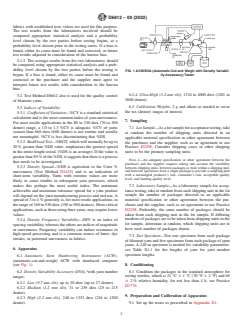
FIG. 1 ACW/DVA (Automatic-Cut-and Weigh with Density Variabil-
begun. If a bias is found, either its cause must be found and ity Accessory) Tester
corrected or the purchaser and the supplier must agree to
interpret future test results with consideration to the known
bias.
6.2.4 Ultra-High (3.2-mm slit), 1334 to 4000 dtex (1201 to
5.2 Test Method D6612 also is used for the quality control
3600 denier).
of filament yarns.
6.3 Calibration Weights, 2 g and others as needed to cover
5.3 Indices of Variability:
the tex (denier) ranges of interest.
5.3.1 Coeffıcient of Variation—%CV is a standard statistical
calculation and is the most common index of yarn unevenness.
7. Sampling
For most textile applications in the 80 to 330 dtex (70 to 300
denier) range, a 1.0 to 1.3 %CV is adequate. %CV of yarns
7.1 LotSample—Asalotsampleforacceptancetesting,take
coarser than 666 dtex (600 denier) is not routine and usually
at random the number of shipping units directed in an
not meaningful. %CV is less discriminating that %DS.
applicable material specification or other agreement between
5.3.2 Bad/Good Test—%BGT, which will normally be up to the purchaser and the supplier, such as an agreement to use
20 % greater than %DS value, emphasizes the greatest spread
Practice D2258. Consider shipping cases or other shipping
in the entire length tested, (%DS is an average). If the value is units to be the primary sampling units.
greaterthan50 %ofthe%DS,itsuggeststhatthereisaprocess
NOTE 2—An adequate specification or other agreement between the
that needs to be investigated.
purchaser and the supplier requires taking into account the variability
5.3.3 Density Spread—%DS is equivalent to the Uster %
between shipping units, between packages or ends within a shipping unit,
and between specimens from a single package to provide a sampling plan
unevenness (Test Method D1425) and is an indication of
with a meaningful producer’s risk, consumer’s risk, acceptable quality
short-term variability. Yarns with extreme values are more
level, and limiting quality level.
likely to cause trouble in subsequent yarn processes, which
makes this perhaps the most useful index. The minimum 7.2 Laboratory Sample—As a laboratory sample for accep-
achievable and maximum tolerance spread for a yarn product tance testing, take at random from each shipping unit in the lot
will depend on the yarn manufacturing process and end use.A sample the number of packages directed in an applicable
material specification or other agreement between the pur-
spread of 3 to 4 % generally is, for most textile applications, in
the range of 160 to 550 dtex (150 to 500 deniers). More critical chaser and the
...