

ASTM D3350-21
(Specification)Standard Specification for Polyethylene Plastics Pipe and Fittings Materials
General Information
- Abstract
ABSTRACT
This specification covers the identification of polyethylene plastic pipe and fitting materials. Cell classification of materials shall be according to tests of primary properties like density, melt index, flexural modulus, tensile strength at yield, slow crack growth resistance, and hydrostatic strength classification. Materials shall be manufactured by molding and extrusion of polyethylene plastic in the form of powder, granules, or pellets. Color and ultraviolet stabilizer, thermal stability, brittleness temperature, density, tensile strength at yield, and elongation at break shall conform to this specification.
SCOPE
1.1 This specification covers the identification of polyethylene plastic pipe and fittings materials in accordance with a cell classification system. It is not the function of this specification to provide specific engineering data for design purposes, to specify manufacturing tolerances, or to determine suitability for use for a specific application.
1.1.1 Some plastic pipe and fitting PE compounds classified by this standard are sold as a base material and then combined with other material(s) (for example, color or additive concentrate) by the pipe or fitting manufacturer into a final classified compound either prior to or during production of the final article. This standard, excluding the requirements of Table 1, properties 5 and 6, and 6.1.1, can be used for property verification of the incoming base material(s) in accordance with 8.1.
1.1.2 In the case of PE compounds sold as the compound classified by the standard, see 8.1 regarding property verification of the incoming classified compound.
1.1.3 Compounds with a cell classification value other than ‘0’ for the Hydrostatic Strength Classification (property 6) rely on a defined formulation. The composition of the defined formulation can be obtained from the owner of the formulation.
Note 1: Deviations from the defined formulation may affect the Hydrostatic Strength Classification.
1.2 Polyethylene plastic materials, being thermoplastic, are reprocessable and recyclable (Note 3). This specification allows for the use of those polyethylene materials, provided that all specific requirements of this specification are met.
Note 2: The notes in this specification are for information only and shall not be considered part of this specification.
Note 3: See Guide D5033 for information and definitions related to recycled plastics.
1.3 The values stated in SI units are to be regarded as standard.
1.4 This standard does not purport to address all of the safety concerns, if any, associated with its use. It is the responsibility of the user of this standard to establish appropriate safety, health, and environmental practices and determine the applicability of regulatory limitations prior to use.
Note 4: There is no known ISO equivalent to this standard.
1.5 For information regarding molding and extrusion materials see Specification D4976. For information regarding wire and cable materials see Specification D1248.
1.6 This international standard was developed in accordance with internationally recognized principles on standardization established in the Decision on Principles for the Development of International Standards, Guides and Recommendations issued by the World Trade Organization Technical Barriers to Trade (TBT) Committee.
- Status
- Published
- Publication Date
- 30-Jun-2021
- Technical Committee
- D20 - Plastics
- Drafting Committee
- D20.15 - Thermoplastic Materials
Buy Documents
ASTM D3350-21 - Standard Specification for Polyethylene Plastics Pipe and Fittings Materials
REDLINE ASTM D3350-21 - Standard Specification for Polyethylene Plastics Pipe and Fittings Materials
Overview
ASTM D3350-21: Standard Specification for Polyethylene Plastics Pipe and Fittings Materials is a globally recognized standard developed by ASTM International. This specification establishes a classification system for polyethylene (PE) plastic materials used in pipes and fittings. It provides a framework for identifying these materials based on key physical properties, ensuring consistency and reliability across manufacturing and application environments. The standard promotes efficient material selection, quality control, and verifiable performance in a wide range of industries that rely on polyethylene piping systems.
Key Topics
- Material Identification: Utilizes a cell classification system to identify polyethylene materials based on primary properties.
- Cell Classification Properties: Classification is determined by density, melt index, flexural modulus, tensile strength at yield, slow crack growth resistance, and hydrostatic strength.
- Color and UV Stabilization: Specifies requirements for colorants and UV stabilizers, including coded designations for material classification.
- Material Forms: Covers PE materials manufactured via molding or extrusion provided as powder, granules, or pellets.
- Physical Property Requirements: Materials must conform to specified requirements for attributes such as density, thermal stability, brittleness temperature, tensile properties, and elongation at break.
- Recyclability and Sustainability: The standard permits the use of reprocessable and recyclable polyethylene materials, emphasizing compliance with all specification requirements.
- Testing and Property Verification: Outlines standardized test methods for key properties and ensures routine quality checks for batches or lots of material.
Applications
ASTM D3350-21 is foundational for multiple sectors that design, manufacture, distribute, and utilize polyethylene pipes and fittings. Key applications include:
- Municipal Water and Gas Distribution: Ensures that PE materials used in water supply and gas pipeline systems meet uniform performance criteria.
- Industrial Piping Systems: Supports specification and quality assurance for pipes conveying chemicals, slurries, and other industrial materials.
- Agricultural Irrigation: Establishes confidence in the long-term durability of PE pipes in irrigation and drainage systems.
- Telecommunications and Cable Protection: Specifies materials for conduits and protective casings for cabling.
- Civil Engineering and Infrastructure: Facilitates consistent material behavior in underground installation and environmental applications.
The classification system allows specifiers, manufacturers, and purchasers to match material performance to intended service conditions, reducing risk and simplifying procurement.
Related Standards
ASTM D3350-21 references additional standards and guides that are commonly used in conjunction:
- ASTM D638 – Test Method for Tensile Properties of Plastics
- ASTM D746 – Test Method for Brittleness Temperature of Plastics and Elastomers
- ASTM D790 – Test Methods for Flexural Properties of Plastics
- ASTM D1238 – Test Method for Melt Flow Rates of Thermoplastics
- ASTM D1505 – Test Method for Density of Plastics by the Density-Gradient Technique
- ASTM D1603 / D4218 – Test Methods for Carbon Black Content in Olefin Plastics
- ASTM F1473 – Test Method for Notch Tensile Test to Measure Resistance to Slow Crack Growth
- ASTM D4976 – Specification for Polyethylene Plastics Molding and Extrusion Materials
- ASTM D3035 – Specification for Polyethylene (PE) Plastic Pipe (DR-PR)
- ISO 12162 – Thermoplastic Materials for Pipes and Fittings for Pressure Applications
These standards complement ASTM D3350-21 by providing detailed procedures for testing, terminology, and additional material classifications, supporting robust quality management throughout the supply chain.
Keywords: ASTM D3350-21, polyethylene pipe, pipe fittings, cell classification, PE materials, plastic pipe standard, quality control, ASTM International, PE compound identification, recycled plastics, material specification, testing standards.
Relations
- Effective Date
- 01-Apr-2024
- Effective Date
- 01-Feb-2024
- Refers
ASTM D1238-23a - Standard Test Method for Melt Flow Rates of Thermoplastics by Extrusion Plastometer - Effective Date
- 15-Nov-2023
- Effective Date
- 01-Nov-2023
- Effective Date
- 29-Sep-2023
- Effective Date
- 01-Feb-2020
- Effective Date
- 01-Feb-2020
- Effective Date
- 01-Jan-2020
- Effective Date
- 01-Aug-2019
- Effective Date
- 15-Apr-2019
- Effective Date
- 01-Feb-2019
- Effective Date
- 01-Feb-2019
- Effective Date
- 01-Dec-2018
- Effective Date
- 01-Nov-2018
- Effective Date
- 01-Nov-2018
Buy Documents
ASTM D3350-21 - Standard Specification for Polyethylene Plastics Pipe and Fittings Materials
REDLINE ASTM D3350-21 - Standard Specification for Polyethylene Plastics Pipe and Fittings Materials
Get Certified
Connect with accredited certification bodies for this standard

Institut za varilstvo d.o.o. (Welding Institute)
Slovenia's leading welding institute since 1952. ISO 3834, EN 1090, pressure equipment certification, NDT personnel, welder qualification. Only IIW Au
Sponsored listings
Frequently Asked Questions
ASTM D3350-21 is a technical specification published by ASTM International. Its full title is "Standard Specification for Polyethylene Plastics Pipe and Fittings Materials". This standard covers: ABSTRACT This specification covers the identification of polyethylene plastic pipe and fitting materials. Cell classification of materials shall be according to tests of primary properties like density, melt index, flexural modulus, tensile strength at yield, slow crack growth resistance, and hydrostatic strength classification. Materials shall be manufactured by molding and extrusion of polyethylene plastic in the form of powder, granules, or pellets. Color and ultraviolet stabilizer, thermal stability, brittleness temperature, density, tensile strength at yield, and elongation at break shall conform to this specification. SCOPE 1.1 This specification covers the identification of polyethylene plastic pipe and fittings materials in accordance with a cell classification system. It is not the function of this specification to provide specific engineering data for design purposes, to specify manufacturing tolerances, or to determine suitability for use for a specific application. 1.1.1 Some plastic pipe and fitting PE compounds classified by this standard are sold as a base material and then combined with other material(s) (for example, color or additive concentrate) by the pipe or fitting manufacturer into a final classified compound either prior to or during production of the final article. This standard, excluding the requirements of Table 1, properties 5 and 6, and 6.1.1, can be used for property verification of the incoming base material(s) in accordance with 8.1. 1.1.2 In the case of PE compounds sold as the compound classified by the standard, see 8.1 regarding property verification of the incoming classified compound. 1.1.3 Compounds with a cell classification value other than ‘0’ for the Hydrostatic Strength Classification (property 6) rely on a defined formulation. The composition of the defined formulation can be obtained from the owner of the formulation. Note 1: Deviations from the defined formulation may affect the Hydrostatic Strength Classification. 1.2 Polyethylene plastic materials, being thermoplastic, are reprocessable and recyclable (Note 3). This specification allows for the use of those polyethylene materials, provided that all specific requirements of this specification are met. Note 2: The notes in this specification are for information only and shall not be considered part of this specification. Note 3: See Guide D5033 for information and definitions related to recycled plastics. 1.3 The values stated in SI units are to be regarded as standard. 1.4 This standard does not purport to address all of the safety concerns, if any, associated with its use. It is the responsibility of the user of this standard to establish appropriate safety, health, and environmental practices and determine the applicability of regulatory limitations prior to use. Note 4: There is no known ISO equivalent to this standard. 1.5 For information regarding molding and extrusion materials see Specification D4976. For information regarding wire and cable materials see Specification D1248. 1.6 This international standard was developed in accordance with internationally recognized principles on standardization established in the Decision on Principles for the Development of International Standards, Guides and Recommendations issued by the World Trade Organization Technical Barriers to Trade (TBT) Committee.
ABSTRACT This specification covers the identification of polyethylene plastic pipe and fitting materials. Cell classification of materials shall be according to tests of primary properties like density, melt index, flexural modulus, tensile strength at yield, slow crack growth resistance, and hydrostatic strength classification. Materials shall be manufactured by molding and extrusion of polyethylene plastic in the form of powder, granules, or pellets. Color and ultraviolet stabilizer, thermal stability, brittleness temperature, density, tensile strength at yield, and elongation at break shall conform to this specification. SCOPE 1.1 This specification covers the identification of polyethylene plastic pipe and fittings materials in accordance with a cell classification system. It is not the function of this specification to provide specific engineering data for design purposes, to specify manufacturing tolerances, or to determine suitability for use for a specific application. 1.1.1 Some plastic pipe and fitting PE compounds classified by this standard are sold as a base material and then combined with other material(s) (for example, color or additive concentrate) by the pipe or fitting manufacturer into a final classified compound either prior to or during production of the final article. This standard, excluding the requirements of Table 1, properties 5 and 6, and 6.1.1, can be used for property verification of the incoming base material(s) in accordance with 8.1. 1.1.2 In the case of PE compounds sold as the compound classified by the standard, see 8.1 regarding property verification of the incoming classified compound. 1.1.3 Compounds with a cell classification value other than ‘0’ for the Hydrostatic Strength Classification (property 6) rely on a defined formulation. The composition of the defined formulation can be obtained from the owner of the formulation. Note 1: Deviations from the defined formulation may affect the Hydrostatic Strength Classification. 1.2 Polyethylene plastic materials, being thermoplastic, are reprocessable and recyclable (Note 3). This specification allows for the use of those polyethylene materials, provided that all specific requirements of this specification are met. Note 2: The notes in this specification are for information only and shall not be considered part of this specification. Note 3: See Guide D5033 for information and definitions related to recycled plastics. 1.3 The values stated in SI units are to be regarded as standard. 1.4 This standard does not purport to address all of the safety concerns, if any, associated with its use. It is the responsibility of the user of this standard to establish appropriate safety, health, and environmental practices and determine the applicability of regulatory limitations prior to use. Note 4: There is no known ISO equivalent to this standard. 1.5 For information regarding molding and extrusion materials see Specification D4976. For information regarding wire and cable materials see Specification D1248. 1.6 This international standard was developed in accordance with internationally recognized principles on standardization established in the Decision on Principles for the Development of International Standards, Guides and Recommendations issued by the World Trade Organization Technical Barriers to Trade (TBT) Committee.
ASTM D3350-21 is classified under the following ICS (International Classification for Standards) categories: 23.040.20 - Plastics pipes; 23.040.45 - Plastics fittings. The ICS classification helps identify the subject area and facilitates finding related standards.
ASTM D3350-21 has the following relationships with other standards: It is inter standard links to ASTM F1473-24, ASTM D883-24, ASTM D1238-23a, ASTM D883-23, ASTM D1898-68(1989), ASTM D4218-20, ASTM D1603-20, ASTM D883-20, ASTM D883-19c, ASTM D883-19a, ASTM D883-19, ASTM F2263-14(2019), ASTM D883-18a, ASTM D4883-18, ASTM D883-18. Understanding these relationships helps ensure you are using the most current and applicable version of the standard.
ASTM D3350-21 is available in PDF format for immediate download after purchase. The document can be added to your cart and obtained through the secure checkout process. Digital delivery ensures instant access to the complete standard document.
Standards Content (Sample)
This international standard was developed in accordance with internationally recognized principles on standardization established in the Decision on Principles for the
Development of International Standards, Guides and Recommendations issued by the World Trade Organization Technical Barriers to Trade (TBT) Committee.
Designation:D3350 −21
Standard Specification for
Polyethylene Plastics Pipe and Fittings Materials
This standard is issued under the fixed designation D3350; the number immediately following the designation indicates the year of
original adoption or, in the case of revision, the year of last revision.Anumber in parentheses indicates the year of last reapproval.A
superscript epsilon (´) indicates an editorial change since the last revision or reapproval.
1. Scope* responsibility of the user of this standard to establish appro-
priate safety, health, and environmental practices and deter-
1.1 This specification covers the identification of polyeth-
mine the applicability of regulatory limitations prior to use.
ylene plastic pipe and fittings materials in accordance with a
cell classification system. It is not the function of this specifi-
NOTE 4—There is no known ISO equivalent to this standard.
cationtoprovidespecificengineeringdatafordesignpurposes,
1.5 For information regarding molding and extrusion mate-
to specify manufacturing tolerances, or to determine suitability
rials see Specification D4976. For information regarding wire
for use for a specific application.
and cable materials see Specification D1248.
1.1.1 Some plastic pipe and fitting PE compounds classified
1.6 This international standard was developed in accor-
by this standard are sold as a base material and then combined
dance with internationally recognized principles on standard-
with other material(s) (for example, color or additive concen-
ization established in the Decision on Principles for the
trate) by the pipe or fitting manufacturer into a final classified
Development of International Standards, Guides and Recom-
compound either prior to or during production of the final
mendations issued by the World Trade Organization Technical
article. This standard, excluding the requirements of Table 1,
Barriers to Trade (TBT) Committee.
properties 5 and 6, and 6.1.1, can be used for property
verification of the incoming base material(s) in accordance
2. Referenced Documents
with 8.1.
2.1 ASTM Standards:
1.1.2 In the case of PE compounds sold as the compound
D618Practice for Conditioning Plastics for Testing
classified by the standard, see 8.1 regarding property verifica-
D638Test Method for Tensile Properties of Plastics
tion of the incoming classified compound.
D746Test Method for Brittleness Temperature of Plastics
1.1.3 Compounds with a cell classification value other than
and Elastomers by Impact
‘0’for the Hydrostatic Strength Classification (property 6) rely
D790Test Methods for Flexural Properties of Unreinforced
on a defined formulation. The composition of the defined
and Reinforced Plastics and Electrical Insulating Materi-
formulationcanbeobtainedfromtheowneroftheformulation.
als
NOTE 1—Deviations from the defined formulation may affect the
D792Test Methods for Density and Specific Gravity (Rela-
Hydrostatic Strength Classification.
tive Density) of Plastics by Displacement
1.2 Polyethylene plastic materials, being thermoplastic, are
D883Terminology Relating to Plastics
reprocessable and recyclable (Note 3). This specification al-
D1238Test Method for Melt Flow Rates of Thermoplastics
lows for the use of those polyethylene materials, provided that
by Extrusion Plastometer
all specific requirements of this specification are met.
D1248Specification for Polyethylene Plastics Extrusion
Materials for Wire and Cable
NOTE 2—The notes in this specification are for information only and
D1505Test Method for Density of Plastics by the Density-
shall not be considered part of this specification.
NOTE 3—See Guide D5033 for information and definitions related to Gradient Technique
recycled plastics.
D1603Test Method for Carbon Black Content in Olefin
Plastics
1.3 The values stated in SI units are to be regarded as
standard. D1693Test Method for Environmental Stress-Cracking of
Ethylene Plastics
1.4 This standard does not purport to address all of the
D1898Practice for Sampling of Plastics (Withdrawn 1998)
safety concerns, if any, associated with its use. It is the
1 2
This specification is under the jurisdiction of ASTM Committee D20 on For referenced ASTM standards, visit the ASTM website, www.astm.org, or
Plastics and is the direct responsibility of Subcommittee D20.15 on Thermoplastic contact ASTM Customer Service at service@astm.org. For Annual Book of ASTM
Materials. Standards volume information, refer to the standard’s Document Summary page on
CurrenteditionapprovedJuly1,2021.PublishedJuly2021.Originallyapproved the ASTM website.
in 1974. Last previous edition approved in 2014 as D3350–14. DOI: 10.1520/ The last approved version of this historical standard is referenced on
D3350-21. www.astm.org.
*A Summary of Changes section appears at the end of this standard
Copyright © ASTM International, 100 Barr Harbor Drive, PO Box C700, West Conshohocken, PA 19428-2959. United States
D3350−21
A
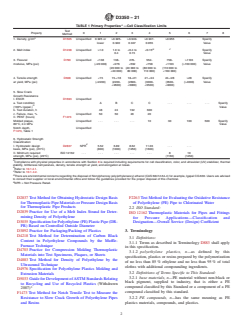
TABLE 1 Primary Properties —Cell Classification Limits
Test
Property 01 2 3 4 5 6 7 8
Method
1. Density, g/cm D1505 Unspecified 0.925 or >0.925- >0.940- >0.947- >0.955 . . . Specify
lower 0.940 0.947 0.955 Value
BC
2. Melt index D1238 Unspecified >1.0 1.0 to <0.4 to <0.15 Specify
0.4 0.15 Value
3. Flexural D790 Unspecified <138 138- 276- 552- 758- >1103 Specify
modulus, MPa (psi) (<20 000) <276 <552 <758 <1103 (>160 000) Value
(20 000 to (40 000 to (80 000 to (110 000 to
<40 000) 80 000) 110 000) <160 000)
4. Tensile strength D638 Unspecified <15 15-<18 18-<21 21-<24 24-<28 >28 Specify
at yield, MPa (psi) (<2200) (2200- (2600- (3000- (3500- (>4000) Value
<2600) <3000) <3500) <4000)
5. Slow Crack
Growth Resistance
I. ESCR D1693 Unspecified
a. Test condition A B C C . . . . . . . . . Specify
D
(100% Igepal.) Value
b. Test duration, h 48 24 192 600
c. Failure, max, % Unspecified 50 50 20 20
II. PENT (hours) F1473
Molded plaque, Unspecified . . . . . . . . . 10 30 100 500 Specify
80°C, 2.4 MPa Value
Notch depth, Unspecified
F1473, Table 1
6. Hydrostatic Strength
Classification
E
I. Hydrostatic design D2837 NPR 5.52 6.89 8.62 11.03 . .
basis, MPa (psi), (23°C) (800) (1000) (1250) (1600)
II. Minimum required ISO 12162 . . . . . . . . . . . . . . . 8 10
strength, MPa (psi), (20°C) (1160) (1450)
A
Compliance with physical properties in accordance with Section 8 is required including requirements for cell classification, color, and ultraviolet (UV) stabilizer, thermal
stability, brittleness temperature, density, tensile strength at yield, and elongation at break.
B
Refer to 10.1.4.1.
C
Refer to 10.1.4.2.
D
There are environmental concerns regarding the disposal of Nonylphenoxy poly(ethyleneoxy) ethanol (CAS 68412-54-4) for example, Igepal CO-630. Users are advised
to consult their supplier or local environmental office and follow the guidelines provided for the proper disposal of this chemical.
E
NPR = Not Pressure Rated.
D2837Test Method for Obtaining Hydrostatic Design Basis F2263Test Method for Evaluating the Oxidative Resistance
forThermoplasticPipeMaterialsorPressureDesignBasis of Polyethylene (PE) Pipe to Chlorinated Water
for Thermoplastic Pipe Products
2.2 ISO Standard:
D2839Practice for Use of a Melt Index Strand for Deter-
ISO12162Thermoplastic Materials for Pipes and Fittings
mining Density of Polyethylene
for Pressure Applications—Classification and
D3035SpecificationforPolyethylene(PE)PlasticPipe(DR-
Designation—Overall Service (Design) Coefficient
PR) Based on Controlled Outside Diameter
D3892Practice for Packaging/Packing of Plastics
3. Terminology
D4218Test Method for Determination of Carbon Black
3.1 Definitions:
Content in Polyethylene Compounds by the Muffle-
3.1.1 Terms as described in Terminology D883 shall apply
Furnace Technique
in this specification.
D4703Practice for Compression Molding Thermoplastic
3.1.2 polyethylene plastics, n—as defined by this
Materials into Test Specimens, Plaques, or Sheets
specification, plastics or resins prepared by the polymerization
D4883Test Method for Density of Polyethylene by the
of no less than 85% ethylene and no less than 95% of total
Ultrasound Technique
olefins with additional compounding ingredients.
D4976Specification for Polyethylene Plastics Molding and
3.2 Definitions of Terms Specific to This Standard:
Extrusion Materials
3.2.1 base materials, n—PE material without non-black or
D5033GuideforDevelopmentofASTMStandardsRelating
black pigment, supplied to industry, that is either a PE
to Recycling and Use of Recycled Plastics (Withdrawn
compound classified by this Standard or a component of a PE
2007)
compound classified by this standard.
F1473Test Method for Notch Tensile Test to Measure the
Resistance to Slow Crack Growth of Polyethylene Pipes 3.2.2 PE compounds, n—has the same meaning as PE
and Resins plastics materials, compounds, and plastics.
D3350−21
3.3 Historical usage and user group conventions have re- characterization, and specification of material properties. The
sulted in inconsistent terminology used to categorize and information from the format is to be used alone or in
describe polyethylene resins and compounds. The following combination.
NOTE 7—This type format, however, is subject to possible misapplica-
terminology is in use in ASTM specifications pertaining to
tion since unobtainable property combinations can be selected if the user
polyethylene:
is not familiar with commercially available materials. The manufacturer
3.3.1 Specification D1248:
should be consulted. Additionally, the appropriate ASTM standard speci-
3.3.1.1 Type (0, I, II, III, IV) = density ranges (same,
fication should be reviewed to assure materials utilized will meet all the
material and piping requirements as specified in the standard.
respectively, as Class in Specification D4976).
3.3.1.2 Class (A, B, C, D) = composition and use.
4.3 Grade—A code for polyethylene pipe and fittings ma-
3.3.1.3 Category(1,2,3,4,5)=meltindexranges(sameas terials that consists of the two letter abbreviation for polyeth-
Grade in Specification D4976).
ylene (PE) followed by two numbers that designate the density
cell (Property 1) and the slow crack growth resistance cell
3.3.1.4 Grade (E, J, D, or W followed by one or two digits)
= specific requirements from tables. (Property 5), as defined by either Test Method F1473 or Test
Method D1693, of the thermoplastic, as specified in Table 1.
3.3.2 Specification D3350:
For the requirements of Property 5 (slow crack growth
3.3.2.1 Type(I,II,III)=densityranges(sameasTypesI,II,
resistance), consult the materials section of the appropriate
and III in Specification D1248 and Classes 1, 2, and 3 in
ASTM standard specification for the end-use application.
Specification D4976).
NOTE 8—Grade designations were adapted from Specification
3.3.2.2 Class = a line callout system consisting of “PE”
D1248–84 prior to the removal of pipe material from D1248-84.
followed by six cell numbers from Table 1 plus a letter (A, B,
Former Specification D1248–84 grades for PE pipe materials were P14,
C, D, E) denoting color and UV stabilizer.
P23, P24, P33, and P34. Equivalent Specification D3350 grade designa-
tions for these materials are PE11, PE20, PE23, PE30, and PE33,
3.3.2.3 Grade = simplified line callout system using “PE”
respectively.
followed by density and slow crack growth cell numbers from
Table 1.
5. Materials and Manufacture
3.3.3 Specification D4976:
5.1 The molding and extrusion material shall be polyethyl-
3.3.3.1 Group (1, 2) = branched or linear polyethylene.
ene plastic in the form of powder, granules, or pellets.
3.3.3.2 Class (0, 1, 2, 3, 4) = density ranges (same,
5.2 Themoldingandextrusionmaterialsshallbeasuniform
respectively, as Type in Specification D1248).
in composition and size and as free of contamination as is
3.3.3.3 Grade (1, 2, 3, 4, 5) = melt index ranges (same as
achieved by good manufacturing practice. If necessary, the
Category in Specification D1248).
level of contamination may be agreed upon between the
manufacturer and the purchaser.
4. Classification
5.3 Whenspecified,thecolorandtranslucenceofmoldedor
4.1 Polyethylene plastic pipe and fittings compounds are
extruded pieces formed, under the conditions specified by the
classified in accordance with density, melt index, flexural
manufacturer of the materials, shall be comparable within
modulus, tensile strength at yield, slow crack growth
commercial match tolerances to the color and translucence of
resistance, and hydrostatic strength classification in Table 1.
standard samples supplied in advance by the manufacturer of
NOTE5—Ithasbeenalong-standingpracticetousethefollowingterms the material.
in describing polyethylene plastics:
6. Physical Properties
Type I (0.910 to 0.925) = Low Density
Type II (0.926 to 0.940) = Medium Density
6.1 Cell Classification—TestvaluesforspecimensofthePE
Type III (0.941 to 0.965) = High Density
material prepared as specified in Section 9 and tested in
NOTE 6—The manner in which materials are identified in the cell
accordance with Section 10 shall conform to the requirements
classification is illustrated for Class PE233424B as follows (refer also to
given in Table 1.Atypical property value for a PE material is
Table 1 and 6.2):
to be the average value from testing numerous lots or batches
Class
and determines the cell number. When, due to manufacturing
2 3 34 24B
tolerances and testing bias, individual lot or batch values fall
Density (0.926–0.940 g/cm )
Melt Index (<0.4–0.15)
into the adjoining cell, the individual value shall not be
Flexural Modulus (276–<552 MPa)
considered acceptable unless the user, or both the user and the
Tensile Strength at yield
(21–<24 MPa (3000–<3500 psi)) producer, determine that the individual lot or batch is suitable
Slow Crack Growth Resistance
for its intended purpose.
I. ESCR D1693
6.1.1 ForPEcompoundswithacodeletterdesignationofA,
Condition B, 24 h, 50% max failure
II. PENT F1473 all properties shall be determined, for classification purposes,
Average1hfailure
on the non-pigmented (natural) material. For PE compounds
Hydrostatic design basis at 23°C
with any other code letter designation, all properties other than
(11.03 MPa (1600 psi))
Color and UV stabilizer (colored)
density, in accordance with 6.5, shall, for classification
purposes, be determined on the PE compound represented by
4.2 Materials used in polyethylene plastic pipe and fittings that code letter (for example, black [C], colored with UV
shall use a cell-type format for the identification, close stabilizer [E], etc.)
D3350−21
TABLE 2 Minimum Log Average Test Times for Oxidative
6.2 Color and Ultraviolet (UV) Stabilizer—The color and
Resistance Classification
UV stabilization shall be indicated at the end of the cell
90°C (194°F) Test Temperature
classification by means of a letter designation in accordance
Test Stress 2.48 Test Stress 2.76 Test Stress 3.10
Categorization
with the following code:
MPa (360 psi) MPa (400 psi) MPa (450 psi)
Time (h) Time (h) Time (h)
Code Letter Color and UV Stabilizer
CC0 Unspecified Unspecified Unspecified
A Natural
CC1 2700 1900 1200
B Colored
CC2 7400 5100 3400
C Black with a carbon black in
CC3 16 200 11 100 7400
the range as noted in 6.2.1 and 6.2.2
D Natural with UV stabilizer
E Colored with UV stabilizer
6.2.1 For PE compounds with a hydrostatic strength classi-
class specified in 3.3.2.2, the user shall specify an oxidative
fication cell class 0 (not pressure-rated), the carbon black
resistance requirement by appending the category desi
...
This document is not an ASTM standard and is intended only to provide the user of an ASTM standard an indication of what changes have been made to the previous version. Because
it may not be technically possible to adequately depict all changes accurately, ASTM recommends that users consult prior editions as appropriate. In all cases only the current version
of the standard as published by ASTM is to be considered the official document.
Designation: D3350 − 14 D3350 − 21
Standard Specification for
Polyethylene Plastics Pipe and Fittings Materials
This standard is issued under the fixed designation D3350; the number immediately following the designation indicates the year of
original adoption or, in the case of revision, the year of last revision. A number in parentheses indicates the year of last reapproval. A
superscript epsilon (´) indicates an editorial change since the last revision or reapproval.
1. Scope*
1.1 This specification covers the identification of polyethylene plastic pipe and fittings materials in accordance with a cell
classification system. It is not the function of this specification to provide specific engineering data for design purposes, to specify
manufacturing tolerances, or to determine suitability for use for a specific application.
1.1.1 Some plastic pipe and fitting PE compounds classified by this standard are sold as a base material and then combined with
other material(s) (for example, color or additive concentrate) by the pipe or fitting manufacturer into a final classified compound
either prior to or during production of the final article. This standard, excluding the requirements of Table 1, properties 5 and 6,
and 6.1.1, can be used for property verification of the incoming base material(s) in accordance with 8.1.
1.1.2 In the case of PE compounds sold as the compound classified by the standard, see 8.1 regarding property verification of the
incoming classified compound.
1.1.3 Compounds with a cell classification value other than ‘0’ for the Hydrostatic Strength Classification (property 6) rely on a
defined formulation. The composition of the defined formulation can be obtained from the owner of the formulation.
NOTE 1—Deviations from the defined formulation may affect the Hydrostatic Strength Classification.
1.2 Polyethylene plastic materials, being thermoplastic, are reprocessable and recyclable (Note 23). This specification allows for
the use of those polyethylene materials, provided that all specific requirements of this specification are met.
NOTE 2—The notes in this specification are for information only and shall not be considered part of this specification.
NOTE 3—See Guide D5033 for information and definitions related to recycled plastics.
1.3 The values stated in SI units are to be regarded as standard.
1.4 This standard does not purport to address all of the safety concerns, if any, associated with its use. It is the responsibility
of the user of this standard to establish appropriate safety safety, health, and healthenvironmental practices and determine the
applicability of regulatory limitations prior to use.
NOTE 3—There is no known ISO equivalent to this standard.
NOTE 4—There is no known ISO equivalent to this standard.
This specification is under the jurisdiction of ASTM Committee D20 on Plastics and is the direct responsibility of Subcommittee D20.15 on Thermoplastic Materials.
Current edition approved Nov. 1, 2014July 1, 2021. Published December 2014July 2021. Originally approved in 1974. Last previous edition approved in 20122014 as
ϵ1
D3350 – 12D3350 – 14. . DOI: 10.1520/D3350-14.10.1520/D3350-21.
*A Summary of Changes section appears at the end of this standard
Copyright © ASTM International, 100 Barr Harbor Drive, PO Box C700, West Conshohocken, PA 19428-2959. United States
D3350 − 21
A
TABLE 1 Primary Properties —Cell Classification Limits
Test
Property 0 1 2 3 4 5 6 7 8
Method
1. Density, g/cm D1505 Unspecified 0.925 or >0.925- >0.940- >0.947- >0.955 . . . Specify
lower 0.940 0.947 0.955 Value
B C
2. Melt index D1238 Unspecified >1.0 1.0 to <0.4 to <0.15 Specify
0.4 0.15 Value
3. Flexural D790 Unspecified <138 138- 276- 552- 758- >1103 Specify
modulus, MPa (psi) (<20 000) <276 <552 <758 <1103 (>160 000) Value
(20 000 to (40 000 to (80 000 to (110 000 to
<40 000) 80 000) 110 000) <160 000)
4. Tensile strength D638 Unspecified <15 15-<18 18-<21 21-<24 24-<28 >28 Specify
at yield, MPa (psi) (<2200) (2200- (2600- (3000- (3500- (>4000) Value
<2600) <3000) <3500) <4000)
5. Slow Crack
Growth Resistance
I. ESCR D1693 Unspecified
a. Test condition A B C C . . . . . . . . . Specify
D
(100% Igepal.) Value
b. Test duration, h 48 24 192 600
c. Failure, max, % Unspecified 50 50 20 20
II. PENT (hours) F1473
Molded plaque, Unspecified . . . . . . . . . 10 30 100 500 Specify
80°C, 2.4 MPa Value
Notch depth, Unspecified
F1473, Table 1
6. Hydrostatic Strength
Classification
E
I. Hydrostatic design D2837 NPR 5.52 6.89 8.62 11.03 . . . . . .
basis, MPa (psi), (23°C) (800) (1000) (1250) (1600)
II. Minimum required ISO 12162 . . . . . . . . . . . . . . . 8 10
strength, MPa (psi), (20°C) (1160) (1450)
A
Compliance with physical properties in accordance with Section 8 is required including requirements for cell classification, color, and ultraviolet (UV) stabilizer, thermal
stability, brittleness temperature, density, tensile strength at yield, and elongation at break.
B
Refer to 10.1.4.1.
C
Refer to 10.1.4.2.
D
There are environmental concerns regarding the disposal of Nonylphenoxy poly(ethyleneoxy) ethanol (CAS 68412-54-4) for example, Igepal CO-630. Users are advised
to consult their supplier or local environmental office and follow the guidelines provided for the proper disposal of this chemical.
E
NPR = Not Pressure Rated.
1.5 For information regarding molding and extrusion materials see Specification D4976. For information regarding wire and cable
materials see Specification D1248.
1.6 This international standard was developed in accordance with internationally recognized principles on standardization
established in the Decision on Principles for the Development of International Standards, Guides and Recommendations issued
by the World Trade Organization Technical Barriers to Trade (TBT) Committee.
2. Referenced Documents
2.1 ASTM Standards:
D618 Practice for Conditioning Plastics for Testing
D638 Test Method for Tensile Properties of Plastics
D746 Test Method for Brittleness Temperature of Plastics and Elastomers by Impact
D790 Test Methods for Flexural Properties of Unreinforced and Reinforced Plastics and Electrical Insulating Materials
D792 Test Methods for Density and Specific Gravity (Relative Density) of Plastics by Displacement
D883 Terminology Relating to Plastics
D1238 Test Method for Melt Flow Rates of Thermoplastics by Extrusion Plastometer
D1248 Specification for Polyethylene Plastics Extrusion Materials for Wire and Cable
D1505 Test Method for Density of Plastics by the Density-Gradient Technique
For referenced ASTM standards, visit the ASTM website, www.astm.org, or contact ASTM Customer Service at service@astm.org. For Annual Book of ASTM Standards
volume information, refer to the standard’s Document Summary page on the ASTM website.
D3350 − 21
D1603 Test Method for Carbon Black Content in Olefin Plastics
D1693 Test Method for Environmental Stress-Cracking of Ethylene Plastics
D1898 Practice for Sampling of Plastics (Withdrawn 1998)
D2837 Test Method for Obtaining Hydrostatic Design Basis for Thermoplastic Pipe Materials or Pressure Design Basis for
Thermoplastic Pipe Products
D2839 Practice for Use of a Melt Index Strand for Determining Density of Polyethylene
D3035 Specification for Polyethylene (PE) Plastic Pipe (DR-PR) Based on Controlled Outside Diameter
D3892 Practice for Packaging/Packing of Plastics
D4218 Test Method for Determination of Carbon Black Content in Polyethylene Compounds by the Muffle-Furnace Technique
D4703 Practice for Compression Molding Thermoplastic Materials into Test Specimens, Plaques, or Sheets
D4883 Test Method for Density of Polyethylene by the Ultrasound Technique
D4976 Specification for Polyethylene Plastics Molding and Extrusion Materials
D5033 Guide for Development of ASTM Standards Relating to Recycling and Use of Recycled Plastics (Withdrawn 2007)
F1473 Test Method for Notch Tensile Test to Measure the Resistance to Slow Crack Growth of Polyethylene Pipes and Resins
F2263 Test Method for Evaluating the Oxidative Resistance of Polyethylene (PE) Pipe to Chlorinated Water
2.2 ISO Standard:
ISO 12162 Thermoplastic Materials for Pipes and Fittings for Pressure Applications—Classification and Designation—Overall
Service (Design) Coefficient
3. Terminology
3.1 Definitions:
3.1.1 Terms as described in Terminology D883 shall apply in this specification.
3.1.2 polyethylene plastics—plastics, n—as defined by this specification, plastics or resins prepared by the polymerization of no
less than 85 % ethylene and no less than 95 % of total olefins with additional compounding ingredients.
3.2 Definitions of Terms Specific to This Standard:
3.2.1 materials—base materials, n—polyethylene (PE) resins with the added compounding ingredients.PE material without
non-black or black pigment, supplied to industry, that is either a PE compound classified by this Standard or a component of a PE
compound classified by this standard.
3.2.2 PE compounds—compounds, n—has the same meaning as PE plastics materials, compounds, and plastics.
3.3 Historical usage and user group conventions have resulted in inconsistent terminology used to categorize and describe
polyethylene resins and compounds. The following terminology is in use in ASTM specifications pertaining to polyethylene:
3.3.1 Specification D1248:
3.3.1.1 Type (0, I, II, III, IV) = density ranges (same, respectively, as Class in Specification D4976).
3.3.1.2 Class (A, B, C, D) = composition and use.
3.3.1.3 Category (1, 2, 3, 4, 5) = melt index ranges (same as Grade in Specification D4976).
3.3.1.4 Grade (E, J, D, or W followed by one or two digits) = specific requirements from tables.
3.3.2 Specification D3350:
3.3.2.1 Type (I, II, III) = density ranges (same as Types I, II, and III in Specification D1248 and Classes 1, 2, and 3 in Specification
D4976).
3.3.2.2 Class = a line callout system consisting of “PE” followed by six cell numbers from Table 1 plus a letter (A, B, C, D, E)
denoting color and UV stabilizer.
The last approved version of this historical standard is referenced on www.astm.org.
D3350 − 21
3.3.2.3 Grade = simplified line callout system using “PE” followed by density and slow crack growth cell numbers from Table
1.
3.3.3 Specification D4976:
3.3.3.1 Group (1, 2) = branched or linear polyethylene.
3.3.3.2 Class (0, 1, 2, 3, 4) = density ranges (same, respectively, as Type in Specification D1248).
3.3.3.3 Grade (1, 2, 3, 4, 5) = melt index ranges (same as Category in Specification D1248).
4. Classification
4.1 Polyethylene plastic pipe and fittings compounds are classified in accordance with density, melt index, flexural modulus,
tensile strength at yield, slow crack growth resistance, and hydrostatic strength classification in Table 1.
NOTE 5—It has been a long-standing practice to use the following terms in describing polyethylene plastics:
Type I (0.910 to 0.925) = Low Density
Type II (0.926 to 0.940) = Medium Density
Type III (0.941 to 0.965) = High Density
NOTE 6—The manner in which materials are identified in the cell classification is illustrated for Class PE233424B as follows (refer also to Table 1 and
6.2):
Class
2 3 3 4 2 4 B
Density (0.926–0.940 g/cm )
Melt Index (<0.4–0.15)
Flexural Modulus (276–<552 MPa)
Tensile Strength at yield
(21–<24 MPa (3000–<3500 psi))
Slow Crack Growth Resistance
I. ESCR D1693
Condition B, 24 h, 50% max failure
II. PENT F1473
Average 1 h failure
Hydrostatic design basis at 23°C
(11.03 MPa (1600 psi))
Color and UV stabilizer (colored)
4.2 Materials used in polyethylene plastic pipe and fittings shall use a cell-type format for the identification, close characterization,
and specification of material properties. The information from the format is to be used alone or in combination.
NOTE 6—This type format, however, is subject to possible misapplication since unobtainable property combinations can be selected if the user is not
familiar with commercially available materials. The manufacturer should be consulted. Additionally, the appropriate ASTM standard specification should
be reviewed to assure materials utilized will meet all the material and piping requirements as specified in the standard.
NOTE 7—This type format, however, is subject to possible misapplication since unobtainable property combinations can be selected if the user is not
familiar with commercially available materials. The manufacturer should be consulted. Additionally, the appropriate ASTM standard specification should
be reviewed to assure materials utilized will meet all the material and piping requirements as specified in the standard.
4.3 Grade—A code for polyethylene pipe and fittings materials that consists of the two letter abbreviation for polyethylene (PE)
followed by two numbers that designate the density cell (Property 1) and the slow crack growth resistance cell (Property 5), as
defined by either Test Method F1473 or Test Method D1693, of the thermoplastic, as specified in Table 1. For the requirements
of Property 5 (slow crack growth resistance), consult the materials section of the appropriate ASTM standard specification for the
end-use application.
NOTE 7—Grade designations were adapted from Specification D1248 – 84 prior to the removal of pipe material from D1248 - 84. Former Specification
D3350 − 21
D1248 – 84 grades for PE pipe materials were P14, P23, P24, P33, and P34. Equivalent Specification D3350 grade designations for these materials are
PE11, PE20, PE23, PE30, and PE33, respectively.
NOTE 8—Grade designations were adapted from Specification D1248 – 84 prior to the removal of pipe material from D1248 - 84. Former Specification
D1248 – 84 grades for PE pipe materials were P14, P23, P24, P33, and P34. Equivalent Specification D3350 grade designations for these materials are
PE11, PE20, PE23, PE30, and PE33, respectively.
5. Materials and Manufacture
5.1 The molding and extrusion material shall be polyethylene plastic in the form of powder, granules, or pellets.
5.2 The molding and extrusion materials shall be as uniform in composition and size and as free of contamination as is achieved
by good manufacturing practice. If necessary, the level of contamination may be agreed upon between the manufacturer and the
purchaser.
5.3 When specified, the color and translucence of molded or extruded pieces formed, under the conditions specified by the
manufacturer of the materials, shall be comparable within commercial match tolerances to the color and translucence of standard
samples supplied in advance by the manufacturer of the material.
6. Physical Properties
6.1 Cell Classification—Test values for specimens of the PE material prepared as specified in Section 9 and tested in accordance
with Section 10 shall conform to the requirements given in Table 1. A typical property value for a PE material is to be the average
value from testing numerous lots or batches and determines the cell number. When, due to manufacturing tolerances and testing
bias, individual lot or batch values fall into the adjoining cell, the individual value shall not be considered acceptable unless the
user, or both the user and the producer, determine that the individual lot or batch is suitable for its intended purpose.
6.1.1 For PE compounds with a code letter designation of A, all properties shall be determined, for classification purposes, on the
non-pigmented (natural) material. For PE compounds with any other code letter designation, all properties other than density, in
accordance with 6.5, shall, for classification purposes, be determined on the PE compound represented by that code letter (for
example, black [C], colored with UV stabilizer [E], etc.)
6.2 Color and Ultraviolet (UV) Stabilizer—The color and UV stabilization shall be indicated at the end of the cell classification
by means of a letter designation in accordance with the following code:
Code Letter Color and UV Stabilizer
A Natural
B Colored
C Black with a carbon black in
the range as noted in 6.2.1 and 6.2.2
D Natural with UV stabilizer
E Colored with UV stabilizer
6.2.1 For PE compounds with a hydrostatic strength classification cell class 0 (not pressure-rated), the carbon black content shall
be in the range of 2.0 % to 4.0 %.
6.2.2 For PE compounds with
...