


Shipbuilding Standards: Ensuring Safety, Efficiency, and Quality in Modern Marine Operations
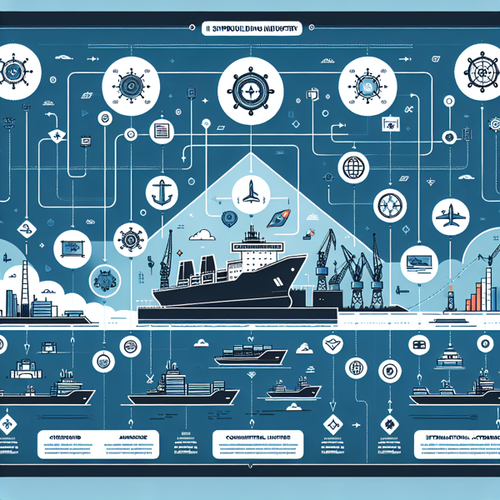
Shipbuilding Standards: Ensuring Safety, Efficiency, and Quality in Modern Marine Operations
In today’s rapidly evolving maritime industry, embracing international standards is more critical than ever for businesses seeking a competitive edge. The shipbuilding sector, bolstered by advancements in digitalization and emerging technologies like AI, safety analytics, and predictive maintenance, is under pressure to minimize risks, streamline operations, and ensure regulatory compliance at every stage. This article explores four pivotal international standards—ISO 21716-2:2020, ISO 24045:2021, ISO 24136:2021, and ISO 799-2:2021—covering anti-fouling paint screening, deck machinery, pilot ladder systems, and maintenance protocols. Implementing these standards enables shipbuilders, ship operators, and marine service companies to elevate safety, increase productivity, and confidently scale their operations within global frameworks.
Overview / Introduction
The shipbuilding and marine structures industry lies at the heart of global commerce, enabling the movement of goods, people, and resources across vast distances. From oil tankers to cruise liners, every marine structure’s reliability and performance depend on its compliance with rigorous standards. As new technologies like artificial intelligence and data-driven maintenance redefine operations, the complexity of managing safety, sustainability, and quality multiplies.
International standards, particularly those developed by ISO, provide the unified guidelines necessary to:
- Safeguard human life at sea
- Enhance equipment reliability and marine environmental protection
- Ensure compatible, scalable, and interoperable solutions
- Align with regulatory requirements from port states and classification societies
In this guide, you’ll learn:
- How each of these four critical shipbuilding standards contributes to marine safety and efficiency
- The specific requirements and practical implications for implementation
- The growing importance of standards amidst technological innovation
- Best practices for compliance and ongoing operational excellence
Detailed Standards Coverage
ISO 21716-2:2020 - Anti-Fouling Paint Screening Using Barnacle Bioassays
Ships and Marine Technology – Bioassay Methods for Screening Anti-Fouling Paints – Part 2: Barnacles
ISO 21716-2:2020 details a laboratory test methodology for evaluating anti-fouling paints using barnacle cyprid larvae. Fouling by marine organisms, including barnacles, can lead to increased fuel consumption, higher carbon emissions, and reduced operational efficiency. Anti-fouling technologies are thus essential for both environmental protection and optimised vessel performance.
Scope and Requirements:
- Provides a step-by-step lab-based bioassay for comparing barnacle settlement on painted test panels versus inert, non-toxic control panels.
- Focuses specifically on the settlement behavior of Amphibalanus amphitrite cyprids, the most relevant marine fouling stage.
- Specifies test conditions, specimen preparation, seawater standards, and apparatus (including temperature, salinity, light, and flow-through systems).
- Offers analytical guidance for determining statistical significance in settlement rates, enabling robust product screening.
Applicability:
- Shipyards and marine paint manufacturers for R&D and quality assurance
- Marine environmental protection departments
- Regulatory agencies assessing antifouling product safety
Implications in Practice: Laboratory screening per ISO 21716-2 serves as an early-stage tool in a multi-tiered process—filtering paints for further field trials that may later employ data analytics or AI-powered performance predictions. Standardized results enable better international comparison and foster regulatory acceptance.
Key highlights:
- Defines rigorous test protocols for anti-fouling paint effectiveness
- Supports innovation by filtering promising product candidates
- Encourages reproducible, location-independent results
Access the full standard:View ISO 21716-2:2020 on iTeh Standards
ISO 24045:2021 - Adjustable Roller-Type Chain Stoppers
Ships and Marine Technology – Adjustable Roller-Type Chain Stoppers
ISO 24045:2021 establishes design, structural, and operational requirements for adjustable roller-type chain stoppers—a vital component of ship anchoring systems. Chain stoppers serve a safety-critical role by securing anchor chains, bearing significant tensile loads, and preventing unscheduled anchor deployment or “chain runaway.”
Scope and Requirements:
- Covers design strength, function, operation, safety, materials, and acceptance of chain stoppers.
- Demands stoppers withstand loads equivalent to 80% of the nominal breaking load of the associated anchor chain, complying with ISO 6325 standards for Class A cable stoppers.
- Requires careful stress calculations to avoid permanent deformation and mandates the use of reliable locking mechanisms to prevent accidental chain release.
- Specifies manufacturing and marking criteria, ensuring traceability and quality.
Applicability:
- Shipbuilders and ship repair yards
- Operators of commercial vessels (cargo, tankers, offshore support)
- Classification societies and regulatory inspectors
Implications in Practice: Correct implementation guarantees anchors remain safely secured during all operational circumstances—reducing risks of major incidents. The clear material and structural directives also simplify manufacturing quality control and auditing, providing a basis for incorporating digital inspection or AI-based fatigue analysis in maintenance.
Key highlights:
- Outlines performance and safety margin for anchor securing devices
- Reduces operational risk of accidental anchor release
- Ensures manufacturing consistency and easy regulatory inspection
Access the full standard:View ISO 24045:2021 on iTeh Standards
ISO 24136:2021 - Pilot Ladder Winch Reels
Ships and Marine Technology – Pilot Ladder Winch Reels
ISO 24136:2021 defines safety, design, and testing criteria for pilot ladder winch reels—mechanisms used to deploy or retrieve pilot ladders from a vessel. Embarking and disembarking marine pilots is a high-risk procedure governed by strict international safety norms, as improper winch reel design can lead to severe accidents.
Scope and Requirements:
- Applies to hydraulic, pneumatic, electric, or manual winch reels designed only for use with pilot ladders conforming to ISO 799-1.
- Excludes “man lifting” operations, focusing solely on pilot ladder handling.
- Sets standards for key performance parameters including drum load (maximum rope tension during normal operation), holding load (maximum static rope tension), and operational safety.
- Establishes structural, marking, and acceptance (test) protocols, including static load and operation tests, onboard installation inspections, and documentation needs.
Applicability:
- Ship designers and equipment manufacturers
- Vessel operators and fleet superintendents
- Ship surveyors and port state control officers
Implications in Practice: Implementing ISO 24136 ensures winch reels function reliably—protecting pilots and crew and streamlining safety audits. Providing a clear benchmark for design facilitates integration with shipboard safety management systems and enables future automation or remote monitoring solutions.
Key highlights:
- Elevates pilot transfer safety with rigorous mechanical standards
- Supports consistent global expectations for equipment performance
- Eases adoption of advanced maintenance and inspection technologies
Access the full standard:View ISO 24136:2021 on iTeh Standards
ISO 799-2:2021 - Pilot Ladders: Maintenance, Use, Survey, and Inspection
Ships and Marine Technology – Pilot Ladders – Part 2: Maintenance, Use, Survey, and Inspection
ISO 799-2:2021 covers ongoing operational controls for pilot ladders, emphasizing maintenance, inspection, and documentation to maintain safety and reliability throughout a ladder's life-cycle. As international regulations require safe pilot transfer arrangements, this standard bridges operational gaps not covered by IMO requirements alone.
Scope and Requirements:
- Details inspection intervals (pre-use, periodic, annual), mandatory recordkeeping, and care procedures for all pilot ladders.
- Obligates manufacturers to provide clear maintenance and use instructions in line with ISO/IEC Guide 37.
- Stipulates replacement criteria for steps, authorized repair practices, and the number of permissible repairs before mandatory recertification.
- Mandates training for personnel involved in pilot ladder rigging, inspection, and use, and introduces required risk assessments for operational activities.
Applicability:
- All sea-going vessels employing pilot ladders
- Deck officers and crew responsible for ladder use and examination
- Ship owners, operators, and safety managers
- Maritime training providers and certifiers
Implications in Practice: Consistent adherence ensures pilot ladders remain serviceable, minimizing the risk of incidents. The rigorous focus on documentation supports transparent regulatory reviews and insurance requirements, and records facilitate digital tracking or integration with AI-driven risk management systems.
Key highlights:
- Codifies ladder inspection, repair, and maintenance regimes
- Reduces potential for accidents during pilot transfer operations
- Fosters industry-wide safety culture and accountability through recordkeeping
Access the full standard:View ISO 799-2:2021 on iTeh Standards
Industry Impact & Compliance
The global marine industry faces constant pressure to comply with stricter safety and environmental regulations set by IMO, IACS, and port authorities. Implementing key international standards:
- Demonstrates organizational due diligence and readiness for audits
- Reduces accident and incident rates, protecting lives and assets
- Optimizes resource efficiency—fuel, paint, and equipment use
- Enhances compatibility and interoperability across fleets and infrastructures
- Provides the groundwork for modern, AI-driven operational enhancements, as data can be reliably gathered against universally accepted benchmarks
Risks of Non-Compliance:
- Safety hazards (injury/death) for crew, pilots, or third parties
- Legal and insurance repercussions for failing inspections
- Delays at port due to non-conformance
- Increased costs due to reactive rather than proactive maintenance
Businesses that proactively embrace these standards position themselves to benefit from increased operational resilience, improved ESG (Environmental, Social, Governance) performance, and a technology-ready foundation for future innovation.
Implementation Guidance
Common Implementation Approaches
Gap Assessment:
- Compare current processes and equipment against requirements of each standard.
- Identify shortfalls in documentation, testing, or operational procedures.
Training & Competence:
- Deliver targeted training on specific standards and safety practices for all relevant staff.
- Use manufacturer-supplied instructions and onboard or online modules.
Procurement & Certification:
- Purchase hardware (e.g., chain stoppers, winch reels, ladders) certified to ISO standards.
- Ensure suppliers provide necessary certificates and test reports.
Operational Integration:
- Embed inspection, maintenance, and recordkeeping requirements into Safety Management Systems (SMS).
- Use checklists and digital tools for regular documentation.
Continuous Improvement:
- Analyze incident and maintenance data to optimize procedures.
- Consider leveraging digital twins, AI predictive analytics, or IoT systems for proactive compliance and risk management.
Best Practices for Adopting Standards
- Involve all stakeholders (designers, crew, maintenance, safety managers) in the standards adoption process.
- Regularly update procedures as new standards versions are released.
- Create a culture where standards compliance is synonymous with operational excellence.
- Use digital resources, such as iTeh Standards, to ensure access to the latest documents and interpretations.
Resources for Organizations
- Dedicated standards management platforms to organize compliance requirements
- External auditors and consultants specializing in maritime safety
- Supplier partnerships to ensure hardware and consumables meet international benchmarks
- Training programs provided by classification societies and maritime academies
Conclusion / Next Steps
In an era shaped by rapid technological shifts and emerging regulatory challenges, international shipbuilding standards are more than just bureaucratic requirements—they’re enablers of safe, productive, and scalable marine operations. By adopting and maintaining compliance with ISO 21716-2:2020, ISO 24045:2021, ISO 24136:2021, and ISO 799-2:2021, your organization can substantially improve safety performance, maintain regulatory confidence, and unlock operational efficiencies—especially as AI and digital management tools become industry norms.
Key takeaways:
- Standards foster trust, enable global interoperability, and protect lives
- Adherence underpins safe, sustainable, and technologically advanced marine operations
- Continuous improvement, supported by reliable standards, delivers long-term business value
Recommendation: Explore each standard further, conduct a compliance assessment, and invest in the systems and training needed to meet—and exceed—modern expectations for shipbuilding and marine operations.
Find and access all your essential marine standards easily with iTeh Standards, the authoritative source for up-to-date references and implementation resources.
Reference List of Standards
- ISO 21716-2:2020: Ships and marine technology – Bioassay methods for screening anti-fouling paints – Part 2: Barnacles
- ISO 24045:2021: Ships and marine technology – Adjustable roller-type chain stoppers
- ISO 24136:2021: Ships and marine technology – Pilot ladder winch reels
- ISO 799-2:2021: Ships and marine technology – Pilot ladders – Part 2: Maintenance, use, survey, and inspection
Categories
- Latest News
- New Arrivals
- Generalities
- Services and Management
- Natural Sciences
- Health Care
- Environment
- Metrology and Measurement
- Testing
- Mechanical Systems
- Fluid Systems
- Manufacturing
- Energy and Heat
- Electrical Engineering
- Electronics
- Telecommunications
- Information Technology
- Image Technology
- Precision Mechanics
- Road Vehicles
- Railway Engineering
- Shipbuilding
- Aircraft and Space
- Materials Handling
- Packaging
- Textile and Leather
- Clothing
- Agriculture
- Food technology
- Chemical Technology
- Mining and Minerals
- Petroleum
- Metallurgy
- Wood technology
- Glass and Ceramics
- Rubber and Plastics
- Paper Technology
- Paint Industries
- Construction
- Civil Engineering
- Military Engineering
- Entertainment