


December 2025 Automotive Standards: New Health, Safety, and CNG Fuel System Requirements
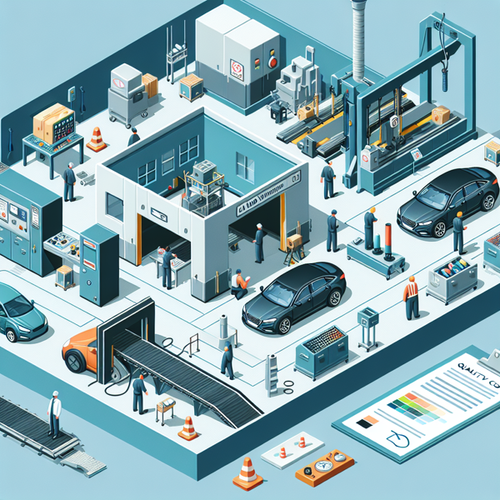
The latest December 2025 updates for the Automotive and Road Vehicles industry include significant advances in health, safety, and fuel system requirements. Three newly published standards—EN 1646-1:2025, ISO 15501-1:2025, and ISO 15501-2:2025—deliver robust benchmarks for motor caravan habitation safety and the secure use of compressed natural gas (CNG) fuel systems. These standards reflect modern industry needs for safety, environmental consciousness, and regulatory compliance.
Overview / Introduction
Automotive and Road Vehicle engineering is evolving rapidly, driven by consumer safety expectations, environmental concerns, and stringent regulatory landscapes. International standards play a vital role in safeguarding passenger health, minimizing risk during vehicle use, and supporting technological innovation.
In this article, professionals will discover the critical requirements, technical specifications, and compliance strategies unveiled in three newly published standards. Together, they address the safety of leisure accommodation vehicles and core aspects of alternative-fuel vehicle systems. Whether you oversee quality, manage compliance, or design vehicles, these updates provide actionable knowledge for your operations.
Detailed Standards Coverage
EN 1646-1:2025 - Health and Safety for Motor Caravans
Leisure accommodation vehicles - Motor caravans - Part 1: Habitation requirements relating to health and safety
EN 1646-1:2025 establishes essential requirements to protect the health and safety of persons inhabiting motor caravans. Applicable to vehicles defined in EN 13878, it governs models where the overall length and width yield a plan area of up to 13.5 m². Road safety issues are outside its scope; instead, the focus is internal habitation, including sleeping, cooking, water, waste, and emergency safety provisions.
Key requirements and specifications:
- Design and construction for safe occupancy, including clearly defined berths and occupancy information
- Specifications for entrance steps, doors (with minimum clear dimensions and locking systems), and awning rails
- Safety criteria for internal equipment: bunks (strength, clearance, fall protection), cupboards, and cooking appliances
- Rigorous rules for drinking water supply, waste disposal, electrical and LPG installations, heating, and ventilation systems
- Comprehensive fire precautions: emergency exits, escape paths, protected heating/cooking surfaces, and escape via doors/windows
- Marking, user handbooks, and warning notices for consumer safety
Who must comply:
- Manufacturers of motor caravans intended for temporary or seasonal accommodation
- Designers and quality assurance professionals for leisure vehicles
- Vehicle conformity assessors and regulatory bodies
Implementation implications:
- Stricter verification of bunk safety, step stability, and entrance systems
- Enhanced fire safety documentation and installation procedures
- Deployment of clear user instructions and warning systems targeting real-world usage
Notable changes from previous edition:
- Expanded definitions: "flammable" replaced by "combustible" throughout
- Revised occupancy and step height requirements
- New/updated requirements for drop-down bunks, childproof locks, and hotplate protection
- Amendments in drinking water and LPG installations, extra low voltage (DC) systems
- Updated normative references and detailed testing protocols
Key highlights:
- Explicit construction and safety rules for all motor caravan models up to 13.5m²
- Reinforced standards for internal equipment and fire escape provisions
- Updated test methods for mechanical strength/safety of steps, bunks, and ladders
Access the full standard:View EN 1646-1:2025 on iTeh Standards
ISO 15501-1:2025 - Safety for CNG Fuel Systems
Road vehicles - Compressed natural gas (CNG) fuel systems - Part 1: Safety requirements
This newly revised ISO standard sets out the minimum safety requirements for the design, installation, and performance of CNG fuel systems in motor vehicles. Covering mono-fuel, bi-fuel, and dual-fuel applications (original production or retrofits), it addresses all critical hardware and operating situations associated with compressed natural gas use according to ISO 15403-1.
Key requirements and specifications:
- Comprehensive design criteria for system components (cylinders, valves, fittings), emphasizing corrosion resistance, mechanical protection, and accessibility for inspection
- Strict rules for mounting CNG cylinders, including mandatory automatic or manual shut-off valves and pressure relief devices (PRDs/PRVs)
- Requirements for refueling connections (placement, mounting, and clearance)
- Safety features to minimize gas ignition risks, heat protection, and venting provisions (including temperature sensors)
- Electrical requirements for connections, control units, and automatic shutdown in case of system failure
Target organizations:
- Vehicle manufacturers and upfitters specifying or installing CNG systems
- Engineers and safety compliance managers in alternative fuel programs
- Regulators and conformity assessment professionals
Implementation implications:
- Need for validated, safe system layouts and verified component installations
- Use of certified, high-integrity valves and relief devices
- Adoption of electronic controls and safeguards against mechanical/electrical failures
Notable updates:
- Updated references and terminology for international harmonization
- Addition of requirements for electronic control units and electrical connections
- New rules for vent line closures, minimum receptacle clearance, and integrated gas temperature sensors
- Alignment with latest best practices and regulatory insights on CNG usage
Key highlights:
- Applies to all CNG vehicle types (mono, bi, dual-fuel; OEM and retrofits)
- Reinforced automatic shutdown and gas leakage safeguards
- Focus on robust mounting and protection against environmental/operational hazards
Access the full standard:View ISO 15501-1:2025 on iTeh Standards
ISO 15501-2:2025 - Test Methods for CNG Systems
Road vehicles - Compressed natural gas (CNG) fuel systems - Part 2: Test methods
ISO 15501-2:2025 specifies detailed test methods for verifying compliance with the safety requirements set in ISO 15501-1:2025. Covering the full spectrum of functional and component tests, it applies to engineers, test lab professionals, and OEMs seeking robust validation for their CNG system designs and installations.
Key requirements and specifications:
- Inertia, static, and alternative testing methods for cylinder mounting strength (including sequential/unitary testing for multiple cylinders)
- Leak testing protocols to ensure system integrity under various operational conditions
- Functional assessment of shut-off valves, refueling receptacle mounting, and component clearances
- References to ISO 15500 (system components), ISO 14469 (refueling connectors), and ISO 11439 (high-pressure cylinders)
- Acceptance criteria based on resistance to mechanical stress, pressure, leakage, and operational load
Who should comply:
- Labs and testing organizations evaluating CNG systems or components
- Vehicle manufacturers certifying CNG fuel system installations
- Quality managers overseeing alternative fuel safety verification
Practical implications:
- Standardized, validated testing processes for cylinder groups and ancillary equipment
- Streamlined acceptance and regulatory certification procedures
- Reduced risk of undetected faults and enhanced liability defense
Notable changes:
- Harmonized test protocols referencing latest service pressure standards
- Technical changes and clarifications to accommodate modern vehicle platforms
- Alignment with updated safety and functional requirements in ISO 15501-1:2025
Key highlights:
- Rigorous, reproducible test frameworks for all key CNG system features
- Facilitates global consistency in alternative fuel system validation
- Critical for type approval and ongoing compliance audits
Access the full standard:View ISO 15501-2:2025 on iTeh Standards
Industry Impact & Compliance
Business and Operational Impact
Adoption of these new standards is essential for businesses keen to ensure occupant safety, future-proof fuel systems, and satisfy demanding international regulations. Compliance is a strong signal to regulators and customers of your commitment to quality and safety.
Compliance Considerations and Timelines
- EN 1646-1:2025 becomes mandatory for EU markets by June 2026, with existing conflicting standards withdrawn by June 2027
- ISO 15501-1:2025 and ISO 15501-2:2025 are available for immediate global adoption; national timelines may vary
- Organizations should prioritize compliance audits, staff training, and updates to documentation to align with these standards
Benefits of Adoption
- Enhanced safety for end-users and vehicle operators
- Easier market access through harmonized, internationally recognized technical baselines
- Reduced liability risk and easier product certification
Risks of Non-Compliance
- Potential regulatory sanctions or removal from market
- Compromised occupant safety and increased liability exposure
- Loss of competitive advantage in safety- and eco-focused markets
Technical Insights
Common Technical Requirements
- Robust verification and documentation for all safety-critical vehicle systems
- Standardized protocols for both initial vehicle design and aftermarket conversions
- Emphasis on practical, testable safety outcomes (e.g., mechanical strength, leak tightness, escape routes)
Implementation Best Practices
- Conduct comprehensive gap assessments between current installations and new standard requirements
- Train design, engineering, and QC teams on revised technical provisions
- Update supplier and vendor qualification processes to ensure component conformity
- Employ approved test laboratories for critical component and system-level tests
Testing and Certification
- Use ISO 15501-2:2025’s protocols for cylinder mounting, leak, and functional safety testing
- Collect and retain documentary evidence for regulatory reviews and audits
- Engage with notified bodies and certification agencies early when targeting type approvals
Conclusion / Next Steps
With significant updates to both health/safety and alternative fuel vehicle standards, December 2025 marks a new era for Automotive and Road Vehicle engineering. Whether designing, manufacturing, or certifying leisure accommodation vehicles or CNG-powered fleets, proactive adoption is imperative.
Key actions for organizations:
- Review the detailed provisions of EN 1646-1:2025 and ensure product designs comply
- For CNG systems, align engineering and testing protocols with ISO 15501-1:2025 and ISO 15501-2:2025
- Update internal standards, training programs, and technical documentation accordingly
Stay ahead by exploring the full library of current standards for Automotive and Road Vehicles on iTeh Standards, and subscribe for alerts on future updates in this dynamic sector.
Categories
- Latest News
- New Arrivals
- Generalities
- Services and Management
- Natural Sciences
- Health Care
- Environment
- Metrology and Measurement
- Testing
- Mechanical Systems
- Fluid Systems
- Manufacturing
- Energy and Heat
- Electrical Engineering
- Electronics
- Telecommunications
- Information Technology
- Image Technology
- Precision Mechanics
- Road Vehicles
- Railway Engineering
- Shipbuilding
- Aircraft and Space
- Materials Handling
- Packaging
- Textile and Leather
- Clothing
- Agriculture
- Food technology
- Chemical Technology
- Mining and Minerals
- Petroleum
- Metallurgy
- Wood technology
- Glass and Ceramics
- Rubber and Plastics
- Paper Technology
- Paint Industries
- Construction
- Civil Engineering
- Military Engineering
- Entertainment