


Electric Tool Safety Standards: Boosting Productivity, Security, and Business Scalability
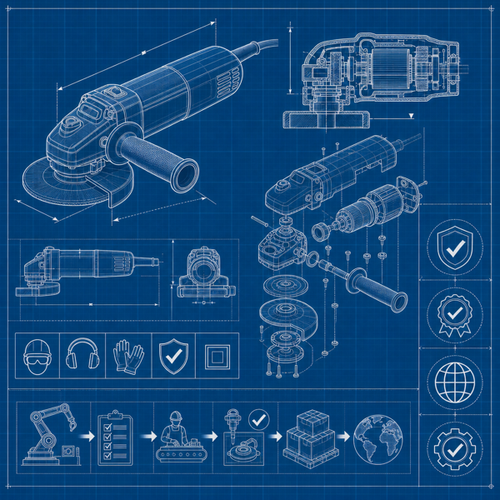
Electric Tool Safety Standards: Boosting Productivity, Security, and Business Scalability
In today’s fast-evolving manufacturing environments, the use of electric motor-operated tools is more prevalent—and more regulated—than ever before. The international standards for these tools are essential not only for compliance but also for driving business productivity, workplace safety, and scalable operations. This guide explores three key standards governing electric tools: particular requirements for transportable planers and thicknessers, table masonry saws, and edgers. Understanding and applying these standards is now vital for businesses of any size that seek reliability, efficiency, and a competitive edge.
Overview / Introduction
Electric tools power modern manufacturing—from woodworking to construction and landscaping. With increasing automation, energy efficiency, and stricter workplace safety expectations, the need for robust electric tool safety standards has never been higher. This article demystifies three critical international safety standards:
- EN IEC 62841-3-3:2026/A11:2026
- IEC 62841-3-17:2026
- IEC 62841-4-11:2026
We’ll break down their scope, core requirements, practical impact, and how their adoption not only ensures regulatory compliance but also fuels safer, more productive—and ultimately more scalable—businesses in manufacturing and beyond.
What will you gain from this guide?
- Clear understanding of each covered standard and its unique requirements
- Knowledge of best practices for electric tool safety and compliance
- Insights into the productivity, risk mitigation, and scalability benefits these standards afford
- Guidance on implementing these requirements in your organization
Detailed Standards Coverage
EN IEC 62841-3-3:2026/A11:2026 – Safety for Transportable Planers and Thicknessers
Electric motor-operated hand-held tools, transportable tools, and lawn and garden machinery – Safety – Part 3-3: Particular requirements for transportable planers and thicknessers
EN IEC 62841-3-3:2026/A11:2026 sets out the essential safety requirements for electric motor-powered transportable planers and thicknessers—vital equipment in woodworking and industrial settings. The standard, with its 2026 amendment (A11), specifies constructional, operational, and instructional changes needed to ensure operator safety and consistent equipment performance.
Scope and Applicability: This standard applies broadly to electric woodworking equipment that is portable and intended for professional or residential users. It addresses hazards unique to planers and thicknessers, ensuring that machines have adequate protection mechanisms, proper instructions, and are designed to minimize mechanical and electrical risks.
Key Requirements and Specifications:
- Modified marking and instruction requirements, emphasizing push-stick use for material feeding and handling smaller workpieces
- Mandated noise and vibration emission measurements, providing values for exposure assessment and comparison
- Enhanced warnings about real-use noise emissions and operator exposure
- Specific mechanical hazard protections, including cutter block construction, marking, and blade projection limits
- Additional compliance with EN 847-1:2017 for milling tools and circular saw blades
- Requirements for battery tools, battery packs, and units connected to electrical mains
Who Needs to Comply?
- Woodworking manufacturers and factories using transportable planers and thicknessers
- Safety officers and compliance managers in industrial settings
- Tool manufacturers seeking to market products in regulated markets (especially in Europe)
Practical Implementation: Businesses should ensure equipment is clearly marked, operator instructions are comprehensive, and machinery is retrofitted if needed for compliance. Operator training should be updated to reflect best practices on noise exposure evaluation, correct use of safety devices, and machine maintenance.
Key highlights:
- Robust marking and instructional updates mandate better operator safety
- Mechanical protections now directly reference internationally accepted requirements
- Compliance can ease market entry and reduce costly workplace incidents
Access the full standard:View EN IEC 62841-3-3:2026/A11:2026 on iTeh Standards
IEC 62841-3-17:2026 – Safety Requirements for Transportable Table Masonry Saws
Electric motor-operated hand-held tools, transportable tools, and lawn and garden machinery – Safety – Part 3-17: Particular requirements for transportable table masonry saws
This international standard is designed specifically for safety in the use of table masonry saws: powerful tools essential for cutting stone, tile, brick, concrete block, and other masonry materials. IEC 62841-3-17:2026 addresses both type 1 and type 2 saws (with varying table and blade arrangements) and type 4 saws intended for continuous rim diamond cutting wheels.
Scope and Applicability: The standard focuses on transportable masonry saws equipped with diamond cutting wheels up to 600mm in diameter, but not on tools with bonded abrasive wheels or cut-off machines. Its guidance is essential in any professional setting where masonry materials are processed safely and accurately.
Key Requirements and Specifications:
- Detailed marking on rated speed, maximum blade diameter, and direction of rotation
- Mandatory safety warnings for PPE (eye and ear protection), appropriate diamond wheel use, and water system management
- Clear limits on the materials permitted for cutting and the construction of diamond wheels
- Rigorous mechanical protection against accidental contact with rotating parts, with minimum dimensions for guards and machine elements
- Vibration and noise emission testing
- Water system operating precautions for wet-cut saws to avoid electric shock
- Instructions for safe practices with extension cords and electrical connections to prevent moisture ingress
- Transition period for industry to comply (minimum 36 months post-publication)
Who Needs to Comply?
- Tool manufacturers producing and distributing masonry saws
- Construction companies using portable masonry cutting equipment
- Rental businesses and maintenance providers for construction tools
Practical Implementation: Manufacturers must label products precisely, incorporate correct blade guards, and ensure comprehensive guides accompany each tool. Onsite operators should use only specified diamond wheels, follow all PPE instructions, and comply with electrical safety measures, especially when using water-cooled machines.
Key highlights:
- Incorporates best-in-class safety labels and operator warnings
- Mechanical design improvements to increase protection during operation
- Stipulates stricter requirements for tool accessories and maintenance
Access the full standard:View IEC 62841-3-17:2026 on iTeh Standards
IEC 62841-4-11:2026 – Safety Requirements for Edgers
Electric motor-operated hand-held tools, transportable tools and lawn and garden machinery – Safety – Part 4-11: Particular requirements for edgers
IEC 62841-4-11:2026 is an essential standard guiding the design, labeling, and use of powered garden edgers, a key tool for landscaping and groundskeeping professionals. The document addresses the full range of edgers—from hand-held models with ground support to walk-behind and walk-beside types—ensuring stringent safety and mechanical requirements are consistently met.
Scope and Applicability: It covers edgers where the blade-tip circle plane operates at no more than 15° from the vertical and blade diameters up to 305mm, provided they meet minimum kinetic energy requirements. Excluded are trimmers, brush cutters, scissor-type edgers, and devices with multi-piece metallic accessories. Special European exclusions apply for edgers with integral batteries.
Key Requirements and Specifications:
- Marking and labeling requirements with safety warnings for operators and bystanders
- Definitions and size limits for blades, guards, and machine handles
- Controlled energy transfer criteria for cutting elements (greater than 10 joules)
- Mechanical design standards for guards, handles, and protective systems
- Vibration and noise measurement procedures for user exposure evaluation
- Specifications for electrical insulation, moisture protection, and fire resistance
- Operator presence detection systems and triggers
Who Needs to Comply?
- Manufacturers of garden and landscape power tools
- Maintenance providers and landscaping businesses
- Urban infrastructure and municipal green works departments
Practical Implementation: Compliance is achieved by ensuring all edgers feature appropriate warning labels, safety guards, handle designs, and operator training materials. Organizations should regularly review and update practices on equipment use, storage, and maintenance to reflect the standard’s evolving requirements and best known safety measures.
Key highlights:
- Comprehensive criteria for safe power edger design and use
- Specific labels and warnings for hazards unique to edgers
- Best practices for protecting users and the public
Access the full standard:View IEC 62841-4-11:2026 on iTeh Standards
Industry Impact & Compliance
How These Standards Affect Businesses
The implementation of electric tool safety standards like those above is no longer a mere recommendation—it’s a competitive must for manufacturers, tool suppliers, contractors, and facility operators. Not only do these standards ensure you can legally sell, import, or operate products in regulated markets (notably the European Union), but they also fundamentally reduce accident rates, lower insurance premiums, and build client and public trust.
Compliance Considerations
- Legal requirements: Non-compliance can result in recalls, fines, litigation, or being barred from key markets.
- Operational assurance: Adhering to these standards ensures that products meet minimum performance benchmarks for durability and safety, reducing costly downtime.
- Certification and testing: Many national and international buyers require certification to these standards before procurement.
Benefits of Adopting These Standards
- Increased productivity by minimizing accident-related disruptions and ensuring consistent tool performance
- Enhanced security for workers and work environments through proven safety measures and operator guidance
- Improved scalability since process and product standardization enables you to reliably expand into new markets and scale production safely
- Reduced liability and stronger insurance positioning thanks to demonstrable, ongoing risk management
Risks of Non-Compliance
- Exclusion from lucrative regulated markets
- Exposure to litigation and brand reputation damage after workplace incidents
- Increased frequency of equipment failure and costly unplanned outages
Implementation Guidance
Common Implementation Approaches
- Gap analysis: Assess current equipment, instructions, and operating protocols against each relevant standard’s requirements.
- Procurement standards: Ensure all procurement contracts specify compliance with the current edition of the standard.
- Operator training: Use the standard’s instructions for developing or updating your in-house safety training.
- Maintenance routines: Establish regular inspection and testing routines for tools in line with performance, marking, and mechanical integrity criteria.
- Documentation and record-keeping: Maintain comprehensive compliance documentation for audits and regulatory checks.
Best Practices for Adopting Standards
- Involve senior management in safety culture development
- Design or update operating procedures to integrate specific standard requirements—e.g., PPE, push-stick use, or water system precautions
- Select suppliers who provide tools and accessories certified to current international standards
- Encourage feedback from operators to identify real-world challenges and reinforce best practice updates
Resources for Organizations
- Direct access to full standards and certified translations via iTeh Standards
- Training workshops from tool manufacturers or accredited third parties
- Safety compliance consultancies specializing in electric motor-operated tools
- Regulatory authority guidelines (e.g., EU Machinery Regulation)
- Industry associations and professional bodies
Conclusion / Next Steps
The three electric tool safety standards covered—EN IEC 62841-3-3:2026/A11:2026, IEC 62841-3-17:2026, and IEC 62841-4-11:2026—form a keystone for safe, efficient, and legally compliant manufacturing and facilities management. Their adoption is now central for organizations looking to:
- Minimize operational risk and liability
- Drive consistent, scalable business growth
- Build and maintain a robust safety culture and public reputation
Recommendations:
- Review your current inventory and procedures against these standards
- Invest in training and supplier engagement for seamless compliance
- Access the latest official standards and updates on iTeh Standards
- Stay connected for emerging amendments and industry best practices
By integrating international electric tool safety standards into your business, you’re investing not just in compliance, but in enduring productivity, security, and the potential to operate—and scale—on the global stage. Make these standards a core part of your strategic advantage.
Categories
- Latest News
- New Arrivals
- Generalities
- Services and Management
- Natural Sciences
- Health Care
- Environment
- Metrology and Measurement
- Testing
- Mechanical Systems
- Fluid Systems
- Manufacturing
- Energy and Heat
- Electrical Engineering
- Electronics
- Telecommunications
- Information Technology
- Image Technology
- Precision Mechanics
- Road Vehicles
- Railway Engineering
- Shipbuilding
- Aircraft and Space
- Materials Handling
- Packaging
- Textile and Leather
- Clothing
- Agriculture
- Food technology
- Chemical Technology
- Mining and Minerals
- Petroleum
- Metallurgy
- Wood technology
- Glass and Ceramics
- Rubber and Plastics
- Paper Technology
- Paint Industries
- Construction
- Civil Engineering
- Military Engineering
- Entertainment