


February 2026: New Standards Advance Health Care Technology Safety and Quality
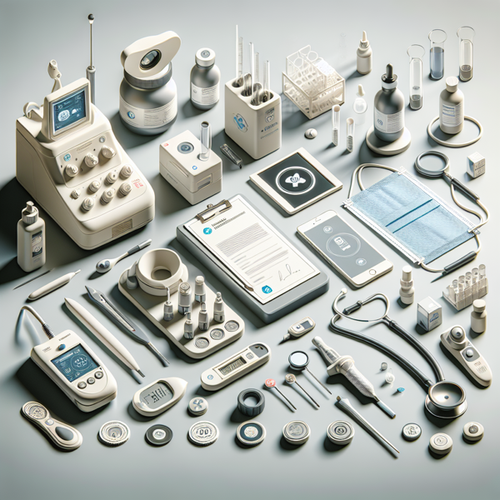
The field of health care technology continues to evolve rapidly, with new standards published in February 2026 shaping a safer, more effective future for medical products, digital systems, and traditional therapies. This update, Part 3 of 4 for this month, spotlights five newly released international standards targeting smart home environments for older persons, medical diagnostic imaging, radiotherapy treatment planning software, assistive support surfaces, and traditional herbal medicine. These standards bring vital clarity, enhanced safety, and robust testing methodologies—empowering professionals across the health care spectrum to improve outcomes and mitigate risk.
Overview
Health care technology plays a pivotal role in modern life, affecting patient safety, health outcomes, and the efficiency of care delivery. International health care standards provide the blueprint for quality, reliability, and conformity—safeguarding both patients and providers across diverse settings, from hospitals to smart homes and laboratories to artisan medicine production.
In this article, you’ll discover:
- The main highlights and technical requirements of five newly released standards
- Who these standards impact and why compliance is essential
- Practical implications and industry impact
- Best practices for implementation and certification
- How these standards are driving innovation and quality in health care technology
Detailed Standards Coverage
ISO TS 25558:2026 – Guidance for Smart Home Products for Older Persons
Ageing societies — Guidance for enhancing safety and usability of smart home products, services, and systems for older persons in smart home environment
As ageing populations increase globally, the importance of smart homes adaptable to older persons' needs has become critical. ISO TS 25558:2026, developed by ISO and IEC, sets forth a comprehensive framework for designers, developers, and providers of smart home technologies to enhance both safety and usability for older individuals—addressing the changes in physical, psychological, and social needs over time.
The standard introduces:
- A process for needs assessment, product selection, application, and evaluation
- Guidelines emphasizing self-determination, personalization, privacy, security, interoperability, and ethical aspects
- Concrete recommendations for safety and usability in smart environments
- Considerations for the evolving health conditions and independence of older users
Target audience:
- Designers, engineers, and developers of smart home technologies
- Providers of connected health devices, services, and systems
- Organizations involved in aging-in-place initiatives and healthy aging policies
Practical impact: Organizations complying with this standard can expect improved user acceptance, greater client safety, and reduced technology adoption barriers among older adults. It directly addresses digital literacy and inclusion gaps in the smart home market.
Key highlights:
- Structured guidance for tailoring smart home solutions to older users
- Emphasis on safety, usability, privacy, and ethical design
- Framework for needs identification, product evaluation, and ongoing improvement
Access the full standard:View ISO TS 25558:2026 on iTeh Standards
EN IEC 61267:2026 – Radiation Conditions for Medical X-ray Equipment
Medical diagnostic X-ray equipment - Radiation conditions for use in the determination of characteristics
Accurate, standardized radiation conditions are imperative for testing and verifying the performance of medical X-ray equipment. EN IEC 61267:2026 delivers a crucial update, providing methods to generate and verify X-ray radiation conditions in laboratory and manufacturing environments. Medical device manufacturers, test laboratories, and radiology departments depend on this standard for demonstrating equipment compliance and ensuring diagnostic reliability.
This revision includes:
- Removal of outdated annexes
- Addition of tabulated signal-to-noise ratio values and normative references for mammography testing
- Updated X-ray radiation condition definitions and test procedures
- New methods for verification and changes in terminology for clarity
Who should comply:
- Manufacturers and QA teams in diagnostic imaging
- Clinical engineering departments
- Testing and calibration laboratories
Industry implications: Adopting this standard streamlines regulatory approvals, optimizes maintenance protocols, and strengthens quality assurance for radiological imaging. Compliance also mitigates liability risks by demonstrating adherence to up-to-date international norms.
Key highlights:
- Revised and expanded test methodologies for X-ray equipment
- Specific provisions for mammography radiation conditions
- Enhanced definition and verification practices for test labs and OEMs
Access the full standard:View EN IEC 61267:2026 on iTeh Standards
EN IEC 62083:2026 – Safety Requirements for Radiotherapy Treatment Planning Software
Medical device software - Requirements for the safety of radiotherapy treatment planning systems
Precision, reliability, and patient safety are absolutely non-negotiable in radiation oncology. EN IEC 62083:2026 specifies a stringent set of requirements governing the software that develops, evaluates, and approves radiotherapy treatment plans. Covering both standalone software and integrated system components, the standard ensures secure data management, robust approval controls, and comprehensive documentation.
This update brings significant technical changes:
- Expanded to explicitly address both type and site testing
- Inclusion of adaptive radiotherapy (new Clause 16)
- Broadens compliance scope to all forms of radiotherapy planning software
- Enhanced specifications on data transfer, approvals, documentation, and safety-related algorithms
Primary stakeholders:
- Software developers and system integrators in radiation therapy
- Clinical physicists, dosimetrists, and QA professionals
- Hospital IT managers and compliance officers
Operational impact: By following this standard, health organizations reduce the risk of software errors, improve integration with other medical devices, facilitate interoperability, and support continual safety validation throughout the product lifecycle.
Key highlights:
- Modular requirements for software and system interfaces
- Clauses for security, data integrity, adaptive therapy, and traceability
- Structured documentation and version control for clinical safety
Access the full standard:View EN IEC 62083:2026 on iTeh Standards
ISO 20342-4:2026 – Durability Testing for Assistive Support Surfaces
Assistive products for tissue integrity when lying down — Part 4: Test methods for durability
Assistive products for tissue integrity (APTIs), such as pressure-relief mattresses and overlays, are essential in preventing and treating pressure injuries in care facilities and home settings. ISO 20342-4:2026 defines the standardized test methods for evaluating the durability of these products—ensuring long-term effective support under a range of use and environmental conditions.
Highlights include:
- Test methods for APTIs placed on articulated support platforms
- Procedures simulating user movement, repositioning, and environmental stress
- Clear criteria for single-patient, multiple-use product durability
- Differentiation between active and reactive support products
Professionals affected:
- Manufacturers and testers of medical support surfaces
- Clinicians and procurement specialists in hospitals and care facilities
- Distributors and regulatory compliance specialists
Real-world implications: Complying with this standard will directly benefit end-users by improving product longevity, reducing the frequency of replacement, and supporting objective comparisons between manufacturers. It also enables health organizations to ensure product claims are substantiated by rigorous, reproducible test results.
Key highlights:
- Multiple, methodical durability test protocols
- Practical simulation of daily use and extreme conditions
- Applicable to a range of products, enhancing comparability and quality assurance
Access the full standard:View ISO 20342-4:2026 on iTeh Standards
ISO 21370:2026 – Quality Standards for Dendrobium Officinale Stem
Traditional Chinese medicine — Dendrobium officinale stem
The increasing global demand for traditional medicines requires harmonized standards to ensure quality and safety. ISO 21370:2026 establishes comprehensive minimum requirements and standardized test methods for Dendrobium officinale stem, widely used in Chinese medicine for its purported health benefits. This second edition reflects updated definitions and harmonizes test specifications across regions.
Standard sets forth:
- Requirement for product purity and freedom from contaminants
- Morphological, chemical (moisture, ash, ethanol extractives), and chromatographic specifications
- Testing for markers such as polysaccharides and sugar ratios
- Strict limits for heavy metals and pesticide residues
- Guidance for sampling, packaging, labelling, and reporting
Who needs to comply:
- Herbal medicine producers and exporters
- Testing and certification laboratories
- Quality and regulatory managers in the traditional medicine industry
Practical considerations: Harmonizing global production and testing criteria, this standard provides confidence for international buyers, supports market access, and protects public health by reducing adulteration and ensuring traceability.
Key highlights:
- Defines minimum quality and safety standards for Dendrobium officinale stem
- Universal test protocols for identity, contaminants, and botanical markers
- Comprehensive provisions for packaging, storage, and labelling
Access the full standard:View ISO 21370:2026 on iTeh Standards
Industry Impact & Compliance
Implementing these five new health care technology standards will have a lasting impact across the industry:
- Safety and Efficacy: Enhanced design guidance and test methods help organizations reduce product failures and protect end-users, particularly vulnerable populations.
- Legal and Regulatory Compliance: Adoption ensures alignment with regional and international regulatory frameworks, facilitating certification and market access.
- Operational Excellence: Streamlined and harmonized specifications support procurement decisions, supplier evaluations, and interoperability between systems.
- Competitive Advantage: Early adoption may provide strategic differentiation, offering customers documented evidence of safety and compliance.
- Risk Mitigation: Reduces liability exposure from non-compliance, recalls, or adverse events.
Compliance Considerations and Timelines:
- Transition to the new or revised standards may be subject to regulatory deadlines, supplier contracts, or institutional procurement cycles. Make proactive plans for implementation and documentation updates.
- Review legacy products and services for conformity to revised criteria; plan necessary remediation measures.
Technical Insights
Several technical trends and best practices emerge from these new and revised standards:
- Systemic Needs Assessment: Standards like ISO TS 25558:2026 and EN IEC 62083:2026 emphasize user-centered design, needs assessment, and evaluation frameworks to ensure solutions are fit for purpose.
- Rigorous Testing: EN IEC 61267:2026 and ISO 20342-4:2026 codify advanced test procedures, simulating real-world and extreme conditions for greater confidence in equipment longevity and diagnostic reliability.
- Data Security and Traceability: The updated software requirements for radiotherapy planning focus on secure data management, traceability, and safeguards against unauthorized changes—critical for clinical safety.
- Global Harmonization: International standards converge requirements for herbal medicine (ISO 21370:2026), supporting smoother cross-border trade and regulatory processes.
Implementation Best Practices:
- Conduct a gap analysis against current systems and practices to identify areas needing updates.
- Engage stakeholders early—including clinical, technical, and quality teams—to facilitate buy-in and smooth transition.
- Train staff responsible for compliance, testing, documentation, and procurement on new standard requirements.
- Work with notified bodies or testing labs with proven competency in relevant standards.
- Monitor updates and future revisions, especially in dynamic areas like health care software and digital health.
Testing and Certification:
- Leverage certified test labs and accredited bodies to demonstrate conformity
- Maintain thorough records of compliance, test results, and product changes for audit readiness
- Utilize standardized templates for reporting and documentation as stipulated in each standard
Conclusion / Next Steps
These February 2026 standards represent a major leap forward in the ongoing modernization of health care technology, emphasizing patient-centered solutions, robust testing, and harmonized international requirements.
Key actions for organizations:
- Review the full text and apply the requirements relevant to your products, services, or operational context
- Integrate new test methods and documentation protocols into production and QA
- Stay engaged with ongoing standards development to anticipate future changes
- Consult the iTeh Standards platform for authoritative guidance and direct access to all referenced documents
Stay at the forefront of health care technology quality. Discover, implement, and maintain compliance with the latest international standards—and ensure your organization leads in safety, efficacy, and reliability.
Categories
- Latest News
- New Arrivals
- Generalities
- Services and Management
- Natural Sciences
- Health Care
- Environment
- Metrology and Measurement
- Testing
- Mechanical Systems
- Fluid Systems
- Manufacturing
- Energy and Heat
- Electrical Engineering
- Electronics
- Telecommunications
- Information Technology
- Image Technology
- Precision Mechanics
- Road Vehicles
- Railway Engineering
- Shipbuilding
- Aircraft and Space
- Materials Handling
- Packaging
- Textile and Leather
- Clothing
- Agriculture
- Food technology
- Chemical Technology
- Mining and Minerals
- Petroleum
- Metallurgy
- Wood technology
- Glass and Ceramics
- Rubber and Plastics
- Paper Technology
- Paint Industries
- Construction
- Civil Engineering
- Military Engineering
- Entertainment