


December 2025: New Standard Enhances Safety for Temporary Electrical Installations at Exhibitions
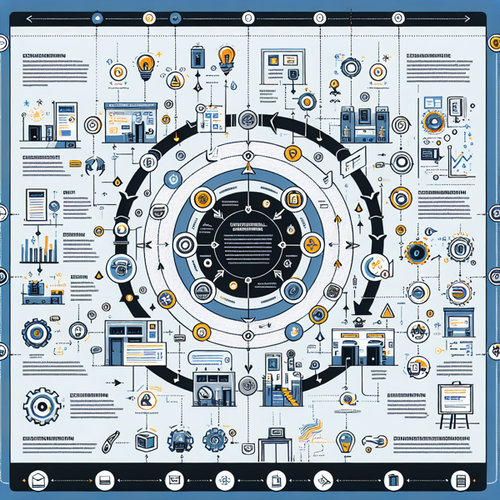
Electrical engineering professionals, event organizers, and compliance managers have a significant reason to take note: a pivotal new standard for temporary low-voltage electrical installations at exhibitions and entertainment venues has been published in December 2025. The FprHD IEC 60364-7-711:2025 standard, developed by CLC, sets out advanced requirements and best practices, directly aiming to improve safety, reliability, and compliance for temporary electrical systems often used in large public gatherings. This publication represents a major advance for the sector and is destined to influence planning and execution for years to come.
Overview: Why Temporary Electrical Standards Matter in Modern Venues
In the dynamic world of exhibitions, concerts, and trade shows, temporary structures and their electrical systems are everywhere—from pop-up booths to complex stage rigs. Unlike permanent installations, these setups face unique risks: changing layouts, variable environmental conditions, frequent assembly/disassembly, and a mix of equipment often handled under tight deadlines.
Standards are vital in this context. They ensure:
- Safety for visitors and staff
- Consistency in installation quality
- Legal compliance for operators and organizers
- Reliability for high-profile events
This article provides a comprehensive look at the December 2025 publication of FprHD IEC 60364-7-711:2025, summarizing its scope, core technical requirements, compliance paths, and practical industry implications.
Detailed Standards Coverage
FprHD IEC 60364-7-711:2025 - Requirements for Temporary Electrical Installations at Exhibitions and Entertainment Venues
Low-voltage electrical installations – Part 7-711: Requirements for special installations or locations – Temporary electrical installations for exhibitions and entertainment related purposes
Scope and Purpose
This standard targets a highly specialized and increasingly common field: temporary electrical systems supporting exhibitions, shows, and entertainment structures. Specifically, it applies to:
- Electrical installations in temporary structures designed for repeated assembly at events
- Temporary systems supplying these structures, whether indoor or outdoor
Key objectives include ensuring public safety, reducing the risk of electrical hazards, and structuring responsibilities for both installers and venue operators.
Core Requirements and Specifications
The standard builds on the general framework of IEC 60364 Parts 1–6 and 8, then tailors its requirements to the specific challenges of temporary installations. Highlights include:
- Assessment of General Characteristics: Mandates careful evaluation of installation environments, operational demands, and anticipated external influences (such as weather, crowd density, and temporary construction materials).
- Supply Structure and Earthing: Addresses robust conductor arrangements and stringent system earthing methods, with a focus on repeatable, safe assembly/disassembly cycles.
- Protection Measures:
- Protection Against Electric Shock: Details methods for automatic disconnection, double or reinforced insulation, and applications of extra-low voltage via SELV and PELV systems.
- Additional Protection: Prescribes supplementary protective devices (such as residual current devices) to minimize risk to users in rapidly changing environments.
- Selection and Installation of Equipment:
- Requires use of compliant cabling (in line with IEC 60227 for PVC-insulated and IEC 60245 for rubber-insulated cables).
- Sets out installation methods for wiring, isolation, switching, and control tailored to temporary arrangements.
- Lighting and Luminaire Safety: Outlines rules for installing and protecting lighting in variable venues, accounting for audience proximity and structural limitations.
- Documentation and Compliance: Calls for detailed documentation, risk assessment, and operational planning to support ongoing safety management during events.
Who Needs to Comply?
- Event organizers
- Electrical contractors and system designers for temporary structures
- Venue operators responsible for safety compliance
- Inspectors and safety officers
Implementation Implications
- Improved event safety, reduced accident risk
- Streamlined setup and teardown through clear processes
- Easier regulatory approval for events
- Enhanced reputation for venues and service providers
Key highlights:
- Comprehensive safety protocols for temporary electrical installations at exhibitions and entertainment venues
- Guidance on protective measures: automatic disconnection, insulation, SELV/PELV applications
- Explicit requirements for wiring systems, coordination of protective devices, and lighting equipment
Access the full standard:View FprHD IEC 60364-7-711:2025 on iTeh Standards
Industry Impact & Compliance
The release of FprHD IEC 60364-7-711:2025 carries far-reaching implications for the events and entertainment industry:
- Risk Reduction: Standardized methods for assembly, earthing, and protective devices prevent deadly shocks, fires, or system failures, ensuring public and worker safety.
- Regulatory Alignment: Organizers and venues adopting this standard are better positioned for rapid approvals and insurance compliance, as most authorities reference IEC, EN, and national equivalents during inspections.
- Operational Efficiency: Guidance on installation and testing shortens setup times and minimizes costly mistakes or dangerous improvisation.
- Enhanced Reputation: Demonstrating conformity with international best practices can boost trust and lead to more business opportunities for suppliers and venues.
Compliance Considerations and Timelines
- Organizations should review the standard in advance of event planning cycles (compliance is typically expected for new events after national adoption).
- Retrofits or repeated installations must be assessed for conformity, with risk management documentation maintained throughout.
- Training for staff and temporary workers is crucial, as many mishaps arise from undertrained or unqualified personnel handling live equipment.
Benefits of Adoption
- Direct mitigation of legal liability in case of incidents
- Lower insurance costs
- Consistent quality assurance across multiple events and sites
Risks of Non-Compliance
- Legal penalties and compensation claims in case of incidents
- Event shutdowns by authorities
- Reputational harm and lost business
Technical Insights
The standard’s technical approach emphasizes safety, repeatability, and adaptability. Some common requirements and implementation strategies include:
- Assessment of General Characteristics: Precise evaluations of environmental risk factors and expected loads are mandated. This includes considering crowd movement patterns, exposure to moisture, and access to emergency exits.
- Earthing and Protective Conductors: All live and exposed conductive parts must be reliably earthed, and disconnection arrangements must support rapid isolation in emergencies.
- Wiring Systems: Temporary wiring must use robust, flexible cables designed for frequent handling and must be installed to avoid mechanical or accidental damage (e.g., trip hazards, pinching by equipment).
- Protection Against Electric Shock:
- Use of residual current devices (RCDs) for personal protection is explicitly required for sockets and portable outlets.
- Use of double/reinforced insulation, where applicable, to limit the risk of accidental contact.
- Specific requirements for extra-low voltage supplies in high-risk or public-access areas.
- Lighting & Equipment Protection: Luminaires must be shielded from physical impact, and control equipment must be easily accessible.
- Testing, Inspection, and Certification: Prior to commissioning, careful inspection and verification are required. Periodic inspection throughout the event’s duration is recommended—ideally by competent, trained professionals.
Implementation Best Practices:
- Conduct a thorough risk assessment for each event and installation site
- Use only certified, qualified electricians and reputable material suppliers
- Document installation details, temporary modifications, and post-event dismantling steps
- Schedule routine safety briefings for all on-site staff
- Establish clear lines of responsibility for ongoing compliance
Testing and Certification Considerations:
- Use checklists based on the standard’s clause structure for pre-event and daily reviews
- Encourage event contractors to seek third-party certifications when appropriate—demonstrating safety commitment to authorities and clients
Conclusion and Next Steps
The newly published FprHD IEC 60364-7-711:2025 standard marks a crucial milestone in modernizing safety for temporary electrical installations used in exhibitions and entertainment venues. Beyond regulatory compliance, adopting this international standard bolsters event safety, supports operational efficiency, and enhances reputational trust.
Key Takeaways:
- Comprehensive, actionable guidelines for temporary low-voltage electrical systems
- Clear focus on safety, reliability, and adaptability in fast-changing environments
- Strong alignment with international best practices
Recommendations for Organizations:
- Download and review the standard early in your event planning cycle
- Train your staff and contractors in line with the new requirements
- Integrate standard-compliant checklists and processes into every project
- Stay proactive: monitor for updates and related standards changes
Stay informed, stay safe, and ensure your next event meets the world’s leading standards.
Explore the full details and latest updates:View FprHD IEC 60364-7-711:2025 on iTeh Standards
Categories
- Latest News
- New Arrivals
- Generalities
- Services and Management
- Natural Sciences
- Health Care
- Environment
- Metrology and Measurement
- Testing
- Mechanical Systems
- Fluid Systems
- Manufacturing
- Energy and Heat
- Electrical Engineering
- Electronics
- Telecommunications
- Information Technology
- Image Technology
- Precision Mechanics
- Road Vehicles
- Railway Engineering
- Shipbuilding
- Aircraft and Space
- Materials Handling
- Packaging
- Textile and Leather
- Clothing
- Agriculture
- Food technology
- Chemical Technology
- Mining and Minerals
- Petroleum
- Metallurgy
- Wood technology
- Glass and Ceramics
- Rubber and Plastics
- Paper Technology
- Paint Industries
- Construction
- Civil Engineering
- Military Engineering
- Entertainment