


Unlocking Productivity and Security: Key Information Technology Standards for Modern Business Applications
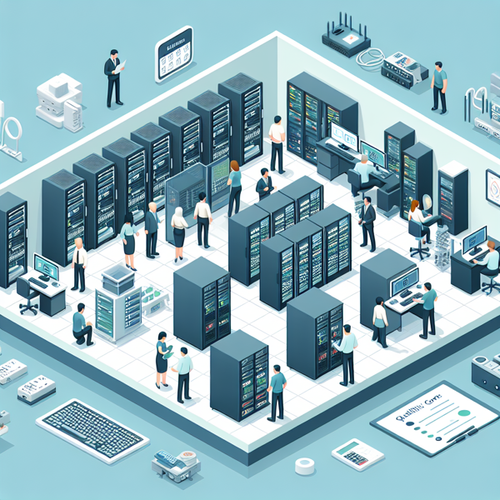
In a digitally powered world, the reliable application of information technology (IT) has become the backbone of competitive, secure, and scalable business operations. For organizations navigating artificial intelligence, electrical system integrity, and seamless IT infrastructure, adopting international standards is no longer just recommended—it is essential. This thorough guide delves into three critical IT standards that shape industry best practices: SIST EN ISO/IEC 25059:2024 for AI system quality, SIST IEC 60050-195:2024 for earthing and electric shock protection, and SIST IEC 60050-826:2023 for electrical installations. By complying with these cornerstone standards, businesses not only boost productivity and efficiency but also fortify their security posture and future-proof their scalability.
Overview / Introduction
The landscape of information technology is vast and rapidly evolving, permeating nearly every aspect of modern enterprise. From artificial intelligence (AI) models that automate decision-making to the core electrical installations underpinning data centers and offices, IT applications are everywhere. Yet, with great power comes great responsibility: ensuring that systems are safe, trustworthy, compliant, and interoperable across global boundaries.
This is where international standards come into play. Standards such as SIST EN ISO/IEC 25059:2024, SIST IEC 60050-195:2024, and SIST IEC 60050-826:2023 set out shared guidelines and terminology, offering consensus-driven solutions to technology’s most pressing challenges. They codify quality requirements, promote risk mitigation, clarify communication, and set the baseline for safety and reliability. In practical terms, these publications are must-haves for IT managers, compliance officers, engineers, and business leaders striving for optimal performance and resilience.
In this guide, you will:
- Understand the scope and impact of each major IT standard
- Discover how compliance can elevate security, productivity, and business scalability
- Receive actionable advice for implementing these frameworks effectively
Detailed Standards Coverage
SIST EN ISO/IEC 25059:2024 - A Quality Model for AI Systems
Software engineering – Systems and software Quality Requirements and Evaluation (SQuaRE) – Quality model for AI systems (ISO/IEC 25059:2023)
The rapid deployment of AI systems is revolutionizing industries, but it also presents novel challenges for ensuring system quality, trustworthiness, and compliance. SIST EN ISO/IEC 25059:2024 answers this demand by extending the SQuaRE series with an application-specific quality model tailored for artificial intelligence. Based on a rigorous, risk-conscious framework, the standard delineates a comprehensive set of quality characteristics and sub-characteristics explicitly designed for AI-driven products.
The standard focuses on:
- Consistent terminology: Enabling precise specification, measurement, and evaluation of AI system quality
- Quality completeness: Setting out a full array of characteristics (e.g., user controllability, robustness, functional adaptability, transparency, intervenability) to ensure AI systems are not only accurate but trustworthy and manageable
- Societal and ethical mitigation: Addressing aspects such as fairness, accountability, and transparency to align with emerging legal, societal, and regulatory expectations
Targeted at software engineers, AI developers, quality auditors, and organizations deploying or integrating AI, SIST EN ISO/IEC 25059:2024 is pivotal for validating AI system performance, safety, and societal impact. Its robust model supports everything from requirements engineering and testing to lifecycle risk management and ongoing compliance.
Key highlights:
- Defines quality characteristics unique to AI, including user controllability, intervenability, robustness, and transparency
- Aligns with international references, ensuring global interoperability and recognition
- Addresses non-functional requirements such as societal risk mitigation, essential for public trust
Access the full standard:View SIST EN ISO/IEC 25059:2024 on iTeh Standards
SIST IEC 60050-195:2024 - Earthing and Protection Against Electric Shock Vocabulary
International Electrotechnical Vocabulary (IEV) – Part 195: Earthing and protection against electric shock
Safety in IT infrastructure is inseparable from electrical integrity. SIST IEC 60050-195:2024 provides the definitive terminology essential for designing, maintaining, and regulating earthing systems and protective measures against electric shock. As part of the International Electrotechnical Vocabulary series—used globally by technical committees and practitioners—this standard ensures all parties speak the same language when tackling system safety and compliance.
Covering everything from the fundamentals of reference earth and local earth definitions to the specifics of electric contact, conductors, and shock thresholds, this publication is an authoritative vocabulary resource. It supports the implementation of protective strategies in information technology environments, aligns with global best practices (in accordance with IEC Guide 108), and underpins compliance with electrical safety codes and regulations.
Applicable to engineers, safety officers, regulatory bodies, and anyone involved in the specification or auditing of electrical systems in IT, it is particularly critical for:
- Data centers
- Industrial control systems
- Smart building and facility management
Key highlights:
- Comprehensive multilingual terminology ensures clarity across international projects
- Covers critical safety concepts fundamental to electrical design and IT safety compliance
- Supports harmonization across related IEC standards and regulatory frameworks
Access the full standard:View SIST IEC 60050-195:2024 on iTeh Standards
SIST IEC 60050-826:2023 - Electrical Installations Vocabulary
International Electrotechnical Vocabulary (IEV) – Part 826: Electrical installations
Whether your business operates a complex server room, a factory production line, or a sprawling office campus, you rely on robust, uniform electrical installations for daily operations. SIST IEC 60050-826:2023 delivers the standardized vocabulary vital to planning, design, maintenance, and regulatory compliance for all manner of electrical installations in residential, commercial, or industrial settings.
This current edition brings terminology into alignment with the latest international practices, including compliance with IEC 61140:2016. It also incorporates significant new terms reflecting advancements in smart grids, energy efficiency, protection measures, and sustainable electrical systems (from the IEC 60364-8-1:2014 and IEC 60364-8-2:2018 standards). By offering this harmonized language, stakeholders—from technical committees to facility operators—can ensure uniform understanding and reduce risks of miscommunication or error throughout the lifecycle of electrical infrastructure.
Organizations, electrical engineers, architects, and technicians all benefit from this publication, which directly impacts:
- Standardized documentation
- Safe and effective system commissioning
- Maintenance and troubleshooting
- International project collaboration
Key highlights:
- Covers terminology for entire electrical installation lifecycles, from design through operation
- Facilitates compliance with latest safety and efficiency regulations
- Supports smart grid, energy efficiency, and advanced installation concepts
Access the full standard:View SIST IEC 60050-826:2023 on iTeh Standards
Industry Impact & Compliance
In the context of digital transformation and increasing regulatory scrutiny, complying with these standards isn’t just risk avoidance—it’s a pathway to excellence and sustainable growth. Businesses that align with SIST EN ISO/IEC 25059:2024, SIST IEC 60050-195:2024, and SIST IEC 60050-826:2023 enjoy multifaceted advantages:
- Productivity increases: Standardized processes and clear requirements streamline project delivery, minimize rework, and improve system performance.
- Enhanced security and safety: Applying recognized safety, quality, and risk mitigation principles reduces vulnerabilities, protects sensitive data, and ensures workplace well-being.
- Scalability and future readiness: Standards-based frameworks are inherently adaptable, aiding the seamless scaling and integration of new technologies and business models.
- Global market access: International compliance paves the way for entering new markets, securing client trust, and conforming to government and industry-specific regulations.
Non-compliance, on the other hand, can lead to:
- Operational disruptions and costly downtime
- Legal penalties and reputational damage
- Barriers to growth from lack of interoperability or client rejection
Implementation Guidance
Achieving compliance with these standards may seem daunting, but best-practice approaches can make the process manageable and highly effective for organizations of all sizes.
1. Gap Assessment Conduct a thorough review of current systems, terminology, and processes against standard requirements. Use audit checklists tailored to SIST EN ISO/IEC 25059:2024 for AI, and to the relevant IEC vocabularies for electrical systems.
2. Stakeholder Training Educate staff and partners on the vocabulary and quality concepts introduced in these standards. Well-trained teams are more likely to ensure consistent implementation and to proactively identify compliance gaps.
3. Integrated Process Design Embed standard requirements directly into procurement, design, maintenance, and quality control processes. For IT systems, this includes specifying SQuaRE-based quality requirements for software acquisitions and integrating standard safety terminology into documentation and training.
4. Continuous Monitoring & Evolution Establish regular review mechanisms to keep up with evolving standards and emerging industry practices, especially in fields as dynamic as AI and smart electrical installations.
5. Leverage Digital Tools Use modern standards management platforms—such as iTeh Standards—to streamline access, updates, and collaboration around the latest publications.
Resources:
- Access full standards through iTeh Standards
- Consult with certified auditors or standards consultants when embarking on major projects
- Participate in industry forums for ongoing knowledge sharing and adaptation
Conclusion / Next Steps
International standards such as SIST EN ISO/IEC 25059:2024, SIST IEC 60050-195:2024, and SIST IEC 60050-826:2023 are not mere checkboxes—they are foundational blueprints for building reliable, innovative, and future-ready information technology environments. By adopting these consensus-driven frameworks, organizations not only protect themselves against risk but also unlock significant benefits—higher productivity, robust security, and greater growth potential.
To stay competitive and compliant, businesses should:
- Prioritize ongoing education and awareness around current standards
- Routinely audit systems and processes for alignment with global best practices
- Engage with standards organizations and platforms like iTeh Standards to remain updated and ahead of regulatory shifts
Ready to transform your approach to information technology? Explore these internationally recognized standards in detail and empower your organization for success in the digital era.
https://standards.iteh.ai/catalog/standards/sist/99611b6e-6e15-45a1-8a1c-2d5863996c68/sist-en-iso-iec-25059-2024https://standards.iteh.ai/catalog/standards/sist/1bb77c6c-f2ba-466c-b15d-d7a392b9bde2/sist-iec-60050-195-2024https://standards.iteh.ai/catalog/standards/sist/159199c4-c38c-46ef-9637-eb8341d0d10e/sist-iec-60050-826-2023
Categories
- Latest News
- New Arrivals
- Generalities
- Services and Management
- Natural Sciences
- Health Care
- Environment
- Metrology and Measurement
- Testing
- Mechanical Systems
- Fluid Systems
- Manufacturing
- Energy and Heat
- Electrical Engineering
- Electronics
- Telecommunications
- Information Technology
- Image Technology
- Precision Mechanics
- Road Vehicles
- Railway Engineering
- Shipbuilding
- Aircraft and Space
- Materials Handling
- Packaging
- Textile and Leather
- Clothing
- Agriculture
- Food technology
- Chemical Technology
- Mining and Minerals
- Petroleum
- Metallurgy
- Wood technology
- Glass and Ceramics
- Rubber and Plastics
- Paper Technology
- Paint Industries
- Construction
- Civil Engineering
- Military Engineering
- Entertainment