


Pipeline Components Standards: Ensuring Safe and Efficient Fluid Systems
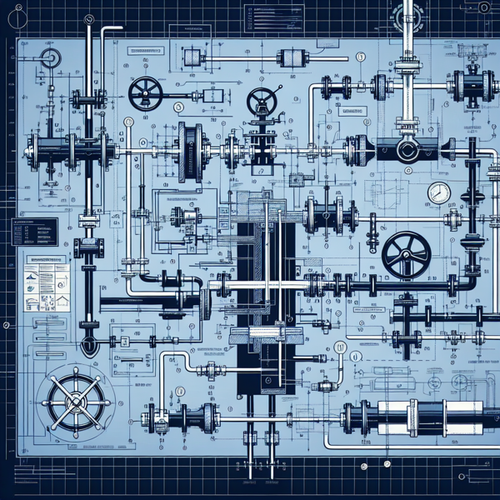
Modern fluid systems depend on highly reliable, safe, and efficient pipeline components. As demand for sustainable district heating, industrial efficiency, and infrastructure safety rises, compliance with industry-leading pipeline standards is more crucial than ever. This article explores two foundational standards—EN 15632-1:2022 and SIST EN 13480-5:2018/A2:2021—guiding businesses in design, classification, testing, and inspection of pipeline components. Organizations that embrace these specifications benefit from increased security, optimized productivity, and future-ready scalability across their fluid networks.
Overview / Introduction
Pipeline components are the backbone of fluid systems in industries ranging from energy distribution to manufacturing, utilities, and municipal services. As technological advances and regulatory requirements evolve, businesses must navigate a landscape of ever-tightening quality and safety expectations. International standards ensure a level playing field, setting uniform minimums for performance, durability, and safety.
This article demystifies the essential standards governing core elements of pipeline components—their classification, requirements, testing, inspection, and verification. We focus on:
- EN 15632-1:2022, which details standards for flexible, factory-made district heating pipes;
- SIST EN 13480-5:2018/A2:2021, which focuses on the inspection and testing of metallic industrial piping.
You’ll learn not only the technical requirements but also why these standards are indispensable for modern businesses—enabling greater operational uptime, extending system lifespans, and mitigating risks while paving the way for sustainable scalability.
Detailed Standards Coverage
EN 15632-1:2022 - District Heating Pipe Systems: Classification and Requirements
District heating pipes – Factory made flexible pipe systems – Part 1: Classification, general requirements and test methods
What does this standard cover? EN 15632-1:2022 is the principal European standard governing flexible, factory-made district heating pipe systems. It focuses chiefly on buried, pre-insulated pipes used for conveying heated fluids (usually water) over long distances. The standard is designed to provide a high level of safety, durability, and thermal efficiency for pipeline systems used in district heating networks—a rapidly growing sector as cities transition towards sustainable, centralized heating solutions.
Key requirements and specifications:
- Scope: Applies to factory-produced, buried flexible pipe assemblies for district heating, considering pipes with maximum operating temperatures of 95°C (plastics, per parts 2 & 3) and up to 120°C (metals, per part 4), and design pressures from 0.6 MPa to 2.5 MPa.
- Classification system: Distinguishes pipe assemblies by material and bonding (bonded/non-bonded; plastic/metal), each with defined service conditions.
- Design requirements: Emphasizes thermal insulation performance, mechanical strength (e.g., ring stiffness), UV stability, safety against impact, and a guaranteed service life of at least 30 years.
- Testing protocols: Specifies methods to assess heat loss, flexibility (bending radius), ovality, crack resistance in insulation, external load resistance, impact and creep resistance, and casing robustness.
- Marking and documentation: Requires clear marking and comprehensive manufacturer’s information for traceability and verification.
Who should comply?
- Manufacturers of pre-insulated flexible pipe systems for district heating and cooling
- Designers and contractors building or upgrading district heating networks
- Utilities and municipalities overseeing urban heating projects
- Any stakeholder involved in buried pipe installation under similar operational parameters
Practical implications for implementation:
- Installing compliant pipes reduces heat losses, saving energy and operational costs
- Ensures pipes maintain dimensional stability and mechanical integrity under demanding buried conditions
- Smooth project approvals and reduce liability risks thanks to proven, standardized test data
Notable features:
- Validation of minimum bending radius for easier installation in complex urban environments
- Stringent controls on insulation and casing stability to guarantee long service life
- Flexible approach through references to applicable parts (bonded plastics, non-bonded plastics, bonded metals)
Access the full standard:View EN 15632-1:2022 on iTeh Standards
SIST EN 13480-5:2018/A2:2021 - Inspection and Testing of Industrial Metallic Piping
Metallic industrial piping – Part 5: Inspection and testing
What does this standard cover? SIST EN 13480-5:2018/A2:2021 details the protocols for inspection and testing of metallic pipelines, ensuring that installed and in-use industrial pipelines meet strict safety, integrity, and reliability criteria. As a key part of the EN 13480 family, this standard covers not only the initial factory or yard fabrication of steel and alloy pipes but also their field assembly and ongoing surveillance.
Key requirements and specifications:
- Inspection scope: Applies to individual pipe spools, assemblies, and complete piping systems, including supports, designed and manufactured under EN 13480-1, -3, -4, and -6 (where applicable)
- Test types: Mandates visual inspection, dimensional verification, nondestructive testing (NDT), pressure testing (e.g., hydrostatic, pneumatic), and examination of welds and joints
- Documentation and traceability: Requires detailed recording of test results, nonconformities, and corrective actions
- Extent of testing: Defined rigorously, but also includes interpretive allowance for service condition risk and engineer's judgment
Who should comply?
- Manufacturers of metallic industrial piping
- EPC contractors, maintenance engineers, and plant operators
- Quality assurance and compliance managers in energy, chemical, food, and process industries
Practical implications for implementation:
- Ensures pipeline systems are free of critical flaws before entering service, greatly reducing risk of leaks or catastrophic failures
- Supports regulatory and insurance compliance
- Enhances the lifespan and reliability of critical infrastructure, lowering total cost of ownership
Notable features:
- Clear requirements for comprehensive NDT and visual inspection routines
- Risk-based approach allowing customization of testing extent
- Holistic testing covering supports and fabricated spools as well as main piping
Access the full standard:View SIST EN 13480-5:2018/A2:2021 on iTeh Standards
Industry Impact & Compliance
Standards like EN 15632-1:2022 and SIST EN 13480-5:2018/A2:2021 fundamentally shape the fluid systems industry, driving both innovation and operational reliability. Here’s how these standards impact daily business operations and strategic direction:
How these standards affect businesses
- Assurance of quality and safety: Proactive implementation of standards reduces failures, minimizes downtime, and prevents accidents.
- Regulatory compliance: Adhering to harmonized standards positions companies for successful permitting, insurance, and cross-border trade.
- Market competitiveness: Certification of compliance is increasingly demanded both in public procurement and B2B partnerships.
Compliance considerations
- Businesses must not only install compliant products but also uphold inspection and maintenance routines as stipulated by the relevant standards.
- Documentation and traceability are essential—inspection records, installation certificates, and batch IDs streamline audits and troubleshooting.
Benefits of adopting these standards
- Enhanced system performance and reliability
- Reduced operating costs thanks to lower energy losses and fewer unplanned repairs
- Increased lifespan of systems, optimizing long-term investment
- Improved worker and public safety
- Easier system scaling—standardized components ease expansion and upgrade
Risks of non-compliance
- Higher likelihood of leaks, failures, regulatory penalties, and insurance complications
- Loss of customer trust and market access
- Expensive retrofits and shutdowns
Implementation Guidance
For organizations looking to adopt and benefit from these key pipeline component standards, a structured strategy is advised:
Common implementation approaches
- Gap analysis: Audit current pipeline systems and procedures against the chosen standards’ requirements
- Staff training: Ensure designers, installers, and inspectors are familiar with latest protocols
- Vendor selection: Source compliant components and require certification from suppliers
- Documented processes: Develop standard operating procedures (SOPs) for inspection, installation, and testing
- Ongoing review: Schedule periodic audits and maintenance aligned with standard guidelines
Best practices
- Involve cross-functional stakeholders: QA, procurement, engineering, and O&M teams
- Monitor for updates: Standards evolve with technology—keep abreast of new versions and amendments
- Embrace digital tools: Use asset management and quality systems to track inspections and genealogy
- Plan for end-of-life: Ensure systems are adaptable for future regulatory or operational changes
Resources and continuing support
- Leverage organizations like iTeh Standards to get the latest versions and guidance materials
- Attend workshops or webinars focused on pipeline safety, inspection, and certification
- Join professional networks to share lessons learned and emerging trends
Conclusion / Next Steps
Modern fluid systems depend on the backbone of safe, efficient, and scalable pipeline components. By embracing standards like EN 15632-1:2022 for district heating and SIST EN 13480-5:2018/A2:2021 for metallic industrial piping, organizations build robust bases for productivity, operational safety, and future growth.
Key takeaways:
- Pipeline standards are indispensable for safe, reliable, and efficient fluid systems
- Implementing comprehensive testing, inspection, and design requirements mitigates risk and futureproofs investments
- Staying proactive in standard adoption boosts reputation and access to demanding markets
Recommendations:
- Evaluate your fluid systems’ compliance levels and plan upgrades where needed
- Engage with standards bodies and knowledge platforms like iTeh Standards for ongoing support
- Foster a safety and quality culture around pipeline design, installation, and maintenance
Explore the referenced standards, invest in staff training, and make standards-based management a core pillar of your organization’s operational excellence and growth in the fluid systems arena.
https://standards.iteh.ai/catalog/standards/cen/4b0b17b3-d2c0-4b08-afe6-2f4306f1c150/en-15632-1-2022https://standards.iteh.ai/catalog/standards/sist/070cf475-344a-4c89-9539-ec37289ef978/sist-en-13480-5-2018-a2-2021
Categories
- Latest News
- New Arrivals
- Generalities
- Services and Management
- Natural Sciences
- Health Care
- Environment
- Metrology and Measurement
- Testing
- Mechanical Systems
- Fluid Systems
- Manufacturing
- Energy and Heat
- Electrical Engineering
- Electronics
- Telecommunications
- Information Technology
- Image Technology
- Precision Mechanics
- Road Vehicles
- Railway Engineering
- Shipbuilding
- Aircraft and Space
- Materials Handling
- Packaging
- Textile and Leather
- Clothing
- Agriculture
- Food technology
- Chemical Technology
- Mining and Minerals
- Petroleum
- Metallurgy
- Wood technology
- Glass and Ceramics
- Rubber and Plastics
- Paper Technology
- Paint Industries
- Construction
- Civil Engineering
- Military Engineering
- Entertainment