


Globe Valves and Gas Appliances: Key Standards for Safe and Efficient Fluid Systems
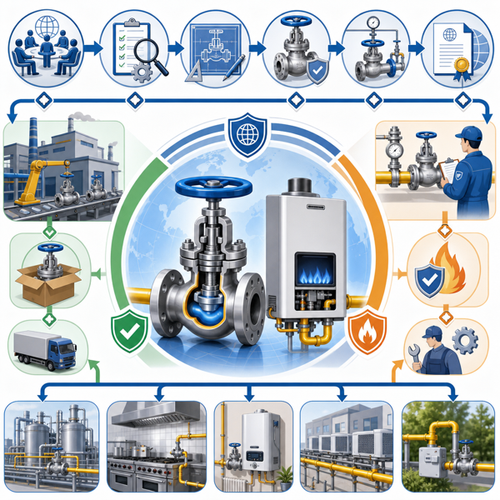
In today’s rapidly evolving industrial landscape, safety, efficiency, and scalability in fluid systems are non-negotiable for businesses aiming to secure both productivity and reputation. Across sectors like manufacturing, energy, and domestic utilities, stringent regulations demand that companies implement internationally recognized standards. This article explores four crucial standards in the fluid systems and gas appliance domain, covering automatic shut-off valves, gas filters, portable liquefied petroleum gas (LPG) appliances, and steel globe valves. Understanding and adopting these standards is essential for optimizing operations, protecting users and assets, and ensuring future growth.
Overview
Fluid systems form the backbone of countless industries, enabling the controlled movement of gases and liquids for processes ranging from heating and power generation to laboratory research and food preparation. As these systems become more integrated and complex, adhering to international standards is critical to minimize risks, guarantee performance, and ensure interoperability across borders.
In this comprehensive guide, we focus on four prominent standards in the field of fluid systems and gas appliances:
- SIST EN 161:2022+A1:2025/AC:2026(Automatic shut-off valves for gas burners and gas appliances)
- SIST EN 16898:2022(Safety and control devices for gas burners - Gas filters)
- SIST EN 521:2006(Specifications for dedicated LPG appliances - Portable vapour pressure LPG appliances)
- SIST ISO 12149:2000(Bolted bonnet steel globe valves for general-purpose applications)
This article will explain what each standard covers, why it matters today, and how adopting these guidelines can drive productivity, safety, and scalability for organizations of any size.
Detailed Standards Coverage
SIST EN 161:2022+A1:2025/AC:2026 - Automatic Shut-Off Valves for Gas Burners and Gas Appliances
Automatic shut-off valves for gas burners and gas appliances
This European standard establishes the requirements for automatic shut-off valves used in gas burners and gas-burning appliances. Shut-off valves play an essential role in controlling the gas supply, preventing leaks, and enabling rapid system isolation in the event of a malfunction or emergency. The latest version integrates updates and corrections, aligning requirements with Regulation (EU) 2016/426 for gas appliances.
Scope and Requirements
- Pertains to shut-off valves for domestic and industrial gas burners, as well as related appliances.
- Covers designs for valves ranging from small domestic units to large industrial applications.
- Specifies testing, construction materials, leak-tightness, mechanical operation, and durability to maintain safety under all operating conditions.
- Ensures compatibility with relevant EU regulations and addresses essential requirements for safe gas handling.
Who Must Comply?
- Manufacturers of gas burners, heaters, ovens, and industrial combustion systems.
- Gas appliance installers, maintenance professionals, and operators.
Practical Implications
Automatic shut-off valves must adhere to this standard to ensure that, should any irregularities arise, the gas flow is instantly and automatically stopped. Adhering to SIST EN 161 boosts system integrity, reduces liability, and enhances user confidence.
Key highlights:
- Comprehensive mechanical and safety testing for automatic valves
- Direct alignment with Regulation (EU) 2016/426 on gas appliances
- Immediate benefit in reducing gas-related hazards
Access the full standard:View SIST EN 161:2022+A1:2025/AC:2026 on iTeh Standards
SIST EN 16898:2022 - Safety and Control Devices for Gas Burners and Gas Burning Appliances: Gas Filters
Safety and control devices for gas burners and gas burning appliances - Gas filters having a maximum working pressure up to and including 600 kPa
This standard defines essential safety, design, construction, and performance requirements for gas filters used in gas burners and gas-burning appliances. Gas filters are critical components for preventing particulate contamination (such as dust and rust) from entering sensitive burner or appliance components, thereby promoting longer device life and safer operation.
Scope and Requirements
- Applies to gas filters handling pressures up to 600 kPa (kilopascals) and with nominal connection sizes up to DN 250.
- Specifies material requirements (restricting the use of zinc alloys and other unsuitable substances) to prevent corrosion and ensure long-term reliability.
- Mandates thorough testing for leak-tightness, filtration efficiency (minimum 85% for needle-felt/cellulose, 75% for polypropylene fiber), durability, and structural resilience.
- Defines clear procedures for filter maintenance and replacement to maintain system performance and safety.
- Outlines marking, warning, and instructive requirements for transparent user communication.
Who Must Comply?
- Manufacturers and assemblers of gas burners, boilers, and industrial gas appliances
- Facility managers and maintenance teams in sectors using gas-fired equipment
Practical Implications
Strict adherence ensures that gas appliances are protected against damage, maintain optimal performance, and reduce maintenance-related downtime. It bolsters occupational safety by minimizing potential for gas leaks and system failures due to contamination.
Key highlights:
- Comprehensive testing for filtration efficiency and structural stability
- Clear material and construction requirements for high-pressure gas filters
- Direct support for EU Directive 2014/68/EU and Regulation (EU) 2016/426
Access the full standard:View SIST EN 16898:2022 on iTeh Standards
SIST EN 521:2006 - Specifications for Dedicated LPG Appliances: Portable Vapour Pressure LPG Appliances
Specifications for dedicated liquefied petroleum gas appliances - Portable vapour pressure liquefied petroleum gas appliances
Catering to the safety and efficiency of small, portable devices powered by LPG, this European standard is essential for camping appliances, outdoor grills, portable heaters, blowlamps, and laboratory burners. It sets out clear construction, marking, testing, and operational guidance to safeguard both user and environment.
Scope and Requirements
- Applies to portable vapor pressure LPG appliances operated outdoors, using non-refillable cartridges or alternative gas cylinders.
- Covers various applications: cooking (e.g., hotplates, grills), lighting, heating (up to 3 kW), blowlamps, and lab burners.
- Establishes requirements for robust materials, sound gas circuit assembly, ease of maintenance, and safe operation under outdoor conditions.
- Sets rigorous testing regimes for gas circuit soundness, ignition safety, flame stability, resistance to overheating, and sooting.
- Requirements for clear marking, packaging, assembly, and use instructions, ensuring safe end-user operation.
Who Must Comply?
- Manufacturers of portable LPG appliances and components
- Importers, retailers, and suppliers of camping and outdoor cooking gear
Practical Implications
The standard helps prevent accidents caused by gas leaks, unstable flames, or improper use of LPG appliances—safeguarding consumers, promoting confidence in certified products, and aligning with EU Directives for public health and safety.
Key highlights:
- Holistic safety coverage of multiple portable LPG appliance types
- Specific energy efficiency guidelines for hotplate burners
- Test methods for durability, ignition, and protection against adverse outdoor conditions
Access the full standard:View SIST EN 521:2006 on iTeh Standards
SIST ISO 12149:2000 - Bolted Bonnet Steel Globe Valves for General-Purpose Applications
Bolted bonnet steel globe valves for general-purpose applications
Globe valves are indispensable within industries where fluid regulation and system integrity are critical. This international standard provides a detailed framework for the design, materials, construction, and testing of bolted bonnet steel globe valves, supporting both safety and efficient process control for industrial, commercial, and infrastructure applications.
Scope and Requirements
- Applies to flanged, threaded, socket-welding, or butt-welding steel globe valves with bolted bonnets, in sizes from DN 10 to DN 400 and pressure ratings PN 10 to PN 110.
- Details minimum wall thickness, flange dimensions, seat types (metallic or soft seal), and pressure-temperature ratings.
- Specifies strict material choices, considering mechanical strength, corrosion, and process compatibility.
- Includes requirements for operation (e.g., rising stem, yoke design), auxiliary connections, leak testing, and quality marking.
- Outlines the need for clear marking, designation, and preparation for dispatch to ensure full traceability and correct installation.
Who Must Comply?
- Designers and manufacturers of steel globe valves for general-purpose use
- Contractors, engineers, and facility operators responsible for piping and fluid control in industrial plants, utilities, and infrastructure
Practical Implications
Businesses implementing this standard benefit from enhanced system safety, reduced downtime due to valve failure or leaks, and increased global interoperability. Compliance also facilitates procurement processes and alignment with customer expectations.
Key highlights:
- Complete coverage for design, quality, and safety of general-purpose steel globe valves
- Harmonized with international standards and compatible with a broad range of piping systems
- Facilitates inspection, risk management, and quality assurance
Access the full standard:View SIST ISO 12149:2000 on iTeh Standards
Industry Impact & Compliance
ISO, EN, and SIST standards are more than technical documents: they are practical tools for transforming safety, reliability, and efficiency within fluid systems and gas appliances. Businesses that proactively implement these standards enjoy multiple advantages, including:
- Risk reduction: Fewer accidents, product failures, and legal or regulatory breaches.
- Productivity gain: Enhanced system uptime, streamlined maintenance, and improved asset life.
- Market access: Simplified demonstration of conformity for international trade and regulatory compliance.
- Reputation and trust: Certified products and competent practices build customer confidence and protect brand image.
Non-compliance, in contrast, exposes businesses to higher risks of recalls, litigation, regulatory sanctions, and potential endangerment of personnel and property.
Implementation Guidance
Achieving full compliance with these globe valve and gas appliance standards requires a systematic approach:
- Gap analysis: Begin by reviewing existing equipment, designs, and processes to identify gaps relative to each applicable standard.
- Training: Invest in training for engineers, maintenance teams, and operational staff to understand key requirements—especially around safety-critical testing, maintenance, and marking.
- Supplier engagement: Source standardized and certified components from reputable manufacturers to ensure you’re building systems on a compliant foundation.
- Controlled documentation: Maintain up-to-date records of tests, maintenance, and equipment marking as required by each standard.
- Continuous improvement: Use feedback from regulatory inspections, audits, and user experience to refine practices and ensure ongoing conformity.
Best Practices:
- Utilize central digital resources like iTeh Standards for easy access to current standards and updates.
- Engage with technical consultants or accrediting bodies if in-house expertise is limited.
- Incorporate compliance checks into routine maintenance and audits.
Conclusion / Next Steps
Taken together, SIST EN 161:2022+A1:2025/AC:2026, SIST EN 16898:2022, SIST EN 521:2006, and SIST ISO 12149:2000 provide a robust, future-ready framework for the design, production, and operation of valves and gas appliances in fluid systems. By embracing these standards, organizations can:
- Elevate safety and system integrity
- Drive productivity and reduce downtime
- Enhance compliance for market expansion
- Safeguard their brand reputation and promote sustainable, responsible growth
To stay ahead, we recommend:
- Performing an organizational review of current fluid and gas systems in light of these standards
- Training relevant staff and stakeholders
- Leveraging authoritative resources like iTeh Standards to obtain, review, and implement the latest versions
Explore these standards to future-proof your operations, foster innovation, and position your business as an industry leader in safety and efficiency.
Categories
- Latest News
- New Arrivals
- Generalities
- Services and Management
- Natural Sciences
- Health Care
- Environment
- Metrology and Measurement
- Testing
- Mechanical Systems
- Fluid Systems
- Manufacturing
- Energy and Heat
- Electrical Engineering
- Electronics
- Telecommunications
- Information Technology
- Image Technology
- Precision Mechanics
- Road Vehicles
- Railway Engineering
- Shipbuilding
- Aircraft and Space
- Materials Handling
- Packaging
- Textile and Leather
- Clothing
- Agriculture
- Food technology
- Chemical Technology
- Mining and Minerals
- Petroleum
- Metallurgy
- Wood technology
- Glass and Ceramics
- Rubber and Plastics
- Paper Technology
- Paint Industries
- Construction
- Civil Engineering
- Military Engineering
- Entertainment