


Water Quality Standards: Essential Guidelines for Safe, Sustainable Business and Public Health
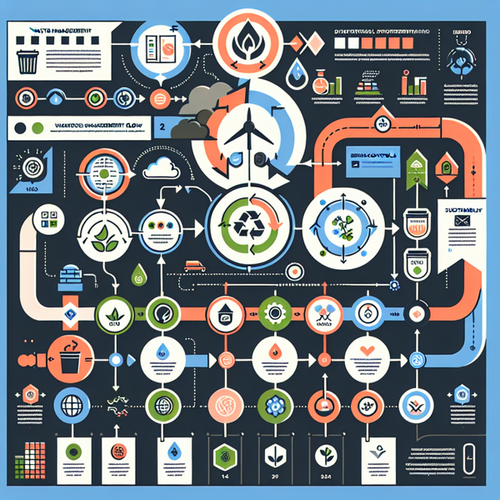
Ensuring clean, safe, and reliable water is not only a foundation of public health, but also a cornerstone of sustainable business operations and environmental stewardship. As water-related regulations and consumer expectations tighten across the globe, organizations must adhere to robust, internationally recognized standards for water quality. This guide explores four central standards in the water quality landscape, offering accessible insight into their scope, requirements, and pivotal role in protecting both health and business interests. Through clear explanations and practical guidance, you'll understand why compliance with these standards is no longer an option but a strategic necessity for scaling, security, and productivity in any industry touching the water supply chain.
Overview / Introduction
Water is a fundamental resource that affects every aspect of modern life—from the water we drink, use in manufacturing, and incorporate in critical processes, to the systems that return it safely to the environment. Water quality standards are designed to ensure that water for human consumption, industrial uses, and environmental protection meets rigorous, scientifically grounded benchmarks. Whether you're involved in municipal water supply, industrial processing, infrastructure development, or environmental monitoring, understanding and implementing these standards is essential.
This article covers:
- The latest international standards governing water quality assessment, water treatment, and sample management
- How each standard supports safe, high-quality water and facilitates compliance
- The practical benefits and business advantages of integrating these standards into daily operations
By the end, you will be equipped with the knowledge and resources to enhance your organization's water quality protocols, build trust, and minimize risks.
Detailed Standards Coverage
EN 14944-2:2025 - Influence of Cement-Based Products on Water Intended for Human Consumption
Influence of cement based products on water intended for human consumption - Test methods - Part 2: Influence of site-applied cement based materials and associated non-cement based products/materials on organoleptic parameters and migration of organic substances (TOC)
This European standard provides a scientific methodology for evaluating the impact of site-applied cement-based materials—and associated non-cement products—on the properties of water intended for human consumption. Specifically, it covers how these materials influence the sensory attributes of water (odour, flavour, colour, turbidity) and the migration of organic compounds, especially total organic carbon (TOC). The focus is on materials used in constructing or lining pipes, tanks, or storage units that will directly contact water destined for drinking.
Key Requirements and Scope
- Prescribes procedures for sampling, sample preparation, pre-conditioning, and migration tests
- Assesses both cement-based and non-cement based materials (e.g., coatings, mortars) formed or applied on-site
- Tests organoleptic parameters and TOC migration using standardized methods and reference waters
- Ensures results are representative for regulatory approval and public safety assessment
Who Should Comply?
- Construction, civil engineering, and water utility organizations applying cement-based linings, coatings, or reparative materials for drinking water infrastructure
- Manufacturers and suppliers of site-applied products for potable water systems
- Regulatory bodies and laboratories overseeing drinking water safety
Practical Implications
Complying helps prevent contamination or degradation of drinking water due to inappropriate materials, safeguarding public health and ensuring regulatory acceptance. It is particularly vital for projects involving repairs, upgrades, or installations where materials come into direct contact with water.
Notable Features
- Separate testing for cement-based and associated materials
- Strict guidelines for sample handling, test water selection, and analytical parameters
- Harmonisation with wider regulatory frameworks for potable water products
Key highlights:
- Protects water’s organoleptic quality (taste, odour, appearance)
- Manages risks from organic contaminated migration
- Supports product approval and regulatory compliance
Access the full standard:View EN 14944-2:2025 on iTeh Standards
EN 17971:2024 - Devices for In-Situ Generation of Biocides — Ozone
Devices for in-situ generation of biocides - Ozone
This state-of-the-art standard defines the requirements for devices that generate and dose ozone on-site, primarily using dielectric barrier discharge technology. Ozone is a powerful oxidizing agent used for disinfecting drinking water and swimming pools, as well as for various industrial and environmental applications. This standard ensures such devices operate safely, efficiently, and deliver consistent water treatment performance.
Key Requirements and Scope
- Specifies design, construction, operation, and maintenance instructions for ozone generators
- Includes performance criteria and detailed testing methods for ozone output and system reliability
- Covers safety features for operational and environmental protection
- Addresses documentation, installation, and user guidance
Who Should Comply?
- Manufacturers and operators of ozone-based water treatment systems
- Facility managers for municipal or industrial water supplies, swimming pools, and food processing
- Service providers offering maintenance or installation of ozone dosing systems
Practical Implications
Implementing this standard ensures effective in-situ biocide generation and dosing, minimizing the risk of microbiological contamination and ensuring compliance with stringent regulatory controls. Organizations benefit from clear system documentation, operational consistency, and proven safety measures, all of which are essential for risk management and public confidence.
Notable Features
- Applicability to multiple ozone generation technologies
- Emphasis on operational safety (including ozone leak prevention and monitoring)
- Integration with European Biocidal Products Regulation (BPR) and chemical safety directives
Key highlights:
- Guarantees water disinfection efficacy
- Protects workers and the public from ozone exposure
- Facilitates regulatory approval and safe scalability
Access the full standard:View EN 17971:2024 on iTeh Standards
EN ISO 23196:2023 - Water Quality — Calculation of Biological Equivalence (BEQ) Concentrations
Water quality - Calculation of biological equivalence (BEQ) concentrations (ISO 23196:2022)
This international standard provides a statistically robust method for calculating biological equivalence (BEQ) concentrations in water using bioanalytical assays. By expressing the activity of water samples in terms of known reference compounds, it enables environmental professionals to quantify the presence and impact of various chemicals or mixtures in water, even when not all substances are chemically identified.
Key Requirements and Scope
- Defines procedures for evaluating the biological effects of water samples using cellular or enzyme-based in vitro assays
- Establishes the formula and steps to calculate BEQ concentrations, supporting regulatory effect-based monitoring
- Facilitates comparison of bioassay results across laboratories and regulatory contexts
Who Should Comply?
- Environmental laboratories conducting water quality assessments
- Water utilities and industry responsible for effluent monitoring
- Regulatory agencies mandating effect-based environmental monitoring
Practical Implications
By integrating BEQ calculation, organizations can identify and manage risks from known and unknown contaminants, supporting rapid response and accountability. BEQ data is increasingly used in regulations as effect-based trigger (EBT) points, making this method vital for ongoing compliance.
Notable Features
- Applicability to a wide range of biological assays
- Detailed guidance on data normalization, curve fitting, and statistical credibility
- Supports harmonization in international water monitoring and reporting
Key highlights:
- Enables quantification of water toxicity or bioactivity
- Bridges gaps when chemical composition is complex or partially unknown
- Fosters effect-based regulatory approaches
Access the full standard:View EN ISO 23196:2023 on iTeh Standards
EN ISO 5667-3:2024 - Water Quality — Sampling: Preservation and Handling of Water Samples
Water quality - Sampling - Part 3: Preservation and handling of water samples (ISO 5667-3:2024)
Correct sampling, preservation, and handling are vital for credible, defensible water quality testing. This standard establishes comprehensive requirements and recommendations for the complete process of water sample management, from the field to the laboratory, across physicochemical, chemical, hydrobiological, and microbiological analyses.
Key Requirements and Scope
- Covers selection, preparation, and cleaning of sample containers
- Outlines chain-of-custody and integrity procedures to prevent contamination or degradation
- Specifies preservation methods, holding times, transport and storage conditions for all analytes (including guidance on validation)
- Addresses different sample matrices: drinking water, environmental waters, industrial process waters
Who Should Comply?
- Laboratories analyzing water samples in compliance with regulatory requirements
- Water utilities, industrial sites, and environmental monitoring agencies
- Consultants and field service providers engaged in sample collection and management
Practical Implications
Correct application protects the validity of water quality results, avoiding false readings that could lead to public health incidents or regulatory breaches. The systematic approach supports traceability, accountability, and cost efficiency in both routine and event-driven sampling campaigns.
Notable Features
- Updated best practices reflecting the latest research and field experience
- Clear tables and flow diagrams for sample preservation requirements
- Emphasizes sample representativeness, integrity, and data validity
Key highlights:
- Ensures reliability of laboratory analyses
- Reduces sampling errors and contamination risks
- Essential for regulatory reporting and audits
Access the full standard:View EN ISO 5667-3:2024 on iTeh Standards
Industry Impact & Compliance
How Water Quality Standards Affect Businesses
Adhering to advanced water quality standards is an operational imperative for organizations around the world. Regulatory frameworks are becoming more comprehensive, demanding evidence-based proof that systems and materials do not compromise health, environmental security, or product integrity. For businesses, this means:
- Minimizing the risk of contamination or non-compliance penalties
- Supporting export and public procurement opportunities where certification is required
- Demonstrating responsible stewardship to customers and the public, boosting reputation and trust
- Ensuring business continuity via robust, validated processes that adapt to emerging risks
Compliance Considerations
- Traceability: Document every step—from procurement of materials to sample management—to ensure compliance audits can be tracked
- Training: Staff must understand both the spirit and the letter of these standards; regular training and documentation reviews are crucial
- Verification: Conduct regular audits and performance tests (for materials, devices, and analytical methods) to ensure ongoing compliance
Benefits of Adopting These Standards
- Enhanced Productivity: Standardized, reliable processes streamline workflows
- Improved Security: Reduced contamination risk, increased safety for public and workers
- Scalability and Market Access: Easy integration into large projects and international markets thanks to harmonized requirements
Risks of Non-Compliance
- Legal penalties, project delays, and costly recalls or reputational damage
- Health and environmental incidents detectable through routine audits or third-party testing
- Loss of certifications or eligibility for public contracts and funding
Implementation Guidance
Common Approaches
- Gap Analysis: Review current practices against standard requirements; identify areas for improvement
- Staff Training and Accountability: Hold regular workshops and refresher courses; maintain documentation
- Material and Supplier Vetting: Source products pre-certified to relevant standards
- Process Integration: Align quality, maintenance, and safety protocols with standard specifications
- Internal Auditing: Schedule periodic audits to ensure conformance and gather feedback for improvement
Best Practices
- Use only validated methods for testing, sampling, and preservation
- Document chain-of-custody and measurement processes for auditability
- Stay current with updates in standards—incorporate revisions promptly
- Engage certified laboratories and qualified professionals for sensitive or complex analyses
Resources for Organizations
- Direct access to latest standards on iTeh Standards
- Technical training modules and compliance checklists
- Industry consortia, webinars, and guidance from trade associations
- Professional consultation from water quality and environmental compliance experts
Conclusion / Next Steps
Maintaining water quality in line with globally recognized standards is critical—not only to meet legal and commercial obligations but also to safeguard health and support sustainable growth. Whether your role is operational, managerial, regulatory, or scientific, adopting these water standards gives you the frameworks and tools necessary for reliable, accountable performance.
Key Takeaways:
- International water quality standards underpin both public safety and business resilience
- Four standards—on cement-based materials, ozone disinfection systems, biological equivalence measurement, and sample preservation—cover crucial links in the value chain
- Compliance drives productivity, scaling, risk management, and long-term public trust
Recommendations:
- Invest in regular training and audit cycles to maintain best practice
- Integrate these standards into your procurement, installation, and analysis protocols
- Explore the full texts via iTeh Standards for detailed compliance roadmaps
Stay ahead: Prioritize ongoing compliance and knowledge-building—explore these water quality standards to support your organization’s success and security.
https://standards.iteh.ai/catalog/standards/cen/734e3bf9-7120-4fa0-b65c-4a5b5021f169/en-14944-2-2025https://standards.iteh.ai/catalog/standards/cen/69cc211b-649f-48ba-90ea-21aa3fc27f9b/en-17971-2024https://standards.iteh.ai/catalog/standards/cen/ae42eb6d-d47d-4b20-9981-05a8b36debd5/en-iso-23196-2023https://standards.iteh.ai/catalog/standards/cen/44584bfb-b795-404e-871c-211803657077/en-iso-5667-3-2024
Categories
- Latest News
- New Arrivals
- Generalities
- Services and Management
- Natural Sciences
- Health Care
- Environment
- Metrology and Measurement
- Testing
- Mechanical Systems
- Fluid Systems
- Manufacturing
- Energy and Heat
- Electrical Engineering
- Electronics
- Telecommunications
- Information Technology
- Image Technology
- Precision Mechanics
- Road Vehicles
- Railway Engineering
- Shipbuilding
- Aircraft and Space
- Materials Handling
- Packaging
- Textile and Leather
- Clothing
- Agriculture
- Food technology
- Chemical Technology
- Mining and Minerals
- Petroleum
- Metallurgy
- Wood technology
- Glass and Ceramics
- Rubber and Plastics
- Paper Technology
- Paint Industries
- Construction
- Civil Engineering
- Military Engineering
- Entertainment