


January 2026 Brings Key Standards Updates for Appliances, Flooring & Coffee Machines
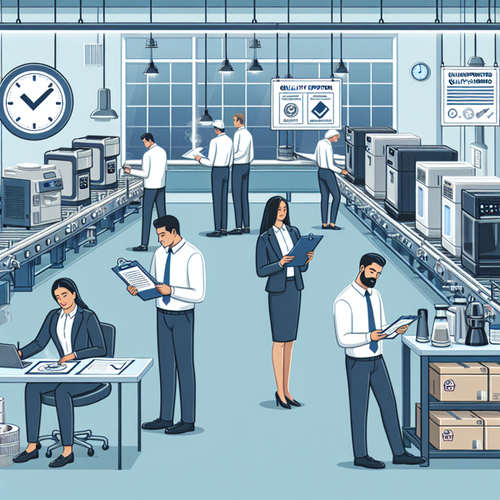
January 2026 marks a significant update for professionals in domestic and commercial equipment, entertainment, and sports sectors. Three pivotal international standards have been published, encompassing off-grid and unreliable-grid refrigerating appliances, textile floor coverings, and commercial coffee machines. These updates aim to bolster safety, energy efficiency, hygiene, and product reliability, driving compliance and innovation across industries.
Overview / Introduction
The convergence of domestic and commercial equipment with sectors like entertainment and sports places strong demands on product safety, reliability, and energy efficiency. International standards ensure that products meet globally recognized benchmarks, reduce operational risks, and enhance consumer and user confidence.
This article explores three new standards released in January 2026:
- EN IEC 63437:2026 for off-grid and unreliable grid refrigerating appliances
- ISO 11378-2:2026 for laboratory soiling tests on textile floor coverings
- prEN 18312 for safety and hygiene in commercial coffee-making machines
Read on for a detailed breakdown of each standard, who must comply, technical insights, and industry impact.
Detailed Standards Coverage
EN IEC 63437:2026 – Off-Grid & Unreliable Grid Refrigerating Appliances
Off grid and unreliable grid refrigerating appliances for domestic and light commercial use – Characteristics and test methods – Performance requirements and energy consumption
This new European and international standard defines essential performance and energy consumption characteristics and test methods for refrigerating appliances intended for off-grid or unreliable grid conditions. It is especially relevant for markets where electricity supply is intermittent or where solar solutions are prominent.
Scope and Applicability
The standard applies to domestic and light commercial refrigerating appliances that must operate reliably under power interruptions, voltage variations, or when powered by standalone systems such as solar panels. Specifically, it covers:
- Refrigerators, freezers, refrigerator-freezers, beverage coolers, refrigerated display cabinets, and more
- Appliances powered by AC (for unreliable grid) and DC (for off-grid scenarios)
- Hybrid appliances capable of both AC and DC operation
Key Requirements & Specifications
- Performance Testing: Defined methods for pull-down time, water cooling, and freezing times under various power quality conditions
- Energy Consumption: Measurement protocols under unreliable or off-grid supply signals
- Environmental Simulation: Voltage sag, surge, interruptions, and distorted supply classes are tested
- Holdover Performance: Appliance capability to maintain temperature during supply interruptions
- Compartment Specifications: Categorization for temperature classes and interior volumes
- Marking: Requirements for clear product labeling, including configuration and star identification for frozen compartments
- Installation & Test Room: Procedures for consistent environmental testing and appliance setup
Compliance & Implementation
Manufacturers of off-grid/vulnerable-grid appliances, solar and alternative energy integrators, commercial kitchens in remote areas, and organizations in emerging markets should comply. Adoption ensures reliable operation in areas with weak infrastructure and supports sustainability goals for energy access.
Notable Changes
Compared to prior drafts and national variants, EN IEC 63437:2026:
- Consolidates and expands on performance requirements for both off-grid and unreliable-grid categories
- Refines test methods and climate classes
- Clarifies applicability to hybrid and solar-direct-drive configurations
Key highlights:
- Comprehensive test procedures for a range of real-world power conditions
- Increased focus on energy efficiency and sustainability
- Enhanced marking and documentation for end-users and inspectors
Access the full standard: View EN IEC 63437:2026 on iTeh Standards
ISO 11378-2:2026 – Textile Floor Coverings: Laboratory Soiling Drum Test
Textile floor coverings — Laboratory soiling — Part 2: Drum test
This newly revised ISO standard specifies laboratory methods for assessing how new textile floor coverings will soil over time, under controlled conditions that avoid abrasive wear.
Scope and Applicability
Applicable to all types of textile floor coverings (carpet, rugs, etc.), this standard enables consistent laboratory testing for soiling resistance. The drum test simulates real-world dirt accumulation, offering insights into fiber performance and cleaning product compatibility.
Key Requirements & Specifications
- Test Procedure: Utilization of standard artificial soil, polyamide pellets, and steel balls in a hexapod or similar drum tester
- Sampling & Preparation: Detailed instruction for specimen selection, preparation of soiled pellets, and conditioning
- Atmospheric Conditions: Prescribes controlled humidity and temperature for test accuracy
- Assessment: Soiling is evaluated by color measurement (using gray scales and spectrophotometry)
- Reporting: Requires documentation of methods, results, and test conditions
The standard includes an informative Annex (A) covering how the method can be extended to study the effects of fiber finishes, cleaning agents, and equipment, which is particularly relevant for manufacturers and cleaning product developers.
Compliance & Implementation
Carpet and textile flooring manufacturers, commercial cleaning companies, laboratories, and quality assurance personnel should comply. Adoption facilitates objective comparison of products and supports claims related to product longevity and ease of maintenance.
Notable Changes
This edition brings:
- Revised standard soil compounds for greater real-world relevance
- Updates reflecting current equipment and techniques
- Enhanced alignment with international color and durability rating standards
Key highlights:
- Standardized, repeatable laboratory soiling protocols
- Methods to evaluate cleaning processes and finishes
- Supports comparative benchmarking of new textile products
Access the full standard: View ISO 11378-2:2026 on iTeh Standards
prEN 18312 – Food Processing Machinery: Coffee Making Machines (Safety & Hygiene)
Food processing machinery – Coffee making machines – Safety and hygiene requirements
prEN 18312 lays down comprehensive safety and hygiene requirements for the design, installation, operation, cleaning, and maintenance of commercial coffee machines used in the hospitality industry.
Scope and Applicability
Covers traditional, fully automatic, and hybrid tabletop coffee machines for use in:
- Cafés, restaurants, hotels, supermarkets, and canteens
Excludes household machines, vending machines, gas-powered devices, and accessory modules. Addresses all hazards throughout the product lifecycle (as per the broader machinery safety context in EN ISO 12100:2010).
Key Requirements & Specifications
- Mechanical Safety: Design eliminates or guards sharp edges, moving and spring-loaded parts, and incorporates forced mechanical safety for levers and portafilters
- Thermal Safety: Limits on accessible surface temperatures, mandatory warning signage, ergonomic handle design to prevent burns
- Electrical Safety: Aligns with EN IEC 60335-2-75:2023 and EN 60335-1:2012 for live part protection and mechanical strength
- Water & Hygiene Safety: Designs to avoid water leakage and backsiphonage per EN 61770:2009
- Food Contact Materials: Compliance with migration test protocols (EN 16889:2016), use of food-grade materials
- Surfaces & Construction: Smooth, accessible, and easily cleanable food area surfaces; radii specified for internal angles; strict requirements for fasteners in contact with food areas
- Cleaning & Maintenance: Guidance for cleaning procedures, compatible agents, and cleaning-in-place (CIP) effectiveness tests
- Documentation: Comprehensive instructions for safe use, installation, warning signs, and maintenance schedules
Compliance & Implementation
Manufacturers, importers, facility operators, installation and maintenance providers in the food service and hospitality sector should integrate these requirements into product selection, purchase, and operational procedures.
Notable Changes
- Expanded focus on hygiene under EU food machinery and general market surveillance regulations
- Enhanced user safety (ergonomic and mechanical risk mitigation)
- More rigorous requirements for food contact surface materials and design
Key highlights:
- End-to-end coverage of safety and hygiene through all machine lifecycle phases
- Specific guidance for design, installation, and cleaning
- Benchmark for compliance with EU food safety and machinery directives
Access the full standard: View prEN 18312 on iTeh Standards
Industry Impact & Compliance
Adopting these standards is pivotal for maintaining market access, reputation, and operational excellence:
- Businesses benefit from reduced liability, improved product quality, and greater customer trust
- Compliance Officers must stay abreast of changes, ensuring timely updates to internal processes
- Manufacturers & Suppliers gain a competitive edge and support international trade
Timelines for compliance vary by jurisdiction, but early adoption is strongly recommended. Failure to comply may result in product recalls, blocked market access, and reputational risk, especially in regulated sectors like food service and commercial equipment.
Technical Insights
Common technical requirements:
- Product testing under simulated or real-use environments (power, temperature, hygienic cycles)
- Data-driven performance measurements using calibrated instruments
- Emphasis on life-cycle risk mitigation (from installation through cleaning)
- Mandatory user documentation and product marking
Implementation best practices:
- Conduct a gap analysis of current products/operations against new requirements
- Update design, procurement, and quality assurance procedures to reflect standard clauses
- Train staff and partners on updated safety, testing, and hygiene protocols
- Schedule regular re-testing and audits for certification maintenance
Testing and certification:
- Use accredited labs for comparative and certification testing
- Maintain detailed records of test methods, results, and compliance checks
- Proactively incorporate findings into continuous improvement cycles
Conclusion / Next Steps
The January 2026 standards updates significantly impact operations, design, and compliance across domestic appliances, commercial food equipment, and building textiles. Organizations are urged to:
- Review these standards in detail and evaluate their current product portfolios
- Align product development and procurement strategies with the latest requirements
- Implement robust internal training and documentation updates
- Stay informed about future standards by subscribing to updates via iTeh Standards
For full documentation, implementation guidance, and purchasing options, visit iTeh Standards:
Stay ahead by integrating these critical updates into your workflows and ensuring ongoing compliance in this rapidly evolving industry landscape.
Categories
- Latest News
- New Arrivals
- Generalities
- Services and Management
- Natural Sciences
- Health Care
- Environment
- Metrology and Measurement
- Testing
- Mechanical Systems
- Fluid Systems
- Manufacturing
- Energy and Heat
- Electrical Engineering
- Electronics
- Telecommunications
- Information Technology
- Image Technology
- Precision Mechanics
- Road Vehicles
- Railway Engineering
- Shipbuilding
- Aircraft and Space
- Materials Handling
- Packaging
- Textile and Leather
- Clothing
- Agriculture
- Food technology
- Chemical Technology
- Mining and Minerals
- Petroleum
- Metallurgy
- Wood technology
- Glass and Ceramics
- Rubber and Plastics
- Paper Technology
- Paint Industries
- Construction
- Civil Engineering
- Military Engineering
- Entertainment