


Solar Energy Engineering Standards: A Practical Guide to Quality, Safety, and Grid Integration
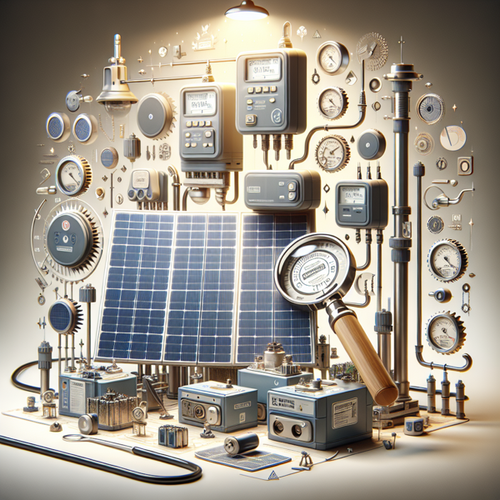
Harnessing solar energy efficiently and safely is more vital than ever in a rapidly growing renewable energy market. With technological advancements and a global push towards sustainability, solar energy engineering standards are becoming the backbone of quality assurance, operational safety, and robust system integration. This comprehensive guide walks you through four key solar energy standards that influence the lifecycle of solar products and systems—from polymeric encapsulants in photovoltaic (PV) modules to the laboratory evaluation of off-grid solutions, the requirements for grid connection of PV systems, and the rigorous testing of solar thermal collectors. By understanding and implementing these international standards, organizations can improve productivity, security, and scalability—an absolute must for any business seeking a leading edge in the energy industry.
Overview / Introduction
The solar energy engineering sector is a driving force for sustainable development, powering everything from residential rooftops to industrial installations and rural electrification projects. As demand for solar technologies accelerates, ensuring systems are safe, reliable, and efficient is paramount. International standards serve as the foundation for this, defining best practices for design, manufacturing, testing, and ongoing operation.
By following robust standards, businesses in the energy and heat sector can:
- Achieve higher quality and longer-lasting installations
- Reduce operational risks and improve workplace safety
- Demonstrate regulatory compliance and instill customer confidence
- Enable scalable and cost-effective growth as the market evolves
- Boost productivity by streamlining processes and minimizing downtime
This article covers four key standards in the solar energy engineering field, providing practical, easy-to-understand insights into their content, requirements, and real-world impact.
Detailed Standards Coverage
IEC 62788-1-1:2024 - Characterizing Polymeric Encapsulants for PV Modules
Measurement procedures for materials used in photovoltaic modules – Part 1-1: Encapsulants – Polymeric materials used for encapsulation
IEC 62788-1-1:2024 delivers a definitive set of measurement procedures and reporting requirements for non-rigid polymeric encapsulants such as EVA (ethylene-vinyl acetate) used in terrestrial photovoltaic (PV) modules. Encapsulants are vital—they not only protect sensitive PV cell electronics from the environment but also influence performance, durability, and safety.
This standard details how to assess:
- Optical properties (transmittance, UV cut-off)
- Mechanical properties (dimensionality, adhesion, glass transition temperatures)
- Electrical properties (volumetric resistivity, tracking index)
- Thermal properties (conductivity, decomposition temperature)
- Chemical properties (water vapor transmission, absorption)
Standards testing ensures the encapsulant’s performance under real-world conditions and its ability to protect the PV module over its lifetime. The procedures support datasheet reporting, process quality control, module design, reliability studies, and compliance with broader PV safety specifications.
Who should comply:
- PV module manufacturers and material suppliers
- Quality control laboratories and R&D teams
Practical implications:
- Streamlined material selection and validation
- Consistent module quality, predictable field performance
- Enhanced module reliability for improved customer trust
Key highlights:
- Covers comprehensive properties: optical, mechanical, electrical, thermal, chemical
- Supports module-level safety and reliability as per IEC 61730-2 and IEC 61215-2
- Features uniform characterization forms and datasheet reporting to boost transparency
Access the full standard:View IEC 62788-1-1:2024 on iTeh Standards
IEC TS 62257-9-5:2024 - Laboratory Evaluation of Stand-alone Off-Grid Renewable Energy Systems
Renewable energy off-grid systems – Part 9-5: Integrated systems – Laboratory evaluation of stand-alone renewable energy products for rural electrification
IEC TS 62257-9-5:2024 serves as a key guide for ensuring the quality of stand-alone, packaged renewable energy products tailored for rural or off-grid applications. This document targets renewable systems—including PV products—that are self-contained, typically comprising modest voltages and power outputs, and often intended for direct purchase and use by end consumers.
The standard specifies:
- Laboratory test methods for integrated energy products
- Minimum quality criteria and warranty requirements
- Product specification definitions for consumer understanding
It thoroughly addresses:
- Product durability, performance, and workmanship
- Battery and PV module performance under laboratory conditions
- Safety-related provisions (though it defers comprehensive appliance safety to other standards)
This specification is particularly crucial for non-electrified regions where rural electrification can impact quality of life and economic opportunity, ensuring users receive safe, reliable, and maintainable products.
Who should comply:
- Manufacturers and distributors of off-grid solar and renewable energy kits
- NGOs, government agencies, and organizations overseeing rural electrification
Practical implications:
- Reliable verification of product quality before distribution
- Higher user satisfaction and improved deployment success rates
- Streamlined procurement for institutional buyers working in rural electrification
Key highlights:
- Defines laboratory procedures for performance and durability testing
- Applied to off-grid, stand-alone energy kits up to 350 W in power or 35 V DC
- Emphasizes consumer-friendly product documentation and warranty standards
Access the full standard:View IEC TS 62257-9-5:2024 on iTeh Standards
IEC TS 62786-2:2026 - Connecting PV Systems with the Grid
Distributed energy resources connection with the grid – Part 2: Additional requirements for PV generation systems
IEC TS 62786-2:2026 complements general requirements for distributed energy resources (DER) by providing specialized criteria for the connection of solar PV generation systems to public power networks. It applies to systems of any size joined to low or medium voltage grids and captures typical connection requirements.
This document lays out detailed conditions for:
- Defining reference points and electrical elements in PV systems
- Basic operational modes for grid-tying, with or without storage
- Protection functions and fault ride-through
- Advanced power control and grid support functions
- Electromagnetic compatibility and low-frequency disturbances
- Data exchange for remote monitoring, control, and configuration
Crucially, IEC TS 62786-2:2026 is a roadmap for ensuring that growing fleets of distributed PV systems don’t jeopardize grid stability but instead contribute to active grid management and resilience.
Who should comply:
- PV system designers, engineers, and installers
- Distributed generation project developers
- Utility operators and grid managers
Practical implications:
- Smoother, safer PV integration with existing power infrastructure
- Ability to offer grid support services and advanced controls
- Demonstrated compliance with evolving utility requirements globally
Key highlights:
- Addresses grid-tied PV, PV with storage, and backup functions
- Outlines technical demands for grid protection and energy management
- Details monitoring and control features for utility interaction
Access the full standard:View IEC TS 62786-2:2026 on iTeh Standards
SIST EN ISO 9806:2026 - Test Methods for Solar Thermal Collectors
Solar energy – Solar thermal collectors – Test methods (ISO 9806:2025)
SIST EN ISO 9806:2026 is an essential standard for the solar thermal sector. It specifies test procedures to evaluate the durability, reliability, safety, and thermal performance of fluid heating solar collectors and certain hybrid collectors. The standard supports both laboratory and field (in situ) testing and applies to a wide range of collector designs.
Key areas of focus include:
- Pressure, leakage, and mechanical load resistance
- Thermal shock and impact resistance
- Performance under standard stagnation and freeze conditions
- Exposure and ageing tests for operational durability
- Protocols for reporting results and compliance
This document empowers manufacturers to validate product claims and ensure safe, long-lasting collector installations.
Who should comply:
- Solar thermal collector manufacturers
- Test laboratories and certification bodies
- Project developers and system integrators
Practical implications:
- Trusted performance and durability data to inform buyers
- Enables fair comparison between different product offerings
- Supports regulatory compliance and access to global markets
Key highlights:
- Applicable to all types of fluid and hybrid solar collectors
- Includes rigorous durability, safety, and performance protocols
- Clarifies in-lab and real-world test application scenarios
Access the full standard:View SIST EN ISO 9806:2026 on iTeh Standards
Industry Impact & Compliance
Why These Solar Energy Engineering Standards Matter
Solar energy projects continue to grow—in numbers, scale, and complexity. International standards provide a framework for ensuring quality, protecting investments, and building consumer trust. Their adoption:
- Enables investors and developers to compare products and systems across suppliers, fostering competition and innovation
- Reduces the risk of costly failures, recalls, or safety incidents by ensuring that products and systems can survive real-world use
- Improves interoperability for grid-connected and off-grid projects, avoiding technical barriers and market fragmentation
- Supports regulatory compliance and entry into international markets, which often require proven adherence to such standards
In a fast-moving industry, non-compliance can mean:
- Project delays or outright disqualification during tendering
- Elevated failure rates, maintenance costs, or even safety hazards
- Reduced customer satisfaction and reputational damage
Benefits of Adopting Solar Energy Standards
- Higher Productivity: Minimized downtime and streamlined procurement, test, and commissioning protocols
- Improved Security: Safer equipment and grid interactions, reduced hazards related to installation and operations
- Scalability: Ready integration into projects of varying size, from rural kits to utility-scale deployments, with known performance metrics
- Quality Assurance: Objective, reproducible test methods and reporting requirements
- Marketability: Products certified to international standards gain easier access across regions and customer groups
Implementation Guidance
Achieving compliance with international solar energy standards involves several practical steps and strategies:
- Awareness and Training:
- Ensure leadership and engineering teams are familiar with relevant standards and any updates.
- Invest in staff training to facilitate implementation and testing.
- Align Design and Procurement:
- Select materials and components listed or pre-certified in accordance with leading standards (e.g., encapsulants, PV modules, storage solutions).
- Invest in Testing & Certification:
- Partner with accredited laboratories for product and system validation.
- Document and retain all test results, certification proofs, and datasheets.
- Monitoring and Documentation:
- Implement systems for ongoing monitoring, particularly for grid-connected PV arrays.
- Maintain detailed records for warranty and compliance tracking.
- Continuous Improvement:
- Use test data and field performance feedback to direct R&D and product improvements.
- Leverage Resources:
- Consult guidance materials and the official iTeh Standards site for updates, best practices, and full-text publications.
Best Practices:
- Review relevant standards early in the design and procurement process.
- Engage with standardization bodies or industry associations for clarifications and support.
- Adopt a culture of quality and safety, positioning compliance not merely as a requirement but as an asset to your organization.
Conclusion / Next Steps
International standards are not just rulebooks—they are strategic tools for solar energy businesses poised for growth and leadership in a highly competitive market. By following key standards for materials, systems, and product validation, companies can offer safer, more reliable, and scalable solutions. This drives wider adoption of solar energy and ensures projects meet the highest benchmarks for performance, safety, and market acceptance.
Key takeaways:
- Standards drive productivity, security, and scalability
- Compliance boosts quality assurance and consumer trust
- International acceptance expands your market reach
Next steps? Review these standards in detail, clarify their applicability to your products or projects, and integrate them into your quality assurance and operational processes. Visit iTeh Standards to access the full documents and stay ahead with the latest updates in solar energy engineering.
https://standards.iteh.ai/catalog/standards/iec/e77579eb-2c38-4f0b-9544-230a7d4de6b0/iec-62788-1-1-2024https://standards.iteh.ai/catalog/standards/iec/200832d7-d86f-4be6-ab90-97737e61e0b8/iec-ts-62257-9-5-2024https://standards.iteh.ai/catalog/standards/iec/06fcd0f8-a0a0-42c1-98cb-b832478b959b/iec-ts-62786-2-2026https://standards.iteh.ai/catalog/standards/sist/53640e47-c724-457c-9476-8375218f3cfa/sist-en-iso-9806-2026
Categories
- Latest News
- New Arrivals
- Generalities
- Services and Management
- Natural Sciences
- Health Care
- Environment
- Metrology and Measurement
- Testing
- Mechanical Systems
- Fluid Systems
- Manufacturing
- Energy and Heat
- Electrical Engineering
- Electronics
- Telecommunications
- Information Technology
- Image Technology
- Precision Mechanics
- Road Vehicles
- Railway Engineering
- Shipbuilding
- Aircraft and Space
- Materials Handling
- Packaging
- Textile and Leather
- Clothing
- Agriculture
- Food technology
- Chemical Technology
- Mining and Minerals
- Petroleum
- Metallurgy
- Wood technology
- Glass and Ceramics
- Rubber and Plastics
- Paper Technology
- Paint Industries
- Construction
- Civil Engineering
- Military Engineering
- Entertainment