


A Practical Guide to Key Solar Energy Engineering Standards for Safety, Performance, and Growth
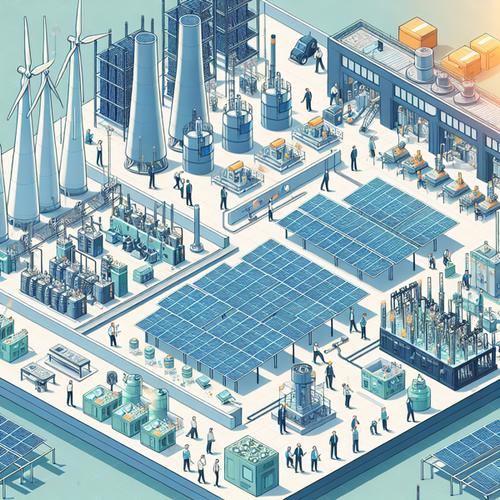
The solar energy sector is undergoing rapid innovation, fueled by global demand for clean, efficient, and robust power solutions. International standards form the foundation for this transformation, offering universally recognized frameworks that drive consistent quality, performance, and safety. In this guide, we demystify four leading standards—IEC 62788-1-1:2024, IEC TS 62257-9-5:2024, IEC TS 62786-2:2026, and SIST EN ISO 9806:2026, each pivotal to different aspects of solar energy engineering. Understanding and implementing these standards is not just about ticking regulatory boxes; it’s about future-proofing your business—enhancing productivity, scaling with confidence, and securing both assets and reputations in a competitive market.
Overview / Introduction
Solar energy engineering encompasses a diverse range of technologies, from photovoltaic (PV) modules to solar thermal collectors, and from rural off-grid solutions to sophisticated grid-connected systems. As the sector expands globally, clear, harmonized standards have become indispensable. They:
- Establish a common language for system design, operation, and testing
- Reduce risk and uncertainty for manufacturers, developers, and consumers alike
- Enable interoperability among complex systems and components
- Foster innovation by focusing on measurable quality and technical benchmarks
This article unpacks four key standards that serve the backbone of reliable, secure, and efficient solar energy projects. You’ll discover their core requirements, implementation implications, and direct business impact—delivered in clear, actionable terms suitable for technical managers, energy professionals, and the broader public interested in sustainability and solar investments.
Detailed Standards Coverage
IEC 62788-1-1:2024 - Measurement Procedures for PV Encapsulants
Measurement procedures for materials used in photovoltaic modules – Part 1-1: Encapsulants – Polymeric materials used for encapsulation
The integrity, longevity, and efficiency of photovoltaic (PV) modules hinge on the quality of their encapsulant materials. IEC 62788-1-1:2024 sets out precise test methods and standardized reporting protocols for evaluating non-rigid polymeric materials (such as EVA) used to encapsulate solar cells. Its methodology covers essential properties:
- Optical: How the encapsulant transmits light and withstands UV exposure
- Mechanical: Durability, dimension stability, hardness, adhesion, and resilience
- Electrical: Insulation performance and resistance to tracking
- Thermal and Chemical: Conductivity, decomposition resistance, moisture ingress, and more
This standard also ensures material characterization closely represents real-world use, including interactions with module frontsheets, backsheets, adhesives, and edge seals. The test reports support module design, supplier evaluation, and ongoing manufacturing quality control.
Who needs to comply?
- PV module manufacturers,
- Encapsulant producers,
- Researchers and R&D labs in solar materials,
- Quality assurance teams within solar technology companies.
By adhering to IEC 62788-1-1:2024, manufacturers can confidently communicate datasheet values, ensure safety (supporting compliance with IEC 61730-2 and IEC 61215 series), and control risk related to environmental durability or manufacturing variance.
Key highlights:
- Comprehensive suite of characterization tests covering all critical material properties
- Required datasheet and reporting formats for transparency
- Supports both design innovation and mass manufacturing consistency
Access the full standard:View IEC 62788-1-1:2024 on iTeh Standards
IEC TS 62257-9-5:2024 - Off-Grid Renewable Energy Systems Evaluation
Renewable energy off-grid systems – Part 9-5: Integrated systems – Laboratory evaluation of stand-alone renewable energy products for rural electrification
Rural electrification, particularly in remote or emerging markets, often depends on reliable small-scale, stand-alone solar solutions. IEC TS 62257-9-5:2024 provides comprehensive laboratory test methodologies to ensure that off-grid renewable energy products—including those with integrated batteries and PV modules—meet quality, durability, and customer-focused performance metrics prior to deployment.
The standard addresses:
- Product quality assurance and warranty requirements
- Precise testing protocols for system durability, battery performance, lighting tests, and output reliability
- Specification guidance for manufacturers and evaluators
- Sampling, market surveillance, and ongoing verification tests
By providing clarity on what constitutes a compliant product, this document supports governments, NGOs, manufacturers, and distributors in deploying products that actually deliver promised performance over time—crucial for building consumer trust and sustainable rural development.
Applicable organizations include:
- Off-grid solar product manufacturers and suppliers
- Testing laboratories and certification bodies
- Rural development agencies and NGOs
- Policymakers overseeing energy access programs
Adhering to this standard ensures that products truly provide reliable lighting, device charging, and appliance operation, minimizing risks of early failure or consumer dissatisfaction.
Key highlights:
- Robust laboratory and market check methods for quality assurance
- Focus on user safety, workmanship, and warranty transparency
- Essential checklists for manufacturers introducing products to new markets
Access the full standard:View IEC TS 62257-9-5:2024 on iTeh Standards
IEC TS 62786-2:2026 - Grid Connection for PV Generation Systems
Distributed energy resources connection with the grid - Part 2: Additional requirements for PV generation systems
With distributed PV now a backbone of global power grids, safe and effective grid interconnection has become a top priority. IEC TS 62786-2:2026 specifies technical requirements for connecting all sizes of PV systems—from residential rooftops to commercial installations—to low- or medium-voltage electric networks. It tailors the more general framework of IEC TS 62786-1 specifically to the wide variety of grid-tied solar installations.
Key aspects detailed in this standard include:
- Definition of the grid interface points and system elements (e.g., inverters, storage, controllers)
- Operational requirements for safe connection, active power control, and support functions like voltage regulation
- Grid protection, including fault ride-through, voltage, and frequency stabilization
- Electromagnetic compatibility to minimize grid disturbances
- Communication and data exchange protocols for remote monitoring, management, and safety coordination
The document classifies PV system types—grid-tied, grid-tied with storage, and grid-tied with backup—and provides scalable requirements for each, excluding mini/micro-grid systems.
Stakeholders who benefit:
- PV system integrators and installers
- Electric utilities and grid operators
- Regulatory authorities and grid code authors
- Equipment manufacturers (inverters, controllers, etc.)
Compliance is critical for avoiding grid instability, equipment damage, or regulatory fines. The standard is also foundational for enabling distributed PV to strengthen grid resilience and flexibility as energy networks decarbonize.
Key highlights:
- Harmonized, globally relevant grid connection requirements for PV
- Emphasizes safety, grid stability, and compatibility
- Supports digitalization and remote management for smart grids
Access the full standard:View IEC TS 62786-2:2026 on iTeh Standards
SIST EN ISO 9806:2026 - Testing Methods for Solar Thermal Collectors
Solar energy – Solar thermal collectors – Test methods (ISO 9806:2025)
Solar thermal collectors remain central to solar energy’s role in heating water, air, and supporting hybrid systems (thermal and PV). SIST EN ISO 9806:2026 provides an exhaustive, harmonized set of laboratory and field test methods for all major classes of solar collectors:
- Liquid or air heating collectors
- Hybrid systems for co-generation of heat and electricity
- Collectors with external power sources
Core topics include:
- Durability and reliability tests (thermal shock, freeze resistance, rain penetration, mechanical load)
- Thermal performance measurement under controlled and field conditions
- Safety assessments (excluding direct electrical safety)
- Test procedures for tracking and non-tracking designs, and those with self-protective mechanisms
The standard supports manufacturers in product development, enables certification for market access, and provides trusted data for system designers and buyers worldwide.
Target audiences:
- Solar thermal collector manufacturers
- Product certification labs and quality assessors
- System designers and installers
- R&D teams focused on collector innovation
Its use ensures that only robust, consistent, and high-performing collectors reach the market, safeguarding consumer investments and accelerating renewable heat adoption.
Key highlights:
- Complete test framework for collector performance, thermal durability, and safety
- Applicable to innovative and hybrid collector designs
- Supports harmonization with European and global renewable heat standards
Access the full standard:View SIST EN ISO 9806:2026 on iTeh Standards
Industry Impact & Compliance
Adoption of these solar energy engineering standards is no longer simply best practice; it's a prerequisite for:
- Ensuring international market access and eligibility for funding or public tenders
- Demonstrating due diligence and technical competence to insurers, investors, and clients
- Mitigating operational and safety risks on both small and large solar projects
- Enabling product scaling without compromising on reliability or regulatory compliance
- Fostering innovation grounded in reproducible, comparable performance metrics
For businesses, the tangible impacts are profound: higher productivity by optimizing design and manufacturing through standardization, increased security across asset lifecycles, scalability to new global markets, and reduced project delays linked to re-testing or non-compliance. Furthermore, these standards are tightly linked with sustainability and climate goals, advancing the reputation and social license of organizations using them.
Risks of non-compliance include:
- Product recalls or exclusion from key markets
- Penalties for failing to meet safety or grid code requirements
- Reputational damage and loss of consumer trust
- Higher lifecycle costs due to undiagnosed weaknesses in material or system performance
Implementation Guidance
Implementing solar engineering standards in your organization involves strategic steps:
1. Evaluate Applicability:
- Analyze which standards pertain to your products, operations, or markets.
2. Build Cross-Functional Awareness:
- Train technical, compliance, and management teams on the latest standard requirements (e.g., new datasheet forms, test methods).
3. Integrate with Product Development:
- Design materials and systems to meet, not just pass, applicable standards—this streamlines type approval and certification.
4. Partner with Accredited Labs:
- Select testing organizations accredited for the relevant standards (e.g., IEC, ISO) for impartial validation.
5. Document and Update:
- Maintain clear records and certifications for each product line or site, including updates when standards are revised.
6. Monitor Regulatory Changes:
- Track updates to national, regional, and international standards relevant to your sector.
Best Practices:
- Engage early with conformity assessment bodies for guidance.
- Participate in industry groups and feedback loops when standards are being revised.
- Implement a continuous quality improvement framework aligned with standard requirements.
- Utilize digital tools for remote monitoring (as required by evolving standards like IEC TS 62786-2:2026).
Resources:
- National and regional standardization bodies
- Testing and certification forums
- Online platforms like iTeh Standards
Conclusion / Next Steps
Businesses and professionals working in solar energy can no longer afford to treat international standards as an afterthought. As this guide has shown, standards like IEC 62788-1-1:2024, IEC TS 62257-9-5:2024, IEC TS 62786-2:2026, and SIST EN ISO 9806:2026 underpin the security, quality assurance, and scalability that modern markets demand. Implementing these standards enables organizations to:
- Deliver robust, efficient solar solutions that inspire customer and investor confidence
- Meet or exceed regulatory and market access requirements
- Minimize performance and safety risks, protecting people, assets, and reputations
- Accelerate business growth and international expansion with a foundation of proven compliance
Whether you are developing new photovoltaic materials, innovating off-grid solutions, connecting distributed PV to the grid, or bringing the latest solar thermal collectors to market, leveraging these standards is critical to your success. Now is the time to act: review the referenced standards, benchmark your offerings, and ensure your processes align with the latest best practices in solar energy engineering.
Explore more in-depth guidance and access full standards on iTeh Standards. Stay ahead and power your solar journey with confidence!
Categories
- Latest News
- New Arrivals
- Generalities
- Services and Management
- Natural Sciences
- Health Care
- Environment
- Metrology and Measurement
- Testing
- Mechanical Systems
- Fluid Systems
- Manufacturing
- Energy and Heat
- Electrical Engineering
- Electronics
- Telecommunications
- Information Technology
- Image Technology
- Precision Mechanics
- Road Vehicles
- Railway Engineering
- Shipbuilding
- Aircraft and Space
- Materials Handling
- Packaging
- Textile and Leather
- Clothing
- Agriculture
- Food technology
- Chemical Technology
- Mining and Minerals
- Petroleum
- Metallurgy
- Wood technology
- Glass and Ceramics
- Rubber and Plastics
- Paper Technology
- Paint Industries
- Construction
- Civil Engineering
- Military Engineering
- Entertainment